Pudding: A World of Sweet Tradition and Dessert Delight
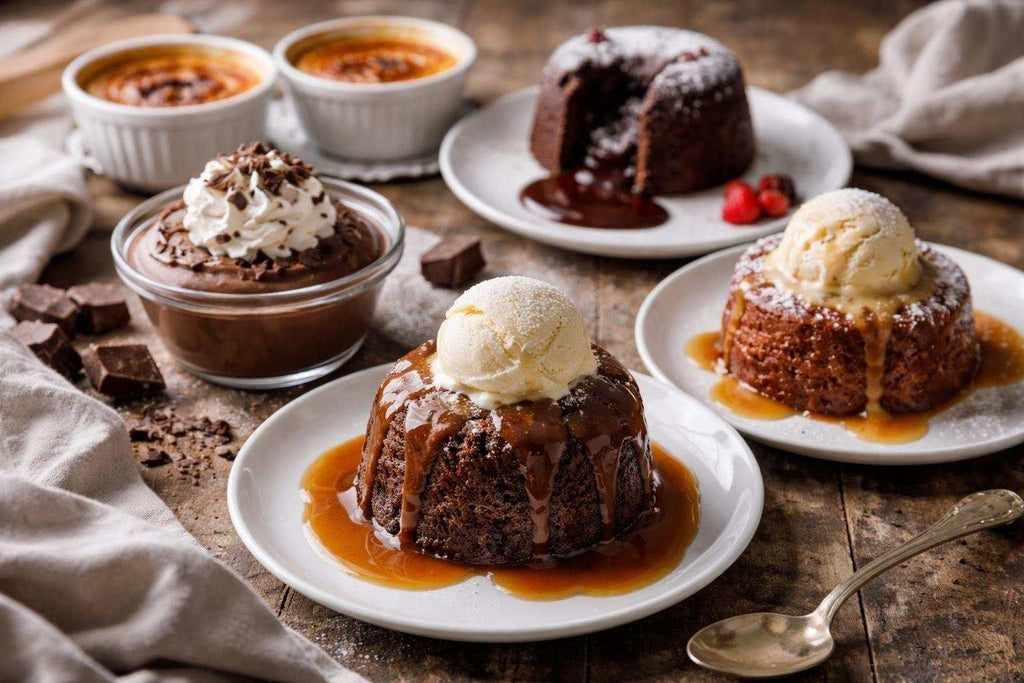
Pudding represents one of the most versatile and beloved dessert categories in global cuisine, with variations that span cultures, cooking methods, and flavour profiles. Whether you're thinking of a rich chocolate dessert, a traditional steamed creation, or a creamy custard-based treat, pudding has evolved significantly from its medieval origins to become a staple of comfort food worldwide. For South Africans living in New Zealand, familiar pudding recipes and dessert ingredients often evoke powerful memories of family gatherings and special occasions back home, making access to authentic products particularly meaningful.
Understanding Pudding and Its Global Variations
The term "pudding" carries different meanings depending on where you are in the world. In British and South African English, pudding often refers to the dessert course itself, regardless of what's being served. Americans typically use the word to describe smooth, creamy, custard-like desserts, while in some regions, it specifically denotes steamed or boiled dishes with a dense, cake-like texture.
The Historical Evolution of Pudding
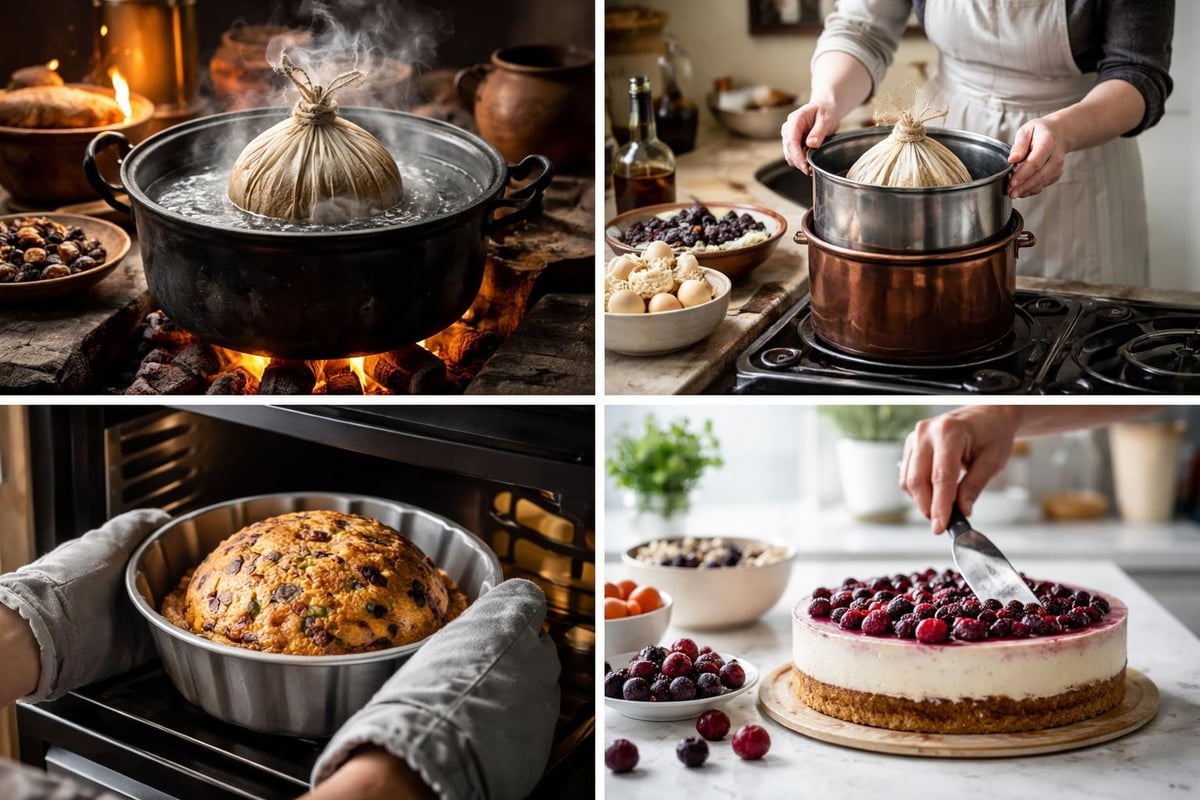
Originally, puddings were savoury dishes made by encasing meat and fat in animal intestines, similar to sausages. Over centuries, the concept transformed into sweet preparations that could be boiled, steamed, or baked. According to culinary historians, the shift toward sweet puddings accelerated during the 17th and 18th centuries as sugar became more accessible and domestic ovens improved.
The development of pudding reflects broader changes in food technology and cultural preferences:
- Medieval puddings relied on boiling and steaming techniques
- Victorian-era innovations introduced baking powder and precise temperature control
- Modern refrigeration enabled chilled custard and mousse-style puddings
- Contemporary interpretations include no-bake and instant varieties
Popular Pudding Styles Around the World
Different cultures have developed distinctive pudding styles that reflect local ingredients, climate conditions, and culinary traditions. These variations demonstrate how a single concept can be interpreted in countless delicious ways.
Baked Puddings
Baked puddings represent some of the most comforting dessert options, particularly during cooler months. These desserts typically combine a cake-like or bread-based structure with sweet sauces or custards that create moisture and richness during the baking process.
Classic baked pudding varieties include:
- Bread and butter pudding, transforming stale bread into luxury
- Rice pudding, slow-baked until creamy and golden
- Self-saucing puddings that create their own sauce while baking
- Fruit-based puddings incorporating seasonal produce
South African cuisine features several iconic baked puddings that hold special significance for expatriates. Malva pudding, with its spongy texture and sweet apricot jam flavour, topped with a hot cream sauce, remains one of the most requested desserts at South African gatherings. This beloved treat represents the fusion of Cape Malay and Dutch culinary influences that characterise much of traditional South African cooking.
Custard-Based Desserts
Custard forms the foundation for numerous elegant pudding variations, ranging from simple baked custards to sophisticated French-style crèmes. The basic combination of eggs, milk, and sugar can be transformed through different cooking methods and flavourings into remarkably diverse desserts.
| Custard Type | Preparation Method | Texture | Common Flavours |
|---|---|---|---|
| Baked Custard | Oven, water bath | Set, sliceable | Vanilla, nutmeg, caramel |
| Stirred Custard | Stovetop, constant stirring | Pourable, smooth | Chocolate, coffee, fruit |
| Crème Brûlée | Baked then torched | Creamy with crisp top | Vanilla, lavender, citrus |
| Panna Cotta | Chilled with gelatin | Silky, wobbly | Berry, coffee, coconut |
South Africans particularly appreciate custard-based desserts like peppermint crisp tart, which layers caramelised condensed milk with whipped cream and crushed peppermint chocolate bars. While technically a tart, this no-bake dessert shares the creamy characteristics that define many beloved pudding recipes.
Chocolate Puddings
Chocolate pudding deserves special recognition as one of the most universally adored dessert options. Whether served warm or chilled, chocolate pudding satisfies cravings for rich, indulgent sweetness with remarkable efficiency.
Popular chocolate pudding variations:
- Traditional stovetop chocolate pudding with cornflour thickening
- Flourless chocolate pudding cakes with molten centres
- Chocolate mousse-style puddings with whipped cream lightness
- Bread pudding incorporating chocolate chips or cocoa powder
For those seeking authentic ingredients to recreate favourite chocolate desserts, Something From Home stocks familiar South African chocolate brands and baking products that expatriates remember from childhood. The ability to source specific ingredients makes all the difference when attempting to replicate cherished family recipes in a new country.
When and How Puddings Are Enjoyed
Pudding consumption patterns vary significantly across cultures and occasions, though certain themes remain consistent worldwide. Understanding these contexts helps explain why particular pudding types have endured through generations.
Everyday Desserts and Family Meals
Many households incorporate pudding into regular meal planning, particularly for Sunday lunches or midweek family dinners. These everyday puddings tend to be straightforward preparations that don't require extensive time or specialised ingredients.
Simple weeknight pudding options include:
- Instant pudding mixes requiring only milk
- Fruit crumbles assembled in minutes
- Rice pudding made in slow cookers
- Jelly and custard combinations
South African families traditionally serve pudding after the main course during Sunday lunch, a practice that many expatriates continue in New Zealand. This ritual maintains cultural connections and provides children with links to their heritage through food traditions.

Celebratory and Holiday Puddings
Certain puddings become intrinsically linked with specific celebrations, holidays, or seasonal events. These special-occasion desserts often involve more complex preparation and richer ingredients than everyday options.
Festival and celebration puddings include:
- Christmas pudding with brandy and dried fruits
- Birthday self-saucing chocolate pudding
- Easter hot cross bun pudding
- Winter solstice steamed puddings with warming spices
The connection between pudding and celebration runs particularly deep in South African culture. Heritage Day, Christmas, and family birthdays frequently feature traditional desserts that have been passed down through generations. For South Africans in New Zealand, recreating these special puddings helps maintain important cultural traditions whilst building new memories in their adopted home.
Pudding in Different Meal Contexts
Beyond the traditional dessert course, pudding appears in various meal settings that reflect changing eating patterns and lifestyle preferences. Modern interpretations have expanded when and how people enjoy these sweet treats.
Contemporary pudding consumption includes:
- Breakfast puddings like chia or overnight oats variations
- Afternoon tea accompaniments in cafés
- Portable pudding cups for school lunches
- Late-night comfort food options
This flexibility explains pudding's enduring popularity across different demographics and dietary preferences. Nutritionists suggest that enjoying desserts like pudding in moderation as part of balanced eating patterns contributes to overall satisfaction without compromising health goals.
South African Pudding Traditions
South African cuisine boasts a rich repertoire of distinctive puddings that reflect the country's diverse cultural influences. These desserts combine indigenous ingredients with European techniques and Malaysian spices, creating unique flavour profiles that expatriates often crave when living abroad.
Iconic South African Sweet Treats
Several pudding varieties stand out as quintessentially South African, representing the nation's culinary identity on international stages. These desserts frequently appear at restaurants, family gatherings, and special occasions throughout South Africa.
| Pudding Name | Key Ingredients | Distinguishing Features | Serving Style |
|---|---|---|---|
| Malva Pudding | Apricot jam, vinegar, bicarbonate of soda | Spongy texture, caramelised flavour | Hot with cream sauce |
| Melktert | Milk, eggs, cinnamon | Custard filling in pastry | Chilled, dusted with cinnamon |
| Peppermint Crisp Tart | Tennis biscuits, caramel, peppermint chocolate | No-bake, layered construction | Frozen or chilled |
| Hertzoggies | Apricot jam, coconut | Individual tart-sized portions | Room temperature |
These traditional puddings carry emotional significance beyond their delicious flavours. They represent home, family connections, and cultural identity for South Africans living thousands of kilometres from where they grew up.
Finding Authentic Ingredients in New Zealand
Creating authentic South African puddings requires specific ingredients that may not be readily available in standard New Zealand supermarkets. Specialised products like Tennis biscuits, Peppermint Crisp chocolate, and particular brands of condensed milk make substantial differences to final results.
South Africans living in New Zealand can access these essential dessert ingredients through dedicated suppliers. As a trusted South African food store in New Zealand, Something From Home maintains stock of more than 2,200 authentic products, including baking supplies, chocolates, and specialty items needed for traditional pudding recipes.
The ability to source familiar brands transforms the cooking experience, allowing expatriates to recreate childhood favourites with accuracy and confidence. Whether you're making malva pudding for a special occasion or simply craving a comforting peppermint crisp tart, having access to authentic ingredients ensures successful results.
Modern Pudding Trends and Innovations
Contemporary pudding culture continues evolving, incorporating new dietary preferences, global flavour influences, and innovative preparation techniques. These developments ensure pudding remains relevant to younger generations whilst respecting traditional foundations.
Health-Conscious Adaptations
Growing awareness of nutrition and dietary restrictions has inspired numerous pudding adaptations that reduce sugar, accommodate allergies, or align with specific eating philosophies.
Modern pudding modifications include:
- Sugar-free versions using alternative sweeteners
- Dairy-free puddings with coconut or almond milk bases
- Gluten-free variations substituting alternative flours
- Protein-enriched puddings for fitness enthusiasts
- Vegan interpretations replacing eggs and dairy
These adaptations don't necessarily compromise flavour or satisfaction. Many home cooks successfully create delicious puddings that meet dietary requirements whilst maintaining the comforting characteristics that make these desserts so appealing.
International Fusion Puddings
Globalisation and increased cultural exchange have produced fascinating fusion puddings that blend techniques and flavours from different traditions. South African cooks in New Zealand often incorporate local ingredients into traditional recipes, creating unique hybrid desserts.
Examples of fusion pudding creativity:
- Malva pudding with New Zealand feijoa incorporation
- Melktert flavoured with manuka honey
- Bread pudding using South African rusks
- Chocolate pudding incorporating rooibos tea

This culinary creativity demonstrates how food traditions adapt to new environments whilst maintaining essential character. The willingness to experiment whilst respecting heritage produces exciting results that honour both cultures.
Practical Tips for Perfect Pudding Preparation
Successful pudding-making relies on understanding fundamental techniques and avoiding common pitfalls. Whether you're attempting a complex steamed pudding or a simple chocolate dessert, certain principles ensure consistent results.
Essential Techniques for Success
Key pudding preparation guidelines:
- Temperature control: Many puddings require precise oven temperatures for proper setting
- Timing accuracy: Overcooking custard-based puddings causes curdling and graininess
- Ingredient quality: Fresh eggs and full-cream milk produce superior texture and flavour
- Proper mixing: Different pudding types require specific mixing methods to achieve ideal consistency
- Resting periods: Some puddings benefit from standing time before serving
Understanding these fundamentals allows confident experimentation with new recipes and flavour combinations. Even experienced bakers continue learning nuances that elevate their pudding-making skills.
Troubleshooting Common Issues
When puddings don't turn out as expected, identifying the problem helps prevent repetition in future attempts. Most issues trace back to ingredient proportions, cooking temperatures, or timing errors.
| Problem | Likely Cause | Solution |
|---|---|---|
| Grainy texture | Overcooked eggs | Lower temperature, constant stirring |
| Watery consistency | Insufficient thickening agent | Add more cornflour or eggs |
| Sunken centre | Underbaking or temperature shock | Ensure thorough cooking, gradual cooling |
| Tough exterior | Excessive heat | Reduce oven temperature, use water bath |
These troubleshooting skills develop through experience and observation. Don't become discouraged by occasional failures, as they provide valuable learning opportunities that improve future results.
Sourcing Quality Pudding Ingredients
The foundation of exceptional pudding lies in ingredient quality and authenticity. Whilst substitutions sometimes work adequately, using correct products significantly impacts final flavour and texture.
Why Authentic Products Matter
South Africans understand that certain brands and products simply cannot be adequately replaced. The specific formulation of Tennis biscuits, the distinctive flavour of Peppermint Crisp chocolate, or the consistency of particular condensed milk brands all contribute to authentic taste profiles.
When living abroad, accessing these familiar products becomes more challenging but remains achievable through specialised retailers. The convenience of ordering authentic South African groceries online has transformed the expatriate cooking experience, eliminating the need for ingredient substitutions that compromise recipe integrity.
Building Your Pudding Pantry
Maintaining a well-stocked pantry with essential pudding ingredients enables spontaneous dessert creation without emergency shopping trips. Consider keeping these staples readily available:
- Quality vanilla extract and cocoa powder
- Various chocolates including South African favourites
- Cornflour and baking powder
- Condensed milk and evaporated milk
- Dried fruits, nuts, and coconut
- Specialty biscuits for no-bake puddings
For South Africans in New Zealand, supplementing local supermarket products with authentic items from something from home creates the perfect balance. This approach provides convenient access to everyday ingredients whilst ensuring availability of speciality products that make South African pudding recipes truly authentic.
Pudding represents far more than simple dessert; it embodies cultural heritage, family traditions, and the comfort of familiar flavours that connect us to cherished memories. Whether you're craving a traditional malva pudding, experimenting with modern variations, or introducing your children to beloved South African sweet treats, having access to authentic ingredients makes all the difference. For South Africans living in New Zealand who want to recreate these special desserts with genuine products, Something From Home offers a comprehensive range of South African groceries, baking supplies, and specialty items that transform your kitchen into a taste of home.