Corn Starch: Uses, Benefits & Where to Buy in NZ
Corn Starch NZ: Quick Answer
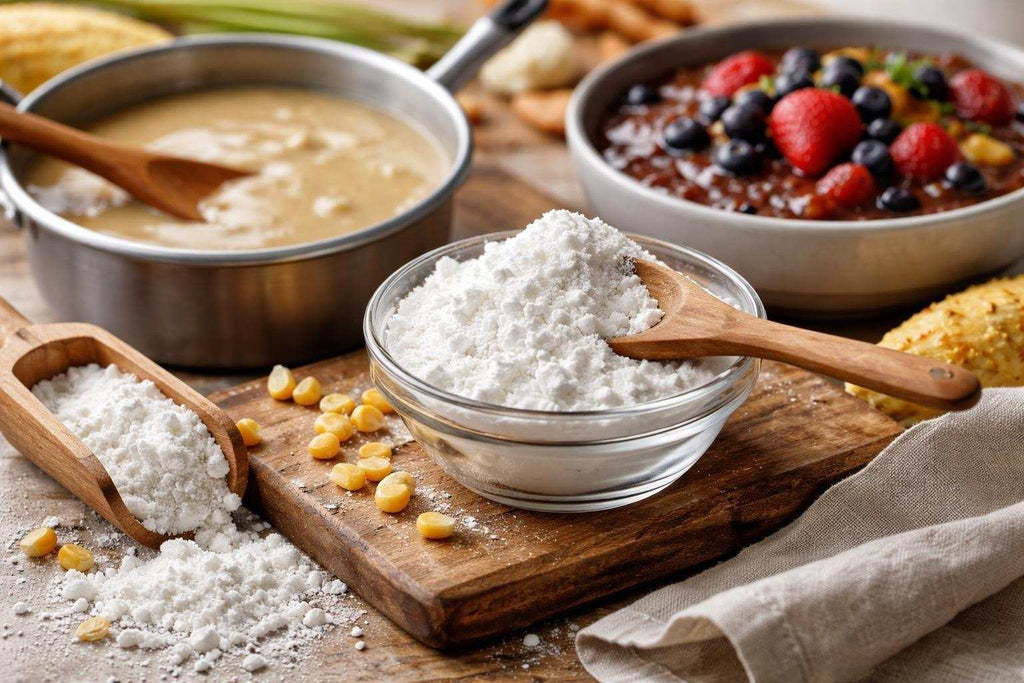
Corn starch is a fine maize starch used for thickening sauces, gravies, soups, custards and pie fillings, as well as for baking and crisp coatings. In New Zealand recipes and shops, it may also be labelled cornflour. Always mix it with cold liquid before adding it to a hot dish to help prevent lumps.
Shop now: Buy Maizena Corn Starch 500g or browse our baking ingredients.
Frequently asked questions
Are corn starch and cornflour the same?
In New Zealand, Australia and South Africa, “cornflour” commonly means the fine white starch called corn starch in North America. Check the ingredient panel: this product is maize starch, not maize meal.
How do I thicken a sauce without lumps?
Stir the corn starch into a small amount of cold water until smooth, then gradually stir the slurry into the hot sauce.
Is Maizena suitable for gluten-free cooking?
The current product information identifies it as gluten free. If you have coeliac disease or a severe allergy, always confirm the declaration on the pack before use.
Corn starch stands as one of the most versatile and essential ingredients in kitchens worldwide, yet many home cooks don't fully appreciate its remarkable properties and diverse applications. This fine, powdery substance derived from corn kernels has become indispensable in both everyday cooking and speciality baking, offering solutions to culinary challenges that range from thickening sauces to creating perfectly crispy coatings. For South Africans living in New Zealand, familiar pantry staples like corn starch connect them to cherished recipes from home, whether they're preparing traditional milk tart, koeksisters, or everyday family meals. Understanding how this humble ingredient works and where to source quality products makes all the difference in achieving authentic results in the kitchen.
What Corn Starch Is and How It's Made
Corn starch is a carbohydrate extracted from the endosperm of corn kernels through an industrial process called wet milling. This fine white powder consists almost entirely of starch molecules, making it an exceptionally pure ingredient with specific culinary properties.
The corn wet-milling process involves several carefully controlled steps to separate the various components of corn kernels. First, whole corn kernels are steeped in water containing sulphur dioxide, which softens the kernels and begins breaking down the protein matrix. After steeping for 24 to 48 hours, the softened kernels move through grinding mills that separate the germ (which contains corn oil) from the rest of the kernel.
The Extraction Process
Once separated, the remaining mixture undergoes further processing to isolate the starch from the protein and fibre components. Centrifuges and screens work together to wash away the corn gluten and fibre, leaving behind a slurry of pure starch and water. This slurry is then dewatered and dried to create the familiar fine powder sold in supermarkets and specialty food stores.
Key characteristics of corn starch include:
- Nearly pure carbohydrate composition (approximately 88% starch)
- Neutral flavour that doesn't affect dish taste
- Brilliant white colour when dry
- Ability to absorb moisture from the air
- Gluten-free nature, making it suitable for coeliac disease sufferers
The production of corn starch has been refined over decades to maximise yield and purity, resulting in a consistent product that performs reliably in various culinary applications.
Using Corn Starch as a Thickening Agent
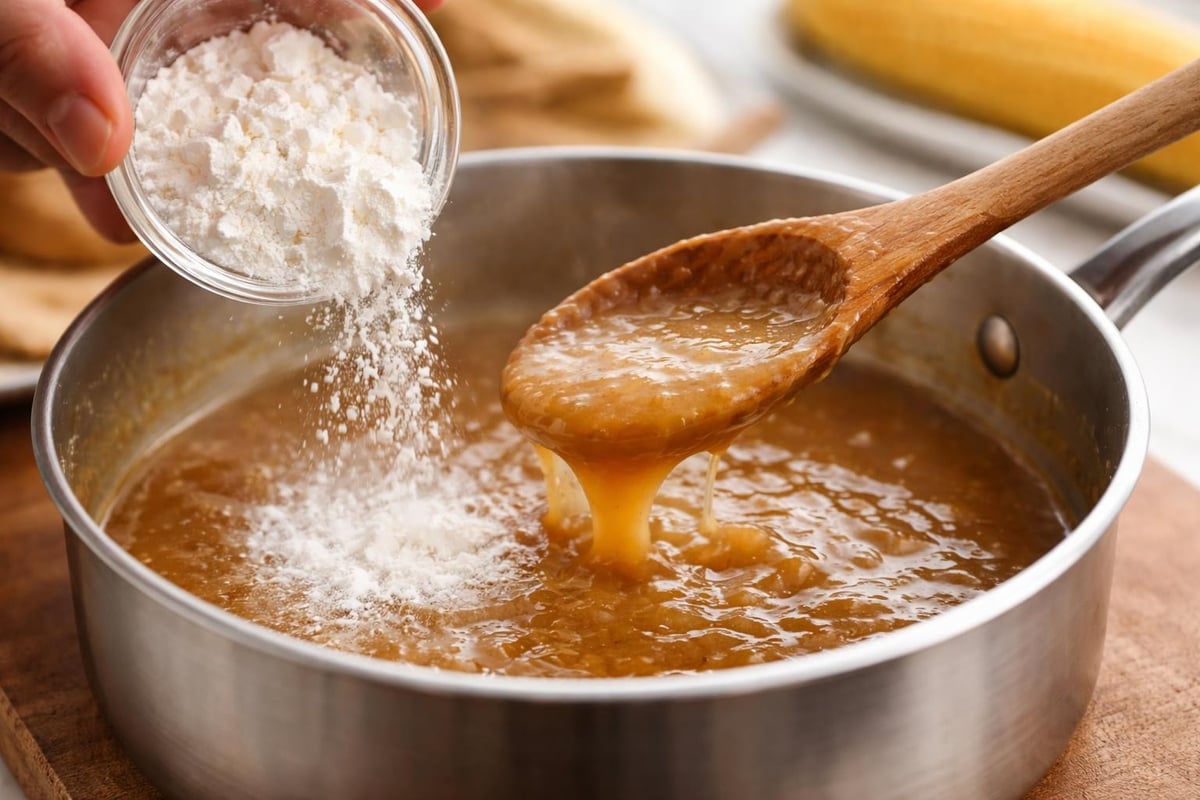
The primary role of corn starch in cooking centres on its exceptional thickening capabilities. When corn starch granules are mixed with cold liquid and then heated, they absorb water and swell dramatically, creating a viscous, translucent gel that transforms thin liquids into luxurious sauces, gravies, and soups.
This thickening action occurs because starch granules are tightly packed bundles of glucose molecules. When heated in liquid, typically above 62°C, these granules begin to absorb water and expand. The process, known as gelatinisation, causes the granules to burst and release their starch molecules, which then form a three-dimensional network that traps liquid molecules and creates thickness.
Proper Techniques for Thickening
Successfully thickening with corn starch requires understanding a few fundamental principles. Always create a slurry by mixing corn starch with cold liquid before adding it to hot dishes. This prevents clumping and ensures even distribution throughout the dish.
| Thickening Method | Best For | Ratio | Tips |
|---|---|---|---|
| Slurry Method | Sauces, gravies, stir-fries | 1 tbsp corn starch to 2 tbsp cold water | Mix thoroughly before adding to hot liquid |
| Direct Addition | Dry rubs, coating mixtures | Varies by recipe | Ensures crispy exterior when frying |
| Paste Method | Puddings, custards | 2-3 tbsp per cup of liquid | Whisk constantly while heating |
Many traditional South African recipes benefit from the precise thickening that corn starch provides. When preparing a classic curry sauce or creating the perfect gravy for Sunday roast, the controlled viscosity that corn starch offers ensures consistent results every time.
The beauty of corn starch as a thickening agent lies in its neutral flavour profile. Unlike flour-based thickeners, corn starch doesn't add any taste to dishes, allowing the natural flavours of ingredients to shine through. This makes it particularly valuable in delicate sauces and sweet preparations where maintaining pure flavour is essential.
Corn Starch in Baking and Desserts
Beyond its role in savoury cooking, corn starch plays several crucial functions in baking and dessert preparation. Bakers prize this ingredient for its ability to create tender textures, stabilise mixtures, and prevent crystallisation in sugar-based preparations.
In cake and biscuit recipes, corn starch reduces the protein content when mixed with flour, resulting in a more tender crumb structure. This technique proves especially valuable when making delicate sponge cakes or shortbread biscuits that should melt in your mouth rather than offer resistance.
Dessert Applications
Common uses in desserts include:
- Preventing sugar crystallisation in fudges and caramels
- Creating smooth, lump-free custards and puddings
- Adding structure to meringues and pavlovas
- Producing silky pie fillings that hold their shape when sliced
- Lightening the texture of brownies and dense cakes
South African favourites like milk tart rely heavily on corn starch to achieve their signature creamy yet firm filling. The starch thickens the milk mixture without making it heavy or overly dense, creating that perfect balance between creaminess and stability.
When making custard-based desserts, corn starch offers advantages over eggs alone. It thickens at a lower temperature, reducing the risk of curdling, and creates a smoother, more stable final product. This reliability makes it invaluable for both novice and experienced bakers.
Creating Perfect Coatings for Frying
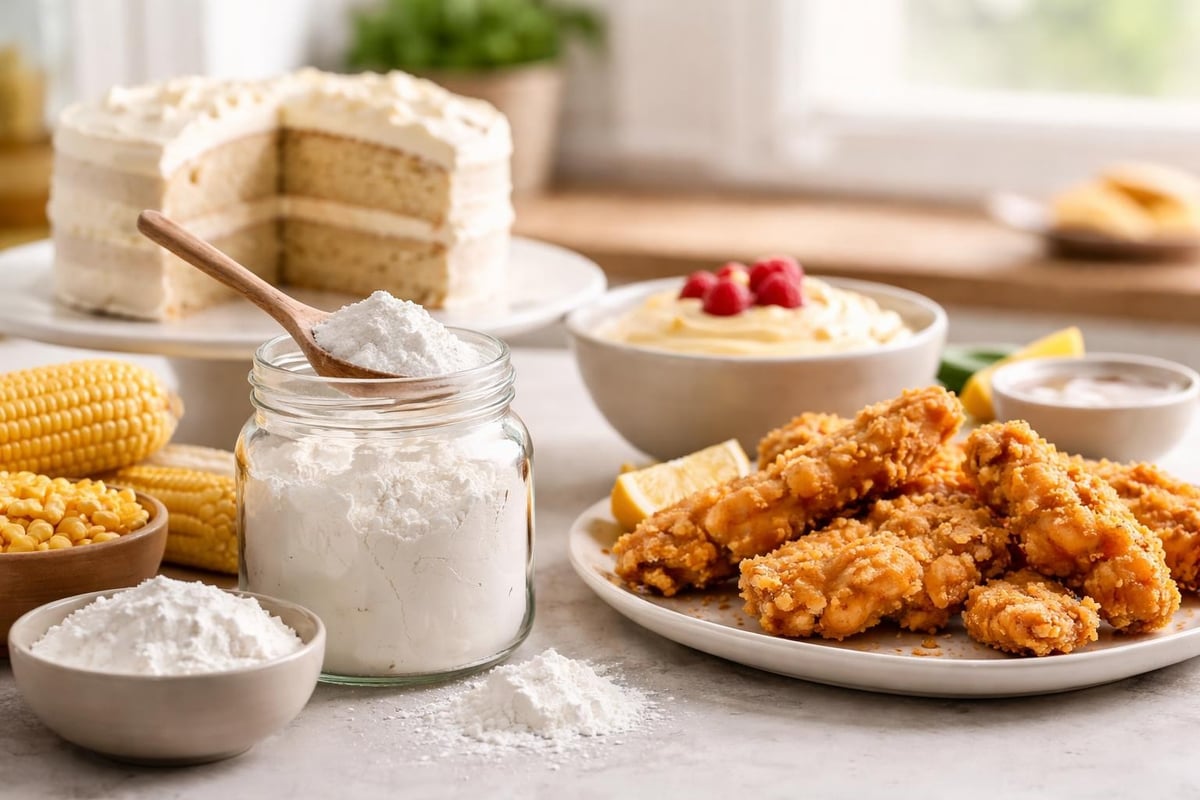
Corn starch excels as a coating ingredient for fried foods, producing exceptionally crispy, golden exteriors that stay crunchy even after cooling. This application has made it a staple in Asian cuisine and increasingly popular in Western cooking as well.
The science behind corn starch's frying success relates to its low moisture content and high starch concentration. When food coated in corn starch hits hot oil, the starch quickly dehydrates and forms a rigid, crispy shell. This shell has a lighter, more delicate texture than flour-based coatings while providing excellent crunch.
Coating Techniques and Tips
For optimal results when coating food for frying, use pure corn starch or create a mixture combining corn starch with other ingredients. A popular technique involves double-coating: dredging food in corn starch, dipping in liquid (often buttermilk or beaten egg), then coating again in seasoned corn starch.
- Pat food completely dry before coating
- Season the corn starch itself rather than the food
- Allow coated items to rest for 5-10 minutes before frying
- Maintain oil temperature between 175-190°C
- Avoid overcrowding the pan to preserve crispiness
Whether preparing chicken schnitzel, calamari, or vegetable fritters, corn starch delivers consistently superior results. The coating remains separate from the food beneath, creating textural contrast that elevates the eating experience.
Many South African expats in New Zealand seek out quality corn starch to recreate beloved fried favourites from home. From crispy fish for traditional fish and chips to perfectly coated chicken pieces, having reliable corn starch in the pantry ensures these dishes turn out right every time.
Why Corn Starch Is a Pantry Essential
Every well-stocked kitchen should include corn starch among its core ingredients. This versatile powder solves countless culinary challenges and enables cooks to achieve professional results without specialised equipment or advanced techniques.
The cost-effectiveness of corn starch adds to its appeal. A single container lasts for months or even years when stored properly, and only small quantities are needed for most applications. This makes it an economical choice for home cooks working within budget constraints.
Storage and Shelf Life
| Storage Aspect | Recommendation | Reason |
|---|---|---|
| Container Type | Airtight, moisture-proof | Prevents clumping and moisture absorption |
| Location | Cool, dry cupboard | Maintains powder consistency |
| Shelf Life | 2-3 years unopened | Indefinite if kept dry |
| Temperature | Room temperature | Heat can degrade starch molecules |
Corn starch's gluten-free nature makes it invaluable for those with coeliac disease or gluten sensitivity. It provides thickening and binding properties in recipes without triggering adverse reactions, opening up possibilities for creating gluten-free versions of traditionally wheat-based dishes.
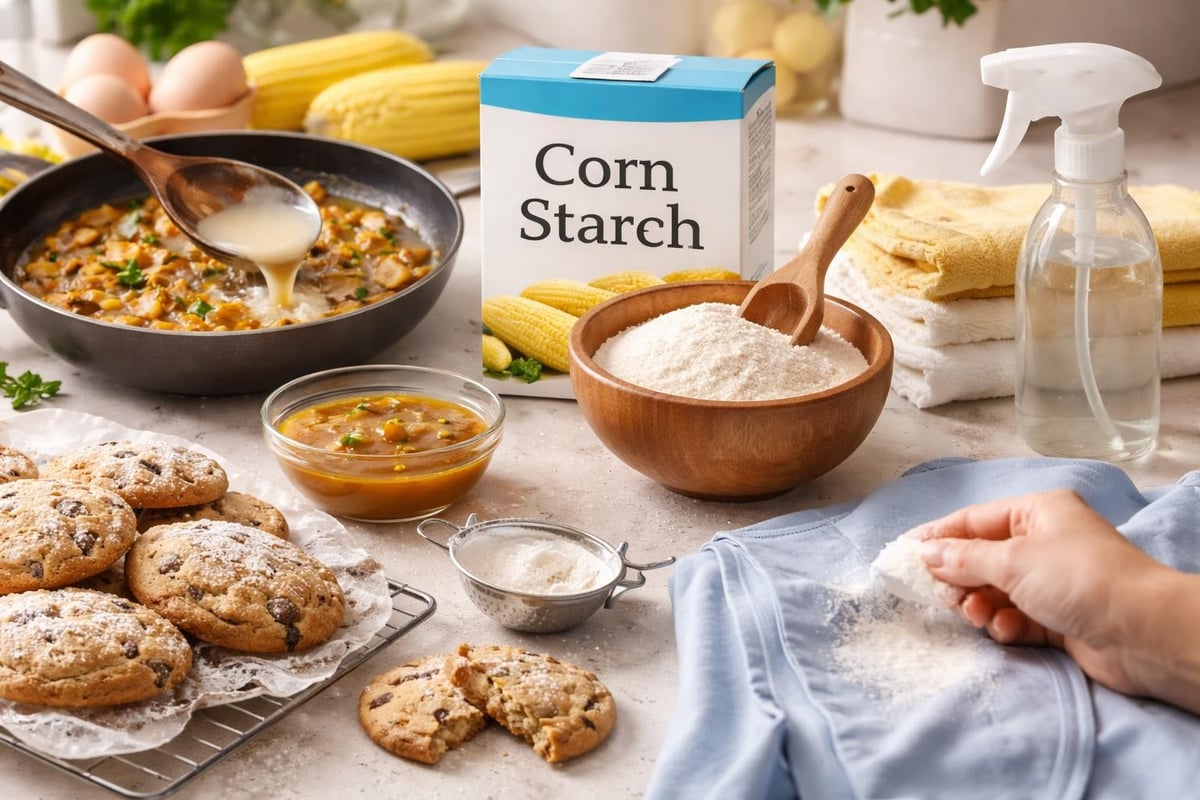
The versatility of corn starch extends beyond the kitchen into household applications. Many people use it for starching clothes, absorbing odours, soothing skin irritations, and even as a component in homemade cleaning products. This multi-functionality justifies keeping corn starch readily available.
Corn Starch in Everyday Cooking
Daily meal preparation becomes easier with corn starch at hand. This ingredient solves common cooking problems and elevates ordinary dishes into restaurant-quality creations with minimal effort.
In stir-fries, corn starch creates the characteristic glossy sauce that clings to vegetables and protein. The technique, called velveting, involves coating meat in a corn starch mixture before cooking, which tenderises the protein and creates a protective barrier that keeps it moist during high-heat cooking.
Practical Cooking Applications
Soups and stews benefit from judicious corn starch additions when they need body without heaviness. Unlike flour-thickened soups that can taste pasty, corn starch-thickened versions maintain clarity and allow individual flavours to remain distinct. This proves particularly useful in Asian-inspired soups and clear broths that should look translucent.
Everyday uses include:
- Preventing fruit pie fillings from becoming watery
- Creating smooth, lump-free cheese sauces
- Thickening slow cooker meals that release excess liquid
- Making quick pan sauces from meat drippings
- Binding ingredients in meatballs and patties
When cooking traditional South African curry, a touch of corn starch can perfect the sauce consistency, ensuring it's neither too thin nor too thick. This attention to texture makes the difference between an average meal and an exceptional one.
The relationship between corn starch and cooking extends to marinades as well. Adding a small amount to marinades helps them adhere better to meat surfaces and creates a slight protective coating during cooking. This technique proves especially valuable when grilling or barbecuing, where maintaining moisture is crucial.
Finding Quality Corn Starch in New Zealand
South Africans living in New Zealand often seek familiar brands and products that remind them of home. While corn starch itself is relatively standardised, having access to trusted suppliers ensures consistent quality and the ability to purchase other essential pantry items simultaneously.
Something From Home serves as a comprehensive South African food store in New Zealand, stocking more than 2,200 South African products for expats and locals who appreciate quality ingredients. This warehouse-based operation understands the importance of maintaining well-stocked pantries with essential cooking staples alongside speciality items.
Shopping for Pantry Staples
When building or replenishing your pantry, consider purchasing corn starch alongside other baking and cooking essentials. This approach saves time and ensures you're never caught without a crucial ingredient mid-recipe.
The convenience of buying South African groceries online in New Zealand has transformed how expats maintain their culinary connections to home. Rather than settling for whatever happens to be available at local supermarkets, they can access familiar brands and products with confidence, knowing they'll receive authentic items that meet their expectations.
Quality matters when selecting corn starch, even though the basic composition remains similar across brands. Finer grinding, better processing, and proper packaging all contribute to performance in recipes. Established suppliers maintain rigorous quality standards that ensure their corn starch performs consistently.
Beyond Food: Industrial Applications
While this article focuses on culinary uses, understanding corn starch's broader applications provides context for its importance as a commodity. The same properties that make it valuable in cooking extend to numerous industrial processes and manufactured products.
Corn starch products appear in paper manufacturing, textile production, adhesive formulation, and pharmaceutical applications. Modified corn starches serve as binders, emulsifiers, and stabilisers in processed foods, demonstrating the ingredient's adaptability through chemical modification.
The push toward sustainable materials has elevated corn starch's importance in packaging and disposable products. Biodegradable corn starch-based materials offer environmentally friendly alternatives to petroleum-based plastics, breaking down naturally without leaving harmful residues.
Environmental Considerations
Corn starch production itself raises sustainability questions worth considering. Large-scale corn cultivation requires significant water, land, and energy inputs. However, improvements in agricultural practices and processing efficiency continue to reduce the environmental footprint of corn starch production.
Modern manufacturing techniques have made corn starch production more efficient and less wasteful. By-products from the wet-milling process, including corn oil, corn gluten feed, and corn steep liquor, find uses in other industries, minimising waste and maximising resource utilisation.
For home cooks, choosing corn starch from suppliers committed to sustainable practices aligns purchasing decisions with environmental values. While the immediate cooking results may appear identical, supporting responsible production methods contributes to broader sustainability goals.
Troubleshooting Common Corn Starch Issues
Even experienced cooks occasionally encounter problems when working with corn starch. Understanding these challenges and their solutions ensures better results and reduces frustration in the kitchen.
Lumping represents the most common issue with corn starch. When added directly to hot liquid, corn starch immediately gelatinises on contact, forming clumps that resist breaking down. The solution involves always creating a slurry with cold liquid first, which disperses the starch granules before they encounter heat.
Common Problems and Solutions
| Problem | Cause | Solution |
|---|---|---|
| Lumpy sauce | Direct addition to hot liquid | Always make slurry first |
| Cloudy appearance | Overcooking or too much starch | Use less, cook just until thickened |
| Thin, watery result | Insufficient heating | Bring to full boil, stir constantly |
| Sticky, gummy texture | Too much corn starch | Reduce quantity by half next time |
Sauces thickened with corn starch can become thin again if held at high temperatures for extended periods. The starch molecules break down with prolonged heat exposure, losing their thickening ability. To prevent this, add corn starch-thickened sauces near the end of cooking and avoid excessive simmering.
Freezing corn starch-thickened foods often results in disappointing textures upon thawing. The freeze-thaw cycle causes the starch molecules to release their trapped water, leading to separation and graininess. For dishes intended for freezing, consider using modified food starches specifically designed to withstand temperature extremes.
Corn Starch Alternatives and Comparisons
While corn starch excels in many applications, understanding alternatives helps cooks make informed substitutions when necessary. Different thickeners offer varying properties, and choosing the right one depends on the specific dish and desired outcome.
Arrowroot starch provides similar thickening power to corn starch with some distinct advantages. It tolerates acidic ingredients better and creates a more translucent appearance, making it ideal for fruit glazes and sauces. However, it costs more and breaks down with prolonged cooking.
Comparative Analysis
Potato starch offers another alternative with higher thickening power than corn starch. It works well in gluten-free baking and creates exceptionally crispy coatings for frying. The main drawback involves its tendency to become slimy if overcooked or over-stirred.
Key differences between thickeners:
- Flour: Requires longer cooking, adds flavour, creates opaque results
- Tapioca starch: Handles freezing well, creates chewy texture, tolerates acidic conditions
- Arrowroot: More expensive, heat-sensitive, produces clear sauces
- Potato starch: Very powerful thickener, can become slimy, gluten-free
For most South African recipes traditionally calling for corn starch, substitutions risk altering the authentic taste and texture. When recreating cherished dishes from home, using the specified corn starch ensures results match treasured memories and family expectations.
The scientific properties of corn starch make it uniquely suited to certain applications where alternatives fall short. Its neutral flavour, moderate thickening power, and reliable performance explain why so many recipes specifically call for it rather than leaving the choice open.
Maximising Value from Corn Starch
Getting the most from corn starch involves more than simply using it in recipes. Strategic purchasing, proper storage, and creative applications extend the value of this affordable ingredient.
Buying larger quantities typically reduces the per-unit cost, making economic sense for households that cook frequently. However, this approach only makes sense if you can store the corn starch properly to prevent moisture absorption and maintain quality throughout its extended shelf life.
Consider the full range of corn starch applications when planning purchases. If you only use it occasionally for thickening gravies, a small container suffices. However, households that regularly bake, fry foods, and prepare various cuisines benefit from keeping larger quantities on hand.
Maximising Kitchen Efficiency
Keeping corn starch in an easily accessible location encourages regular use and prevents it from being forgotten in the back of the cupboard. Many cooks find that placing it alongside flour and other baking essentials creates a logical organisation system that supports efficient cooking.
Experimenting with corn starch in new applications expands your culinary repertoire and increases the ingredient's value. Try using it in recipes you wouldn't normally consider, such as adding it to spice rubs for grilled meats or incorporating it into homemade ice cream for improved texture.
For South African expats maintaining connections to their food heritage while living in New Zealand, having reliable access to quality corn starch and other pantry essentials makes all the difference in recreating authentic flavours and textures from home.
Corn starch remains an indispensable ingredient that deserves a permanent place in every well-equipped kitchen, offering solutions for thickening, baking, frying, and countless other culinary applications. Whether you're preparing traditional South African favourites or exploring new recipes, having quality corn starch and other essential ingredients readily available ensures cooking success and authentic results every time.