Cinnamon Roll NZ: Your Complete Guide to This Sweet Treat

Cinnamon rolls have become a beloved staple in bakeries, cafés, and home kitchens across New Zealand. These sweet, spiral pastries deliver comfort and indulgence in every bite, making them a popular choice for breakfast, brunch, or an afternoon treat. Whether you're searching for the perfect cinnamon roll NZ bakery or planning to create your own at home, understanding what makes these pastries so special helps you appreciate why they've captured the hearts of Kiwis nationwide.
What Makes a Cinnamon Roll Special
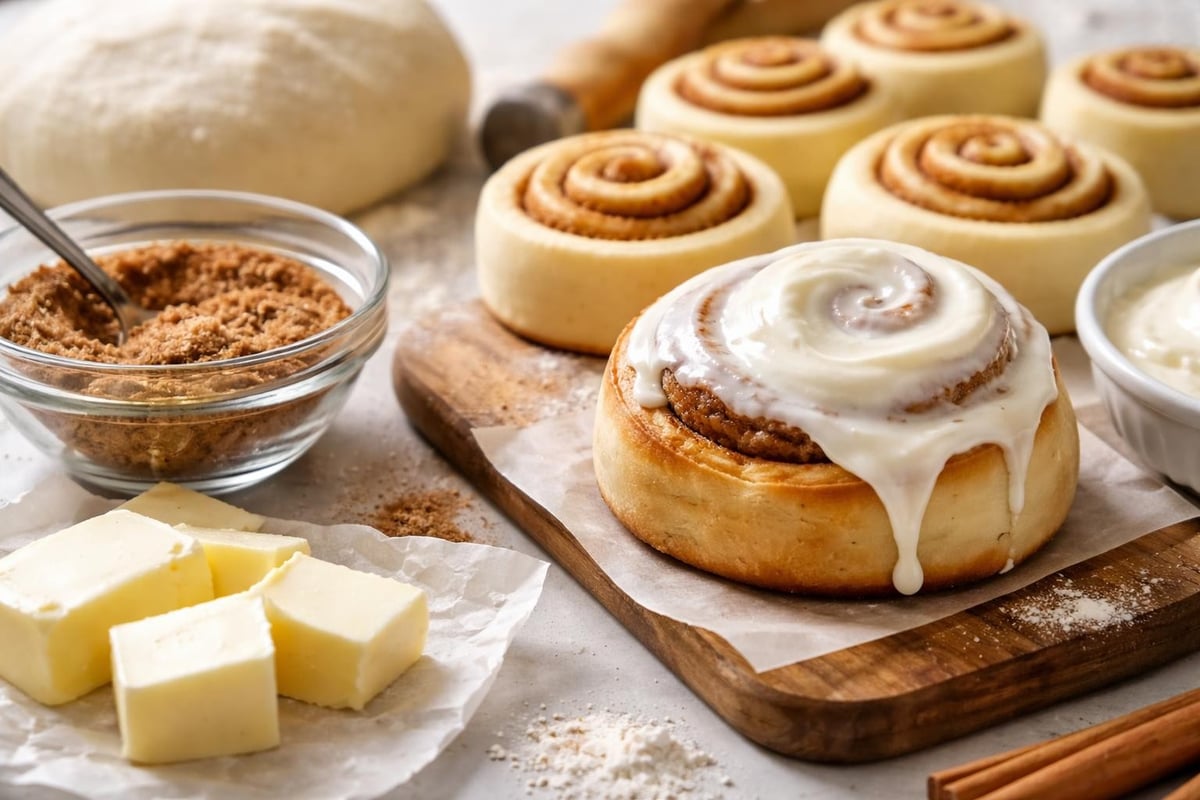
A cinnamon roll is a sweet pastry made from rolled dough filled with cinnamon sugar and typically topped with icing or glaze. The dough itself is enriched with butter, milk, and eggs, creating a soft, pillowy texture that contrasts beautifully with the sweet, spiced filling.
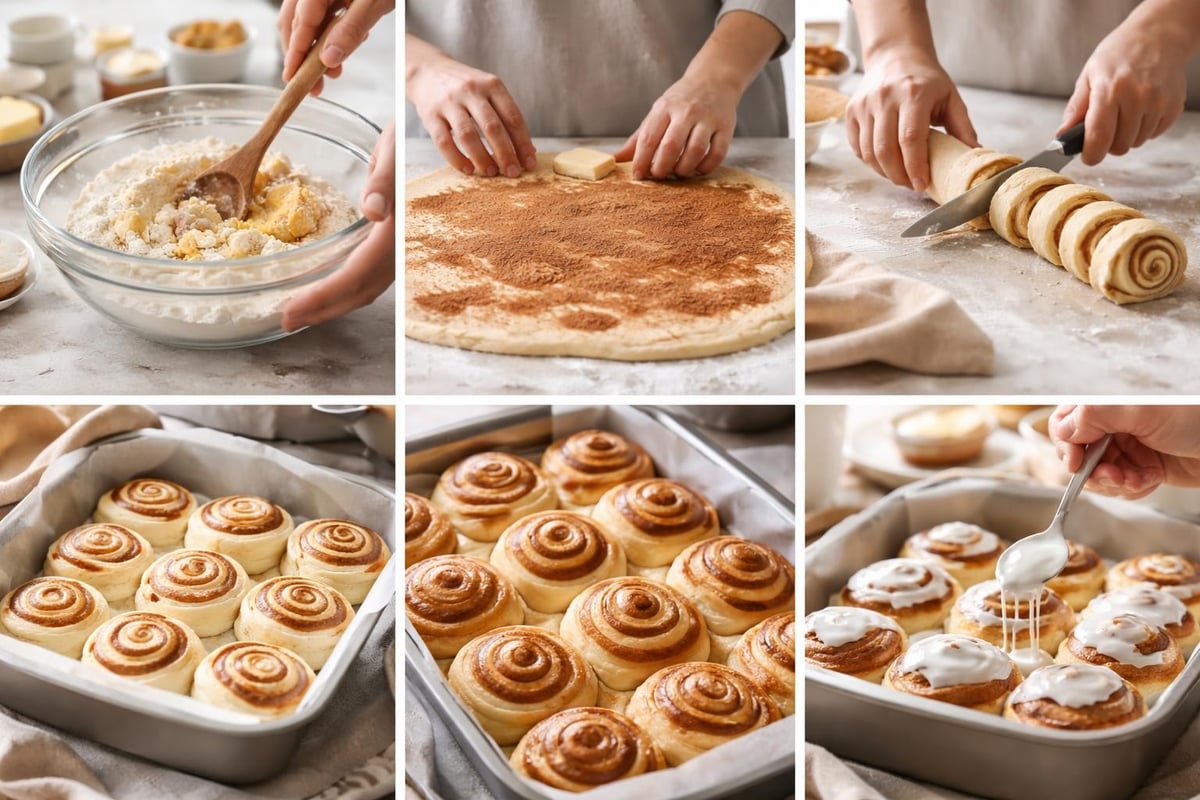
The construction process involves rolling out yeasted dough into a rectangle, spreading it with softened butter, and sprinkling it generously with cinnamon sugar. The dough is then tightly rolled, sliced into portions, and baked until golden. This technique creates the distinctive spiral pattern that makes cinnamon rolls instantly recognisable.
The Perfect Flavour Profile
The magic of a cinnamon roll lies in its layered flavour experience:
- Soft, enriched dough that melts in your mouth
- Warm cinnamon providing aromatic spice notes
- Brown sugar adding caramel-like sweetness
- Butter creating richness throughout
- Cream cheese or vanilla icing balancing the spices
The best cinnamon rolls achieve a delicate balance between sweetness and spice. Too much cinnamon can overwhelm, while too little leaves the roll tasting one-dimensional. Quality bakeries in New Zealand have mastered this equilibrium, creating cinnamon rolls that satisfy without being cloying.
The Rise of Cinnamon Rolls in New Zealand Bakeries
Cinnamon rolls have experienced significant growth in popularity across New Zealand's café and bakery scene over the past decade. This sweet treat has evolved from an occasional offering to a menu staple in many establishments.
New Zealand's coffee culture has played a substantial role in this growth. Cinnamon rolls pair exceptionally well with flat whites, long blacks, and cappuccinos, making them an ideal companion for the Kiwi coffee ritual. The expansion of international bakery chains into New Zealand has also increased awareness and demand for quality cinnamon rolls.
When Kiwis Enjoy Cinnamon Rolls
The versatility of cinnamon rolls means they fit multiple occasions throughout the day:
- Weekend brunch with family or friends
- Mid-morning coffee break at work or cafés
- Afternoon treat during shopping trips
- Special breakfast celebrations
- Comfort food during cold winter months
Many New Zealanders view the cinnamon roll as a treat worth queuing for on Saturday mornings. The aroma of freshly baked cinnamon rolls wafting from a bakery creates an irresistible pull that draws customers inside.
Making Cinnamon Rolls at Home
Creating cinnamon rolls in your own kitchen allows you to control ingredients, customise flavours, and enjoy fresh pastries whenever the craving strikes. While the process requires time and patience, the results are thoroughly rewarding.
Essential Ingredients and Techniques
Successful home baking starts with quality ingredients. Bread flour provides structure, while full-fat milk and butter create tenderness. Fresh yeast or active dry yeast ensures proper rise, and ground cinnamon should be fragrant and recently purchased.
The fluffy cinnamon rolls recipe demonstrates how proper kneading develops gluten structure, creating the soft texture characteristic of excellent cinnamon rolls. Allowing adequate rising time is crucial; rushing this step results in dense, heavy pastries.
| Baking Stage | Time Required | Key Success Factor |
|---|---|---|
| Dough preparation | 15-20 minutes | Proper kneading technique |
| First rise | 60-90 minutes | Warm, draft-free environment |
| Shaping and filling | 15 minutes | Even distribution of filling |
| Second rise | 30-45 minutes | Doubled in size |
| Baking | 25-30 minutes | Golden-brown colour |
For those seeking variations, apple cinnamon rolls introduce fruit into the classic recipe, while dark chocolate cinnamon rolls combine rich cocoa with traditional spices for an indulgent twist.
Time-Saving Methods
Not everyone has hours to dedicate to baking. Quick methods exist for those craving homemade cinnamon rolls without the extended time commitment. The no-knead, one-hour cinnamon roll recipe simplifies the process dramatically, making fresh cinnamon rolls achievable on busy mornings.
Alternatively, cinnamon scrolls without yeast use baking powder for leavening, eliminating rising time entirely. While these versions differ slightly in texture from traditional yeasted rolls, they still deliver satisfying cinnamon sweetness.
Creative Cinnamon Roll Variations in NZ
Innovation keeps the cinnamon roll experience fresh and exciting. New Zealand bakers have embraced creativity, developing unique versions that honour tradition while exploring new flavour territories.
Topping and Glaze Options
Beyond classic cream cheese icing, numerous topping possibilities exist:
- Caramel glaze adding toffee-like richness
- Maple icing providing autumnal warmth
- Salted caramel balancing sweetness with savoury notes
- Vanilla bean glaze offering pure, clean sweetness
- Brown butter frosting introducing nutty complexity
The cinnamon rolls with caramel glaze recipe demonstrates how a different topping can transform the entire eating experience. The sticky, sweet caramel creates an indulgent finish that rivals any bakery offering.
Fusion and Modern Interpretations
Creative cooks have pushed boundaries, combining cinnamon roll flavours with other beloved foods. Cinnamon roll pancakes represent this innovative spirit, swirling cinnamon sugar through pancake batter to create a hybrid breakfast dish that captures the essence of cinnamon rolls in a different format.
Some bakeries incorporate local New Zealand ingredients like manuka honey, feijoa, or hokey pokey pieces, creating distinctly Kiwi versions of this international favourite. These adaptations reflect New Zealand's diverse food culture and willingness to experiment with traditional recipes.
Where to Find Quality Cinnamon Rolls
Finding excellent cinnamon rolls in New Zealand requires knowing what to look for. Quality indicators include visible layers in the spiral, soft texture that springs back when pressed, and icing that complements rather than overwhelms.
Bakery Shopping Tips
When evaluating a cinnamon roll from a bakery or café, consider these factors:
- Freshness: The best cinnamon rolls are consumed within hours of baking
- Size: Generous portions indicate quality ingredients and proper rising
- Aroma: Strong cinnamon scent suggests adequate spice filling
- Texture: Soft throughout with slight pull when separated
- Icing ratio: Enough to add flavour without making the roll soggy
Many independent bakeries across New Zealand pride themselves on their cinnamon roll recipes, often baking fresh batches throughout the morning to ensure customers receive warm, freshly prepared treats.
Pairing Cinnamon Rolls with Beverages
The right beverage elevates the cinnamon roll experience from good to exceptional. Coffee remains the classic pairing, but numerous options complement the sweet, spiced flavour profile.
Perfect Coffee Matches
| Coffee Type | Why It Works | Best For |
|---|---|---|
| Flat white | Creamy texture balances sweetness | Traditional cinnamon rolls |
| Long black | Bold flavour cuts through richness | Heavily iced rolls |
| Cappuccino | Foam adds textural contrast | Morning treats |
| Mocha | Chocolate complements cinnamon | Chocolate cinnamon variations |
Beyond coffee, other beverages work beautifully with cinnamon rolls. Hot chocolate provides double indulgence, chai tea echoes the warm spices, and cold milk offers refreshing contrast. Some prefer herbal teas like rooibos, which brings its own subtle sweetness without competing with the pastry.

The Cultural Connection for Expats
For South Africans living in New Zealand, familiar treats provide comfort and connection to home. While cinnamon rolls aren't exclusively South African, the love of sweet baked goods transcends borders. Many expats seek out quality bakery items that remind them of home country favourites.
The expat experience often involves navigating new food landscapes while seeking familiar comforts. Something From Home understands this journey, offering more than 2,200 South African products to help maintain culinary connections. While they specialise in South African groceries, snacks, and treats, their warehouse serves as a resource for expats seeking quality ingredients for baking projects, including items that complement sweet treats like cinnamon rolls.
Building Community Through Food
Shared food experiences create community among expats. Baking cinnamon rolls for a gathering or discovering a excellent local bakery becomes a talking point, a shared experience that builds connections in a new country.
Many South Africans in New Zealand appreciate the Kiwi café culture, finding similarities with their home country's love of good coffee and sweet treats. This common ground helps with integration while maintaining distinct cultural food traditions.
Storing and Reheating Cinnamon Rolls
Proper storage extends the enjoyment of cinnamon rolls beyond their initial baking. Understanding how to maintain freshness and restore warmth makes it possible to savour these treats over several days.
Storage Methods
Room temperature storage works best for rolls consumed within 24 hours. Place them in an airtight container at cool room temperature, keeping icing from touching container sides to prevent sticking.
Refrigeration extends life to 3-4 days but firms the texture. Allow refrigerated rolls to reach room temperature before eating, or warm gently to restore softness.
Freezing preserves cinnamon rolls for up to three months. Wrap individual rolls tightly in plastic wrap, then place in freezer bags. Thaw overnight in the refrigerator and warm before serving.
Reheating Techniques
Restoring warmth and softness requires gentle heat:
- Oven method: Wrap rolls in foil, heat at 160°C for 10-15 minutes
- Microwave method: Heat individual rolls for 20-30 seconds on medium power
- Air fryer method: Reheat at 150°C for 3-5 minutes for slightly crispy exterior
Adding a small dish of water to the oven or microwave creates steam, preventing rolls from drying out during reheating. This technique helps restore the fresh-from-the-oven quality.
Ingredients That Elevate Homemade Versions
Quality ingredients make the difference between average and exceptional homemade cinnamon rolls. Investing in premium items yields noticeably better results.
Premium bread flour contains higher protein content than standard flour, developing stronger gluten networks that create better structure. European-style butter with higher fat content produces richer flavour and more tender crumb. Ceylon cinnamon offers more complex, sweet notes compared to standard cassia cinnamon.
Fresh yeast provides more reliable rising than older packets, while full-fat dairy products contribute superior flavour and texture. Brown sugar, particularly dark varieties, adds molasses notes that enhance the overall flavour profile of the filling.
For those who enjoy baking and creating treats at home, having access to quality ingredients makes all the difference. While cinnamon rolls themselves represent international cuisine, the principles of quality ingredient selection apply across all baking traditions, including the distinctive South African treats and baked goods that many expats miss when living abroad.
The Social Experience of Cinnamon Rolls
Beyond taste, cinnamon rolls create social moments worth celebrating. The communal aspect of sharing freshly baked pastries strengthens relationships and builds memories.
Weekend baking projects bring families together. Children enjoy helping with dough rolling and filling spreading, creating traditions that last beyond childhood. The anticipation while rolls rise and bake builds excitement, making the final product taste even better.
Bringing homemade cinnamon rolls to gatherings demonstrates care and effort. The impressive appearance of a pan of perfectly spiralled rolls sparks conversation and appreciation. Even those who claim they "can't bake" often find success with well-written cinnamon roll recipes, boosting confidence for future kitchen adventures.
Café visits centred around cinnamon rolls become ritual. Meeting friends for Saturday morning coffee and a warm cinnamon roll creates weekly touchpoints that maintain relationships through busy lives. These small traditions provide structure and connection in ways that transcend the food itself.
Nutritional Considerations and Alternatives
While cinnamon rolls are undeniably indulgent, understanding their nutritional profile helps make informed choices. A typical bakery cinnamon roll contains 300-600 calories, depending on size and icing amount.
Making Lighter Versions
Those seeking to reduce calories or accommodate dietary needs have several options:
- Whole wheat flour adds fibre and nutrients
- Reduced sugar in filling maintains flavour with less sweetness
- Greek yoghurt icing provides protein while reducing fat
- Smaller portions satisfy cravings with controlled intake
- Fruit additions like apples or berries increase nutritional value
Gluten-free cinnamon rolls require specialised flour blends but can achieve satisfying results. Vegan versions substitute plant-based milk and butter, with flax or chia eggs replacing traditional eggs. These adaptations ensure more people can enjoy cinnamon rolls regardless of dietary restrictions.
The key is viewing cinnamon rolls as an occasional treat rather than daily staple. When enjoyed mindfully as part of balanced eating, they contribute to overall food satisfaction and enjoyment.
Cinnamon rolls offer New Zealanders a delicious way to enjoy sweet treats throughout the day, whether from favourite local bakeries or made at home with quality ingredients. The comfort these pastries provide extends across cultures, bringing people together through shared appreciation of well-crafted baked goods. For South Africans living in New Zealand who value quality ingredients and familiar comfort foods, Something From Home provides access to more than 2,200 authentic South African products, helping maintain culinary traditions while embracing the best of Kiwi food culture.