
Proteas: South Africa's Iconic Flower and Symbol
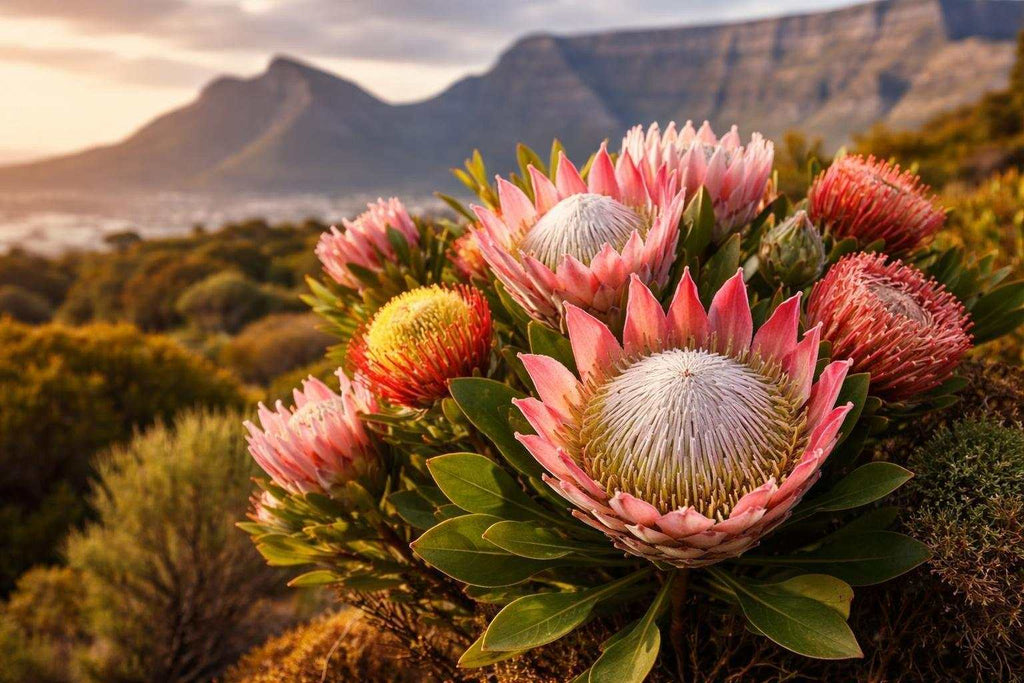
Proteas stand as one of South Africa's most recognisable symbols, representing the nation's rich biodiversity and cultural heritage. These striking flowers, native to the Southern Hemisphere, particularly flourish across South Africa's fynbos regions. For South Africans living abroad in countries like New Zealand, proteas serve as powerful reminders of home, embodying memories of the stunning Cape floral kingdom and the distinctive landscapes that define the Rainbow Nation. Whether displayed in gardens, featured on the Springbok jersey, or celebrated in cultural traditions, these magnificent blooms hold deep significance that transcends their botanical beauty.
The Botanical Significance of Proteas
The Proteaceae family encompasses over 1,400 species distributed across the Southern Hemisphere, with South Africa hosting approximately 330 protea varieties. These remarkable plants evolved over millions of years, adapting to nutrient-poor soils and fire-prone environments that characterise the fynbos biome.
Named after the Greek god Proteus, who could change his form at will, proteas display extraordinary diversity in shape, size, and colour. The naming reflects the genus's incredible variety, ranging from ground-hugging shrubs to towering trees.
Understanding Protea Varieties
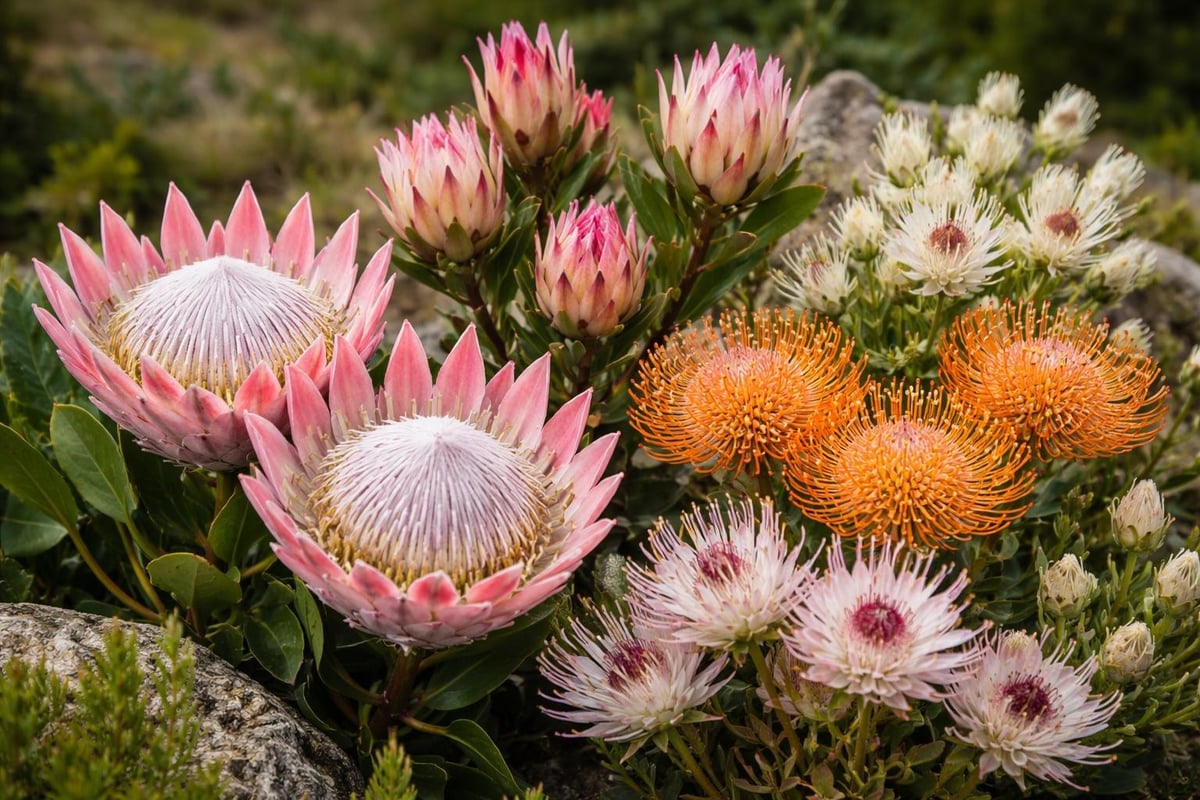
South Africa's protea species showcase remarkable adaptability and aesthetic appeal. The king protea (Protea cynaroides), South Africa's national flower since 1976, produces massive flower heads that can reach 30 centimetres in diameter. This iconic species grows predominantly in the Western Cape's mountainous regions.
Popular protea varieties include:
- King Protea: The largest flower head, symbolising strength and diversity
- Sugarbush (Protea repens): A hardy species producing nectar-rich blooms
- Pincushion Proteas (Leucospermum): Distinctive spherical flowers with prominent styles
- Blushing Bride (Serruria florida): Delicate white blooms favoured in wedding arrangements
- Queen Protea (Protea magnifica): Striking grey-green foliage with cream flowers
According to research from the International Society for Horticultural Science, the protea industry has undergone significant transformation over six decades, evolving from wild harvesting to sophisticated commercial cultivation.
Cultivation and Growing Requirements
Successfully cultivating proteas requires understanding their natural habitat and specific needs. These plants thrive in conditions that mirror their native South African environment, presenting both challenges and rewards for dedicated gardeners.
Soil and Drainage Essentials
Proteas demand exceptional drainage and acidic to neutral soil conditions. Heavy clay soils prove fatal to most species, as these plants evolved in sandy, well-draining substrates with low nutrient content.
| Soil Requirement | Specification | Importance |
|---|---|---|
| pH Level | 5.5 - 6.5 | Critical for nutrient uptake |
| Drainage | Excellent | Prevents root rot |
| Phosphorus | Very low | High levels are toxic |
| Organic Matter | Minimal | Avoid rich compost |
The Botanic Gardens of Sydney emphasises that proper site selection determines success more than any other factor. Raised beds or sloped sites provide ideal drainage conditions for these sensitive plants.
Climate Preferences and Positioning
Most protea species prefer Mediterranean climates with cool, wet winters and warm, dry summers. Full sun exposure promotes compact growth and abundant flowering, whilst shade causes leggy plants with reduced bloom production.
Wind protection benefits young plants, yet mature specimens tolerate coastal conditions remarkably well. New Zealand gardeners, particularly in regions with similar climates to the Western Cape, can successfully cultivate many protea varieties.
The Canterbury Horticultural Society notes that New Zealand's climate suits protea cultivation in many areas, particularly regions with mild winters and moderate summer temperatures.
Cultural Importance in South African Heritage
Beyond their botanical significance, proteas occupy a central place in South African identity and cultural expression. The flower appears on currency, sports jerseys, and official emblems, serving as an instantly recognisable symbol of the nation.
The Springboks, South Africa's national rugby team, feature the king protea on their jersey, connecting sporting pride with natural heritage. This association strengthens the emotional connection South Africans maintain with these distinctive flowers.
Proteas in Traditional Practices
Indigenous knowledge systems recognised protea species for various practical applications long before European botanical classification. The nectar from certain species provided traditional sweeteners, whilst the woody stems found use in crafts and construction.
Modern appreciation of proteas extends to:
- Wedding ceremonies and celebrations
- National commemorations and state functions
- Tourism marketing and branding
- Garden design and landscaping
- Cut flower industry and exports
For South Africans living in New Zealand, encountering proteas in local gardens or florists triggers powerful nostalgia. These flowers connect expatriates to memories of Table Mountain, the Garden Route, and family gatherings back home.

The Commercial Protea Industry
South Africa dominates global protea production, exporting cut flowers and foliage to markets worldwide. The industry provides livelihoods for thousands of farmers, particularly in the Western Cape's mountainous regions where commercial cultivation thrives.
Growing Proteas for Cut Flower Production
Commercial growers implement specialised techniques to maximise yield and quality. Research on indigenous cut flower production reveals that proper harvesting timing significantly impacts vase life and market value.
Professional cultivation requires:
- Strategic variety selection based on market demand
- Precise irrigation management during critical growth phases
- Careful pruning to maintain plant shape and productivity
- Integrated pest management for thrips and fungal diseases
- Post-harvest handling protocols for extended shelf life
Export markets particularly value proteas for their exotic appearance and exceptional vase life, with properly handled stems lasting three to four weeks after cutting.
Proteas in New Zealand Markets
New Zealand's floristry industry incorporates proteas into premium arrangements, though most flowers arrive as imports. Local cultivation remains limited, creating opportunities for specialty growers who understand the plants' exacting requirements.
Garden Express provides comprehensive guidance for home gardeners and small-scale producers, emphasising that success depends on replicating natural growing conditions.
Care and Maintenance Practices
Established proteas require minimal maintenance compared to many garden plants, yet specific practices ensure vigorous growth and abundant flowering. Understanding these requirements prevents common cultivation failures.
Watering and Fertilisation
Deep, infrequent watering promotes healthy root development whilst preventing fungal diseases. Established plants tolerate drought remarkably well, requiring supplemental irrigation only during extended dry periods.
Fertilisation presents challenges, as proteas evolved in nutrient-poor soils. Conventional fertilisers, particularly those high in phosphorus, prove toxic to most species. Specialised low-phosphorus formulations designed for native plants provide safer options.
Seasol's cultivation guide recommends regular applications of seaweed-based tonics, which strengthen plants without risking nutrient toxicity. These products support healthy growth whilst respecting proteas' low-nutrient requirements.
Pruning Techniques
Strategic pruning maintains compact plants and encourages flowering. Light pruning immediately after flowering prevents plants from becoming woody and unproductive.
| Pruning Type | Timing | Purpose |
|---|---|---|
| Deadheading | After flowering | Promotes new growth |
| Shape pruning | Late winter | Maintains compact form |
| Rejuvenation | Every 3-4 years | Renews old plants |
| Harvest cutting | When stems mature | Encourages branching |
Never cut into old wood without visible buds, as many protea species struggle to regenerate from bare stems. Young plants benefit from tip pruning to encourage branching and bush development.
Proteas and the South African Diaspora
For South Africans who've relocated to New Zealand, proteas represent tangible connections to their homeland. These flowers evoke memories of hiking in the Cederberg, exploring Kirstenbosch Botanical Gardens, or simply passing roadside vendors selling fresh-cut blooms.
The expatriate community in New Zealand actively maintains cultural connections through food, traditions, and symbols like proteas. Just as South Africans seek familiar grocery items and snacks from home, they appreciate encountering proteas in their adopted country.
Something From Home understands this connection to South African heritage, which is why their warehouse stocks over 2,200 authentic South African products. Whilst fresh proteas may prove challenging to source, other cultural touchstones remain accessible.
Maintaining Cultural Identity Abroad
Living abroad strengthens appreciation for homeland symbols and traditions. South Africans in New Zealand often create gardens featuring indigenous plants, celebrate Heritage Day, and seek authentic products that reconnect them with their roots.
Cultural maintenance strategies include:
- Growing South African plants in home gardens
- Attending South African community events and gatherings
- Shopping at specialised South African food stores
- Sharing traditional recipes and cooking methods
- Teaching children about their heritage and traditions
The ability to access familiar items, whether plants, foods, or cultural products, helps expatriates maintain their identity whilst integrating into New Zealand society.
Conservation and Environmental Challenges
Despite their abundance in cultivation, many wild protea populations face significant threats. Habitat loss, invasive species, and climate change impact these distinctive plants in their native ranges.
The Cape Floral Kingdom, a UNESCO World Heritage Site, hosts exceptional protea diversity yet faces mounting pressure from urban development and agricultural expansion. Conservation organisations work to protect remaining wild populations whilst educating communities about sustainable practices.
Fire Ecology and Protea Survival
Fire plays a crucial role in protea reproduction and ecosystem health. Many species evolved serotinous seed release, storing seeds in protective cones that open only after fire. This adaptation ensures seedlings emerge when competition decreases and nutrients become available.
Biology Insights explains how understanding natural fire cycles informs cultivation practices, particularly regarding plant rejuvenation and landscape management.
Modern conservation balances traditional fire management with urban safety concerns, requiring sophisticated approaches to ecosystem maintenance.
Growing Proteas in New Zealand Conditions
New Zealand's diverse climate zones offer varying suitability for protea cultivation. Regions with Mediterranean-type climates, particularly parts of Canterbury, Marlborough, and Hawke's Bay, provide promising conditions.
Regional Considerations
Successful cultivation depends on matching protea varieties to local conditions. Coastal areas with mild winters suit species from South Africa's southern Cape, whilst inland regions may accommodate hardier varieties.
SA Garden and Home emphasises mimicking natural habitat conditions, which means New Zealand growers must research their chosen species' specific requirements.
Frost tolerance varies significantly between protea species. King proteas tolerate light frosts, whilst pincushion varieties may suffer damage below -2°C. Site selection and microclimate creation prove essential for frost-prone areas.
Companion Planting Strategies
Proteas grow naturally alongside other fynbos species, creating beneficial plant communities. Companion planting with restios, ericas, and other South African natives replicates natural conditions whilst creating visually striking gardens.
These companion plants share similar requirements:
- Excellent drainage and acidic soil
- Low nutrient needs and phosphorus sensitivity
- Full sun exposure preferences
- Drought tolerance once established
- Minimal pruning requirements
Mixed plantings reduce pest pressure whilst creating diverse, resilient garden ecosystems that celebrate South African botanical heritage.
Proteas in Floral Design and Arrangements
The cut flower industry values proteas for their architectural form, vibrant colours, and exceptional longevity. These flowers anchor contemporary arrangements whilst adding exotic flair to traditional designs.
Professional florists appreciate proteas' versatility, incorporating them into wedding bouquets, corporate displays, and sympathy arrangements. The flowers' substantial presence means fewer stems create impactful designs.
| Variety | Vase Life | Design Use | Colour Range |
|---|---|---|---|
| King Protea | 14-21 days | Statement pieces | Pink to red |
| Pincushion | 10-14 days | Texture accents | Yellow to orange |
| Leucadendron | 21-28 days | Foliage filler | Green to burgundy |
| Blushing Bride | 7-10 days | Bridal work | White to cream |
The Bulleen Art & Garden guide discusses the Proteaceae family's role in horticulture, highlighting how different species serve distinct design purposes.
The Connection Between Food and Flowers
For South Africans living in New Zealand, cultural identity extends beyond food to encompass all sensory experiences of home. Just as braai spices and traditional snacks evoke memories, proteas trigger visual and emotional connections to the South African landscape.
The expatriate experience involves seeking authentic touchstones that maintain cultural continuity. Whilst cultivating proteas provides one connection, accessing genuine South African groceries addresses another fundamental need.
South African food culture encompasses distinctive flavours, cooking methods, and traditional recipes that remain important to families abroad. Products like biltong, rusks, and traditional spices help maintain culinary heritage across generations.
A comprehensive South African food store recognises this need, stocking everything from Ceres juices to traditional cooking seasonings that recreate the authentic flavours of home. These products become especially important during holidays and celebrations when traditional dishes strengthen family bonds.
Practical Tips for Protea Enthusiasts
Whether growing proteas or simply appreciating their beauty, understanding these remarkable plants enhances enjoyment and success. New Zealand's gardening community increasingly recognises proteas' ornamental value and environmental suitability.
Starting Your Protea Garden
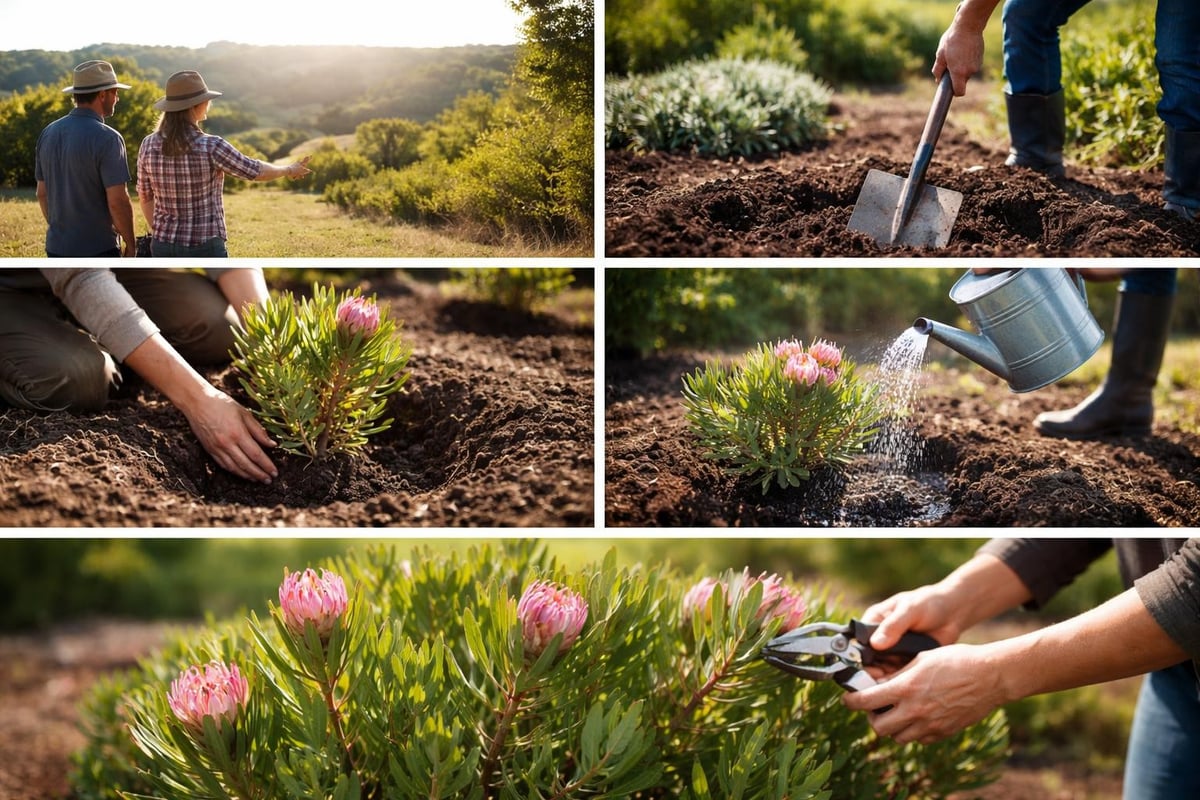
Begin with hardy, proven varieties suited to local conditions. Research microclimates within your property, identifying sites with excellent drainage and full sun exposure.
Initial steps include:
- Testing soil pH and drainage capacity
- Selecting appropriate species for your climate zone
- Preparing planting sites with suitable soil amendments
- Sourcing quality plants from reputable nurseries
- Planning irrigation systems for establishment period
Young plants require consistent moisture during their first year, after which they become increasingly drought-tolerant. Patience proves essential, as proteas may take two to three years before producing significant flowers.
Learning from Experienced Growers
Join local horticultural societies or online communities focused on Southern Hemisphere plants. These groups share regional expertise, troubleshooting advice, and propagation techniques specific to local conditions.
The South African expatriate community in New Zealand often maintains connections through gardening, sharing plants, seeds, and cultivation knowledge. These networks preserve cultural heritage whilst building new communities abroad.
Proteas as Living Symbols
These extraordinary flowers transcend their botanical classification, serving as powerful symbols of South African identity, resilience, and natural beauty. Their presence in gardens worldwide, particularly in expatriate communities, demonstrates how plants carry cultural significance beyond their native ranges.
For South Africans in New Zealand, proteas represent one element of maintaining cultural connections. Food, language, traditions, and community gatherings combine to preserve heritage whilst embracing new opportunities in Aotearoa.
The enduring appeal of proteas lies in their distinctive appearance, low-maintenance requirements once established, and profound cultural associations. Whether displayed in arrangements, cultivated in gardens, or simply admired in photographs, these flowers continue connecting South Africans to their homeland's unique natural heritage.
Proteas embody the distinctive beauty and resilience of South African flora, serving as powerful reminders of home for expatriates worldwide. Whether you're cultivating these remarkable flowers in your New Zealand garden or seeking other connections to South African culture, maintaining these bonds enriches life abroad. For authentic South African groceries, snacks, and over 2,200 traditional products that bring the tastes of home to New Zealand, explore the comprehensive range at Something From Home.