Jelly Beans: A Colourful Sweet Treat Loved Worldwide
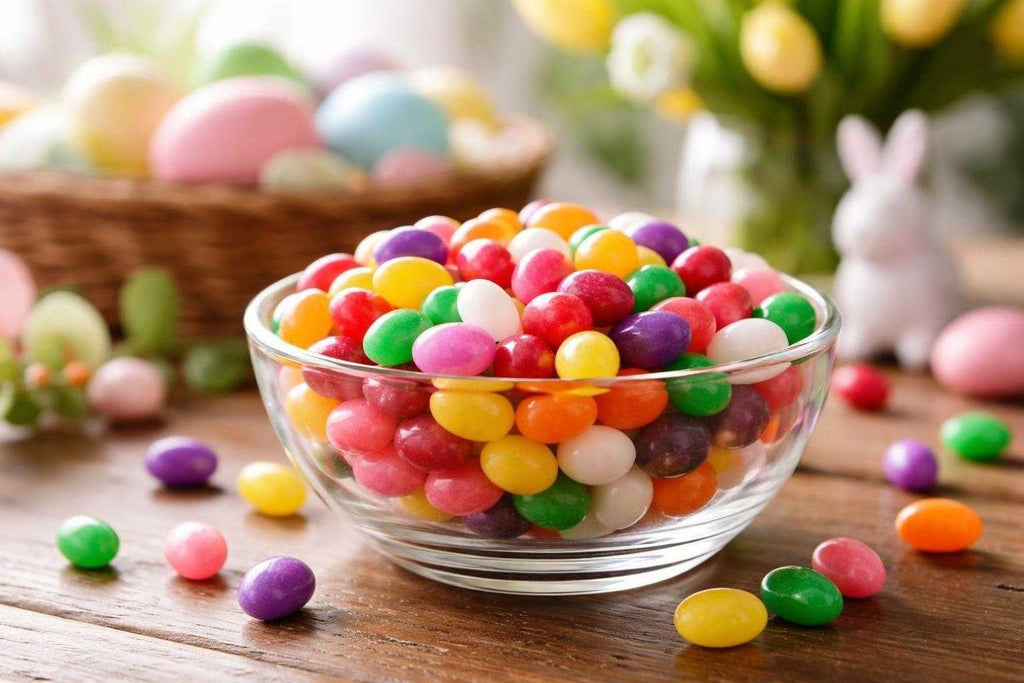
Few sweets spark the same instant joy and colourful nostalgia as jelly beans. These small, bean-shaped confections have delighted sweet lovers across generations, offering a rainbow of flavours in every handful. For South Africans living in New Zealand, familiar sweets like jelly beans can evoke powerful memories of home, whether enjoyed during childhood celebrations or discovered in local shops. The universal appeal of these chewy treats transcends borders, making them a cherished part of confectionery culture worldwide.
What Are Jelly Beans and How Are They Made
Jelly beans are small, bean-shaped sugar confections with a soft, chewy centre and a hard candy shell. The distinctive texture comes from a two-part manufacturing process that creates both the gel interior and the crispy outer coating.
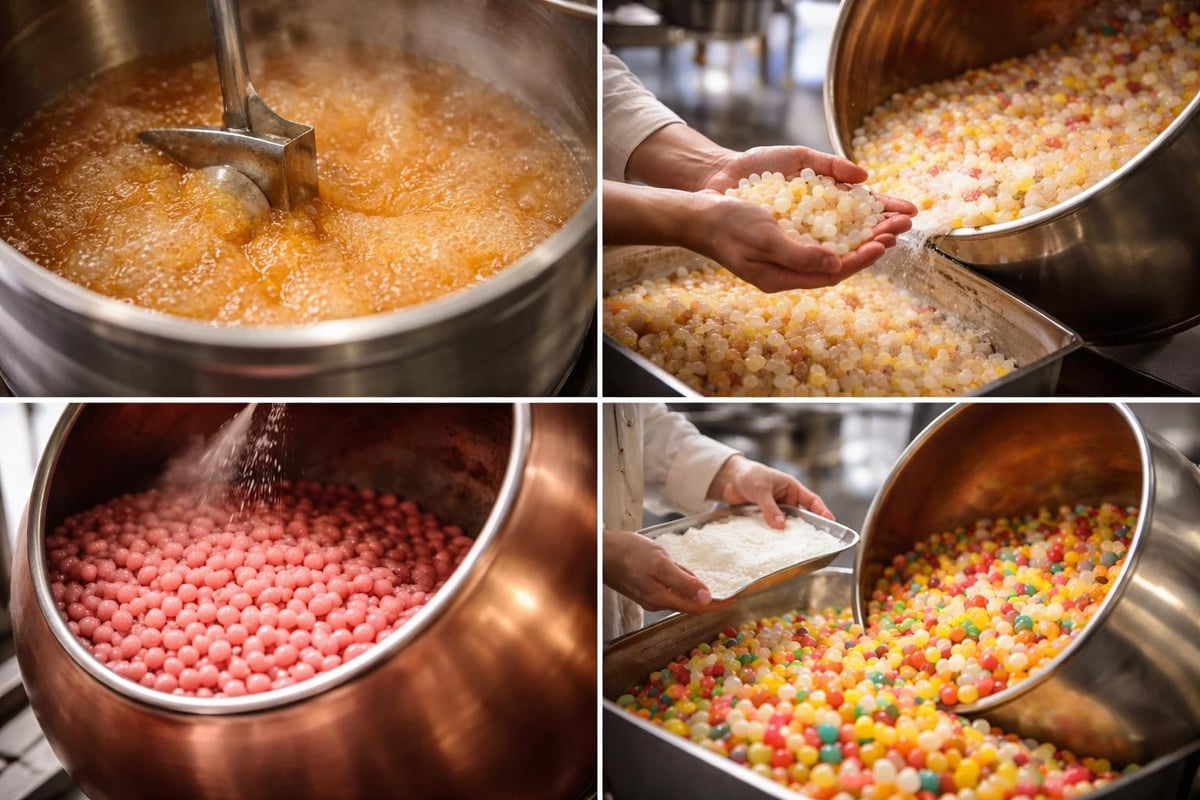
The production begins with creating the centre, which consists primarily of sugar and corn syrup combined with flavouring agents and food colouring. This mixture is heated, then poured into moulds shaped like beans. Once the centres have set, they move to large rotating drums for the panning process.
The Art of Panning and Polishing
During panning, the jelly bean centres receive multiple layers of sugar syrup that harden into the characteristic glossy shell. This process can take several days to complete properly.
- Each layer must dry completely before the next application
- Colour is added during specific stages of the panning process
- The final polish uses confectioner's glaze for shine
- Quality control ensures consistent size and shape
According to the history of jelly beans, these sweets likely descended from Turkish Delight, a soft, gel-based confection that travelled from the Middle East to Europe centuries ago. The first jelly beans appeared in American confectionery shops during the 1860s, advertised as a luxury treat.
The entire manufacturing process requires precision and patience. Modern production methods can create thousands of jelly beans per hour, yet the fundamental technique remains similar to traditional methods developed over a century ago.
Popular Flavours and Colourful Varieties
The flavour diversity of jelly beans has expanded dramatically since their invention. Originally limited to basic fruit flavours, modern jelly beans now encompass everything from traditional cherry and lemon to exotic combinations like popcorn, chilli, and even savoury options.
Traditional fruit flavours remain the most popular:
- Cherry (typically red)
- Orange (orange colour)
- Lemon (yellow)
- Lime (green)
- Grape (purple)
- Strawberry (pink)
Premium brands have elevated the jelly bean experience by using natural flavourings and real fruit juices. Jelly Belly's production process involves combining up to 100 different ingredients for certain flavours, creating remarkably authentic taste experiences.
The colour-coding of jelly beans provides visual appeal alongside flavour variety. A handful of mixed jelly beans creates a vibrant rainbow that attracts both children and adults. This visual element makes them particularly popular for decorative purposes at parties and celebrations.
Gourmet and Speciality Variations
The gourmet jelly bean market has introduced increasingly sophisticated flavour profiles. Some manufacturers create seasonal collections featuring pumpkin spice, candy cane, or hot cross bun flavours that connect to specific holidays and cultural traditions.
| Category | Examples | Typical Colours |
|---|---|---|
| Classic Fruit | Cherry, Lemon, Orange | Red, Yellow, Orange |
| Tropical | Mango, Passionfruit, Pineapple | Yellow, Orange, Green |
| Dessert | Vanilla, Chocolate, Caramel | Brown, Cream, Tan |
| Novelty | Popcorn, Toast, Grass | White, Brown, Green |
For South Africans living abroad, familiar sweet flavours provide comfort and connection to home. Many expats seek out specific confectionery brands they enjoyed growing up, whether traditional jelly beans or uniquely South African sweets.
When and Where People Enjoy Jelly Beans
Jelly beans occupy a special place in celebration culture, particularly during Easter festivities. The egg-like shape and spring colours make them a natural fit for Easter baskets and egg hunts throughout Western countries.
Common occasions for jelly bean consumption include:
- Easter celebrations and religious holidays
- Children's birthday parties and lolly bags
- Wedding favours and decorative displays
- Casual snacking and office treat jars
- Festive occasions throughout the year
The association between jelly beans and Easter has deep historical roots. Cultural traditions surrounding jelly beans show how these sweets became symbols of spring renewal and celebration across many countries.
Beyond holidays, jelly beans serve as everyday treats in homes, offices, and vehicles. Their small size and individually wrapped or loose packaging makes them convenient for portion control and sharing.
Jelly Beans in Party Culture
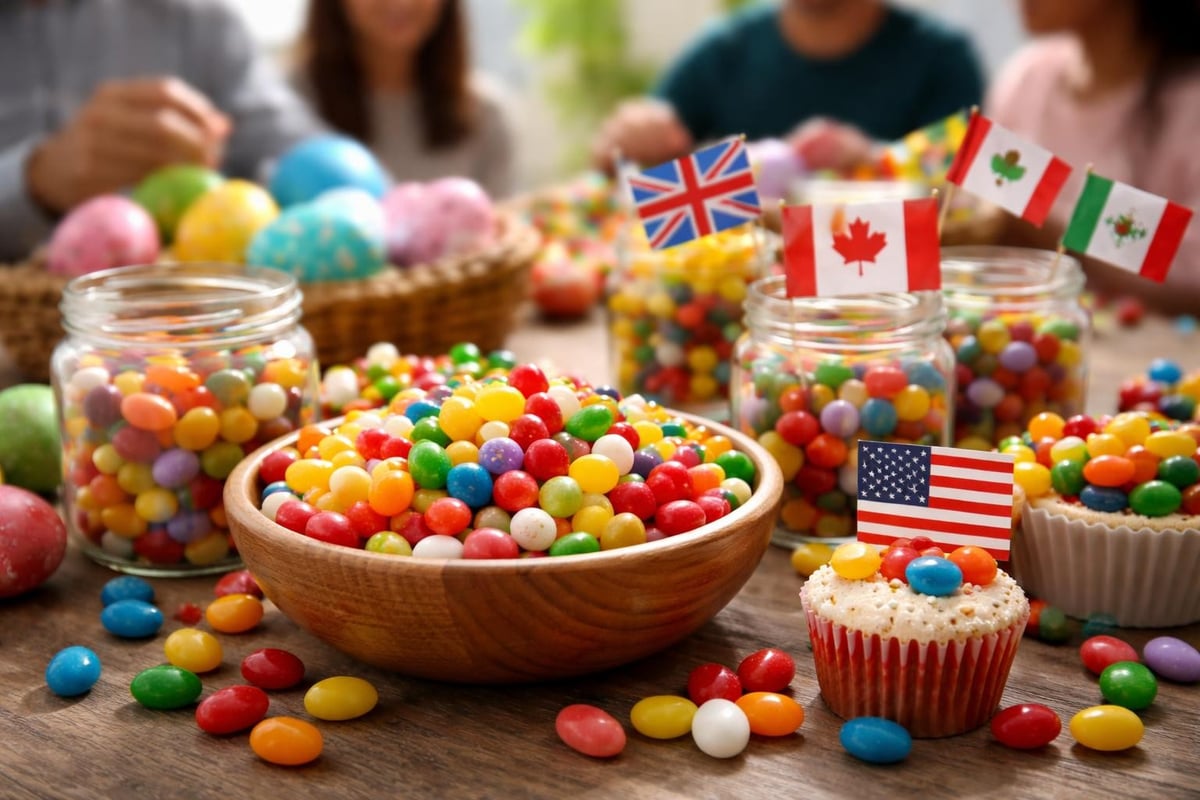
Party planners appreciate jelly beans for their versatility. They can be displayed in clear jars as colourful decorations, used in games, or distributed as take-home favours. The variety of colours allows hosts to match party themes by selecting specific shades.
South African families living in New Zealand often blend traditional celebrations with new customs. Finding familiar sweets helps maintain cultural connections whilst embracing local traditions. Something From Home serves as a South African food store in New Zealand, offering more than 2,200 products that help expats recreate the tastes of home.

Why Jelly Beans Appeal to All Ages
The enduring popularity of jelly beans stems from multiple factors that transcend age boundaries. Young children love the bright colours and sweet flavours, whilst adults appreciate the nostalgic connection and sophisticated taste options now available.
The texture plays a significant role in their appeal. The contrast between the crunchy shell and chewy centre creates a satisfying sensory experience. This dual texture distinguishes jelly beans from other candies and contributes to their addictive quality.
Nostalgia and Memory Connections
For many adults, jelly beans trigger childhood memories of Easter baskets, cinema trips, or special treats from grandparents. These emotional associations add layers of enjoyment beyond simple taste pleasure.
Psychological factors driving jelly bean popularity:
- Bright colours stimulate positive emotional responses
- Small size allows controlled portion enjoyment
- Variety encourages exploration and discovery
- Sharing enhances social bonding experiences
- Nostalgic connections provide comfort
According to nutritional information about jelly beans, these sweets contain primarily sugar and corn syrup with minimal fat content. Whilst not a health food, their small size allows conscious moderation.
South Africans living overseas often seek familiar foods and sweets to combat homesickness. The taste of a favourite childhood sweet can transport someone back to specific moments and places, providing emotional comfort during transition periods.
The Cultural Significance of Sweet Treats
Confectionery carries cultural weight beyond simple indulgence. Different countries develop distinct sweet preferences that reflect local ingredients, historical influences, and social traditions. South Africa boasts a rich confectionery heritage with unique treats that expatriates miss when living abroad.
The experience of relocating to a new country like New Zealand involves adapting to unfamiliar products whilst missing beloved brands from home. This drives demand for specialty shops that import authentic South African groceries and sweets.
Finding Familiar Sweets Overseas
For South African expats in New Zealand, accessing traditional sweets helps maintain cultural identity and share heritage with children born abroad. Whether seeking jelly beans, chocolates, or uniquely South African confections, the availability of familiar products significantly impacts quality of life.
Customers can buy South African sweets and confectionery from trusted suppliers who understand the importance of authentic products. The range extends beyond sweets to include biscuits, chips, sauces, and pantry staples that define South African cuisine.
| Sweet Type | Cultural Connection | Nostalgia Factor |
|---|---|---|
| Jelly Beans | Universal celebrations | Medium to High |
| South African Chocolates | Specific brand loyalty | Very High |
| Traditional Sweets | Childhood memories | Extremely High |
| International Brands | Cross-cultural enjoyment | Medium |
Living in New Zealand offers tremendous opportunities, yet maintaining connections to South African food culture enriches the immigrant experience. Many families make regular purchases from South African shops to ensure their pantries contain familiar ingredients and treats.
Jelly Beans in Modern Consumer Culture
The jelly bean market continues evolving with consumer preferences. Health-conscious options now include sugar-free versions, natural flavourings, and organic ingredients. These innovations broaden appeal whilst maintaining the essential jelly bean experience.
Specialty retailers create custom colour combinations for corporate events, weddings, and branded promotions. This customisation transforms jelly beans from simple sweets into marketing tools and personalised gifts.
The Collector and Enthusiast Market
Some consumers approach jelly beans with serious dedication, seeking rare flavours, vintage packaging, or completing entire flavour collections. This enthusiast culture parallels other collectible markets and sustains premium pricing for certain varieties.
Interesting facts about jelly beans reveal surprising details, including their journey to space with astronauts and consumption by world leaders. These stories add layers of interest beyond the product itself.
The digital age has transformed how people discover and purchase sweets. Online shopping allows customers to access products unavailable locally, compare prices, and read reviews before purchasing. For South Africans in New Zealand, online platforms provide crucial access to imported goods.
Buying Jelly Beans and South African Sweets in New Zealand
New Zealand offers excellent shopping opportunities, yet certain products remain difficult to find through mainstream retailers. This gap creates demand for specialty importers who stock authentic South African brands alongside international favourites.
When searching for jelly beans or other confectionery, consumers consider several factors beyond price. Freshness, authenticity, flavour variety, and reliable delivery all influence purchasing decisions.
Considerations when buying sweets online:
- Product freshness and expiry dates
- Shipping costs and delivery timeframes
- Range of available brands and flavours
- Customer service and return policies
- Storage and handling during transport
The convenience of online shopping particularly benefits customers outside major cities, where specialty products may be completely unavailable locally. Rural New Zealanders and those in smaller towns rely on delivery services to access diverse product ranges.
Supporting South African Food Businesses
Patronising South African food importers helps sustain businesses that serve immigrant communities. These enterprises understand customer needs beyond mere transactions, recognising the emotional significance of familiar foods.
Whether seeking jelly beans for an upcoming celebration or stocking up on favourite South African treats, customers benefit from suppliers who prioritise product quality and customer satisfaction. The breadth of available products allows recreating authentic South African meals and experiences despite geographic distance.
Many South Africans appreciate shops that offer comprehensive ranges rather than limited selections. Having access to over 2,200 South African products means finding everything from everyday staples to special occasion items in one convenient location.
The Science Behind the Perfect Jelly Bean
Creating the ideal jelly bean requires balancing multiple variables. Sugar concentration affects texture, whilst flavouring ratios determine taste intensity. The shell thickness influences the initial crunch and how quickly it gives way to the chewy centre.
Food scientists continuously refine formulations to improve consistency, shelf life, and flavour delivery. Temperature control during manufacturing proves critical, as slight variations alter the final product's texture and appearance.
Ingredient Quality and Sourcing
Premium jelly bean manufacturers source high-quality ingredients including real fruit juices, natural flavourings, and food-grade colourings. These choices impact both taste and nutritional profile, though jelly beans remain primarily sugar-based confections regardless of ingredient quality.
The debate between natural and artificial flavourings continues within the confectionery industry. Natural flavours often cost significantly more whilst potentially offering less intensity than synthetic alternatives. Manufacturers must balance consumer preferences with production economics.
Understanding what makes quality confectionery helps consumers make informed choices. Whether preferring traditional jelly beans or exploring gourmet options, knowledge about ingredients and production methods enhances appreciation for the craft involved.
Storage and Freshness Considerations
Proper storage extends jelly bean shelf life and maintains optimal texture. These sweets keep best in cool, dry conditions away from direct sunlight and temperature fluctuations.
Storage best practices include:
- Keep in airtight containers after opening
- Store at room temperature (15-21°C)
- Avoid refrigeration, which causes condensation
- Protect from humidity and moisture
- Check expiry dates before purchasing
Jelly beans can absorb odours from their environment, so storing them near strongly scented items may affect flavour. Similarly, exposure to heat can cause shells to crack or centres to become overly soft.
When ordering sweets online, consider seasonal temperatures and shipping methods. Reputable suppliers use appropriate packaging to protect products during transit, but extreme weather may still pose challenges.
The shelf life of jelly beans typically ranges from six months to one year when properly stored. However, optimal flavour and texture occur within the first few months after manufacture. Purchasing from suppliers with good stock rotation ensures receiving fresh products.
Jelly beans represent more than simple sweets; they embody celebration, nostalgia, and shared joy across cultures and generations. For South Africans living in New Zealand, finding familiar treats alongside international favourites helps maintain connections to home whilst embracing new experiences. Whether you're planning an Easter celebration, seeking party supplies, or simply craving a sweet reminder of home, explore the extensive range of South African groceries, sweets, and confectionery available through Something From Home, your trusted South African food store in New Zealand.