Biltong: South Africa's Favourite High-Protein Snack
For South Africans living in New Zealand, few snacks evoke the same sense of home as authentic biltong. This air-dried, spiced meat has been a cornerstone of South African food culture for centuries, offering a unique combination of flavour, nutrition, and tradition. Whether you remember it from family road trips, rugby matches, or simply as a pantry staple in your childhood home, biltong represents more than just a snack-it's a connection to heritage and memories. Understanding what makes this delicacy so special helps explain why expats search tirelessly for quality biltong and why Something From Home has become a trusted destination for South Africans seeking familiar flavours in New Zealand.
What Is Biltong
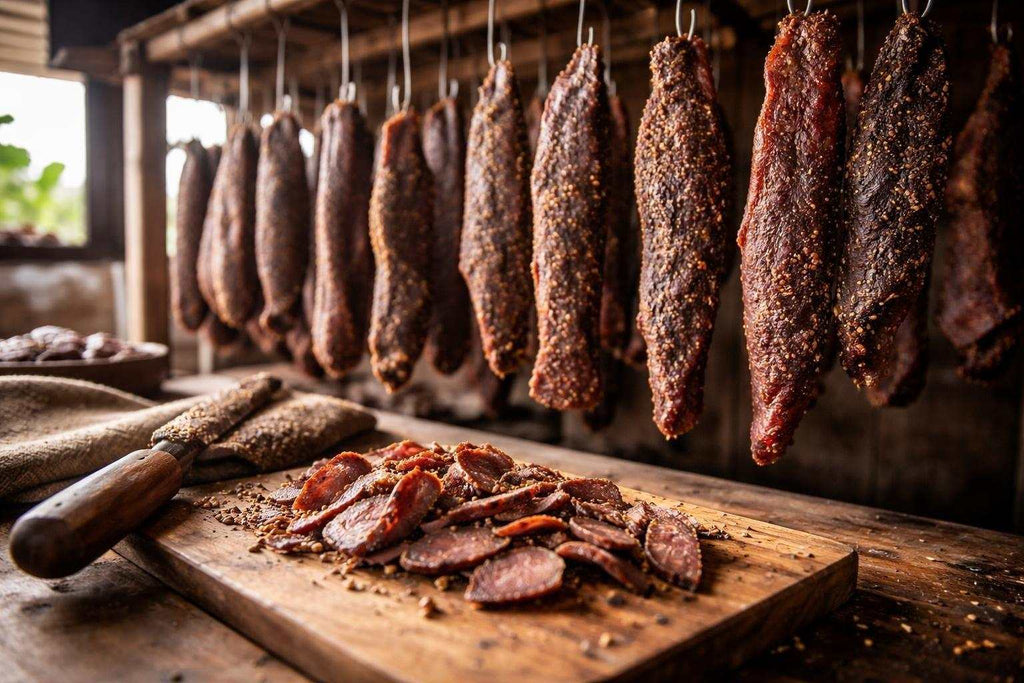
Biltong is a form of dried, cured meat that originated in Southern Africa, with roots tracing back to indigenous preservation methods and Dutch settler traditions. The name itself comes from the Dutch words "bil" (rump) and "tong" (strip or tongue), though modern biltong can be made from various cuts of beef, game, or even ostrich. Unlike many preserved meats that rely heavily on smoking or cooking, biltong is air-dried using a combination of vinegar, salt, and spices.
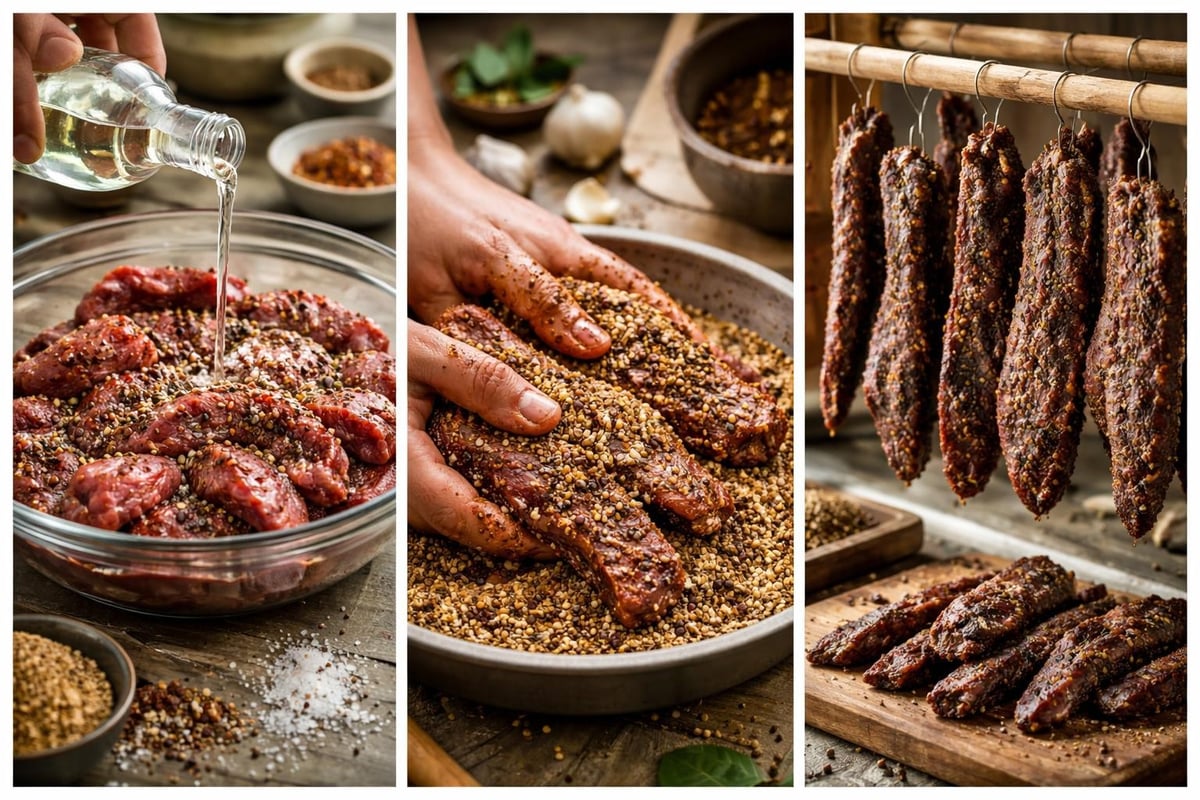
The traditional preparation process involves:
- Cutting meat into strips along the grain
- Marinating in vinegar (typically brown or cider vinegar)
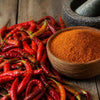
- Coating with a spice mixture of coriander, black pepper, and salt
- Air-drying in a controlled environment for several days to weeks
This centuries-old technique developed out of necessity in the harsh South African climate, where refrigeration wasn't available and preserving meat was essential for survival during long journeys across the veld. Today, it remains one of the most beloved South African snacks, enjoyed by people across all backgrounds and cultures within the country.
The Cultural Significance of This Dried Meat
Within South African food culture, biltong holds a special place that goes beyond mere nutrition. It's served at social gatherings, sporting events, and family celebrations. Many South African households maintain their own drying boxes, passing down secret spice blends through generations. This cultural importance becomes particularly significant for South Africans living abroad, who seek out authentic products to maintain their connection to home.
How Biltong Differs From Beef Jerky
While both are dried meat products, biltong and beef jerky are fundamentally different in preparation, texture, and flavour. The distinction between biltong and jerky extends to every aspect of their production and consumption, making them entirely separate culinary experiences.
| Characteristic | Biltong | Beef Jerky |
|---|---|---|
| Cut Direction | With the grain | Against the grain |
| Primary Method | Air-dried | Smoked or dehydrated |
| Texture | Tender, can be soft or firm | Chewy, often tough |
| Flavour Base | Vinegar and coriander | Soy sauce and smoke |
| Sugar Content | Minimal to none | Often high |
| Production Time | 3-14 days | Several hours |
The cutting technique makes a substantial difference. Biltong is sliced with the grain, creating strips that maintain their structural integrity and allow for various thickness options. Jerky, cut against the grain, produces a chewier texture that requires more effort to consume. This fundamental difference in preparation affects everything from taste to mouthfeel.
Processing Methods That Define Each Product
Biltong's air-drying process preserves the meat's natural flavour while allowing the spices to penetrate deeply. The vinegar acts as a preservative and tenderizer, creating that distinctive tangy undertone. Jerky, conversely, relies on heat and smoke, which cook the meat and impart a completely different flavour profile. The absence of cooking in biltong production means it retains more of the meat's original character and nutritional properties.
Temperature control during drying is crucial for biltong. Traditional methods use natural airflow in cool, dry conditions, while modern producers employ specialized drying rooms with regulated humidity and temperature. This controlled environment prevents spoilage while allowing beneficial enzymatic processes to develop flavour and tenderness.
Popular Flavours and Styles
The world of biltong extends far beyond a single variety. South African producers have developed numerous styles to suit different preferences, from traditionalists who prefer the original spice blend to adventurous eaters seeking bold new flavours. Understanding these varieties helps consumers choose products that match their taste preferences.
Traditional and Spiced Varieties
Traditional biltong remains the gold standard, featuring:
- Coriander as the dominant spice
- Black pepper for heat
- Rock salt for preservation
- No added sugar or artificial flavours
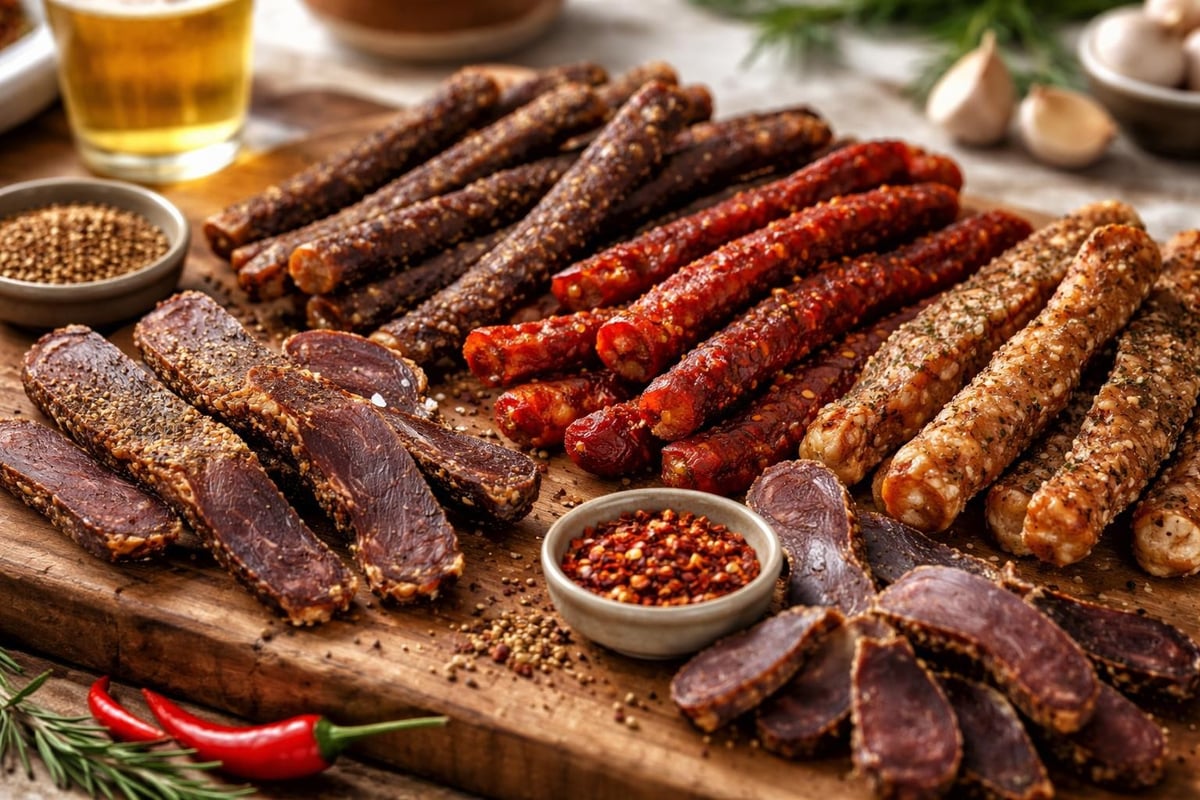
Chilli biltong adds extra kick through crushed chilli flakes or cayenne pepper, appealing to those who enjoy heat. The spice level varies dramatically between producers, from mildly warm to intensely fiery. Garlic biltong incorporates garlic powder or fresh garlic into the spice rub, creating a savoury depth that complements the meat's natural flavour.
Peri-peri varieties reflect Portuguese influences in South African cuisine, using the distinctive African bird's eye chilli for a fruity, complex heat. These represent the fusion of cultures that defines much of South African food heritage.
Different Cuts and Formats
Beyond flavour variations, biltong comes in several physical formats:
- Sliced biltong offers convenience and portion control, pre-cut to various thicknesses
- Whole pieces allow consumers to slice to their preferred thickness
- Snap sticks (droëwors) are thin, dried sausages with similar spicing
- Shredded or chopped biltong works perfectly for recipes and snacking
- Wet biltong is less dried, maintaining a softer, more tender texture
Each format serves different purposes. Whole pieces appeal to purists who enjoy the ritual of slicing their own biltong, while snap sticks offer portable convenience for hiking, travelling, or quick snacks. For those who love incorporating this versatile ingredient into dishes, exploring recipes that feature biltong opens up creative culinary possibilities.
Why Biltong Is a Nutritional Powerhouse
Beyond its cultural significance and delicious taste, biltong has gained recognition as one of the healthiest snack options available. This nutrient-rich snack offers substantial benefits for anyone seeking high-protein, low-carbohydrate food choices.
Protein Content and Macronutrient Profile
Quality biltong typically contains:
- 50-60% protein by weight when fully dried
- Less than 5% carbohydrates, often zero in traditional varieties
- Variable fat content depending on the cut used
- Essential amino acids necessary for muscle repair and growth
This exceptional protein density makes biltong particularly valuable for athletes, fitness enthusiasts, and anyone following protein-focused dietary plans. A 30-gram serving can provide 15-18 grams of protein, rivalling many dedicated protein supplements without the artificial additives.
The low carbohydrate content aligns perfectly with ketogenic and paleo dietary approaches. Unlike many commercial snacks loaded with sugars and starches, traditional biltong contains virtually no carbohydrates, making it an ideal choice for maintaining stable blood sugar levels.
Vitamins, Minerals, and Health Benefits
| Nutrient | Benefit | Amount Per 100g |
|---|---|---|
| Iron | Supports oxygen transport | 2-4mg |
| Zinc | Immune function | 3-5mg |
| B Vitamins | Energy metabolism | Varies |
| Creatine | Muscle performance | Naturally occurring |
The natural curing process preserves many of the meat's inherent nutrients while the absence of cooking prevents the destruction of heat-sensitive vitamins. Iron content is particularly noteworthy, as biltong provides highly bioavailable heme iron that the body absorbs more efficiently than plant-based iron sources.
Preservative-free preparation distinguishes quality biltong from many commercial meat snacks. Traditional methods rely solely on salt, vinegar, and spices for preservation, avoiding nitrates, nitrites, and artificial preservatives common in processed meats. This natural approach appeals to health-conscious consumers seeking clean-label products.
Biltong in New Zealand's South African Community
The South African expat community in New Zealand numbers in the tens of thousands, creating substantial demand for authentic South African groceries and snacks. These immigrants bring with them strong food traditions and a deep longing for familiar tastes that remind them of home. For many, accessing quality biltong represents more than satisfying a craving-it's about maintaining cultural identity and sharing heritage with the next generation.
Why Authentic Products Matter to Expats
South Africans living in New Zealand face unique challenges in maintaining their culinary traditions. While New Zealand offers excellent local products, the specific flavour profiles and preparations of South African food remain distinctive. Biltong exemplifies this challenge-while similar products exist, nothing quite replicates the authentic taste and texture of properly prepared South African biltong.
The importance of authenticity extends to:
- Spice blends that match remembered flavours from home
- Production methods that honour traditional techniques
- Quality standards reflecting South African expectations
- Variety options beyond basic offerings
Many South Africans report that sharing biltong with Kiwi friends and colleagues serves as a cultural bridge, introducing New Zealanders to South African food culture while reinforcing their own connection to heritage. This sharing often extends to other South African snacks and traditional foods that form the broader tapestry of the country's culinary identity.
Accessing South African Food Online in New Zealand
The digital age has transformed how expats access their favourite products. Rather than relying on occasional care packages from family or limited selections at general import stores, South Africans in New Zealand can now purchase authentic products from specialized retailers. Something From Home has established itself as a comprehensive South African food store, stocking more than 2,200 products that cater specifically to this community's needs.
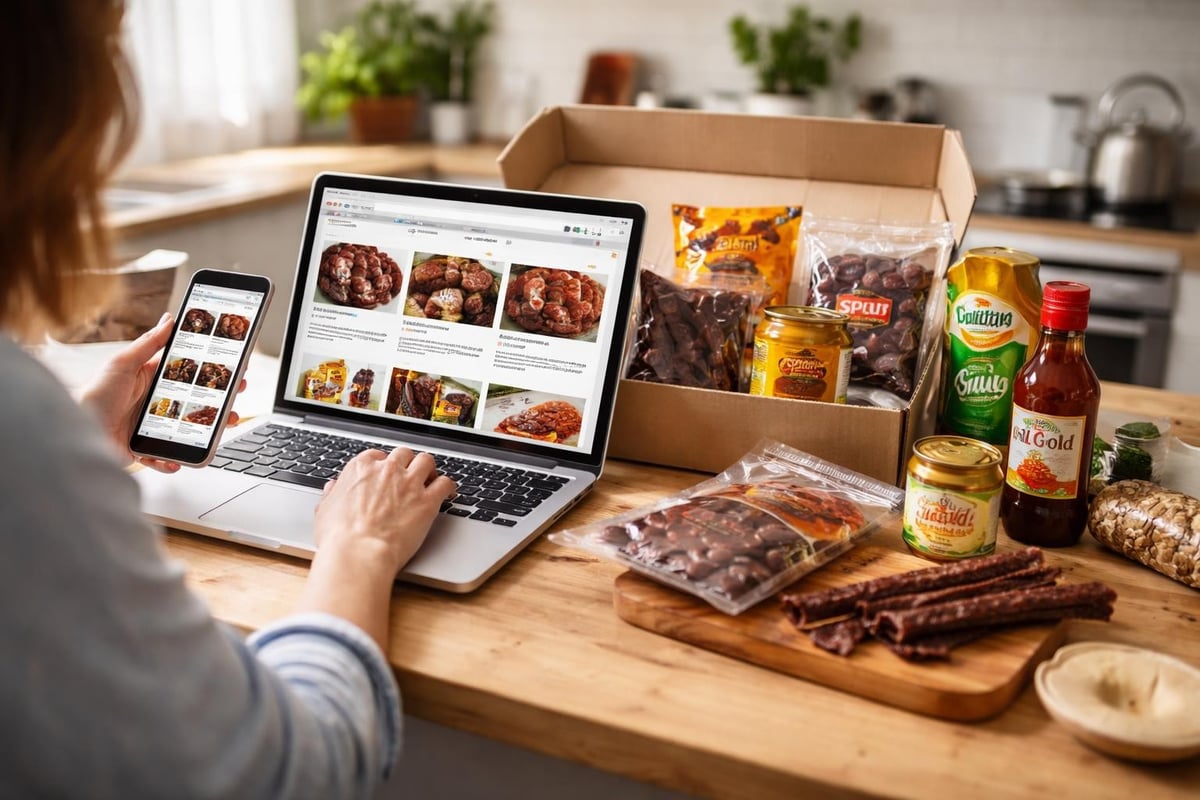
Online shopping for South African groceries offers several advantages:
- Comprehensive selection spanning multiple brands and varieties
- Convenience of home delivery across New Zealand
- Product authenticity from retailers who understand the market
- Competitive pricing through specialized sourcing
- Regular availability without stock shortages
For those wondering where to buy biltong online in New Zealand, specialized South African shops provide the most reliable options. These retailers understand the importance of proper storage, handling, and product rotation to ensure customers receive fresh, high-quality biltong that meets expectations. The ability to order familiar brands and flavours creates a sense of comfort and connection that generic alternatives simply cannot provide.
Making Biltong at Home
Some South Africans in New Zealand choose to make their own biltong, continuing family traditions and enjoying the creative process. While commercial products offer convenience, homemade biltong allows complete control over spicing, dryness level, and meat selection. For those interested in this traditional craft, understanding the fundamentals ensures successful results.
Essential Equipment and Ingredients
Creating biltong at home requires minimal specialized equipment. A dedicated drying box with airflow and temperature control provides optimal results, though many enthusiasts successfully use modified cupboards or purpose-built cabinets. Essential components include:
- Meat selection: Silverside, topside, or rump cuts work best
- Vinegar: Brown malt or cider vinegar for marinating
- Spice mix: Coarse salt, crushed coriander, black pepper
- Drying environment: Cool (15-22°C), dry conditions with air circulation
The process itself follows the traditional method passed down through generations. For detailed guidance on creating authentic biltong at home, many South Africans reference traditional biltong recipes that outline each step from preparation through drying. Success depends on maintaining proper humidity levels and ensuring consistent airflow throughout the drying period.
Common Challenges and Solutions
Home production presents certain challenges, particularly in New Zealand's variable climate. High humidity can prevent proper drying and encourage unwanted bacterial growth, while excessive heat accelerates drying too quickly, creating a hard exterior that traps moisture inside. Temperature stability remains crucial-fluctuations compromise quality and safety.
Many home producers find that New Zealand's cooler months provide ideal conditions, while summer may require climate-controlled environments. The investment in proper equipment often proves worthwhile for regular consumers who appreciate the cost savings and customization options that home production offers.
Selecting Quality Biltong
Whether purchasing from retailers or evaluating homemade batches, recognizing quality biltong requires understanding key indicators. Not all products meet the same standards, and knowing what to look for ensures satisfactory purchases and consumption experiences.
Visual and Textural Indicators
Colour should range from deep red to dark brown, depending on the meat type and drying duration. Excessive darkness may indicate over-drying, while bright red colours suggest insufficient curing. The exterior should display visible spice coating, with coriander seeds clearly present on traditional varieties.
Texture varies based on personal preference, but quality biltong should never feel slimy or sticky. Properly dried product feels firm yet yields slightly to pressure. When sliced, it should reveal a consistent colour throughout, without grey or green discolouration that indicates spoilage.
Aroma and Taste Characteristics
Fresh biltong emits a pleasant, spiced aroma dominated by coriander and vinegar notes. Any sour, ammonia-like, or unpleasant smells indicate problems with production or storage. The taste should balance savoury meat flavour with tangy vinegar undertones and aromatic spice notes, never tasting purely salty or overwhelmingly spiced.
Premium products maintain consistent quality across batches, with reliable flavour profiles and appropriate moisture levels. Established producers develop reputations for excellence that discerning consumers learn to trust.
Storing Biltong for Optimal Freshness
Proper storage extends biltong's shelf life and maintains its quality. Unlike fresh meat, properly dried biltong remains stable at room temperature for extended periods, though storage methods affect texture and flavour retention.
Short-Term Storage Methods
For consumption within a few weeks, biltong keeps well in:
- Paper bags that allow continued slight moisture evaporation
- Breathable cloth bags maintaining air circulation
- Unsealed containers in cool, dry locations
- Refrigerators for those preferring firmer texture
Avoid plastic bags or sealed containers for daily storage, as trapped moisture encourages mould growth. Room temperature storage works excellently in New Zealand's climate during cooler months, while refrigeration proves beneficial during humid summer periods.
Long-Term Preservation Techniques
For extended storage spanning months, vacuum sealing provides optimal results. Removing air prevents oxidation and moisture absorption while maintaining flavour integrity. Frozen biltong remains viable for six months or longer, though texture may change slightly upon thawing.
Many consumers purchase in bulk when favourite varieties become available, then portion and freeze for gradual consumption. This approach ensures consistent access while taking advantage of competitive pricing on larger quantities.
The Growing International Appeal
While biltong remains quintessentially South African, its popularity has expanded globally as people discover its nutritional benefits and unique flavour. Health-conscious consumers seeking high-protein, low-carbohydrate snacks have driven increased interest in markets from the United Kingdom to Australia to North America.
Market Trends and Consumer Preferences
Current food trends favour:
- Clean-label products with minimal ingredients
- High-protein snacks supporting active lifestyles
- Artisanal preparations emphasizing traditional methods
- Exotic flavours introducing cultural diversity
Biltong aligns perfectly with these preferences, offering authentic heritage combined with modern nutritional awareness. International producers have emerged, though South African expats generally maintain that authentic products from their homeland remain superior in quality and flavour.
The challenge for international producers lies in replicating the specific environmental conditions and traditional knowledge that South African producers have refined over generations. Climate, meat quality, and cultural expertise all contribute to the distinctive character that makes South African biltong exceptional.
Understanding biltong's rich history, nutritional benefits, and cultural significance reveals why it remains such a treasured part of South African heritage. For South Africans in New Zealand seeking authentic biltong and other traditional favourites, Something From Home provides access to more than 2,200 genuine South African products, delivering the tastes of home throughout New Zealand. Whether you're introducing Kiwi friends to this remarkable snack or satisfying your own cravings, quality biltong connects you to the flavours and memories that make South African food culture so special.
-
Posted in
Authentic, Biltong, Cultural Heritage, High-Protein, Snacks, South African