NZ Charcoal: Complete Guide to Types, Uses & Selection
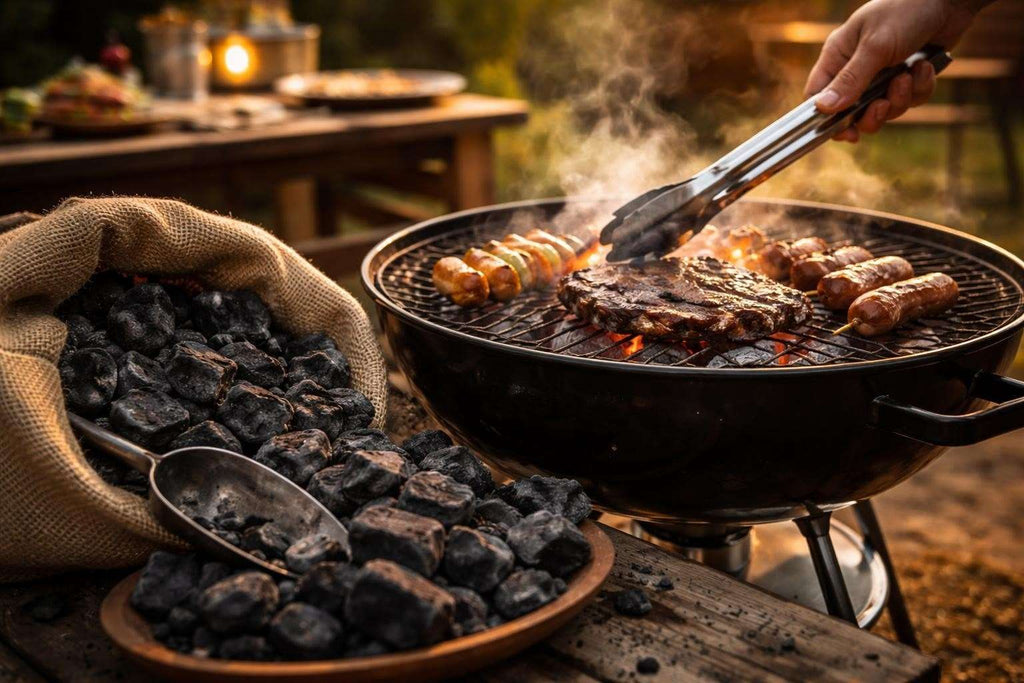
For South Africans living in New Zealand, the smell of a braai igniting brings back memories of home gatherings, rugby matches, and weekend celebrations. The foundation of any authentic braai lies in the quality of fuel you choose. Understanding nz charcoal options available across the country helps recreate those cherished flavours and experiences while adapting to your new environment.
Whether you're firing up your braai for boerewors, lamb chops, or a proper potjiekos session, selecting the right charcoal makes all the difference in heat distribution, cooking time, and that distinctive smoky taste. New Zealand's market offers various charcoal types, each with unique characteristics suited to different cooking methods and preferences.
Understanding NZ Charcoal Types and Production
The nz charcoal market encompasses several distinct varieties, each manufactured through different processes and offering varied performance characteristics. New Zealand produces both locally sourced and imported options, reflecting diverse consumer needs and environmental considerations.
Lump Charcoal Characteristics
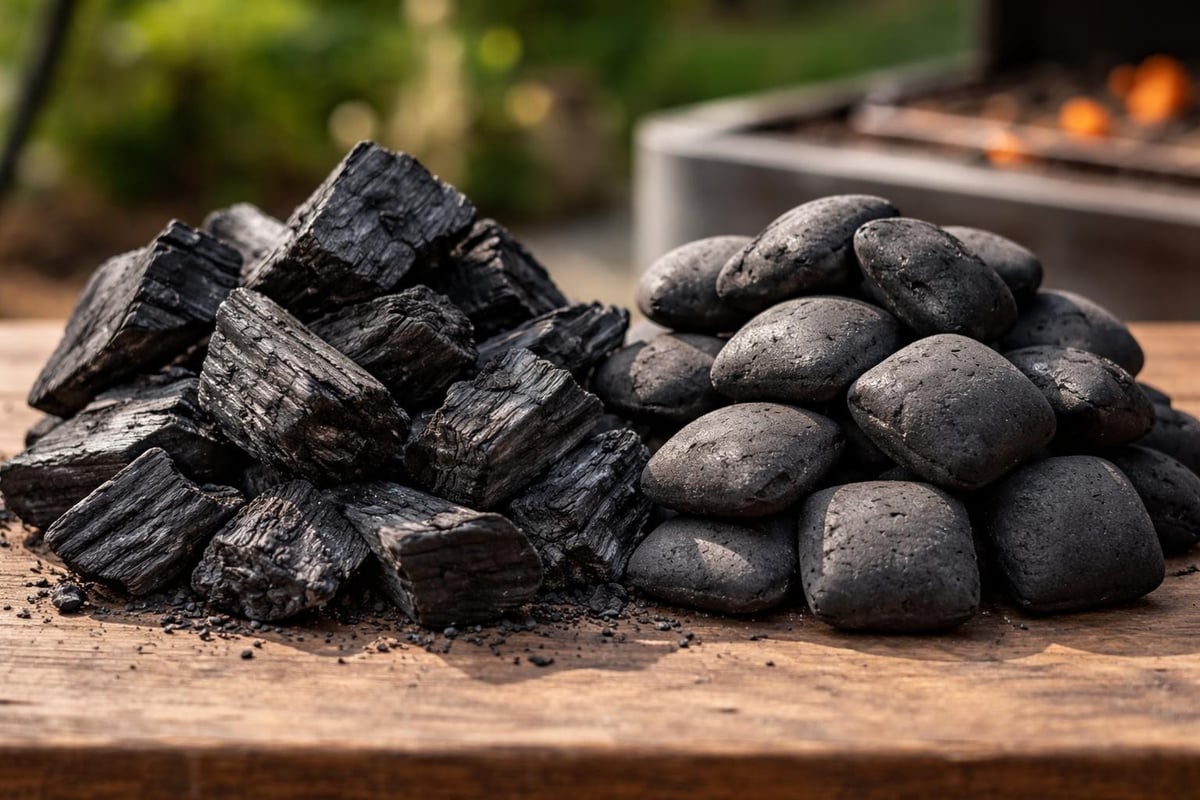
Lump charcoal represents the purest form of nz charcoal, created by burning hardwood in low-oxygen environments. This traditional production method results in irregular-shaped pieces that:
- Ignite faster than compressed alternatives
- Burn hotter with temperatures reaching 540-650°C
- Produce minimal ash residue
- Contain no added chemicals or binding agents
- Offer authentic wood-smoke flavour profiles
The varying piece sizes in lump charcoal create natural airflow channels, promoting consistent burning patterns ideal for traditional South African braais. For those familiar with making homemade biltong, the pure smoke produced complements meat preparation perfectly.
Briquette Composition and Performance
Manufactured briquettes dominate much of the nz charcoal retail sector, particularly in mainstream supermarkets and hardware stores. These compressed products combine charcoal dust, coal dust, and binding agents formed under high pressure.
| Feature | Lump Charcoal | Briquettes |
|---|---|---|
| Ignition Time | 10-15 minutes | 20-30 minutes |
| Burn Temperature | 540-650°C | 370-540°C |
| Burn Duration | 1-2 hours | 2-4 hours |
| Ash Production | Low (3-5%) | Moderate (8-15%) |
| Cost per kg | Higher | Lower |
Briquettes excel in situations requiring extended, steady heat output. Their uniform shape and density ensure predictable burning rates, making them suitable for slow-cooked potjiekos dishes like the traditional shin and oxtail beef potjie.
Environmental Considerations in New Zealand
New Zealand's environmental consciousness influences nz charcoal production and consumption patterns significantly. The country has imported substantial quantities of coal, raising awareness about carbon footprints and sustainable fuel sources.
Sustainable sourcing practices have become increasingly important to Kiwi consumers. Many nz charcoal producers now emphasize:
- Certification from sustainable forestry programmes
- Use of waste timber and offcuts from milling operations
- Carbon-neutral production processes
- Local sourcing to reduce transportation emissions
Research from Canterbury University examining industrial emissions highlights the broader context of carbon reduction efforts. While charcoal production represents a smaller sector, consumer choices toward sustainable products contribute to national environmental goals.
The production process itself affects soil health and microbial ecosystems, as documented in scientific studies on charcoal's environmental impacts. Understanding these effects helps consumers make informed decisions aligning with New Zealand's clean, green reputation.
Selecting Quality NZ Charcoal for Braai Excellence
Choosing premium nz charcoal transforms ordinary barbecues into memorable braai experiences. Quality indicators extend beyond simple price comparisons, encompassing source materials, manufacturing methods, and intended cooking applications.
Premium Hardwood Sources
The wood species used in nz charcoal production dramatically influences flavour profiles and burning characteristics. New Zealand hardwoods commonly processed include:
- Manuka: Produces intense heat with distinctive aromatic properties
- Macrocarpa: Burns cleanly with moderate smoke output
- Eucalyptus: Offers high heat levels and extended burn times
- Native beech: Provides consistent temperatures with subtle flavour notes
Imported hardwood options from Australia and South Africa occasionally appear in specialty retailers, offering familiar flavour profiles for expatriate communities. These premium varieties complement traditional braai favourites when prepared according to authentic recipes.
Quality Assessment Indicators
Visual inspection reveals substantial information about nz charcoal quality before purchase:
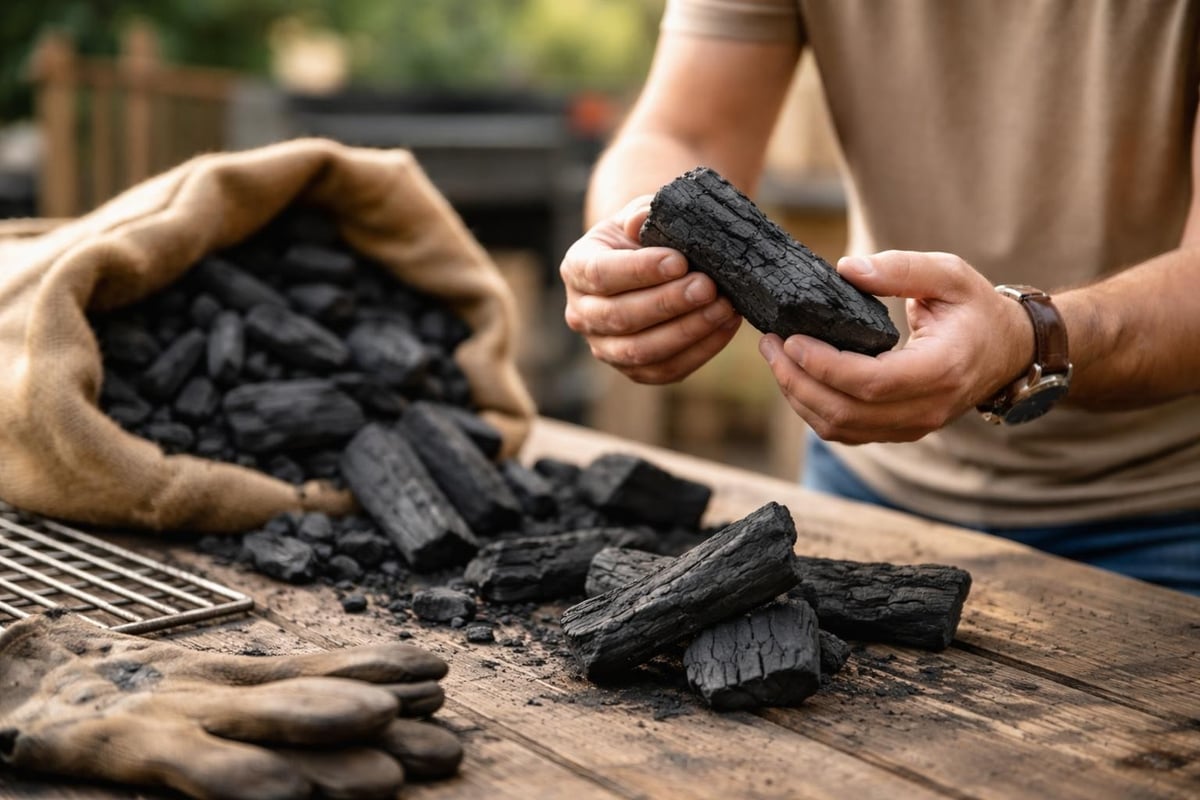
- Large, chunky pieces indicate better value than small fragments
- Metallic sheen on broken surfaces suggests high carbon content
- Minimal dust presence demonstrates proper handling and storage
- Consistent piece sizing enables predictable burning patterns
Sound testing works surprisingly well. Quality lump charcoal produces a clear, ringing tone when pieces strike together, while inferior products create dull thuds indicating moisture or impurities.
Braai Techniques Using NZ Charcoal
Mastering nz charcoal management separates adequate cooks from true braai masters. Temperature control, coal arrangement, and timing synchronization create the foundation for perfectly grilled boerewors, chops, and sosaties.
Fire Building and Heat Zones
Proper coal distribution creates distinct cooking zones serving different purposes simultaneously. The two-zone method works exceptionally well:
Direct heat zones maintain temperatures of 260-315°C for searing steaks and browning boerewors casings. Indirect zones operate at 175-205°C, perfect for cooking through thicker cuts without burning exteriors.
Building the fire requires patience. Resist adding food until charcoal develops a grey ash coating, typically 20-30 minutes after ignition. This ensures optimal heat output and minimizes acrid smoke that compromises meat flavours.
Adjusting Airflow for Temperature Control
Vent management provides precise temperature regulation without adding or removing fuel:
- Bottom vents control oxygen supply and heat intensity
- Top vents regulate smoke output and airflow patterns
- Cross-ventilation creates even heat distribution across cooking surfaces
For traditional biltong potjie preparations, maintaining steady 175°C temperatures for extended periods requires partially closed vents and strategic coal placement around pot perimeters.
Storage and Maintenance Best Practices
Proper nz charcoal storage preserves burning quality and extends usable life significantly. New Zealand's variable climate presents specific challenges requiring protective measures against moisture and contamination.
Moisture Protection Strategies
Damp charcoal produces excessive smoke, reduced heat output, and difficult ignition. Effective storage solutions include:
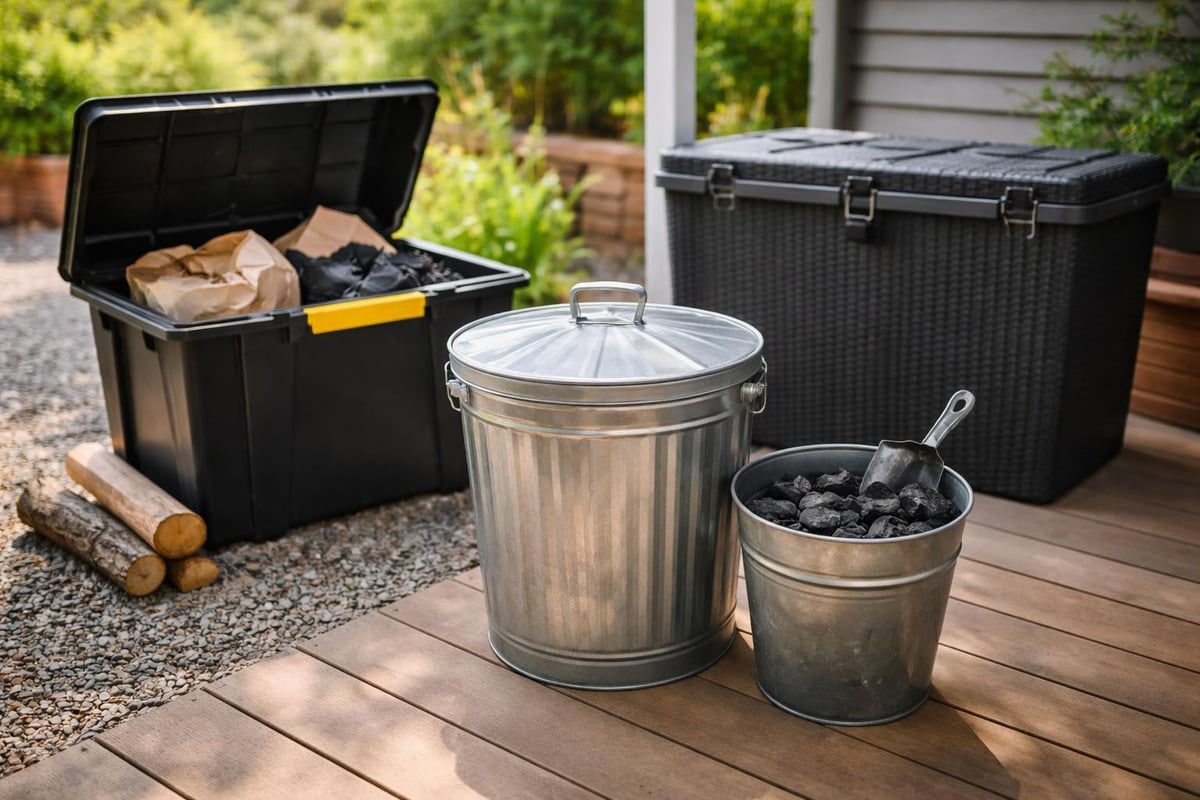
- Sealed containers: Metal bins with tight-fitting lids prevent humidity absorption
- Elevated platforms: Raised storage keeps bags off concrete floors where condensation accumulates
- Covered outdoor areas: Well-ventilated sheds or carports provide weather protection
- Desiccant packets: Silica gel sachets absorb residual moisture in storage containers
Even brief exposure to New Zealand's coastal humidity can compromise nz charcoal quality. Transferring opened bags into airtight containers immediately after purchase prevents degradation.
| Storage Method | Protection Level | Cost | Convenience |
|---|---|---|---|
| Original bag | Low | None | High |
| Plastic bin | Moderate | $20-40 | Moderate |
| Metal container | High | $50-100 | Moderate |
| Purpose-built storage | Very High | $100-200 | Low |
Safety Considerations
Carbon monoxide risks necessitate careful handling, particularly during New Zealand's winter months when indoor cooking becomes tempting:
- Never burn charcoal indoors or in enclosed spaces
- Ensure complete extinguishment before disposing of ash
- Store away from flammable materials and ignition sources
- Keep children and pets away from hot coals and storage areas
Activated carbon applications extend beyond cooking, as demonstrated in various industrial and purification uses, but safety protocols remain paramount regardless of application.
Regional Availability and Purchasing Options
Accessing quality nz charcoal varies considerably across New Zealand's regions, with urban centres offering greater variety than rural areas. Understanding distribution patterns helps expatriate South Africans locate authentic braai fuel efficiently.
Major Retail Channels
Hardware chains stock basic briquettes and some lump charcoal varieties year-round, with expanded selections appearing during summer months. Pricing remains competitive, though premium hardwood options prove scarce.
Speciality butchers and South African food retailers frequently carry superior nz charcoal brands alongside traditional braai accessories. These establishments understand expatriate community needs, stocking products that complement authentic preparation methods.
Online platforms provide convenient access to specialty products, delivering directly to properties throughout New Zealand and Australia. Just as Something From Home ships authentic South African foods nationwide, charcoal suppliers increasingly offer delivery services addressing regional availability gaps.
Seasonal Price Fluctuations
Smart purchasing strategies account for nz charcoal price variations throughout the year:
- Summer peak pricing: December through February commands premium rates
- Winter discounts: June through August offers best value for bulk purchases
- Bulk buying savings: 20kg bags cost 25-40% less per kilogram than 5kg packages
- Promotional periods: Labour Weekend and Waitangi Day sales provide opportunities
Stocking up during off-peak months ensures ready supplies for spontaneous braais while maximizing budget efficiency. Proper storage techniques preserve quality regardless of purchase timing.
Cultural Significance for South African Communities
The nz charcoal market serves practical cooking needs while supporting cultural connections for South Africa's diaspora community. Weekend braais recreate social traditions, maintaining links to heritage while building new connections in Aotearoa.
Braai Traditions in New Zealand Context
Adapting braai culture to New Zealand settings requires flexibility while preserving core elements. Local parks and beaches often permit charcoal cooking, creating opportunities for community gatherings reminiscent of home celebrations.
Rugby match days unite South African expats around braais, combining Springbok support with traditional foods. The rituals surrounding fire preparation, meat selection, and shared cooking responsibilities transcend geographical displacement, reinforcing cultural identity.
Many families integrate braai traditions into New Zealand's existing outdoor cooking culture, introducing Kiwi friends to boerewors, sosaties, and the patient art of coal management. These cross-cultural exchanges enrich both communities while elevating nz charcoal from mere fuel to cultural medium.
Community Resources and Knowledge Sharing
South African community groups throughout New Zealand maintain active social media presence, sharing tips on sourcing quality nz charcoal, recommended brands, and supplier locations. These networks prove invaluable for recent arrivals seeking authentic braai experiences.
Information sharing extends to techniques and recipes, with experienced braai masters mentoring newcomers. The collaborative spirit mirrors the communal nature of braais themselves, where cooking knowledge passes organically through demonstration and participation. For detailed guidance on traditional preparations, resources like the living in New Zealand blog provide culturally relevant cooking advice.
Advanced Charcoal Selection for Specific Applications
Different cooking methods demand specific nz charcoal characteristics. Understanding these requirements prevents mismatched fuel selections that compromise results or waste resources.
Low and Slow Cooking Requirements
Potjiekos preparations benefit from long-burning briquettes rather than fast-igniting lump varieties. The extended three to four-hour burn times match traditional cooking methods where flavours develop gradually through sustained gentle heat.
Smoke intensity considerations matter significantly. Clean-burning nz charcoal produces subtle background notes without overwhelming delicate ingredients in dishes like South African curry and rice, where spice profiles require complementary rather than competing flavours.
High-Heat Searing Applications
Steak enthusiasts prioritize maximum temperature output over extended burn duration. Premium lump charcoal reaches temperatures exceeding 540°C, creating the intense surface heat necessary for proper Maillard reactions and caramelization.
The minimal ash production of quality lump nz charcoal prevents coating meat surfaces with bitter residues during high-heat cooking. This characteristic proves particularly important when grilling premium cuts where charcoal flavours should enhance rather than dominate natural meat tastes.
Comparing International Standards and NZ Options
New Zealand's geographic isolation influences nz charcoal markets differently than countries with land borders enabling easier product movement. Understanding these dynamics helps consumers navigate available options intelligently.
Import Regulations and Quality Standards
The New Zealand Inventory of Chemicals regulates charcoal importation, ensuring products meet safety and environmental requirements. These standards prevent inferior or contaminated materials entering the market while maintaining reasonable accessibility.
Certification programmes vary between domestic and imported nz charcoal. Locally produced varieties often carry FSC (Forest Stewardship Council) certification, while imports display country-specific sustainability credentials. Evaluating these certifications requires understanding equivalency between international standards.
Global Sustainability Initiatives
International developments influence nz charcoal production methods and consumer expectations. Innovations like eco-friendly charcoal production in Chad demonstrate alternative approaches balancing environmental concerns with cultural cooking traditions.
New Zealand's commitment to sustainability, evidenced by initiatives like NZAS's carbon reduction programmes, creates market conditions favouring environmentally responsible nz charcoal options. Consumer preferences increasingly reflect these values, driving demand for certified sustainable products despite premium pricing.
Troubleshooting Common Charcoal Challenges
Even experienced braai masters encounter nz charcoal performance issues occasionally. Systematic troubleshooting identifies root causes and implements effective solutions quickly.
Ignition Difficulties
Persistent ignition problems typically stem from moisture contamination, insufficient airflow, or low-quality fuel. Solutions include:
- Verify charcoal dryness through tactile assessment
- Increase initial fire-starter quantities by 50%
- Ensure bottom vents remain fully open during ignition
- Remove packaging materials that might impede airflow
- Consider replacing suspect charcoal batches entirely
Chemical fire-starters work reliably but affect flavour profiles negatively. Natural alternatives like newspaper, cardboard, or purpose-designed chimneys preserve food taste integrity while achieving consistent ignition.
Temperature Management Issues
Excessive temperature fluctuations indicate airflow imbalances or improper coal distribution. The detailed comparison between lump charcoal and briquettes explains how each type responds differently to vent adjustments.
Rapid temperature drops suggest premature vent closure or insufficient initial fuel quantities. Adding cold charcoal to established fires temporarily reduces temperatures, requiring 15-20 minute recovery periods before resuming cooking.
Health and Environmental Impact Awareness
Responsible nz charcoal usage encompasses health protection and environmental stewardship. Understanding potential impacts enables informed decisions balancing enjoyment with safety and sustainability.
Emission Considerations
Charcoal combustion produces particulate matter and carbon monoxide alongside desired heat energy. While outdoor cooking disperses these emissions effectively, awareness of coal's broader environmental impacts provides context for individual consumption decisions.
Minimizing health risks requires:
- Maintaining adequate distances between cooking areas and indoor spaces
- Avoiding accelerant use that produces toxic fumes
- Ensuring complete combustion before food placement
- Properly extinguishing coals after cooking completion
Modern research continuously evaluates emissions from various fuel sources, informing best practices for recreational cooking while addressing larger environmental concerns.
Waste Reduction Strategies
Ash disposal presents environmental considerations alongside practical challenges. Cooled ash contains beneficial minerals for garden applications when sourced from pure wood charcoal without chemical additives.
Sustainable disposal methods include:
- Garden bed incorporation after complete cooling (48+ hours)
- Compost pile amendments in small quantities
- Municipal green waste programmes where available
- Landfill disposal as final option for contaminated materials
Reusing partially burned nz charcoal pieces reduces waste while stretching budgets. Large unburned chunks mixed with fresh charcoal maintain adequate heat output for subsequent cooking sessions.
Mastering nz charcoal selection and usage elevates your braai experiences while honouring South African traditions in your New Zealand home. Understanding the differences between lump charcoal and briquettes, proper storage techniques, and fire management strategies ensures consistently excellent results whether you're grilling boerewors or preparing a traditional potjiekos. When you're ready to complement your perfectly cooked braai with authentic South African sides, spices, and treats that complete the experience, Something From Home delivers the tastes you miss most directly to your door anywhere in New Zealand or Australia.
Shop charcoal and braai equipment in New Zealand
Compare currently available charcoal, briquettes and firewood, then browse the braai NZ equipment hub, braai grids and outdoor cooking accessories. Always confirm that the fuel suits your equipment and follow the product safety directions.
-
Posted in
Barbecue, Braai, Charcoal Types, Cooking Tips, NZ Charcoal, Sustainability