
Milk Condensed: A Pantry Essential for Baking & More
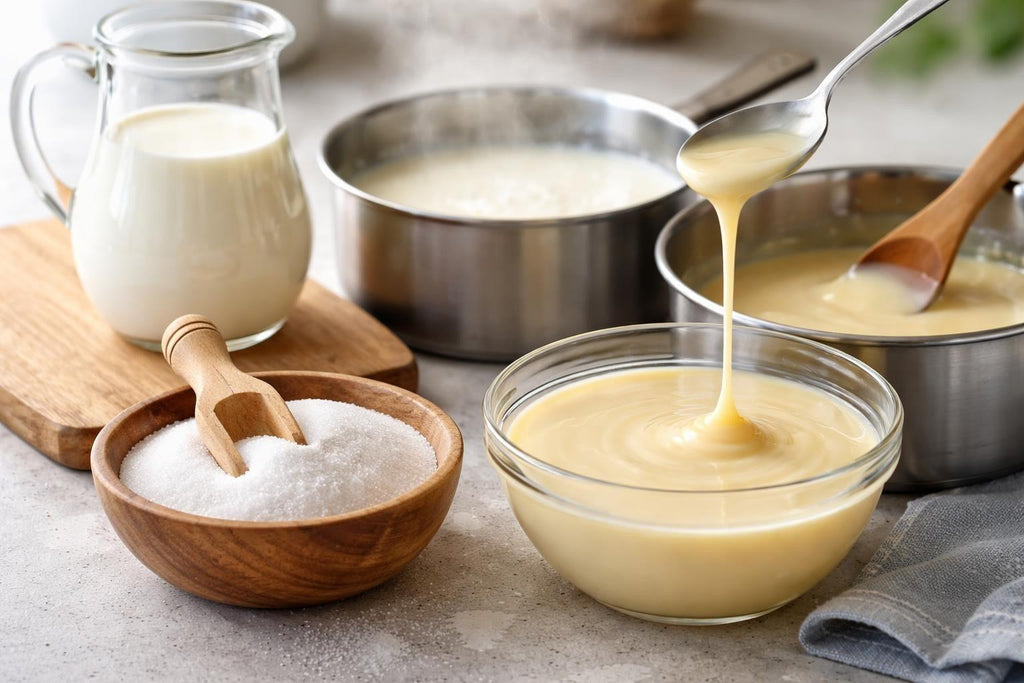
Milk condensed has been a cornerstone of pantries worldwide for over a century, offering home cooks and professional bakers a versatile ingredient that extends shelf life while delivering rich, sweet flavour. This concentrated dairy product plays an essential role in South African baking traditions, from classic desserts to everyday treats that remind expats of home. For South Africans living in New Zealand, having access to familiar ingredients creates a comforting connection to cherished family recipes and culinary heritage. Understanding how milk condensed works, its various applications, and how to source authentic products helps maintain those important cultural food traditions even when far from home.
Understanding What Milk Condensed Actually Is
Milk condensed refers to cow's milk from which a significant portion of water has been removed through careful evaporation. The production process involves heating milk under controlled conditions to reduce its volume by approximately sixty percent, creating a thick, syrupy consistency.
There are two primary types of condensed milk products available:
- Sweetened condensed milk: Contains added sugar, typically comprising forty to forty-five percent of the final product
- Evaporated milk: Also known as unsweetened condensed milk, contains no added sugar
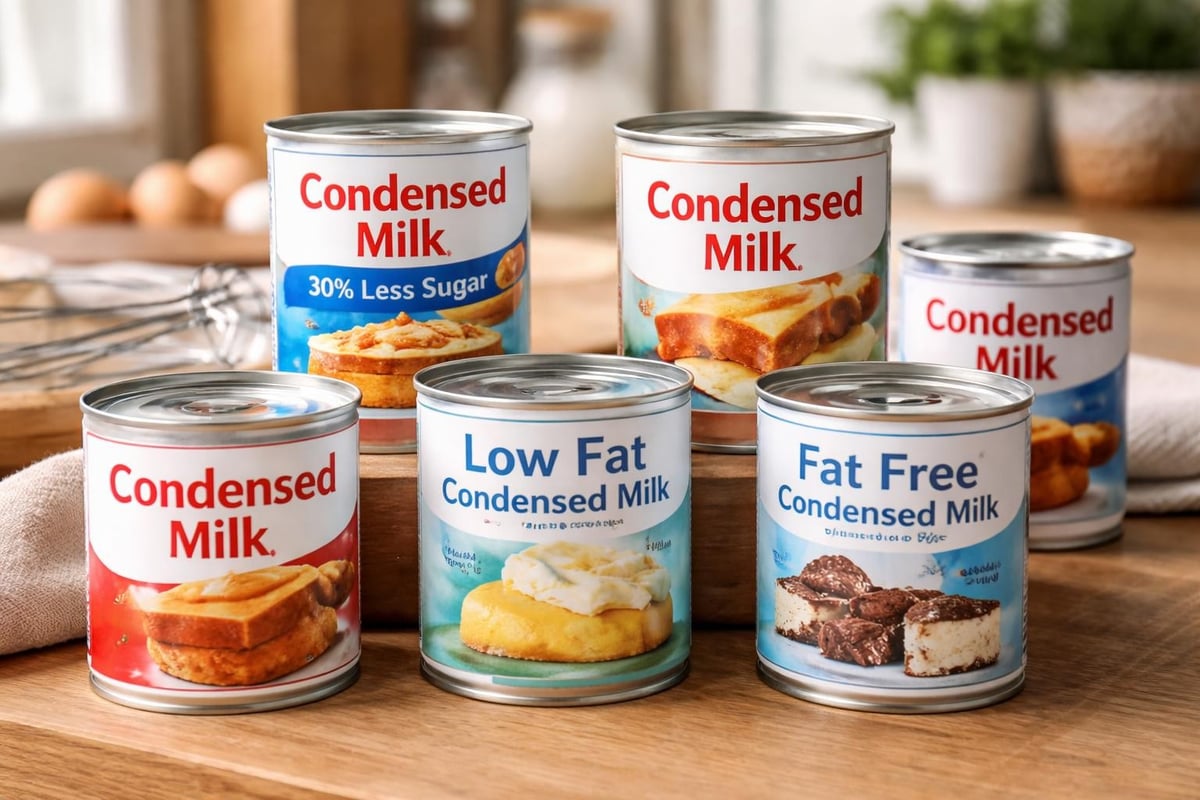
- Low-fat variations: Modified versions with reduced fat content whilst maintaining sweetness
The sweetened variety is the most common form used in baking and desserts. Sugar serves a dual purpose in this product, acting as both a sweetening agent and a preservative that extends shelf life considerably. This preservation method made milk condensed invaluable before widespread refrigeration became available.
The Manufacturing Process Behind This Pantry Staple
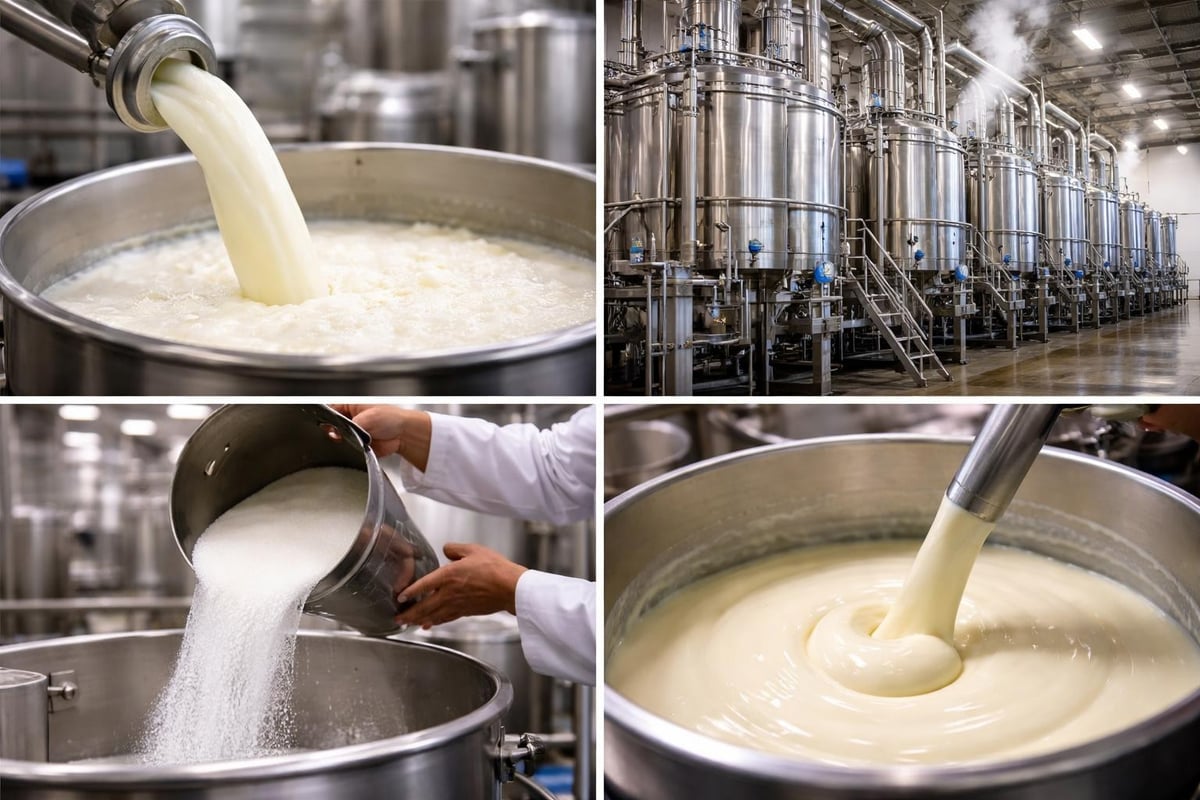
The creation of milk condensed involves precise temperature control and timing. Fresh milk undergoes pasteurisation before entering vacuum evaporators where reduced pressure allows water to evaporate at lower temperatures. This gentle heating preserves nutritional value whilst concentrating the milk solids and natural sugars.
Manufacturing plants add cane sugar during the evaporation process for sweetened varieties. The mixture continues heating until it reaches the desired consistency and sugar concentration. Quality control measures ensure each batch meets strict nutritional and safety standards before packaging.
Nutritional Profile and Health Considerations
Understanding the nutritional composition of milk condensed helps home cooks make informed decisions about incorporating it into their recipes. A standard two-tablespoon serving contains approximately one hundred and thirty calories, predominantly from sugar and dairy fat.
| Nutrient | Amount per 2 Tbsp | % Daily Value |
|---|---|---|
| Calories | 130 | 7% |
| Total Fat | 3.5g | 5% |
| Saturated Fat | 2g | 10% |
| Sugar | 22g | 44% |
| Protein | 3g | 6% |
| Calcium | 100mg | 8% |
The high sugar content means milk condensed should be used thoughtfully rather than as a daily staple. However, it does provide beneficial nutrients including calcium, phosphorus, and vitamins A and D naturally present in dairy products. The concentration process intensifies these nutrients alongside the sugar content.
For those monitoring sugar intake, evaporated milk offers an alternative with significantly less sweetness whilst maintaining the concentrated dairy richness. Both versions contribute to the creamy texture that makes South African desserts so memorable.
Traditional South African Uses for Milk Condensed
South African food culture embraces milk condensed in numerous beloved recipes that span generations. The ingredient appears in both everyday family meals and special occasion treats, creating the distinctive sweet richness that characterises many traditional desserts.
Classic Desserts and Baked Goods
Peppermint Crisp tart stands as perhaps the most iconic South African dessert featuring milk condensed as a key component. This no-bake refrigerator cake layers caramel made from boiled condensed milk with whipped cream, Tennis biscuits, and Peppermint Crisp chocolate bars. The result delivers nostalgia in every spoonful for South Africans worldwide.
Other traditional applications include:
- Melktert (milk tart): Custard filling enriched with milk condensed for extra creaminess
- Koeksister syrup: Sugar syrup enhanced with condensed milk for glossy coating
- Fudge and toffee: Boiled milk condensed creates traditional South African confectionery
- Coffee and tea: A spoonful transforms ordinary beverages into indulgent treats
Many South African families have treasured recipes passed down through generations that specifically call for milk condensed. These formulas often work best with particular brands familiar from childhood, making access to authentic South African products particularly important for expats.
The Role of Caramelised Condensed Milk
Boiling an unopened tin of milk condensed transforms it into dulce de leche or what South Africans often call "caramel treat." This thick, golden caramel serves as both filling and topping for numerous desserts. The process requires careful attention, with the tin fully submerged in water for two to three hours.
This caramelised version appears in:
- Peppermint Crisp tart as the essential caramel layer
- Fridge tarts providing sweetness and binding properties
- Cake fillings adding moisture and flavour depth
- Ice cream swirls creating marbled desserts
- Biscuit sandwiches holding cookies together with sweet filling
The transformation from white condensed milk to golden caramel demonstrates the ingredient's remarkable versatility. Temperature and timing control the final consistency, from pourable sauce to spreadable paste.

Baking Applications and Substitutions
Professional bakers and home cooks value milk condensed for its ability to add moisture, sweetness, and structure to baked goods simultaneously. The combination of sugar and concentrated milk proteins creates unique textural properties difficult to replicate with other ingredients.
How Milk Condensed Functions in Recipes
The science behind using milk condensed in baking relates to both its sugar content and protein structure. When heated, the milk proteins set whilst the sugar caramelises, creating browning and flavour development. The thick consistency means less liquid in recipes, producing denser, more tender crumb structures.
Key baking benefits include:
- Moisture retention: High sugar content keeps baked goods fresh longer
- Browning enhancement: Natural sugars promote golden crusts and appealing colour
- Flavour complexity: Caramelised notes develop during baking
- Texture improvement: Creates tender, moist finished products
- Time savings: Pre-sweetened ingredient reduces preparation steps
When a recipe specifically calls for milk condensed, substitutions require careful consideration. Simply replacing it with regular milk and sugar doesn't account for the reduced water content and concentrated proteins.
Making Successful Substitutions
Sometimes recipes require adaptation based on available ingredients. Understanding equivalents helps maintain recipe success when milk condensed isn't available or when reducing sugar intake.
| If Recipe Calls For | Substitute With | Notes |
|---|---|---|
| 1 cup sweetened condensed milk | 1 cup evaporated milk + 1.25 cups sugar | Heat until sugar dissolves |
| 1 cup sweetened condensed milk | 0.75 cup milk + 1 cup sugar + 3 Tbsp butter | Reduce liquid elsewhere in recipe |
| Sweetened condensed milk | Evaporated milk (plain) | Only in savoury applications |
These substitutions work adequately but rarely replicate the exact texture and flavour of authentic milk condensed. The unique processing creates flavour compounds and protein structures that simple ingredient combinations cannot fully duplicate.
Finding Authentic Products in New Zealand
For South Africans living in New Zealand, sourcing familiar brands of milk condensed becomes part of maintaining culinary connections to home. Whilst supermarkets stock international brands, the specific products used in traditional family recipes may prove harder to locate through mainstream retail channels.
Something From Home serves the South African community in New Zealand by stocking more than two thousand five hundred South African products, including the condensed milk brands that deliver authentic taste. This specialised South African food store understands that certain recipes simply work best with particular ingredients familiar from childhood.
The difference between brands isn't merely nostalgic. Different manufacturers use varying milk sources, sugar ratios, and processing methods that subtly affect final recipe outcomes. When your grandmother's famous fridge tart recipe calls for a specific brand, using that exact product ensures consistent results.
Why Brand Familiarity Matters
South African expats often discover that seemingly identical products yield different results in cherished recipes. Factors affecting performance include:
- Fat content variations: Different cream percentages alter richness and texture
- Sugar concentration: Ratios vary between manufacturers affecting sweetness levels
- Processing methods: Temperature and timing create subtle flavour differences
- Consistency thickness: Impacts spreading, pouring, and mixing properties
Having access to recognised South African brands through a dedicated South African shop removes guesswork from recipe preparation. Familiar packaging also provides comfort, transforming routine baking into connections with cherished memories and family traditions.
Creative Modern Applications Beyond Traditional Recipes
Contemporary cooks continue discovering innovative ways to incorporate milk condensed into both sweet and savoury dishes. The ingredient's versatility extends far beyond nostalgic desserts into modern fusion cooking and experimental baking.
Savoury Applications Worth Exploring
Whilst predominantly associated with sweets, milk condensed can enhance savoury dishes when used judiciously. Southeast Asian cuisines particularly embrace this ingredient in unexpected ways that balance sweet and savoury elements.
Consider these unconventional applications:
- Creamy salad dressings: Small amounts add body and subtle sweetness
- Bread glazes: Brushed on before baking for golden, slightly sweet crusts
- Curry enrichment: Thai and Vietnamese curries use condensed milk for creamy richness
- Marinade component: Tenderises meat whilst promoting caramelisation during grilling
- Coffee creamers: Creates rich, sweet café-style beverages at home
The concentrated dairy proteins in milk condensed contribute umami depth alongside sweetness. This complexity explains its success in fusion cooking where contrasting flavours create interest and balance.
Contemporary Dessert Innovation
Modern pastry chefs embrace milk condensed for its reliable performance and unique properties. Instagram-worthy desserts frequently feature this ingredient in creative presentations that honour tradition whilst exploring new possibilities.
Trending applications include:
- No-churn ice cream: Whipped milk condensed creates creamy texture without ice cream machines
- Tres leches variations: South African twists on Latin American soaked cakes
- Stuffed cookies: Caramelised condensed milk centres in chocolate chip cookies
- Cheesecake bases: Replaces separate sugar and cream in simplified recipes
- Frozen dessert bars: Layered treats combining local and South African flavours
These innovations demonstrate how traditional ingredients adapt to contemporary culinary trends. Young South Africans in New Zealand particularly appreciate recipes that blend Kiwi ingredients with familiar tastes from home.
Storage, Shelf Life, and Safety Considerations
Proper storage ensures milk condensed remains safe and maintains quality throughout its extended shelf life. Understanding handling procedures prevents waste and ensures food safety in home kitchens.
Before Opening: Maximising Shelf Life
Unopened tins of milk condensed remain shelf-stable for twelve to eighteen months when stored correctly. The combination of low moisture content and high sugar concentration naturally inhibits bacterial growth, making refrigeration unnecessary until after opening.
Optimal storage conditions include:
- Cool, dry location: Pantry temperatures between fifteen and twenty-one degrees Celsius
- Away from direct heat: Avoid storage near ovens, stovetops, or sunny windows
- Original packaging: Keep in sealed tins until ready to use
- Date rotation: Use older stock first following best-before dates
Bulging or damaged tins should be discarded regardless of expiry dates. Any compromise to tin integrity may allow contamination or oxidation that affects safety and quality.
After Opening: Refrigeration Requirements
Once opened, milk condensed requires refrigeration and shorter storage timeframes. Transfer contents to clean glass or plastic containers with tight-fitting lids rather than storing in original tins.
| Storage Method | Duration | Container Type |
|---|---|---|
| Refrigerator (opened) | 2-3 weeks | Glass jar or plastic container |
| Freezer (opened) | 3 months | Freezer-safe container |
| Room temperature (opened) | Not recommended | N/A |
Freezing milk condensed changes its texture slightly, becoming grainy when thawed. However, this texture change doesn't affect performance in cooked or baked applications. Portion into ice cube trays before freezing for convenient recipe-sized amounts.
The Cultural Significance for South African Expats
Food connects people to place, memory, and identity in profound ways. For South Africans living in New Zealand, familiar ingredients like milk condensed represent more than mere pantry staples. They embody childhood memories, family gatherings, and cultural continuity across geographical distance.
Maintaining Culinary Traditions Abroad
Immigrant communities worldwide use traditional foods to maintain cultural identity whilst adapting to new environments. Preparing dishes from home provides comfort, creates intergenerational connections, and introduces heritage to children born abroad.
South African families in New Zealand often describe how certain tastes trigger powerful memories:
- The smell of koeksisters brings back Sunday mornings at Ouma's house
- Peppermint Crisp tart evokes birthday celebrations and special occasions
- Melktert reminds expats of church bazaars and community gatherings
- Homemade fudge recalls school holidays and family bonding time
These associations make ingredient authenticity particularly important. Using the "right" brand of milk condensed isn't merely about taste but about recreating complete sensory experiences that connect past and present.
Teaching Heritage Through Cooking
Many South African parents in New Zealand intentionally pass down recipes and food traditions to Kiwi-born children. Cooking together creates opportunities to share stories, values, and cultural identity through tangible, delicious outcomes.
When children help make traditional desserts using milk condensed, they absorb more than culinary skills. They learn patience through caramelisation processes, precision through measuring ingredients, and family history through recipe stories. These experiences build cultural competence and pride in dual heritage.
Access to authentic ingredients through specialised retailers makes these teaching moments possible. Without proper milk condensed and other traditional components, recreating grandmother's exact recipe becomes impossible, breaking chains of culinary transmission.
Practical Recipe Tips and Techniques
Mastering milk condensed applications requires understanding a few key techniques that ensure consistent, successful results. Both novice and experienced cooks benefit from refined approaches to common preparation methods.
The Tin-Boiling Method for Caramel
Creating caramelised condensed milk through tin-boiling requires careful attention to safety and timing. This method, whilst traditional, carries scalding risks if not performed correctly.
Safe tin-boiling procedures:
- Remove all labels from the condensed milk tin completely
- Submerge fully in large pot ensuring water covers tin by five centimetres
- Maintain steady simmer rather than rolling boil for even heating
- Check water level hourly, adding boiling water to maintain depth
- Cool completely before opening to prevent dangerous steam eruptions
- Test consistency after two hours for softer caramel, three hours for thicker spread
Never allow the tin to be exposed above water level during cooking. The resulting pressure buildup in an exposed tin can cause dangerous explosions. Many experienced cooks place a tea towel in the pot bottom to prevent tins rattling and potentially puncturing.
Incorporating into Batters and Mixtures
Adding milk condensed to cake batters, cookie doughs, and other mixtures requires different techniques than working with regular milk. The thick consistency and high sugar content affect mixing methods and final textures.
Best practices include:
- Warming milk condensed slightly before adding to cold mixtures prevents lumping
- Whisking thoroughly ensures even distribution throughout batters
- Reducing other liquids in recipes to account for moisture content
- Decreasing additional sugar as condensed milk provides significant sweetness
- Extending baking times slightly due to increased sugar causing slower setting
When creaming butter and sugar for cookies or cakes, add milk condensed after achieving light, fluffy texture. This timing prevents the dense liquid from deflating carefully incorporated air bubbles.
Comparing Milk Condensed With Similar Products
Understanding distinctions between condensed milk, evaporated milk, and fresh milk helps cooks select appropriate products for specific applications. Whilst related, these dairy products function quite differently in recipes.
Evaporated milk contains approximately sixty percent less water than fresh milk but includes no added sugar. This unsweetened condensed option works better in savoury dishes, coffee enrichment, and recipes where sugar control matters.
Key Differences in Composition and Use
| Product | Water Removed | Sugar Added | Best Applications | Shelf Life (Unopened) |
|---|---|---|---|---|
| Fresh whole milk | 0% | No | General cooking, drinking | 7-10 days refrigerated |
| Evaporated milk | ~60% | No | Savoury dishes, coffee | 12-18 months |
| Sweetened condensed milk | ~60% | Yes (~45%) | Desserts, baking | 12-18 months |
| Cream | 0% | No | Whipping, enriching | 2-3 weeks refrigerated |
Neither evaporated milk nor milk condensed requires refrigeration before opening, making both convenient pantry staples. However, their applications rarely overlap due to the dramatic sweetness difference.
Dietary Modifications and Alternatives
Dietary restrictions and health considerations lead some cooks to seek alternatives to traditional milk condensed. Various options exist, though each brings different properties affecting final recipe outcomes.
Dairy-Free and Reduced-Sugar Options
Plant-based milk condensed products use coconut milk, oat milk, or soy milk as base ingredients. These alternatives typically include similar sugar concentrations to maintain preservative effects and characteristic sweetness.
Considerations when using alternatives:
- Coconut-based versions: Impart distinct coconut flavour unsuitable for all recipes
- Oat or soy varieties: More neutral taste but different protein structures affect texture
- Sugar-free versions: Use artificial sweeteners that don't caramelise identically
- Reduced-fat options: Less richness and different mouthfeel than full-fat products
Traditional South African recipes developed specifically around full-fat, sweetened milk condensed properties. Substitutions may require recipe adjustments including modified cooking times, additional binding agents, or altered liquid ratios.
Making Homemade Versions
Some cooks prefer preparing milk condensed at home for ingredient control and freshness. The process requires patience but uses simple components available in any kitchen.
Basic homemade condensed milk requires:
- Four cups whole milk
- One and one-quarter cups white sugar
- Three tablespoons butter
- One teaspoon vanilla extract (optional)
Combine ingredients in heavy-bottomed saucepan and simmer gently for one to two hours, stirring occasionally, until reduced by half and thickened significantly. The homemade version lacks commercial product shelf stability but offers customisation possibilities including flavour infusions and organic ingredient options.
Sourcing Quality Products in New Zealand
Finding preferred brands of milk condensed presents challenges for South African expats accustomed to specific products. Mainstream New Zealand supermarkets stock limited international varieties, often missing the exact brands that deliver authentic recipe results.
Specialised ethnic food retailers bridge this gap by importing products specifically for diaspora communities. These shops understand that culinary authenticity matters deeply to customers maintaining food traditions far from home. The investment in sourcing correct ingredients demonstrates respect for cultural heritage and culinary precision.
Online shopping offers particular convenience for South African groceries in New Zealand. Busy families appreciate delivery services that bring familiar products directly to their doors without visiting multiple stores searching for specific items. This accessibility ensures that geographic distance from South Africa doesn't prevent maintaining beloved food traditions.
Building relationships with retailers who understand specific product needs creates reliable supply chains. When shops consistently stock preferred brands of essential ingredients like milk condensed, customers develop loyalty and trust that extends beyond individual transactions.
Milk condensed remains an indispensable ingredient in South African baking and dessert making, connecting generations through shared recipes and treasured flavours. For South Africans living in New Zealand, accessing authentic products ensures family traditions continue uninterrupted despite geographical distance. Whether creating classic Peppermint Crisp tart, experimenting with modern fusion desserts, or simply enjoying sweetened coffee, having the right ingredients makes all the difference. Explore the extensive range of South African groceries, including familiar brands of milk condensed and thousands of other products, at Something From Home to keep your culinary heritage alive in New Zealand.