Condensed Milk: A Pantry Essential in South African Homes
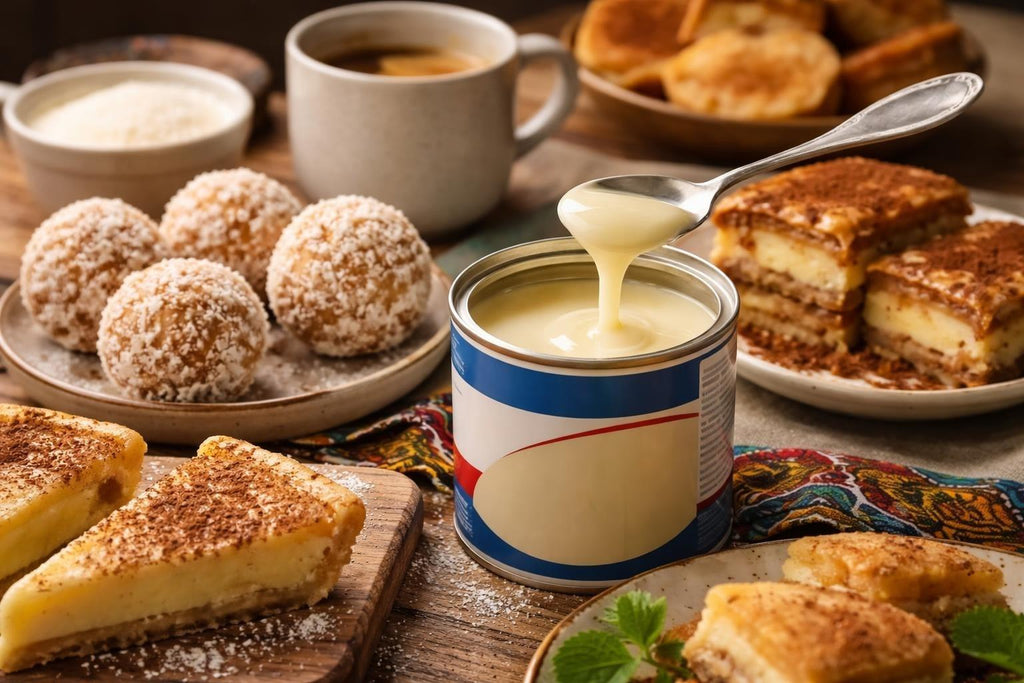
For South Africans living in New Zealand, certain pantry staples evoke powerful memories of home. Among these treasured ingredients, condensed milk holds a special place in the hearts and kitchens of many families. This thick, sweetened dairy product has been a cornerstone of South African cooking for generations, featuring in everything from traditional milk tart to everyday coffee. Understanding the role of this versatile ingredient provides insight into South African food culture and why expats seek out familiar products when settling abroad.
The History and Production of Condensed Milk
Condensed milk was invented in the mid-19th century by Gail Borden Jr., who sought to create a shelf-stable dairy product that could survive long journeys without refrigeration. The production process involves removing approximately 60% of the water content from fresh milk and adding sugar as a preservative, resulting in a thick, sweet product that can last for months when unopened.
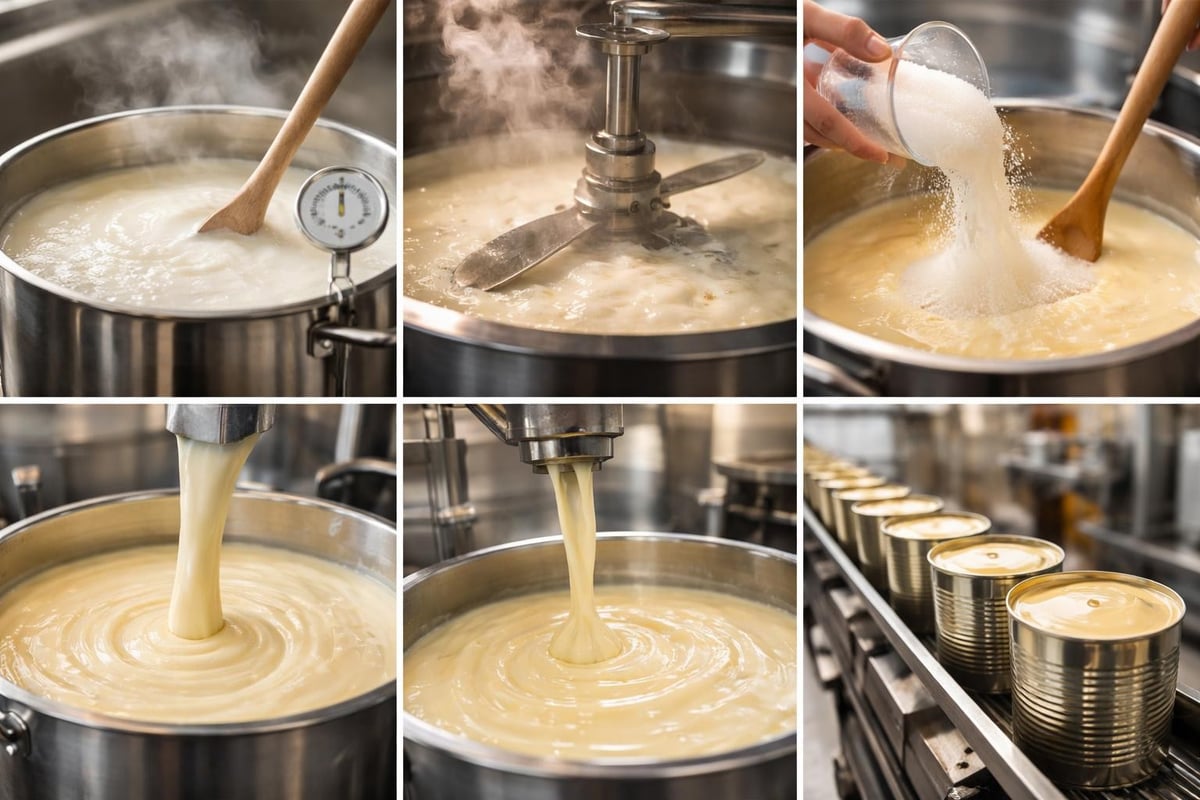
The production process of condensed milk involves several precise steps:
- Fresh milk is heated to specific temperatures
- Water content is evaporated under controlled vacuum conditions
- Sugar is added to achieve the desired sweetness and preservation
- The mixture is cooled and canned for long-term storage
- Final products undergo quality testing before distribution
This preservation method revolutionised food storage and transportation, particularly in regions where refrigeration was limited. South African households quickly adopted this product, integrating it into traditional recipes and creating new culinary applications that remain popular today.
Nutritional Profile and Dietary Considerations
Understanding the nutritional composition of sweetened condensed milk helps consumers make informed choices. A single tablespoon contains approximately 60 calories, with significant amounts of sugar and fat. The product also provides calcium, protein, and vitamins naturally present in milk, though in concentrated form.
| Nutrient | Per 100g | Daily Value % |
|---|---|---|
| Calories | 321 kcal | 16% |
| Total Fat | 8.7g | 13% |
| Carbohydrates | 54.4g | 20% |
| Protein | 7.9g | 16% |
| Calcium | 284mg | 28% |
| Sugar | 54g | 60% |
Important dietary considerations include monitoring portion sizes due to high sugar content, awareness of lactose for those with sensitivities, and understanding how it fits within overall caloric intake. For South Africans managing their diet while enjoying traditional recipes, moderation becomes key when incorporating this beloved ingredient.
The product is generally gluten-free in its pure form, making it suitable for those with coeliac disease or gluten sensitivities. However, consumers should always verify labels, as some flavoured varieties or brands may include additives containing gluten.
Traditional South African Recipes Using Condensed Milk
South African cuisine features numerous iconic recipes that showcase condensed milk as a central ingredient. These dishes represent cultural heritage and family traditions passed down through generations.
Melktert (Milk Tart)
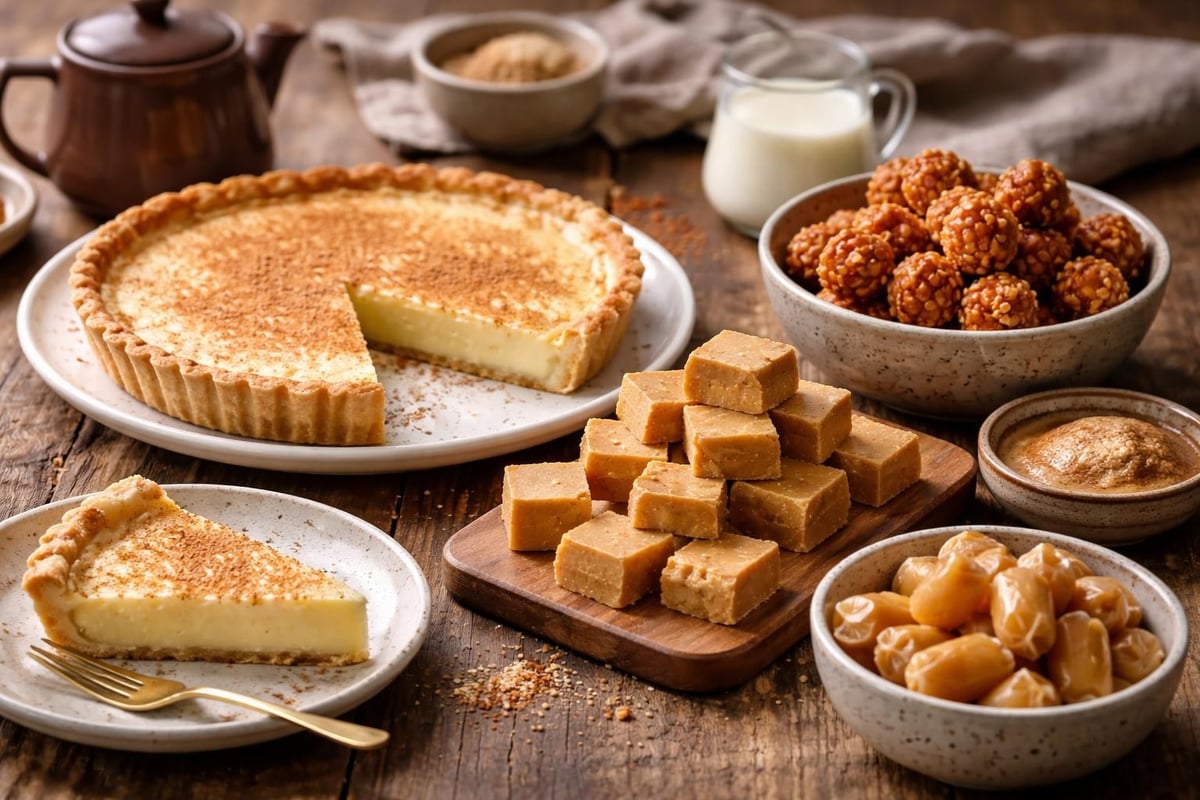
Perhaps the most famous South African dessert featuring this ingredient, melktert combines condensed milk with eggs, flour, and milk to create a creamy custard filling nestled in a sweet pastry crust. The dessert is traditionally dusted with cinnamon and served at family gatherings, church bazaars, and special occasions.
Fudge and Confectionery
South African fudge recipes rely heavily on condensed milk for their characteristic smooth texture and sweetness. Homemade fudge remains a popular gift during holidays and celebrations, with variations including chocolate, peppermint, and nut-studded versions.
- Peppermint Crisp tart: Layers of caramel, cream, and Peppermint Crisp chocolate
- Chocolate truffles: Rich confections rolled in cocoa or coconut
- Caramel treats: Boiled condensed milk creates dulce de leche-style sweets
- Peanut brittle: Combined with nuts for crunchy confections
Beverages and Coffee Culture
Many South Africans grew up adding a spoonful of condensed milk to their coffee or tea, creating a rich, sweet beverage distinct from using regular milk and sugar. This practice continues in New Zealand homes, where expats maintain their preferred coffee preparations.
Condensed Milk Versus Evaporated Milk
Consumers often confuse these two canned milk products, though they serve different culinary purposes. Evaporated milk contains no added sugar and has a less concentrated consistency, making it unsuitable as a direct substitute in recipes calling for the sweetened version.
Key differences include sugar content, sweetness level, viscosity, and intended applications. Evaporated milk works well in savoury dishes and can replace fresh milk in cooking, while condensed milk primarily features in desserts and sweet preparations. Understanding these distinctions prevents recipe failures and ensures desired outcomes.
Modern Adaptations and Alternative Options
Contemporary dietary preferences have expanded the condensed milk category beyond traditional dairy products. Condensed coconut milk offers a dairy-free alternative for vegans and those with lactose intolerance, maintaining similar thickness and sweetness while providing different nutritional benefits.
Health-Conscious Variations
Several manufacturers now produce reduced-sugar versions, though these may alter recipe outcomes due to different moisture and sweetness levels. Some home cooks prepare their own versions using alternative sweeteners or reduced sugar quantities, adapting traditional recipes to modern dietary requirements.
Creative Culinary Applications
Modern South African cooks have expanded beyond traditional uses, incorporating this ingredient into:
- Ice cream bases: Creating rich, creamy frozen desserts without machines
- Salad dressings: Adding sweetness to fruit salad toppings
- Bread and baking: Enhancing moisture in loaves and muffins
- Breakfast preparations: Drizzling over pancakes or waffles
- Sauce foundations: Building caramel and toffee sauces
Shopping for Condensed Milk in New Zealand
For South Africans living in New Zealand, finding familiar brands can be challenging in mainstream supermarkets. While local New Zealand brands are available, many expats prefer the specific taste and consistency of South African products they grew up with.
Something From Home stocks a wide range of South African groceries, making it easier for expats to access authentic ingredients for traditional recipes. The warehouse carries more than 2,200 South African products, ensuring that home cooks can recreate beloved family dishes with the right ingredients.
Storage and Shelf Life
Unopened cans can last for months or even years when stored in cool, dry conditions. Once opened, the product should be refrigerated in an airtight container and used within one to two weeks. Proper storage prevents spoilage and maintains quality for multiple recipe applications.
| Storage Method | Duration | Best Practices |
|---|---|---|
| Unopened tin | 12-24 months | Cool, dry pantry |
| Refrigerated (opened) | 1-2 weeks | Airtight container |
| Frozen portions | 3 months | Ice cube trays |
The Cultural Significance in South African Homes
Beyond its culinary applications, condensed milk represents comfort and nostalgia for many South Africans. The ingredient features prominently in childhood memories, from scraped-clean tins after baking sessions to special treats prepared by grandmothers.
This emotional connection explains why expats seek out specific brands when living abroad. The taste of a familiar melktert or homemade fudge can transport someone back to family gatherings in Cape Town or braais in Johannesburg, making the ingredient about more than just cooking.

Community and Food Traditions
South African communities in New Zealand often gather around food, with traditional recipes serving as cultural anchors. Church bazaars, community fundraisers, and social gatherings frequently feature desserts made with condensed milk, reinforcing cultural identity and connection to heritage.
Understanding these food traditions helps explain why South African food stores play such an important role in expat communities. Access to familiar ingredients enables cultural preservation and provides comfort through taste memories.
Practical Cooking Tips and Recipe Substitutions
Experienced cooks have developed numerous tips for working with condensed milk effectively. Temperature control proves crucial when making caramel, as overheating can cause crystallisation or burning. Gentle heat and patience yield better results than rushing the process.
Recipe Conversion Guidelines
When adapting recipes or making substitutions, understanding equivalencies helps maintain desired outcomes:
- Replace one cup of condensed milk with three-quarters cup of sugar plus half cup of milk
- Create a quick substitute by dissolving sugar in warmed milk and reducing volume
- Adjust sweetness in recipes by reducing added sugar when using condensed milk
- Consider moisture content when substituting in baked goods
Common Mistakes to Avoid
Many home cooks encounter similar challenges when working with this ingredient:
- Confusing it with evaporated milk in recipes
- Overcooking when making caramel, resulting in burnt flavours
- Not allowing sufficient cooling time before cutting desserts
- Using expired products that have separated or crystallised
- Failing to adjust recipe sweetness when substituting other ingredients
Buying South African Food Online in New Zealand
The digital age has simplified access to authentic South African products for expats living in New Zealand. Online shopping eliminates geographical barriers, allowing customers throughout the country to purchase familiar brands and ingredients regardless of their location.
Something From Home operates as a South African food store with warehouse facilities in New Zealand, offering convenient online ordering and delivery services. This accessibility ensures that South Africans in Auckland, Wellington, Christchurch, or rural areas can maintain their culinary traditions without compromise.
Building Your South African Pantry
Creating a well-stocked pantry with South African essentials supports regular home cooking and impromptu gatherings. Beyond condensed milk, consider maintaining supplies of biscuits, spices, sauces, and beverages that define South African cuisine.
Essential pantry items for South African cooking include:
- Baking supplies: Self-raising flour, cocoa, and various tins of condensed milk
- Spices and seasonings: Boerewors spice, peri-peri, and curry powders
- Beverages: Rooibos tea, Ceres fruit juices, and coffee
- Snacks: Biltong, droëwors, and traditional sweets
- Sauces and condiments: Mrs Ball's Chutney, marinades, and cooking sauces
Teaching the Next Generation
For South African families raising children in New Zealand, passing on food traditions helps maintain cultural identity. Teaching children to prepare traditional recipes using ingredients like condensed milk creates lasting memories while preserving heritage.
Family baking sessions provide opportunities to share stories about life in South Africa, explain cultural significance of certain dishes, and create new memories in a New Zealand context. These experiences help children develop appreciation for their dual cultural identity.
Adapting Traditions in a New Context
Living in New Zealand offers opportunities to blend South African and Kiwi food cultures. Many families incorporate local ingredients into traditional recipes or adapt South African techniques to New Zealand produce, creating unique fusion dishes that reflect their bicultural experience.
Economic and Practical Considerations
Budget-conscious cooks appreciate condensed milk for its versatility and long shelf life. A single tin can contribute to multiple recipes, making it a cost-effective pantry staple. Buying in bulk from South African food suppliers often provides additional savings, particularly when shipping costs are distributed across larger orders.
Comparing prices between mainstream supermarkets and specialist South African shops helps consumers make informed purchasing decisions. While South African brands may cost more due to importation, many expats consider the authentic taste worth the additional expense.
Condensed milk remains an indispensable ingredient in South African cooking, connecting expats in New Zealand to their culinary heritage through familiar flavours and traditional recipes. Whether you're preparing a classic melktert for a family gathering or simply want to enjoy your coffee the way you remember, having access to quality South African products makes all the difference. For authentic South African groceries including your favourite condensed milk brands, explore the extensive range available at Something From Home, where more than 2,200 products await to help you recreate the tastes of home.