
Vetkoek Recipe: Traditional South African Fried Bread
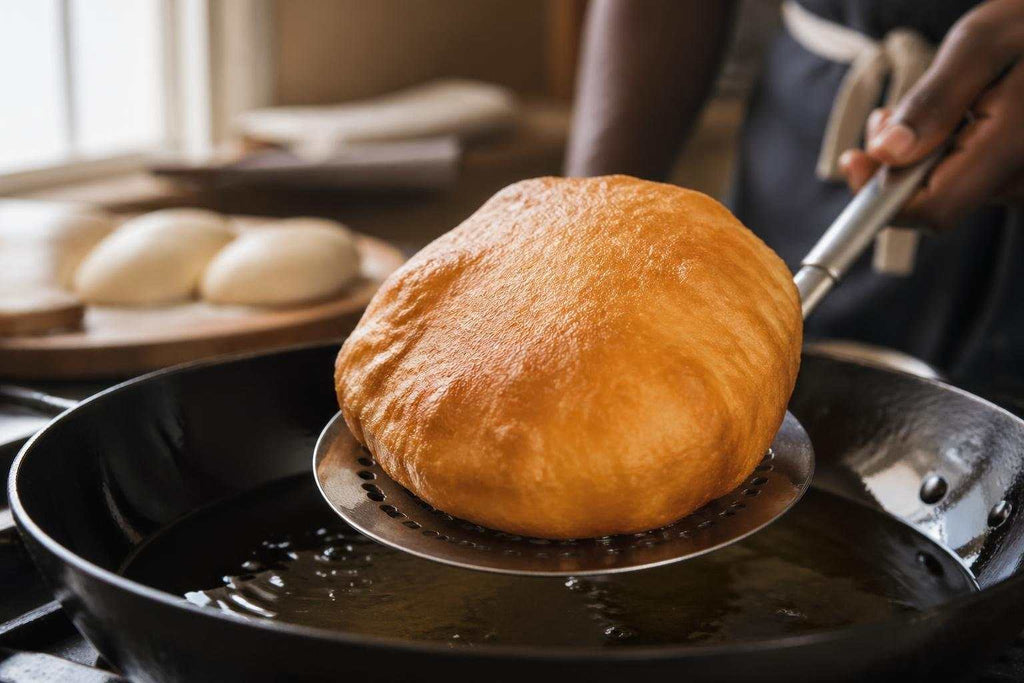
Vetkoek stands as one of South Africa's most cherished comfort foods, a golden pillow of fried dough that evokes memories of family gatherings, school tuckshops, and roadside vendors across the country. For South Africans living in New Zealand, recreating this beloved treat at home becomes more than just cooking; it's about maintaining a tangible connection to heritage and sharing a piece of home with new communities. Whether served sweet with honey and syrup or savoury with mince curry, mastering a proper vetkoek recipe brings the authentic taste of South Africa to kitchens thousands of kilometres away.
Understanding Vetkoek in South African Food Culture
Vetkoek, literally translating to "fat cake" in Afrikaans, represents a cornerstone of South African culinary tradition. This deep-fried bread has roots stretching back to the Voortrekker era, when families travelling across the South African interior created simple, filling foods that could be prepared over open fires with minimal ingredients.
The beauty of vetkoek lies in its versatility. Unlike many traditional dishes that require specific regional ingredients, a vetkoek recipe relies on pantry staples: flour, yeast, sugar, salt, and oil. This accessibility made it a democratic food, enjoyed across all communities and socioeconomic backgrounds throughout South Africa's complex history.
Regional variations exist throughout the country:
- Coastal areas often serve vetkoek filled with fresh fish or pickled fish
- Inland regions favour curried mince or traditional bobotie fillings
- Sweet versions topped with honey, syrup, or jam remain popular nationwide
- Modern interpretations include gourmet fillings like pulled pork or vegetarian options
For expatriates in New Zealand, vetkoek connects to more than taste. It embodies the social aspects of South African life: sharing food at braais, buying a quick lunch from a street vendor, or the comfort of grandmother's kitchen on rainy afternoons.
Essential Ingredients for an Authentic Vetkoek Recipe
Creating authentic vetkoek requires attention to ingredient quality and proportions. While the ingredient list appears simple, each component plays a crucial role in achieving that perfect combination of crispy exterior and fluffy interior.
Core Ingredients Breakdown
| Ingredient | Purpose | Quantity (12-15 vetkoek) |
|---|---|---|
| Cake flour | Structure and softness | 4 cups (600g) |
| Instant yeast | Rising and texture | 10g (1 packet) |
| White sugar | Yeast activation, flavour | 2 tablespoons |
| Salt | Flavour balance | 1 teaspoon |
| Lukewarm water | Dough hydration | 2 cups (500ml) |
| Vegetable oil | Frying medium | For deep frying |
The type of flour matters significantly. Cake flour, with its lower protein content, creates a more tender crumb compared to bread flour. This distinction separates good vetkoek from exceptional ones. Many traditional vetkoek recipes emphasise using cake flour specifically for this reason.
Temperature considerations prove equally important:
- Water should be lukewarm (around 37°C), not hot, to activate yeast without killing it
- Room temperature affects proving time significantly
- Oil temperature must reach 180°C for proper frying
South Africans in New Zealand can find familiar baking supplies at Something From Home, which stocks a comprehensive range of South African groceries including baking essentials that match what you'd use back home.
Step-by-Step Vetkoek Recipe Method
Mastering the vetkoek recipe requires understanding each stage of preparation. Unlike quick breads, vetkoek demands patience during the proving process, but the reward justifies the wait.
Mixing and Kneading
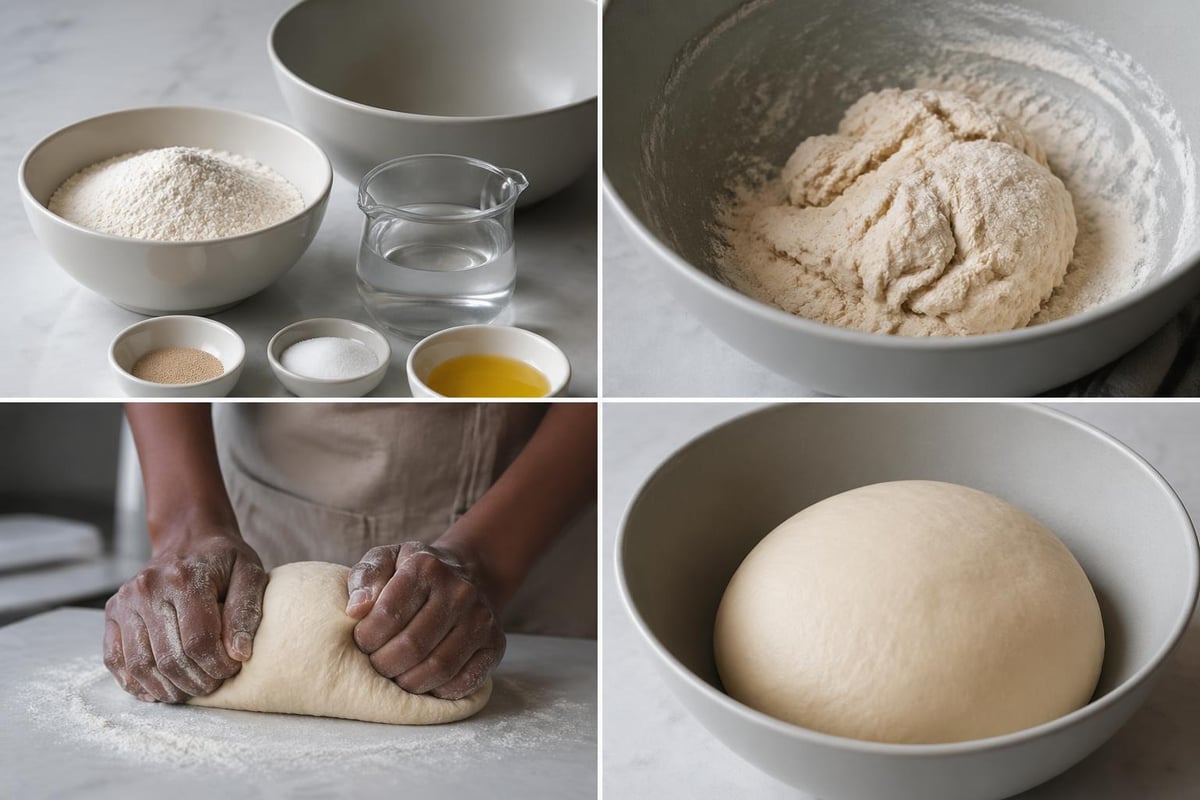
Begin by combining dry ingredients in a large mixing bowl. Sift the cake flour to eliminate lumps and incorporate air, creating a lighter final product. Add the instant yeast, sugar, and salt, mixing thoroughly to distribute ingredients evenly.
Create a well in the centre of the dry ingredients and gradually add lukewarm water. Mix with a wooden spoon initially, then transition to hand kneading once the mixture becomes too thick to stir. The dough should feel slightly sticky but manageable. Knead for eight to ten minutes until the dough becomes smooth and elastic.
Proving Process
Transfer the dough to a lightly oiled bowl, turning once to coat the surface with oil. This prevents a dry skin from forming during proving. Cover the bowl with a clean tea towel or plastic wrap, then place in a warm, draft-free location.
The proving time varies based on ambient temperature:
- Warm summer conditions: 45-60 minutes
- Moderate temperatures: 60-90 minutes
- Cooler environments: 90-120 minutes
The dough should double in size. Test readiness by gently pressing two fingers into the dough; if the indentation remains, it's properly proved. According to recipes from Chef's Resource, under-proving results in dense vetkoek, while over-proving creates an overly yeasty taste.
Shaping and Second Rise
Punch down the proved dough to release excess gas. Divide the mixture into twelve to fifteen equal portions, each roughly the size of a tennis ball. Roll each portion between your palms to create smooth, round balls. Place these on a lightly floured surface, cover again, and allow a second rise of fifteen to twenty minutes.
This second prove contributes significantly to the final texture. The dough balls should feel light and puffy, ready to expand further during frying.

Frying Techniques for Perfect Vetkoek
The frying stage transforms your carefully prepared dough into golden, crispy vetkoek. Temperature control separates mediocre results from exceptional ones.
Oil Selection and Temperature
Choose a neutral-flavoured oil with a high smoke point. Sunflower oil remains the traditional choice in South Africa, though canola or vegetable oil work equally well. Fill a heavy-bottomed pot or deep fryer with oil to a depth of at least ten centimetres.
Heat oil to 180°C. Use a cooking thermometer for accuracy; guessing often results in greasy or undercooked vetkoek. If you lack a thermometer, test by dropping a small piece of dough into the oil. It should sizzle immediately and rise to the surface within seconds.
The Frying Process
Follow these steps for consistent results:
- Gently flatten each dough ball slightly before adding to oil
- Fry three to four vetkoek at a time, avoiding overcrowding
- Cook for two to three minutes per side until deep golden brown
- Turn only once using a slotted spoon or tongs
- Drain on paper towels immediately after removing from oil
The vetkoek should puff dramatically when added to the oil, developing a hollow centre perfect for filling. If they don't puff, the oil temperature likely dropped too low.
Common mistakes include flipping too frequently, which prevents proper browning, or frying at incorrect temperatures. Too hot creates dark exteriors with raw centres; too cool produces greasy, heavy results.
Serving Suggestions and Traditional Fillings
The versatility of vetkoek shines through its countless serving options. Whether you prefer sweet or savoury, traditional or contemporary, this fried bread adapts beautifully to various flavour profiles.
Classic Savoury Fillings
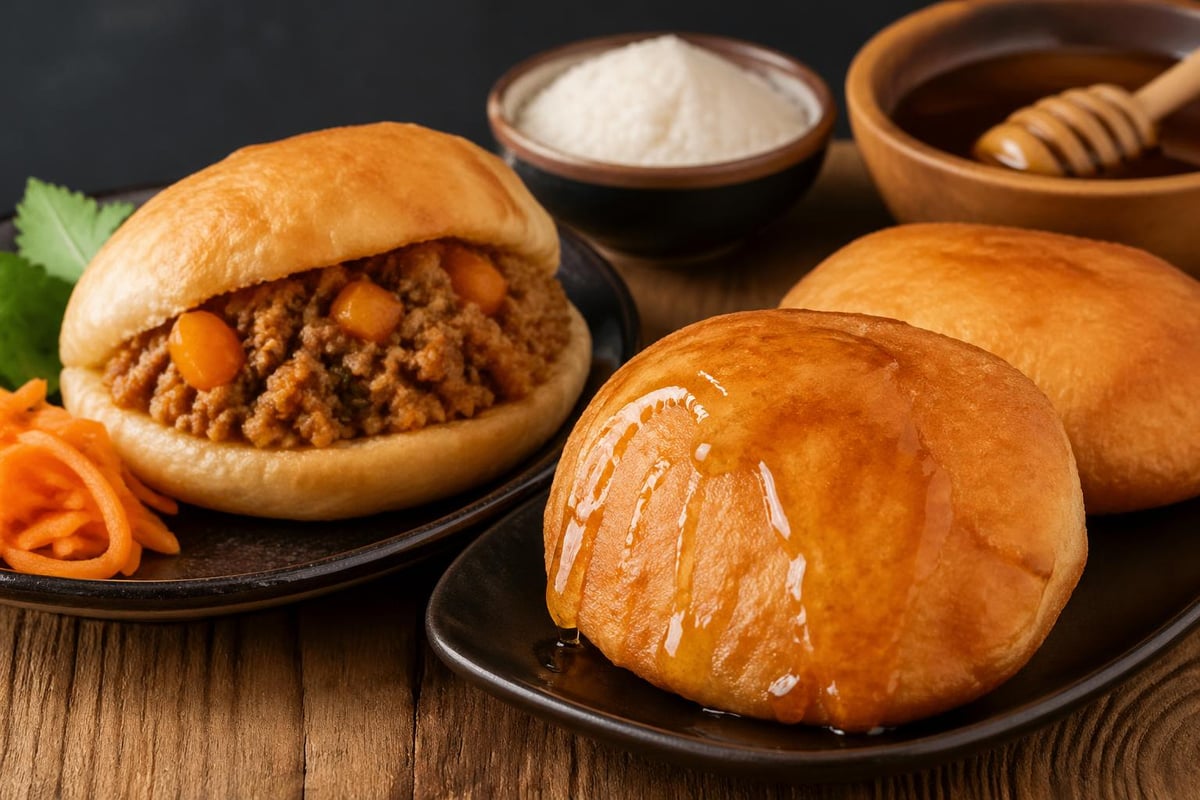
Curried mince remains the quintessential vetkoek filling:
- Brown minced beef with onions and curry powder
- Add tomato paste, chutney, and a touch of sugar for depth
- Simmer until thick and flavourful
- Slice vetkoek horizontally and stuff generously
Other popular South African dishes that pair perfectly with vetkoek include bobotie, chicken mayonnaise, and cheese and polony. For coastal-inspired options, pickled fish or snoek pâté create authentic Cape flavours.
Sweet Variations
Sweet vetkoek holds a special place in many South African childhoods. The simplest preparation involves dusting warm vetkoek with cinnamon sugar while still hot from the fryer. The residual oil helps the sugar mixture adhere, creating an irresistible coating.
Alternative sweet options include:
- Golden syrup or honey drizzled generously
- Apricot jam with a sprinkle of coconut
- Chocolate spread for modern tastes
- Condensed milk for ultimate indulgence
Modern Interpretations
Contemporary South African restaurants and home cooks continue evolving the vetkoek recipe. Gourmet versions feature pulled pork with apple slaw, butter chicken, or even breakfast fillings with scrambled eggs and bacon.
For South Africans in New Zealand looking to recreate authentic flavours, Something From Home provides access to traditional condiments, spices, and ingredients that make vetkoek fillings taste just like home. Their extensive range includes curry powders, chutneys, and other essentials difficult to source elsewhere.
Troubleshooting Common Vetkoek Challenges
Even experienced cooks encounter occasional issues when making vetkoek. Understanding common problems and their solutions ensures consistent success with your vetkoek recipe.
Texture Issues
| Problem | Cause | Solution |
|---|---|---|
| Dense, heavy texture | Under-proved dough | Allow longer rising time in warmer location |
| Overly oily vetkoek | Oil temperature too low | Increase heat and test with thermometer |
| Dry, tough exterior | Over-cooked or oil too hot | Reduce temperature, shorter frying time |
| Flat, won't puff | Old yeast or water too hot | Use fresh yeast, test water temperature |
| Doughy centre | Oil too hot or pieces too large | Lower heat, make smaller portions |
Storage and Reheating
Fresh vetkoek tastes best consumed within hours of frying, but leftovers can be stored properly for later enjoyment. Cool completely before storing in an airtight container at room temperature for up to two days. Refrigeration makes them dense and chewy.
Reheat vetkoek in a moderate oven (160°C) for five to seven minutes. This restores some crispiness to the exterior while warming the interior. Avoid microwaving, which creates rubbery textures. Some South Africans prefer eating leftover vetkoek cold, split and filled with butter and jam.
Vetkoek in New Zealand's South African Community
The South African diaspora in New Zealand maintains strong connections to food traditions, with vetkoek featuring prominently at community gatherings, church events, and cultural celebrations. Making vetkoek from scratch becomes an act of cultural preservation and a way to introduce Kiwi friends to South African heritage.
Many South African expats report that food from home triggers powerful nostalgia. The process of making vetkoek, from the yeast's distinctive smell during proving to the sizzle of dough hitting hot oil, recreates sensory memories of home.
Community aspects of vetkoek in New Zealand include:
- Fundraising at South African club events where vetkoek sells quickly
- Teaching the vetkoek recipe to children born in New Zealand
- Hosting braais where vetkoek complements traditional grilled meats
- Sharing vetkoek with colleagues to introduce South African culture
The challenge of sourcing familiar ingredients in New Zealand initially deterred some from attempting traditional recipes. However, dedicated South African food stores now make authentic cooking more accessible. With more than 2,500 South African products available, specialised retailers ensure expatriates can recreate beloved dishes without compromise.
Nutritional Considerations and Variations
While traditional vetkoek recipes create indulgent treats, modern adaptations address dietary preferences and health considerations without sacrificing too much authenticity.
Healthier Modifications
Consider these adjustments for lighter versions:
- Reduce frying time slightly for less oil absorption
- Use wholemeal flour for half the cake flour content
- Bake instead of frying at 190°C for fifteen to twenty minutes (texture differs significantly)
- Choose fillings with lean proteins and vegetables
Health-conscious cooks experiment with air fryer methods, though results differ markedly from traditional fried vetkoek. The characteristic puffiness and crispy exterior prove difficult to replicate without deep frying.
Dietary Adaptations
Vegan vetkoek substitutes plant-based milk for water and ensures all fillings contain no animal products. The basic dough already contains no eggs or dairy, making adaptation straightforward.
Gluten-free versions present greater challenges. Gluten-free flour blends lack the elasticity necessary for proper puffiness. Recipes incorporating xanthan gum and additional eggs show more promise, though results never quite match wheat-based versions.
Cultural Significance Beyond the Recipe
Understanding a vetkoek recipe extends beyond ingredients and techniques. This humble fried bread carries cultural weight representing resilience, creativity, and the South African spirit of making do with available resources.
Historical accounts from various sources document vetkoek's role during challenging times. Its simplicity meant families could create filling, satisfying meals even during economic hardship. Street vendors built businesses around vetkoek, providing affordable food to working communities.
Today, vetkoek transcends its humble origins. Upmarket restaurants feature gourmet versions, food trucks specialise in innovative fillings, and home cooks continue perfecting their personal vetkoek recipe variations passed through generations.
For South Africans abroad, mastering this recipe becomes an edible link to identity. The smell of frying vetkoek in a New Zealand kitchen transports cooks back to Johannesburg markets, Cape Town beachfronts, or Durban street corners. It allows expatriates to share tangible aspects of their heritage with new communities, creating cross-cultural understanding through food.
Making vetkoek also teaches younger generations about their roots. Children who've never lived in South Africa learn family history through cooking traditions, maintaining connections to a homeland they may only know through visits and stories.
Mastering an authentic vetkoek recipe connects South African expats in New Zealand to cherished memories while creating new traditions in adopted homes. Whether you prefer yours stuffed with spicy mince or drizzled with golden syrup, the process of making these golden pillows of fried dough brings comfort and joy. For all your South African grocery needs, from the right flour to authentic spices and condiments that make your vetkoek fillings taste like home, visit Something From Home to explore their extensive range of over 2,500 South African products delivered throughout New Zealand.