Chocolate Bars in New Zealand: A Complete Guide
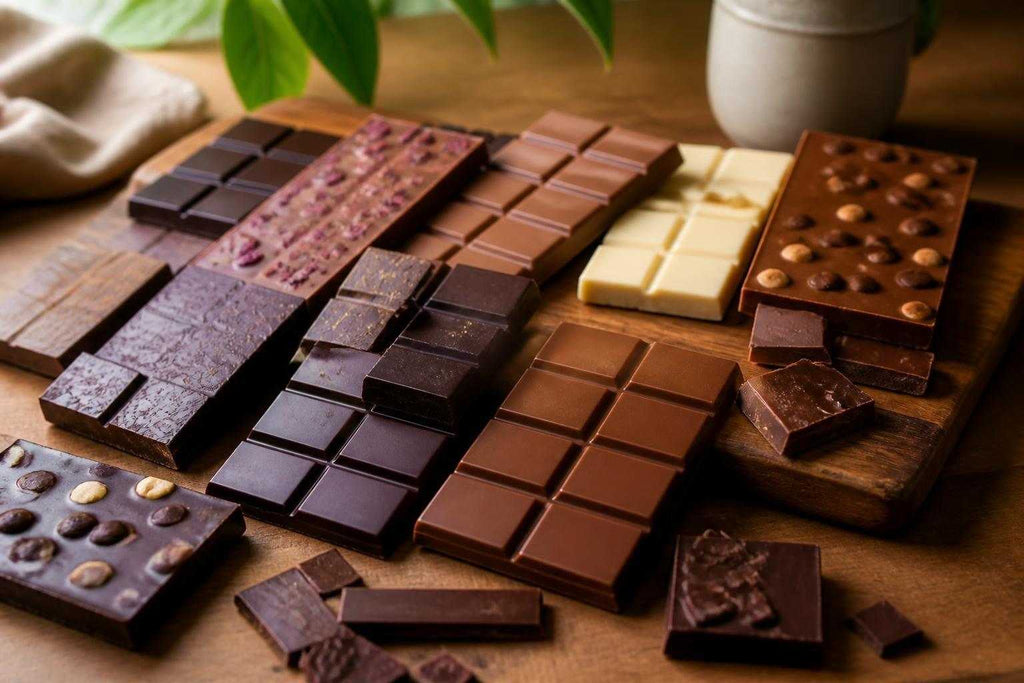
New Zealand's confectionery landscape offers an impressive selection of chocolate bars that reflects both local innovation and international influence. From artisan producers crafting small-batch delights to globally recognised brands with distinctive Kiwi variations, chocolate enthusiasts in New Zealand enjoy access to diverse flavours, textures, and price points. Understanding the market helps consumers make informed choices whether seeking premium local creations, familiar international brands, or specialty imports from countries like South Africa. This comprehensive guide explores the chocolate bars available across New Zealand, highlighting what makes this market unique and where to find specific varieties that match your preferences.
The New Zealand Chocolate Market Landscape
The chocolate industry in New Zealand has evolved significantly over the past two decades, shifting from predominantly imported products to a thriving local artisan scene. Major retailers stock everything from budget-friendly options to premium single-origin bars, whilst specialty stores cater to niche preferences including organic, fair-trade, and dairy-free varieties.
Market characteristics include:
- Strong consumer preference for locally made products
- Growing demand for ethically sourced cocoa
- Increasing interest in craft chocolate with transparent supply chains
- Substantial market share held by established brands with New Zealand variations
- Rising popularity of chocolate bars with unique local ingredients
The average New Zealander consumes approximately 5.4 kilograms of chocolate annually, demonstrating the nation's genuine appreciation for quality confectionery. This consumption pattern supports both mass-market producers and boutique chocolatiers who have carved out respected positions within the industry.
Local Producers Making Their Mark
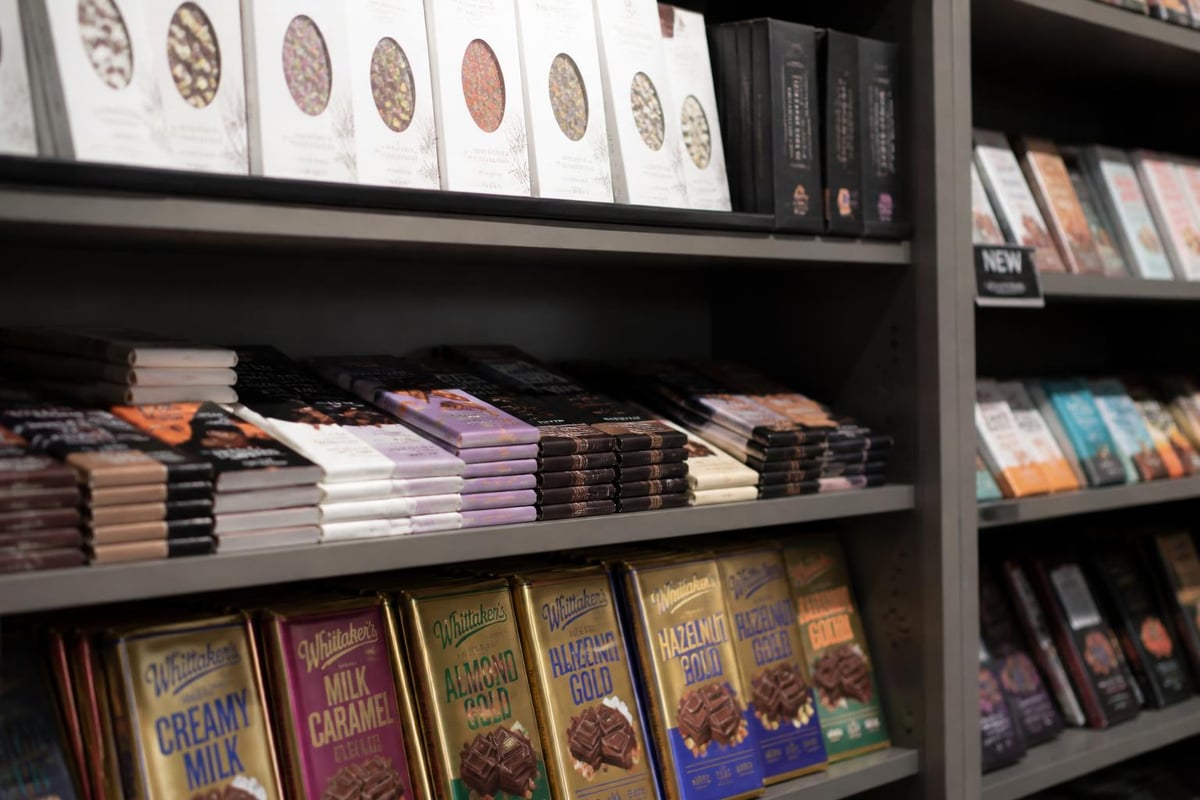
Whittaker's dominates the local chocolate scene, having established itself as New Zealand's most recognised chocolate brand. Their bean-to-bar approach and commitment to quality ingredients have earned loyal followers both domestically and internationally. The brand's extensive range includes classic milk chocolate, dark varieties with varying cocoa percentages, and innovative flavour combinations incorporating New Zealand ingredients.
Beyond Whittaker's, several artisan producers have gained recognition for exceptional chocolate bars in New Zealand:
| Producer | Specialty | Price Range |
|---|---|---|
| Whittaker's | Classic blocks, creative flavours | Mid-range |
| Patagonia Chocolates | Single-origin, handcrafted | Premium |
| Colestown | Unique flavour combinations | Premium |
| Wonderland Chocolate | Dairy-free, vegan options | Mid to premium |
| Hogarth Craft Chocolate | Small-batch, bean-to-bar | Premium |
Patagonia Chocolates produces handcrafted milk chocolate bars in the Southern Lakes region, emphasising traditional techniques and quality ingredients. Their range showcases how regional producers contribute diversity to the chocolate market.
International Brands With Kiwi Twists
Multinational chocolate companies maintain strong presence in New Zealand, often adapting recipes and flavours specifically for local tastes. These variations create distinct products that differ from identical brand names sold elsewhere globally.
Cadbury operates a manufacturing facility in Dunedin, producing numerous chocolate bars tailored for New Zealand consumers. The Dream chocolate bar, a white chocolate variant, enjoys particular popularity in this market. Similarly, the Moro chocolate bar, featuring caramel and nougat layers, represents a distinctively New Zealand confection despite its international brand ownership.
Nestlé products including the Aero chocolate bar with its characteristic bubbly texture remain widely available. The Bertie Beetle, a small chocolate-coated honeycomb confection, appears in showbags and specialty retailers, maintaining nostalgic appeal for many Kiwis.
European and American Imports
Specialty food stores stock imported chocolate bars from Europe and North America, catering to consumers seeking specific brands or flavours unavailable through local production. Swiss, Belgian, and German chocolates command premium prices due to import costs and their reputations for quality.
American brands including Hershey's, Reese's, and various Mars products occupy shelf space in larger supermarkets and convenience stores, though some New Zealanders find the flavour profiles distinctly different from local preferences.
Artisan and Craft Chocolate Movement
The craft chocolate sector has expanded dramatically since 2010, with numerous small producers establishing businesses focused on ethical sourcing, transparency, and innovative flavour development. These producers typically work with single-origin cocoa beans, controlling every production stage from roasting through tempering and moulding.
Colestown Chocolates exemplifies this movement, offering chocolate bars incorporating unexpected ingredients like Earl Grey tea and rosemary with sea salt. Such creative combinations appeal to adventurous consumers willing to explore beyond traditional chocolate experiences.
Key characteristics of craft chocolate bars in New Zealand:
- Transparent sourcing with direct relationships to cocoa farmers
- Higher cocoa percentages ranging from 65% to 100%
- Minimal ingredient lists emphasising cocoa quality
- Premium pricing reflecting labour-intensive production methods
- Distinctive packaging highlighting origin stories and flavour notes
Wonderland Chocolate addresses growing demand for dairy-free options, using locally sourced ingredients wherever possible. Their range demonstrates how chocolate bars in New Zealand increasingly accommodate dietary restrictions without compromising quality or flavour.
South African Chocolate Traditions in New Zealand
South Africans living in New Zealand often seek familiar chocolate brands that remind them of home. The distinctive flavour profiles and beloved brands from South Africa carry significant emotional value for expatriates, making access to these products important for maintaining cultural connections.
Popular South African chocolate bars include varieties that don't have direct equivalents in the New Zealand market. These unique products feature different chocolate formulations, fillings, and textures that reflect South African confectionery traditions developed over decades.
Sought-after South African chocolate varieties:
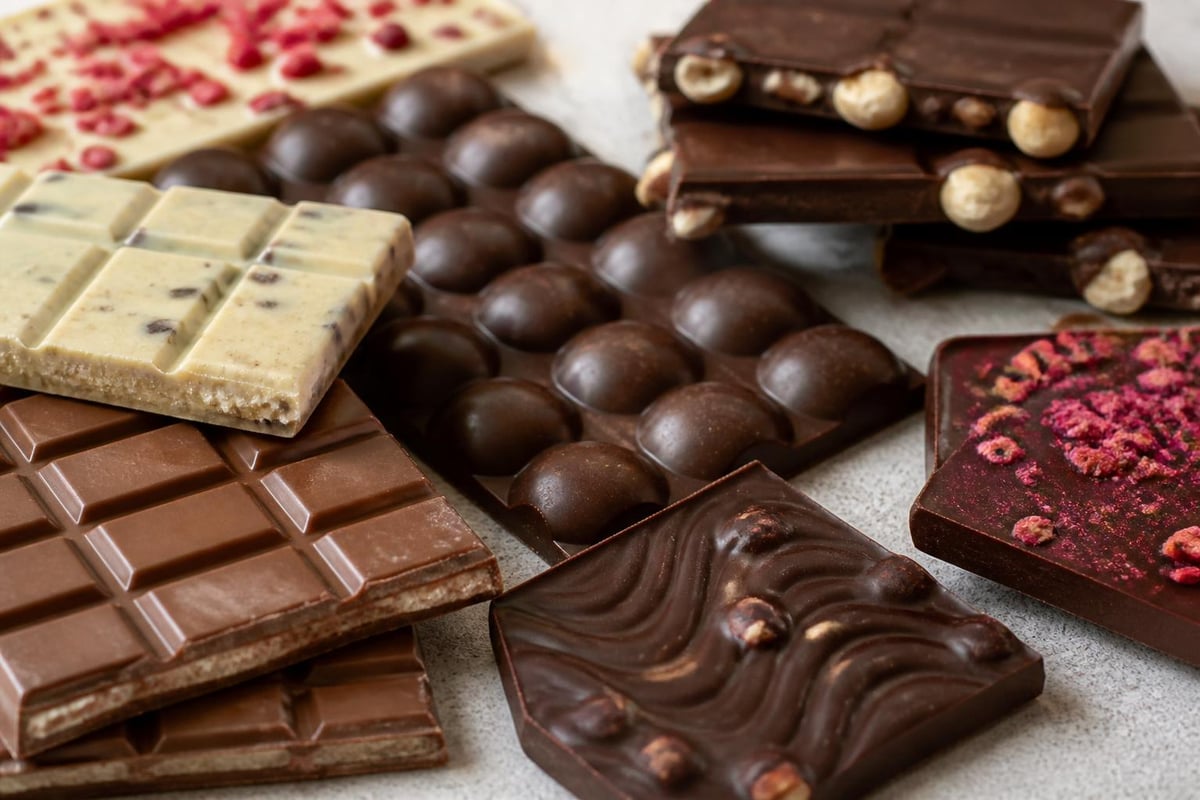
- Lunch Bar with its distinctive peanut and caramel combination
- Tex Bar featuring coconut and caramel layers
- Peppermint Crisp with its distinctive green filling
- Bar One combining caramel and nougat
- Wilson's Toffees in chocolate form
- Various flavours of Cadbury products made specifically for South Africa
Where to Find South African Chocolate
For South Africans craving familiar grocery products, specialty importers stock a wide range of confectionery from home. Something From Home operates as a dedicated South African food store in New Zealand, maintaining inventory of more than 2,500 South African products including popular chocolate bars and sweets.
The availability of South African chocolate through specialty retailers helps expatriates maintain connections to their food culture whilst living abroad. These products often arrive in regular shipments, ensuring reasonable freshness despite the long journey from South Africa.
Many South Africans also seek these products when hosting gatherings, sharing their food heritage with Kiwi friends, or simply treating themselves to nostalgic flavours. The emotional connection to specific brands and tastes from childhood creates consistent demand for these imported chocolate bars in New Zealand.
Dietary Preferences and Specialty Options
The chocolate market increasingly accommodates diverse dietary requirements, with manufacturers and retailers expanding options for consumers with specific needs or preferences.
| Category | Options Available | Key Brands |
|---|---|---|
| Dairy-Free | Coconut milk, oat milk, almond milk bases | Wonderland, Whittaker's Dark ranges, imported brands |
| Sugar-Free | Stevia or erythritol sweetened | Specialty health food brands |
| Organic | Certified organic ingredients | Trade Aid, selected artisan producers |
| Vegan | No animal products | Multiple craft producers, some mainstream dark chocolates |
| Gluten-Free | Naturally gluten-free or certified | Most pure chocolate bars |
| Fair Trade | Certified ethical sourcing | Trade Aid, selected Whittaker's products |
Consumers with lactose intolerance find numerous suitable chocolate bars in New Zealand, as many dark chocolate varieties naturally exclude dairy. However, checking ingredient lists remains essential as some dark chocolates contain milk powder or other dairy derivatives.
The vegan chocolate segment has grown substantially, with dedicated producers creating milk chocolate alternatives using plant-based ingredients. These products achieve creamy textures through coconut cream, cashew butter, or oat milk, demonstrating technical innovation within the industry.
Pricing and Value Considerations
Chocolate bars in New Zealand span a wide price spectrum, from budget blocks under five dollars to premium single-origin bars exceeding twenty dollars. Understanding what drives these price differences helps consumers make informed purchasing decisions.
Factors affecting chocolate pricing:
- Cocoa quality and origin (single-origin commands premiums)
- Production scale (artisan versus mass-produced)
- Ingredient sourcing (organic, fair-trade certifications)
- Import costs for international brands
- Packaging complexity and materials
- Brand positioning and marketing
Supermarket house brands offer the most economical chocolate bars in New Zealand, typically priced between three and five dollars for standard blocks. These products serve price-conscious consumers and households purchasing chocolate for everyday consumption rather than special occasions.
Mid-range options from established brands like Whittaker's balance quality and affordability, generally retailing between five and ten dollars. These products represent the sweet spot for many New Zealand households, offering reliable quality without premium pricing.
Premium and artisan chocolate bars range from twelve to twenty-five dollars or more, justified by superior ingredients, ethical sourcing, and craft production methods. Consumers purchasing these products typically prioritise chocolate quality, ethical considerations, and unique flavour experiences over price sensitivity.
Seasonal Variations and Special Releases
Chocolate manufacturers regularly introduce limited-edition flavours and seasonal varieties, particularly around Easter, Christmas, and winter months. These special releases generate consumer interest and encourage trial of new flavour combinations.
Easter traditionally drives peak chocolate consumption in New Zealand, with both local and international brands releasing seasonal products. Those interested in Easter egg varieties find extensive options during autumn months, though chocolate bars remain available year-round.
Shopping Channels and Availability
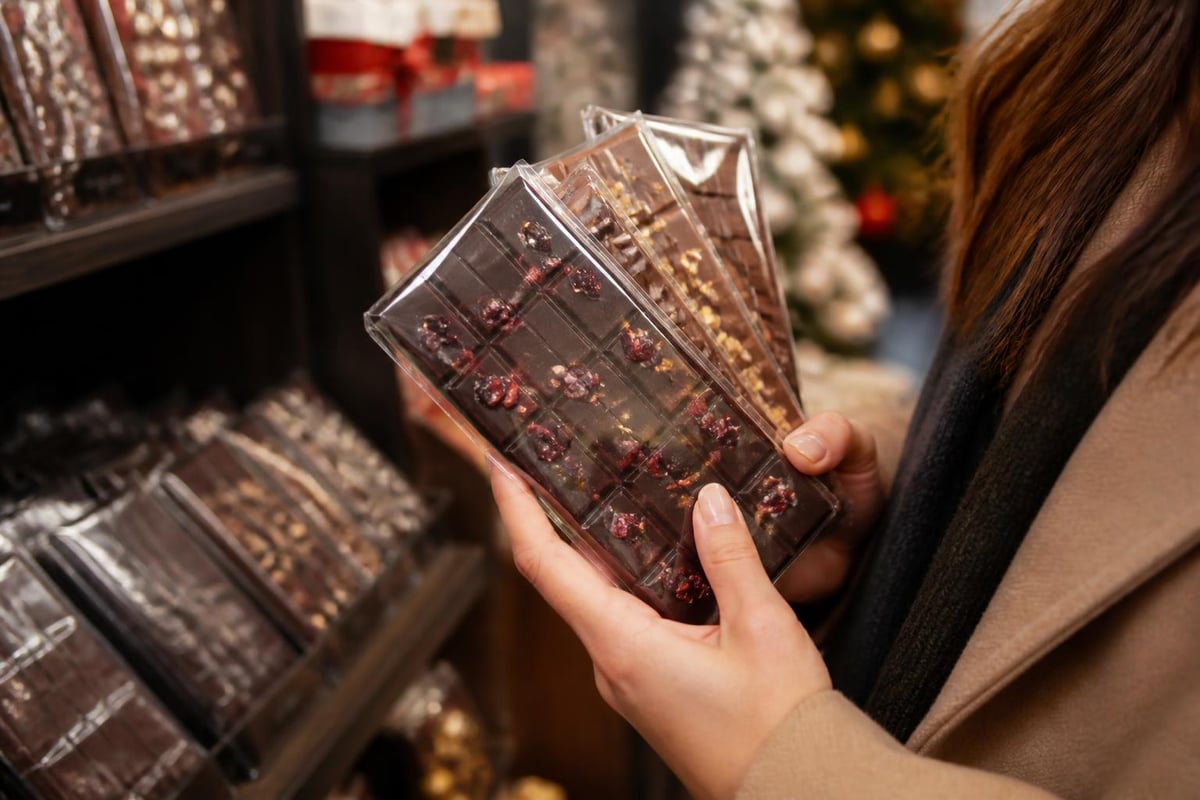
Consumers access chocolate bars in New Zealand through multiple retail channels, each offering distinct advantages and product selections.
Primary purchasing locations:
- Supermarkets (widest mainstream selection, competitive pricing)
- Specialty food stores (artisan products, imported varieties)
- Convenience stores (limited range, premium pricing)
- Online retailers (extensive selection, doorstep delivery)
- Farmers' markets (direct from small producers)
- Duty-free shops (international brands, gift packaging)
Supermarkets stock the broadest selection of mainstream chocolate bars in New Zealand, with dedicated confectionery aisles featuring local favourites, international brands, and seasonal products. Major chains including Countdown, New World, and PAK'nSAVE maintain extensive inventories catering to diverse consumer preferences.
Specialty food retailers focus on artisan products, organic options, and imported varieties not available through mainstream channels. These stores often provide knowledgeable staff who can recommend products based on taste preferences and dietary requirements.
Online Shopping for Chocolate
Online retailers have grown significantly, offering convenience and access to specialty products. This channel proves particularly valuable for consumers seeking specific imported brands or living in areas with limited retail options.
South Africans searching for familiar treats benefit from online specialty stores focusing on imported South African products. These retailers maintain regular stock of popular chocolate bars and other grocery items, shipping throughout New Zealand. The convenience of ordering online means expatriates anywhere in the country can access their favourite confectionery without visiting physical stores.
Storage and Quality Considerations
Proper storage significantly impacts chocolate quality and enjoyment. New Zealand's temperate climate generally suits chocolate preservation, though summer temperatures in some regions require careful attention.
Optimal storage practices:
- Maintain temperatures between 15-18°C for best quality
- Store in cool, dry locations away from direct sunlight
- Avoid refrigeration unless absolutely necessary (causes condensation and sugar bloom)
- Keep chocolate away from strong-smelling foods (absorbs odours easily)
- Seal opened packages to prevent moisture exposure
- Consume within recommended timeframes printed on packaging
Chocolate bloom, appearing as white or grey discolouration on chocolate surfaces, results from temperature fluctuations or moisture exposure. Whilst aesthetically unappealing, bloomed chocolate remains safe to consume, though texture and appearance suffer.
Dark chocolate typically maintains quality longer than milk chocolate due to lower dairy content. Premium chocolate bars with high cocoa percentages and minimal additives often feature extended shelf lives compared to products containing numerous ingredients.
Cultural Significance and Gift Giving
Chocolate bars hold cultural significance in New Zealand beyond simple confectionery consumption. They feature prominently in gift-giving traditions, celebratory occasions, and social customs.
Premium chocolate bars serve as popular hostess gifts, thank-you presents, and small tokens of appreciation. The availability of beautifully packaged artisan products elevates chocolate beyond everyday treats into thoughtful gifts suitable for various occasions.
South Africans often introduce Kiwi friends to chocolate bars from their homeland, sharing cultural traditions through food. This exchange enriches New Zealand's multicultural food landscape and creates opportunities for cross-cultural appreciation.
Many South African families maintain traditions around specific confectionery, purchasing familiar brands for special occasions, holiday celebrations, or simply to share taste memories with their children. Access to these products through South African food stores enables continuation of these meaningful traditions despite geographic distance from their country of origin.
Health and Nutrition Perspectives
Chocolate consumption involves balancing enjoyment with nutritional awareness. Understanding the nutritional profiles of different chocolate bars in New Zealand helps consumers make informed choices aligned with their health goals.
Dark chocolate with high cocoa percentages (70% or above) contains beneficial compounds including antioxidants, minerals, and potentially mood-enhancing chemicals. However, it also delivers concentrated calories and should be consumed in moderation.
| Chocolate Type | Typical Cocoa % | Sugar Content | Key Nutrients |
|---|---|---|---|
| Dark (70%+) | 70-100% | Low to moderate | Iron, magnesium, antioxidants |
| Dark (50-69%) | 50-69% | Moderate | Some minerals, moderate antioxidants |
| Milk | 20-40% | High | Calcium, some minerals |
| White | 0% (cocoa butter only) | Very high | Calcium, minimal other nutrients |
Milk chocolate contains higher sugar and lower cocoa concentrations, reducing beneficial compounds whilst increasing caloric density. White chocolate, technically not true chocolate due to lacking cocoa solids, provides minimal nutritional benefits beyond energy and calcium from milk content.
Consumers prioritising health benefits should select dark chocolate varieties with minimal added ingredients, though even these should comprise occasional treats rather than dietary staples. Portion control remains essential regardless of chocolate type selected.
New Zealand's chocolate market offers remarkable diversity, from iconic local brands to international favourites and specialty imports including beloved South African varieties. Whether you prefer artisan single-origin bars, classic milk chocolate, or specific brands from home, understanding the available options helps you make choices that satisfy both your taste preferences and values. For South Africans seeking familiar chocolate bars and other grocery items from home, Something From Home provides convenient access to more than 2,500 South African products, delivered throughout New Zealand.