African Food Online: A Guide to Authentic Flavours in 2026
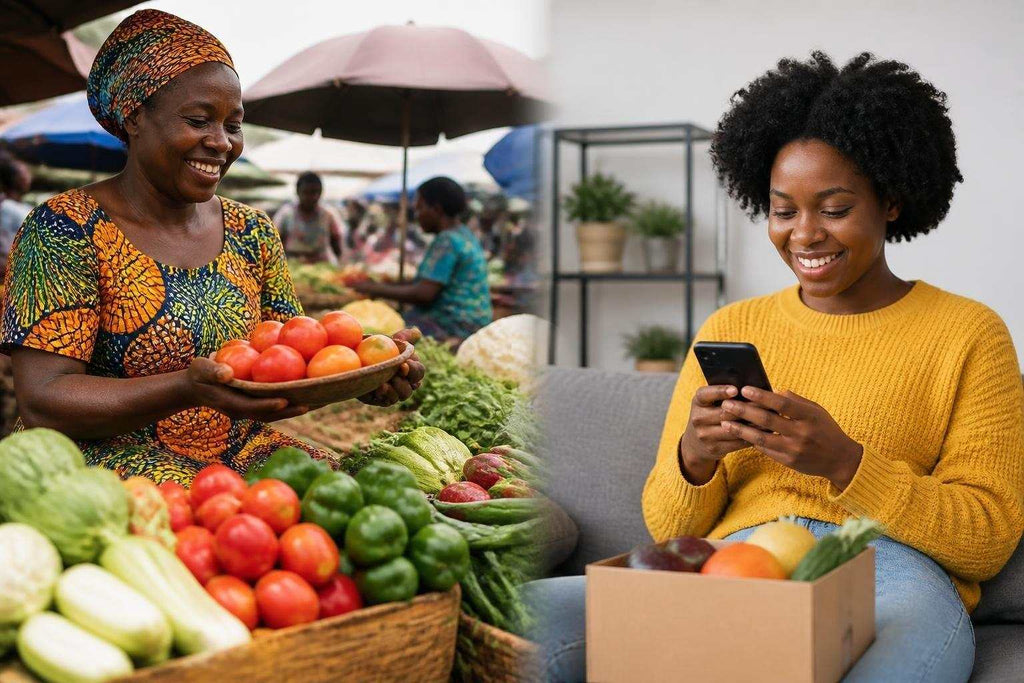
The digital transformation of food retail has revolutionised how diaspora communities access their cultural heritage through cuisine. For Africans living abroad, particularly in countries like New Zealand, the ability to purchase african food online has become essential to maintaining connections with home. This shift from physical specialty stores to comprehensive digital platforms has opened new possibilities for accessing authentic ingredients, traditional snacks, and beloved grocery items that define African food culture across the continent's diverse regions.
The Evolution of African Food Retail in the Digital Age
The landscape of african food online has transformed dramatically over the past decade. What began as small-scale community stores shipping parcels to homesick expatriates has evolved into sophisticated e-commerce platforms offering thousands of products.
Digital platforms now serve multiple functions:
- Direct product sales through comprehensive online catalogues
- Educational resources about African cuisine and cooking methods
- Community building spaces where recipes and traditions are shared
- Supply chain solutions connecting producers with global consumers
The African Chop platform exemplifies this evolution by helping users find, prepare, and enjoy African foods through integrated recipes and restaurant reviews. Similarly, platforms dedicated to authentic African recipes connect users with chefs and culinary heritage, creating comprehensive resources beyond simple transactions.
Regional Diversity in African Food Markets
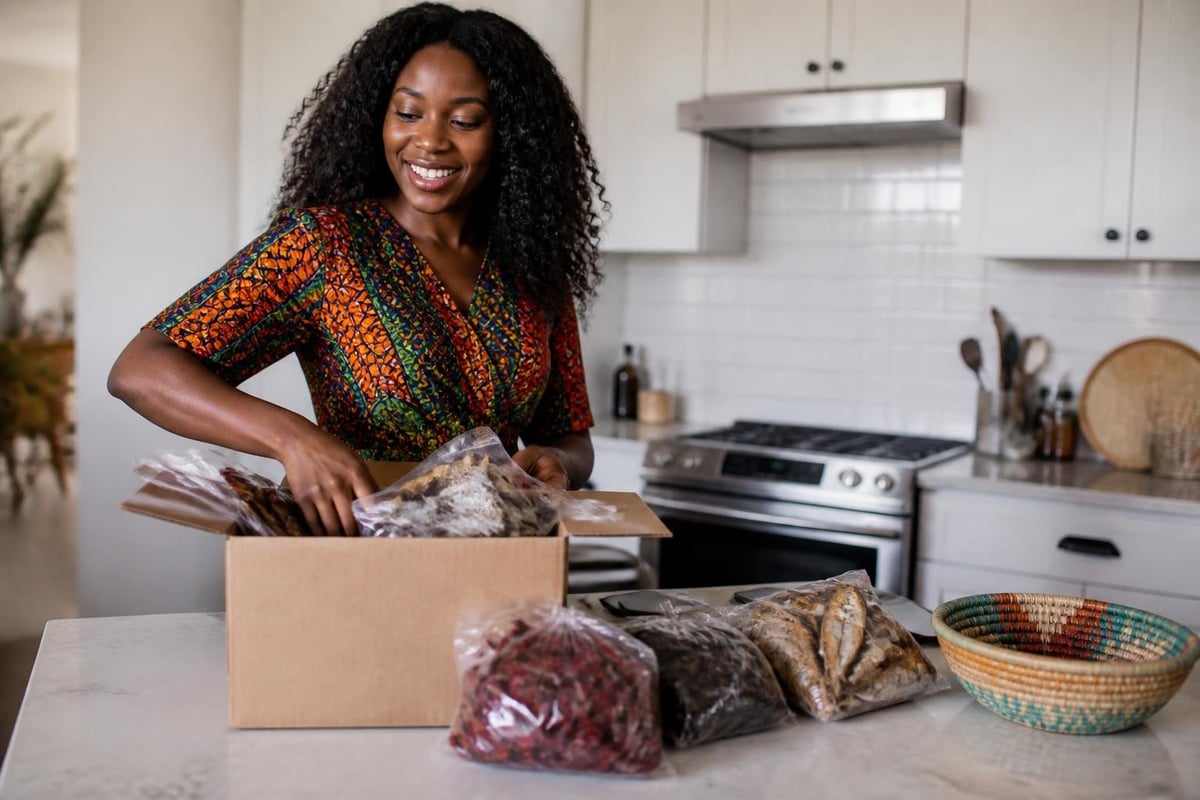
African cuisine encompasses fifty-four countries, each with distinct culinary traditions. When purchasing african food online, understanding regional variations helps customers find exactly what they're seeking.
| Region | Signature Ingredients | Popular Products | Online Availability |
|---|---|---|---|
| Southern Africa | Biltong, rusks, boerewors | Dried meats, spice mixes, Mrs Ball's Chutney | Excellent |
| West Africa | Palm oil, cassava, plantain | Fufu flour, dried fish, spice blends | Growing |
| East Africa | Berbere, injera, ugali | Teff flour, coffee, spice mixes | Moderate |
| North Africa | Harissa, preserved lemons, couscous | Spice pastes, grains, dates | Good |
This diversity means that african food online retailers must either specialise in specific regional cuisines or develop extensive inventories covering multiple traditions. For South Africans in New Zealand, access to South African groceries through dedicated retailers has become increasingly important.
What Drives the Demand for African Food Online
Several interconnected factors fuel the growing market for african food online, particularly among diaspora communities scattered across developed nations.
Cultural connection remains the primary motivator. Food serves as a tangible link to home, triggering memories and maintaining traditions across generations. A second-generation South African child in Auckland learning to make homemade biltong connects with heritage through taste and tradition.
The Expatriate Experience
Living abroad creates specific challenges around maintaining dietary preferences and cultural practices. South Africans in New Zealand, for instance, often struggle to find familiar products in mainstream supermarkets.
The search for authentic products drives consistent demand:
- Comfort foods that remind people of home and family gatherings
- Traditional ingredients unavailable in local retail stores
- Seasonal specialties tied to cultural celebrations and holidays
- Childhood favourites that evoke nostalgia and belonging
Research into food market accessibility across Africa reveals broader patterns about how communities value and seek traditional ingredients, even when relocated thousands of kilometres away. These patterns extend to diaspora communities seeking authentic products through digital channels.
Something From Home operates as a South African food store in New Zealand with more than 2,500 South African products, addressing exactly these needs for the local expat community.
Product Categories Dominating African Food Online
Understanding what sells well in the african food online marketplace reveals both consumer preferences and the practicalities of international shipping.
Shelf-Stable Staples Lead Sales
Dried and preserved products dominate online African food retail for practical reasons:
- Extended shelf life reduces waste and shipping concerns
- Lower risk of spoilage during international transit
- Cost-effective shipping without refrigeration requirements
- Authentic flavours preserved through traditional methods
Biltong and droëwors represent perfect examples. These South African dried meat products travel well, maintain quality for months, and satisfy strong consumer demand. Biltong and braai products form cornerstone categories for South African retailers.
Spices, Sauces, and Condiments
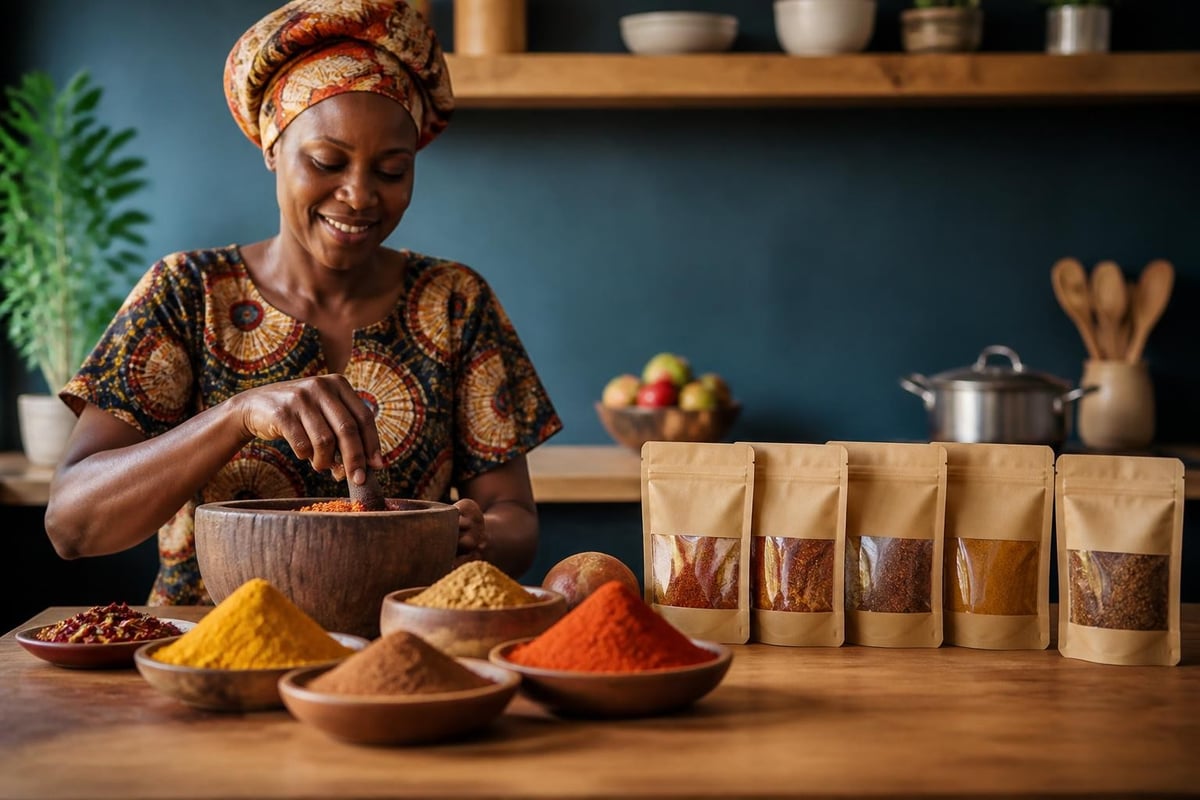
African cuisine relies heavily on distinctive spice blends and condiment preparations. These products translate exceptionally well to online retail.
Mrs Ball's Original Chutney, Aromat seasoning, peri-peri sauces, chakalaka relish, and boerewors spice all represent high-demand products that maintain quality during shipping. The relatively small package sizes and long shelf lives make them ideal for african food online retailers.
Technology Enabling African Food Online Success
Modern e-commerce platforms have become increasingly sophisticated, enabling african food online retailers to compete with mainstream grocery delivery services.
Machine Learning and Product Recognition
Technological advances support better customer experiences. Research into machine learning methods for African food classification demonstrates how artificial intelligence can help customers identify products, suggest recipes, and improve search functionality across diverse regional cuisines.
Key technological enablers include:
- Advanced search algorithms understanding regional naming variations
- Inventory management systems tracking product freshness and rotation
- Customer relationship platforms maintaining purchase histories and preferences
- Integrated shipping solutions calculating optimal delivery methods
For businesses like 54Chef's curated African delivery platform, technology enables verified restaurant partnerships and menu curation that builds consumer confidence.
Payment and Logistics Solutions
Successfully operating african food online businesses requires overcoming practical challenges. International payment processing must handle multiple currencies while maintaining security. Logistics partners need expertise in customs regulations, import requirements, and perishability considerations.
Many retailers build partnerships with local businesses in destination markets. This approach reduces shipping times, improves product freshness, and enables inventory management closer to customers. Something From Home maintains a warehouse in New Zealand, allowing faster delivery and better product condition for South African customers throughout the country.
Building Community Around African Food Online
Successful african food online platforms recognise that customers seek more than products. They want connection, education, and community.
Content Marketing and Education
Educational content serves multiple purposes:
- Teaching customers how to use unfamiliar ingredients
- Sharing traditional recipes adapted for modern kitchens
- Explaining cultural context behind dishes and celebrations
- Building brand authority and customer trust
Retailers who blog about braai techniques, traditional recipe modifications, and cultural food traditions create value beyond transactions. The authoritative guide to African cuisine provided by dedicated platforms demonstrates how comprehensive information builds engaged audiences.
Social Media and Recipe Sharing
Instagram, Facebook, and TikTok have become powerful channels for african food online businesses. Visual platforms showcase finished dishes, cooking processes, and product applications effectively.
Customer-generated content amplifies reach. When someone shares their braai photos or posts about receiving a care package of South African treats, they provide authentic marketing that resonates with fellow expatriates.
Challenges Facing African Food Online Retailers
Despite growth opportunities, the african food online sector faces persistent challenges requiring creative solutions.
Shipping costs significantly impact business models. International freight, especially for heavy or bulkimported items, creates pricing pressure. Retailers must balance competitive pricing against sustainable margins.
| Challenge | Impact Level | Common Solutions |
|---|---|---|
| Shipping costs | High | Local warehousing, bulk shipping discounts |
| Product authenticity | Medium | Direct supplier relationships, quality verification |
| Regulatory compliance | High | Import specialists, legal consultation |
| Market education | Medium | Content marketing, product descriptions |
| Competition | Growing | Specialisation, customer service excellence |
Regulatory and Import Complexities
Each country maintains specific import regulations covering food products. New Zealand's biosecurity requirements, for instance, create particular challenges for african food online retailers serving the local market.
Understanding prohibited ingredients, labelling requirements, and inspection processes becomes essential. Retailers investing in compliance infrastructure gain competitive advantages through reliable product availability.
The South African Food Niche in New Zealand
South Africans represent a significant expatriate community in New Zealand, creating sustained demand for familiar products. This demographic has driven specialised retail operations focused exclusively on South African food culture.
What South Africans Miss Most
Specific products generate consistent demand among South Africans living in New Zealand:
- Biltong and droëwors for snacking and entertaining
- Mrs Ball's Chutney for traditional dishes and sandwiches
- Ouma Rusks for coffee dunking and breakfast
- Boerewors for authentic braais and gatherings
- All Gold Tomato Sauce and other familiar condiments
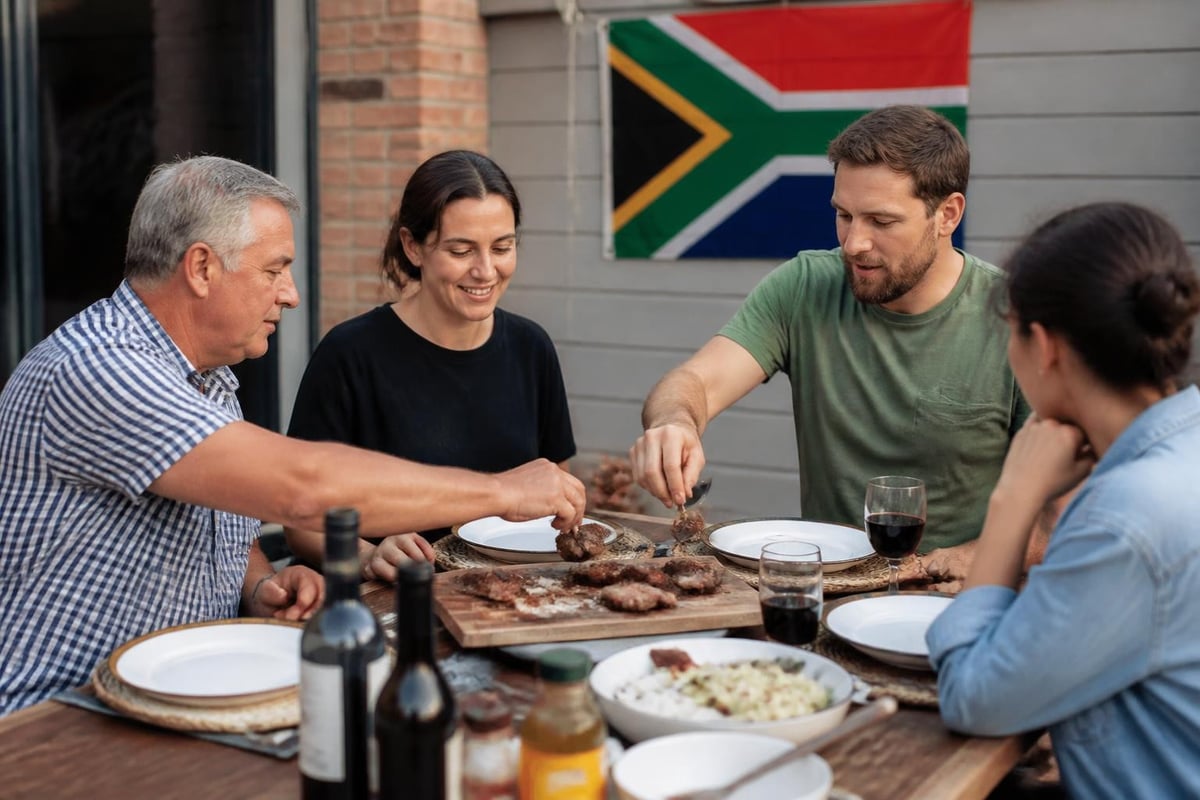
These items connect to lifestyle patterns, not just taste preferences. The braai culture, for instance, represents social connection as much as cooking method. Having access to proper boerewors and the right spices maintains this cultural practice abroad.
For community-building moments like choosing furniture for a new home through retailers like Bauhaus, South Africans naturally think about hosting braais and sharing traditional foods with friends and family.
Quality Considerations for African Food Online Purchases
Smart online shopping requires attention to product quality indicators, especially for food items shipped internationally.
Evaluating Product Freshness
Check these quality markers before purchasing african food online:
- Manufacturing and expiry dates clearly listed
- Proper packaging protecting against moisture and damage
- Seller reputation and customer reviews
- Storage and handling information provided
- Clear return policies for damaged or unsatisfactory products
Reputable retailers understand that product quality directly impacts customer retention. Something From Home stocks more than 2,500 South African products with attention to freshness rotation and proper storage conditions.
Authenticity Verification
Counterfeit or substitute products occasionally appear in specialty food markets. Knowing how to verify authenticity protects consumers.
Authentic products typically feature proper labelling in original languages, correct manufacturer details, and appropriate packaging. Established platforms like Enerem Foods build reputations on providing genuine African products to families, caterers, and restaurants.
Future Trends in African Food Online
The african food online sector continues evolving rapidly, with several emerging trends shaping future development.
Subscription services are gaining traction. Monthly boxes containing curated selections of African products create predictable revenue for retailers while introducing customers to new items. These services often include recipe cards and cultural background information.
Direct-to-consumer models from African producers increasingly bypass traditional distribution channels. Small-scale producers in South Africa, Nigeria, Ghana, and Kenya now ship directly to international customers through digital platforms.
Sustainability and Ethical Sourcing
Consumer awareness about supply chain ethics influences purchasing decisions. African food online retailers highlighting fair trade practices, sustainable sourcing, and producer support gain competitive advantages.
Transparency about ingredient origins, production methods, and supply chain impacts resonates with conscientious consumers. This trend aligns with broader shifts across e-commerce toward ethical consumption.
Technology Integration
Augmented reality applications may soon help customers visualise products, understand cooking methods, or explore cultural contexts. Voice-activated shopping through smart speakers could simplify reordering favourite items.
As entrepreneurs build online businesses using platforms like Shopify, they increasingly connect with communities such as Talk Shop where merchants share insights on conversion optimisation, SEO strategies, and scaling techniques specific to food retail.
Practical Tips for Buying African Food Online
Maximising value and satisfaction when purchasing african food online requires strategic approaches.
Planning Purchases Strategically
Consider these shopping strategies:
- Bulk ordering reduces per-item shipping costs significantly
- Seasonal planning aligns purchases with cultural celebrations
- Storage assessment ensures adequate space for larger orders
- Group buying with friends splits shipping costs
- Subscribe and save programs offer discounts for regular items
Product Research Before Purchasing
Reading product descriptions carefully prevents disappointment. Note package sizes, ingredient lists, and preparation requirements. Customer reviews provide insights into product quality, shipping experiences, and authenticity.
First-time buyers should start with smaller orders, testing retailer reliability before committing to large purchases. Established retailers welcome questions about products, shipping timelines, and storage recommendations.
Supporting Small Businesses Through African Food Online
Many african food online retailers operate as small family businesses serving their communities. Choosing these retailers over large multinational platforms supports entrepreneurship and cultural preservation.
These businesses often provide personalised service, product recommendations based on customer preferences, and flexibility around special requests. They understand cultural contexts and seasonal needs in ways that generic retailers cannot match.
The comprehensive inventory maintained by dedicated South African retailers reflects deep understanding of community needs and preferences. This specialisation creates value through curated selection rather than overwhelming variety.
The growth of african food online has fundamentally changed how diaspora communities maintain cultural connections through cuisine, offering unprecedented access to traditional products regardless of geographic location. For South Africans in New Zealand seeking authentic tastes from home, Something From Home provides a comprehensive selection of familiar favourites delivered throughout the country, making it simple to enjoy the flavours and traditions that matter most to you.