Biltong Cutter: The Essential Tool for South Africans
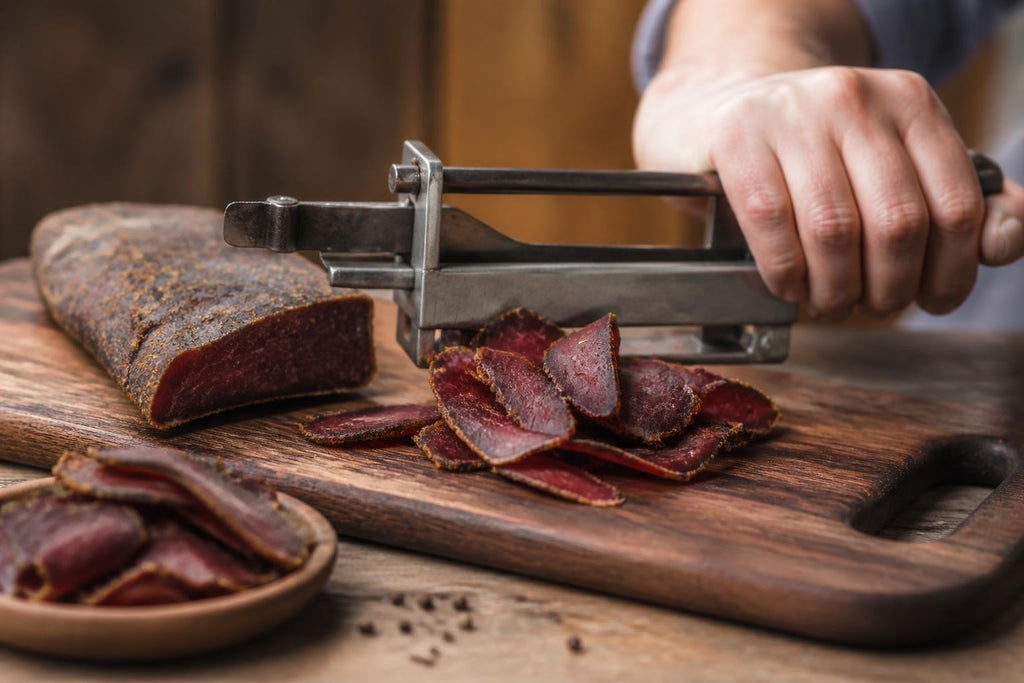
For South Africans living in New Zealand, few things evoke memories of home quite like the rich, savoury taste of properly sliced biltong. While you can tear biltong with your hands, there's something special about achieving those perfect, thin slices that only a dedicated biltong cutter can deliver. This traditional tool has become an essential part of South African food culture, transforming how families and friends enjoy one of the nation's most beloved snacks. Whether you're hosting a braai, watching rugby with mates, or simply craving a protein-rich snack, understanding the value and versatility of a quality biltong cutter can elevate your entire biltong experience.
The Cultural Significance of Biltong Cutting Tools
South African homes have long regarded the biltong cutter as more than just a kitchen gadget. It represents a connection to heritage, a symbol of hospitality, and a practical solution to one of life's simple pleasures.
Traditional Roots and Modern Adaptations
The history of biltong as a preserved meat dates back centuries, originally developed by indigenous peoples and later refined by Dutch settlers. As biltong preparation evolved, so too did the methods of slicing it. Early South Africans used simple knives, but the dedicated biltong cutter emerged as craftsmen recognized the need for a specialized tool that could handle the unique texture of dried, cured meat.
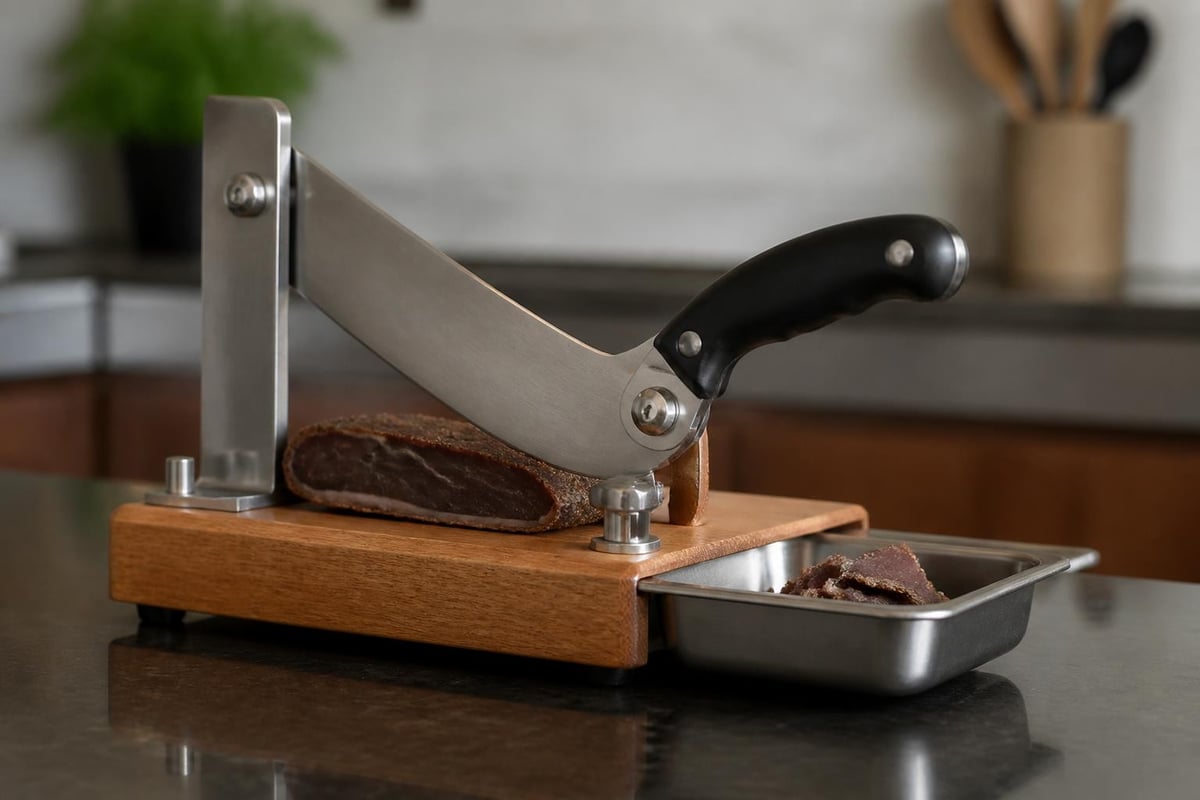
Modern biltong cutters combine traditional craftsmanship with contemporary materials:
- Hardwood bases crafted from indigenous woods like Kiaat or imported hardwoods
- Stainless steel blades designed to withstand the density of dried meat
- Ergonomic handles that reduce hand fatigue during extended slicing sessions
- Integrated collection trays or bowls to catch sliced pieces
The evolution from basic cutting implements to purpose-built tools reflects how seriously South Africans take their biltong enjoyment.
Why Proper Slicing Matters
Texture and thickness dramatically affect the biltong eating experience. Hand-torn pieces lack consistency, while knife-cut slices often result in uneven thickness or ragged edges. A dedicated biltong cutter solves these challenges by providing controlled, uniform cuts that enhance both presentation and flavour release.
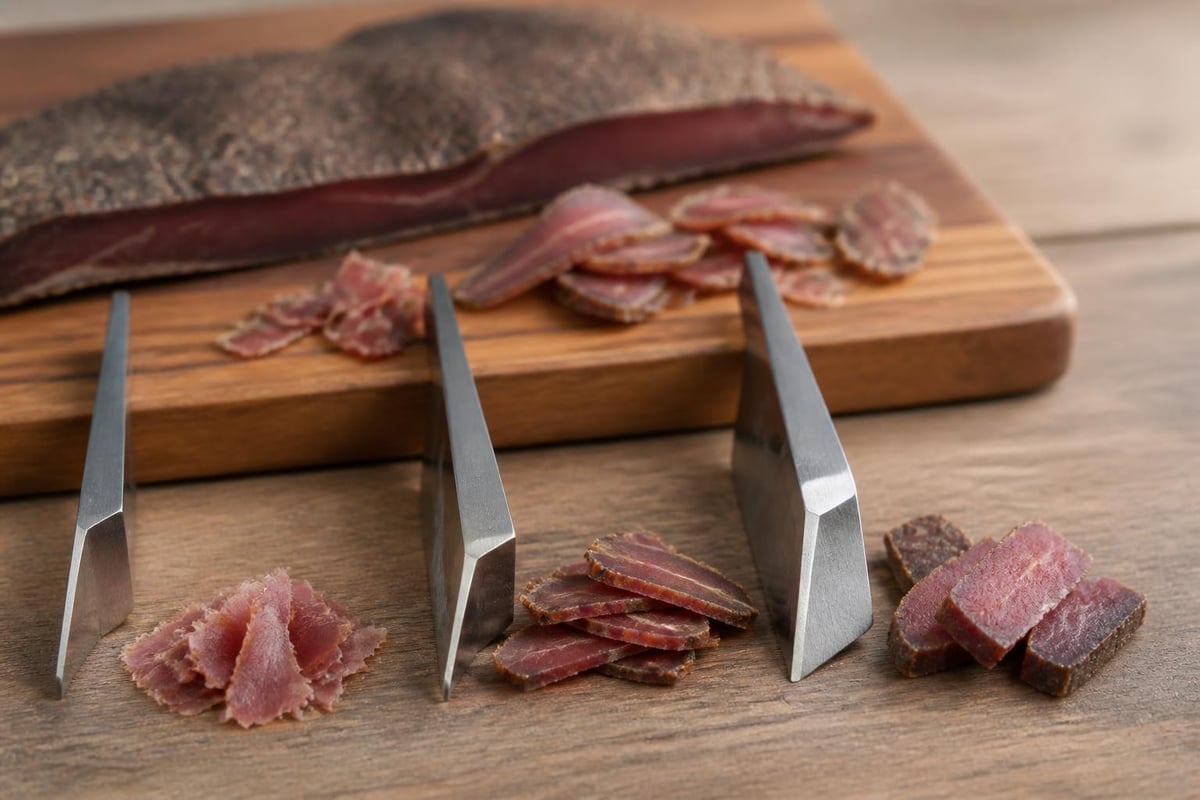
Thin slices offer intense flavour bursts and easier chewing, particularly valuable for harder, drier biltong varieties. Thicker cuts provide a more substantial texture, allowing you to appreciate the meat's natural grain and marbling. The ability to adjust thickness according to preference makes a quality biltong cutter indispensable for serious enthusiasts.
Types and Styles of Biltong Cutters
The market offers diverse options, each designed to meet specific needs and preferences. Understanding these variations helps you select the right tool for your household.
Traditional Wooden Models
Handcrafted wooden biltong cutters remain the gold standard for purists. These tools, often made by artisan blacksmiths and woodworkers, combine aesthetic beauty with functional excellence. Traditional wooden biltong cutters with stainless steel blades showcase the craftsmanship that makes these tools treasured possessions.
The wood selection significantly impacts durability and appearance. Kiaat, a hardwood native to Southern Africa, features rich reddish-brown tones and exceptional density. Other popular choices include yellowwood, oak, and occasionally exotic imports. These woods resist warping and provide stable platforms for the cutting mechanism.
| Wood Type | Characteristics | Durability | Aesthetic Appeal |
|---|---|---|---|
| Kiaat | Dense, reddish-brown, traditional | Excellent | High |
| Yellowwood | Lighter color, smooth grain | Very Good | Medium-High |
| Oak | Strong, classic appearance | Excellent | Medium |
| Exotic Hardwoods | Varied patterns, unique character | Varies | Very High |
Premium and Artisan Options
For those seeking exceptional quality, premium models offer superior materials and construction. Handcrafted biltong cutters from specialist makers feature meticulous attention to detail, from blade hardening processes to wood finishing techniques.
These premium tools often include additional features such as adjustable blade angles, removable collection bowls, and decorative elements like wildlife engravings or traditional patterns. While they command higher prices, their longevity and performance justify the investment for serious biltong lovers.
Commercial-Grade Cutters
Restaurants, butchers, and serious home processors may require larger, more robust designs. Large biltong cutters with enhanced capacity handle substantial volumes while maintaining precision. These models typically feature extended blade lengths, reinforced bases, and commercial-grade steel components designed for daily heavy use.
Key Features to Consider
Selecting the right biltong cutter involves evaluating several critical factors that affect both performance and user experience.
Blade Quality and Design
The blade represents the heart of any biltong cutter. Stainless steel remains the material of choice, offering corrosion resistance and edge retention. However, not all stainless steel performs equally. Look for hardened stainless steel with high carbon content, which maintains sharpness longer and resists dulling from repeated contact with dried meat fibres.
Blade characteristics that indicate quality:
- Thickness of at least 2-3mm for structural integrity
- Polished or satin finish indicating proper metallurgical treatment
- Secure mounting to the base with no flex or movement
- Angle optimized for downward slicing motion (typically 35-45 degrees)
Base Construction and Stability
A wobbly base creates frustration and safety hazards. Quality biltong cutters feature substantial bases with sufficient weight and surface area to remain stable during use. The base should measure at least 200mm in length to accommodate various biltong stick sizes.
Wood bases require proper sealing to prevent moisture absorption and cracking. Multiple coats of food-safe oil or varnish protect the timber while enhancing its natural beauty. Metal bases, though less common, offer exceptional durability and modern aesthetics.
Ergonomics and User Comfort
Extended biltong slicing sessions demand comfortable handle design. Ergonomic considerations include grip diameter, handle length, and material choice. Wooden handles provide traditional warmth, while some modern designs incorporate rubber or composite materials for enhanced grip.
The cutting angle should align naturally with arm movement, reducing wrist strain. Test the motion before purchasing if possible, ensuring the tool feels balanced and comfortable in your hand.
Maintenance and Care for Longevity
Proper maintenance extends your biltong cutter's lifespan while ensuring consistent performance and food safety.
Regular Cleaning Procedures
After each use, remove any meat particles or fat residue from the blade and base. A stiff brush works well for dislodging dried material from crevices. Avoid submerging wooden components in water, as this causes swelling and potential cracking. Instead, wipe surfaces with a damp cloth followed by immediate drying.
The stainless steel blade benefits from periodic cleaning with mild detergent and warm water. Dry thoroughly to prevent water spots and potential corrosion in joints or crevices where the blade meets the base.
Blade Sharpening and Maintenance
Even quality stainless steel blades eventually require sharpening. Professional sharpening services offer the most reliable results, but experienced users can maintain edges using diamond hones or specialized sharpening tools. Maintain the original blade angle during sharpening to preserve cutting geometry.
Between professional sharpenings, use a ceramic honing rod to realign the blade edge. This process doesn't remove metal but straightens microscopic deformations that occur during normal use.
Wood Care and Protection
Natural wood bases require regular conditioning to prevent drying and cracking. Food-safe mineral oil or specialized cutting board conditioners nourish the timber every few months. Apply oil generously, allow it to penetrate for several hours, then wipe away excess.
Store your biltong cutter in a dry environment away from direct sunlight or heat sources. Extreme temperature fluctuations cause wood expansion and contraction, potentially loosening blade mountings or creating cracks.
Using Your Biltong Cutter Effectively
Mastering proper technique ensures safety, efficiency, and optimal results.
Preparation and Setup
Position your biltong cutter on a stable, level surface. Place a cutting board or collection tray beneath to catch slices. Ensure adequate lighting to see the cutting line clearly.
Select your biltong stick, trimming any excess fat or overly hard edges that might cause the blade to skip. Room temperature biltong slices more easily than refrigerated pieces, though some prefer chilled biltong for paper-thin slicing.
Slicing Technique
Hold the biltong stick firmly against the blade at your desired angle. Apply steady, even pressure while drawing the meat across the blade in a smooth motion. Avoid jerky movements that create uneven slices or potentially cause the stick to slip.
Step-by-step slicing process:
- Position biltong stick against blade at desired thickness
- Apply firm, consistent downward pressure
- Draw stick smoothly across blade from back to front
- Release pressure slightly as slice completes
- Repeat for subsequent slices
Adjust your grip and angle as the stick becomes smaller, maintaining control throughout the process.
Safety Considerations
While biltong cutters feature relatively safe designs compared to free-hand knifing, accidents can occur. Keep fingers away from the blade path, positioning them behind the cutting edge. Children should only use biltong cutters under close adult supervision.
Maintain awareness of blade sharpness, treating the tool with appropriate respect. Store the cutter securely when not in use, ideally in a designated location where it won't be knocked over or accessed accidentally.
The South African Connection in New Zealand
For the estimated 50,000 South Africans living in New Zealand, maintaining connections to home culture remains important. Food represents one of the most powerful links to heritage and identity.
Why Expats Seek Authentic South African Products
Moving to New Zealand offers tremendous opportunities, but it also means leaving behind familiar comforts. South African groceries and snacks provide tangible connections to childhood memories, family traditions, and cultural identity. The simple act of slicing biltong with a traditional cutter can transport someone back to weekend braais or rugby matches with friends.
These emotional connections drive demand for authentic South African products in New Zealand. While local alternatives exist, they rarely capture the exact flavours, textures, and experiences that South Africans crave.

Accessing South African Food Products Online
The internet has revolutionized how expats access homeland products. Dedicated South African food stores now serve the New Zealand market, offering everything from Mrs Ball's Chutney to Ouma Rusks and, of course, quality biltong.
Something From Home operates as a specialized South African shop in New Zealand, maintaining 2,200 authentic products in their warehouse. This extensive inventory ensures that South Africans throughout New Zealand can access familiar brands and products without the expense and delay of individual international shipping.
Building Community Through Shared Food Experiences
South African food products do more than satisfy cravings. They create opportunities for community building and cultural sharing. Hosting a braai with authentic boerewors, serving melktert at gatherings, or sharing biltong sliced on a traditional cutter introduces Kiwi friends to South African culture while strengthening bonds within the expat community.
The South African groceries collection available through specialized retailers enables these authentic cultural experiences, supporting both individual nostalgia and community connection.
Selecting the Right Biltong Cutter for Your Needs
Personal preferences, usage frequency, and budget all influence the ideal choice for your household.
Assessing Your Requirements
Consider how often you consume biltong and in what quantities. Casual users enjoying occasional snacking may find a basic, affordable model perfectly adequate. Regular consumers or those who frequently host gatherings benefit from investing in higher-quality tools that deliver consistent performance over years of use.
Space considerations also matter. Larger models with collection bowls require dedicated storage space, while compact designs fit easily in kitchen drawers.
Budget Considerations
Biltong cutters span a wide price range. Basic functional models start around $30-50 NZD, mid-range options typically cost $80-150 NZD, while premium handcrafted pieces may exceed $200-300 NZD.
| Price Range | Features | Best For |
|---|---|---|
| $30-$50 | Basic construction, simple design | Occasional users, budget-conscious buyers |
| $80-$150 | Quality materials, better craftsmanship | Regular users seeking value |
| $200+ | Premium woods, superior blades, artistic details | Enthusiasts, gift-givers, collectors |
Consider the cost-per-use over the tool's lifetime. A $200 cutter used weekly for ten years costs mere cents per use, making it an excellent value despite the initial investment.
Where to Find Quality Options
South Africans in New Zealand have several options for acquiring biltong cutters. Specialized South African retailers often stock cutting tools alongside food products. High-quality biltong cutters from established makers demonstrate the craftsmanship available through dedicated suppliers.
Online marketplaces offer variety but require careful evaluation of seller reputation and product authenticity. Read reviews, examine product specifications closely, and verify return policies before purchasing.
Alternative Uses and Versatility
While designed specifically for biltong, these cutters demonstrate surprising versatility in South African kitchens.
Droëwors and Other Dried Meats
Droëwors, the dried sausage cousin of biltong, also benefits from precise slicing. A biltong cutter handles droëwors effectively, creating uniform rounds perfect for snacking or adding to cheese platters. The same techniques apply, though the cylindrical shape requires slight grip adjustments.
Other dried meats, including game biltong varieties like kudu, springbok, or ostrich, slice beautifully with quality cutters. The tool's design accommodates varying textures and densities across different meat types.
Hard Cheeses and Specialty Foods
Hard, aged cheeses such as mature cheddar or parmesan slice cleanly using a biltong cutter. The sharp blade and controlled motion create attractive, uniform pieces for entertaining. Similarly, certain dried fruits or other preserved foods may work with the tool, though biltong remains its primary purpose.
Always clean the cutter thoroughly when switching between food types to prevent flavour transfer and maintain hygiene.
Caring for Your Biltong Investment
Beyond basic cleaning, several practices protect your investment and ensure optimal performance.
Seasonal Considerations
New Zealand's varying humidity levels affect wooden tools differently across regions and seasons. Coastal areas with higher humidity require more vigilant moisture management, while drier inland regions may necessitate more frequent oiling to prevent timber desiccation.
Monitor your cutter for signs of environmental stress such as wood grain raising, minor cracks, or finish dulling. Address issues promptly before they worsen.
Long-Term Storage
If you won't use your biltong cutter for extended periods, prepare it properly for storage. Clean and dry all components thoroughly, apply a protective oil coating to wood surfaces, and store in a climate-controlled environment. Wrapping in cloth protects against dust while allowing air circulation.
Avoid plastic bags or airtight containers that trap moisture and potentially promote mould growth on wooden components.
Troubleshooting Common Issues
Blade becomes dull quickly: This may indicate insufficient blade hardness or incorrect slicing technique. Have the blade professionally assessed and ensure you're using proper motion rather than excessive force.
Wood develops cracks: Usually results from moisture fluctuations or inadequate oiling. Fill minor cracks with food-safe wood filler and establish regular conditioning schedule.
Loose blade mounting: Tighten fasteners carefully, avoiding over-torquing that might split wood. If loosening persists, consult a woodworker about reinforcing the mounting area.
The Braai Connection
No discussion of South African food culture is complete without mentioning the braai, where biltong often makes an appearance as a pre-meal snack.
Biltong as the Perfect Braai Companion
While meat sizzles on the grid, guests traditionally enjoy biltong alongside cold beverages. A biltong cutter positioned near the braai area allows the host to slice fresh portions as needed, ensuring everyone enjoys optimal texture and flavour.
The informal, social nature of braais pairs perfectly with communal biltong slicing, where friends gather around the cutter sharing stories while preparing their snacks.
Integrating Traditional Tools
South Africans passionate about authentic braai culture often invest in traditional tools that honour their heritage. A quality biltong cutter complements other essential items available through braai specialists, creating a complete traditional South African cooking and entertaining experience.
These tools become conversation pieces, prompting questions from Kiwi friends and providing opportunities to share South African culture and traditions.
A quality biltong cutter transforms how you enjoy one of South Africa's most iconic snacks, delivering consistent results that honour traditional food preparation methods. For South Africans in New Zealand seeking to maintain connections with home culture, investing in authentic tools and products creates meaningful experiences that transcend simple nostalgia. Something From Home understands these connections, which is why they stock an extensive range of South African groceries, snacks, and specialty items that help Kiwi-based South Africans feel closer to home. Explore their collection today and rediscover the flavours and traditions that make South African food culture so special.