Biltong Box: The Ultimate Guide to Drying South African Biltong

The art of making authentic South African biltong has captivated food enthusiasts worldwide, and at the heart of this traditional preservation method lies a specialised piece of equipment: the biltong box. For South Africans living in New Zealand, this simple yet ingenious device bridges the gap between heritage and home, transforming marinated beef into the beloved snack that defines South African food culture. Understanding how a properly designed biltong box works, why it matters for food safety, and how to use one effectively ensures you can create restaurant-quality biltong in your own kitchen.
The Science Behind the Biltong Box
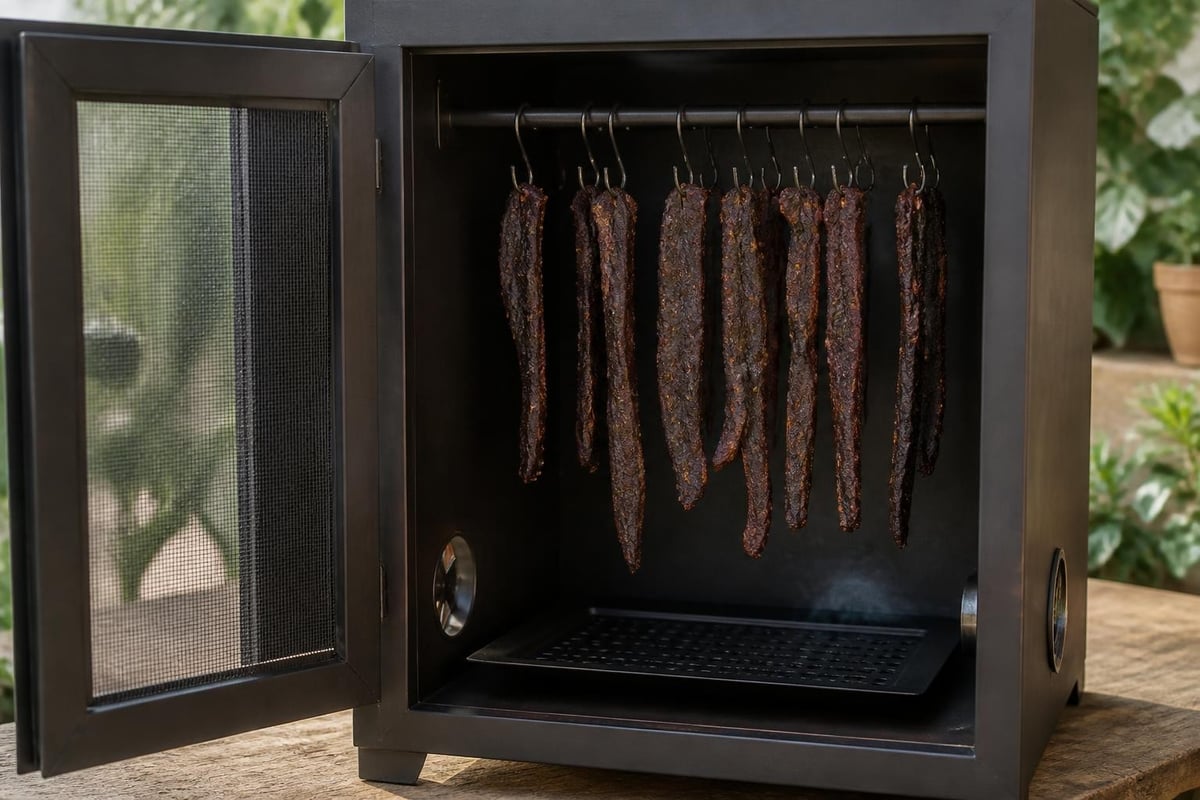
A biltong box operates on fundamental principles of meat preservation that have been refined over centuries. The device creates a controlled environment where marinated meat strips dry gradually through continuous air circulation, low humidity, and consistent temperature.
Unlike jerky, which relies on heat and dehydration, biltong achieves its distinctive texture and flavour through air-drying at ambient temperatures. According to research on South African biltong processing, the traditional method requires specific environmental conditions to safely reduce moisture content whilst preventing bacterial growth. A dedicated biltong box replicates these conditions regardless of external weather patterns.
Key Components of an Effective Biltong Box
Every functional biltong box shares several critical features:
- Ventilation system: Top and bottom vents create natural convection airflow
- Internal fan: Promotes consistent air movement around hanging meat
- Light bulb or heating element: Provides gentle warmth (typically 25-30°C)
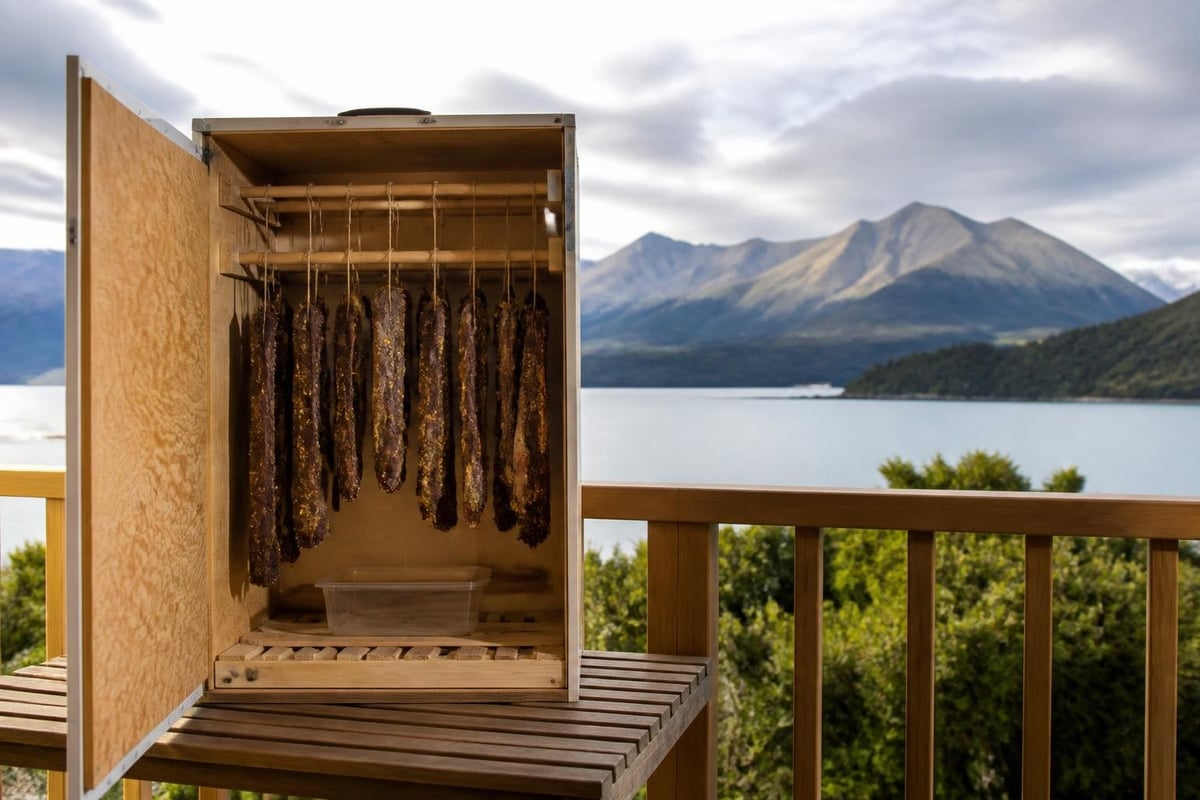
- Hanging rails: Stainless steel rods or hooks to suspend meat strips
- Drip tray: Collects moisture and marinade during the drying process
The size of your biltong box determines batch capacity. Compact models suit occasional home use, whilst larger units accommodate families or those preparing biltong for gatherings and sharing with fellow expatriates.
Setting Up Your Biltong Box for Optimal Results
Proper setup directly influences the quality and safety of your finished biltong. Location matters significantly. Position your biltong box in a dry, cool area away from direct sunlight and humidity sources. Garages, pantries, and spare rooms work well in New Zealand's variable climate.
Temperature regulation requires attention. The internal temperature should remain between 20-30°C. Too cold, and drying time extends indefinitely, risking spoilage. Too hot, and you create an environment for bacterial multiplication rather than safe preservation.
| Setup Factor | Ideal Range | Why It Matters |
|---|---|---|
| Temperature | 20-30°C | Promotes safe drying without cooking meat |
| Humidity | Below 60% | Prevents mould growth on meat surface |
| Airflow | Continuous gentle circulation | Ensures even drying across all pieces |
| Spacing | 2-3 cm between strips | Allows air to reach all meat surfaces |
Before loading meat, run your biltong box empty for 2-3 hours. This test confirms all components function correctly and helps stabilise internal conditions. Check that the fan operates smoothly and the heating element maintains consistent warmth.
Preparing Meat for the Biltong Box
The quality of your biltong depends equally on meat preparation and equipment. Select lean cuts like topside, silverside, or rump. Fat doesn't dry at the same rate as muscle tissue and can turn rancid during the process.
Cut meat with the grain into strips approximately 2-3 centimetres thick. Cutting with the grain creates the characteristic biltong texture that tears into fibrous strands rather than crumbling.
Marinade composition typically includes:
- Vinegar (traditionally brown or cider)
- Quality spices including coriander, black pepper, and salt
- Worcestershire sauce for depth
- Optional sugar for slight caramelisation
Apply marinade generously and refrigerate for 4-24 hours. Longer marination develops more complex flavours but doesn't significantly impact preservation.
Food Safety Considerations When Using a Biltong Box
Safety cannot be compromised when air-drying meat at ambient temperatures. The FAO's guidance on meat preservation emphasises that traditional methods like biltong-making require specific conditions to inhibit pathogenic bacteria.
Historical incidents, including a documented Salmonella outbreak linked to biltong in London, underscore the importance of validated processes. Whilst such cases remain rare, they highlight why proper equipment and technique matter.
Critical safety practices include:
- Start with fresh, high-quality meat from reputable sources
- Maintain consistent temperatures throughout drying
- Ensure adequate air circulation reaches all meat surfaces
- Monitor for signs of spoilage (off-odours, slime, discolouration)
- Clean and sanitise your biltong box between batches
The vinegar in traditional marinades provides initial pH reduction that inhibits bacterial growth. As moisture evaporates, water activity drops below levels that support microbial multiplication. This dual mechanism, combined with salt's antimicrobial properties, creates the preservation effect.
Research funded by the USDA has examined the safety of ambient-temperature air-dried beef products, providing scientific validation for traditional biltong-making methods when proper protocols are followed.
Building vs Buying a Biltong Box
Enthusiasts face a choice between constructing a DIY biltong box or purchasing a commercial unit. Each approach offers distinct advantages depending on skills, budget, and production goals.
DIY Biltong Box Construction
Building your own biltong box appeals to those with basic woodworking abilities and a preference for customisation. Common materials include plywood, medium-density fibreboard, or even repurposed wooden wine boxes for small batches.
Essential components to source:
- Enclosure material (wood, cardboard for temporary boxes)
- Computer fans (80-120mm diameter)
- Light bulb socket and low-wattage bulb (40-60W)
- Stainless steel hanging rods
- Mesh or perforated material for ventilation panels
Plans widely available online typically cost under NZD 100 in materials. The construction process requires measuring, cutting, drilling ventilation holes, and installing electrical components safely.
Limitations include inconsistent temperature control, potential fire hazards if electrical work isn't properly executed, and aesthetic considerations if the box lives in visible kitchen areas.
Commercial Biltong Box Options
Manufactured biltong boxes offer convenience, safety certifications, and refined designs. Many South African brands produce units specifically engineered for optimal biltong production, with features like digital temperature displays, adjustable airflow, and food-grade materials throughout.
For South Africans in New Zealand seeking authentic equipment, specialist retailers provide access to purpose-built units. Something From Home, a South African food store in New Zealand, stocks biltong-making supplies including experimental biltong kits that help newcomers master the craft.
| Approach | Investment | Skill Required | Customisation | Safety |
|---|---|---|---|---|
| DIY Build | NZD 50-150 | Moderate | High | Variable |
| Commercial Unit | NZD 200-500 | None | Limited | Certified |
Optimising Your Biltong Box for New Zealand Conditions
New Zealand's climate presents unique challenges and opportunities for biltong-making. The country's humidity varies significantly by region and season, affecting drying times and requiring adaptive techniques.
Coastal areas like Auckland and Wellington experience higher humidity year-round. In these regions, your biltong box must work harder to maintain low internal moisture. Run the heating element continuously and ensure maximum ventilation. Drying may take 5-7 days rather than the typical 3-4 days in drier climates.
Canterbury and Otago regions offer naturally lower humidity, creating near-ideal conditions. During winter months particularly, ambient conditions closely match traditional South African biltong-making environments. Your biltong box requires less artificial heating, and drying times shorten.
Seasonal Adjustments
Adapt your technique throughout the year:
Summer (December-February): Higher temperatures mean less heating required but watch for excessive warmth that can partially cook meat edges. Increase fan speed if your box allows adjustment.
Winter (June-August): Cold ambient temperatures slow drying. Position your biltong box in warmer areas of the home and potentially increase the wattage of your heating element slightly. Monitor closely to prevent over-drying.
Shoulder seasons: Spring and autumn offer ideal conditions in most regions. Standard settings typically produce excellent results with minimal adjustment.
Maintaining and Cleaning Your Biltong Box
Regular maintenance extends your biltong box lifespan and ensures every batch meets food safety standards. After each use, remove all meat remnants, accumulated fat deposits, and marinade drips from internal surfaces.
Cleaning protocol:
- Disconnect electrical components and remove all removable parts
- Wipe interior surfaces with warm water and mild detergent
- Sanitise with food-safe disinfectant or diluted vinegar solution
- Clean hanging rods thoroughly as they contact raw and drying meat
- Dry all components completely before reassembly
- Inspect electrical connections for corrosion or damage
Monthly deep cleaning involves removing the drip tray, checking fan blades for dust accumulation, and verifying that ventilation holes remain unobstructed. Dust and debris reduce airflow efficiency, compromising drying performance.
Replace components showing wear:
- Fan units producing unusual noise or reduced airflow
- Light bulbs that flicker or fail to maintain consistent heat
- Corroded hanging rods that may contaminate meat
Troubleshooting Common Biltong Box Challenges
Even experienced biltong-makers encounter occasional issues. Recognising problems early prevents batch losses and maintains consistent quality.
White mould development: Indicates excessive humidity or insufficient airflow. Remove affected pieces immediately, increase ventilation, and reduce the interval between batches to prevent spore accumulation. Light surface mould on the exterior can sometimes be wiped away with vinegar, but interior mould requires discarding the piece.
Uneven drying: Results from overcrowding or poor air circulation patterns. Ensure minimum 2-centimetre spacing between strips and rotate pieces halfway through drying if your box has airflow dead zones.
Case hardening: Occurs when exterior dries too rapidly, forming a barrier that traps moisture inside. This creates a hard shell with wet interior that cannot dry properly. Lower temperature slightly and ensure gentler initial drying during the first 24 hours.
Overly dry or brittle biltong: Suggests excessive drying time or temperature. Most people prefer biltong with slight moisture remaining in the centre. Test pieces after 3-4 days and remove those reaching desired texture, leaving thicker pieces longer.
Achieving Personal Preference
Biltong texture varies by preference. Some enjoy wet biltong with substantial moisture and soft texture, whilst others prefer bone-dry versions that snap rather than bend. Your biltong box accommodates both by varying drying duration.
Test readiness by:
- Pressing the thickest part to check for firmness
- Cutting a test piece to inspect interior moisture
- Bending strips to assess flexibility vs brittleness
Cultural Significance and the Expatriate Experience
For South Africans living in New Zealand, a biltong box represents more than culinary equipment. It connects families to heritage, provides familiar comfort foods, and creates opportunities for sharing culture with Kiwi friends and neighbours.
The ritual of preparing biltong often becomes a weekend family activity, much like traditional braais. Children learn marinading techniques, adults debate spice ratios, and everyone anticipates the finished product. These experiences mirror those back home, maintaining cultural continuity across continents.
When homesickness strikes or special occasions arrive, having a biltong box means access to authentic tastes without waiting for overseas shipments or settling for commercial alternatives that never quite match home standards. This self-sufficiency proves particularly valuable during holiday seasons when South African products face high demand and potential stock limitations.
New Zealand's multicultural society embraces diverse food traditions. Sharing homemade biltong with colleagues, neighbours, and friends introduces them to South African culinary heritage whilst strengthening community bonds. Many Kiwis discover they thoroughly enjoy biltong's unique flavour profile, creating new appreciation for South African food culture.
Integrating Your Biltong Box with South African Product Availability
Whilst a biltong box produces the primary product, complementary South African ingredients enhance the overall experience. Authentic spice blends, traditional accompaniments, and nostalgic snacks complete the cultural connection.
New Zealand residents benefit from specialty retailers who understand expatriate needs. With more than 2,500 South African products available, comprehensive selections eliminate the compromise between convenience and authenticity. Proper biltong spices matter significantly, as generic alternatives lack the specific coriander-forward profile that defines traditional South African biltong.
Pairing homemade biltong with other favourites creates complete South African experiences. Weekend rugby matches become more authentic when biltong appears alongside traditional beverages and snacks. Hosting fellow South Africans for special occasions means presenting spreads that genuinely reflect home rather than approximations.
The ability to buy South African food online in New Zealand has transformed expatriate life, providing reliable access to products that were once impossible to find or required expensive international shipping. This accessibility, combined with home production capabilities through your biltong box, means maintaining cultural food traditions becomes practical rather than aspirational.
Advanced Biltong Box Techniques
Once basic processes become routine, experimenting with variations adds interest and develops expertise. Traditional beef biltong forms the foundation, but the technique adapts to other proteins and flavour profiles.
Game meat biltong: Venison, kudu, or springbok (when available) produce distinctive results. These leaner meats dry faster and develop intense flavours. Adjust marination time downward slightly as game meat absorbs spices more readily than beef.
Chicken biltong: Requires extreme attention to food safety due to poultry's higher pathogen risk. Use only commercial chicken breast, increase vinegar content in marinade, ensure thorough drying, and consume within shorter timeframes.
Fish biltong: Traditional in coastal South African regions, dried fish demands separate equipment to prevent flavour transfer. The process differs substantially from meat, requiring different temperatures and shorter drying periods.
Flavour innovations: Beyond traditional spice blends, contemporary makers experiment with chilli variations, herb additions, and sweet-spicy combinations. Peri-peri biltong appeals to those enjoying heat, whilst honey-based marinades create complex flavour layers.
Droëwors production: These dried sausages use similar principles but require casings, specific fat ratios, and modified drying techniques. Many biltong boxes accommodate droëwors alongside strips, though hanging methods differ.
Document your experiments with notes on marinade ratios, drying times, and results. This practice builds a personal reference library that ensures reproducibility of successful variations whilst avoiding repeated mistakes.
The Economics of Home Biltong Production
Cost analysis reveals significant savings when producing biltong at home versus purchasing commercial products, particularly at New Zealand prices where imported South African biltong commands premium rates.
Initial investment breakdown:
- Biltong box (DIY): NZD 50-150
- Biltong box (commercial): NZD 200-500
- Spices and marinade ingredients: NZD 20-30 per batch
- Quality beef (2kg): NZD 40-60
A single 2-kilogram batch of fresh meat yields approximately 800g-1kg of dried biltong, depending on desired moisture content. Commercial biltong sells for NZD 80-120 per kilogram in New Zealand, whilst home production costs roughly NZD 60-90 per kilogram including meat and ingredients.
After the initial equipment investment, each subsequent batch becomes progressively more economical. Regular producers recover their biltong box cost within 3-5 batches, after which savings accumulate substantially. Annual production of 10-15 batches (typical for enthusiast households) generates savings of NZD 300-500 compared to purchasing equivalent commercial products.
Beyond direct financial benefits, home production offers quality control, customisation, and the satisfaction of mastering a traditional skill. These intangible values often outweigh pure cost considerations for many South African families in New Zealand.
Mastering the biltong box transforms your kitchen into a connection point between South African heritage and New Zealand life, delivering authentic flavours whilst building valuable food preservation skills. Whether you build or buy your equipment, understanding the science, safety protocols, and techniques ensures consistent success with every batch. For South Africans seeking the complete experience, Something From Home provides everything from specialty spices to experimental kits, supporting your biltong-making journey with authentic products that honour traditional South African food culture.