Maize Meal: South African Staple & Cultural Heritage
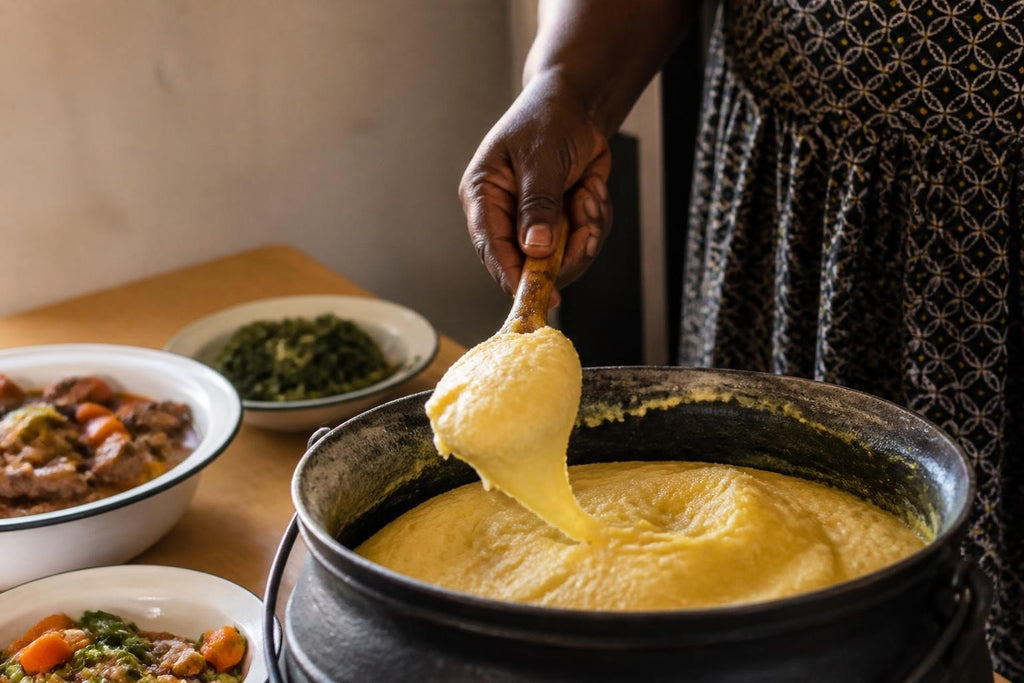
Maize meal stands as one of the most significant staples in South African cuisine, forming the foundation of countless traditional dishes and representing a deep cultural connection for millions. This ground corn product, known by various names including mealie meal, has sustained communities for generations and continues to hold a cherished place in South African households worldwide. For South Africans living in New Zealand, finding authentic maize meal connects them to home, family traditions, and the comforting flavours of childhood. Understanding this versatile ingredient reveals not only its nutritional importance but also its role in preserving cultural identity across continents.
The Cultural Significance of Maize Meal in South African Cuisine
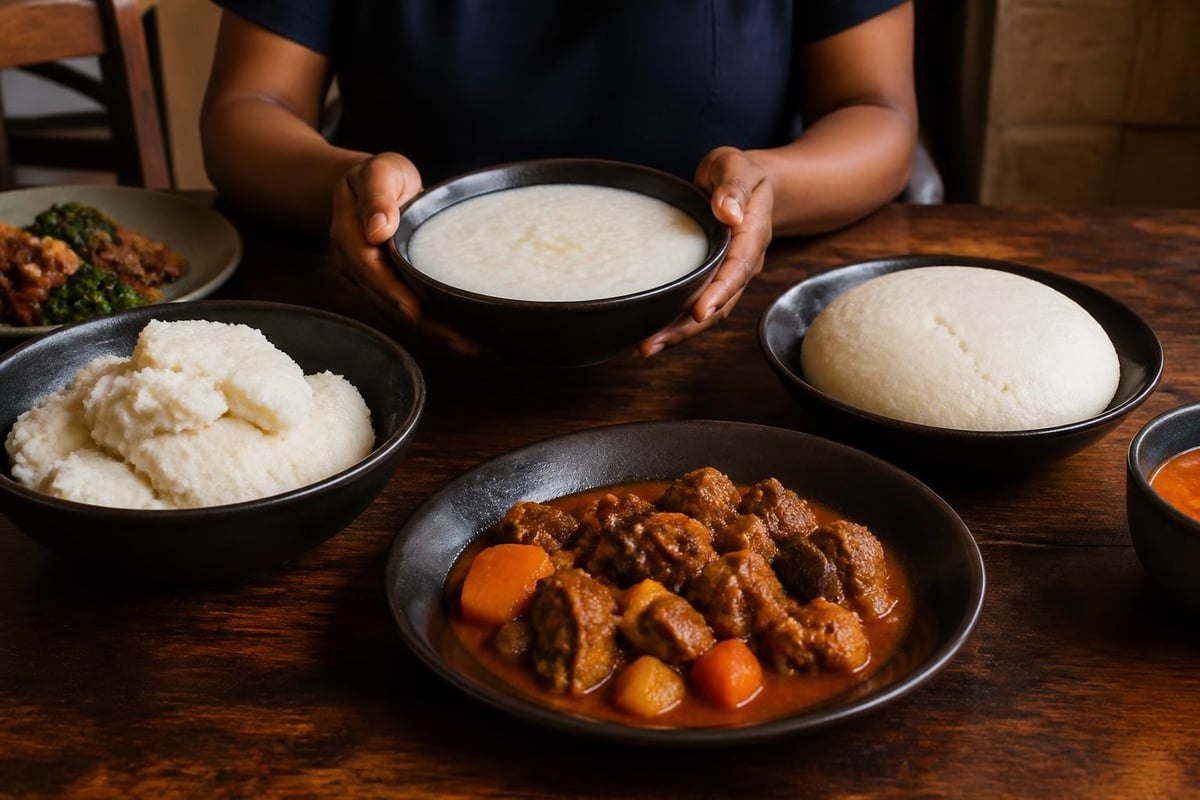
South African food culture revolves heavily around maize-based products, with maize meal serving as the cornerstone of daily meals across diverse communities. The preparation methods vary from household to household, yet the fundamental importance remains constant. Families have passed down recipes through generations, creating regional variations that reflect local traditions and preferences.
Traditional dishes featuring this staple include:
- Pap (stiff porridge) served alongside meat and vegetable stews
- Phuthu, a crumbly variation popular in many regions
- Soft porridge for breakfast, often sweetened with sugar or honey
- Umngqusho, combining samp and beans with maize
The product's versatility allows it to accompany everything from braai meats to traditional curries, making it indispensable in South African kitchens. Different textures suit different occasions, from formal gatherings to everyday family dinners.
Regional Variations and Preparation Techniques
Across South Africa's provinces, preparation methods reflect local tastes and historical influences. The Eastern Cape prefers certain textures, whilst KwaZulu-Natal might favour different consistency levels. These variations create a rich tapestry of culinary traditions, all centred around the same fundamental ingredient.
The cooking process itself becomes a ritual, with experienced cooks knowing precisely when the porridge reaches the perfect consistency. Some prefer their pap stiff enough to mould into balls, whilst others enjoy a creamier texture that requires a spoon.
Nutritional Profile and Fortification Standards
Modern maize meal production often includes fortification to address nutritional deficiencies in populations that rely heavily on this staple. The World Health Organization has established guidelines for fortifying maize flour with essential vitamins and minerals, recognising its importance in global food security.
| Nutrient Component | Typical Content per 100g | Fortified Addition |
|---|---|---|
| Carbohydrates | 70-75g | N/A |
| Protein | 8-10g | Enhanced in QPM varieties |
| Iron | 2-3mg | +15-20mg (fortified) |
| Vitamin A | Minimal | +1500-2500 IU (fortified) |
| B Vitamins | Variable | Thiamine, niacin, folic acid added |
The USDA Agricultural Research Service provides detailed compositional data for corn-based products, helping consumers understand the baseline nutritional value. Recent advances in maize biofortification research have explored enhancing provitamin A content and developing quality-protein maize varieties that offer improved nutritional outcomes.
White vs Yellow Varieties
South African consumers traditionally prefer white maize meal, distinguishing it from the yellow cornmeal common in other regions. This preference stems from cultural traditions and perceived taste differences. White maize produces a milder flavour that complements savoury dishes without competing for attention.
Yellow varieties contain higher levels of certain carotenoids, potentially offering additional nutritional benefits. However, cultural preferences often outweigh these considerations, with many South Africans specifically seeking white maize meal brands they remember from home.
Economic Importance and Market Dynamics
Maize meal pricing affects millions of households, making it a sensitive economic indicator. The World Bank's Food Security Updates regularly track maize markets globally, recognising that price fluctuations impact food security for maize-dependent populations.
Market factors influencing availability and cost:
- Regional harvest yields and weather patterns
- International commodity prices and trading volumes
- Transportation costs and logistics challenges
- Currency fluctuations affecting import/export dynamics
- Government policies on subsidies and price controls
For South Africans living abroad, these market dynamics translate into varying availability and pricing of imported products. Specialist retailers must navigate complex supply chains to maintain consistent stock levels.
Accessing Authentic Products in New Zealand
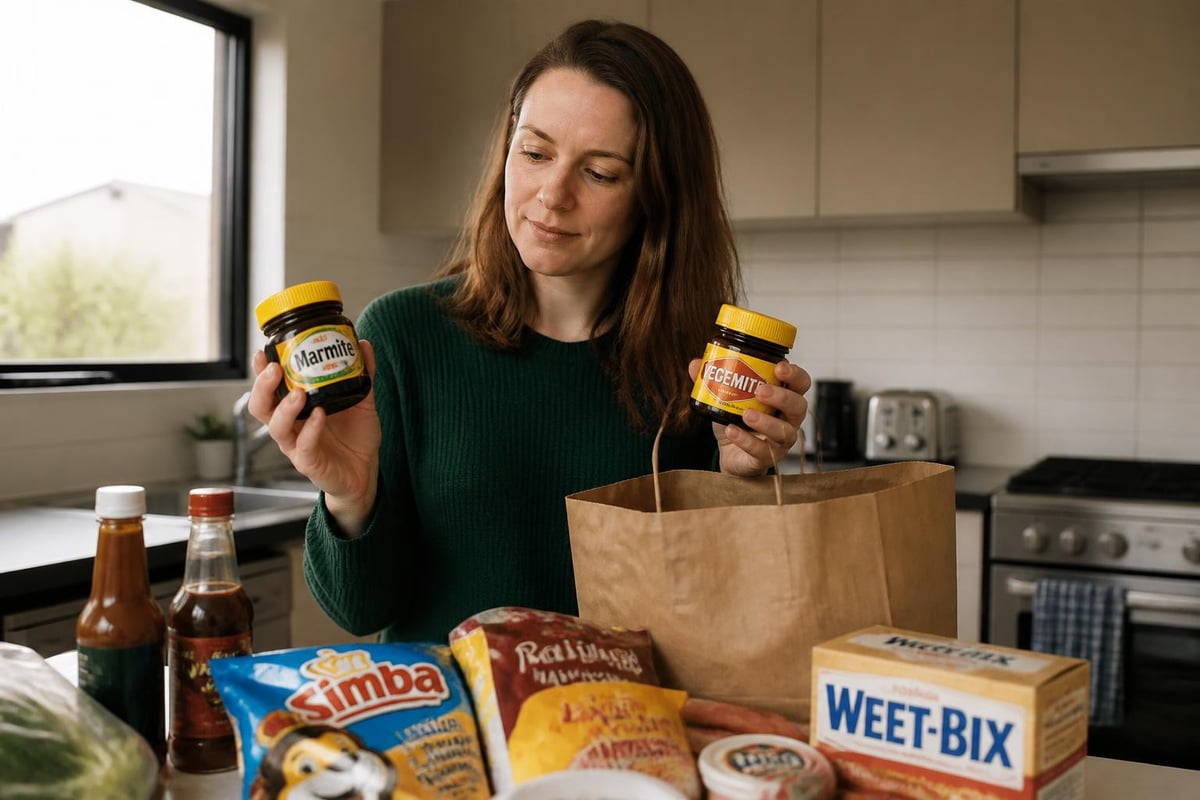
South Africans who relocate to New Zealand often struggle to find familiar food products, particularly staples like Monati Super Mabela porridge and other trusted brands. The craving for authentic maize meal goes beyond simple preference; it represents a connection to heritage and family memories.
Something From Home is a dedicated South African food store in New Zealand with 2,200 products to browse. Check each product page for current availability while exploring familiar brands and varieties from home.
Why Brand Familiarity Matters
Different manufacturers produce varying textures and cooking properties, meaning that switching brands can affect recipe outcomes. Experienced cooks develop techniques suited to specific products, making brand consistency important for achieving desired results.
The milling process, grain selection, and fortification levels all vary between producers. These differences might seem subtle to outsiders but significantly impact the final dish's taste, texture, and nutritional profile.
Cooking Methods and Recipe Applications
Basic pap preparation follows these fundamental steps:
- Bring salted water to a vigorous boil in a heavy-bottomed pot
- Gradually add maize meal whilst stirring continuously to prevent lumps
- Reduce heat and allow the mixture to cook, stirring occasionally
- For stiff pap, use a 2:1 water-to-maize ratio; for soft porridge, use 4:1
- Cook for 20-30 minutes until the raw flour taste disappears
- Break up the pap with a fork or wooden spoon to achieve desired texture
Advanced cooks develop intuition about moisture levels, knowing when to add small amounts of water or allow excess to evaporate. The pot's size, heat intensity, and stirring frequency all influence the final product.
Serving Suggestions and Accompaniments
Traditional accompaniments enhance the relatively neutral flavour of maize meal. Tomato-based stews, braised meats, chakalaka, and various gravies provide complementary flavours and textures. The starch's ability to absorb sauces makes it an ideal vehicle for rich, flavourful dishes.
Popular serving combinations include:
- Pap with boerewors and tomato-and-onion sauce
- Soft porridge with milk, butter, and sugar for breakfast
- Stiff pap alongside curry or stew
- Crumbled phuthu with sour milk or amasi
- Pap balls with grilled meats and chakalaka relish
Contemporary fusion approaches incorporate this traditional base into modern culinary contexts, though purists often prefer classic preparation methods.
Storage, Shelf Life, and Quality Considerations
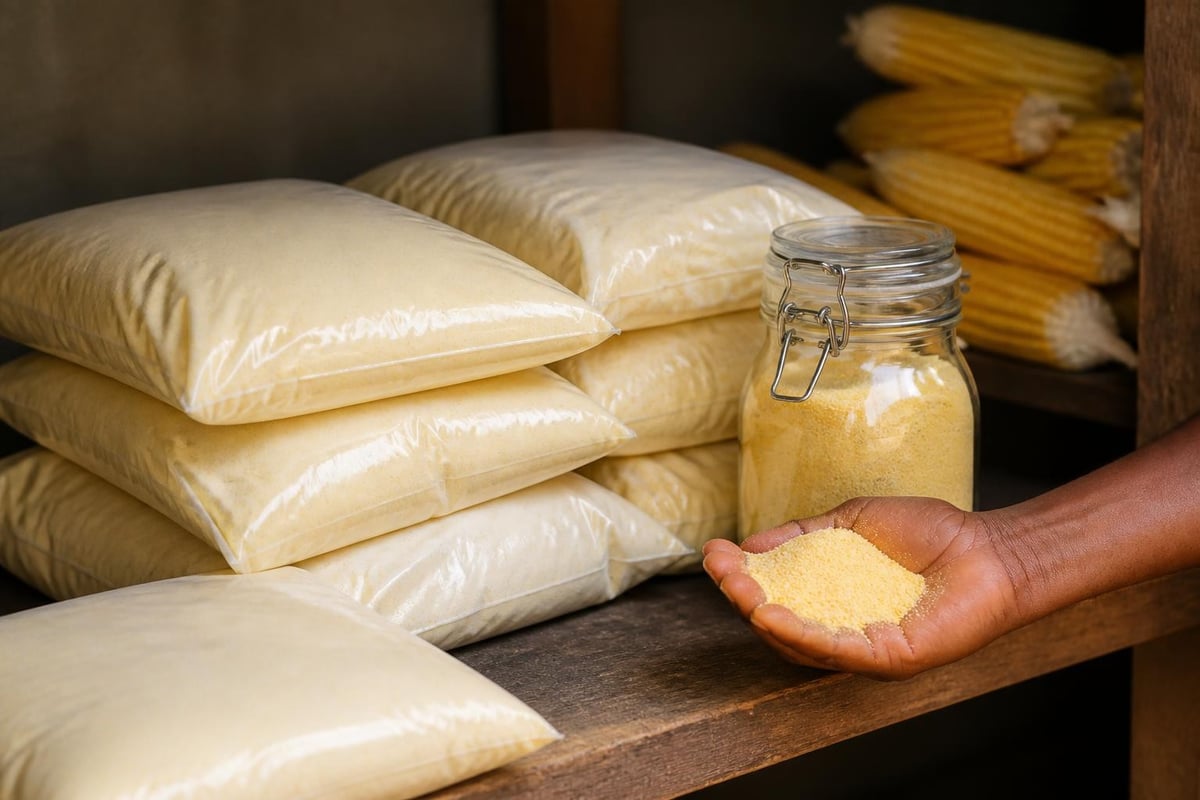
Proper storage extends maize meal's usability whilst maintaining quality and preventing spoilage. The product's relatively low moisture content provides natural preservation, yet certain precautions ensure optimal freshness.
| Storage Method | Expected Shelf Life | Quality Considerations |
|---|---|---|
| Unopened commercial packaging | 12-18 months | Store in cool, dry location |
| Opened package, original bag | 3-6 months | Ensure tight closure after use |
| Airtight container | 6-12 months | Protect from moisture and pests |
| Refrigerated storage | 12-18 months | Prevents rancidity in warm climates |
| Frozen storage | 18-24 months | Maintains peak freshness |
Signs of spoilage include off-odours, visible mould, discolouration, or the presence of insects. Quality products from reputable manufacturers generally include manufacturing and best-before dates, helping consumers manage their pantry effectively.
Fortification Programs and Public Health Impact
Government-mandated fortification programs in various countries recognise maize meal's role as a primary energy source for vulnerable populations. The Fortified Whole Grain Alliance provides technical specifications for fortified whole maize meal used in humanitarian contexts, establishing standards that balance nutritional goals with practical production constraints.
Fortification addresses common micronutrient deficiencies, particularly in communities where dietary diversity remains limited. Adding iron, folic acid, zinc, and B vitamins helps prevent anaemia, neural tube defects, and other nutrition-related health conditions.
Quality Protein Maize Innovations
Recent agricultural research has developed quality-protein maize varieties containing enhanced levels of lysine and tryptophan. These essential amino acids improve the protein quality, making the grain more nutritionally complete. Whilst traditional varieties provide adequate energy, QPM varieties offer superior nutritional profiles for populations relying heavily on maize-based diets.
Cultural Preservation Through Food
For South African expats in New Zealand, maintaining food traditions helps preserve cultural identity and pass heritage to younger generations. Children born abroad may not experience South Africa directly, yet family meals featuring authentic ingredients create tangible connections to their ancestry.
The act of preparing traditional dishes becomes an educational opportunity, with parents and grandparents sharing stories whilst cooking together. These moments transmit not only recipes but also values, history, and cultural knowledge.
Cultural elements reinforced through traditional cooking:
- Language use, particularly indigenous terms for dishes and techniques
- Respect for elders and traditional knowledge
- Community-oriented eating practices and sharing
- Regional identity and pride in specific preparations
- Resourcefulness and making the most of simple ingredients
South African shops serving expatriate communities therefore fulfil a role beyond mere commerce; they become cultural anchors supporting identity preservation.
Comparing International Corn Products
Global corn consumption takes many forms, from Italian polenta to American cornbread. Whilst superficially similar, these products differ significantly in grain variety, processing methods, and culinary applications. Understanding these distinctions helps explain why South Africans specifically seek their traditional maize meal rather than accepting local alternatives.
| Product Type | Grain Processing | Typical Texture | Cultural Context |
|---|---|---|---|
| South African maize meal | Degerminated, finely ground white maize | Fine to medium, makes stiff porridge | Daily staple, served with stews |
| Italian polenta | Coarsely ground yellow corn | Coarse to medium, creamy when cooked | Side dish or base for sauces |
| American cornmeal | Various grinds, yellow or white | Fine to coarse, used in baking | Cornbread, muffins, coating |
| Mexican masa harina | Nixtamalized corn, very fine | Fine powder, forms dough | Tortillas, tamales |
The nixtamalization process used for masa harina actually improves niacin bioavailability and changes the flour's properties fundamentally. South African maize meal undergoes different processing, creating distinct cooking characteristics and flavour profiles.
Shopping for Authentic Products Online
The digital marketplace has revolutionised access to specialty foods for expatriate communities. South African food stores with online presence enable customers throughout New Zealand to order authentic products regardless of their location. This accessibility proves particularly valuable for those living outside major urban centres where physical South African shops might not exist.
Online shopping considerations include shipping costs, minimum order requirements, product selection breadth, and delivery timeframes. Established retailers understand these concerns and structure their services accordingly, often offering bulk purchasing options that offset freight expenses.
Building Your South African Pantry
New arrivals to New Zealand benefit from establishing a well-stocked pantry of essential South African products. Beyond maize meal, complementary items create authentic meal experiences. Spice blends, condiments, and other staples work together to recreate familiar flavours.
Essential pantry items for maintaining South African cooking traditions include various grades of maize meal for different applications, traditional spice blends, chutneys and pickles, dried beans and legumes, and baking ingredients for traditional treats. Systematic pantry building ensures ingredients remain available when needed, avoiding last-minute substitution compromises.
Health and Dietary Considerations
Whilst maize meal provides valuable nutrition, particularly when fortified, balanced diets incorporate diverse food groups. Nutritionists recommend pairing this carbohydrate-rich staple with protein sources, vegetables, and fruits to ensure comprehensive nutrient intake.
Dietary considerations for regular consumption:
- Combine with legumes to create complete protein profiles
- Include vegetables to add fibre, vitamins, and minerals
- Moderate portion sizes to manage caloric intake
- Choose fortified varieties when available
- Balance with whole grains offering different nutrient profiles
Individuals with coeliac disease or gluten sensitivity can safely consume maize meal, as maize naturally contains no gluten. This makes it an important grain alternative for those avoiding wheat, barley, and rye.
Sustainability and Agricultural Practices
Modern maize cultivation incorporates various agricultural approaches, from conventional farming to organic methods. Sustainability considerations include water usage, soil health management, pesticide application, and biodiversity impact. Consumers increasingly consider these factors when making purchasing decisions.
Smallholder farmers produce significant portions of South Africa's maize crop, making this commodity vital for rural livelihoods. Supporting brands that engage fairly with farming communities contributes to broader social and economic development goals.
Maize meal represents far more than simple sustenance; it embodies cultural heritage, family traditions, and the flavours of home for South Africans worldwide. Whether you're maintaining your culinary traditions in New Zealand or discovering South African cuisine for the first time, authentic products make all the difference in creating genuine experiences. Something From Home stocks an extensive range of South African groceries, ensuring that quality maize meal and complementary products remain accessible to the Kiwi South African community, no matter where you call home.