Peri Peri Seasoning: South African Spice Heritage
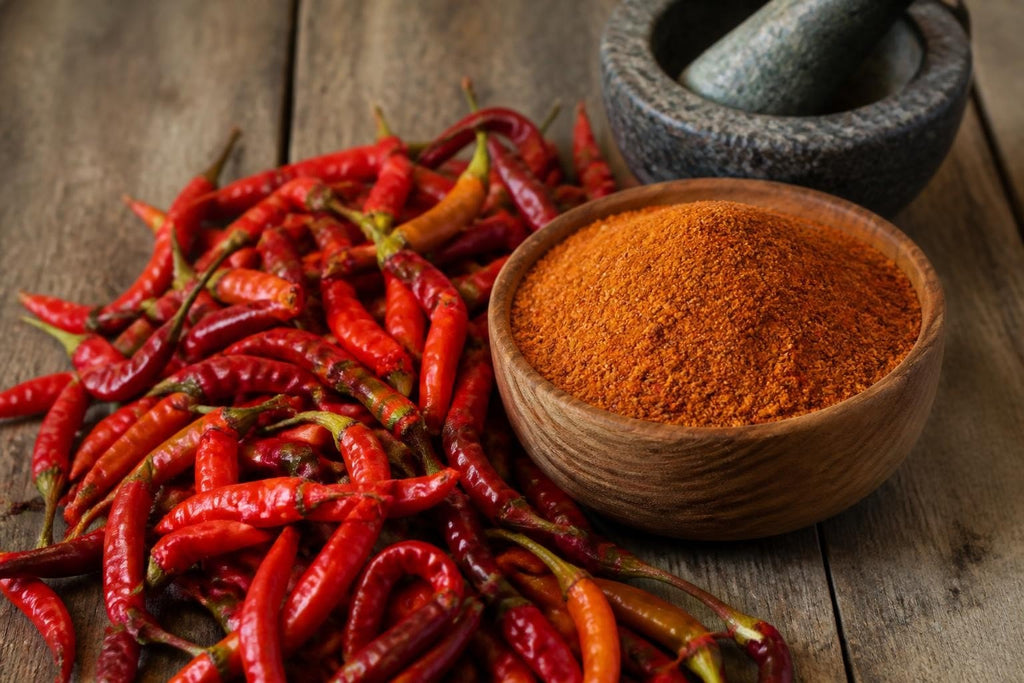
Peri peri seasoning represents one of the most distinctive and beloved spice blends in South African cuisine, carrying with it a legacy that stretches across continents and centuries. This fiery mixture, built around the African bird's-eye chilli, has become synonymous with bold flavour, cultural heritage, and the kind of taste that instantly transports South Africans living abroad back to braais, family gatherings, and home-cooked meals. For those who have relocated to New Zealand, finding authentic peri peri seasoning is more than a culinary choice – it's a connection to identity, tradition, and the flavours that define home.
The Botanical and Cultural Origins of Peri Peri
The story of peri peri seasoning begins with Capsicum frutescens, the species behind the small but potent African bird's-eye chilli. These peppers, native to Central and South America, found their way to Africa through Portuguese trade routes during the 15th and 16th centuries. Once established along the African coast, particularly in Mozambique, Angola, and other Portuguese-influenced regions, the chillies adapted to local conditions and became deeply embedded in regional cooking.
The EPPO species profile for *Capsicum frutescens* provides taxonomic details about this remarkable plant, which thrives in tropical climates and produces exceptionally hot fruit. The name "peri peri" itself derives from the Swahili word for pepper, "pilipili," reflecting the linguistic journey of this ingredient through East African coastal cultures.
From Portuguese Colonies to Global Recognition
Portuguese colonisation created a culinary fusion that would define peri peri's modern identity. Historical accounts of Portuguese piri-piri reveal how these settlers combined African chillies with European herbs, citrus, and vinegar to create marinades and sauces that could preserve food in hot climates whilst delivering complex flavour.
The result was a distinctly African-Portuguese culinary tradition that spread throughout Mozambique, Angola, and eventually into neighbouring South Africa, Zimbabwe, and beyond. BBC's exploration of this spicy chicken dish highlights how peri peri transcended its colonial origins to become a Pan-African favourite, embraced by communities regardless of their connection to Portuguese rule.
Understanding What Makes Peri Peri Seasoning Unique
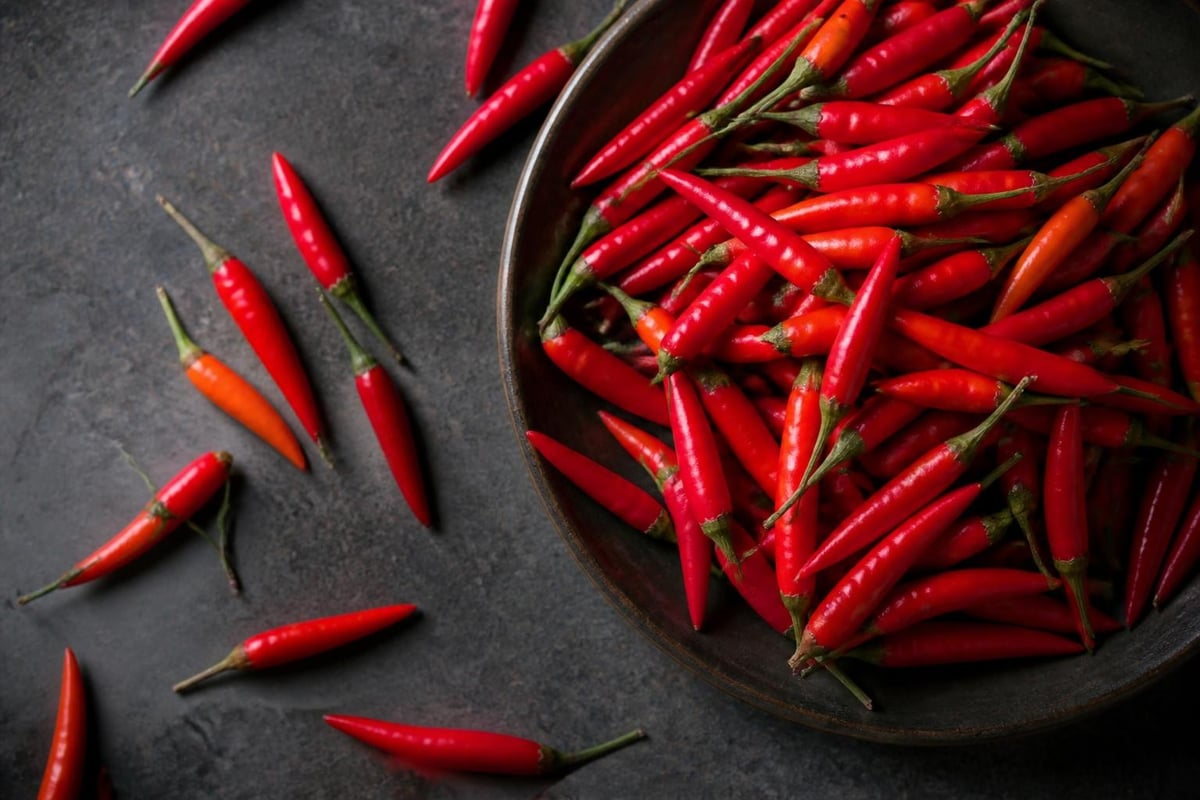
Peri peri seasoning distinguishes itself from other chilli-based spice blends through its specific combination of heat, acidity, and aromatic complexity. Unlike single-note chilli powders or simplistic hot sauces, authentic peri peri blends balance multiple flavour dimensions.
Core Components and Flavour Profile
A traditional peri peri seasoning typically includes:
- African bird's-eye chillies (dried and ground)
- Garlic (powdered or granulated)
- Citrus elements (lemon peel, lime zest)
- Herbs (oregano, basil, bay leaf)
- Paprika (for colour and mild sweetness)
- Salt (often sea salt)
- Black pepper (for additional complexity)
- Optional aromatics (onion powder, ginger, cardamom)
The USDA's guidance on spices and spice blends outlines quality standards that ensure consistent flavour and food safety in commercial blends, addressing moisture content, particle size, and microbiological safety.
| Component | Purpose | Flavour Contribution |
|---|---|---|
| Bird's-eye chilli | Primary heat source | Sharp, intense heat (50,000-175,000 Scoville) |
| Garlic | Aromatic base | Savoury depth, pungency |
| Citrus | Acidity balance | Brightness, cuts through richness |
| Paprika | Colour, mild heat | Sweetness, visual appeal |
| Herbs | Complexity | Earthy, Mediterranean notes |
The Science Behind the Heat
Capsaicin, the compound responsible for peri peri's distinctive burn, interacts with pain receptors in fascinating ways. Research on capsaicin's metabolism and physiological effects demonstrates how this molecule triggers thermoreceptors, creating the sensation of heat without actual temperature change. This same compound may offer health benefits, from metabolic stimulation to antimicrobial properties, though more research continues to explore these effects.
The African bird's-eye variety used in authentic peri peri seasoning delivers significantly more heat than common cayenne pepper, with Scoville ratings often exceeding 100,000 units. This intensity requires careful blending to create a seasoning that enhances rather than overwhelms food.
Culinary Applications in South African Cooking
Peri peri seasoning holds a central position in South African braai culture, home cooking, and restaurant menus. Its versatility extends far beyond the chicken dishes that made it internationally famous.
Traditional Uses
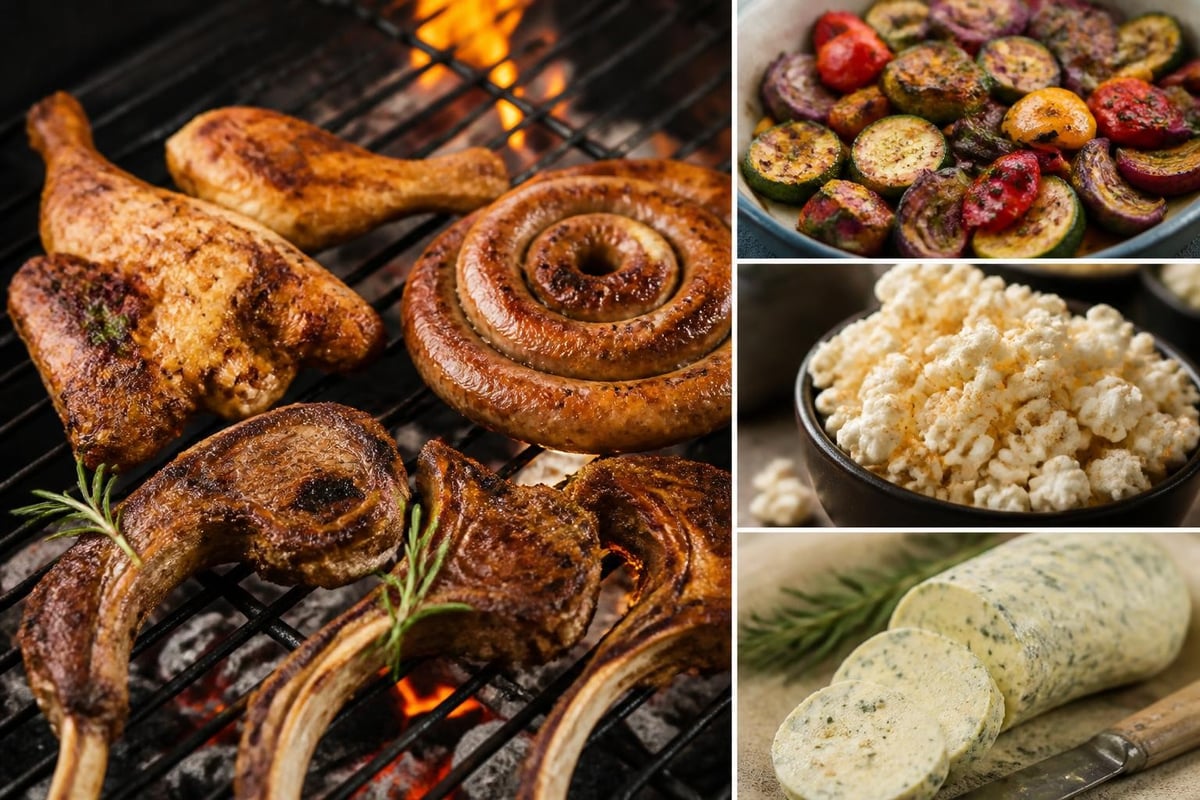
Braai preparations dominate peri peri's traditional applications. South Africans rub the seasoning onto chicken pieces, lamb chops, boerewors, and prawns before grilling over open flames. The high heat of the braai caramelises the spices whilst the fat from the meat carries the flavour throughout.
Marinade bases combine peri peri seasoning with oil, lemon juice, and sometimes yoghurt to create tenderising, flavour-packed soaks for proteins. These marinades work equally well for Portuguese-style espetadas, sosaties, or simple weeknight chicken dishes.
Potato wedges and chips receive generous dustings of peri peri seasoning in South African homes and takeaway shops. The combination of crispy potato, salt, and spicy-citrus notes creates an addictive side dish that rivals any loaded fries.
Modern Adaptations and Creative Uses
Contemporary South African cooking has expanded peri peri's repertoire considerably:
- Butter and compound spreads: Mixing peri peri seasoning into softened butter creates an instant flavour boost for corn on the cob, garlic bread, or finishing steaks
- Popcorn seasoning: A light dusting transforms plain popcorn into a spicy, moreish snack
- Roasted vegetable enhancement: Cauliflower, butternut, and sweet potato benefit from peri peri's complex heat
- Mayonnaise and aioli: Stirring the seasoning into creamy bases produces zesty sandwich spreads and dipping sauces
- Egg dishes: Scrambled eggs, omelettes, and shakshuka gain depth with a pinch of peri peri
Peri Peri Seasoning vs. Other Spice Blends
South African cuisine features numerous distinctive spice mixtures, each serving specific culinary purposes. Understanding how peri peri seasoning compares helps cooks choose the right blend for their dishes.
| Spice Blend | Primary Chilli Type | Key Distinguishing Ingredients | Best Applications |
|---|---|---|---|
| Peri Peri Seasoning | Bird's-eye chilli | Citrus, garlic, herbs | Grilled proteins, potatoes |
| Biltong Spice | Cayenne/paprika | Coriander, vinegar, brown sugar | Dried meat curing |
| Durban Curry Powder | Kashmiri chilli | Turmeric, cumin, fennel, star anise | Indian-South African curries |
| Boerewors Spice | Black pepper | Nutmeg, cloves, allspice | Sausage making |
| Monkey Gland Seasoning | Paprika | Worcester sauce powder, mustard | Steaks, burgers |
Whilst biltong spice focuses on preservation and the sweet-sour-savoury balance needed for dried meat, peri peri emphasises fresh heat and aromatic intensity suited to high-heat cooking methods.
Finding Authentic Peri Peri Seasoning in New Zealand
For South Africans who have made New Zealand home, sourcing genuine peri peri seasoning can prove challenging. Mainstream supermarkets occasionally stock international spice brands, but these rarely capture the authentic balance and heat level that expatriates remember.
Quality Indicators for Authentic Blends
When evaluating peri peri seasoning options, several factors signal quality and authenticity:
- Ingredient transparency: Premium blends list African bird's-eye chilli or Capsicum frutescens specifically, rather than generic "chilli powder"
- Colour vibrancy: Fresh, properly stored peri peri seasoning displays bright red-orange hues, not dull brown tones
- Aroma intensity: Opening the container should release immediate garlicky, citrusy, and peppery notes
- Texture consistency: Quality blends feature uniform grinding without excessive clumping or moisture
- Origin labelling: Products manufactured in South Africa or by South African companies typically follow traditional formulations
The FAO/WHO Codex standards for spices provide international benchmarks for quality, though regional preferences still influence exact formulations.
Accessing South African Spices Through Online Retailers
Something From Home operates as a dedicated South African food store serving New Zealand's expatriate community with more than 2,200 authentic products. Their spices collection includes various peri peri seasonings and related South African spice blends, shipped directly to customers throughout New Zealand.
This accessibility matters enormously to South Africans navigating life abroad. The familiar taste of proper peri peri chicken at a weekend braai, or the comfort of seasoned potato wedges that taste exactly right, provides more than nutrition. These flavours maintain cultural connections, create opportunities to share heritage with Kiwi friends, and ensure that the next generation grows up understanding their South African roots through food.

Growing and Processing Peri Peri Peppers
Whilst most consumers purchase ready-made peri peri seasoning, understanding the agricultural and processing journey adds appreciation for this remarkable spice.
Cultivation Requirements
University of Florida's pepper production resources detail the specific conditions Capsicum frutescens requires for optimal growth. These peppers thrive in:
- Warm climates with temperatures between 21-29°C
- Well-draining, slightly acidic soil (pH 6.0-6.8)
- Full sun exposure for at least six hours daily
- Consistent moisture without waterlogging
- Protection from strong winds that can damage delicate branches
In their native African growing regions, peri peri plants often grow as perennials, producing fruit year-round under ideal conditions. Commercial cultivation typically treats them as annuals, with harvest occurring 90-120 days after transplanting.
From Fresh Pepper to Dried Seasoning
The transformation from fresh pepper to shelf-stable seasoning involves multiple steps:
- Harvesting: Pickers collect fully ripened red peppers at peak capsaicin concentration
- Initial cleaning: Washing removes field debris and reduces microbial load
- Drying: Sun-drying or commercial dehydrators reduce moisture content to 8-10%
- Grinding: Dried peppers undergo milling to achieve desired particle size
- Blending: Ground chilli combines with complementary spices in precise ratios
- Quality control: Testing ensures heat levels, moisture content, and safety standards
- Packaging: Airtight containers protect against oxidation and flavour loss
Commercial producers must navigate strict food safety regulations, ensuring their peri peri seasoning remains free from contaminants whilst preserving the volatile oils that carry flavour and aroma.
Storage and Shelf Life Considerations
Proper storage dramatically impacts how long peri peri seasoning maintains its potency and flavour characteristics.
Optimal Storage Conditions
Temperature control proves critical. Peri peri seasoning should remain in cool, dark locations away from heat sources like stovetops and ovens. Exposure to heat accelerates the degradation of essential oils and capsaicin compounds.
Light protection prevents photo-oxidation. Clear glass containers look attractive but allow light penetration that breaks down colour pigments and aromatic compounds. Opaque containers or dark glass preserve quality longer.
Moisture prevention stops clumping and mould growth. Always use dry spoons when scooping peri peri seasoning, and ensure the container seals tightly after each use.
Air exposure minimisation slows oxidation. Transferring large quantities into smaller containers as you use them reduces the air volume in contact with the remaining seasoning.
Recognising Freshness Decline
Even properly stored peri peri seasoning eventually loses potency. Signs that replacement is needed include:
- Faded colour shifting from vibrant red-orange to dull brown
- Reduced aroma when opening the container
- Diminished heat level requiring larger quantities to achieve desired spiciness
- Flavours tasting flat or one-dimensional rather than complex
- Visible moisture or clumping despite dry storage
Most commercial peri peri seasoning blends maintain peak quality for 12-18 months when stored correctly. Dating containers upon purchase helps track freshness and ensures rotation through your spice collection.
Health Considerations and Dietary Contexts
Peri peri seasoning fits naturally into numerous dietary frameworks whilst offering potential functional benefits beyond pure flavour.
Nutritional Profile
As a spice blend used in small quantities, peri peri seasoning contributes minimal calories, fat, or carbohydrates to dishes. Its primary nutritional considerations include:
- Sodium content: Salt-containing blends may contribute significant sodium, important for those monitoring intake
- Capsaicin compounds: Provide the characteristic heat and potential metabolic effects
- Antioxidants: Dried chillies, paprika, and herbs contain various beneficial plant compounds
- Vitamins: Trace amounts of vitamin A (from paprika) and vitamin C (though reduced in dried forms)
Dietary Compatibility
Peri peri seasoning accommodates most dietary restrictions and preferences:
- Gluten-free: Pure spice blends contain no gluten (verify labels for anti-caking agents)
- Vegan and vegetarian: Contains no animal products
- Paleo and Whole30: Fits primitive diet frameworks when free from added sugars
- Low-carb and ketogenic: Negligible carbohydrate content
- Allergen considerations: Generally free from common allergens, though garlic sensitivity may be relevant
Those with digestive sensitivities should approach peri peri seasoning cautiously, as capsaicin can irritate sensitive stomachs or exacerbate certain gastrointestinal conditions. Starting with small amounts allows individuals to assess tolerance.
Peri Peri in South African Food Culture and Identity
Beyond its culinary applications, peri peri seasoning carries deep cultural significance for South Africans, particularly those living as expatriates in countries like New Zealand.
Braai Culture and Social Traditions
The South African braai represents far more than outdoor cooking. It's a social institution, a weekend ritual, and a space where friendships deepen over perfectly grilled meat and cold beverages. Peri peri seasoning features prominently in this tradition, whether rubbed onto chicken portions, mixed into marinades for sosaties, or dusted over vegetables on the braai grid.
For South Africans in New Zealand, recreating these braai experiences with authentic peri peri seasoning helps maintain connections to home. The familiar flavours trigger memories of rugby match celebrations, family gatherings, and lazy Sunday afternoons that define South African social life.
Food as Cultural Preservation
Immigrant communities worldwide use food to preserve cultural identity across generations. South African parents in New Zealand teach their children to appreciate biltong, rusks, and peri peri chicken not merely as food items but as tangible links to heritage.
Something From Home recognises this need, serving as more than a commercial retailer. By stocking authentic South African products, they enable cultural continuity, allowing expatriates to share genuine tastes of home with their New Zealand-born children and local friends curious about South African cuisine.
The simple act of seasoning chicken with proper peri peri blend before a weekend braai becomes an act of cultural transmission, ensuring that South African food traditions survive and thrive in New Zealand's multicultural landscape.
Pairing Peri Peri Seasoning with Other South African Flavours
Peri peri seasoning works beautifully alongside other iconic South African condiments and ingredients, creating layered flavour experiences.
Complementary Condiments
Mrs Balls Original Chutney provides sweet-tangy counterpoint to peri peri's heat. Serving both alongside grilled meats allows diners to balance spice with fruit-forward sweetness.
Worcester sauce-based marinades combine excellently with peri peri seasoning, the umami depth complementing the chilli heat whilst adding complexity to grilled proteins.
Lemon and herb combinations echo peri peri's citrus notes whilst introducing fresh, green flavours that lighten rich meats.
Creating Complete South African Meals
A typical South African meal featuring peri peri seasoning might include:
- Peri peri chicken pieces or prawns as the protein centrepiece
- Pap (maize porridge) or roosterkoek (grilled bread) as starch
- Chakalaka or fresh tomato-and-onion relish as vegetable component
- Mrs Balls chutney or peri peri mayonnaise as condiment
- Fresh salad with lemon-herb dressing
These combinations honour traditional South African flavour principles whilst showcasing peri peri seasoning's versatility and central role in the cuisine.
Commercial Versus Homemade Peri Peri Seasoning
South African cooks face the choice between purchasing ready-made peri peri seasoning or crafting their own blends at home.
Advantages of Commercial Blends
Consistency: Established brands maintain standardised recipes, delivering predictable results every time
Convenience: Ready-to-use seasonings save preparation time and eliminate ingredient sourcing challenges
Expert formulation: Professional spice companies employ food scientists who optimise flavour balance and shelf stability
Quality assurance: Reputable manufacturers follow food safety protocols and quality control measures
Accessibility: For expatriates in New Zealand, purchasing from Something From Home proves far simpler than locating fresh bird's-eye chillies locally
Benefits of Homemade Versions
Customisation: Home blenders can adjust heat levels, salt content, and herb ratios to personal preferences
Freshness control: Making small batches ensures maximum potency and flavour
Cost efficiency: Bulk spice purchases may reduce per-serve costs for frequent users
Creative experimentation: Home preparation allows for unique additions like smoked paprika, lime zest variations, or regional herb preferences
The choice ultimately depends on individual priorities, cooking frequency, and access to quality ingredients. Many South African expatriates maintain both options, using commercial peri peri seasoning for everyday cooking whilst preparing special homemade batches for important braais or cultural celebrations.
Peri peri seasoning embodies the complex culinary heritage of South Africa, delivering bold flavours that connect expatriates to their roots whilst introducing New Zealand friends to distinctive African-Portuguese taste traditions. Whether seasoning braai chicken, enhancing roasted vegetables, or creating fusion dishes that blend South African and Kiwi influences, this versatile spice blend brings authentic taste and cultural continuity to kitchens throughout New Zealand. For South Africans seeking genuine peri peri seasoning and more than 2,200 other authentic products, Something From Home provides reliable access to the tastes that make any location feel a little more like home.