Hog Casing NZ: A Complete Guide for Sausage Enthusiasts
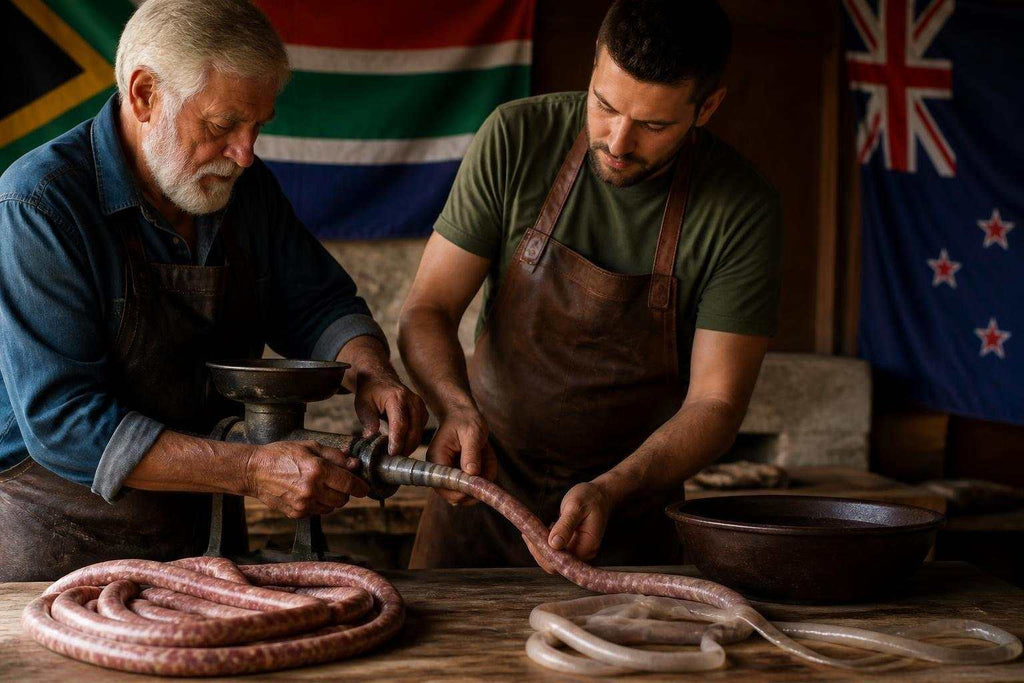
For South Africans living in New Zealand, few culinary traditions hold as much cultural significance as making authentic boerewors and traditional sausages. The foundation of any exceptional sausage lies in selecting the right casing, and natural hog casings remain the gold standard for home sausage makers and professional butchers alike. Understanding where to source quality hog casing NZ options, how to prepare them correctly, and which specifications suit different sausage varieties transforms good sausages into outstanding ones that rival those from back home.
Understanding Natural Hog Casings
Natural hog casings derive from the submucosa layer of pig intestines, a naturally edible and incredibly versatile material that has been used for centuries in sausage production worldwide. These casings offer superior breathability compared to synthetic alternatives, allowing smoke and seasonings to penetrate the meat whilst maintaining structural integrity during cooking.
The quality of hog casing NZ suppliers provide typically meets international standards, with most casings imported from reputable sources or processed locally using stringent food safety protocols. The New Zealand Casings Company demonstrates the commitment New Zealand suppliers have towards delivering premium natural casings to both commercial operations and home enthusiasts.
Size Classifications and Applications
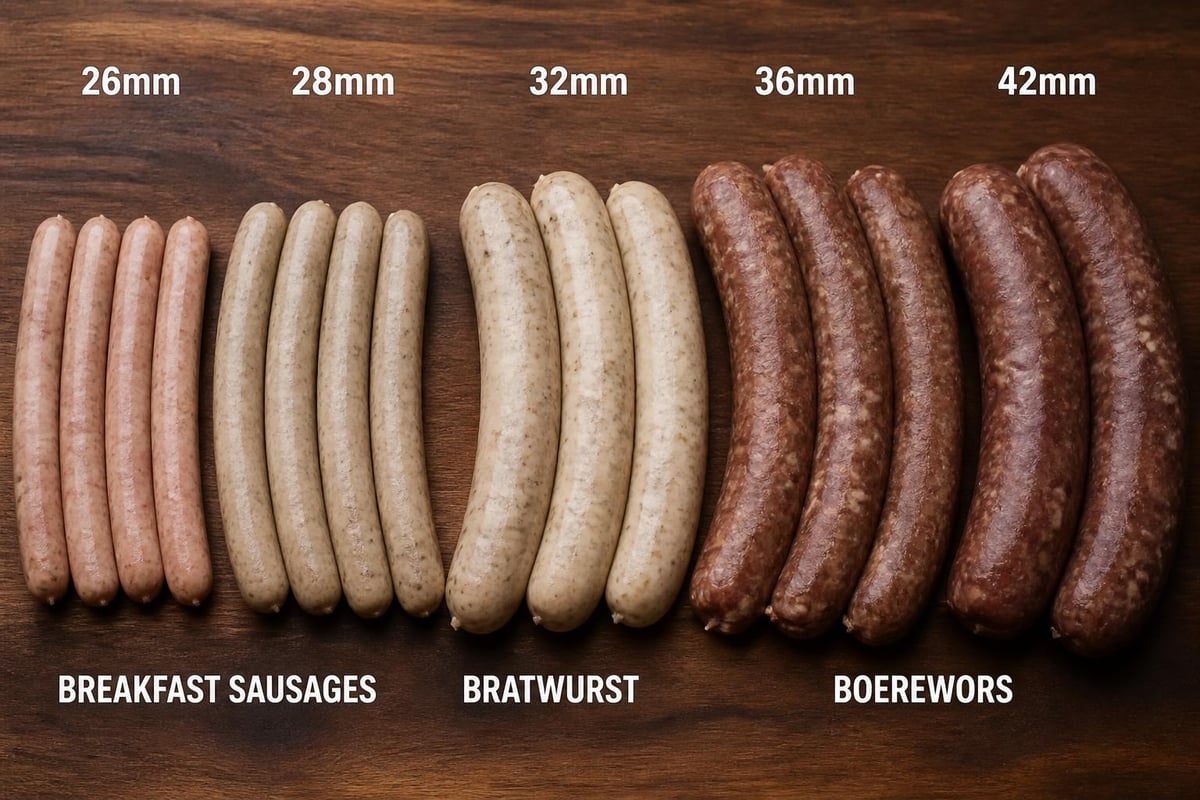
Hog casings come in various diameter ranges, each suited to specific sausage types:
- 26-28mm: Ideal for breakfast sausages and small frankfurters
- 32-35mm: Perfect for traditional boerewors, bratwurst, and medium sausages
- 38-42mm: Suitable for larger Polish sausages and some salami varieties
The 32-35mm range represents the most popular choice amongst South African expats in New Zealand, as it perfectly accommodates traditional boerewors recipes that require proper casing dimensions to achieve authentic texture and appearance.
Sourcing Quality Hog Casing NZ Options
New Zealand's sausage-making community benefits from multiple reliable suppliers offering both imported and locally processed casings. Quality considerations should always take precedence over price, as inferior casings can rupture during stuffing or cooking, ruining hours of careful preparation.
When evaluating hog casing NZ suppliers, examine these critical factors:
| Quality Factor | What to Look For | Why It Matters |
|---|---|---|
| Salt concentration | Properly preserved, not overly dry | Ensures flexibility and prevents tearing |
| Odour | Fresh, clean smell | Indicates proper processing and storage |
| Packaging | Vacuum-sealed or in brine | Maintains freshness and extends shelf life |
| Origin certification | Traceable source | Guarantees food safety compliance |
Local and Online Suppliers
Several reputable businesses throughout New Zealand stock natural hog casings. Something From Home carries natural hog casings specifically sized for boerewors, catering to the South African community seeking authentic ingredients. This South African food store in New Zealand stocks more than 2,500 South African products, making it a one-stop destination for expats recreating traditional dishes.
M&M Master Butchers provides comprehensive guidance alongside their casing products, helping first-time sausage makers navigate the learning curve. Their step-by-step resources prove invaluable for those transitioning from purchasing ready-made sausages to crafting their own.
Preparation and Handling Techniques
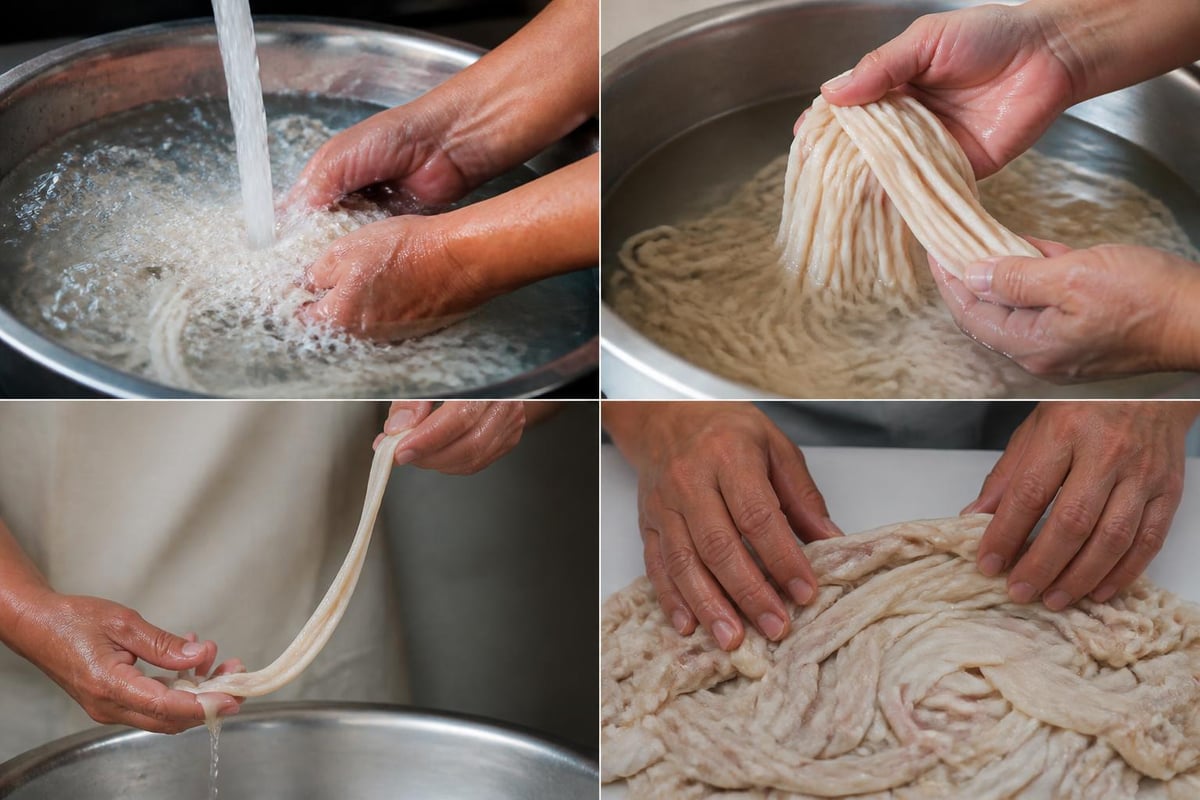
Proper preparation separates successful sausage making from frustrating failures. Natural hog casings arrive preserved in salt, requiring specific handling procedures before use.
Pre-Stuffing Preparation Steps
- Rinsing: Remove casings from packaging and rinse thoroughly under cool running water to eliminate excess salt
- Soaking: Submerge casings in lukewarm water for 30-60 minutes to restore pliability
- Flushing: Run water through the entire length to check for holes and remove any remaining salt
- Inspection: Examine for tears, weak spots, or damage before proceeding
The soaking duration significantly impacts workability. Under-soaked casings resist sliding onto stuffing tubes and may tear easily, whilst over-soaking can make them too slippery to handle effectively. Finding the optimal balance comes with experience, but 45 minutes typically yields ideal results for most hog casing NZ varieties.
Oskar Butcher provides detailed preservation guidance, ensuring casings maintain quality during storage between sausage-making sessions.
Making Authentic South African Boerewors
For South Africans in New Zealand, mastering boerewors represents more than culinary skill. It connects families to heritage, brings people together around the braai, and recreates cherished memories from home. Authentic boerewors requires specific spice blends, meat ratios, and crucially, properly sized casings.
Traditional boerewors contains at least 90% meat content, distinguishing it from standard sausages. The coarse mince texture, combined with coriander seed, cloves, nutmeg, and other spices, creates the distinctive flavour profile South Africans crave.
Essential Equipment and Ingredients
Equipment needed:
- Manual or electric sausage stuffer
- Hog casings (32-35mm diameter)
- Meat grinder (if processing your own meat)
- Large mixing bowls
- Kitchen twine
Core ingredients:
- Beef (preferably chuck or brisket)
- Pork shoulder (for fat content)
- Boerewors spice blend
- White vinegar
- Natural hog casings
Something From Home stocks authentic boerewors spice mixes alongside their hog casing NZ offerings, providing expats with complete ingredient solutions for recreating this beloved South African staple.
Storage and Shelf Life Considerations
Proper storage extends casing usability and prevents waste. Unused hog casings, when stored correctly, remain viable for extended periods.
Short-term storage (1-3 months): Store in original brine or create fresh salt solution (100g salt per litre of water). Keep refrigerated at 2-4°C in sealed containers.
Long-term storage (up to 12 months): Maintain in concentrated salt brine or vacuum-seal with salt. Store in freezer for extended preservation without quality degradation.
NZ Casings offers insights into maximising casing longevity through proper storage protocols, ensuring home sausage makers always have casings available when inspiration strikes.
Common Challenges and Solutions
Even experienced sausage makers encounter occasional difficulties. Understanding common issues and their remedies prevents frustration and wasted ingredients.
| Challenge | Cause | Solution |
|---|---|---|
| Casing bursts during stuffing | Over-stuffing or air pockets | Fill gently, prick air bubbles, leave some slack |
| Casings too brittle | Insufficient soaking | Extend soaking time, check water temperature |
| Difficulty sliding onto tube | Too much friction | Apply light oil coating, ensure adequate moisture |
| Sausages split during cooking | Excessive heat | Use lower temperatures, avoid direct flame initially |
Temperature Management During Stuffing
Room temperature significantly affects both meat and casings. Working with chilled ingredients (4-7°C) prevents fat smearing and maintains proper texture, whilst casings at room temperature provide optimal elasticity. This temperature differential requires planning but dramatically improves results.
Quantity Planning and Yield Calculations
Understanding how much casing you need prevents over-ordering or mid-project shortages. Hog casings typically sell by the hank or metre, with one hank containing approximately 90-100 metres.
Yield estimates:
- One metre of 32-35mm casing holds approximately 500-600g of sausage meat
- Standard hank (90m) produces roughly 45-54kg of finished sausages
- For home use, 10-metre portions offer manageable quantities
The Casing Boutique provides various packaging options, allowing purchasers to select quantities matching their production scale. First-time makers benefit from starting with smaller amounts whilst developing skills before committing to full hanks.
Comparing Natural Versus Synthetic Casings
Whilst synthetic casings offer consistency and convenience, natural hog casings deliver superior flavour development and textural qualities that synthetic alternatives cannot replicate. This distinction matters particularly for traditional preparations like boerewors, where authenticity defines the eating experience.
Natural hog casing advantages:
- Breathable structure enhances smoke penetration
- Provides authentic "snap" when bitten
- Edible and digestible
- Traditional appearance and texture
- Better flavour integration
Synthetic casing characteristics:
- Uniform diameter throughout
- Longer shelf life
- Lower cost per metre
- Less preparation required
- May require removal before eating
For South Africans seeking to recreate authentic tastes from home, natural hog casing NZ options remain the definitive choice. The sensory differences between natural and synthetic casings become immediately apparent, with natural casings delivering the familiar texture and mouthfeel associated with quality boerewors from South African butcheries.
Advanced Techniques for Experienced Makers
Once basic sausage-making skills develop, advanced techniques elevate results from good to exceptional. These methods require practice but produce noticeably superior sausages.
Creating Uniform Links
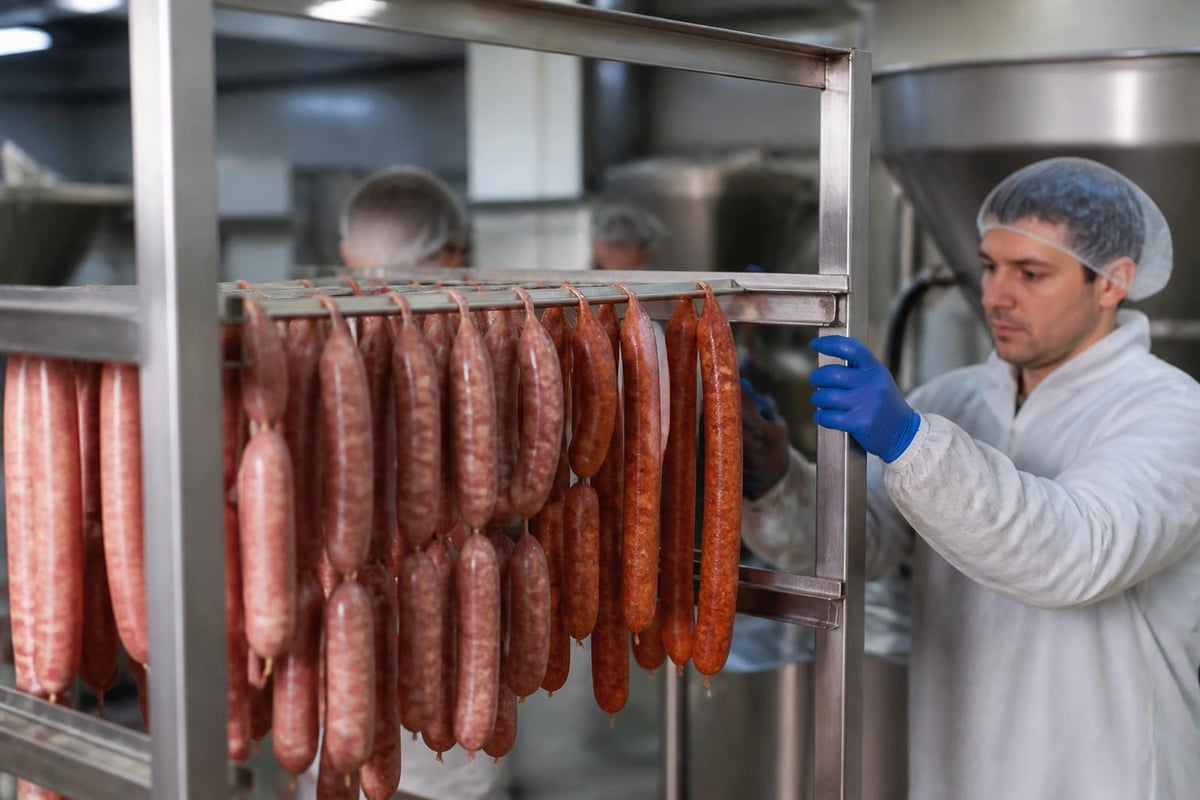
Professional-quality linked sausages require specific twisting techniques:
- Stuff continuous casing length without creating links
- Pinch desired link length and rotate 2-3 times
- Measure next link and rotate opposite direction
- Continue alternating rotation direction throughout chain
- Allow sausages to rest before separating
This alternating rotation prevents links from untwisting during handling and cooking. Many butchers complete this process with remarkable speed, though beginners should prioritise accuracy over velocity.
Developing Custom Spice Blends
Whilst commercial spice mixes provide convenience, creating personalised blends allows flavour customisation matching individual preferences. South African expats often adjust traditional recipes to accommodate New Zealand ingredient availability or family taste preferences.
The Cultural Significance of Sausage Making
For the South African diaspora in New Zealand, making boerewors transcends simple food preparation. It represents cultural preservation, family bonding, and maintaining connections to homeland traditions. Weekend braais featuring homemade boerewors recreate the social experiences that define South African culture.
Many South African families in New Zealand have established sausage-making traditions, with multiple generations participating in the process. Children learn spice ratios and stuffing techniques from parents, ensuring culinary heritage passes to new generations despite geographic distance from South Africa.
Something From Home understands this cultural connection, which explains why they stock not only hog casings but comprehensive ranges of South African spices, sauces, and ingredients enabling authentic recipe recreation. Their South African groceries collection supports expats in maintaining food traditions that define identity and community.
Quality Indicators When Purchasing
Discerning quality separates exceptional hog casing NZ products from inferior alternatives. Examine these indicators before purchase:
Visual assessment: Casings should appear translucent to slightly opaque, without excessive cloudiness indicating deterioration. Uniform thickness throughout the length suggests proper processing.
Texture evaluation: Quality casings feel supple when properly hydrated, neither slimy nor overly dry. They should slide easily onto stuffing tubes without excessive resistance.
Odour test: Fresh casings emit minimal odour. Strong or unpleasant smells indicate age or improper storage, suggesting compromised quality.
Kalahari NZ provides detailed product descriptions helping buyers understand what constitutes quality casings, ensuring informed purchasing decisions.
Building Sausage-Making Community
New Zealand's South African community often shares sausage-making knowledge through informal networks, social media groups, and community gatherings. These connections provide troubleshooting assistance, recipe exchanges, and camaraderie amongst fellow expats pursuing culinary traditions from home.
Local South African clubs frequently organise braai events where homemade boerewors features prominently. These gatherings strengthen community bonds whilst celebrating shared heritage through food. Experienced sausage makers mentor newcomers, ensuring skills and knowledge proliferate throughout the community.
Economic Considerations and Cost Analysis
Making sausages at home rather than purchasing them ready-made offers significant cost savings, particularly when producing larger quantities. Initial equipment investment requires consideration, but pays dividends through repeated use.
Startup costs:
- Sausage stuffer (manual): $80-$200
- Sausage stuffer (electric): $250-$600
- Meat grinder: $150-$400
- Hog casings (90m hank): $40-$70
Per-batch costs (5kg sausages):
- Meat and fat: $40-$60
- Spices and seasonings: $5-$10
- Casings: $4-$8
- Total: approximately $50-$80
Comparable quantities of quality ready-made boerewors from butchers or speciality shops typically cost $120-$180, demonstrating substantial savings potential. Beyond economics, homemade sausages allow complete control over ingredients, fat content, and spice intensity.
Seasonal Considerations and Planning
New Zealand's climate affects sausage-making conditions throughout the year. Summer heat requires additional precautions to maintain safe meat temperatures during processing, whilst winter's cooler conditions provide ideal working environments.
Summer strategies:
- Work in air-conditioned spaces
- Chill equipment before use
- Process smaller batches
- Maintain ingredient temperatures below 7°C
Winter advantages:
- Natural temperature control
- Longer safe working times
- Ideal conditions for smoking and curing
Many South African families in New Zealand time major sausage-making sessions around special occasions, holidays, and seasonal gatherings. Christmas, New Year, and Waitangi Day weekend often inspire large-scale boerewors production for family celebrations and community events.
Environmental and Sustainability Aspects
Natural hog casings represent an environmentally sustainable choice compared to synthetic alternatives. As by-products of meat processing, they utilise materials that would otherwise require disposal, embodying nose-to-tail philosophy and reducing waste.
Choosing hog casing NZ suppliers committed to ethical sourcing and environmental responsibility aligns sausage making with broader sustainability values. Many New Zealanders, including South African expats, increasingly prioritise these considerations when selecting food products and ingredients.
Future Trends and Innovations
New Zealand's artisan food movement continues growing, with increasing numbers of home cooks exploring traditional food preservation and preparation techniques. This trend benefits from improved equipment availability, online communities sharing knowledge, and suppliers like Something From Home making specialised ingredients accessible.
Younger generations of South African New Zealanders show renewed interest in traditional foods, seeking connections to cultural heritage through cooking. This resurgence ensures sausage-making skills and knowledge transfer to new practitioners, guaranteeing these traditions persist despite geographic distance from South Africa.
Making authentic sausages using quality natural hog casings connects South African expats in New Zealand to cherished culinary traditions whilst providing delicious results that rival anything available commercially. Whether you're crafting traditional boerewors for a weekend braai or experimenting with custom spice blends, selecting proper casings forms the foundation of success. Something From Home stocks natural hog casings alongside thousands of South African products, supporting the Kiwi-South African community in maintaining food traditions that define heritage and bring people together around shared meals.
-
Posted in
Boerewors, Hog Casing NZ, Natural Hog Casings, Sausage Making, Sausage Supplies