Sausage Maker NZ: Equipment, Techniques & Tips
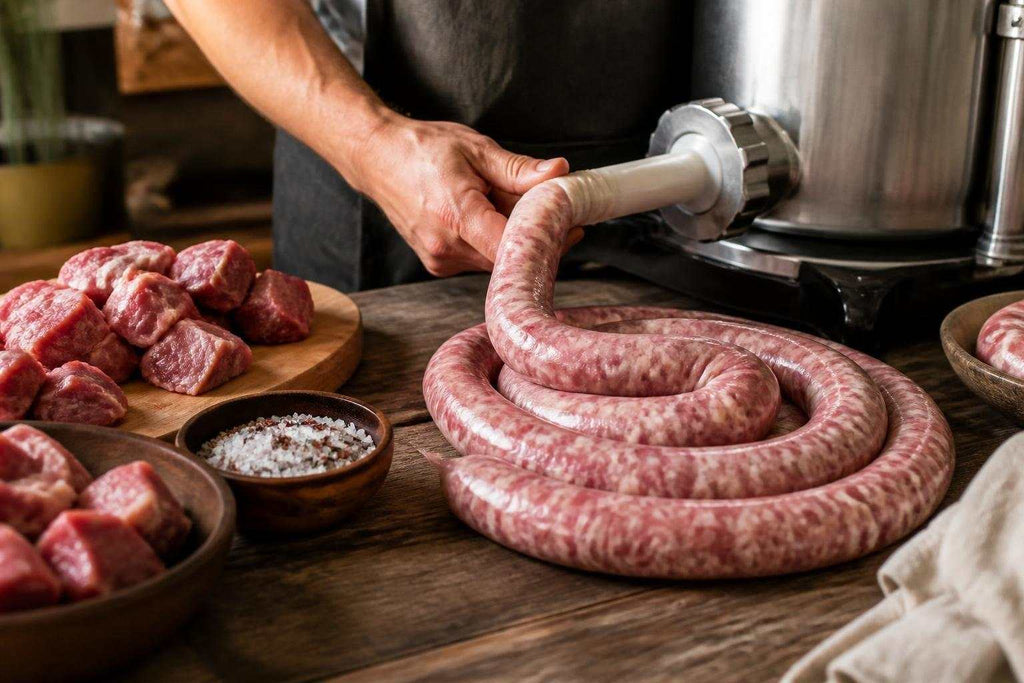
Making sausages at home has experienced a remarkable resurgence across New Zealand, particularly among South African expats who crave the authentic taste of traditional boerewors and other beloved sausage varieties. The right sausage maker nz equipment transforms this craft from intimidating to achievable, allowing home cooks to recreate the flavours that remind them of home. Whether you're seeking to produce classic South African boerewors, artisanal gourmet sausages, or experimenting with unique flavour combinations, understanding the equipment, techniques, and processes involved is essential for success.
Understanding Sausage Making Equipment in New Zealand
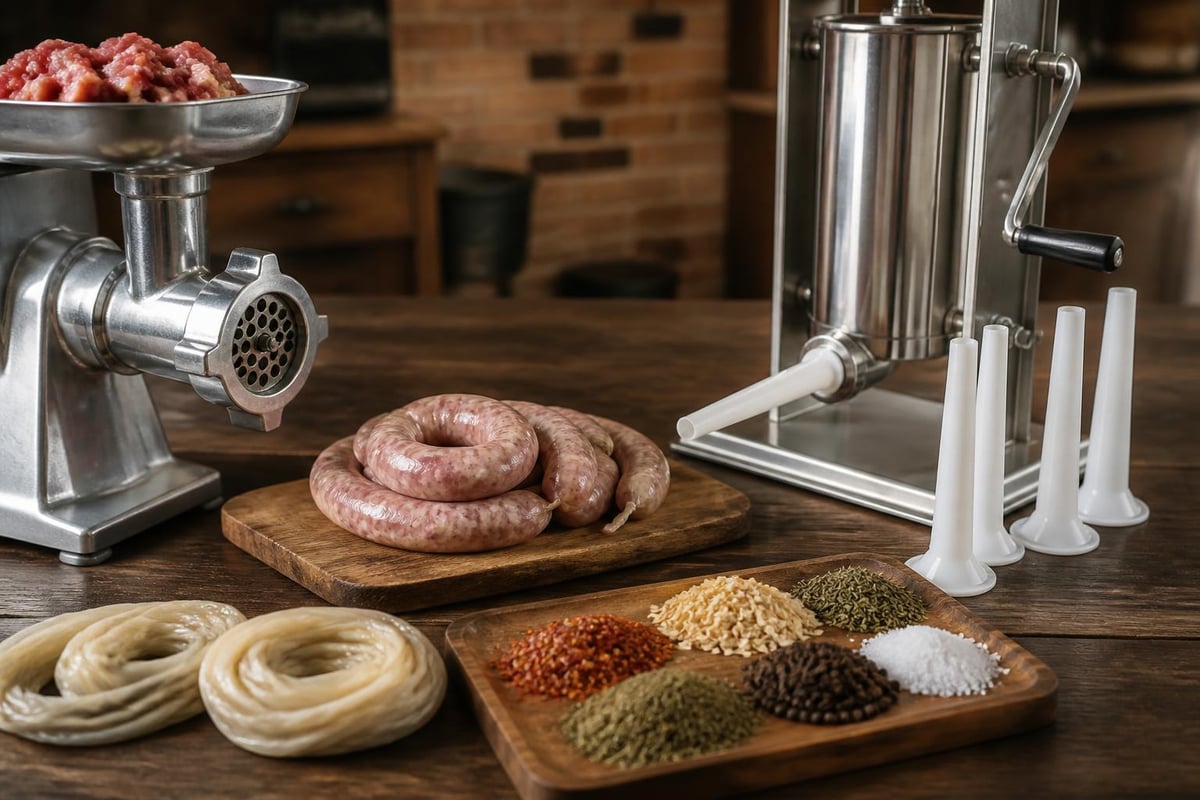
The foundation of successful sausage production begins with selecting appropriate equipment. A quality sausage maker nz setup typically consists of three primary components: a meat grinder, a sausage stuffer, and suitable casings. Each element plays a crucial role in achieving professional results at home.
Meat grinders process raw meat into consistent textures suitable for sausage filling. Manual grinders offer affordability and control, whilst electric versions provide speed and efficiency for larger batches. The KK SS08 Manual Meat Grinder represents an excellent mid-range option featuring stainless steel construction and versatile grinding capabilities.
Manual Versus Electric Sausage Stuffers
When selecting a sausage maker nz solution, the choice between manual and electric stuffers significantly impacts your production process:
- Manual stuffers require physical effort but offer precise control over filling pressure
- Electric models handle larger volumes efficiently with consistent pressure
- Vertical designs provide excellent leverage and easy operation
- Horizontal configurations work well for smaller batches and limited space
The KK Sausage Press 5L delivers professional results with its precision engineering and stainless steel build, accommodating substantial batches whilst maintaining control over texture and consistency.
Selecting the Right Casings for Your Sausages
Natural casings, typically sourced from sheep, pork, or beef intestines, provide authentic texture and traditional appearance. These casings allow smoke and heat penetration whilst shrinking with the meat during cooking, creating that satisfying snap when bitten.
Proper casing preparation separates amateur from professional results. Detailed instructions on using natural sausage casings emphasise rinsing thoroughly to remove salt preservation, soaking in lukewarm water for thirty minutes, and flushing water through to check for holes.
| Casing Type | Diameter | Best For | Texture |
|---|---|---|---|
| Sheep | 20-26mm | Breakfast sausages, snack sticks | Tender, delicate |
| Hog | 32-35mm | Traditional bratwurst, boerewors | Medium, snappy |
| Beef | 40-50mm | Summer sausage, salami | Robust, firm |
Synthetic casings offer consistency and longer shelf life, though many traditionalists prefer natural casings for authentic South African sausages. The choice ultimately depends on your intended product and personal preferences.
Mastering Traditional South African Boerewors
South Africans living in New Zealand often seek authentic boerewors that captures the distinctive flavour profile of home. This iconic sausage requires specific ratios and spices to achieve its characteristic taste. Traditional boerewors contains at least 90% meat content, typically beef with added pork fat for moisture and flavour.
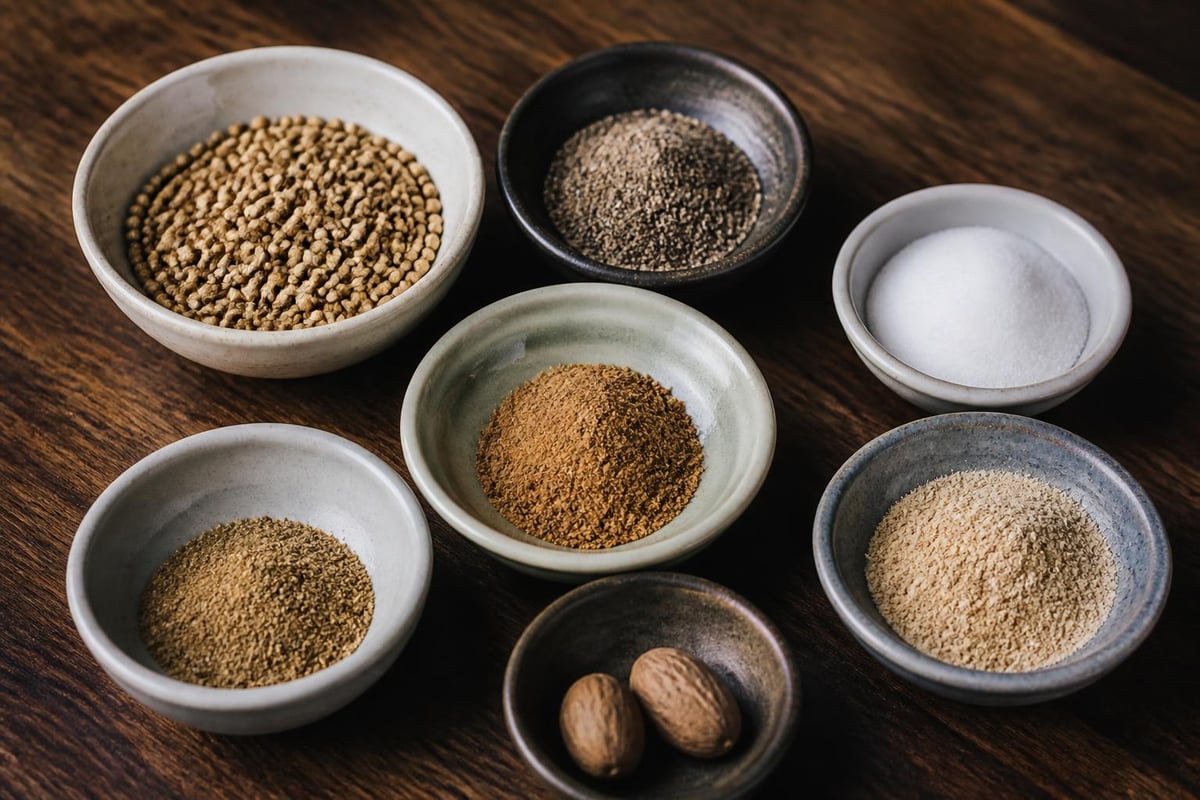
The spice blend differentiates exceptional boerewors from ordinary sausages. Essential ingredients include:
- Coriander seed (dominant flavour component)
- Black pepper (adds warmth and depth)
- Nutmeg (provides subtle sweetness)
- Cloves (contributes aromatic complexity)
- Vinegar (acts as preservative and flavour enhancer)
Many South African expats purchase authentic spice blends from Something From Home, which stocks traditional boerewors spices alongside more than 2,500 South African products. This ensures consistency with the flavours remembered from childhood braais.
Temperature Control and Meat Handling
Professional results demand meticulous attention to temperature throughout the sausage making process. Keep all ingredients, equipment, and workspace chilled between 0-4°C to prevent bacterial growth and fat smearing. This comprehensive guide on making sausages from New Zealand Casings Company emphasises working quickly with cold ingredients.
Fat distribution significantly affects final texture. Properly chilled fat remains distinct during grinding, creating that desirable marbled appearance rather than becoming a grey, homogeneous paste. If ingredients warm above 10°C during processing, immediately refrigerate everything before continuing.
Sausage Making Techniques for Optimal Results
Successful sausage production requires methodical technique beyond merely owning proper equipment. Expert sausage makers like Bill Dumas describe the craft as "consumable art," emphasising precision and technique refinement.
The grinding process establishes texture foundation. Coarse grinds suit rustic sausages like boerewors, whilst fine grinds work better for emulsified varieties such as frankfurters. Double grinding produces uniform texture, though single grinding preserves more distinct meat character.
Stuffing Techniques and Common Mistakes
Proper stuffing technique prevents air pockets, uneven thickness, and casing breakage. Advance the casing onto the stuffing tube completely before beginning, leaving 8-10cm trailing for tying. Fill casings firmly without overstuffing, which causes ruptures during cooking.
Common sausage maker nz mistakes include:
- Overstuffing casings until they're drum-tight
- Working with warm ingredients or equipment
- Insufficient seasoning mixing before stuffing
- Failing to test-cook a small portion before finishing entire batches
- Improper casing preparation leading to splits
Twisting sausages into links requires gentle pressure and alternating directions. Twist clockwise for the first link, then anticlockwise for the second, continuing this pattern to prevent links from unravelling.
Building Your South African Sausage Repertoire
Beyond traditional boerewors, numerous South African sausage varieties deserve exploration. Each region boasts distinctive recipes reflecting local preferences and available ingredients. South African food culture celebrates these variations, making sausage production both practical and culturally significant.
Droëwors represents dried sausage tradition, requiring specific moisture removal whilst preventing bacterial growth. This snack sausage demands patient air-drying in controlled environments, rewarding practitioners with intensely flavoured results perfect for hiking, road trips, or casual snacking.
Russias offer milder flavour profiles favoured by children and those preferring less spice intensity. These pink-tinged sausages combine pork, beef, and distinctive seasoning that many South Africans associate with childhood memories and family gatherings.
| Sausage Type | Primary Meat | Fat Content | Spice Profile | Cooking Method |
|---|---|---|---|---|
| Boerewors | Beef/Pork | 20-30% | Bold, coriander-forward | Braai, grill |
| Droëwors | Beef | 25-35% | Intense, concentrated | Air-dried, ready-to-eat |
| Russias | Pork/Beef | 15-25% | Mild, slightly sweet | Boiled, grilled |
| Skilpadjies | Lamb offal | Variable | Rich, earthy | Braai over coals |
Experimenting With Modern Flavour Combinations
Contemporary sausage makers increasingly experiment with non-traditional ingredients whilst respecting classical techniques. Cheese-infused boerewors, chilli variations, and herb-forward recipes expand traditional repertoires without abandoning foundational principles.
Popular modern adaptations include:
- Cheese and jalapeño boerewors for spice enthusiasts
- Peri-peri seasoned sausages reflecting Portuguese-African influences
- Lamb and rosemary combinations showcasing New Zealand's exceptional lamb
- Game meat sausages utilising venison, wild pork, or other local proteins
These innovations maintain the sausage maker nz tradition whilst adapting to local ingredient availability and evolving tastes. Many South Africans appreciate finding familiar South African dishes that can be recreated or purchased in New Zealand.
Equipment Maintenance and Food Safety
Proper equipment maintenance ensures longevity and consistent performance from your sausage maker nz investment. Stainless steel components resist corrosion whilst remaining easy to clean, making them preferable for serious practitioners.
Immediate cleaning after each use prevents residue hardening and bacterial colonisation. Disassemble grinders and stuffers completely, washing all components in hot soapy water. Sanitise with food-safe solutions before air-drying thoroughly to prevent moisture-related issues.
Storage practices significantly impact equipment lifespan:
- Store components in dry environments away from moisture
- Apply food-grade mineral oil to metal parts preventing rust
- Keep cutting blades sharp through regular professional sharpening
- Replace worn gaskets, seals, or damaged components promptly
- Document maintenance schedules ensuring nothing gets overlooked
Food safety extends beyond equipment cleanliness. Raw sausage requires refrigeration at 2-4°C and consumption within three days, or freezing for longer storage. Cooked sausages maintain quality for five to seven days when properly refrigerated.
Sourcing Quality Ingredients in New Zealand
Ingredient quality directly determines final sausage excellence. New Zealand's exceptional meat standards provide excellent foundations, though specific South African ingredients may require specialty sourcing.
Local butchers often provide custom meat cuts, fat trimmings, and valuable advice for sausage projects. Building relationships with butchers yields better prices, preferred cuts, and insider knowledge about seasonal availability.
South African spice blends and specialty ingredients present greater challenges. Something From Home addresses this gap by stocking authentic South African seasonings, allowing expats to recreate traditional flavours accurately. Their warehouse contains boerewors spices, biltong spice, and numerous other essential ingredients unavailable in mainstream New Zealand supermarkets.
Understanding Meat Quality and Selection
Different meat qualities suit specific sausage applications. Premium cuts aren't necessary, as grinding transforms tougher muscles into tender, flavourful sausages. Economical options include:
- Chuck roast providing excellent flavour and moderate fat
- Pork shoulder offering ideal fat-to-meat ratios
- Lamb shoulder creating distinctive flavour profiles
- Trimming collections from butchers at reduced prices
Fat content deserves careful attention. Insufficient fat produces dry, crumbly sausages lacking flavour, whilst excessive fat causes greasy texture and poor binding. Target 20-30% fat content for most applications, adjusting based on specific recipes and personal preferences.
Learning Resources and Community Support
Developing sausage making expertise requires ongoing education beyond initial equipment purchases. Numerous resources support skill development for those committed to mastering this craft.
Home Sausage Making books like Charles Reavis's comprehensive guide provide foundational knowledge, recipe collections, and troubleshooting advice. These references prove invaluable when experimenting beyond basic recipes or addressing unexpected challenges.
Online communities connect sausage maker nz enthusiasts sharing recipes, techniques, and equipment recommendations. Facebook groups focused on South African food in New Zealand offer particular value for expats seeking traditional recipes and ingredient sourcing advice.
Workshop participation accelerates learning through hands-on instruction and immediate feedback. Sausage making workshops in New Zealand occasionally feature international experts sharing specialised techniques and regional variations.
Troubleshooting Common Sausage Making Problems
Even experienced practitioners encounter occasional difficulties. Understanding common issues and solutions prevents frustration and wasted ingredients:
Sausages bursting during cooking typically indicates overstuffing or inadequate pricking. Reduce stuffing pressure and prick casings before cooking to release steam pressure.
Dry, crumbly texture suggests insufficient fat content or overcooking. Verify fat ratios and reduce cooking temperatures, allowing gentle heat penetration without moisture loss.
Grey, unappealing appearance results from warm ingredients causing fat smearing during grinding. Maintain strict temperature control throughout processing, chilling equipment and ingredients as necessary.
Poor flavour distribution occurs when seasonings aren't mixed thoroughly before grinding. Hand-mix meat and spices comprehensively, then refrigerate before processing to ensure even distribution.
Cost Considerations and Equipment Investment
Entering sausage making requires financial investment, though costs vary dramatically based on equipment selection and production volumes. Budget-conscious beginners can start modestly, upgrading as skills and requirements develop.
Entry-level manual equipment costs NZ$150-300, providing everything necessary for occasional small-batch production. Manual grinders and stuffers deliver satisfactory results whilst teaching fundamental techniques without substantial financial commitment.
Mid-range setups (NZ$500-1,000) introduce electric grinders, larger capacity stuffers, and premium construction materials. These investments suit regular producers making weekly batches for family consumption or small-scale commercial ventures.
Professional equipment exceeds NZ$1,500, featuring commercial-grade motors, substantial capacity, and enhanced durability. Such investments make sense only for serious enthusiasts or commercial operators processing significant volumes regularly.
Cost recovery occurs surprisingly quickly when comparing homemade versus purchased sausages. Quality boerewors retails for NZ$18-25 per kilogram in specialty shops, whilst homemade versions cost NZ$10-14 including ingredients and casings. Equipment investment recovers within 15-20 kilograms of production.
The Cultural Connection for South African Expats
For South Africans living in New Zealand, sausage making transcends mere food preparation, representing cultural maintenance and identity preservation. The ritual of creating boerewors, hosting braais, and sharing traditional foods maintains connections to heritage whilst building new communities abroad.
Many expats describe sausage making as meditative practice connecting them to family traditions and childhood memories. The distinctive coriander aroma transports practitioners back to weekend braais, family gatherings, and cultural celebrations that defined South African life.
Sharing homemade sausages creates opportunities for cultural exchange, introducing Kiwi friends and neighbours to South African food traditions. These interactions often spark broader conversations about immigration experiences, cultural adaptation, and the foods that define identity.
The growing South African community in New Zealand supports numerous businesses catering to expat needs. Something From Home exemplifies this trend, providing authentic products that enable cultural food practices without requiring international shipping or compromise on quality.
Beyond sausages, exploring South African recipes like vetkoek or traditional curry dishes reinforces cultural connections whilst showcasing South Africa's diverse culinary heritage. These practices maintain traditions for younger generations who might otherwise lose connection to their cultural roots.
Advanced Techniques and Specialty Equipment
Experienced sausage makers eventually explore advanced techniques requiring specialised equipment and knowledge. Smoking sausages introduces entirely new flavour dimensions, requiring dedicated smokers or adaptations to existing equipment.
Cold smoking preserves whilst adding distinctive flavour without cooking. This technique demands precise temperature control maintaining 15-25°C throughout extended smoking periods. Traditional droëwors benefits significantly from cold smoking before the drying process.
Hot smoking simultaneously cooks and flavours, producing ready-to-eat products with complex taste profiles. Cherry, apple, and hickory woods impart different characteristics, allowing endless experimentation.
Fermentation represents another advanced frontier, creating salami and other preserved sausages through controlled bacterial culture. This technique requires understanding pH levels, temperature gradients, humidity control, and food safety protocols beyond basic sausage making.
Specialised equipment for advanced techniques includes:
- Digital pH meters monitoring fermentation progress
- Humidity-controlled chambers for drying
- Precision thermometers ensuring safety and quality
- Vacuum sealers extending shelf life
- Dedicated curing chambers with automated controls
These investments suit only dedicated practitioners committed to expanding their craft beyond traditional fresh sausages into preserved and specialty products.
Sustainability and Ethical Considerations
Modern consumers increasingly consider sustainability and ethics when selecting foods and production methods. Home sausage making aligns well with these values when approached thoughtfully.
Whole-animal utilisation reduces waste by transforming less desirable cuts into premium products. Offal, trimmings, and tougher muscles become delicious sausages rather than waste, honouring animals and reducing environmental impact.
Sourcing local ingredients minimises transportation emissions whilst supporting regional farmers and economies. New Zealand's pastoral farming systems generally employ higher animal welfare standards than intensive international operations, providing ethical confidence.
Making sausages at home eliminates packaging waste associated with commercial products. Casings represent the only single-use component, and natural casings are biodegradable, minimising environmental impact.
Preserving traditional techniques maintains cultural knowledge that might otherwise disappear in our industrialised food system. Teaching younger generations these skills ensures continuity whilst fostering appreciation for food origins and production processes.
Creating exceptional sausages at home requires proper equipment, quality ingredients, and dedication to technique mastery. Whether you're a South African expat recreating beloved boerewors or a culinary enthusiast exploring artisanal sausage craft, the right sausage maker nz setup transforms this traditional practice into an accessible, rewarding hobby. For authentic South African spices and ingredients that make traditional recipes possible, Something From Home provides everything needed to maintain your cultural food traditions whilst living in New Zealand.