Beef Bobotie: South Africa's Iconic Spiced Mince Dish
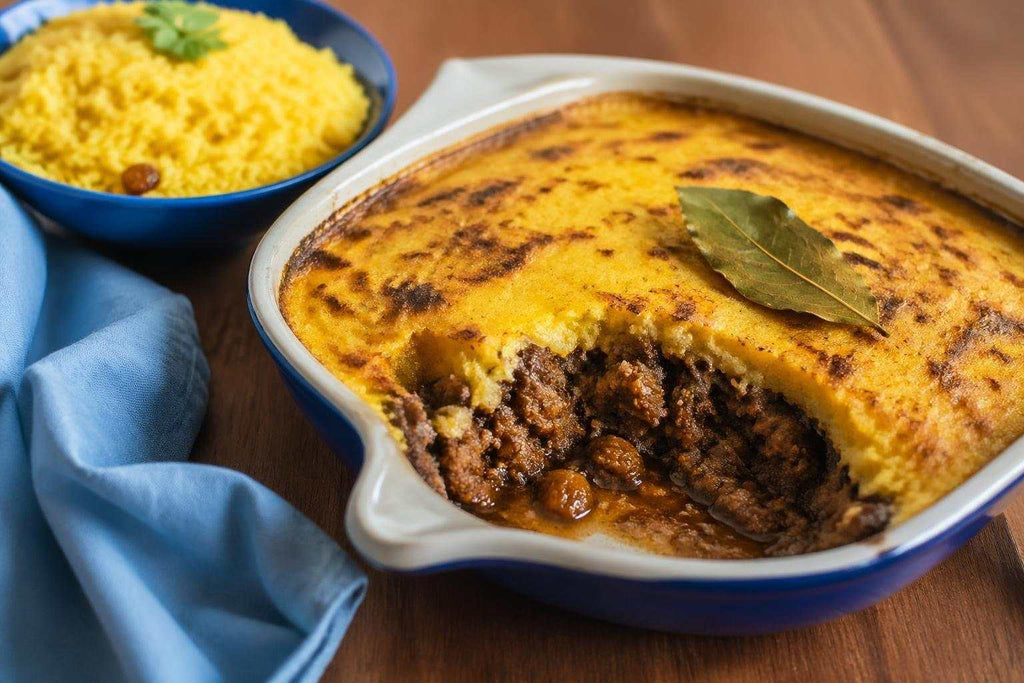
Few dishes capture the essence of South African cuisine quite like beef bobotie. This aromatic, spiced mince dish topped with a golden egg custard represents centuries of culinary tradition, blending flavours from Cape Malay heritage with European influences. For South Africans living in New Zealand, this comfort food evokes powerful memories of home-cooked family meals and Sunday gatherings. The combination of savoury minced beef, sweet dried fruit, and fragrant curry spices creates a unique flavour profile that distinguishes South African food culture from any other global cuisine.
The Rich History Behind Beef Bobotie
The origins of beef bobotie trace back to the 17th century Cape of Good Hope, where Indonesian and Malay influences shaped South African cuisine in profound ways. Dutch settlers and their enslaved workers from the East Indies brought together European cooking techniques with Asian spices, creating what would become a distinctly South African dish.
The name itself likely derives from the Indonesian dish "bobotok," which shares similar characteristics of spiced minced meat. However, the South African version evolved to incorporate local ingredients and tastes, particularly the addition of dried fruit like raisins or sultanas, which provides the signature sweet-savoury balance.
Cape Malay Culinary Influence
Cape Malay communities refined beef bobotie into the beloved national dish it is today. These communities, descendants of slaves and political exiles from Southeast Asia, brought sophisticated spice knowledge and cooking techniques that transformed simple ingredients into complex, layered flavours.
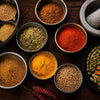
Traditional recipes often include:
- Curry powder for warmth and depth
- Turmeric for colour and earthiness
- Dried apricots or raisins for sweetness
- Chutney (particularly Mrs Ball's) for tangy complexity
- Lemon or bay leaves for aromatic notes
Authentic Beef Bobotie Recipe Components
Creating authentic beef bobotie requires understanding the balance between its essential components. Unlike many Western mince dishes, this South African speciality demands attention to the interplay between sweet and savoury, mild and spiced, creamy and textured.
Essential Ingredients Breakdown
| Ingredient Category | Purpose | Common Options |
|---|---|---|
| Protein Base | Foundation | Beef mince (500-750g) |
| Aromatics | Flavour base | Onions, garlic, ginger |
| Spices | Complexity | Curry powder, turmeric, coriander |
| Sweetness | Balance | Raisins, sultanas, apricots, chutney |
| Moisture | Texture | Milk-soaked bread, stock |
| Topping | Signature finish | Egg and milk custard |
The milk-soaked bread serves a crucial function beyond mere filler. It absorbs the meat juices during baking, creating moisture and preventing the dish from drying out. Most traditional South African bobotie recipes call for white bread soaked in full-cream milk, though some modern variations use brown bread or even rusks.
The Custard Topping Technique
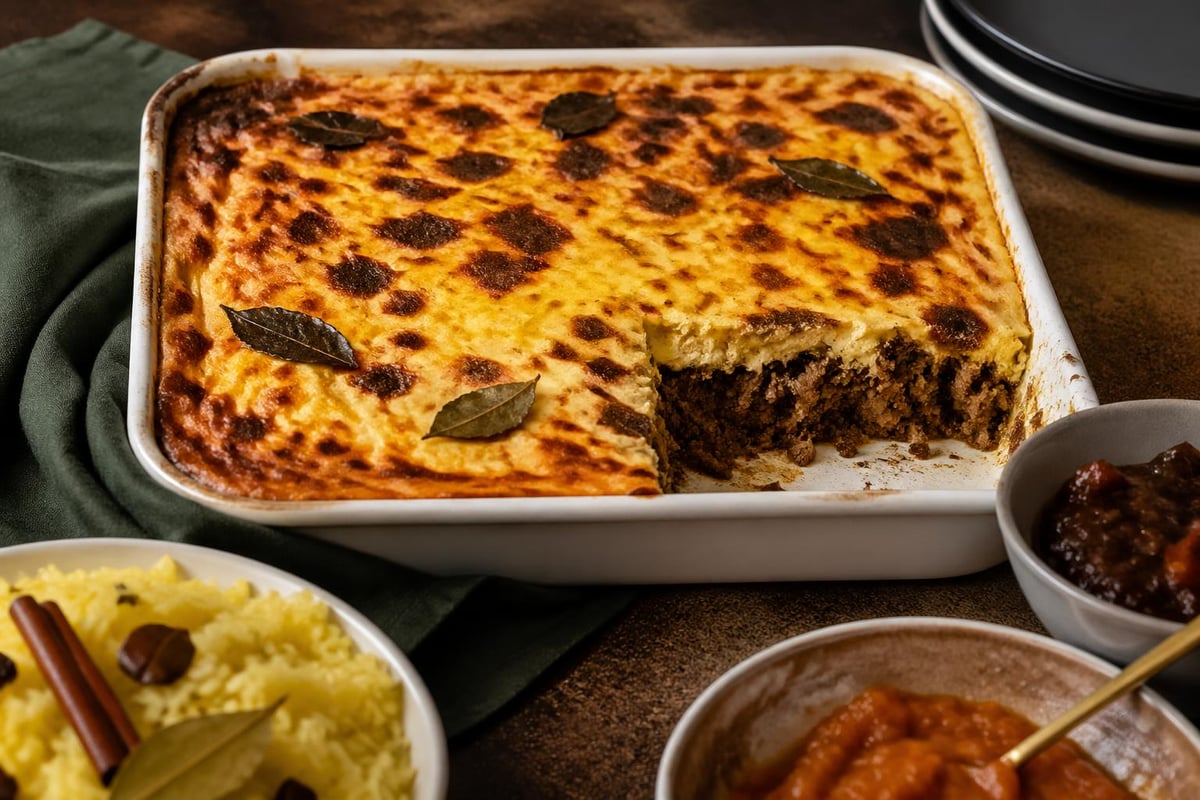
What truly distinguishes beef bobotie from other spiced mince dishes is the golden egg custard that crowns the finished product. This layer requires precise timing and temperature control. The custard mixture typically combines:
- Two to three beaten eggs
- 250ml full-cream milk
- A pinch of turmeric for colour
- Optional bay leaves for presentation
The custard should be poured over partially cooked mince, then returned to the oven until set but still slightly wobbly in the centre. Overbaking creates a rubbery texture, whilst underbaking leaves it runny.
Preparing Perfect Beef Bobotie at Home
Many South Africans in New Zealand find themselves craving this nostalgic dish, particularly during cooler months when hearty, warming meals appeal most. Fortunately, beef bobotie proves relatively straightforward to prepare, though sourcing authentic ingredients can present challenges.
Step-by-Step Cooking Method
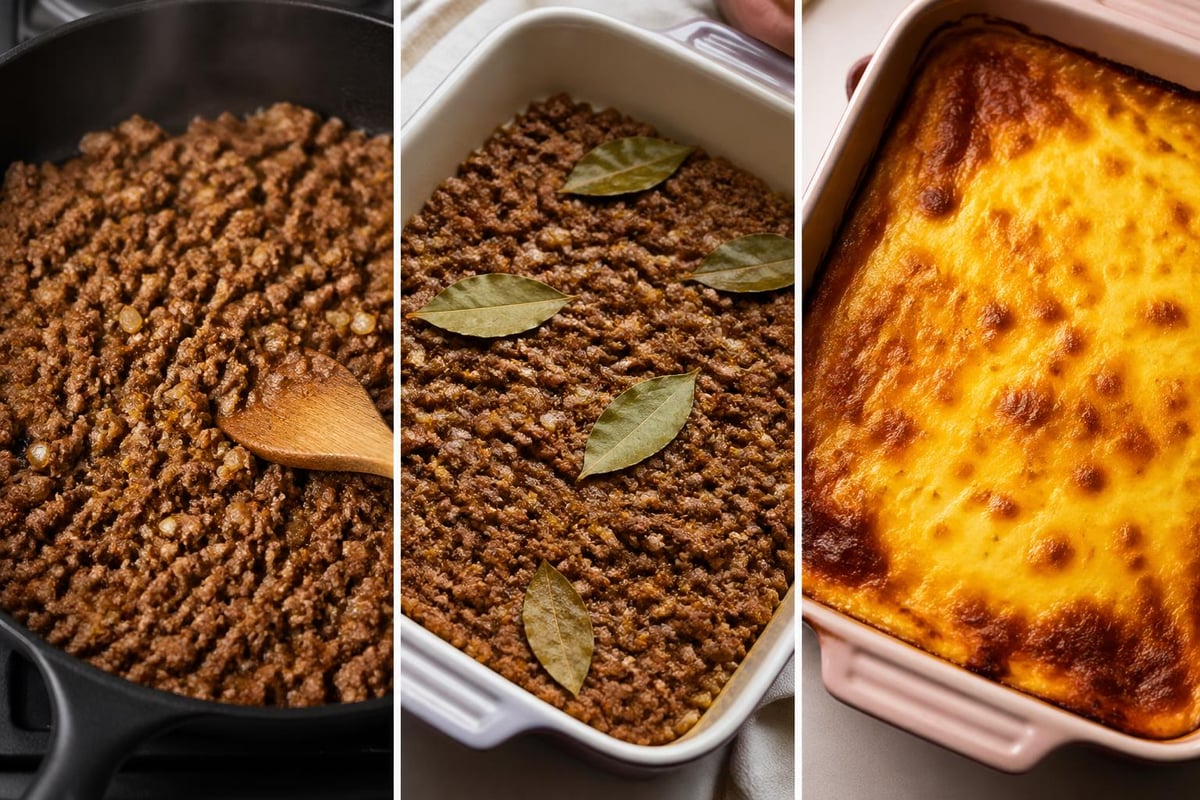
Initial preparation begins with soaking two slices of bread in milk whilst you prepare your aromatics. Dice one large onion finely and crush two garlic cloves. In a large pan, sauté these in butter or oil until softened and fragrant.
Building flavour layers comes next. Add 500-750g beef mince to your aromatics, breaking it up as it browns. Once no pink remains, stir through two tablespoons curry powder, one teaspoon turmeric, and half a teaspoon each of ground coriander and ginger. The spices should cook for one to two minutes to release their aromatic oils.
Incorporating sweetness and moisture requires squeezing excess milk from your soaked bread (reserve this milk) and adding the bread to your mince mixture. Stir through 75g raisins or sultanas, two tablespoons chutney, one tablespoon apricot jam, and the juice of half a lemon. Season generously with salt and black pepper.
- Transfer mixture to a greased ovenproof dish
- Press down firmly to create an even layer
- Insert bay leaves vertically for traditional presentation
- Bake at 180°C for 25 minutes
Finishing with custard transforms the dish from spiced mince to authentic beef bobotie. Combine your reserved milk with additional milk to reach 250ml total, whisk in two beaten eggs and a pinch of turmeric, then pour gently over the partially cooked mince. Return to the oven for 20-25 minutes until the custard sets and turns golden.
Regional Variations and Modern Adaptations
Whilst beef bobotie remains the most popular version, South African cooks have developed numerous variations over generations. These adaptations reflect both regional preferences and ingredient availability, particularly relevant for expatriates living abroad.
Protein Alternatives
Lamb bobotie offers a richer, more gamey flavour profile that some families prefer. The preparation method remains identical, though lamb benefits from slightly longer cooking times. Chicken bobotie presents a lighter alternative, popular among health-conscious cooks, though it requires careful moisture management to prevent drying.
Vegetarian bobotie has gained traction in recent years, substituting lentils, chickpeas, or textured vegetable protein for mince. These versions maintain the essential spice profile whilst appealing to plant-based diets.
Contemporary Twists
Modern South African cooks experiment with fusion approaches:
- Adding coconut milk for creaminess
- Incorporating butternut or sweet potato
- Using different dried fruits like cranberries or dates
- Experimenting with various curry powder blends
- Creating individual portions in ramekins
Traditional Serving Suggestions and Accompaniments
Beef bobotie rarely appears alone on South African tables. The dish traditionally forms part of a spread that balances the rich, spiced mince with fresh, crunchy, and tangy elements.
Classic Side Dishes
Yellow rice (geelrys) stands as the most traditional accompaniment, its turmeric-infused grains and sweet raisin additions complementing the bobotie perfectly. The rice preparation involves cooking with turmeric, cinnamon sticks, and raisins until fragrant and golden.
Sambals provide essential contrast through their fresh, sharp flavours:
- Tomato and onion sambal (fresh diced tomatoes with onion and vinegar)
- Banana sambal (sliced banana with lemon juice)
- Cucumber sambal (grated cucumber with salt)
- Chilli sambal (fresh chillies with vinegar)
A green salad with a simple vinaigrette cuts through the richness, whilst chutney (particularly popular South African varieties like Mrs Ball's) adds extra tang and sweetness.
Creating an Authentic South African Meal Experience
| Course Element | Purpose | Examples |
|---|---|---|
| Main dish | Centrepiece | Beef bobotie |
| Starch | Foundation | Yellow rice, white rice, or potatoes |
| Fresh element | Contrast | Mixed green salad |
| Condiments | Flavour accents | 3-4 different sambals |
| Extras | Authenticity | Chutney, sliced banana, desiccated coconut |
Sourcing Authentic Ingredients in New Zealand
For South Africans living in New Zealand, recreating authentic beef bobotie requires accessing specific ingredients that define the dish's characteristic flavour. Whilst basic components like mince, eggs, and milk remain readily available at any supermarket, certain items prove more challenging to locate.
Curry powder presents the first consideration. Whilst generic curry powders exist in New Zealand supermarkets, they often lack the specific blend of spices that South African recipes require. Authentic South African curry powder typically contains a higher proportion of turmeric and coriander, creating the distinctive golden colour and flavour profile.
Finding South African Specialty Ingredients
Chutney represents perhaps the most critical specialty ingredient. Mrs Ball's Chutney, a staple in South African households since 1917, provides the exact sweet-tangy-spicy balance that defines traditional beef bobotie. New Zealand supermarkets stock various chutneys, but none replicate the specific flavour profile South Africans grew up with.
Something From Home stocks an extensive range of authentic South African groceries, making it significantly easier for Kiwi-based South Africans to prepare traditional dishes. This South African food store operates as both a physical warehouse and online shop, delivering more than 2,500 South African products throughout New Zealand.
Essential South African ingredients available through specialty importers include:
- Authentic South African curry powder blends
- Mrs Ball's Original and Hot Chutney varieties
- Aromat seasoning (optional but traditional)
- South African spice mixes
- Bisto gravy powder (for some recipe variations)
Many expatriates report that accessing South African groceries online significantly improves their ability to recreate authentic home recipes, maintaining cultural connections through food.
The Cultural Significance of Bobotie in South African Identity
Beyond its delicious flavour, beef bobotie carries deep cultural meaning within South African society. The dish appears at significant family gatherings, Sunday lunches, and cultural celebrations, serving as edible heritage that connects generations.
Symbol of Unity and Diversity
Bobotie embodies South Africa's multicultural identity, representing how different cultural groups contributed to creating something uniquely South African. The dish's evolution from Indonesian origins through Cape Malay refinement to national treasure illustrates the country's complex cultural tapestry.
National pride in beef bobotie extends beyond home kitchens. The dish frequently appears on restaurant menus, from casual bistros to fine dining establishments, often described as "South Africa's national dish" alongside bunny chow and boerewors.
Comfort Food for Expatriates
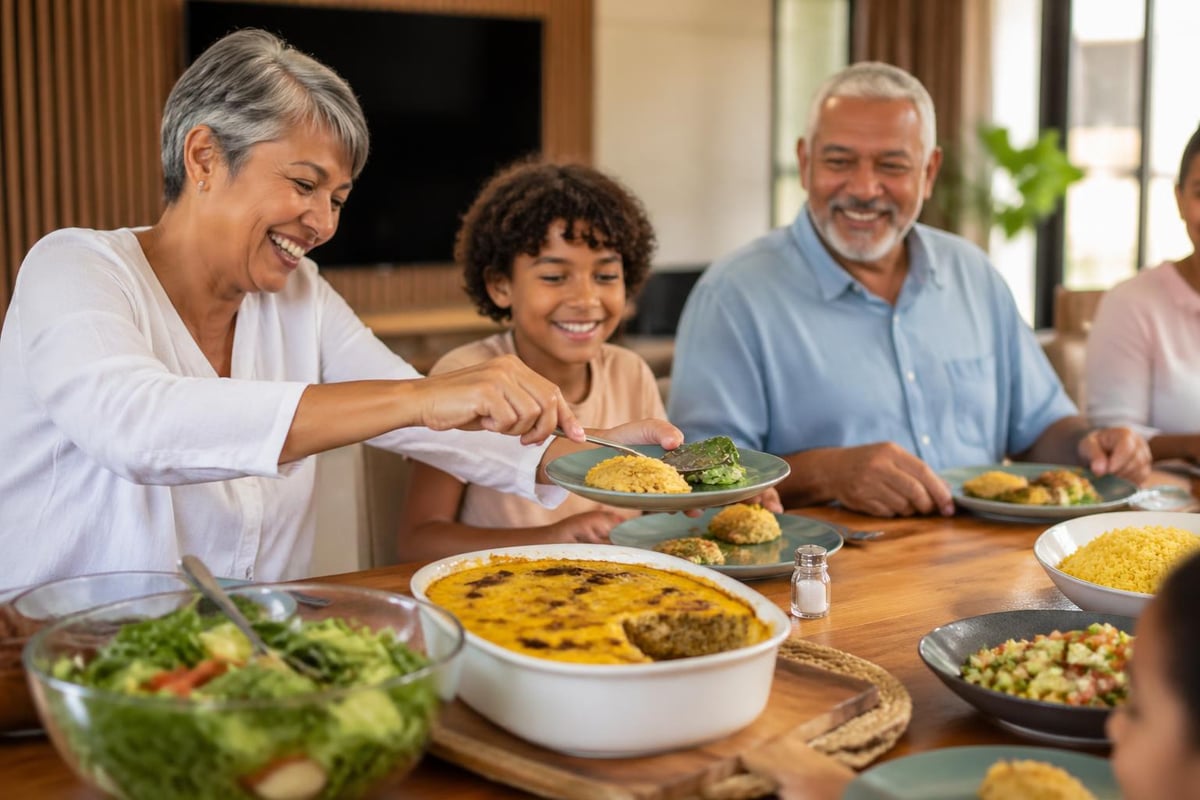
For South Africans living abroad, particularly in New Zealand, beef bobotie represents more than sustenance. The aroma of curry spices, the sight of golden custard, and the taste of sweet-savoury mince trigger powerful memories of home, family, and belonging.
Expatriate communities often gather around traditional meals, with beef bobotie serving as a centrepiece that reinforces cultural identity whilst adapting to new environments. These gatherings become spaces where South African culture persists, stories are shared, and younger generations learn about their heritage.
Nutritional Considerations and Dietary Adaptations
Modern health consciousness has prompted many cooks to examine beef bobotie's nutritional profile and explore healthier variations without sacrificing authentic flavour.
Standard Nutritional Profile
A typical serving of traditional beef bobotie (approximately 250g) contains:
- 350-450 calories
- 20-25g protein
- 15-20g fat
- 30-35g carbohydrates
- Notable amounts of iron, B vitamins, and zinc
The dried fruit provides natural sugars and fibre, whilst the egg custard adds protein and essential nutrients. However, the dish's saturated fat content from beef mince and full-cream milk warrants consideration for those monitoring intake.
Healthier Preparation Methods
Lean mince selection significantly reduces fat content without dramatically altering flavour. Choosing beef mince with 5-10% fat rather than standard 20% fat cuts saturated fat substantially whilst maintaining moisture through the milk-soaked bread.
Dairy modifications offer another avenue for health-conscious cooks:
- Substituting low-fat or skim milk for full-cream milk
- Using Greek yoghurt in place of some milk for added protein
- Reducing egg yolks in the custard mixture
Portion control naturally suits beef bobotie, as the dish's richness satisfies with moderate serving sizes. Pairing with generous portions of fresh salad and sambals creates a balanced meal that doesn't feel restrictive.
Storing, Freezing, and Reheating Beef Bobotie
One of beef bobotie's practical advantages lies in its excellent make-ahead and storage properties. The dish often tastes even better the day after cooking, as flavours meld and develop overnight.
Refrigeration Guidelines
Cooked beef bobotie stores well in the refrigerator for three to four days when properly covered. The custard topping prevents the mince from drying out, maintaining moisture better than many leftover dishes. Always allow the bobotie to cool to room temperature before refrigerating, then cover tightly with foil or transfer to an airtight container.
Reheating requires gentle warmth to prevent the custard from becoming rubbery. Cover with foil and heat at 160°C for 20-25 minutes, or until warmed through. Microwave reheating works for individual portions, though the texture may suffer slightly compared to oven reheating.
Freezing for Long-Term Storage
Beef bobotie freezes exceptionally well, making it ideal for batch cooking. For best results:
- Prepare the dish completely through baking
- Allow to cool completely at room temperature
- Cut into portions or freeze whole
- Wrap tightly in plastic wrap, then foil
- Label with date and contents
- Freeze for up to three months
Thawing and reheating from frozen requires planning. Transfer to the refrigerator 24 hours before needed, allowing gradual thawing. Reheat as you would refrigerated bobotie, adding an extra 10-15 minutes to ensure thorough heating.
Teaching the Next Generation
Many South African parents living in New Zealand prioritise passing down traditional recipes to their children, ensuring cultural heritage persists across generations. Beef bobotie serves as an excellent teaching dish, offering multiple learning opportunities whilst creating family bonding experiences.
Age-Appropriate Kitchen Tasks
Young children (ages 5-8) can participate by:
- Measuring dried fruit and spices
- Tearing bread for soaking
- Stirring the milk-soaked bread
- Arranging bay leaves in the mince
Older children (ages 9-12) might handle:
- Chopping onions under supervision
- Browning the mince
- Mixing spices into the meat
- Whisking the egg custard mixture
Teenagers can prepare entire dishes with minimal supervision, learning timing, seasoning adjustments, and presentation skills that extend beyond single recipes.
Hosting a South African-Themed Dinner Party
Beef bobotie naturally anchors memorable dinner parties that introduce New Zealand friends to South African culture. The dish's exotic-yet-approachable flavour profile appeals to adventurous eaters whilst remaining accessible to conservative palates.
Menu Planning Considerations
Building a complete South African meal around beef bobotie creates an immersive cultural experience:
Starters might include samosas (another Cape Malay contribution), biltong and cheese platters, or peri-peri chicken skewers.
The main course features beef bobotie alongside yellow rice, multiple sambals, and a fresh green salad. Consider offering a braai element if weather permits, combining traditional oven-baked bobotie with grilled boerewors or sosaties.
Desserts could showcase malva pudding, koeksisters, or melktert, each representing different aspects of South African sweet traditions.
Beverages pair beautifully with bobotie's complex flavours. South African wines, particularly Pinotage or Chenin Blanc, complement the spiced mince excellently. Non-alcoholic options include rooibos iced tea or ginger beer.
The Economics of Home Cooking Versus Dining Out
Preparing beef bobotie at home offers significant cost advantages compared to restaurant dining, particularly relevant for families managing budgets in New Zealand's expensive food environment.
Cost Breakdown Analysis
| Ingredient | Approximate NZ Cost | Serves 6-8 |
|---|---|---|
| Beef mince (750g) | $12-15 | Primary protein |
| Onions, garlic, bread | $3-4 | Aromatics/base |
| Spices and curry powder | $2-3 | Flavour foundation |
| Dried fruit and chutney | $4-6 | Sweet elements |
| Eggs and milk | $3-4 | Custard topping |
| Total | $24-32 | $3-5 per serving |
Restaurant servings of beef bobotie in New Zealand typically cost $18-28 per person, making home preparation approximately 80% more economical. Additionally, home cooking allows customisation to family preferences and dietary requirements.
Troubleshooting Common Bobotie Challenges
Even experienced cooks occasionally encounter difficulties when preparing beef bobotie. Understanding common problems and their solutions ensures consistent success.
The Custard Won't Set
Problem: Runny custard after recommended baking time Solutions:
- Ensure accurate oven temperature with an oven thermometer
- Verify egg-to-milk ratio (2-3 eggs per 250ml milk)
- Extend baking time by 5-minute intervals
- Avoid opening oven door frequently during final baking
Dry, Crumbly Texture
Problem: Finished bobotie lacks moisture Solutions:
- Increase milk-soaked bread quantity
- Add beef stock to mince mixture
- Don't squeeze bread completely dry
- Reduce initial baking time before adding custard
- Use higher-fat mince (15-20% rather than 5%)
Burnt Custard Top
Problem: Dark brown or burnt custard surface Solutions:
- Reduce oven temperature to 160-170°C
- Cover loosely with foil during final cooking stages
- Position oven rack in centre rather than top position
- Monitor closely during final 10 minutes
Flavour Imbalances
Problem: Too sweet, too spicy, or lacking depth Solutions:
- Start with less dried fruit, adding more if needed
- Balance sweetness with lemon juice or vinegar
- Layer spices gradually, tasting as you go
- Allow flavours to develop overnight before serving
Beef Bobotie in South African Restaurants Worldwide
The global South African diaspora has carried beef bobotie to restaurants across continents, introducing international audiences to this distinctive dish. In New Zealand, several South African-themed restaurants feature bobotie on their menus, though availability varies by region.
Auckland, Wellington, and Christchurch host the largest South African expatriate communities, consequently supporting restaurants and food services that cater to homesick South Africans whilst introducing Kiwis to Afrikaans and Cape Malay cuisine. These establishments often report beef bobotie as a top-selling item, appreciated by both South African customers seeking nostalgia and curious New Zealanders exploring new flavours.
Beef bobotie stands as a testament to South Africa's rich culinary heritage, blending cultural influences into a dish that satisfies both stomach and soul. For South Africans living in New Zealand, recreating this iconic meal maintains vital connections to home whilst sharing cultural traditions with new communities. Whether you're preparing beef bobotie for the first time or the hundredth, sourcing authentic South African ingredients makes all the difference in achieving that perfect balance of flavours. Something From Home provides New Zealand's South African community with over 2,500 authentic products, ensuring your beef bobotie tastes exactly as it should-like a warm reminder of home delivered right to your door.