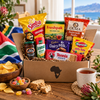
New Zealand Easter Eggs: A Cultural Journey
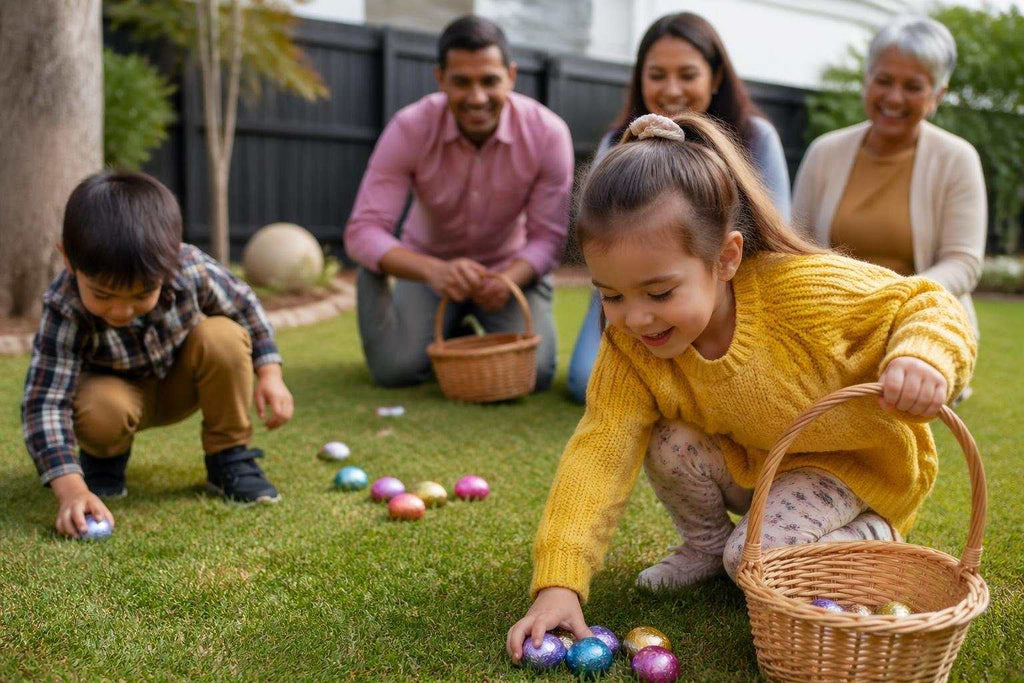
Easter celebrations in New Zealand hold a special place in the nation's cultural calendar, marked by unique traditions that blend European heritage with Southern Hemisphere distinctiveness. New Zealand Easter eggs have evolved from simple decorated chicken eggs to elaborate chocolate creations, reflecting the country's diverse multicultural population. For South African expatriates living in New Zealand, Easter represents an opportunity to maintain cherished traditions while embracing new customs, often seeking familiar products that remind them of home during this important holiday season.
The Evolution of Easter Eggs in New Zealand
The tradition of Easter eggs in New Zealand has undergone significant transformation since European settlement. Initially, decorated chicken eggs served as the primary Easter symbol, but the 20th century witnessed a dramatic shift towards chocolate alternatives.
From Traditional to Contemporary
New Zealand Easter eggs now encompass various forms:
- Chocolate eggs in sizes ranging from miniature to large hollow creations
- Hand-decorated eggs featuring Māori motifs and native designs
- Artisan chocolate eggs crafted by local chocolatiers
- Imported specialty eggs catering to diverse cultural communities
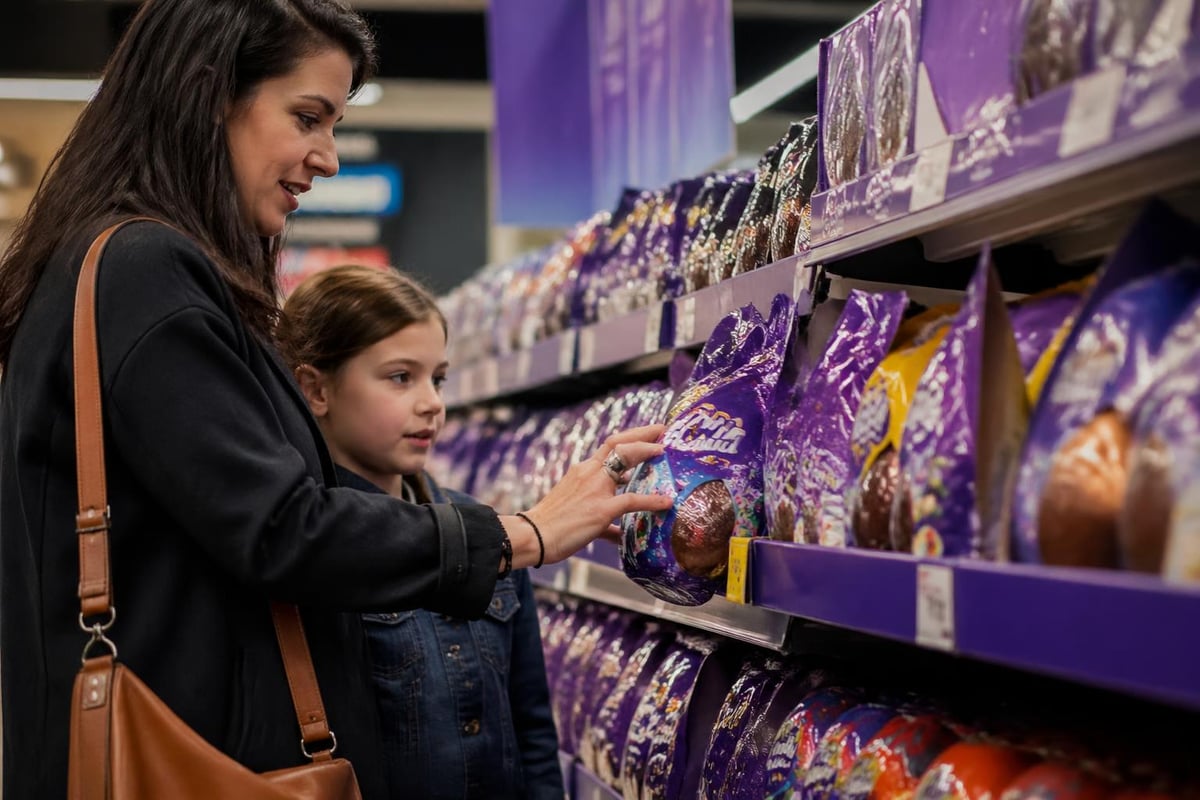
The commercial Easter egg market in New Zealand flourishes each year, with supermarkets dedicating entire aisles to chocolate products. However, rising costs have impacted prices, affecting consumer purchasing decisions throughout 2026.
Unique Autumn Easter Traditions
Unlike Northern Hemisphere countries where Easter coincides with spring, New Zealand celebrates Easter during autumn, creating distinctive customs. This seasonal difference influences how families approach egg hunts and outdoor celebrations.
Seasonal Considerations
The cooler autumn temperatures provide ideal conditions for chocolate Easter eggs, reducing melting concerns that plague Australian neighbours. New Zealand families often combine traditional egg hunts with autumn harvest festivals, creating uniquely Kiwi celebrations.
Weather patterns in late April typically offer mild conditions perfect for outdoor activities. Parks and gardens host community egg hunts, while beaches see families gathering for Easter Monday picnics featuring traditional foods alongside chocolate treats.
| Easter Activity | Autumn Advantage | Common Locations |
|---|---|---|
| Egg Hunts | Cooler weather protects chocolate | Parks, gardens, beaches |
| Family Picnics | Comfortable outdoor temperatures | Regional parks, reserves |
| Community Events | Pleasant walking conditions | Town centres, farms |
South African Easter Traditions in New Zealand
South African expatriates bring rich Easter traditions to New Zealand, creating a unique cultural blend. Many South Africans living in Aotearoa seek familiar products to recreate traditional Easter celebrations while adapting to local customs.
Traditional South African Easter Foods
Easter weekend in South African culture extends beyond chocolate eggs to encompass substantial family gatherings centred around food. Traditional dishes include hot cross buns with unique South African variations, pickled fish served on Good Friday, and extensive Sunday roast lunches.
The South African tradition of sharing meals connects deeply with Easter celebrations. Families often prepare popular South African dishes alongside Kiwi favourites, creating fusion feasts.
Sourcing South African Products
Finding authentic South African Easter products in New Zealand once presented challenges for expatriates. Today, specialised retailers stock familiar items year-round. Something From Home operates as a dedicated South African food store in New Zealand, maintaining over 2,500 South African products including seasonal Easter items.
Many South Africans prefer specific chocolate brands from home, seeking out familiar taste profiles unavailable in standard New Zealand supermarkets. These preferences extend beyond Easter, encompassing everyday South African groceries that maintain connections to heritage.
The Chocolate Manufacturing Perspective
New Zealand's chocolate industry approaches Easter with strategic planning, yet some manufacturers make surprising choices. Whittaker's notably avoids producing traditional Easter eggs, focusing instead on block chocolate and other formats throughout the year.
This business decision reflects manufacturing realities and market positioning. Creating egg moulds requires substantial investment for products sold during a limited seasonal window. Instead, many New Zealand chocolate makers offer Easter-themed packaging for existing products.
International Chocolate Imports
The absence of certain local Easter egg varieties creates opportunities for imported products. New Zealand Easter eggs frequently include British, European, and South African brands, each bringing distinctive flavours and formulations.
South African chocolate carries specific taste profiles developed for local palates, often featuring higher sugar content and unique flavour combinations. Expatriates frequently request these familiar brands during Easter, maintaining taste memories from childhood.
Multicultural Easter Celebrations
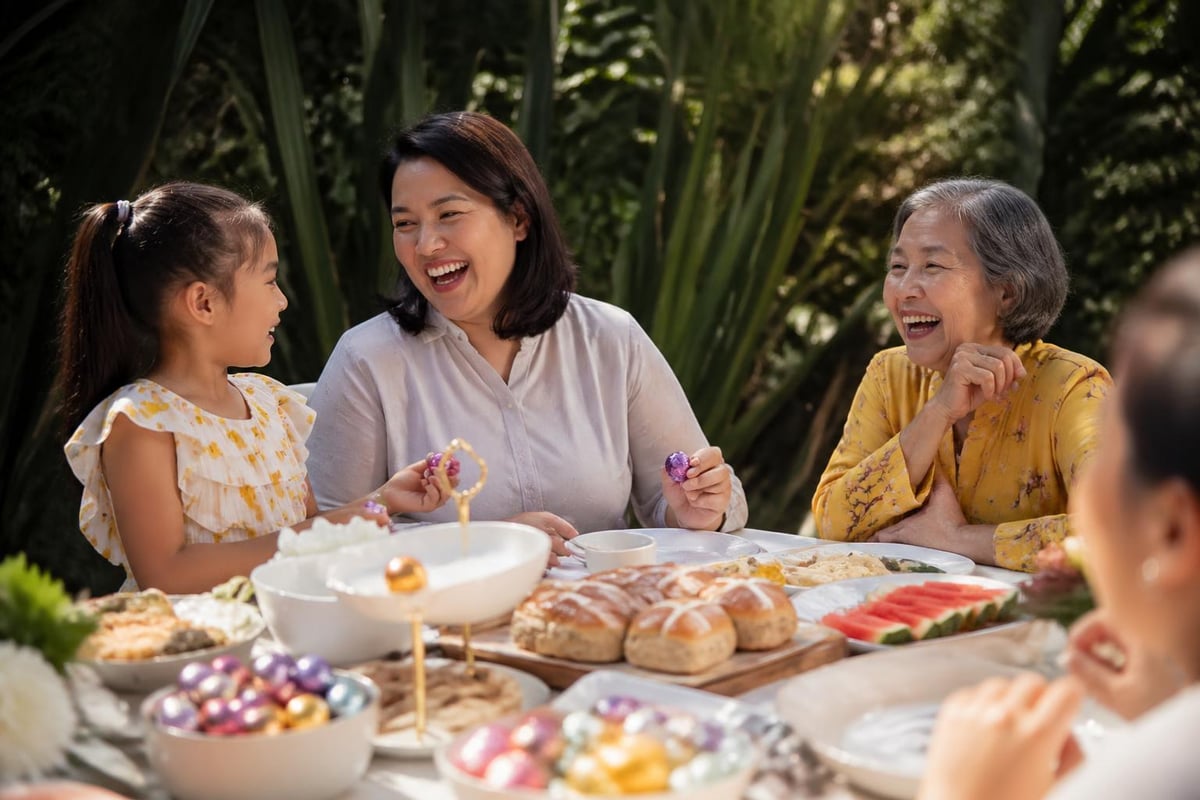
New Zealand's diverse population creates varied Easter expressions. Asian communities celebrate with unique traditions, decorating eggs with intricate designs and incorporating regional foods into Easter meals.
Cultural Fusion
This multicultural approach enriches New Zealand Easter eggs beyond simple chocolate consumption. Communities share traditions, with Kiwi families adopting international customs while migrants embrace local practices.
South African families often host braais over Easter weekend, combining traditional outdoor cooking with chocolate egg hunts. The braai culture translates well to New Zealand's outdoor lifestyle, creating seamless cultural integration.
Common multicultural Easter elements include:
- Decorated eggs featuring cultural motifs
- Traditional foods from various heritages
- Blended celebration styles combining Kiwi and international customs
- Shared community events embracing diversity
Historical Significance of Eggs in New Zealand
Beyond Easter, eggs hold unique historical importance in New Zealand. Moa eggs represent precious archaeological artifacts, providing insights into extinct species and Māori history. These rare specimens contrast sharply with commercialised Easter eggs yet share symbolic connections to new life and cultural heritage.
Museums throughout New Zealand display historical egg collections, from native bird specimens to colonial-era decorated eggs. Understanding this broader egg significance enriches appreciation for Easter traditions within the national context.
Religious and Secular Celebrations
Easter carries profound religious meaning for Christian communities while functioning as a secular holiday for others. Churches throughout New Zealand hold special services, with some maintaining unique traditions like wooden eggs in Anglican parishes.
Family-Centred Celebrations
Regardless of religious observance, New Zealand Easter eggs feature prominently in family celebrations. The extended four-day weekend facilitates travel, reunions, and quality time together.
Many families establish annual traditions around egg decoration, hunts, and chocolate sharing. These rituals create lasting memories, particularly for children who anticipate Easter egg activities each year.
Modern Easter Egg Marketing
Contemporary Easter marketing in New Zealand demonstrates creativity and innovation. Personalised Easter egg delivery services emerged in recent years, allowing families to send customised chocolate gifts nationwide.
E-commerce and Easter
Online shopping transformed how New Zealanders purchase Easter eggs. Consumers compare prices, access specialty products, and arrange convenient delivery. This shift benefits expatriate communities seeking specific cultural products.
South Africans purchasing Easter items online can access authentic products without visiting physical stores. Dedicated South African shops operating digital platforms maintain extensive inventories accessible throughout New Zealand, delivering familiar products directly to customers.
| Shopping Method | Advantages | Typical Products |
|---|---|---|
| Online Specialty Stores | Access to cultural products | South African chocolate, traditional treats |
| Supermarkets | Convenience, competitive pricing | Mainstream New Zealand Easter eggs |
| Local Chocolatiers | Artisan quality, unique designs | Hand-crafted specialty eggs |

Sustainable and Ethical Considerations
Modern consumers increasingly consider sustainability when purchasing New Zealand Easter eggs. Concerns encompass cocoa sourcing, packaging waste, and environmental impact.
Eco-Conscious Choices
Several trends reflect changing values:
- Fair-trade chocolate gaining market share
- Reduced plastic packaging across major brands
- Locally-made products minimising transport emissions
- Recyclable or compostable materials replacing traditional wrapping
South African manufacturers increasingly adopt sustainable practices, making ethical chocolate available through New Zealand importers. Consumers seeking both cultural authenticity and environmental responsibility find compatible options.
Creating Memorable Easter Experiences
Successful Easter celebrations extend beyond chocolate consumption to meaningful family experiences. New Zealand Easter eggs serve as focal points for broader traditions encompassing cooking, decorating, and gathering.
DIY Easter Activities
Many families engage in creative activities:
- Egg decorating workshops using natural dyes and traditional techniques
- Baking hot cross buns incorporating family recipes
- Planning elaborate egg hunts with themed clues and challenges
- Creating Easter baskets filled with personalised treats
South African families often incorporate heritage elements into these activities, teaching children traditional customs while embracing New Zealand innovations. This cultural transmission maintains identity across generations.
The Commercial Easter Landscape
Retail sectors anticipate Easter as a significant commercial period. New Zealand Easter eggs generate substantial revenue annually, with 2026 projections indicating continued growth despite economic pressures.
Supermarkets coordinate extensive promotional campaigns, while specialty retailers like South African food stores prepare culturally specific offerings. This commercial activity supports both mainstream and niche markets, ensuring diverse consumer needs receive attention.
Market Segmentation
Different consumer segments drive varied product demands:
Premium buyers seek artisan chocolates and unique presentations. Budget-conscious families prioritise value packs offering quantity over luxury. Cultural communities require authentic products reflecting heritage tastes. Health-focused consumers prefer organic, reduced-sugar, or allergen-free alternatives.
Planning Ahead for Easter 2027
Forward-thinking consumers already consider next year's Easter celebrations. Understanding seasonal patterns helps families budget, plan travel, and secure desired products before availability becomes constrained.
South Africans living in New Zealand benefit from early planning, particularly when ordering specialty items requiring international shipping. Establishing relationships with reliable suppliers ensures consistent access to familiar Easter products year after year.
Practical planning tips include:
- Monitoring exchange rates affecting imported product costs
- Subscribing to specialty retailer newsletters announcing seasonal arrivals
- Pre-ordering popular items experiencing high demand
- Freezing chocolate eggs purchased during sales for future use
Community and Connection
Ultimately, New Zealand Easter eggs represent more than confectionery. They symbolise community bonds, cultural heritage, and family connections transcending geographical boundaries. For South African expatriates, maintaining Easter traditions through familiar products strengthens identity while building new memories in adopted homeland.
The ability to purchase authentic South African Easter treats in New Zealand facilitates cultural preservation without sacrificing integration. Families simultaneously participate in Kiwi customs while honouring heritage, creating rich, layered celebration experiences.
New Zealand Easter eggs embody diverse cultural expressions, from traditional chocolate hunts to specialised heritage celebrations that connect expatriate communities with their roots. Whether seeking mainstream Kiwi products or authentic South African Easter treats, families throughout New Zealand create meaningful traditions that honour both adopted and original cultures. For South Africans missing the tastes of home this Easter season, exploring the extensive range of authentic products and South African groceries available online ensures your celebrations capture the flavours and memories that make this holiday truly special.
-
Posted in
Chocolates, Cultural Traditions, Easter, Festivals, New Zealand, South African Easter