Braai NZ: The South African BBQ Tradition Thriving in Aotearoa
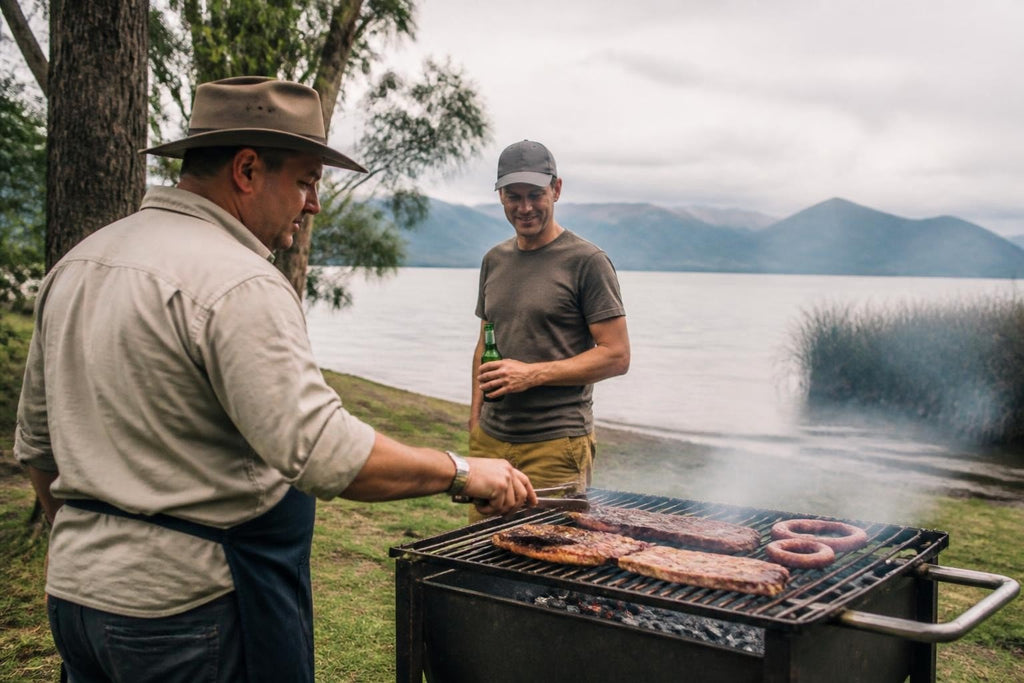
The unmistakable aroma of wood smoke, sizzling boerewors, and marinated sosaties represents more than just outdoor cooking for South Africans living in New Zealand. It's a connection to home, a cherished tradition, and a social ritual that transcends mere food preparation. The braai culture has found a vibrant home in Aotearoa, with South African expatriates bringing their beloved cooking tradition to every corner of the country. Understanding what a braai truly represents helps appreciate why braai NZ has become such an important part of the expatriate community. This fusion of South African heritage and New Zealand lifestyle creates unique opportunities for cultural exchange and culinary celebration.
What Makes Braai NZ Different From Traditional Kiwi BBQ
While New Zealanders are no strangers to outdoor cooking, the braai NZ experience brings distinct elements that set it apart from conventional barbecues. The difference begins with the equipment, extends through the cooking method, and culminates in the social atmosphere surrounding the event.
Traditional braai features include:
- Open flame cooking using wood or charcoal, never gas
- Specific cuts of meat like boerewors and sosaties
- Extended cooking times with lower heat
- Social gathering that lasts hours, not minutes
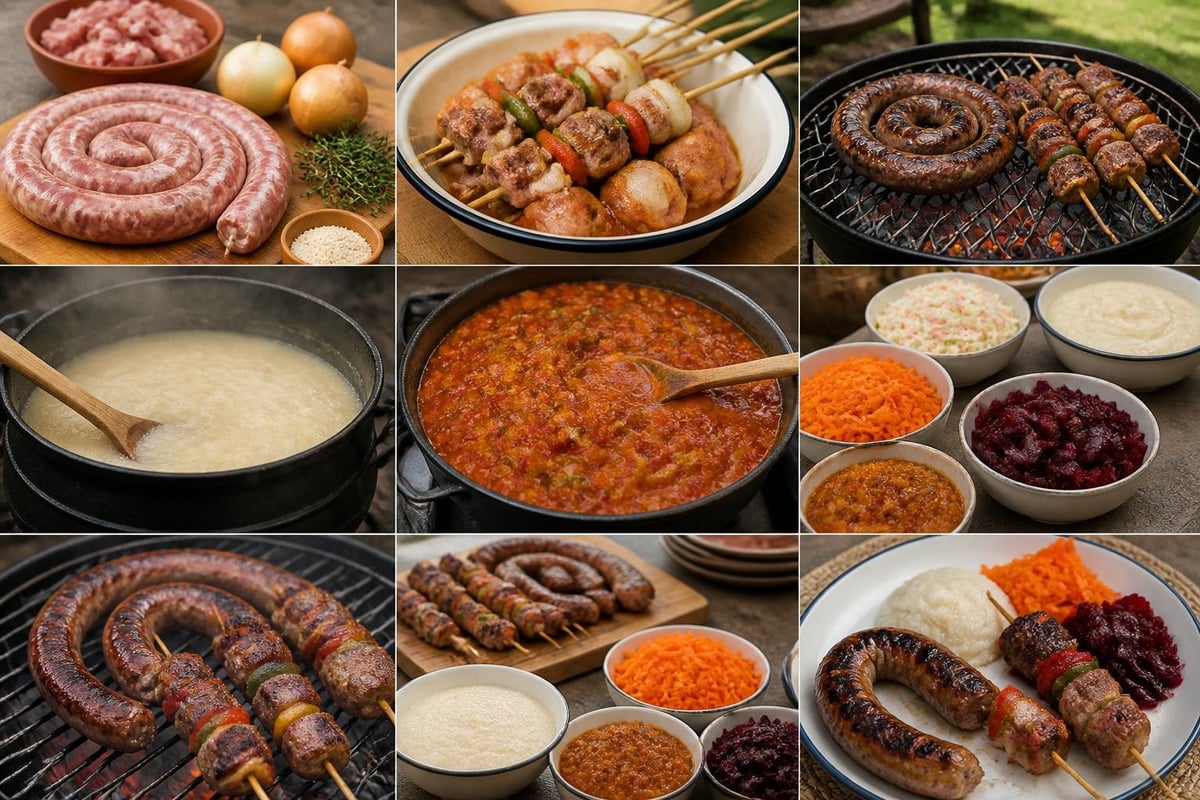
- Traditional accompaniments like pap, chakalaka, and braaibroodjies
The choice between lump charcoal and briquettes significantly impacts the braai experience. Serious braai enthusiasts often prefer specific fuel types to achieve authentic flavours.
The Cultural Significance Beyond Food
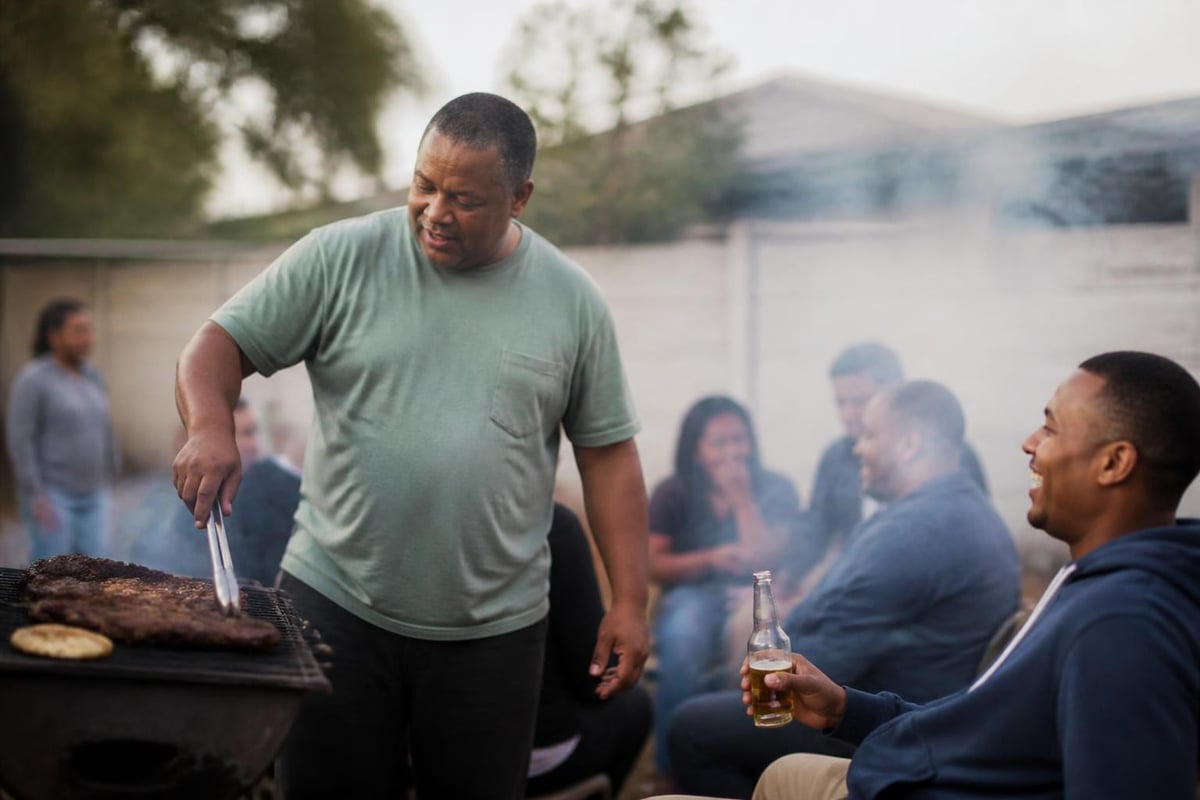
Braai represents a cornerstone of South African identity, transcending racial, cultural, and economic boundaries. When South Africans migrate to New Zealand, maintaining this tradition becomes a vital link to their heritage. The braai NZ community serves as more than just a cooking club; it's a support network helping families stay connected to their roots while building new lives.
For many expatriates, hosting a braai in Auckland, Wellington, or Christchurch recreates the sense of community they left behind. The casual, unhurried nature of a proper braai creates space for storytelling, laughter, and the kind of deep conversations that forge lasting friendships.
Essential Products for Authentic Braai NZ Experiences
Creating an authentic braai in New Zealand requires specific ingredients and equipment that may not be readily available at standard supermarkets. South Africans seeking genuine braai products have increasingly turned to specialized retailers who understand their needs.
| Product Category | Essential Items | Where to Find Them |
|---|---|---|
| Meats | Boerewors, droëwors, biltong | South African food stores |
| Spices & Marinades | Mrs Ball's Chutney, braai spice, peri-peri | Specialty importers |
| Sides | Chakalaka, pap, Mrs Ball's pickles | Online SA shops |
| Equipment | Braai grids, potjies, skottels | Specialist retailers |
Boerewors stands as the undisputed king of braai meats. This traditional South African sausage, with its distinctive coiled shape and unique spice blend, simply cannot be replicated with standard Kiwi sausages. The authentic coriander-heavy flavour profile defines the braai experience for many South Africans.
Building Your Braai Pantry
Something From Home stocks 2,200 South African products specifically to meet the needs of the braai NZ community. Their inventory includes essential braai items that transform a standard outdoor cooking session into an authentic South African feast.
Must-have braai pantry items:
- Mrs Ball's Chutney for authentic South African flavour
- Braai spice and marinades for proper meat preparation
- Chakalaka to accompany pap or bread
- Barbeque sauces with South African-inspired flavours
- Boerewors spice for those making their own sausages
Biltong often features as the perfect braai starter, keeping guests satisfied while the main meats cook slowly over the coals. Many braai enthusiasts prepare their own biltong, turning it into a year-round tradition that complements their outdoor cooking passion.
Adapting Braai Traditions to New Zealand Climate and Lifestyle
New Zealand's diverse climate presents both challenges and opportunities for braai enthusiasts. While the tradition originated in South Africa's warmer weather, Kiwi braaimasters have adapted their approach to suit local conditions without compromising authenticity.
Seasonal Braai Considerations
Summer braais in New Zealand closely mirror the South African experience, with long daylight hours and warm temperatures creating perfect conditions. However, the cooler months require creative solutions to maintain the tradition.
- Invest in covered braai areas or outdoor heating
- Choose weather-resistant equipment suitable for NZ conditions
- Adapt timing to maximize daylight hours during winter
- Select appropriate cuts that cook well in varying temperatures
- Prepare indoor backup options while maintaining braai flavours
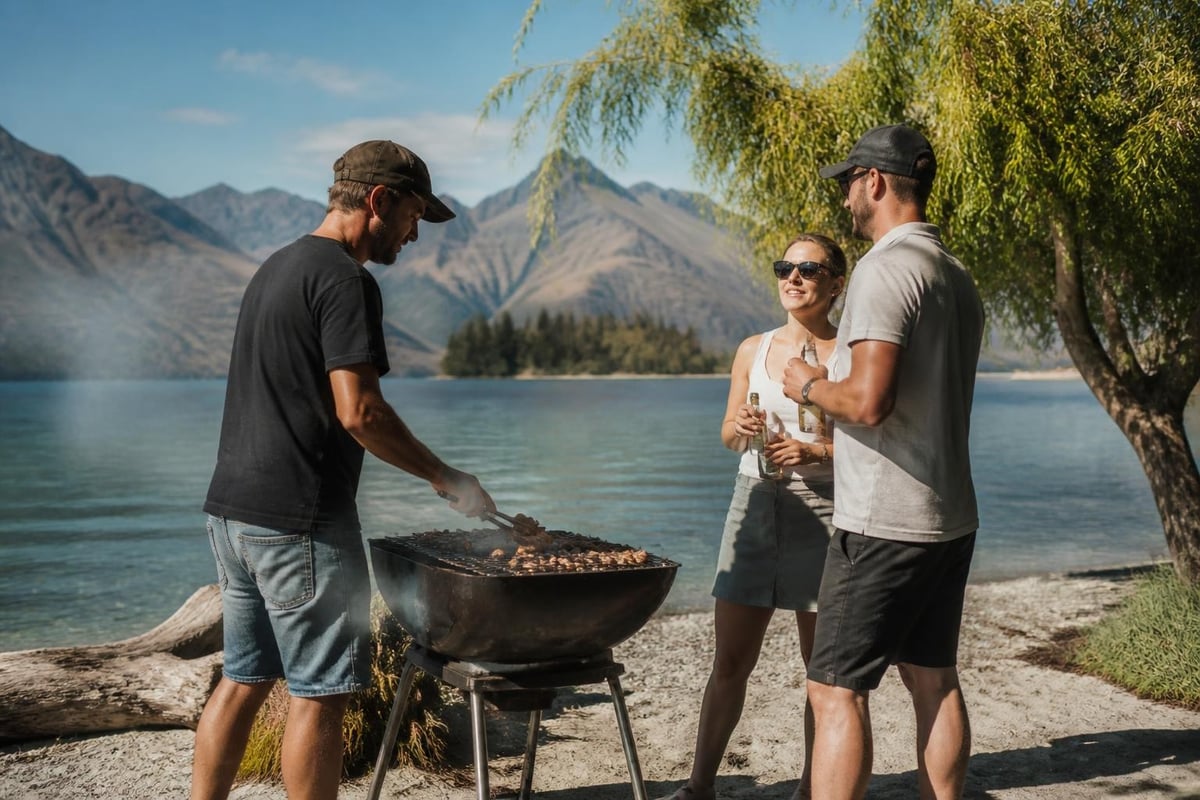
The portable cooking solutions available in New Zealand have revolutionized braai accessibility, allowing enthusiasts to cook anywhere from beaches to mountain campsites. These versatile units accommodate the Kiwi outdoor lifestyle while honoring South African cooking traditions.
Regional Braai Communities Across New Zealand
The braai NZ scene thrives in multiple centres across the country, with each region developing its own character while maintaining core traditions. Auckland hosts the largest South African population, creating vibrant braai communities in suburbs like Mairangi Bay, Browns Bay, and East Tamaki.
Wellington's braai enthusiasts gather in Tawa and Porirua, where families recreate the atmosphere of home while introducing Kiwi friends to South African hospitality. Christchurch, despite its cooler climate, maintains an active braai culture, with dedicated South African stores and restaurants bringing authentic flavours to Canterbury residents.
Equipment and Setup for Proper Braai NZ Style
Traditional braai equipment differs significantly from standard New Zealand barbecues, designed specifically for the low-and-slow cooking method that defines authentic braai. While gas BBQs dominate Kiwi backyards, serious braai requires dedicated equipment.
Choosing the Right Braai
The market offers various braai options for New Zealand homes, from custom-built units crafted by local specialists to imported South African designs. The choice depends on space, budget, and cooking frequency.
Braai types available in NZ:
- Traditional brick braais for permanent installations
- Portable steel braais for flexibility and storage
- Skottel braais for flat-top cooking versatility
- Potjie stands for traditional three-legged pot cooking
- Combination units offering multiple cooking surfaces
The Cadac Skottel Braai represents a particularly versatile option for New Zealand conditions, allowing braai enthusiasts to cook traditional dishes while adapting to various outdoor environments. This equipment works exceptionally well for smaller gatherings or when cooking items like pap that require constant stirring.
Fuel Selection and Fire Management
The debate between different fuel types runs deep in braai circles. While some purists insist on specific wood types, practical considerations in New Zealand often require compromise. Understanding the pros and cons of charcoal lump versus briquettes helps braaimasters make informed choices.
| Fuel Type | Advantages | Disadvantages | Best For |
|---|---|---|---|
| Lump Charcoal | Authentic taste, high heat | Burns faster, inconsistent | Quick cooks, high heat searing |
| Briquettes | Even heat, longer burning | Chemical additives, slower start | Extended cooking, low-and-slow |
| Wood | Traditional flavour, authentic experience | Requires skill, smoke management | Special occasions, experienced cooks |
| Combination | Balanced performance | More complex setup | Versatile braai sessions |
Many braai NZ practitioners source their fuel from local suppliers while occasionally importing specific South African products for special occasions. The key lies in achieving consistent heat rather than obsessing over perfect authenticity.
Traditional Braai Recipes Adapted for New Zealand Ingredients
While authentic ingredients remain crucial, successful braai NZ cooking sometimes requires creative substitution using locally available products. This adaptation doesn't diminish the tradition; rather, it demonstrates the resilience and flexibility of braai culture.
Sourcing South African Meats and Ingredients
Finding authentic boerewors and other South African meat products in New Zealand has become significantly easier as the expatriate community has grown. Specialist butchers and South African food stores now stock traditional products, ensuring braai enthusiasts don't need to compromise on quality.
Where to find authentic braai products:
- Dedicated South African shops like Something From Home with comprehensive inventories
- Specialty butchers producing boerewors and other traditional sausages
- Online retailers delivering nationwide
- South African restaurants occasionally selling retail products
- Community networks sharing suppliers and sources
Making your own sausages has become popular among braai enthusiasts who want complete control over ingredients and flavours. This approach allows for authentic taste while using New Zealand-sourced meats combined with imported spices.
Classic Braai Menu Planning
A proper braai features multiple courses and components, each requiring careful timing and preparation. The extended cooking process becomes part of the social experience, with guests participating in preparation and cooking.
Traditional braai menu structure:
- Appetizers: Biltong, droëwors, cheese, crackers
- Main meats: Boerewors, sosaties, lamb chops, steak
- Sides: Pap with chakalaka, potato salad, green salad
- Breads: Braaibroodjies, roosterkoek, garlic bread
- Desserts: Peppermint Crisp tart, malva pudding
The timing of a proper braai requires patience and skill. Unlike rushed barbecues, authentic braai cooking happens slowly, with careful attention to coal temperature and meat position. This unhurried approach creates the distinctive flavours and textures that define South African outdoor cooking.
The Growing Braai NZ Business Landscape
The expansion of braai culture in New Zealand has sparked business opportunities ranging from restaurants to specialist retailers. These enterprises serve the South African community while introducing Kiwis to authentic South African flavours and hospitality.
Restaurants and Eateries
South African restaurants have emerged across New Zealand, bringing braai flavours to diners who might not host their own outdoor gatherings. Flame Bar and Grill in Queenstown exemplifies this trend, offering authentic South African barbecue in an intimate setting that captures the essence of braai culture.
In Whangārei, Braai Hut brings flame-grilled meats and family-friendly South African hospitality to Northland, demonstrating how braai culture has spread throughout the country. These establishments don't just serve food; they create community gathering spaces that recreate the social atmosphere of traditional braai.
Specialty Retailers and Online Shops
The retail landscape for braai NZ products has evolved significantly over the past decade. Shops like Moederland and Something From Home have built extensive inventories catering specifically to South African expatriates seeking authentic ingredients.
Retail trends in braai NZ market:
- Increased online ordering with nationwide delivery
- Expanded product ranges including fresh and frozen items
- Community-building events and gatherings
- Educational content helping preserve traditions
- Loyalty programs rewarding regular customers
Something From Home has positioned itself as a comprehensive solution for South African food needs in New Zealand, stocking everything from braai spices to traditional sweets. Their rewards program recognizes loyal customers who regularly purchase authentic South African products.
Braai Culture as Community Building
Beyond the food and cooking techniques, braai NZ serves a deeper purpose in maintaining cultural identity and building supportive communities. For South African families adjusting to life in New Zealand, braai gatherings provide familiar comfort and connection.
Social Aspects and Traditions
The social protocols of braai differ from typical Kiwi barbecues. Understanding these traditions helps both South African hosts and their New Zealand guests navigate the experience successfully.
Braai social customs:
- The braaimaster controls the fire and meat cooking
- Guests contribute sides, salads, or desserts
- No rushing allowed; proper braai takes hours
- Everyone participates in conversation and preparation
- Children play freely while adults tend the fire
These customs create inclusive, relaxed atmospheres where friendships deepen and cultural exchange happens naturally. Many Kiwis who attend their first braai comment on the warmth and hospitality that characterizes these gatherings.
Preserving Heritage While Embracing New Home
The braai NZ phenomenon illustrates how immigrant communities maintain cultural identity while integrating into their adopted countries. This balance becomes particularly important for children raised in New Zealand, who might otherwise lose connection with their South African heritage.
Parents use braai occasions to teach children about their cultural background, sharing stories, traditions, and values alongside the cooking techniques. The hands-on nature of braai preparation makes it an ideal teaching tool, engaging children in meaningful ways that create lasting memories.
Practical Tips for Hosting Your First Braai NZ Event
For those new to braai culture, whether South African newcomers to New Zealand or Kiwis wanting to experience this tradition, proper preparation ensures success. The following guidance helps create authentic experiences while avoiding common mistakes.
Planning and Preparation Checklist
Successful braai hosting requires more organization than typical barbecues due to longer cooking times and multiple components.
- Start your fire early (at least 90 minutes before cooking)
- Prepare marinades the night before for maximum flavour
- Organize cooking order based on required temperatures
- Set up seating areas encouraging conversation
- Prepare backup plans for weather changes
- Stock adequate drinks for extended gathering
- Have food storage ready for leftovers
Understanding how to care for your equipment extends the life of your braai investment and ensures consistent performance. Proper maintenance becomes especially important in New Zealand's humid coastal environments where rust can develop quickly.
Common Mistakes to Avoid
Even experienced braaimasters can fall into traps when adapting to New Zealand conditions. Learning from others' experiences prevents frustration and wasted food.
Frequent braai NZ errors:
- Starting fire too late or too early
- Using insufficient fuel for extended cooking
- Cooking at too high temperature
- Rushing the process to accommodate guests
- Forgetting about New Zealand's UV intensity (sunscreen essential)
- Underestimating wind effects on fire temperature
- Neglecting food safety in warmer weather
The key to braai success lies in patience and preparation. Unlike rushed meals, braai rewards those who respect the process and allow time for proper execution.
Year-Round Braai Culture in New Zealand
While summer provides ideal braai conditions, dedicated enthusiasts maintain the tradition throughout the year. This commitment to year-round braai strengthens cultural connections and creates opportunities for gathering regardless of season.
Winter Braai Strategies
Adapting braai to New Zealand winters requires determination and proper equipment, but the rewards justify the effort. Winter braais create particularly memorable experiences, combining warmth from the fire with crisp outdoor air.
Winter braai success factors:
- Covered cooking areas protecting from rain and wind
- Outdoor heating for guest comfort
- Shorter guest lists making management easier
- Heartier menu options like potjies and stews
- Earlier start times maximizing daylight hours
The shin and oxtail beef potjie becomes particularly popular during colder months, offering slow-cooked comfort food that warms from the inside out. This traditional three-legged pot cooking method complements braai perfectly, using the same coals for different cooking techniques.
Seasonal Product Availability
Something From Home maintains consistent stock of essential braai products throughout the year, understanding that the tradition doesn't pause for winter. However, some seasonal variations affect product availability and menu planning.
Planning menus around available ingredients ensures successful braais regardless of season. South African food stores work diligently to maintain supply chains, though occasional shortages of fresh products may require flexibility.
The braai NZ culture demonstrates how cherished traditions adapt and thrive in new environments, creating bridges between heritage and home while building vibrant communities across Aotearoa. Whether you're a South African longing for familiar flavours or a curious Kiwi ready to experience authentic outdoor cooking, the braai tradition offers warmth, connection, and exceptional food. For all your braai essentials, from boerewors and chakalaka to traditional spices and marinades, Something From Home provides everything needed to create authentic South African experiences right here in New Zealand.