Corn Starch NZ: Essential Guide for South African Cooking
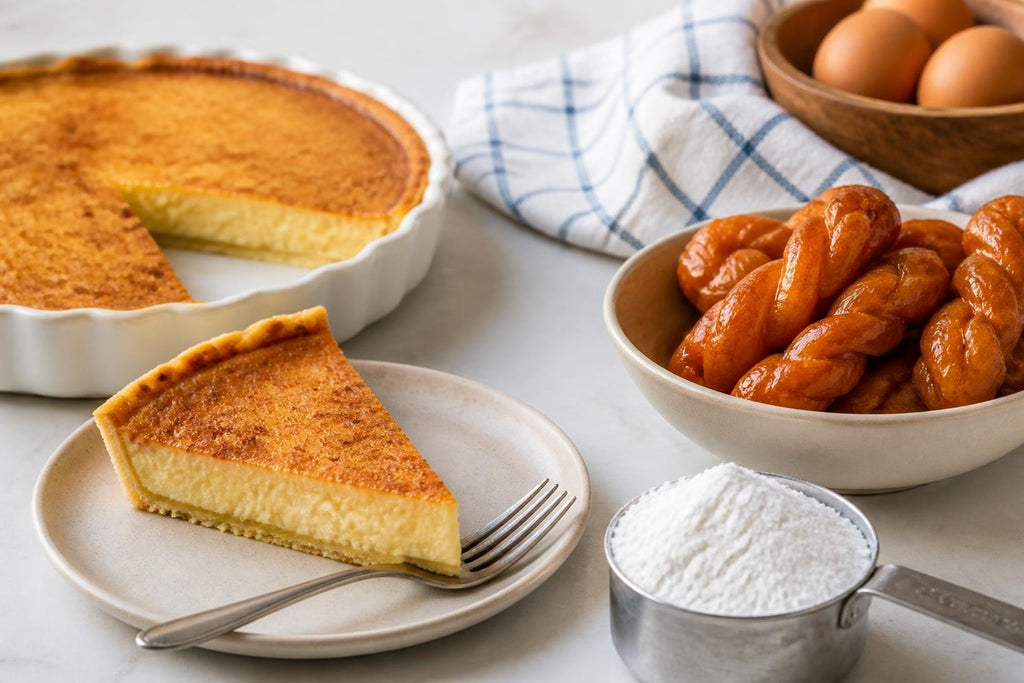
Corn starch represents one of those essential pantry staples that South African home cooks rely upon for creating authentic traditional dishes in New Zealand. Whether you're preparing a silky melktert, perfecting your koeksisters, or thickening a hearty potjie, understanding how to source and use quality corn starch in New Zealand makes all the difference. For South Africans living abroad, finding familiar ingredients becomes part of maintaining cultural connections through food, and corn starch features prominently in countless beloved recipes that remind us of home.
Understanding Corn Starch NZ Market and Availability
The corn starch NZ market offers various options for consumers seeking this versatile ingredient. New Zealand produces high-quality corn starch through local manufacturers, whilst imported varieties also compete for shelf space in supermarkets and specialty stores. Understanding the differences between these options helps home cooks make informed purchasing decisions.
New Zealand Starch Ltd. maintains rigorous quality standards, holding ISO certifications and Halal and Kosher approvals for their non-GMO and gluten-free corn starch products. These certifications provide assurance to consumers concerned about dietary restrictions or religious requirements.
When shopping for corn starch in New Zealand, you'll encounter several key factors:
- Origin: Locally produced versus imported varieties
- Certification: Organic, non-GMO, gluten-free, Halal, or Kosher
- Price point: Budget-friendly to premium options
- Packaging size: From small home-use containers to bulk quantities
- Brand reputation: Established brands versus generic alternatives
South African expats often search specifically for brands they recognise from home. Something From Home stocks familiar South African grocery products, making it easier to maintain culinary traditions without compromise.

Where to Buy Corn Starch in New Zealand
Finding corn starch NZ suppliers requires knowing where to look. Major supermarket chains like Countdown, New World, and Pak'nSave stock various corn starch brands in their baking aisles. Asian grocers typically carry corn starch as well, often in larger quantities at competitive prices.
For South Africans seeking specific brands or bulk quantities, speciality food stores provide additional options. The South African groceries collection at Something From Home ensures access to products that meet the expectations of those familiar with South African cooking standards.
Culinary Applications in Traditional South African Recipes
Corn starch serves critical functions in numerous South African dishes that have become weekend traditions and celebration centrepieces. The fine, powdery texture creates the smooth consistency essential for many beloved recipes.
Melktert and Milk Tart Variations
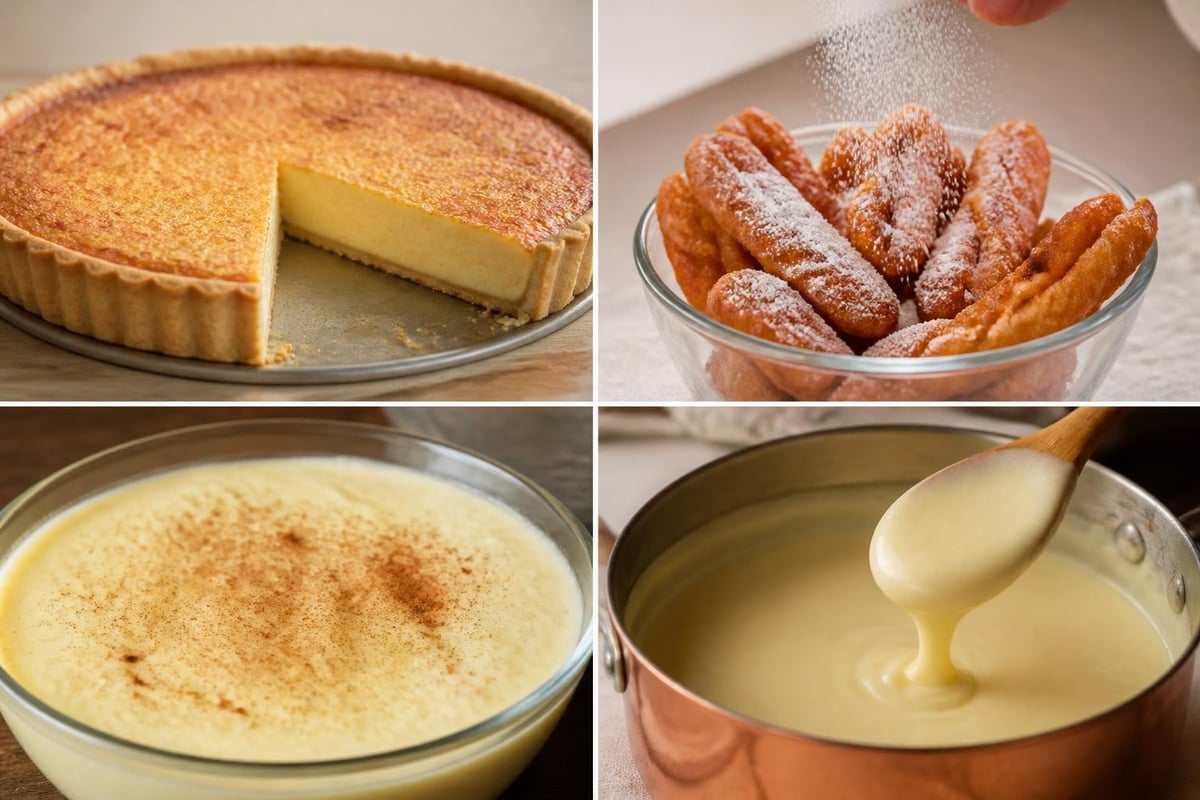
Perhaps no South African dessert depends more heavily on corn starch than the classic melktert. This creamy custard tart requires corn starch as a thickening agent to achieve its signature silky texture without eggs dominating the flavour profile. The delicate balance between milk, sugar, and corn starch creates that melt-in-your-mouth consistency that defines authentic melktert.
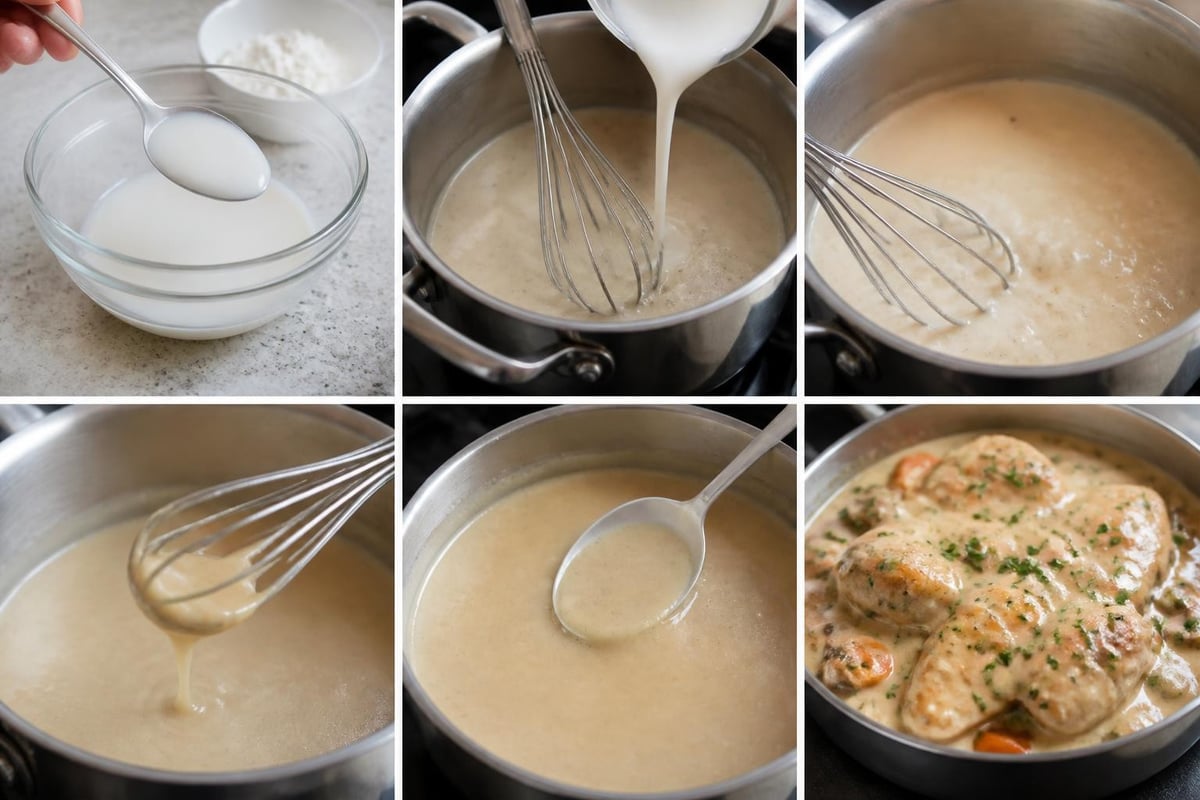
The technique involves whisking corn starch with cold milk before adding it to heated milk, preventing lumps whilst ensuring even distribution. This method applies across various South African milk-based desserts, from traditional melktert to modern interpretations featuring flavour variations like cinnamon, cardamom, or even rooibos tea.
Koeksisters and Sweet Treats
Koeksisters benefit from corn starch in multiple ways. Some bakers incorporate corn starch into the dough itself, creating a tender crumb that absorbs syrup beautifully. Others dust work surfaces with corn starch instead of flour, reducing gluten development and maintaining the characteristic soft texture.
For South African expats in New Zealand, exploring corn starch applications reveals techniques that enhance traditional recipes whilst adapting to local ingredient availability.
Comparison of Corn Starch Types and Uses
| Type | Best For | Properties | Price Range |
|---|---|---|---|
| Standard corn starch | General thickening, sauces | White powder, neutral taste | Budget-friendly |
| Organic corn starch | Health-conscious cooking | Non-GMO, certified organic | Mid to premium |
| Waxy corn starch | Freeze-thaw stability | Resistant to syneresis | Premium |
| Modified corn starch | Industrial applications | Enhanced stability | Varies |
Understanding these distinctions helps when selecting corn starch NZ products for specific culinary needs. Standard corn starch handles most home cooking requirements admirably, whilst specialty versions address particular challenges like freezing or extended storage.
Technical Properties and Cooking Science
Corn starch NZ products share fundamental chemical properties that make them invaluable in kitchens. Composed primarily of amylose and amylopectin, corn starch granules absorb liquid and swell when heated, creating thickness through a process called gelatinisation.
This understanding of corn starch structure and benefits empowers cooks to troubleshoot common issues and achieve consistent results.
Temperature Considerations
Corn starch thickens optimally between 62-72°C, requiring sufficient heat to activate but avoiding prolonged boiling that breaks down the starch structure. South African recipes often specify "cook until thickened," which translates to watching for the characteristic glossy appearance and coating consistency.
Key temperature guidelines:
- Mix corn starch with cold liquid first
- Add to recipes at medium heat
- Stir constantly whilst heating
- Remove from heat once desired thickness achieved
- Avoid extended boiling which causes thinning
Gluten-Free Advantages
For South Africans with coeliac disease or gluten sensitivity, corn starch offers a safe alternative to wheat-based thickeners. This proves particularly valuable when recreating traditional recipes that family members with dietary restrictions can enjoy. The naturally gluten-free status of pure corn starch makes it indispensable in inclusive cooking.
Storage and Shelf Life Best Practices
Proper storage extends corn starch NZ product longevity and maintains quality. The hygroscopic nature of corn starch means it readily absorbs moisture from the environment, potentially causing clumping or degradation.
Optimal storage conditions include:
- Airtight containers to prevent moisture exposure
- Cool, dry pantry locations away from heat sources
- Elevation from floor level to avoid temperature fluctuations
- Separation from strongly scented ingredients
- Original packaging inside secondary containers for extra protection
Properly stored corn starch maintains quality for 18-24 months, though many sources suggest indefinite shelf life if kept completely dry. For South African families ordering South African groceries online, buying larger quantities makes economic sense given corn starch's stability.
Beyond Food: Alternative Applications
Whilst primarily recognised for culinary uses, corn starch serves various household and personal care purposes that South African families appreciate. These applications provide additional value beyond the kitchen.
Household Uses
Corn starch absorbs oils and odours effectively, making it useful for carpet freshening, grease stain treatment, and even as a natural deodorant base. Some South African home remedies incorporate corn starch for skin irritation relief, particularly for nappy rash treatment.
The industrial applications of maize starch extend into pharmaceuticals, textiles, and manufacturing, demonstrating the versatility of this humble ingredient.
Craft and Beauty Applications
DIY enthusiasts use corn starch in homemade playdough, finger paints, and modelling compounds. Beauty applications include dry shampoo, setting powder, and bath products. These alternative uses resonate with South African values of resourcefulness and multi-purpose solutions.
Substitutions and Alternatives When Corn Starch Runs Out
Every cook faces moments when corn starch NZ supplies run low mid-recipe. Understanding suitable substitutions prevents culinary disasters whilst maintaining dish integrity.
| Substitute | Ratio to Corn Starch | Best Applications | Limitations |
|---|---|---|---|
| Arrowroot | 1:1 | Delicate sauces, glazes | Breaks down in dairy |
| Potato starch | 1:1 | Gluten-free baking | Heavy texture |
| Tapioca starch | 2:1 | Pies, fruit fillings | Stringy at high temps |
| Rice flour | 2:1 | Asian-style sauces | Grainy texture |
| Wheat flour | 2:1 | Non-gluten-free dishes | Contains gluten |
These substitutions work in varying degrees, though corn starch often delivers superior results for traditional South African recipes. The neutral flavour and clear finish of corn starch make it particularly suited to milk-based desserts where cloudiness or off-flavours would prove unacceptable.
Maintaining South African Food Culture in New Zealand
For South Africans living in New Zealand, accessing familiar ingredients connects them to heritage and home. The expatriate community understands how certain products carry emotional significance beyond their functional culinary roles. Corn starch may seem simple, yet it enables the creation of dishes that transport cooks back to childhood kitchens and family gatherings.
Something From Home recognises this need, operating as a South African food store in New Zealand with 2,200 products. This extensive range ensures that home cooks can source everything from everyday staples to specialty items that make authentic South African cooking possible.
Building Pantry Essentials
Creating a well-stocked South African pantry in New Zealand requires strategic planning. Beyond corn starch, essential items include Mrs Ball's Chutney, Aromat seasoning, Ouma rusks, and Milo. These products work together in weekly meal planning and special occasion cooking.
Many South African expats report that buying South African food online simplifies life in New Zealand, eliminating the frustration of searching multiple stores for specific brands. Centralised shopping through specialty retailers saves time whilst ensuring product authenticity.
Nutritional Profile and Dietary Considerations
Understanding corn starch NZ nutritional content helps consumers make informed dietary choices. Pure corn starch contains primarily carbohydrates with minimal protein, fat, or fibre.
Nutritional breakdown per 100g:
- Energy: Approximately 381 calories
- Carbohydrates: 91g
- Protein: 0.3g
- Fat: 0.1g
- Fibre: 0.9g
- Sodium: 9mg
This high carbohydrate content means corn starch functions purely as an energy source and thickening agent rather than providing significant nutritional benefits. Those managing blood sugar levels should account for corn starch's glycaemic impact, though the quantities used in most recipes remain relatively modest.
Allergy and Sensitivity Information
Corn starch suits most dietary restrictions beautifully. It contains no gluten, dairy, eggs, or nuts, making it compatible with numerous allergen-avoidance protocols. However, individuals with corn allergies must avoid corn starch entirely, seeking alternatives like arrowroot or tapioca starch instead.
The regulatory oversight in New Zealand ensures that corn starch products meet safety standards, providing consumer confidence in product purity and labelling accuracy.
Cost-Effective Shopping Strategies
Managing grocery budgets whilst maintaining culinary traditions requires smart shopping approaches. Corn starch NZ prices vary considerably depending on brand, quantity, and retailer.
Bulk Buying Benefits
Purchasing larger quantities typically reduces per-unit costs significantly. For families that regularly prepare South African recipes, buying 500g or 1kg packages makes financial sense. The extended shelf life of properly stored corn starch eliminates concerns about spoilage.
Price comparison considerations:
- Calculate cost per 100g across brands
- Factor in delivery charges for online orders
- Compare local supermarket versus specialty store pricing
- Watch for promotional offers and bundle deals
- Consider store loyalty programmes and rewards
The Something From Home rewards programme offers additional savings for regular customers, making loyalty beneficial for those who consistently purchase South African products.
Professional Baking Applications
Professional bakers and home enthusiasts alike appreciate corn starch for its contributions to texture and shelf life. Bakeries rely on corn starch for creating tender cakes, crisp cookies, and smooth icings.
In South African baking traditions, corn starch features in shortbread-style biscuits, creating that characteristic snap and melt-in-mouth quality. The ingredient also prevents sugar crystallisation in confections and reduces gluten development in delicate pastries.
Creating Traditional South African Biscuits
Recipes for hertzog cookies, ginger biscuits, and butter biscuits often incorporate corn starch to achieve proper texture. The starch dilutes gluten formation, producing more tender results than using flour alone. This technique applies across various international baking traditions but holds particular importance in South African recipes passed through generations.
For those interested in exploring outdoor cooking alongside traditional baking, specialists like Cotswold Cooking Company offer premium outdoor kitchen solutions that transform garden spaces into year-round culinary destinations, though most home bakers find standard kitchen equipment perfectly adequate for South African baking projects.
Modern Recipe Adaptations
Contemporary South African cooks living in New Zealand often adapt traditional recipes to accommodate local ingredients and modern dietary preferences. Corn starch facilitates many of these adaptations whilst preserving authentic flavours.
Dairy-Free and Vegan Modifications
Replacing traditional milk-based custards with coconut or almond milk alternatives requires adjusted corn starch ratios. Plant-based milks typically thicken differently than dairy milk, often requiring slightly more corn starch to achieve comparable consistency.
These modifications enable South African families with diverse dietary needs to maintain cultural food connections. The flexibility of corn starch across various liquid bases makes it invaluable for inclusive cooking that honours tradition whilst accommodating contemporary requirements.
Quality Indicators and Product Selection
Identifying quality corn starch NZ products involves examining several factors beyond price. Reputable manufacturers provide detailed product information, whilst substandard products may lack transparency about sourcing and processing methods.
Quality markers include:
- Clear ingredient listing (should contain only corn starch)
- Manufacturer contact information and country of origin
- Relevant certifications (organic, non-GMO, gluten-free)
- Consistent white colour without yellowing or discolouration
- Fine, powdery texture without lumps or grittiness
- Neutral smell without musty or off odours
For South African expats accustomed to specific brands, finding exact equivalents in New Zealand sometimes proves challenging. Specialty retailers bridge this gap by importing familiar products or identifying suitable local alternatives that meet traditional cooking standards.
Environmental and Sustainability Considerations
As consumers increasingly prioritise sustainability, understanding corn starch production impacts informs purchasing decisions. Corn cultivation requires significant water and agricultural inputs, though it generally produces lower greenhouse gas emissions than many protein sources.
Choosing locally produced corn starch NZ products reduces transportation emissions whilst supporting domestic agriculture. New Zealand's agricultural standards ensure responsible farming practices, though organic certification provides additional assurance for environmentally conscious consumers.
Packaging and Waste Reduction
Corn starch packaging typically consists of plastic or cardboard, with varying recyclability depending on local council capabilities. Bulk purchasing reduces packaging waste per unit, whilst some retailers offer refill options for commonly used ingredients.
South African culture traditionally emphasises resourcefulness and waste minimisation, values that align well with sustainable shopping practices. Reusing containers, buying appropriate quantities, and choosing products with minimal packaging all contribute to reduced environmental impact.
Corn starch remains an indispensable ingredient for South Africans maintaining culinary traditions in New Zealand, enabling everything from weekend melktert to celebratory koeksisters. Whether you're an experienced home cook or just beginning to explore South African recipes, understanding corn starch selection, storage, and application ensures consistent results. For authentic South African ingredients including quality corn starch and more than 2,200 other products, Something From Home provides reliable access to the flavours of home, delivered throughout New Zealand.