Samp: A Traditional South African Staple Food
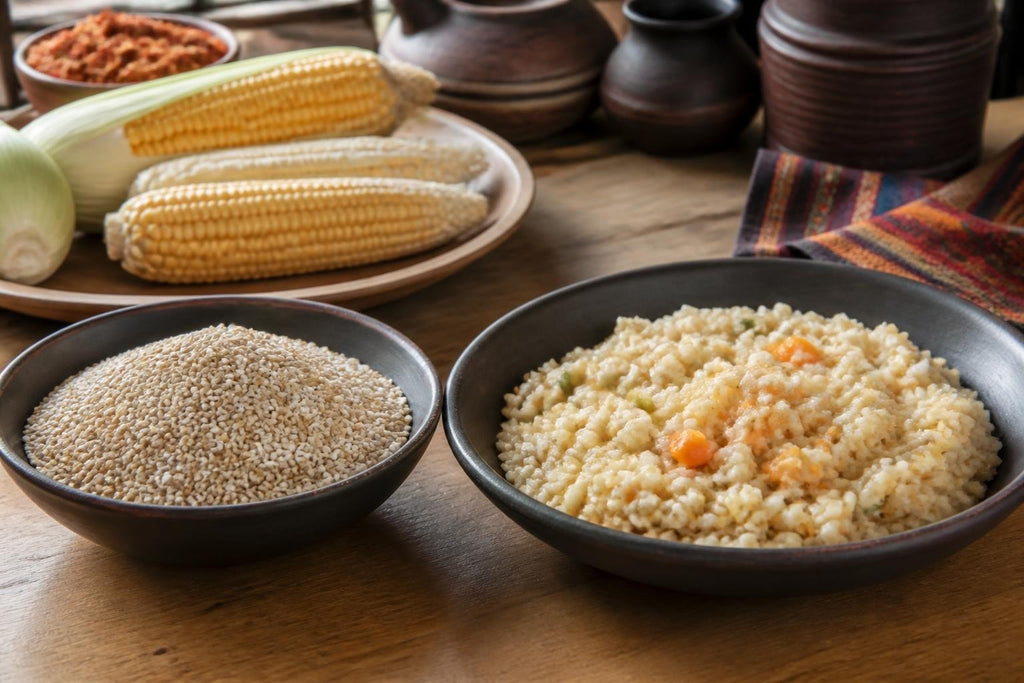
For South Africans living in New Zealand, few foods evoke memories of home quite like the comforting simplicity of traditional maize-based dishes. Among these cherished staples, samp holds a special place in the culinary heritage of Southern Africa, representing centuries of cultural tradition and practical nourishment. This humble ingredient, made from dried corn kernels that have been stamped or pounded until broken, forms the foundation of countless beloved recipes that continue to bring families together around the dinner table. Understanding what makes this ingredient so significant requires exploring its origins, preparation techniques, and the role it plays in maintaining cultural connections for expatriates seeking authentic South African products.
What Is Samp and Where Does It Come From
Samp consists of dried corn kernels that have been crushed or stamped into coarse pieces, creating a grain-like product with a distinctive texture and nutty flavour. The name itself derives from the Zulu word "isishebo," though the English term has become widely adopted across Southern Africa and beyond.
The production process involves removing the outer hull of mature maize kernels before crushing them into fragments. This traditional method of food preparation has been practised for generations across South Africa, Botswana, Lesotho, and other neighbouring countries. The resulting product ranges from coarsely broken kernels to finer granules, depending on regional preferences and intended recipes.
Historical significance runs deep with this staple food:
- Indigenous communities in Southern Africa have prepared similar maize-based dishes for centuries
- European settlers adopted and adapted these traditional preparation methods
- The ingredient became a unifying food across diverse cultural groups
- Modern South African cuisine continues to celebrate it as comfort food
Nutritional Benefits and Dietary Value
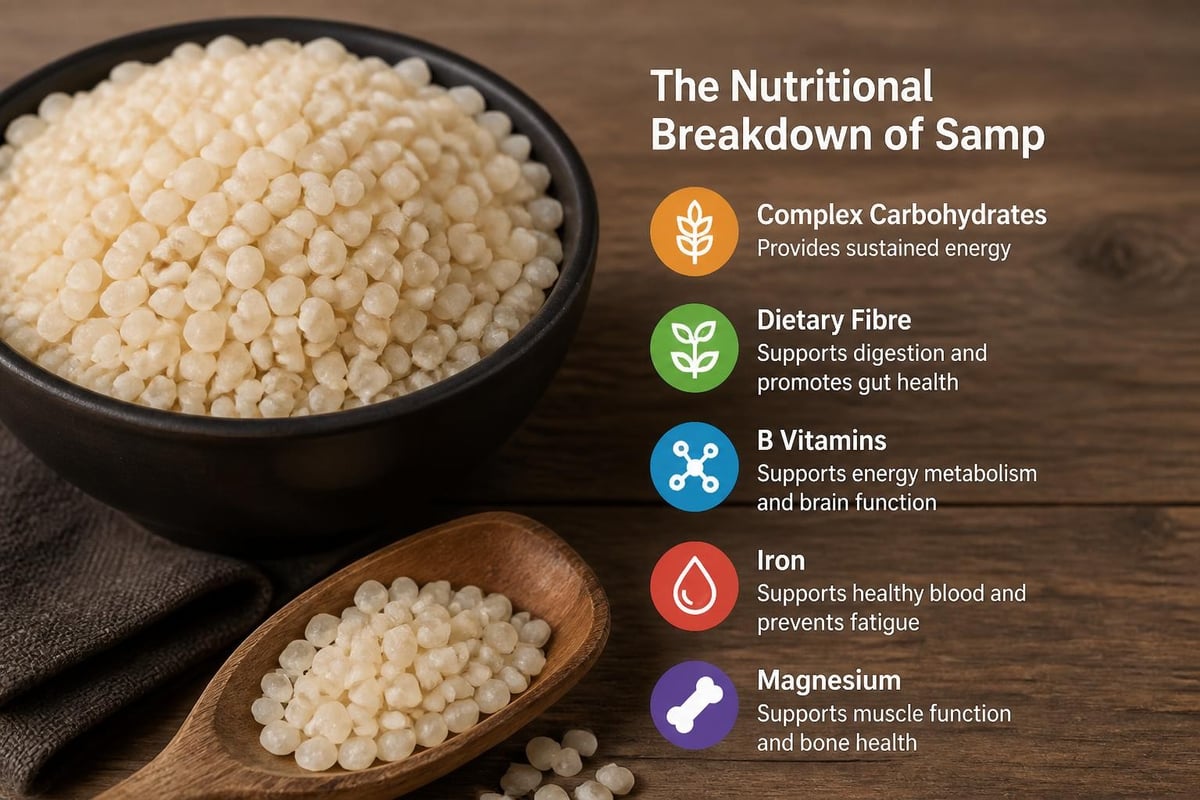
The nutritional profile of samp makes it an excellent dietary choice for health-conscious consumers. Rich in complex carbohydrates, this whole grain provides sustained energy throughout the day. The product contains essential dietary fibre, supporting digestive health and promoting feelings of fullness.
Beyond carbohydrates and fibre, the grain offers important micronutrients including B vitamins, iron, and magnesium. These nutrients contribute to various bodily functions, from energy metabolism to immune system support. The low fat content and absence of cholesterol make it suitable for those managing cardiovascular health.
Traditional Preparation Methods and Cooking Techniques
Preparing this ingredient requires patience and proper technique to achieve the ideal texture and flavour. The dried kernels must first be soaked in water for several hours, typically overnight, to soften them adequately. This soaking process reduces cooking time and ensures even tenderness throughout.
After soaking, the kernels require slow cooking in fresh water, usually simmering for two to three hours until they reach the desired softness. The exact cooking time varies depending on the coarseness of the crush and the age of the product. Many cooks add salt during the final stages of cooking to enhance flavour without interfering with the softening process.
Essential cooking steps include:
- Rinse the dried kernels thoroughly under cold water
- Soak in cold water for 8-12 hours or overnight
- Drain and rinse again before cooking
- Add to a large pot with fresh water (ratio of 1:3 kernels to water)
- Bring to a boil, then reduce heat to maintain a gentle simmer
- Cook for 2-3 hours, adding water as needed
- Season with salt during the final 30 minutes
- Test for tenderness before serving
Modern Cooking Adaptations
Contemporary kitchens have introduced time-saving methods for preparing this traditional staple. Pressure cookers reduce cooking time significantly, transforming what once required hours into a 45-minute process. Slow cookers offer another convenient alternative, allowing cooks to prepare the dish overnight or during work hours.
Some recipes call for pre-cooked or partially cooked products available in cans, though many South Africans prefer the authentic taste and texture of kernels cooked from scratch. The convenience of modern cooking methods hasn't diminished the cultural importance of traditional preparation techniques passed down through generations.
Popular Samp Dishes and Recipe Variations
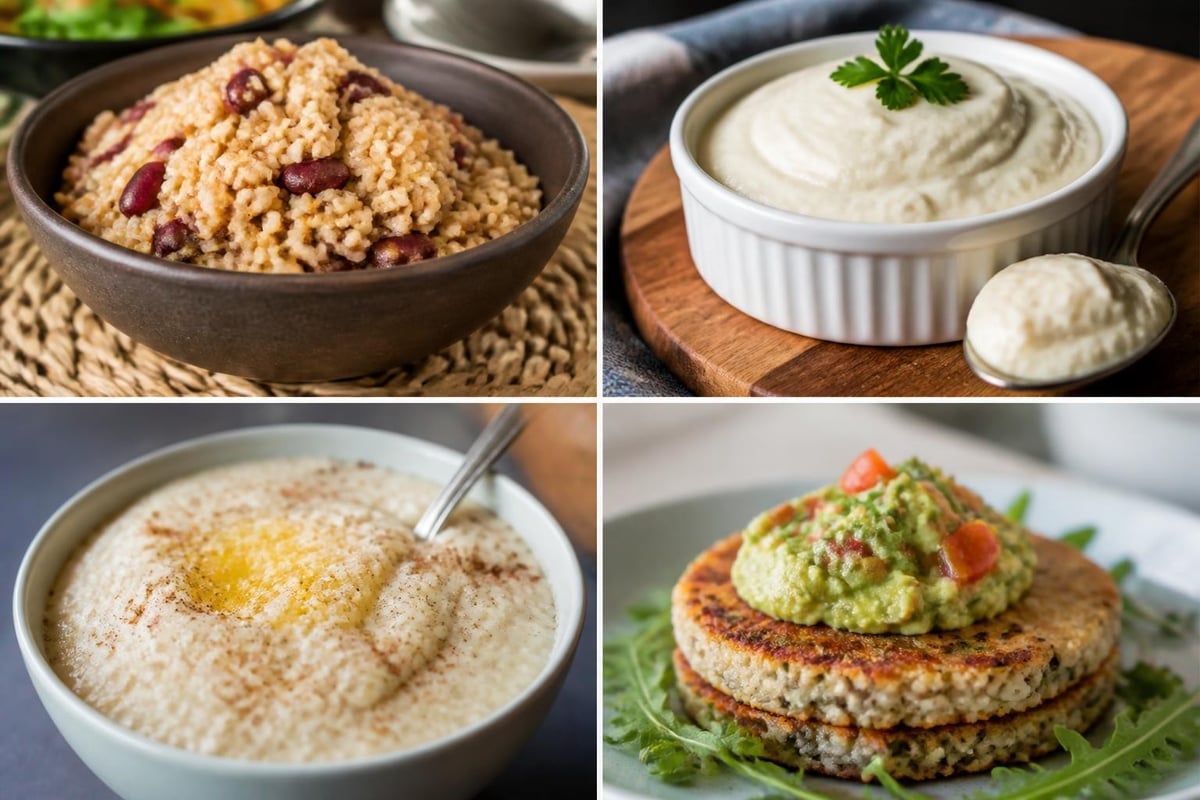
The versatility of this ingredient shines through in the diverse range of dishes it anchors. Samp and beans, known as "umngqusho" in Xhosa, represents one of the most iconic South African dishes. This combination features crushed maize cooked with sugar beans, onions, butter, and seasoning to create a hearty, protein-rich meal.
| Dish Name | Key Ingredients | Cultural Origin | Serving Style |
|---|---|---|---|
| Umngqusho | Crushed maize, sugar beans, onions, butter | Xhosa tradition | Main course or side dish |
| Creamy Samp | Crushed maize, cream, mushrooms, herbs | Modern fusion | Side dish |
| Samp Fritters | Cooked kernels, eggs, flour, spices | Contemporary | Appetiser or snack |
| Samp Salad | Cold kernels, vegetables, vinaigrette | Modern adaptation | Side dish or light meal |
Creamy mushroom variations have gained popularity in recent years, incorporating dairy products and fungi to create rich, indulgent side dishes. These modern interpretations appeal to diverse palates while respecting the ingredient's traditional foundations.
Regional Variations Across Southern Africa
Different regions throughout Southern Africa have developed unique approaches to preparing and serving this staple. In Botswana, the dish often features additional vegetables and specific seasoning blends that reflect local preferences. Lesotho's mountain communities have their own distinctive preparation methods adapted to high-altitude cooking conditions.
South African provinces each bring their own flair to traditional recipes. Coastal regions might incorporate seafood or coconut milk, whilst inland areas favour meat-based additions. The Free State and Eastern Cape provinces are particularly renowned for their authentic preparation methods that have remained largely unchanged for generations.
Cultural Significance and Social Traditions
This humble grain carries profound cultural meaning beyond its role as sustenance. In many South African communities, sharing a pot of umngqusho represents hospitality, unity, and connection to ancestral traditions. The dish frequently appears at celebrations, gatherings, and important cultural events.
The ingredient's cultural importance manifests through:
- Presence at traditional ceremonies and rites of passage
- Association with communal eating and social bonding
- Connection to agricultural heritage and rural life
- Symbol of resilience and resourcefulness
- Bridge between generations through recipe sharing
Former South African President Nelson Mandela famously declared umngqusho his favourite dish, elevating its status from humble staple to national treasure. This endorsement highlighted the food's ability to transcend socioeconomic boundaries and unite South Africans around shared culinary heritage.
Finding Authentic South African Samp in New Zealand
For South Africans residing in New Zealand, locating authentic ingredients to recreate traditional dishes presents a genuine challenge. The longing for familiar flavours drives many expatriates to seek out South African groceries that connect them to their homeland. Quality crushed maize products may not appear on standard supermarket shelves, requiring specialised sources.
Something From Home, a South African food store in New Zealand with more than 2,500 South African products, understands these culinary needs. The warehouse stocks authentic ingredients including various brands and sizes of crushed maize kernels, ensuring expatriates can maintain their food traditions despite geographic distance.
Online Shopping for South African Staples
The digital marketplace has revolutionised access to international foods for diaspora communities. Online platforms allow New Zealand-based South Africans to browse extensive catalogues of familiar products from the comfort of home. This convenience eliminates the need to visit multiple stores searching for specific ingredients.
Something From Home operates both as a physical warehouse and online retailer, providing flexible shopping options. Customers can order traditional staples alongside other South African favourites, from braai essentials to specialty condiments, creating comprehensive shopping experiences that satisfy multiple culinary needs.
Comparing Different Brands and Product Options
Understanding crushed maize varieties helps consumers make informed purchasing decisions. Different brands offer varying coarseness levels, from finely crushed to larger kernel pieces. The grind size affects cooking time, final texture, and suitability for specific recipes.
Key factors when selecting products include:
- Kernel size and crush consistency
- Packaging size options
- Brand reputation and quality standards
- Price per kilogram or serving
- Freshness and production date
Premium brands maintain strict quality control standards, ensuring consistent kernel size and minimal foreign matter. Some producers offer pre-washed varieties that reduce preparation time, though traditional cooks often prefer washing kernels themselves to ensure cleanliness.
Storage and Shelf Life Considerations
Proper storage extends the usability of dried crushed maize significantly. Kept in airtight containers within cool, dry environments, the product maintains quality for up to 12 months. Exposure to moisture, heat, or pests can compromise the kernels, leading to spoilage or contamination.
Many households purchase larger quantities to ensure constant availability for regular meal preparation. Bulk buying proves economical for families who incorporate the ingredient into weekly menus. Vacuum-sealed packaging offers additional protection during storage, particularly in humid climates.
Pairing Samp with Complementary Ingredients
The neutral flavour profile of crushed maize makes it an excellent canvas for various flavour combinations. Traditional pairings include butter, which adds richness and helps achieve the characteristic creamy texture many recipes seek. Sugar beans provide protein, fibre, and a slightly sweet counterpoint to the grain's earthiness.
| Ingredient Category | Specific Examples | Flavour Contribution | Nutritional Benefit |
|---|---|---|---|
| Legumes | Sugar beans, kidney beans, black-eyed peas | Earthy sweetness, texture contrast | Protein, fibre, iron |
| Alliums | Onions, garlic, leeks | Aromatic depth, savoury notes | Antioxidants, vitamins |
| Dairy | Butter, cream, cheese | Richness, creaminess | Calcium, vitamin D, fats |
| Vegetables | Tomatoes, peppers, spinach | Freshness, acidity, colour | Vitamins, minerals, fibre |
| Proteins | Beef, chicken, pork | Heartiness, umami | Complete proteins, B vitamins |
Creamy preparations benefit from the addition of cream or milk during final cooking stages. These dairy products transform simple crushed maize into indulgent comfort food suitable for special occasions or weekend family meals.
Vegetarian and Vegan Adaptations
Plant-based diets accommodate crushed maize preparations beautifully. Traditional umngqusho already qualifies as vegetarian when prepared without meat stock or animal fats. Vegan adaptations substitute plant-based butter alternatives or olive oil for dairy products whilst maintaining authentic flavours.
Nutritional yeast adds savoury, cheese-like notes to vegan versions, enhancing depth without animal products. Coconut milk provides creaminess in dairy-free recipes, introducing subtle tropical undertones that complement the grain's natural sweetness. These adaptations demonstrate the ingredient's flexibility across dietary preferences.
Health Benefits and Dietary Considerations
The whole grain nature of crushed maize delivers significant health advantages. Complex carbohydrates release energy gradually, preventing blood sugar spikes that accompany refined grains. This sustained energy release proves particularly beneficial for active individuals and those managing diabetes.
Dietary fibre content supports digestive health by promoting regular bowel movements and feeding beneficial gut bacteria. The resistant starch present in cooled, cooked kernels acts as a prebiotic, further supporting digestive wellness. These properties contribute to feelings of satiety, potentially aiding weight management efforts.
Health considerations include:
- Gluten-free nature makes it suitable for coeliac disease sufferers
- Low glycaemic index supports stable blood sugar levels
- High fibre content promotes digestive health
- B vitamins support energy metabolism and nervous system function
- Iron content helps prevent anaemia
- Magnesium contributes to bone health and muscle function
However, individuals with corn allergies must avoid all maize-based products. Those following low-carbohydrate diets should consume crushed maize in moderation due to its carbohydrate content. Portion control remains important for balanced nutrition.
Teaching Younger Generations Traditional Recipes
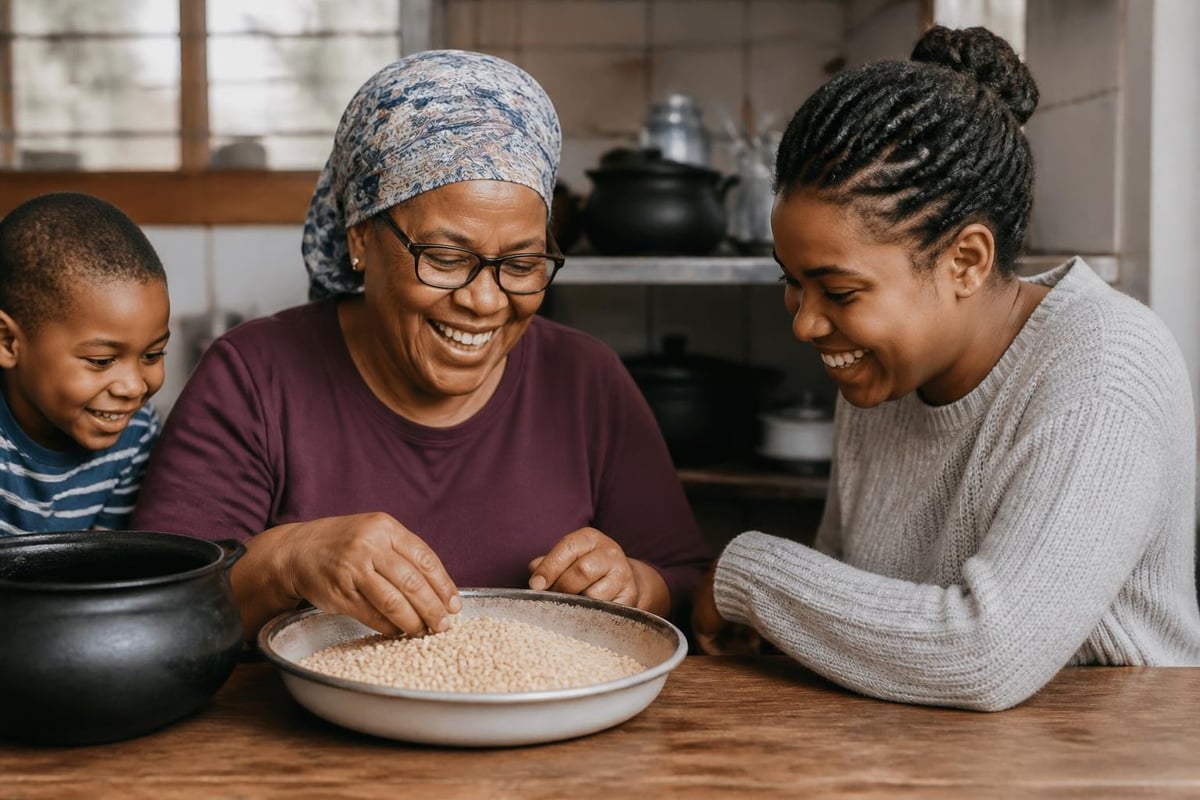
South African families living abroad face unique challenges in transmitting culinary heritage to children born in New Zealand. Teaching younger generations to appreciate and prepare traditional dishes helps preserve cultural identity across continents. Cooking sessions become opportunities for storytelling, language practice, and cultural education.
Many parents involve children in the preparation process, from measuring ingredients to stirring the pot during long cooking times. These shared experiences create lasting memories whilst imparting practical cooking skills. Children learn patience as they observe the slow transformation of hard kernels into tender, flavourful grains.
Creating Food Memories in a New Country
The aroma of slowly simmering crushed maize can transport expatriates back to childhood kitchens in South Africa. Recreating these sensory experiences in New Zealand homes helps combat homesickness whilst introducing Kiwi-born children to their South African heritage. Food becomes a tangible link to distant relatives and ancestral homelands.
Family gatherings centred around traditional meals reinforce cultural bonds within expatriate communities. Sharing dishes like umngqusho at potlucks or celebrations introduces non-South African friends to authentic cuisine, fostering cross-cultural understanding. These culinary ambassadors help preserve traditions whilst building new multicultural connections.
Incorporating Samp into Modern New Zealand Cuisine
Creative cooks experiment with fusion dishes that blend South African traditions with New Zealand ingredients. Local vegetables, meats, and seafood pair successfully with crushed maize, creating innovative recipes that honour both cultures. These culinary innovations demonstrate the ingredient's adaptability beyond traditional applications.
Contemporary cafes and restaurants in New Zealand occasionally feature South African-inspired dishes on their menus, introducing mainstream audiences to previously unfamiliar foods. This growing awareness creates opportunities for cultural exchange and broadens appreciation for diverse culinary traditions. The ingredient's nutritional profile aligns well with current health-conscious dining trends.
Commercial Opportunities and Food Entrepreneurship
Some South African expatriates have launched successful food businesses in New Zealand, sharing their culinary heritage with wider audiences. Food trucks, catering services, and specialty restaurants introduce authentic dishes to curious locals whilst serving homesick expatriates. These enterprises contribute to New Zealand's increasingly diverse food landscape.
The availability of authentic ingredients through specialised retailers like Something From Home enables both home cooks and food entrepreneurs to maintain quality standards. Access to genuine South African products ensures that dishes prepared in New Zealand closely replicate those enjoyed back home, preserving authenticity across thousands of kilometres.
The Role of Food in Maintaining Cultural Identity
For diaspora communities worldwide, traditional foods serve as powerful tools for maintaining cultural identity. The act of preparing and consuming familiar dishes reinforces connections to homeland, heritage, and community. These culinary practices become especially important for children growing up far from their parents' birthplace.
Food traditions provide tangible expressions of cultural belonging that transcend language barriers. Even South Africans who struggle to maintain fluency in indigenous languages can participate fully in cultural preservation through cooking and eating traditional meals. This accessibility makes culinary heritage particularly valuable for second and third-generation expatriates.
Cultural preservation through food involves:
- Maintaining family recipes passed through generations
- Sourcing authentic ingredients despite geographic challenges
- Teaching children traditional cooking methods
- Sharing meals within expatriate communities
- Introducing traditional foods to multicultural friends
- Celebrating South African holidays with appropriate dishes
The simple act of serving umngqusho at a family dinner becomes an assertion of cultural identity and a teaching moment for younger family members. These regular practices accumulate into meaningful cultural transmission that helps expatriate communities thrive whilst maintaining connections to their roots.
Expanding Your South African Pantry
Building a comprehensive collection of South African ingredients enables spontaneous meal preparation without extensive planning. Beyond crushed maize, essential pantry items include various spices, sauces, biscuits, and preserved foods that feature prominently in South African cooking. Stocking these products ensures readiness for both everyday meals and special occasions.
Rotating stock prevents waste whilst maintaining ingredient freshness. Regular inventory checks identify items needing replenishment, allowing for efficient online ordering. Bulk purchases of non-perishable items prove economical, particularly when shipping costs factor into total expenses. Strategic pantry management balances preparedness with practical storage limitations.
Building Shopping Lists for Authentic Meals
Planning traditional South African meals in New Zealand requires forethought regarding ingredient availability. Creating shopping lists that combine fresh local produce with imported staples ensures successful recipe execution. This planning process might involve checking multiple sources for different ingredients, though comprehensive retailers simplify the process significantly.
Something From Home's extensive catalogue allows customers to consolidate South African grocery shopping into single transactions. This convenience saves time and reduces shipping costs compared to ordering from multiple suppliers. The ability to browse more than 2,500 products online enables thorough meal planning and pantry stocking from anywhere in New Zealand.
Whether you're preparing traditional umngqusho for your family or experimenting with modern fusion dishes, quality crushed maize forms the foundation of authentic South African cooking. For South Africans in New Zealand seeking genuine ingredients that connect them to home, exploring the extensive range of products at Something From Home ensures you'll find everything needed to recreate beloved traditional meals and maintain precious culinary traditions across generations.