Vetkoek Recipes: Traditional South African Fried Bread

Vetkoek holds a special place in South African food culture, representing comfort, tradition, and culinary heritage that spans generations. For South Africans living in New Zealand, this golden fried bread evokes memories of home, family gatherings, and the distinctive flavors that define their cultural identity. Whether enjoyed with savory mince filling or drizzled with honey, vetkoek recipes connect expats to their roots while introducing Kiwi friends to an irresistible treat that's both simple to make and deeply satisfying.
Understanding Vetkoek: A South African Culinary Treasure
Vetkoek, which literally translates to "fat cake" in Afrikaans, is a traditional South African deep-fried bread that has become an iconic part of the country's food landscape. These golden, pillowy spheres of dough are crispy on the outside and soft inside, creating a texture contrast that makes them utterly addictive.
The history and origins of vetkoek trace back to Dutch settlers who brought their cooking traditions to South Africa. Over time, this simple fried dough evolved into a beloved staple that transcends cultural boundaries within South African communities. Today, vetkoek represents more than just food; it embodies the multicultural heritage that defines South African cuisine.
Regional Variations and Cultural Significance
Different regions across South Africa have developed their own vetkoek traditions:
- Cape Malay influence: Often filled with curried mince or fish
- Rural traditions: Served with homemade jam or syrup
- Township culture: Paired with polony, cheese, or atchar
- Modern interpretations: Filled with gourmet ingredients like pulled pork or chicken mayo
For South Africans living in New Zealand, recreating these regional variations helps maintain connection to specific cultural memories and family traditions. The beauty of vetkoek recipes lies in their adaptability while remaining true to fundamental preparation methods.
Essential Ingredients for Perfect Vetkoek
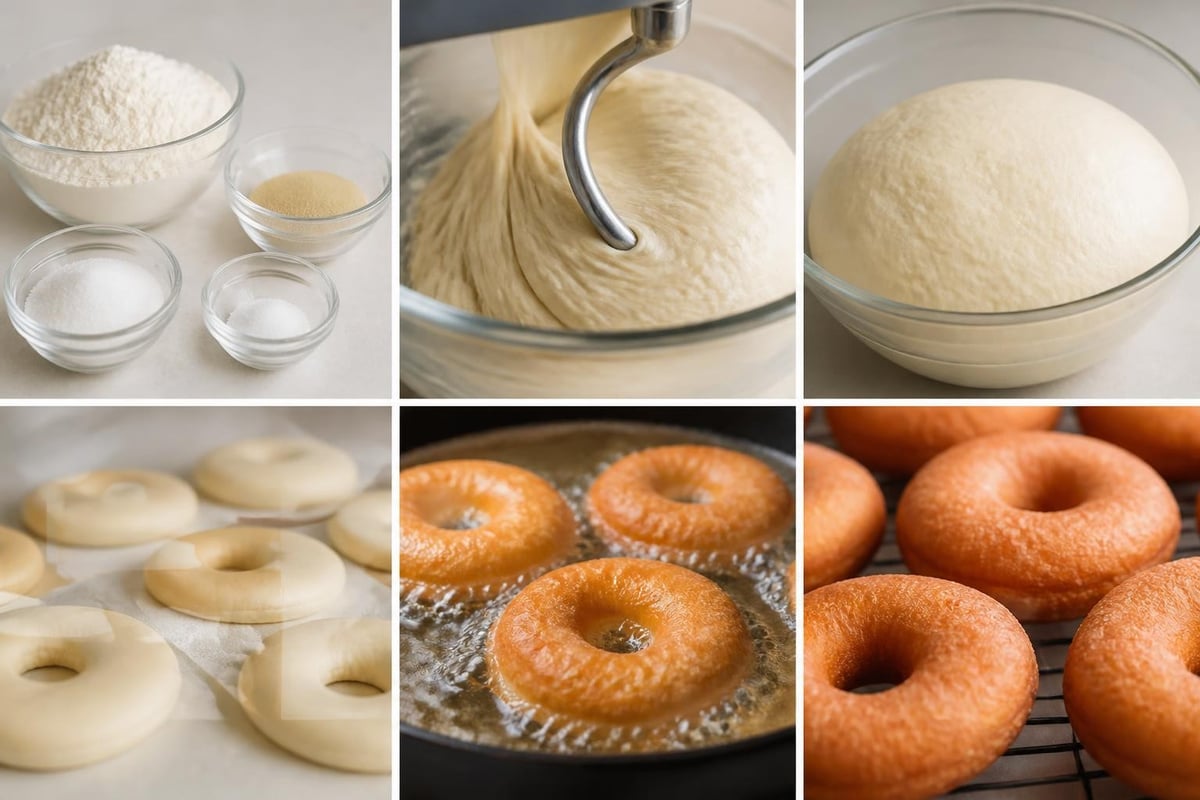
Creating authentic vetkoek requires understanding how each ingredient contributes to the final result. The foundation of any good vetkoek recipe starts with quality components.
| Ingredient | Purpose | Tips |
|---|---|---|
| Cake flour | Creates soft, tender texture | Use cake flour, not bread flour |
| Instant yeast | Provides rise and lightness | Fresh yeast works better than old |
| White sugar | Feeds yeast, adds slight sweetness | Don't omit, even for savory versions |
| Salt | Enhances flavor, controls yeast | Use fine salt for even distribution |
| Lukewarm water | Activates yeast | Temperature matters: too hot kills yeast |
| Vegetable oil | For frying | Must be hot enough: 180°C |
When living in New Zealand, South African expats can find most ingredients at local supermarkets, though specialty items might require visiting a dedicated South African food store. Something From Home stocks over 2,500 South African products, including specialty flours and ingredients that can help achieve authentic results in your vetkoek recipes.
The Science Behind the Dough
Understanding dough development improves your vetkoek outcomes significantly. The gluten network formed during kneading provides structure, while yeast fermentation creates the characteristic fluffy interior. Temperature plays a crucial role: dough rises best in warm environments around 24-27°C.
Many South Africans remember their mothers or grandmothers placing dough near warm stoves or wrapping bowls in blankets during winter. These traditional techniques remain relevant today, ensuring proper fermentation regardless of New Zealand's cooler climate.
Classic Vetkoek Recipe: Step-by-Step Guide
This traditional vetkoek recipe produces approximately 12-15 perfectly golden vetkoek that serve beautifully for family gatherings or casual dinners.
Ingredients and Measurements
Dry ingredients:
- 1 kg cake flour
- 10 g instant yeast (one packet)
- 60 ml white sugar
- 10 ml salt
Wet ingredients:
- 500 ml lukewarm water
- 30 ml vegetable oil (for dough)
- 1 liter vegetable oil (for deep-frying)
Preparation Method
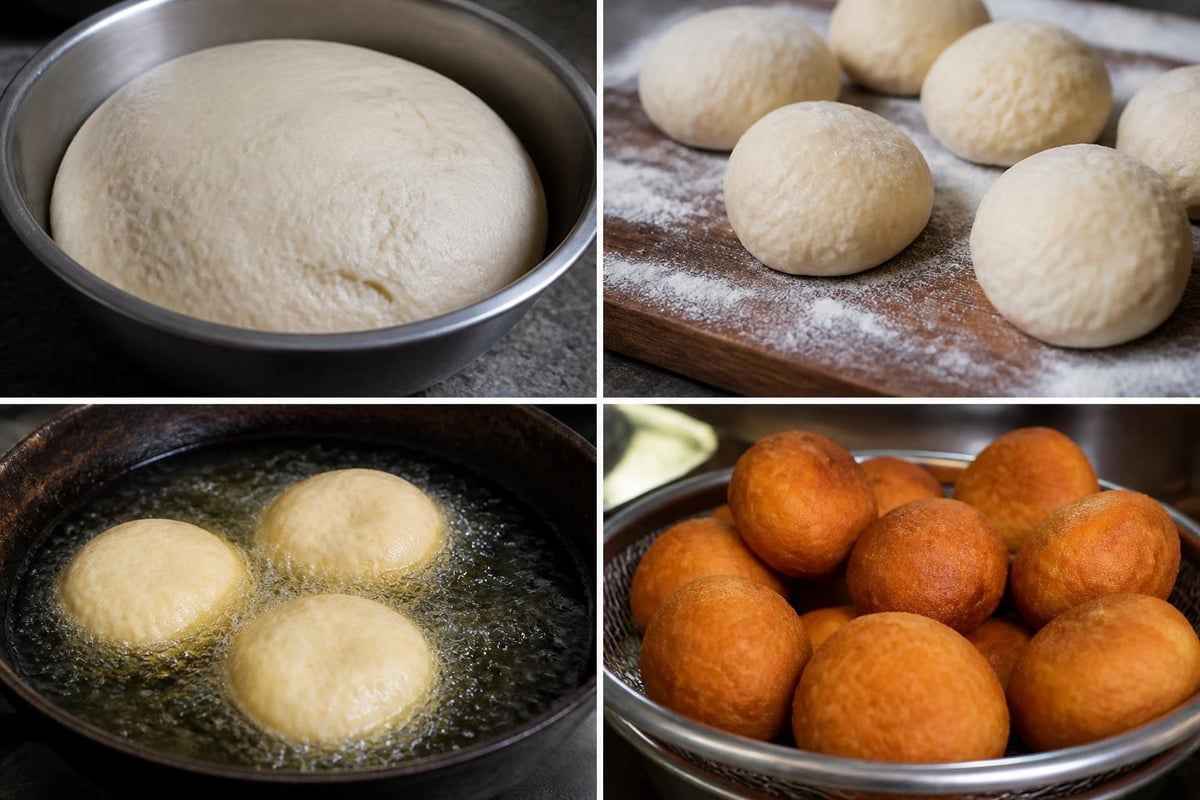
- Mix dry ingredients: Combine flour, yeast, sugar, and salt in a large mixing bowl
- Create well: Make a hollow in the center of the dry mixture
- Add liquids: Pour lukewarm water and oil into the well
- Combine: Mix until dough forms, then knead for 8-10 minutes
- First rise: Cover bowl with damp cloth, leave in warm place for 45-60 minutes
- Punch down: Gently deflate risen dough
- Shape: Divide into equal portions, roll into smooth balls
- Second rise: Let shaped balls rest for 15-20 minutes
- Fry: Deep-fry in hot oil (180°C) until golden brown on both sides
- Drain: Remove and drain on paper towels
The key to successful vetkoek recipes lies in temperature control and timing. Rushing the rising process produces dense, heavy results, while properly proved dough creates those characteristic light, fluffy interiors.
Sweet and Savory Filling Options
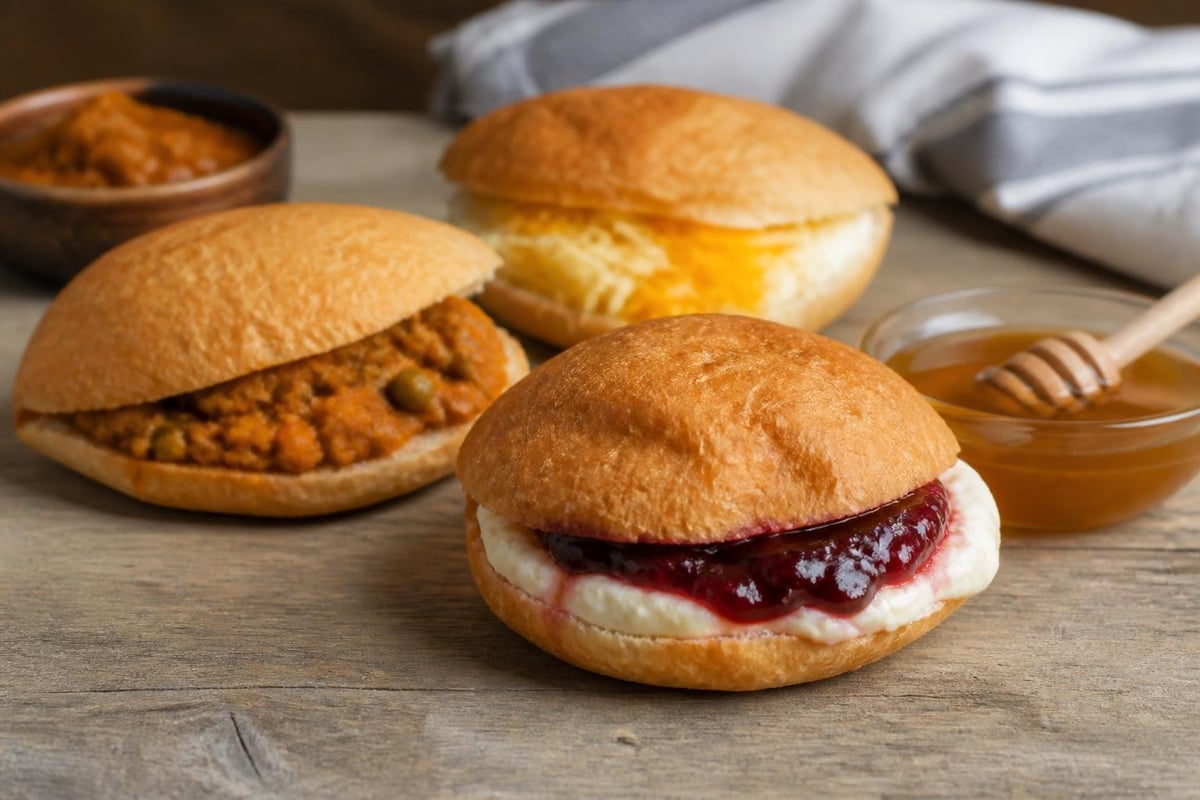
Vetkoek's versatility makes it suitable for any meal, from breakfast through to dessert. Traditional South African households often prepare both sweet and savory versions simultaneously.
Popular Savory Fillings
Classic curried mince:
- Ground beef cooked with curry powder
- Onions, garlic, and tomatoes
- Served with chutney or atchar
- Perfect for lunch or dinner
Polony and cheese:
- Sliced South African polony
- Cheddar cheese
- Tomato and lettuce
- Mayo or mustard
Chicken mayonnaise:
- Shredded cooked chicken
- Mayonnaise and seasoning
- Sweetcorn and spring onions
- Fresh lettuce
For South Africans missing home flavors, finding authentic polony and atchar in New Zealand can be challenging. Specialty stores that focus on South African groceries make recreating traditional fillings much easier, ensuring vetkoek tastes just like home.
Sweet Filling Variations
- Honey and cinnamon sugar: Classic combination for afternoon tea
- Jam and butter: Simple but satisfying, especially apricot jam
- Golden syrup: Traditional favorite across all age groups
- Cheese and syrup: Unusual but beloved contrast of flavors
Expert Tips for Vetkoek Success
Mastering vetkoek recipes requires attention to several critical factors that separate good results from exceptional ones.
Temperature Control
Oil temperature: The most common mistake involves incorrect frying temperature. Too hot creates burnt exteriors with raw centers; too cool results in oil-soaked, greasy vetkoek. Invest in a cooking thermometer and maintain 180°C throughout frying.
Dough temperature: Yeast activates best in lukewarm water (37-40°C). Test water temperature on your wrist; it should feel comfortably warm, not hot.
Dough Handling Techniques
- Kneading properly: Develop gluten without overworking
- Shaping uniformly: Equal-sized portions ensure even cooking
- Gentle handling: Avoid deflating dough excessively
- Resting adequately: Never skip the second rise
Troubleshooting Common Issues
| Problem | Cause | Solution |
|---|---|---|
| Dense texture | Insufficient rising time | Allow full proving periods |
| Greasy vetkoek | Oil temperature too low | Increase heat, test with thermometer |
| Raw centers | Oil too hot, rushed cooking | Lower temperature, fry longer |
| Tough exterior | Over-kneading | Knead only until smooth |
Many easy vetkoek recipes available online simplify the process, but understanding these fundamentals ensures consistently excellent results.
Traditional Accompaniments and Serving Suggestions
Vetkoek's appeal extends beyond the bread itself to include traditional accompaniments that complete the experience. South African food culture emphasizes communal eating, and vetkoek naturally facilitates sharing and connection.
Classic Pairings
For savory vetkoek:
- Mrs Ball's Chutney (available at South African shops)
- Homemade atchar
- Fresh tomato and onion salsa
- Chakalaka for added spice
For sweet vetkoek:
- Real butter
- Apricot or strawberry jam
- Honey from local New Zealand producers
- Cinnamon sugar mixture
The beauty of simple traditional vetkoek recipes lies in their ability to showcase quality accompaniments. When ingredients shine through, even basic preparations become memorable meals.
Modern Variations and Creative Adaptations
Contemporary vetkoek recipes reflect evolving tastes while respecting traditional foundations. South Africans in New Zealand often blend Kiwi ingredients with traditional preparations, creating fusion versions that honor both cultures.
Innovative Filling Ideas
Breakfast vetkoek:
- Scrambled eggs and bacon
- Baked beans and cheese
- Smoked salmon and cream cheese
- Avocado and tomato
Gourmet options:
- Pulled pork with coleslaw
- Butter chicken curry
- Mediterranean vegetables and feta
- Thai-inspired chicken filling
Dessert vetkoek:
- Nutella and banana
- Peppermint Crisp and caramel
- Lemon curd and fresh cream
- Apple cinnamon compote
These modern interpretations demonstrate vetkoek's adaptability while maintaining the essential characteristics that make this South African comfort food so beloved.
Vetkoek in South African Food Culture
Understanding vetkoek recipes means appreciating their cultural context. These fried breads appear at virtually every South African gathering, from casual family braais to formal celebrations, street food stalls to home kitchens.
Social Significance
Vetkoek represents accessibility and inclusivity in South African cuisine. The ingredients are affordable, preparation straightforward, and results universally enjoyed across cultural and economic boundaries. This democratic nature makes vetkoek a unifying food that brings people together.
For South Africans living abroad, particularly in New Zealand, preparing vetkoek becomes an act of cultural preservation. Teaching children to make vetkoek passes down traditions, maintains language connections through Afrikaans terminology, and creates tangible links to heritage.
Commercial Versus Homemade
While street vendors and takeaways across South Africa sell vetkoek commercially, homemade versions carry special significance. The process of making vetkoek from scratch connects cooks to generations of family tradition, with recipes often passed down verbally rather than written.
Many expats in New Zealand find that detailed vetkoek recipes help them recreate childhood memories and share their heritage with new communities. The aroma of frying vetkoek instantly transports South Africans back home, making the effort worthwhile.
Sourcing Ingredients in New Zealand
Creating authentic vetkoek recipes in New Zealand requires access to proper ingredients. While most components are readily available at standard supermarkets, certain items benefit from specialty sourcing.
Essential Pantry Items
Available everywhere:
- Cake flour
- Instant yeast
- White sugar
- Salt
- Vegetable oil
Better from South African sources:
- Mrs Ball's Chutney
- South African curry powder
- Authentic polony
- Specific atchar varieties
Shopping at a dedicated South African food store ensures access to authentic accompaniments that complete the vetkoek experience. When you can purchase proper chutney, spices, and traditional condiments, your vetkoek recipes achieve that genuine taste of home.
Storing and Reheating Vetkoek
Freshly fried vetkoek tastes best, but proper storage extends enjoyment and reduces waste. Understanding preservation techniques helps maximize your cooking efforts.
Storage Guidelines
Short-term (1-2 days):
- Cool completely before storing
- Place in airtight container
- Keep at room temperature
- Avoid refrigeration (causes staling)
Longer-term (up to 3 months):
- Freeze in sealed freezer bags
- Separate layers with baking paper
- Label with date
- Thaw at room temperature
Reheating Methods
- Oven method: Heat at 180°C for 8-10 minutes (best texture)
- Microwave: 30-40 seconds (quick but softer)
- Air fryer: 160°C for 5 minutes (restores crispiness)
- Stovetop: Light pan-frying in butter (adds extra flavor)
Many South African families prepare large batches of vetkoek, freezing portions for convenient future meals. This practical approach fits well with busy New Zealand lifestyles while maintaining connection to traditional foods.
Building Confidence with Vetkoek Recipes
First-time vetkoek makers often feel intimidated by the yeast work and deep-frying process. However, these recipes are remarkably forgiving once you understand basic principles.
Getting Started
Begin with a simple traditional recipe before attempting variations. Master the basic technique, then experiment with different fillings and flavors. Each batch builds confidence and improves technique.
Beginner tips:
- Start with half batches to reduce waste
- Use a thermometer for oil temperature
- Don't rush the rising process
- Accept imperfect shapes initially
- Focus on achieving proper texture first
Many experienced cooks recommend watching video demonstrations before attempting vetkoek recipes, as visual learning clarifies techniques that written instructions sometimes struggle to convey.
Connecting Through Food
For South Africans in New Zealand, vetkoek recipes represent more than culinary instructions. They're vehicles for cultural transmission, tools for building community, and methods of maintaining identity while embracing new surroundings.
Hosting vetkoek-making sessions introduces Kiwi friends to South African food culture while creating opportunities for cultural exchange. The interactive nature of preparing and filling vetkoek facilitates conversation and connection, building bridges between communities.
Many South African expats report that sharing traditional foods helps their children understand and appreciate their heritage. When young people participate in making vetkoek, they develop skills, create memories, and maintain connections to family traditions that might otherwise fade across generations and geographical distance.
Mastering vetkoek recipes connects South Africans in New Zealand to their culinary heritage while sharing delicious traditions with new communities. Whether you're craving the comfort of home or introducing friends to authentic South African flavors, these golden fried breads deliver satisfaction with every bite. For all the specialty ingredients and authentic South African products you need to create perfect vetkoek and other traditional dishes, visit Something From Home, where more than 2,500 South African products await to help you bring the tastes of home to your New Zealand kitchen.