
Jelly Tots: A Sweet Taste of South African Nostalgia

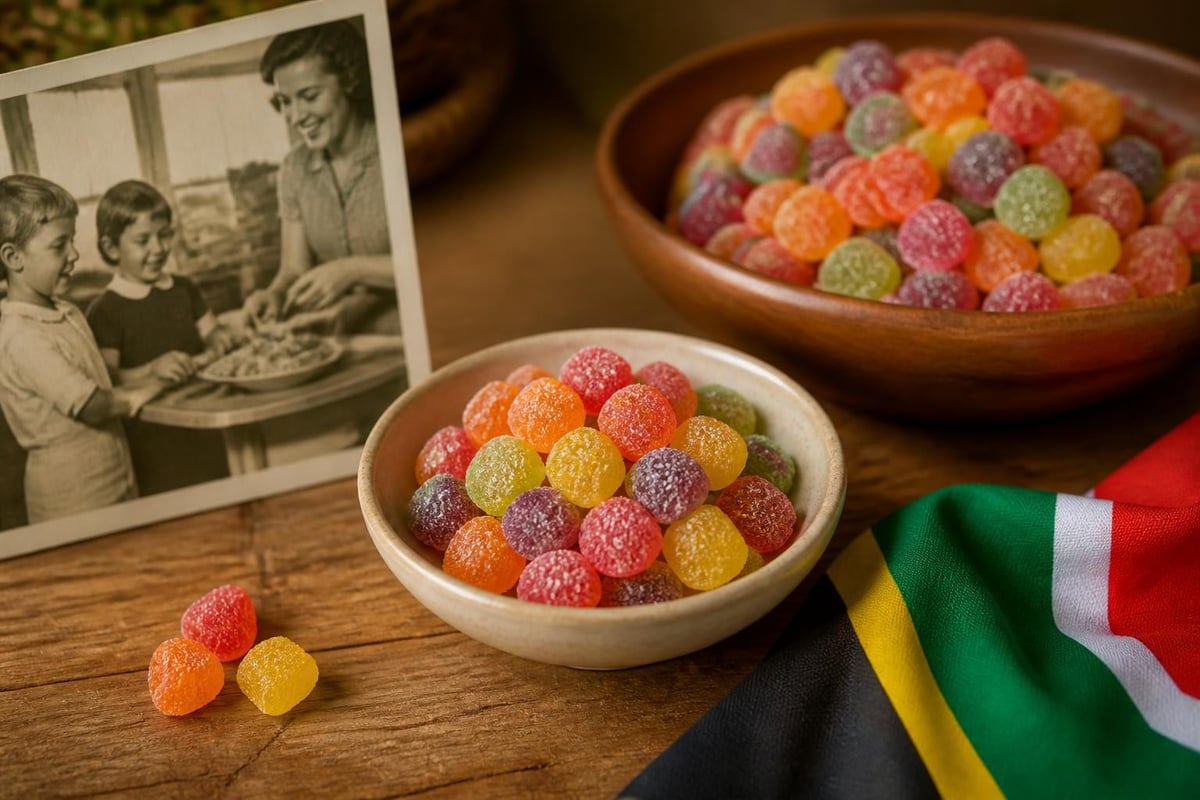
For South Africans living abroad, few confectioneries evoke childhood memories quite like jelly tots. These small, sugar-dusted jelly sweets have been a staple in South African homes, school lunchboxes, and cinema visits for generations. Whether you grew up sharing packets with friends during break time or carefully rationing them to make the enjoyment last longer, these colourful treats represent more than just a snack. They embody a connection to home, family traditions, and the distinctive flavour profiles that define South African confectionery culture. For expatriates in New Zealand, finding authentic jelly tots offers a tangible link to cherished memories and cultural identity.
The Origins and History of Jelly Tots
The story of jelly tots begins in 1965 when Rowntree's, a British confectionery manufacturer, introduced these distinctive sweets to the market. According to historical records about their development, the creation process involved extensive research into jelly confectionery that would appeal to both children and adults. The brand quickly established itself through clever marketing and a consistent product quality that distinguished it from other jelly sweets available at the time.
What made these particular sweets unique was their combination of texture, flavour intensity, and presentation. Unlike traditional jelly babies or gummy bears, jelly tots offered a firmer bite with a generous coating of fine sugar crystals that provided an initial sweetness before the fruit flavours emerged. This dual-texture experience became their signature characteristic.
Brand Development and Market Expansion
The evolution of Jelly Tots advertising from 1965 through 1978 reveals how the brand positioned itself in the competitive confectionery market. Early campaigns emphasised the product's fruit flavours and child-friendly appeal, establishing marketing patterns that would continue for decades. The distinctive packaging, featuring bright colours and playful imagery, made them instantly recognisable on shop shelves.
During the 1970s and 1980s, production expanded beyond the United Kingdom to other Commonwealth markets, including South Africa. This expansion proved particularly successful in the South African market, where the sweets became deeply embedded in local food culture. South African consumers embraced them enthusiastically, incorporating them into birthday parties, road trips, and everyday snacking occasions.
Nutritional Profile and Ingredients
Understanding what comprises these beloved sweets helps explain both their appeal and their place within modern dietary considerations. The nutritional composition of Rowntree's Jelly Tots provides valuable information for consumers monitoring their intake of sugars and carbohydrates.
| Nutritional Component | Per 100g | Per 25g Serving |
|---|---|---|
| Energy | 1459 kJ / 343 kcal | 365 kJ / 86 kcal |
| Carbohydrates | 80g | 20g |
| Sugars | 63g | 16g |
| Protein | 4.1g | 1.0g |
| Fat | 0.2g | 0.1g |
Key Ingredients and Flavour Profiles
The primary ingredients include sugar, glucose syrup, gelatine, concentrated fruit juices (including blackcurrant, lime, lemon, orange, and strawberry), citric acid, and natural colours. Each colour corresponds to a specific fruit flavour, creating a sensory experience that combines visual appeal with taste. The blackcurrant variety typically appears as the dark purple sweet, whilst lime presents as green, lemon as yellow, orange as orange, and strawberry as red.
This formulation has remained relatively consistent over the decades, contributing to the product's reliability and the nostalgic experience for long-time consumers. The absence of artificial flavours appeals to consumers seeking confectionery with more natural ingredients, though the sugar content remains substantial as with most sweets.
Cultural Significance in South African Life
Within South African culture, jelly tots occupy a special position that transcends their status as mere confectionery. They represent shared experiences across generations, economic backgrounds, and geographic regions. From Cape Town to Johannesburg, these sweets appeared at braais, birthday parties, and family gatherings, becoming woven into the fabric of South African childhood.
Generational Traditions and Memories
Many South African families developed traditions around these sweets. Parents who enjoyed them during their own childhoods introduced them to their children, creating multi-generational connections. The ritual of opening a fresh packet, the slight resistance of the sugar coating, and the burst of fruit flavour became sensory markers of happy occasions.
- Cinema visits: A standard accompaniment to Saturday matinee films
- Long car journeys: Essential road trip provisions for keeping children entertained
- School tuckshops: Regular purchases during break times
- Party bags: Popular additions to birthday celebration favours
- Weekend treats: Rewards for good behaviour or completed chores
This cultural embedding means that for South Africans living overseas, finding authentic jelly tots provides more than simple satisfaction of a sweet craving. It reconnects them with formative experiences and cultural touchstones that defined their upbringing.

The Expatriate Experience and Food Nostalgia
South Africans who relocate to New Zealand often experience what researchers call "food nostalgia", a longing for the specific tastes, textures, and brands that populated their homeland. This phenomenon extends beyond simple preference to encompass emotional wellbeing and cultural identity maintenance. Access to familiar products helps expatriates feel connected to their heritage whilst building new lives in their adopted country.
Why Familiar Products Matter
The psychological impact of finding and consuming familiar foods shouldn't be underestimated. When South African expatriates discover jelly tots in New Zealand, they're not just purchasing sweets but accessing memories, comfort, and cultural continuity. This explains why South African grocery products maintain such importance within expatriate communities.
Emotional benefits of familiar confectionery include:
- Reduced homesickness through sensory connection
- Shared experiences with visiting family members
- Introduction of South African culture to Kiwi friends
- Celebration of traditional holidays with authentic treats
- Comfort during challenging adjustment periods
Product Variations and Packaging Options
Over the years, the jelly tots range has expanded to include various packaging formats designed for different consumption occasions. The Rowntree's Jelly Tots product range now includes tubes, sharing bags, and multipacks, each serving distinct consumer needs.
Available Formats and Uses
| Package Type | Weight | Ideal For |
|---|---|---|
| Standard Tube | 42g | Individual consumption, lunchboxes |
| Sharing Pouch | 150g | Family sharing, parties |
| Multipack | 4 x 42g | Weekly provisions, variety |
| Giant Tube | 130g | Extended enjoyment, gifts |
The sharing pouch format particularly suits family gatherings and social occasions, reflecting changing consumption patterns where confectionery often serves as a communal experience rather than solely individual indulgence.
Sourcing Authentic Jelly Tots in New Zealand
For South Africans in New Zealand, locating genuine jelly tots represents an important aspect of maintaining cultural connections. Whilst some international confectionery appears in mainstream New Zealand supermarkets, authentic South African products require specialist suppliers who understand the expatriate market's needs.
Something From Home operates as a South African food store in New Zealand with more than 2,500 South African products, providing comprehensive access to authentic groceries, snacks, and confectionery. This specialisation ensures product authenticity and consistent availability, addressing the frustration many expatriates experience when seeking specific brands.
Benefits of Specialist South African Suppliers
Purchasing from dedicated South African suppliers offers several advantages over hunting through general retailers:
- Guaranteed authenticity: Products sourced directly from South African manufacturers
- Consistent stock levels: Regular importing ensures availability
- Broader selection: Access to multiple South African confectionery brands
- Cultural expertise: Staff understanding of product significance and uses
- Community connection: Supporting businesses serving the South African diaspora
The convenience of buying South African food online eliminates geographic limitations, allowing South Africans throughout New Zealand to access their favourite products regardless of location. This accessibility proves particularly valuable for those living outside major urban centres.

Jelly Tots Versus Other Jelly Confectionery
When comparing jelly tots to other jelly-based sweets available internationally, several distinguishing characteristics emerge. Understanding these differences helps explain why substitutes don't satisfy the same craving for South Africans seeking this particular product.
Comparative Analysis
Texture differences: Jelly tots maintain a firmer consistency than many competing products, providing a satisfying chew that releases flavour gradually. The sugar coating adds textural contrast absent in many modern jelly sweets that favour uniform softness.
Flavour intensity: The concentrated fruit juice content delivers more pronounced flavours compared to sweets relying primarily on artificial flavouring. This intensity creates a memorable taste experience that resonates with consumers seeking authentic fruit notes.
Size and shape: The distinctive dome shape and consistent sizing differentiate them from irregular or novelty-shaped competitors. This uniformity contributes to the eating experience, allowing consumers to anticipate texture and flavour with each piece.
Modern Consumption Trends and Dietary Considerations
Contemporary consumers increasingly scrutinise confectionery choices through the lens of nutritional content, ingredient transparency, and dietary compatibility. Whilst jelly tots contain gelatine, making them unsuitable for vegetarians and vegans, they remain free from major allergens like nuts, making them accessible for many dietary restrictions.
Mindful Enjoyment Strategies
For those monitoring sugar intake whilst still wanting to enjoy these nostalgic treats, several approaches enable balanced consumption:
- Portion control: Using the individual tube format naturally limits serving size
- Special occasions: Reserving consumption for meaningful celebrations
- Shared experiences: Distributing pouches among groups reduces individual intake
- Mindful savouring: Eating slowly to fully appreciate flavour and texture
- Alternative timing: Consuming as part of balanced meals rather than standalone snacks
The Role of Confectionery in South African Food Culture
South African confectionery traditions reflect the country's diverse cultural influences and historical trade patterns. British colonial connections introduced products like jelly tots, whilst local innovations and adaptations created unique variations. Understanding this context illuminates why certain sweets maintain such cultural significance within South African communities worldwide.
Confectionery as Cultural Ambassador
When South Africans share jelly tots with non-South African friends in New Zealand, they're participating in cultural exchange. These moments of sharing favourite childhood sweets often lead to broader conversations about South African life, traditions, and experiences. Food serves as an accessible entry point for cross-cultural understanding, with confectionery's universal appeal making it particularly effective.
The act of introducing someone to these distinctive sweets creates shared experiences and memories, potentially expanding appreciation for South African products beyond the expatriate community. This cultural ambassadorship strengthens connections between South African and Kiwi communities whilst supporting businesses that serve both groups.
Storage and Freshness Considerations
Maintaining product quality ensures the best possible experience when finally enjoying these imported treats. Proper storage practices preserve the texture, flavour, and overall enjoyment of jelly tots, particularly important for products shipped internationally.
Optimal storage conditions include:
- Cool, dry environments away from direct sunlight
- Sealed containers after opening to prevent moisture absorption
- Consumption within recommended timeframes for peak freshness
- Avoidance of temperature fluctuations that affect texture
- Refrigeration during hot weather to prevent melting or sticking
These considerations prove particularly relevant in New Zealand's varied climate, where temperature and humidity differ significantly between regions and seasons.
Building Community Through Shared Food Experiences
The South African community in New Zealand maintains strong networks partly through shared food experiences and access to familiar products. Social media groups, community events, and informal gatherings often feature South African snacks as centrepieces, creating opportunities for connection and cultural celebration.
Finding reliable sources for products like jelly tots enables South Africans to contribute authentically to potlucks, children's parties, and cultural celebrations. These contributions strengthen community bonds whilst introducing New Zealand-born children of South African parents to their heritage through tangible, enjoyable experiences.
Supporting Cultural Identity in Second-Generation South Africans
For children born in New Zealand to South African parents, exposure to traditional foods helps build understanding of their heritage. Sharing jelly tots and explaining their significance within South African culture creates teaching moments that transcend simple snacking. These experiences contribute to identity formation and cultural pride, helping children appreciate their multicultural background.
Parents often use familiar confectionery as gateway products, introducing children to South African food culture through items with universal child appeal before progressing to more acquired tastes. This gradual introduction builds positive associations with cultural heritage whilst respecting children's developmental preferences.
The Economics of Imported Confectionery
Understanding the economic factors affecting imported South African products helps consumers appreciate pricing structures and availability patterns. International shipping, import duties, currency fluctuations, and demand dynamics all influence the final retail price of products like jelly tots in New Zealand.
Specialist retailers who import substantial volumes can often negotiate better shipping rates and source products more efficiently than individuals attempting personal imports. This economy of scale benefits consumers through improved availability and more stable pricing compared to sporadic individual purchases.
Value Propositions for Consumers
When evaluating the cost of imported jelly tots, consumers should consider factors beyond simple price comparison:
- Authenticity guarantee: Assurance of genuine product rather than uncertain alternatives
- Convenience: Elimination of time spent searching multiple retailers
- Reliability: Consistent access without stock uncertainty
- Supporting community: Contributing to businesses serving South African expatriates
- Quality assurance: Products stored and handled appropriately throughout supply chain
Many South Africans in New Zealand find that the emotional value and convenience of reliable access to authentic products justify premium pricing over mainstream alternatives that don't satisfy the same cultural and nostalgic needs. For those interested in exploring the full range of available options, the Something From Home FAQ section provides helpful information about ordering, delivery, and product selection.
Jelly tots represent far more than simple confectionery for South Africans living in New Zealand, serving as tangible connections to childhood memories, cultural identity, and cherished traditions. Whether you're seeking to satisfy your own nostalgia or introduce the next generation to South African treats, accessing authentic products ensures the experience matches your memories. Something From Home understands these needs, stocking genuine South African confectionery alongside thousands of other products that help maintain your connection to home whilst building your life in New Zealand.