Split Green Peas: Nutrition, Uses & Cooking Guide
Split green peas are a humble yet versatile pantry staple that has nourished families across cultures for centuries. These small, dried legumes pack impressive nutritional value while remaining remarkably affordable and accessible. For South Africans living in New Zealand, split green peas represent a connection to the comforting, slow-cooked meals that define home-style cooking. Whether you're preparing a thick winter soup or a hearty stew, understanding this simple ingredient opens up a world of wholesome, budget-friendly meal possibilities.
What Are Split Green Peas and How Are They Made
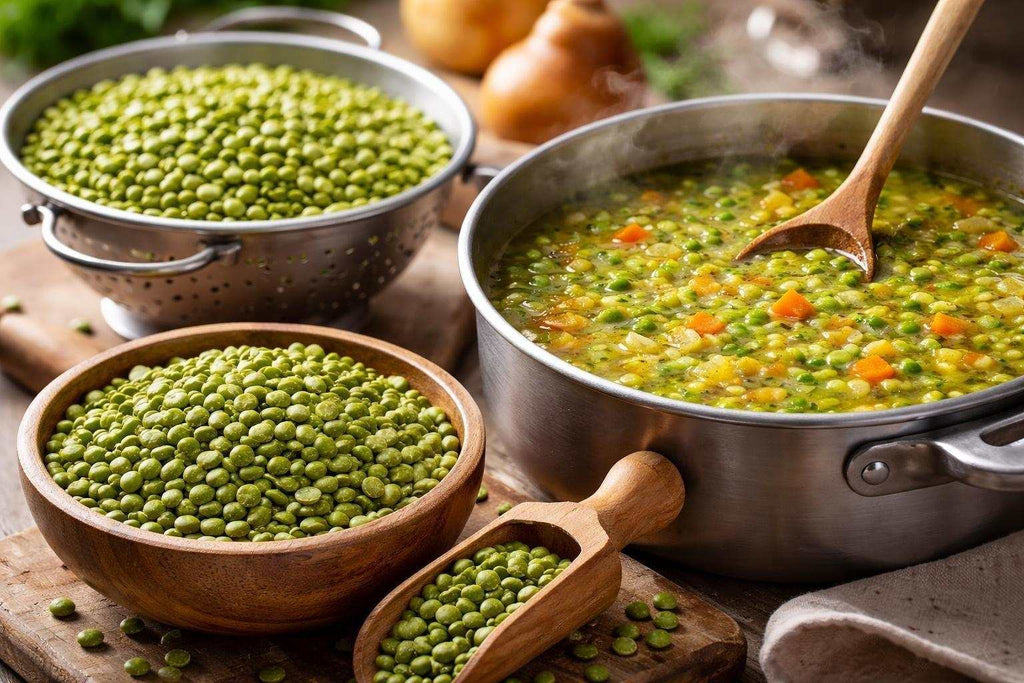
Split green peas are field peas that have been harvested, dried, and mechanically split in half. Unlike fresh garden peas, these legumes are allowed to mature fully on the vine before harvesting. The drying and splitting process removes the outer skin and naturally divides the pea into two halves.
The production method is straightforward yet effective. After harvesting, the peas undergo a drying process that reduces their moisture content significantly. Once dried, the peas pass through machinery that removes the thin outer skin and splits them along their natural seam. This splitting serves multiple purposes:
- Faster cooking time compared to whole dried peas
- Better absorption of flavours from broths and seasonings
- Easier digestion due to the removed outer hull
- Improved texture that breaks down smoothly in soups

The resulting product is a pale green legume with a flat surface and semi-circular shape. Unlike some legumes that require overnight soaking, split green peas can often be cooked directly from their dried state, making them particularly convenient for busy households.
The Difference Between Split Peas and Other Legumes
Split green peas belong to the same species as yellow split peas, with colour being the primary difference. Both varieties offer similar nutritional profiles and cooking characteristics. However, green split peas tend to have a slightly sweeter, more robust flavour that works exceptionally well in traditional soup recipes.
When compared to lentils, chickpeas, or beans, split green peas stand out for their creamy texture when cooked. They naturally thicken liquids without requiring additional ingredients, creating body and substance in soups and stews. This quality makes them a favourite ingredient in comfort food preparations across multiple cuisines.
Nutritional Value and Health Benefits
The nutritional profile of split peas is genuinely impressive for such an economical ingredient. A single cup of cooked split green peas delivers substantial amounts of protein, fibre, and essential micronutrients whilst remaining low in fat.
| Nutrient | Amount per 200g Cooked | % Daily Value |
|---|---|---|
| Protein | 16g | 32% |
| Dietary Fibre | 16g | 64% |
| Folate | 254mcg | 64% |
| Iron | 2.5mg | 14% |
| Potassium | 710mg | 15% |
| Thiamine | 0.37mg | 31% |
Protein and Fibre Content
Split green peas serve as an excellent plant-based protein source. With approximately 16 grams of protein per cooked cup, they provide essential amino acids necessary for muscle maintenance and overall health. For vegetarians and those reducing meat consumption, this protein density makes split peas an invaluable dietary component.
The fibre content deserves equal attention. Both soluble and insoluble fibre are present in significant quantities. Soluble fibre helps regulate blood sugar levels and supports cardiovascular health, whilst insoluble fibre promotes digestive regularity. Health benefits of split peas include improved cholesterol levels and sustained energy release.
Vitamins and Minerals
Beyond macronutrients, split green peas deliver an impressive array of micronutrients. Folate content is particularly noteworthy, with one serving providing more than half the daily recommended intake. This B-vitamin plays a crucial role in cell division and DNA synthesis.
Iron, potassium, magnesium, and zinc round out the mineral profile. These nutrients support everything from oxygen transport in the blood to bone health and immune function. The combination of nutrients makes split green peas a genuinely nutrient-dense food choice.
Traditional Uses in Home-Style Cooking
Split green peas have earned their place in kitchens worldwide through versatility and reliability. The most iconic use remains in soup preparations, where their ability to thicken and add substance creates satisfying, filling meals.
Pea soup variations exist across European, American, and other culinary traditions. The Dutch version, "erwtensoep," is a thick, hearty preparation often containing smoked sausage and vegetables. Swedish "ärtsoppa" follows similar principles, traditionally served on Thursdays with a simple garnish of mustard.
Classic Split Pea Soup
The foundation of split pea soup remains remarkably consistent across recipes. Split green peas simmer with aromatic vegetables, creating a base that develops rich, earthy flavours. Many preparations include:
- Sautéed aromatics like onions, carrots, and celery
- Stock or broth for depth and complexity
- Ham bone or smoked meat for traditional versions
- Herbs and seasoning including bay leaves and black pepper
- Slow simmering until peas break down completely
The beauty of this preparation lies in its simplicity. Unlike dishes requiring precise technique or expensive ingredients, split pea soup rewards patience more than skill. The longer cooking time allows flavours to meld whilst the peas gradually dissolve, creating a naturally creamy consistency without cream or dairy.

Beyond Soup: Other Culinary Applications
Whilst soup dominates split pea usage, creative cooks have discovered numerous other applications. Split green peas can be:
- Ground into flour for protein-enriched baking
- Cooked and mashed as a side dish similar to mushy peas
- Added to stews for thickening and nutritional enhancement
- Sprouted for fresh salads and sandwiches
- Blended into dips and spreads
In South African home cooking, dried legumes like split peas often accompany slow-cooked meat dishes or form the base of filling vegetarian meals. The tradition of making hearty, economical meals from simple ingredients resonates strongly with families who appreciate both nutrition and value.
Storage, Shelf Life, and Affordability
One of split green peas' most valuable characteristics is their exceptional storage stability. When kept in proper conditions, dried split peas can remain viable for years without refrigeration. This longevity made them essential provisions historically and continues to make them practical for modern pantries.
Proper Storage Techniques
Dried split green peas require minimal care for optimal preservation. Store them in airtight containers in a cool, dark location away from moisture and heat sources. Glass jars, sealed plastic containers, or heavy-duty food storage bags all work effectively.
| Storage Method | Expected Shelf Life | Best Use Case |
|---|---|---|
| Pantry (airtight) | 2-3 years | Everyday cooking |
| Freezer | 4-5 years | Long-term storage |
| Vacuum sealed | 5+ years | Emergency supplies |
Once cooked, split green peas should be refrigerated and consumed within three to five days. Cooked preparations also freeze exceptionally well, making batch cooking practical for busy households.
Economic Value for Families
The cost-effectiveness of split green peas cannot be overstated. Compared to fresh vegetables or meat proteins, dried legumes deliver substantial nutrition at a fraction of the price. A single kilogram of dried split peas yields multiple family meals, providing excellent value for budget-conscious shoppers.
For South African families in New Zealand managing household expenses whilst maintaining nutritious meal standards, pantry staples like split green peas offer reliable solutions. They represent the kind of practical, multi-purpose ingredient that supports both health goals and financial planning.
Split Green Peas in South African Food Culture
Within South African cooking traditions, dried legumes occupy an important position. Whilst not unique to South African cuisine, split green peas and similar ingredients form part of the broader tradition of hearty, filling meals that characterise home cooking across the region.
South African curry and rice preparations sometimes incorporate split peas for added texture and protein. The legumes work particularly well in slow-cooked dishes, absorbing the complex spice blends that make South African curries distinctive.
Comfort Food Connections
For South Africans living abroad, particularly in New Zealand, maintaining connections to familiar foods provides comfort and cultural continuity. The simple act of preparing a pot of split pea soup using trusted ingredients can evoke powerful memories of home kitchens and family gatherings.
This emotional connection extends beyond nostalgia. Traditional cooking methods and familiar ingredients help preserve culinary heritage for the next generation. Children growing up in New Zealand with South African parents benefit from exposure to these food traditions, maintaining cultural links through shared meals.
Accessibility in New Zealand
Finding quality South African groceries and pantry staples in New Zealand has become considerably easier in recent years. Specialist retailers recognise the demand from expatriate communities for familiar products. Something From Home operates as a dedicated South African food store in New Zealand, stocking more than 2,200 products including essential cooking ingredients and pantry items that support traditional preparation methods.
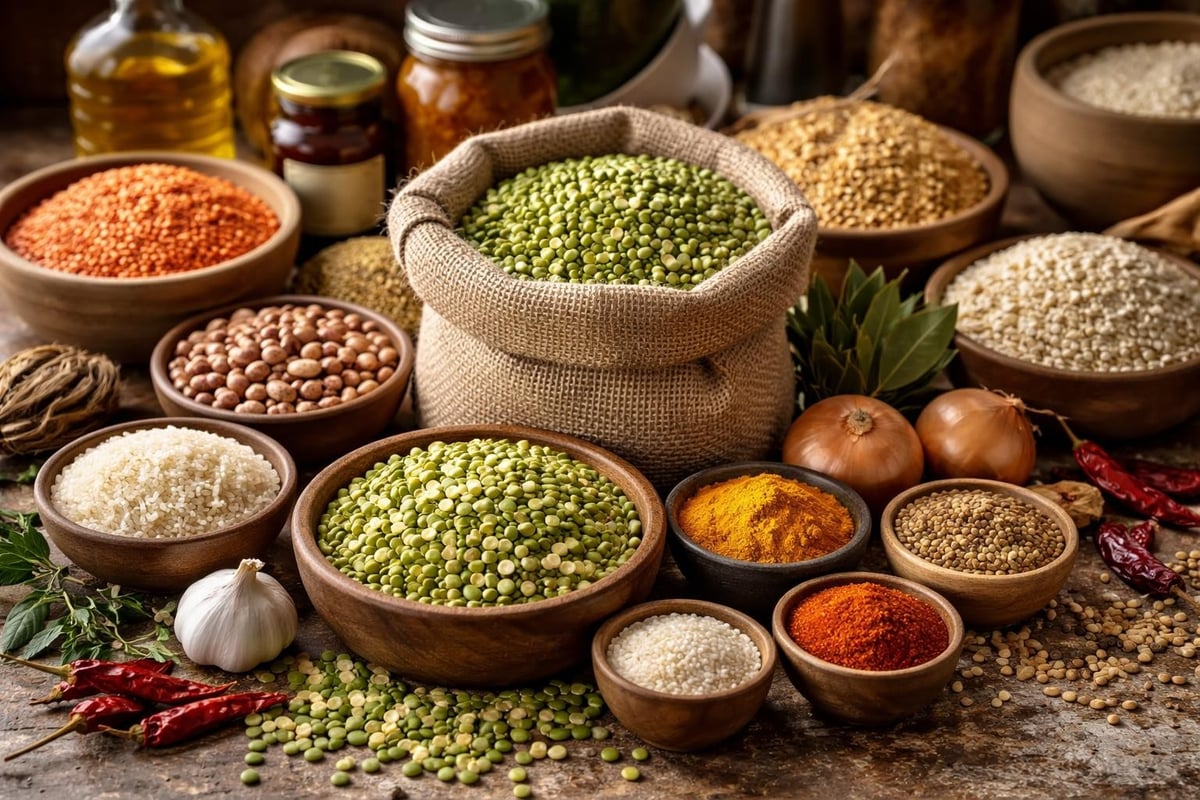
The availability of products like split green peas through specialised South African shops means families don't need to compromise on ingredient quality or authenticity. Whether preparing traditional recipes or experimenting with new applications, having access to reliable pantry staples makes the cooking process more enjoyable and successful.
Cooking Tips and Preparation Methods
Successfully cooking split green peas requires minimal technique but benefits from understanding a few key principles. Unlike beans, split peas typically don't require pre-soaking, though a brief rinse removes any debris from processing.
Basic Cooking Instructions
The standard liquid-to-pea ratio is approximately three cups of liquid for each cup of dried split green peas. This proportion ensures proper hydration whilst allowing for some evaporation during cooking. The basic method follows these steps:
- Rinse split peas under cold water
- Combine with liquid in a heavy-bottomed pot
- Bring to a boil, then reduce to gentle simmer
- Cook uncovered for 45-60 minutes, stirring occasionally
- Add seasonings towards the end of cooking
Salt should be added late in the cooking process, as adding it too early can toughen the peas and extend cooking time. This principle applies to most legume preparations.
Flavour Enhancement Techniques
Whilst split green peas offer pleasant, earthy flavour independently, strategic seasoning elevates simple preparations to memorable meals. Traditional aromatics work particularly well:
- Bay leaves add subtle herbal complexity
- Garlic and onions provide foundational savoury notes
- Smoked paprika introduces depth without meat
- Fresh herbs like thyme or parsley brighten finished dishes
- Acid from lemon juice or vinegar balances richness
The 11 health benefits of split peas extend beyond nutrition to include their remarkable ability to absorb and showcase seasoning combinations. This characteristic makes them ideal for cooks who enjoy experimenting with different flavour profiles.
Texture Preferences
Cooking time directly affects final texture. For soup requiring smooth, creamy consistency, extended cooking until peas completely break down works best. Those preferring more texture should monitor cooking closely and stop whilst peas retain some shape.
Pressure cookers and slow cookers offer alternative preparation methods. Pressure cooking reduces time to approximately 15-20 minutes, whilst slow cookers allow unattended cooking over several hours. Both methods produce excellent results with minimal intervention.
Nutritional Comparison With Other Legumes
Understanding how split green peas compare to other legumes helps cooks make informed decisions about meal planning and nutritional balance. Each legume family offers distinct benefits and characteristics.
| Legume Type | Protein (per cup cooked) | Fibre (per cup cooked) | Cooking Time |
|---|---|---|---|
| Split Green Peas | 16g | 16g | 45-60 min |
| Red Lentils | 18g | 15g | 15-20 min |
| Chickpeas | 15g | 12g | 90-120 min |
| Black Beans | 15g | 15g | 60-90 min |
| Kidney Beans | 15g | 13g | 60-90 min |
Split green peas occupy a middle ground in cooking time whilst delivering competitive protein and exceptional fibre content. Their combination of convenience and nutrition makes them particularly suitable for weeknight cooking.
The scientific composition of green split peas includes resistant starch, which offers additional health benefits beyond standard carbohydrates. This component supports gut health and contributes to improved metabolic function.
Buying and Selecting Quality Split Peas
Quality matters when purchasing dried legumes, though split green peas are generally consistent products. Look for uniformly sized, evenly coloured peas without excessive debris or broken pieces. Reputable suppliers maintain proper storage conditions that preserve product quality.
What to Look For
Fresh stock exhibits bright green colouring without dullness or discolouration. Whilst older split peas remain safe to consume, fresher products cook more reliably and deliver better texture. Check packaging dates when available, selecting the most recent production.
Avoid products with visible moisture, insect damage, or unusual odours. Properly dried and processed split green peas should appear clean and smell mildly earthy without any off-putting characteristics.
Sourcing Traditional Ingredients
For South African families in New Zealand, finding familiar grocery items from trusted sources enhances cooking confidence. Specialist retailers who understand the community's needs stock appropriate products and maintain quality standards that meet expectations.
Shopping at a dedicated South African food store ensures access to products that match what you remember from home. These retailers typically source from established suppliers and rotate stock regularly, maintaining freshness across their product range.
Adapting Traditional Recipes for Modern Cooking
Traditional split pea preparations translate exceptionally well to contemporary cooking methods and dietary preferences. The basic ingredient adapts to various dietary frameworks whilst maintaining its essential character.
Vegetarian and Vegan Applications
Split green peas naturally suit plant-based diets. Their protein content helps meet nutritional requirements without animal products. Traditional recipes requiring ham or bacon can be modified using:
- Smoked paprika for depth
- Liquid smoke for traditional flavour notes
- Mushrooms for umami complexity
- Nutritional yeast for savoury richness
These substitutions create satisfying meals that honour traditional preparation whilst aligning with modern dietary choices.
Modern Kitchen Equipment
Instant Pots and multi-cookers have revolutionised legume cooking. Split green peas cook in approximately 15 minutes under pressure, making weeknight soup preparation entirely feasible. The sealed environment intensifies flavours whilst reducing active cooking time.
Slow cookers offer another convenient option. Morning preparation allows dinner to cook unattended throughout the day, filling homes with welcoming aromas whilst requiring minimal attention. This approach suits busy families perfectly, delivering home-cooked meals without extensive time investment.
Environmental and Sustainability Considerations
Beyond nutrition and affordability, split green peas offer environmental advantages worth considering. Legumes generally require fewer resources than animal protein production, making them environmentally responsible choices.
Peas fix nitrogen in soil, actually improving agricultural land rather than depleting it. This characteristic makes them valuable rotation crops that support sustainable farming practices. The dried form requires no refrigeration during storage and transport, reducing energy consumption across the supply chain.
For environmentally conscious consumers, incorporating more legume-based meals represents a practical way to reduce dietary environmental impact whilst maintaining nutritional adequacy. Split green peas facilitate this shift without requiring dramatic recipe changes or unfamiliar cooking techniques.
Long-Term Food Security
Dried legumes form essential components of emergency food supplies due to their stability and nutritional density. Families maintaining preparedness stores benefit from including split green peas alongside other shelf-stable proteins. The combination of longevity, nutrition, and versatility makes them ideal for long-term storage situations.
This practical consideration extends beyond emergency planning to general household management. Having reliable pantry staples reduces grocery shopping frequency and provides options when fresh ingredients are unavailable or impractical.
Split green peas represent far more than simple dried legumes. They embody the intersection of nutrition, economy, tradition, and practicality that defines successful home cooking. For South African families in New Zealand seeking familiar pantry staples and quality ingredients for traditional preparations, Something From Home provides access to essential cooking ingredients alongside thousands of other South African products. Whether you're preparing classic split pea soup or experimenting with new applications, having reliable sources for quality ingredients makes all the difference in creating satisfying, nourishing meals.
-
Posted in
Cooking Tips, Healthy Eating, Legumes, Nutritional Guide, Split Green Peas