Cast Iron Cookware: A Timeless Choice for Cooking
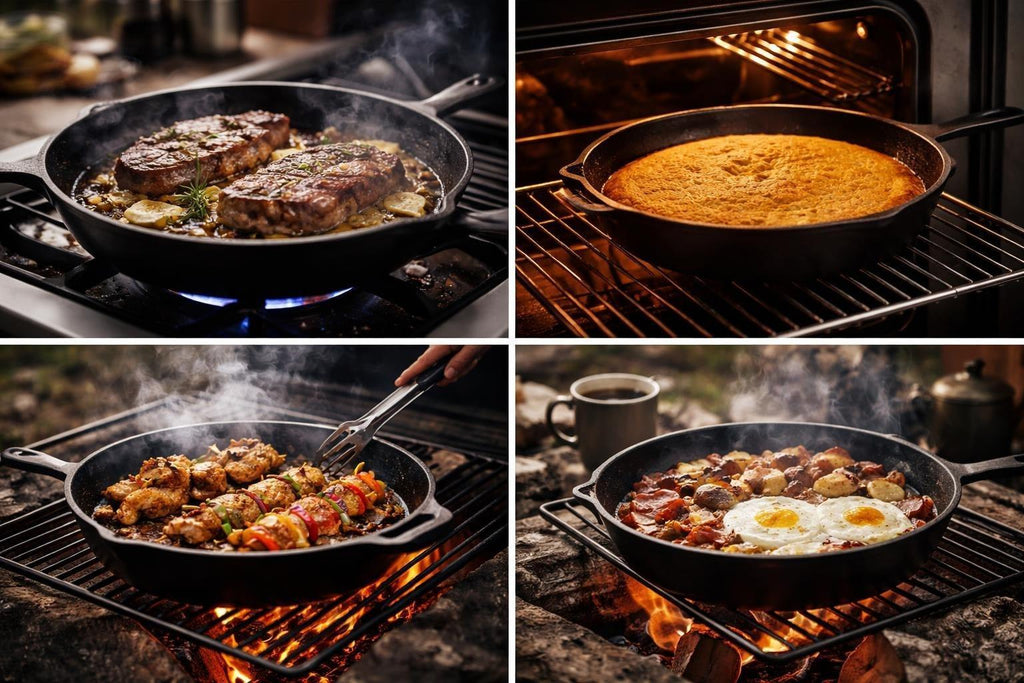
Cast iron cookware has stood the test of time as one of the most reliable and versatile tools in kitchens worldwide. For South Africans living in New Zealand, these durable cooking vessels hold special significance, particularly when it comes to recreating authentic braai experiences and traditional home-cooked meals. The unique properties of cast iron make it ideal for everything from indoor stovetop cooking to outdoor fire-based preparation, delivering consistent results that modern non-stick alternatives struggle to match.
Understanding Cast Iron Cookware and Its Composition
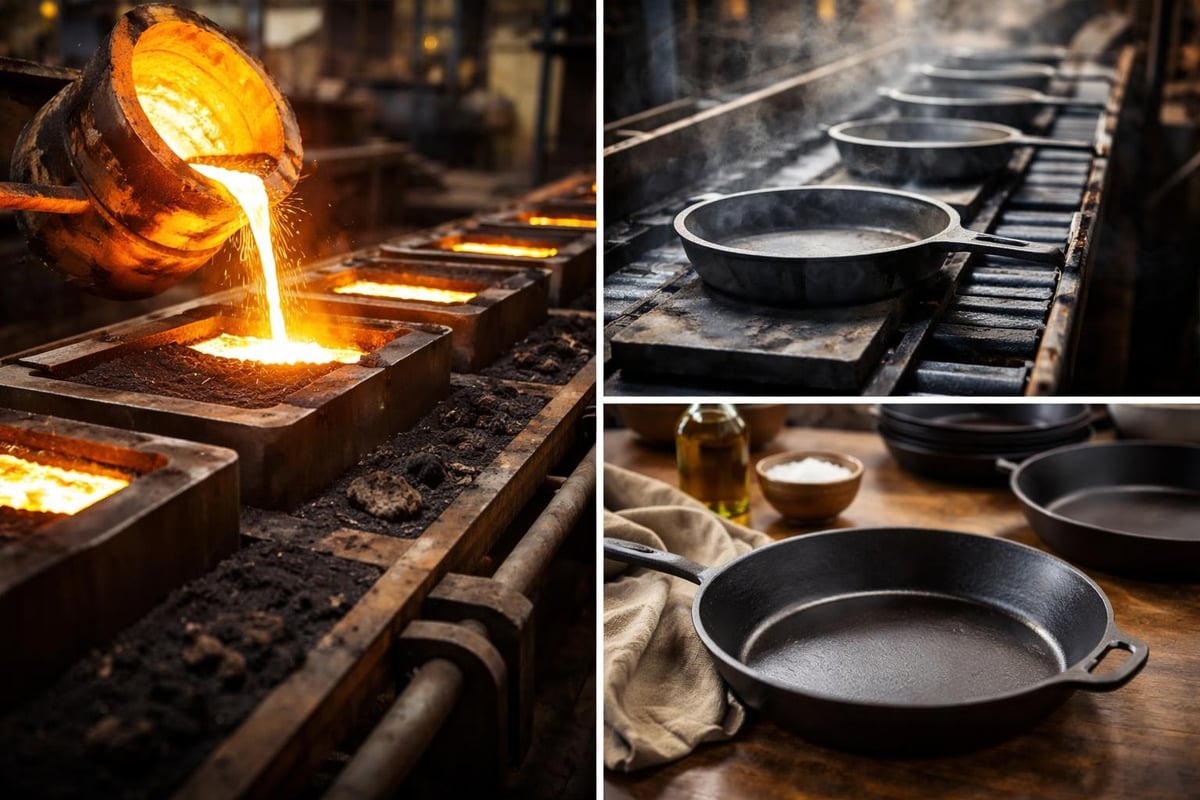
Cast iron cookware consists of iron alloyed with a small percentage of carbon, typically between two and four percent. This specific composition gives the material its characteristic strength and heat-handling capabilities. The manufacturing process involves pouring molten iron into moulds, creating thick-walled cooking vessels that can withstand extreme temperatures and decades of use.
Types of Cast Iron Pieces
The variety of cast iron cookware available serves different cooking needs and preferences. Skillets remain the most popular choice, ranging from small 15-centimetre pans to massive 40-centimetre pieces suitable for family meals. Dutch ovens, with their tight-fitting lids, excel at slow-cooking stews, potjiekos, and bread baking. Griddles provide flat surfaces perfect for pancakes and flatbreads, whilst braai grids have become essential equipment for authentic South African outdoor cooking.
Common cast iron items include:
- Skillets and frying pans in various sizes
- Dutch ovens and covered casserole pots
- Griddles and flat plates
- Braai grids and grill grates
- Specialty items like woks and bread pans
Why Cast Iron Delivers Superior Cooking Results
The exceptional heat retention properties of cast iron set it apart from other cooking materials. Once properly heated, cast iron maintains steady temperatures throughout the cooking process, eliminating hot spots that plague thinner pans. This even heat distribution proves particularly valuable when searing meat for a braai or preparing traditional South African dishes that require consistent cooking temperatures.
Cast iron's thermal mass means it takes longer to heat than aluminium or stainless steel, but once hot, it stays hot. This characteristic makes it perfect for tasks requiring sustained high heat, such as achieving the perfect crust on a steak or maintaining oil temperature when frying vetkoek. The material's ability to transition seamlessly from stovetop to oven adds another layer of versatility that home cooks appreciate.
Heat Distribution and Temperature Stability
The thickness of cast iron cookware contributes significantly to its performance advantages. Whilst lightweight pans heat quickly, they also cool rapidly when cold ingredients are added. Cast iron's substantial mass buffers against these temperature fluctuations, maintaining cooking temperatures even when meat or vegetables hit the surface. This stability ensures consistent browning and prevents the steaming effect that occurs when pan temperatures drop too low.
| Cookware Material | Heat-Up Time | Heat Retention | Temperature Stability |
|---|---|---|---|
| Cast Iron | Slow | Excellent | Very High |
| Stainless Steel | Medium | Good | Medium |
| Aluminium | Fast | Poor | Low |
| Copper | Very Fast | Fair | Medium |
The Natural Non-Stick Surface Through Seasoning
One of the most valuable features of cast iron cookware emerges through proper seasoning. This process involves applying thin layers of oil and heating the cookware to create polymerised coatings that fill the microscopic pores in the iron surface. Over time, these layers build up to create a naturally non-stick finish that improves with regular use.
The seasoning process serves dual purposes. It prevents rust by creating a protective barrier between the iron and moisture, whilst simultaneously developing the non-stick properties that make cooking and cleaning easier. Unlike synthetic non-stick coatings that degrade over time, cast iron's seasoning actually strengthens with age and proper care.
Steps to season cast iron cookware:
- Clean the cookware thoroughly and dry completely
- Apply a thin layer of cooking oil to all surfaces
- Heat in an oven at 200°C for one hour
- Allow to cool naturally in the oven
- Repeat the process three to four times for new cookware
Cast Iron for Braai and Outdoor Cooking
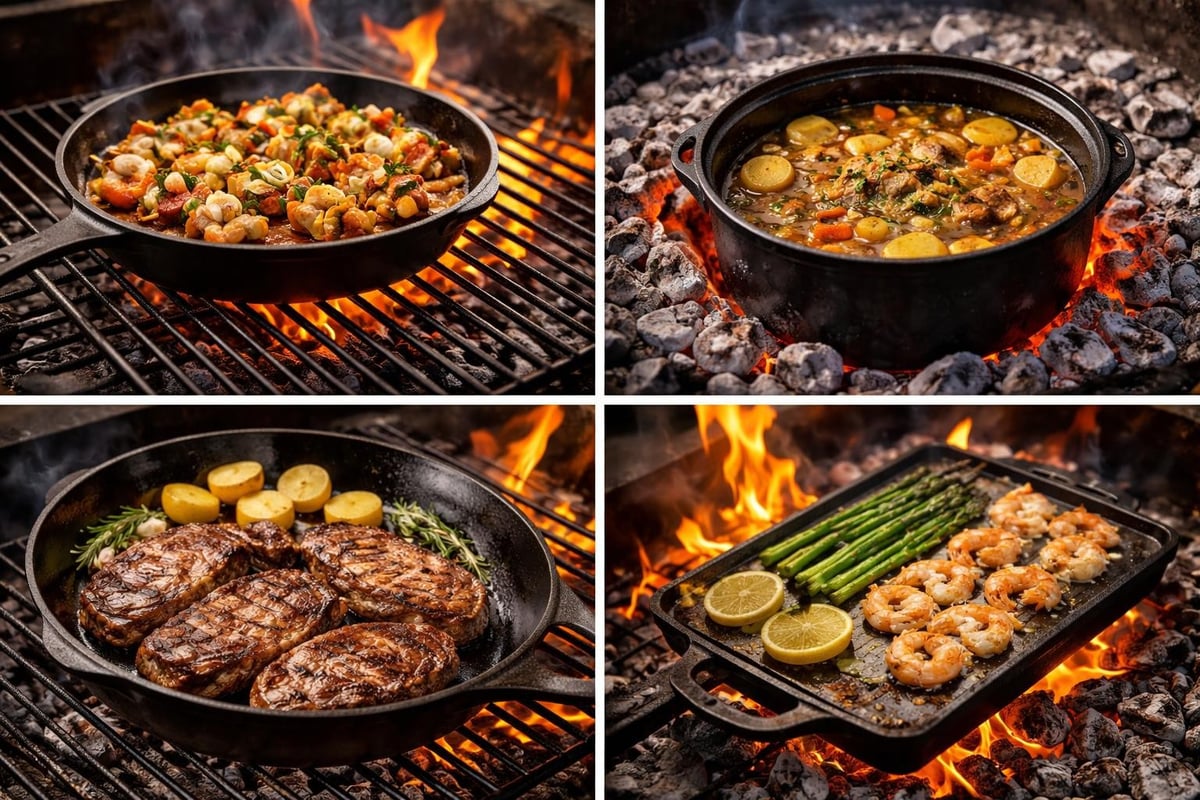
For South Africans, the connection between cast iron cookware and braai culture runs deep. Cast iron braai grids have become synonymous with authentic outdoor cooking, offering durability that withstands direct flame contact and extreme heat. These grids develop superior seasoning over repeated use, imparting subtle flavours that enhance meat, vegetables, and even bread cooked over the coals.
The versatility of cast iron extends beyond traditional braai grids. Dutch ovens placed directly in the coals produce exceptional potjiekos, whilst skillets balanced over flames create perfect surfaces for boerewors, chops, and vegetables. This adaptability makes cast iron an essential component of camping equipment and outdoor cooking setups throughout New Zealand.
Benefits for Flame-Based Cooking
The durability and heat resistance of cast iron make it uniquely suited to open flame cooking. Unlike materials that warp or degrade under intense heat, cast iron maintains its shape and performance even when exposed to direct fire. This resilience ensures that braai equipment remains functional for generations, becoming family heirlooms passed down alongside cherished recipes and cooking traditions.
Many South Africans living in New Zealand seek to maintain their braai traditions, and having the right equipment makes all the difference. Something From Home stocks authentic South African braai equipment and cookware, helping expatriates recreate the flavours and experiences of home. Their warehouse carries items specifically designed for traditional South African cooking methods, making it easier to maintain cultural food traditions in a new country.
How Cast Iron Enhances Flavour Development
The superior heat retention of cast iron cookware contributes directly to flavour development through the Maillard reaction. This chemical process, which occurs when proteins and sugars are exposed to high heat, creates the complex flavours and appealing brown crusts associated with perfectly cooked meat and vegetables. Cast iron's ability to maintain high surface temperatures promotes thorough browning without burning.
Traditional South African dishes particularly benefit from cast iron preparation. Boerewors achieves its characteristic snap and caramelisation when cooked on a well-seasoned cast iron surface. Vegetables develop deeper flavours when roasted in cast iron pans, whilst stews and curries cooked in Dutch ovens develop rich, complex taste profiles through even, sustained heat distribution.
Cooking Meat to Perfection
Professional chefs and home cooks alike recognise that cast iron skillets produce exceptional results when cooking meat. The intense, even heat creates restaurant-quality sears that lock in juices whilst developing flavourful crusts. Whether preparing traditional South African bobotie, grilling lamb chops, or searing steaks for a weekend braai, cast iron delivers consistent results that enhance the natural flavours of quality meat.
The slight iron content that transfers to food during cooking may also provide nutritional benefits, particularly for individuals with iron deficiencies. Whilst not a substitute for dietary iron sources or supplements, this additional iron absorption can contribute to overall nutritional intake when using cast iron cookware regularly.
Caring for Cast Iron Cookware
Proper maintenance ensures cast iron cookware remains functional for decades. Contrary to popular belief, cast iron care requires less complexity than many assume. The key principles involve protecting the seasoned surface, preventing rust, and maintaining the non-stick coating through regular use and appropriate cleaning methods.
After each use, cast iron should be cleaned whilst still warm. Hot water and a stiff brush remove food residue without damaging the seasoning. For stubborn stuck-on food, coarse salt acts as an effective gentle abrasive. Soap can be used sparingly on well-seasoned pieces, though many traditionalists prefer to avoid it entirely. The crucial step involves thorough drying and applying a thin layer of oil before storage.
Essential care guidelines:
- Clean whilst warm using hot water and a brush
- Dry thoroughly immediately after washing
- Apply a light coating of cooking oil after each use
- Store in a dry location to prevent rust
- Never soak in water or put in the dishwasher
- Reheat briefly to ensure complete moisture evaporation
Restoring and Repairing Cast Iron
One remarkable advantage of cast iron cookware lies in its ability to be restored even after years of neglect. Rusty, crusty pans that might seem beyond repair can often be brought back to excellent condition through proper restoration techniques. The process involves removing rust and old seasoning, then rebuilding the protective coating from scratch.
Maintaining cast iron cookware requires minimal effort when incorporated into regular cooking routines. Each time oil heats in the pan, it reinforces the seasoning, creating a continuous improvement cycle. This self-maintaining quality means that cast iron cookware actually becomes more valuable and functional over time, unlike modern alternatives that degrade with age.
The Investment Value of Quality Cast Iron
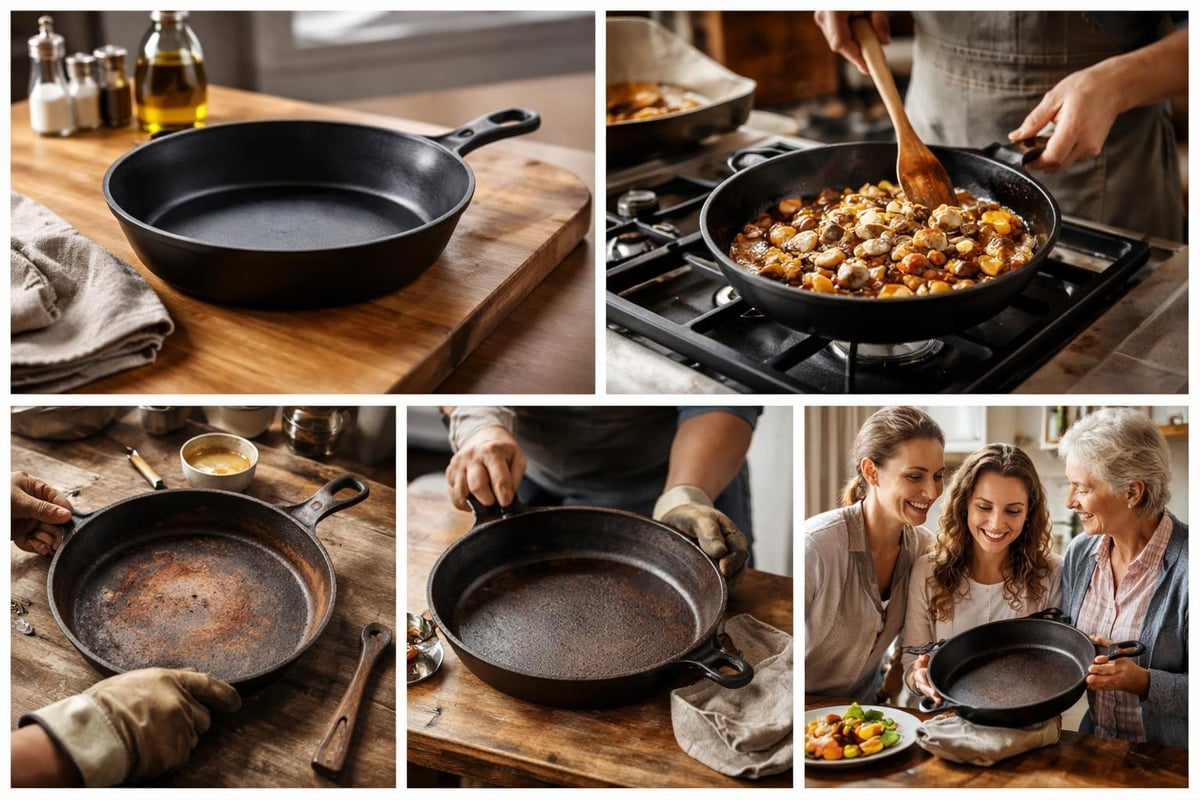
Whilst cast iron cookware may carry higher initial costs than basic non-stick alternatives, the long-term value proposition proves compelling. A well-maintained cast iron skillet can serve three or four generations of cooks, making the per-year cost remarkably low. This durability aligns with sustainable living principles, reducing waste associated with frequently replacing degraded cookware.
The evolution and longevity of cast iron demonstrate its enduring appeal across cultures and cooking traditions. From ancient civilisations to modern kitchens, the fundamental design and benefits remain unchanged. This timeless quality ensures that investing in cast iron cookware today will provide value for decades to come.
Choosing the Right Pieces
Starting a cast iron collection requires thoughtful consideration of cooking needs and preferences. A 25 to 30-centimetre skillet serves as an excellent foundation piece, handling most everyday cooking tasks from frying eggs to baking cornbread. Adding a Dutch oven expands capabilities for stews, roasts, and bread, whilst a braai grid becomes essential for those maintaining South African outdoor cooking traditions.
Quality varies amongst manufacturers, with some producing smoother casting surfaces and better heat distribution. Vintage pieces often feature superior craftsmanship, though modern manufacturers continue producing excellent cookware. The weight, finish quality, and handle design all contribute to usability and cooking performance.
| Cookware Piece | Best Uses | Typical Size Range | Priority Level |
|---|---|---|---|
| Skillet | Frying, searing, baking | 20-40cm | Essential |
| Dutch Oven | Stews, roasts, potjiekos | 4-8 litres | High |
| Braai Grid | Outdoor grilling | 30-50cm | High for braai enthusiasts |
| Griddle | Pancakes, flatbreads | 25-40cm | Medium |
Cast Iron in South African Food Culture
The role of cast iron in traditional cooking extends particularly deep in South African cuisine. Potjiekos, literally translated as "small pot food," requires the specific heat characteristics that only cast iron provides. The slow, even cooking achieved in a three-legged potjie pot over coals develops flavours impossible to replicate with modern cookware and conventional heat sources.
Braai culture relies heavily on cast iron equipment, from grids to skillets to specialised braai pans. The ability to cook directly over wood or charcoal fires whilst maintaining food quality makes cast iron indispensable for authentic outdoor cooking experiences. South Africans in New Zealand often seek these specific items to recreate the tastes and traditions of home, maintaining cultural connections through food preparation methods.
Maintaining Traditions Abroad
For South Africans living in New Zealand, finding authentic ingredients and equipment can prove challenging. Something From Home addresses this need by stocking more than 2,200 South African products, including braai equipment and traditional cooking items. This access to familiar products helps maintain cultural food traditions and enables expatriates to share their heritage with friends and family in their new home country.
The connection between food, cooking methods, and cultural identity runs particularly strong amongst immigrant communities. Using traditional cast iron cookware to prepare boerewors, sosaties, or potjiekos creates tangible links to home and heritage. These cooking experiences become opportunities to share South African culture with the broader New Zealand community, introducing new friends to distinctive flavours and cooking traditions.
Health and Safety Considerations
The safety profile of cast iron cookware generally receives positive assessments from health professionals. Unlike synthetic non-stick coatings that can degrade and potentially release harmful compounds at high temperatures, properly seasoned cast iron presents minimal health concerns. The natural seasoning consists of polymerised cooking oils, which remain stable under normal cooking conditions.
Iron leaching into food occurs at minimal levels, though acidic foods like tomato-based sauces can increase transfer rates. For most people, this additional iron provides nutritional benefits rather than risks. Individuals with haemochromatosis or other iron-overload conditions should consult healthcare providers about cast iron cookware use, though moderate usage typically poses no problems.
Health benefits of cast iron cooking:
- Adds trace amounts of dietary iron
- Contains no synthetic chemical coatings
- Withstands high temperatures without degrading
- Requires minimal cooking oil when properly seasoned
- Supports whole-food cooking methods
Cooking Techniques for Cast Iron Success
Mastering cast iron cookware involves understanding its unique characteristics and adapting techniques accordingly. Preheating proves essential for most cooking tasks, allowing the entire cooking surface to reach uniform temperature before adding ingredients. This patient approach prevents sticking and ensures even cooking across the entire pan surface.
Temperature control requires attention, as cast iron retains heat more effectively than other materials. Medium heat settings often suffice for tasks that require high heat in thinner pans. Learning to read visual cues, such as the shimmering appearance of oil when the pan reaches optimal temperature, helps develop intuitive cooking skills that improve results.
Adapting Recipes for Cast Iron
Traditional recipes may require minor adjustments when adapted for cast iron preparation. Baking times might decrease slightly due to superior heat retention, whilst stovetop cooking temperatures often need reduction. These small modifications become second nature with experience, as cooks develop familiarity with how their specific pieces perform.
South African recipes particularly suit cast iron preparation methods. Bredie, bobotie, and traditional baked goods all benefit from the even heat distribution and excellent heat retention that cast iron provides. The ability to start dishes on the stovetop and finish them in the oven without changing cookware streamlines preparation whilst reducing washing up.
Cast iron cookware represents a worthwhile investment for anyone serious about cooking, offering unmatched durability, versatility, and performance that improves over time. For South Africans in New Zealand seeking to maintain their culinary traditions, having the right equipment makes recreating authentic braai experiences and traditional dishes much easier. Whether you're looking for South African groceries, braai equipment, or other familiar products from home, Something From Home provides access to authentic South African items that help you maintain connections to your heritage through food and cooking traditions.