Southern Spices: Authentic South African Flavours
The vibrant culinary landscape of South Africa owes much of its distinctive character to the bold, aromatic blends known collectively as southern spices. These flavourful ingredients have shaped the nation's cuisine through centuries of cultural exchange, creating a unique spice tradition that reflects influences from indigenous African communities, Cape Malay settlers, Indian traders, and European colonists. For South Africans living abroad in New Zealand and Australia, these familiar seasonings represent more than just flavour-they're a tangible connection to home, family recipes, and cherished food memories.
The Heritage of South African Spice Culture
Southern spices encompass a diverse array of seasonings that have become synonymous with authentic South African cooking. Unlike the specific regional blends found elsewhere (such as Old Bay Seasoning in American cuisine), South African spice culture draws from multiple traditions simultaneously.
The Cape Malay community, descendants of Southeast Asian slaves and political exiles brought to the Cape in the 17th and 18th centuries, introduced complex curry powders, aromatic masalas, and distinctive sweet-savoury combinations. Their influence remains evident in dishes like bobotie, denningvleis, and bredie, where warming spices create layers of flavour that distinguish South African cuisine from other African regional cuisines.
Indigenous and Colonial Influences
Before European arrival, indigenous communities utilised native plants and herbs to season their food. Wild garlic, African pepper (known as African bird's eye chilli), and various indigenous herbs formed the foundation of early southern spices. These ingredients combined with later introductions created something entirely new.
The Dutch, British, and other European settlers brought their own preferences, favouring simpler herb combinations initially. However, as trade routes expanded and cultural exchange intensified, these groups adopted and adapted local spicing traditions, creating hybrid flavour profiles that define modern South African cooking.
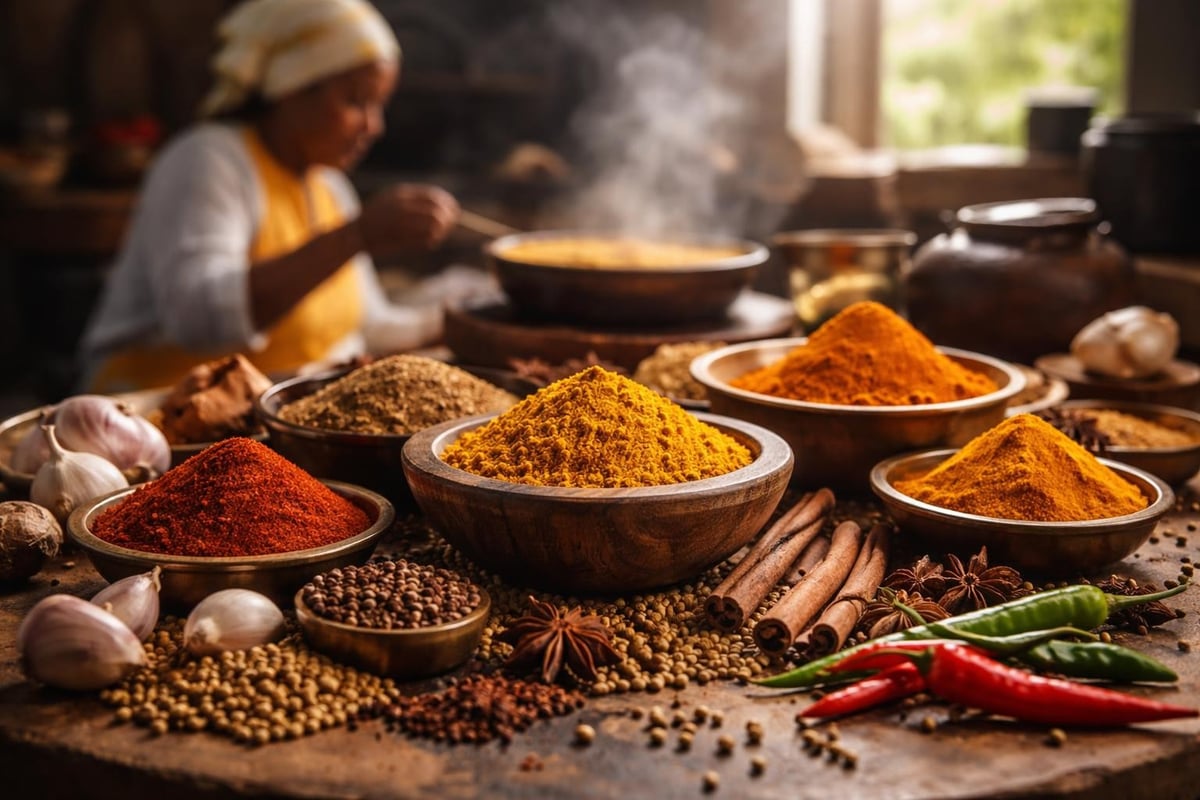
Essential Southern Spices in Traditional Cooking
Understanding the key components of southern spices helps recreate authentic South African flavours anywhere in the world. These seasonings work individually or in combination to deliver the distinctive taste profiles South African expats crave.
Braai Spice Blends
The beloved South African braai tradition relies heavily on specialised spice rubs and seasonings. These braai essentials typically combine:
- Coarse sea salt for robust seasoning
- Black pepper and coriander seeds for earthiness
- Garlic powder and onion powder for savoury depth
- Paprika or cayenne pepper for colour and mild heat
- Brown sugar to create caramelisation during grilling
Commercial braai spices from brands familiar to South Africans offer convenient, pre-mixed solutions that deliver consistent results. These blends eliminate guesswork while ensuring your boerewors, lamb chops, or chicken pieces taste exactly as they should.
Curry Powders and Masalas
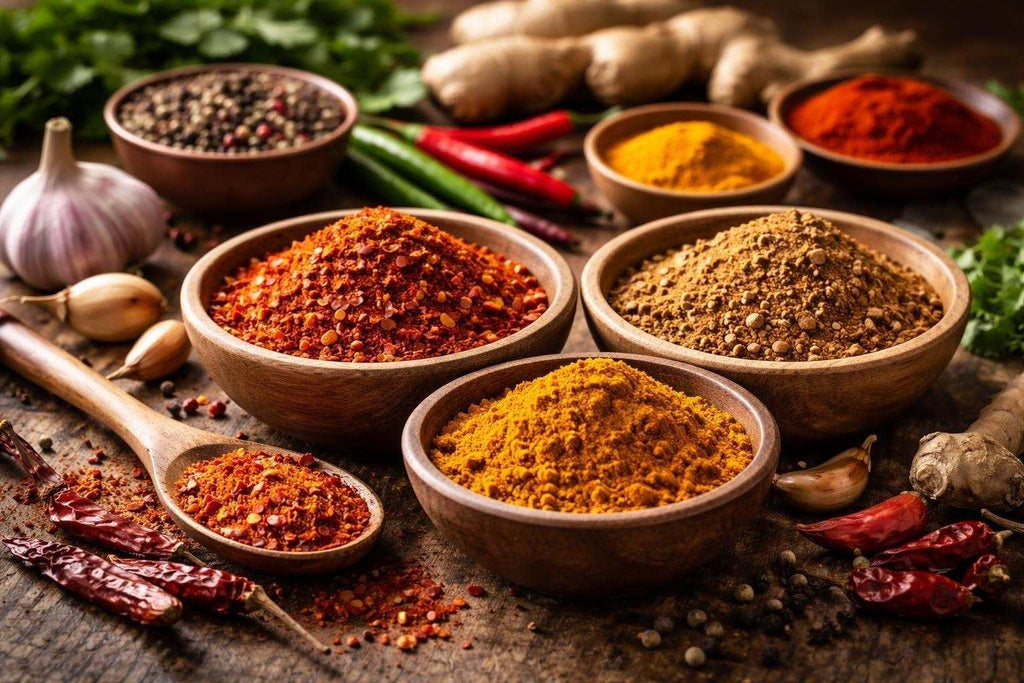
South African curry powders differ significantly from Indian or British varieties. These southern spices feature milder heat levels with more pronounced sweet and aromatic notes. Typical components include turmeric, cumin, coriander, fenugreek, cardamom, and sometimes dried fruit powders.
The versatility of these curry blends extends beyond traditional curries. South African cooks incorporate them into:
- Sosaties (marinated meat skewers)
- Pickled fish preparations
- Savoury mince dishes
- Vegetable breyanis
- Curry-spiced savouries and snacks
Regional Variations in Southern Spices
South Africa's diverse geography and cultural makeup have produced distinct regional preferences in spicing. These variations reflect local ingredients, dominant cultural influences, and historical trading patterns.
| Region | Dominant Flavours | Signature Dishes | Cultural Influence |
|---|---|---|---|
| Western Cape | Aromatic, sweet-savoury | Bobotie, bredie | Cape Malay, Dutch |
| KwaZulu-Natal | Hot, curry-forward | Bunny chow, durban curry | Indian, Zulu |
| Gauteng | Mixed, cosmopolitan | Pap and wors, chakalaka | Urban fusion |
| Eastern Cape | Simple, herb-focused | Umngqusho, roasted meats | Xhosa, British |
Durban's Spice Legacy
Durban's significant Indian population has made it the epicentre of South African curry culture. The city's southern spices lean towards robust heat and complex layering. Durban curry powder typically features more chilli content than Cape varieties, with additional aromatics like curry leaves and mustard seeds playing prominent roles.
This regional variation demonstrates how southern spices adapt to local tastes while maintaining connections to broader South African culinary identity. Many expats specifically seek Durban-style spice blends to recreate the intense, flavourful curries they remember.
Cooking Techniques for Maximum Flavour
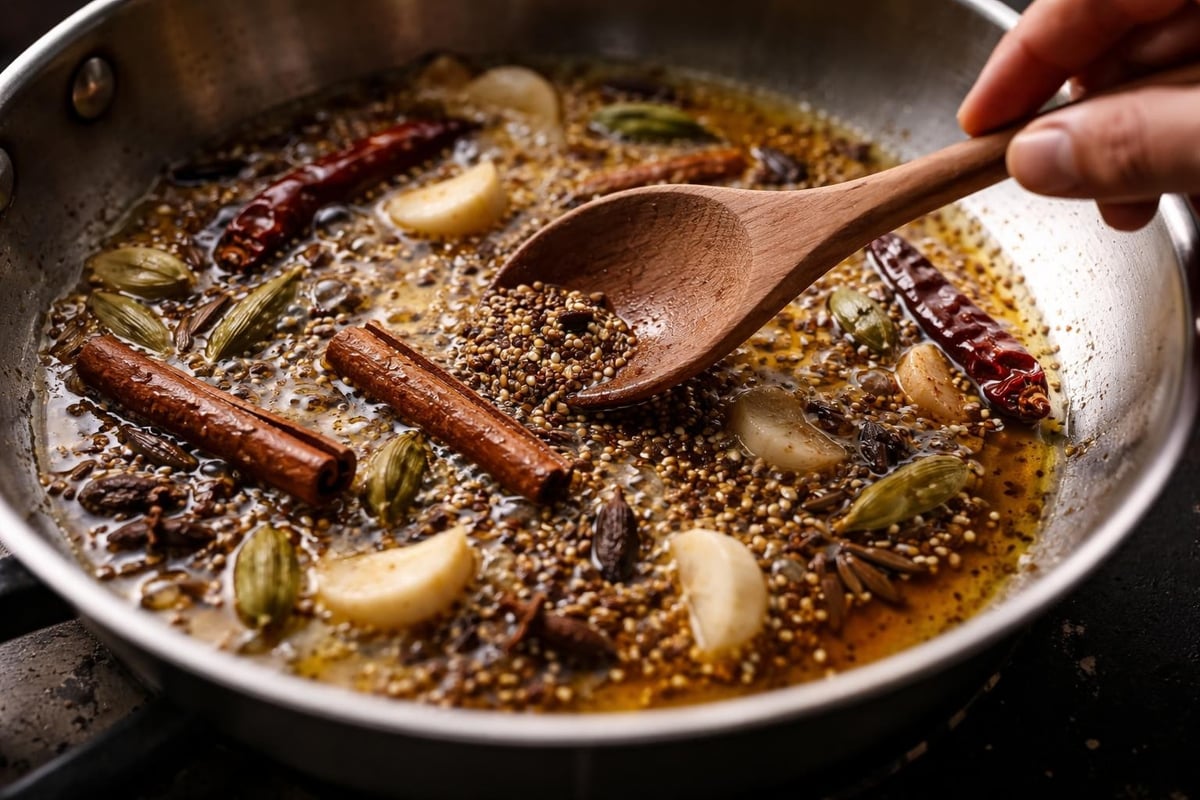
Proper technique transforms good southern spices into exceptional dishes. South African cooking methods have evolved to maximise flavour extraction and spice integration.
The Art of Blooming Spices
Blooming involves heating whole or ground spices in oil or fat before adding other ingredients. This technique releases essential oils and intensifies flavours dramatically. For optimal results:
- Heat oil or butter over medium heat until shimmering
- Add whole spices first, cooking until fragrant (30-60 seconds)
- Introduce ground spices, stirring constantly
- Cook for 15-30 seconds, watching carefully to prevent burning
- Immediately add wet ingredients or aromatics to stop cooking
This method proves particularly effective with cumin, coriander, mustard seeds, and curry powders-all common southern spices.
Layering Spices Throughout Cooking
Professional South African cooks and home experts alike employ layering techniques that build flavour complexity. Rather than adding all southern spices at once, they introduce different components at various cooking stages.
Initial aromatics like whole spices and dried herbs go in early, infusing oils and liquids. Primary seasoning blends join during the main cooking phase, allowing time for flavour development. Finishing spices arrive near completion, providing bright top notes that complement the deeper foundation.
Modern Applications of Traditional Southern Spices
Contemporary South African cuisine reimagines classic southern spices in innovative ways while respecting traditional foundations. Chefs and home cooks experiment with these familiar flavours in unexpected contexts.
Fusion Cooking Approaches
The global food movement has inspired creative applications of southern spices beyond conventional South African dishes. Braai spice rubs enhance roasted vegetables, curry powders season modern grain bowls, and peri-peri marinades enliven seafood preparations.
These adaptations maintain the essential character of southern spices whilst expanding their culinary relevance. For South Africans in New Zealand and Australia, this versatility allows integration of home flavours into local ingredient contexts without compromising authenticity.
Health-Conscious Spice Uses
Many southern spices offer significant health benefits alongside their flavour contributions. Turmeric contains anti-inflammatory compounds, coriander aids digestion, and cinnamon helps regulate blood sugar. Health-conscious cooks increasingly leverage these properties.
Reducing salt content whilst maintaining flavour intensity becomes achievable through strategic southern spices deployment. Complex spice blends create the perception of fuller seasoning with less sodium, supporting dietary restrictions without sacrificing taste satisfaction.
Sourcing Authentic Southern Spices Abroad
Finding genuine South African spice products presents challenges for expats living far from home. Quality, authenticity, and availability vary significantly across international markets.
Identifying Quality Products
Authentic southern spices maintain specific characteristics that distinguish them from generic alternatives. Look for:
- Brand recognition: Familiar South African manufacturers
- Ingredient authenticity: Traditional formulations without fillers
- Proper packaging: Sealed, dated containers protecting freshness
- Regional specificity: Products labeled for particular uses (Durban curry, Cape Malay spices)
Generic curry powders or all-purpose seasoning blends rarely replicate the distinctive profiles of true southern spices. The difference becomes immediately apparent in finished dishes.
Storage and Shelf Life
Proper storage extends the viability of southern spices significantly. Whole spices maintain potency longer than ground versions, sometimes remaining flavourful for several years when stored correctly. Ground spices typically peak within six months to one year.
Optimal storage conditions include:
- Cool, dark locations away from heat sources
- Airtight containers preventing moisture and air exposure
- Minimal light contact to prevent flavour degradation
- Regular inventory rotation ensuring freshness
For expats ordering southern spices internationally, buying appropriate quantities that will be used within optimal timeframes prevents waste whilst ensuring consistent quality.
Building Your Southern Spices Collection
Creating a well-stocked spice pantry enables authentic South African cooking regardless of location. Strategic purchasing ensures access to essential flavours without overwhelming storage capacity or budget.
Essential Starter Collection
New cooks or those establishing kitchens abroad should prioritise these fundamental southern spices:
- Quality braai seasoning blend for meat and grilling applications
- South African curry powder (mild or medium heat level)
- Peri-peri spice or sauce for marinades and heat
- Mixed herbs (South African style blend)
- Aromatic spice blend for bobotie and bredie
This foundation supports most traditional recipes whilst remaining manageable in scope. Additional specialty items can be added gradually as cooking confidence and repertoire expand.
Specialty Additions for Enthusiasts
Experienced cooks benefit from expanding their southern spices inventory to include regional variations and specific application blends. Consider adding:
| Spice Category | Examples | Primary Uses |
|---|---|---|
| Regional curries | Durban masala, Cape Malay blend | Specific curry styles |
| Meat seasonings | Boerewors spice, biltong cure | Traditional preparations |
| Aromatic whole spices | Cardamom pods, star anise | Braised dishes, desserts |
| Heat sources | Bird's eye chilli, cayenne | Adjustable spice levels |
These specialty southern spices enable precise recreation of regional dishes and family recipes with nostalgic importance.
The Cultural Significance of Southern Spices
Beyond their culinary applications, southern spices carry profound cultural meaning for South African communities. These seasonings embody heritage, identity, and connection across distances.
Food Memory and Identity
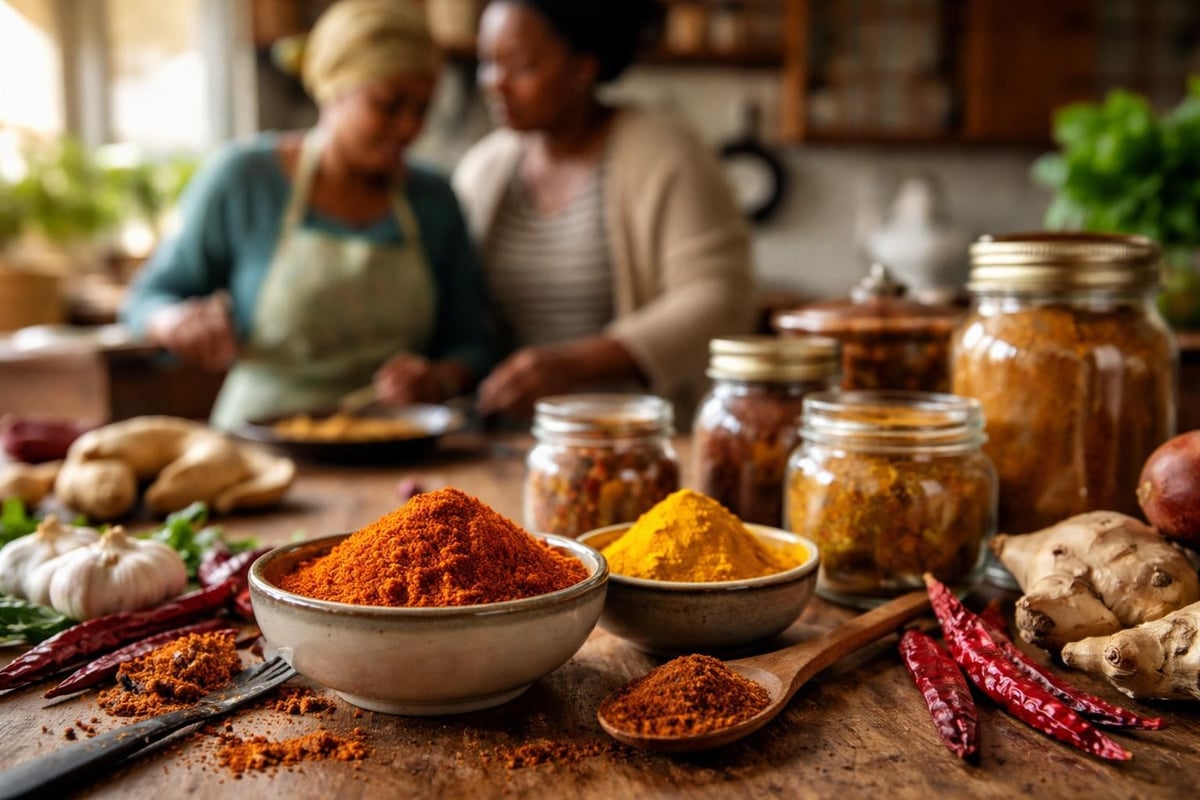
The aroma of familiar southern spices triggers powerful memories and emotional responses for people far from home. The scent of curry powder recalls Sunday family lunches, braai spice evokes weekend gatherings, and baking spices conjure holiday celebrations.
These sensory connections maintain cultural continuity across generations, particularly for children growing up outside South Africa. Cooking with authentic southern spices becomes an act of cultural transmission, teaching younger generations about their heritage through direct, multisensory experience.
Community Building Through Shared Flavours
South African expatriate communities often centre around shared food experiences. Braais, potlucks, and cultural celebrations feature dishes heavily reliant on southern spices, creating spaces where cultural identity is celebrated and reinforced.
Access to authentic ingredients becomes crucial for these gatherings. When communities can source genuine southern spices, the resulting dishes more accurately represent home, strengthening bonds and maintaining traditions that might otherwise fade.
Pairing Southern Spices with Local Ingredients
Successfully adapting South African recipes to New Zealand and Australian contexts requires understanding how southern spices complement locally available ingredients. This knowledge enables practical cooking whilst maintaining authentic flavour profiles.
Protein Adaptations
While South Africans traditionally use specific meat cuts for certain dishes, southern spices work beautifully with local protein options:
- New Zealand lamb excels with aromatic curry blends and braai seasonings
- Australian beef handles robust spice rubs and peri-peri marinades excellently
- Local chicken readily absorbs curry flavours and responds well to traditional marinades
- Fresh seafood pairs surprisingly well with Cape Malay spice combinations
The versatility of southern spices means adapting to available ingredients doesn't compromise authentic taste experiences.
Vegetable and Grain Pairings
Modern dietary preferences often emphasise plant-based eating. Southern spices adapt seamlessly to vegetarian and vegan applications:
Roasted vegetables gain complexity from braai spice dusting before cooking. Legume dishes benefit from curry powder and aromatic spice additions. Grain salads incorporate curry-spiced dressings or spice-toasted grains for enhanced flavour.
These applications maintain the essential character of southern spices whilst accommodating contemporary eating patterns and local seasonal availability.
Teaching the Next Generation
Preserving knowledge about southern spices ensures cultural continuity for South African families abroad. Intentional education helps younger generations understand and appreciate their culinary heritage.
Hands-On Learning Approaches
Children learn best through direct participation. Involving young people in spice selection, preparation, and cooking builds familiarity and competence. Simple tasks like measuring spices, mixing blends, or helping with marinades create positive associations whilst developing practical skills.
Explaining the history and cultural significance of specific southern spices adds context that transforms cooking from mere technique into cultural education. Stories about family recipes, regional traditions, or historical spice routes make the learning experience memorable and meaningful.
Recipe Documentation and Sharing
Many traditional recipes exist only in the memories and practiced hands of older generations. Documenting family recipes, including specific southern spices used and preparation techniques, preserves this knowledge for future use.
Creating family recipe collections-whether physical notebooks or digital archives-ensures that distinctive spice combinations and cooking methods aren't lost. These resources become treasured family heirlooms whilst serving practical purposes for everyday cooking.
Commercial Southern Spices Versus Homemade Blends
The choice between purchasing prepared southern spices or creating custom blends at home involves considerations of convenience, cost, authenticity, and personal preference.
Advantages of Commercial Products
Reputable South African spice manufacturers offer significant benefits:
- Consistency: Standardised formulations ensure repeatable results
- Convenience: Ready-to-use blends save preparation time
- Authenticity: Traditional recipes from established brands
- Availability: Accessible through specialised retailers
For busy families or those new to South African cooking, commercial southern spices provide reliable pathways to authentic flavours without requiring extensive spice knowledge or inventory.
Benefits of Custom Blending
Creating personalised spice mixtures offers different advantages:
Customisation: Adjust heat levels, salt content, and flavour profiles to personal preference. Freshness: Grind spices as needed for maximum potency. Cost efficiency: Buying individual spices in bulk and blending reduces per-use costs. Creative control: Experiment with proportions and ingredients to develop signature blends.
Experienced cooks often maintain both commercial favourites for convenience and homemade blends for special applications where custom profiles enhance specific dishes.
Seasonal Considerations for Southern Spices
While southern spices work year-round, certain seasonal patterns optimise their use in New Zealand and Australian contexts.
Summer Applications
Warm weather calls for lighter southern spices applications:
- Peri-peri marinades for grilled seafood and vegetables
- Curry-spiced cold salads and grain bowls
- Braai seasonings for outdoor cooking
- Aromatic spices in chilled beverages and desserts
These warm-weather uses maintain connection to South African flavours whilst suiting seasonal preferences and local climate conditions.
Winter Comfort Foods
Colder months suit heartier southern spices applications:
| Dish Type | Recommended Spices | Cooking Method |
|---|---|---|
| Curries | Durban masala, Cape curry | Slow-braised |
| Stews | Aromatic blends, whole spices | Pot-cooked |
| Roasts | Braai rubs, herb mixes | Oven-roasted |
| Baked goods | Cinnamon, cardamom, ginger | Traditional baking |
These warming dishes showcase southern spices in their most comforting applications, providing both nourishment and nostalgic satisfaction during cooler seasons.
The Economics of Southern Spices for Expats
Understanding cost considerations helps South Africans abroad make informed purchasing decisions about authentic ingredients whilst managing household budgets.
Value Assessment
Premium pricing for imported southern spices reflects shipping costs, import duties, and specialised distribution. However, the concentrated nature of spices means small quantities provide substantial cooking utility. A single jar of quality curry powder produces numerous family meals, making the per-serve cost quite reasonable despite initial expense.
Comparing the cost of dining at restaurants serving South African cuisine versus home cooking with authentic southern spices demonstrates clear economic advantages. The investment in proper seasonings enables frequent enjoyment of home flavours at significantly lower total cost.
Strategic Purchasing Approaches
Smart shopping strategies maximise value:
- Bulk purchasing of frequently used southern spices reduces per-unit costs
- Coordinated group orders within expatriate communities share shipping expenses
- Seasonal sales at specialised retailers offer periodic savings opportunities
- Whole spice purchasing with home grinding extends shelf life and reduces waste
These approaches balance authenticity requirements with practical budget management, ensuring sustainable access to essential ingredients.
Exploring New Southern Spices Combinations
While traditional applications remain beloved, experimenting with southern spices in novel contexts expands culinary possibilities and prevents flavour fatigue.
Cross-Cultural Fusion
Combining southern spices with other global cuisines creates exciting flavour bridges:
- Curry powder in Mexican-inspired dishes adds aromatic complexity
- Peri-peri seasoning on Asian-style noodles provides familiar heat
- Braai spices on Mediterranean vegetables deliver distinctive character
- Cape Malay blends in Middle Eastern recipes highlight shared heritage
These fusion approaches honour southern spices whilst embracing multicultural food environments common in New Zealand and Australia.
Unexpected Applications
Southern spices work surprisingly well beyond savoury cooking:
Baking: Curry powder adds intrigue to cheese scones. Aromatic spices enhance traditional milk tarts and koeksisters. Braai seasoning creates savoury shortbread variations.
Beverages: Spiced rooibos lattes incorporate traditional aromatics. Curry leaf-infused cocktails offer sophisticated complexity. Peri-peri bloody marys deliver familiar heat.
Condiments: Homemade chutneys feature southern spices prominently. Spice-infused oils and butters extend flavour applications. Custom hot sauces blend traditional and contemporary profiles.
Preserving Spice Potency and Quality
Maintaining the quality of southern spices over time requires attention to storage conditions and handling practices that prevent degradation.
Environmental Factors
Heat, light, moisture, and air exposure all accelerate spice deterioration. Optimal preservation requires controlling these variables through proper storage solutions.
Glass containers with tight-sealing lids provide excellent protection whilst allowing visual inventory checks. Storing spices in pantries or cupboards away from cooking heat sources prevents temperature-related degradation. Avoiding locations near dishwashers, ovens, or windows eliminates major freshness threats.
Quality Testing Methods
Determining whether southern spices remain viable involves simple sensory evaluation:
- Visual inspection: Vibrant colours indicate freshness; fading suggests degradation
- Aroma assessment: Strong, characteristic scents confirm potency
- Texture examination: Free-flowing powder indicates proper moisture protection
- Taste testing: Sample small amounts to verify flavour intensity
When southern spices fail these tests, replacement ensures dishes achieve their intended flavour profiles. Using degraded spices frustrates cooking efforts and wastes other ingredients.
Connecting with South African Food Culture Through Southern Spices
For the South African groceries enthusiast living abroad, southern spices represent essential tools for maintaining cultural connections through food. These seasonings enable authentic recreation of beloved dishes whilst adapting to new environments and available ingredients.
The growing availability of genuine South African products through specialised retailers has transformed the expatriate cooking experience. No longer must families compromise on essential flavours or attempt inadequate substitutions. Access to proper southern spices means home cooking can genuinely taste like home, regardless of geographic distance.
Southern spices form the flavour foundation of authentic South African cuisine, carrying cultural significance far beyond their culinary applications. These essential seasonings enable expatriate families to maintain connections to heritage, recreate cherished recipes, and share cultural identity through food. Whether you're seeking traditional braai blends, aromatic curry powders, or specialty regional seasonings, Something From Home offers the authentic southern spices you need to bring the tastes of South Africa to your New Zealand or Australian kitchen.