
Foot Mask: Your Guide to Softer, Healthier Feet
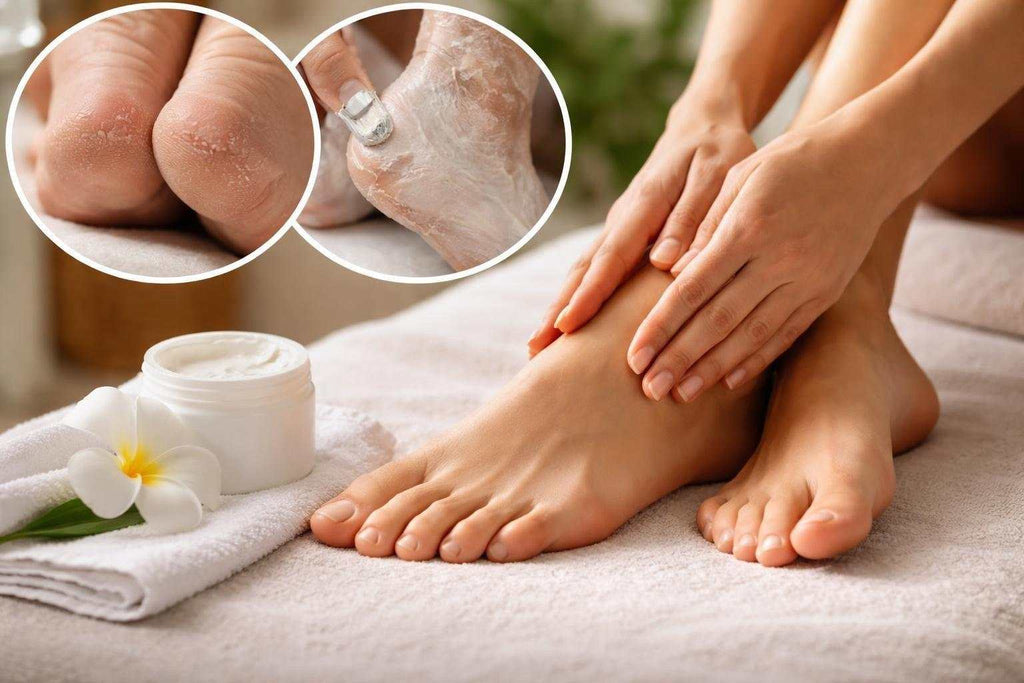
For South Africans living in New Zealand and Australia, maintaining self-care routines while adapting to new climates can present unique challenges. Among the various beauty and wellness treatments gaining popularity, foot masks have emerged as an accessible way to address common foot concerns. These specialised treatments offer deep exfoliation and hydration, transforming tired, rough feet into soft, comfortable skin. Whether you're dealing with calluses from beach walks or dryness from cooler weather, understanding how foot masks work can help you make informed decisions about your foot care routine.
Understanding What a Foot Mask Actually Does
A foot mask is a specialised skincare treatment designed specifically for the feet, targeting concerns that regular lotions cannot adequately address. Unlike everyday moisturisers that work on the skin's surface, foot masks penetrate deeper layers to deliver intensive treatment through concentrated ingredients.
These treatments typically contain powerful exfoliating agents such as alpha-hydroxy acids (AHAs), beta-hydroxy acids (BHAs), or natural fruit enzymes. The formulation works by breaking down the bonds between dead skin cells, allowing them to shed naturally over several days. This process reveals the fresher, softer skin underneath that has been hidden beneath layers of hardened, dead cells.
Types of Foot Masks Available
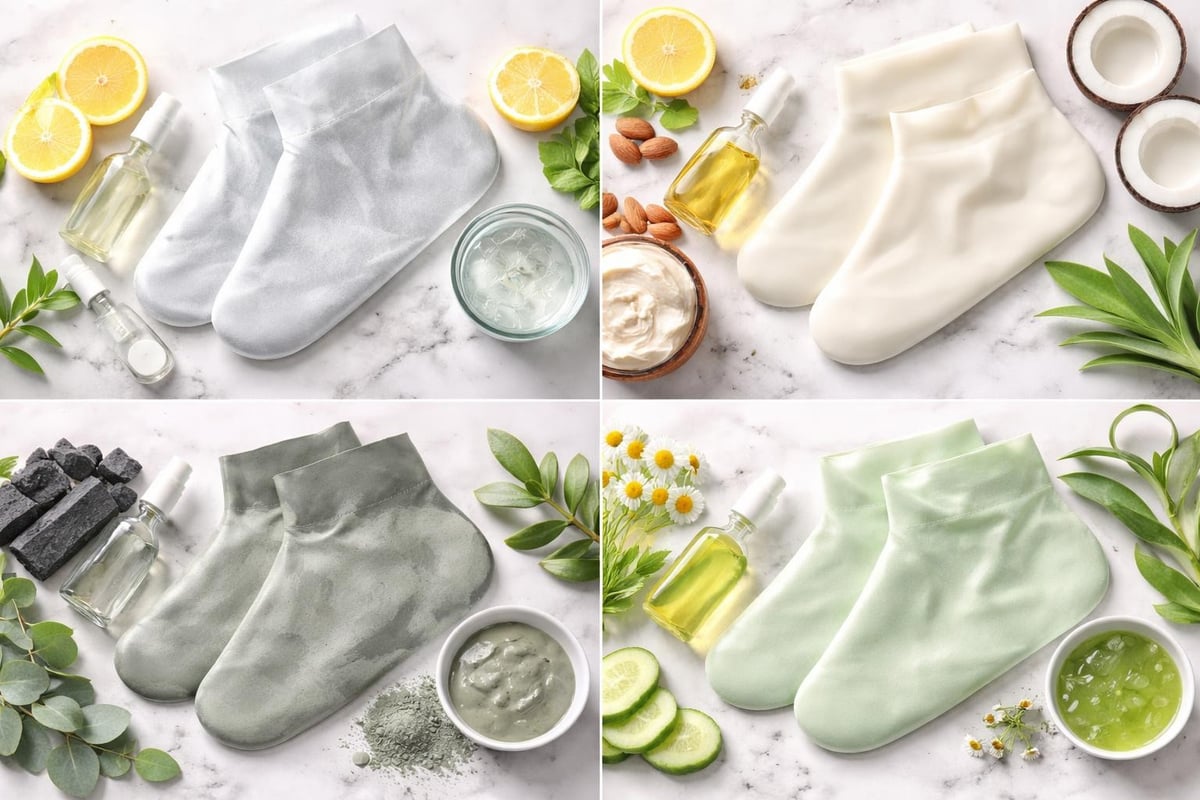
The market offers several distinct categories of foot masks, each serving different purposes:
- Exfoliating peeling masks: These contain acids that cause dramatic skin shedding over 7-14 days
- Hydrating moisturising masks: Rich in oils, butters, and humectants for intense moisture
- Detoxifying clay masks: Draw out impurities and absorb excess oils
- Soothing treatment masks: Contain ingredients like aloe vera and chamomile for irritated skin
Exfoliating peeling masks have become particularly popular because they deliver visible results. After wearing the treatment (usually for 60-90 minutes), users notice their skin beginning to peel in sheets after approximately three to five days. This dramatic transformation can be startling for first-time users, but it's the intended effect.
The Science Behind Effective Foot Treatment
The effectiveness of a foot mask depends on its active ingredients and how they interact with your skin. Glycolic acid, lactic acid, and salicylic acid are common exfoliants that work at different depths and intensities. Glycolic acid, with its small molecular size, penetrates deeply to break down stubborn calluses. Lactic acid offers gentler exfoliation while providing moisture, making it suitable for sensitive skin.
Natural enzymes from papaya, pineapple, and pumpkin offer alternative exfoliation methods. These botanical ingredients work more gradually than acids, making them appropriate for those who prefer gentler treatments or have reactive skin. The enzymatic process still achieves exfoliation but with reduced risk of irritation.
How Climate Affects Foot Health
Living in New Zealand or Australia presents specific environmental factors that impact foot health. The varied climate across both countries means your feet face different challenges depending on your location. Coastal humidity can lead to bacterial growth and odour issues, while inland areas with lower humidity cause excessive dryness and cracking.
Temperature fluctuations between seasons also stress the skin. Winter heating systems strip moisture from the air, leading to dehydration. Summer sun exposure can cause thickening and callus formation. Using a foot mask addresses these climate-specific concerns by providing intensive treatment that regular lotions cannot match.
Practical Application Methods and Timing
Proper application ensures maximum benefit from your foot mask treatment. The process begins with clean, dry feet. Many people underestimate this step, but starting with a clean canvas allows the active ingredients to penetrate effectively without barriers from dirt, oils, or previous product residue.
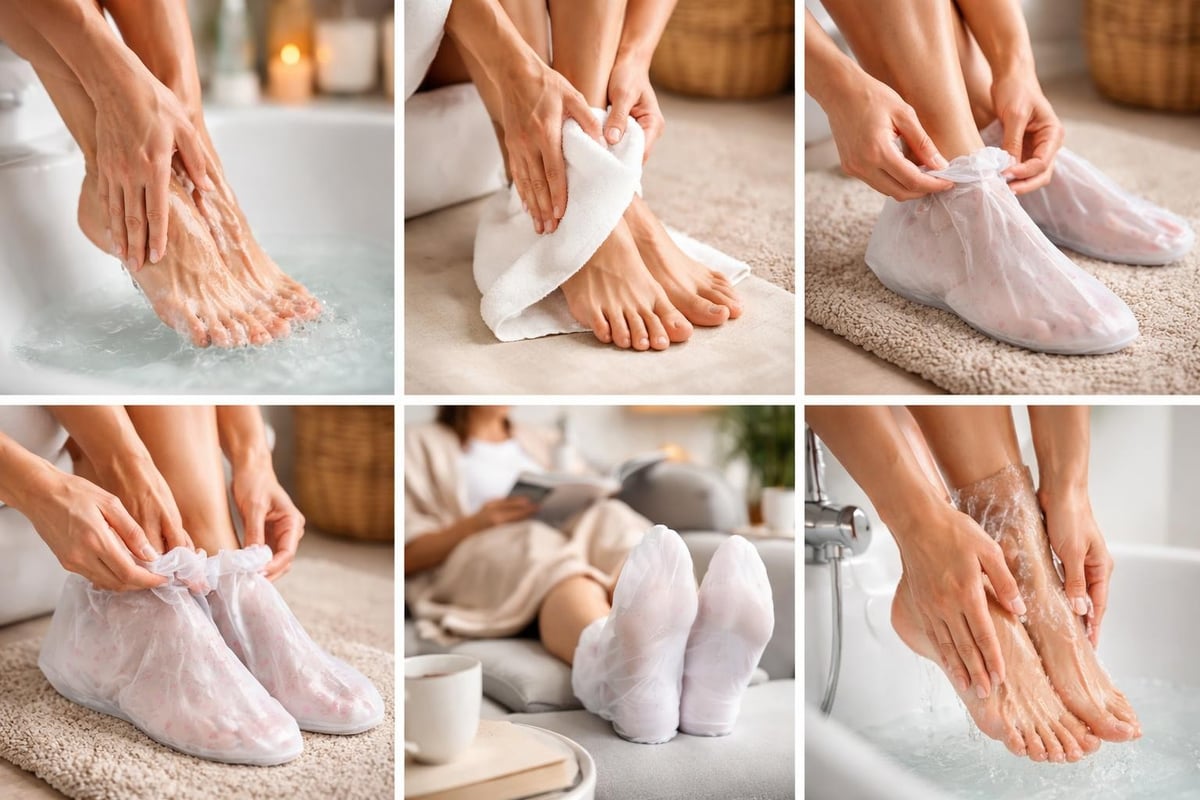
Most foot masks come as booties filled with treatment serum. Here's the systematic approach:
- Wash your feet thoroughly with warm water and mild soap
- Dry completely, paying attention to between toes
- Open the mask packaging and unfold the booties
- Slip each foot into its bootie, ensuring full contact with the serum
- Secure the booties with the attached tabs or adhesive strips
- Wait for the recommended duration (typically 60-90 minutes)
- Remove booties and rinse feet with lukewarm water
- Pat dry and avoid applying heavy creams immediately after
Timing matters significantly. Experts recommend using exfoliating foot masks during periods when you can stay home for the peeling process. Planning your treatment around work schedules or special events prevents awkward situations when skin begins shedding visibly.
Safety Considerations and Potential Risks
While foot masks offer significant benefits, understanding potential risks ensures safe usage. Certain individuals should exercise caution or avoid these treatments altogether. People with diabetes, poor circulation, open wounds, or active infections should consult healthcare professionals before using any exfoliating foot treatment.
Over-exfoliation represents the most common mistake users make. Using foot masks too frequently can damage the skin barrier, leading to increased sensitivity, redness, and vulnerability to infection. The recommended frequency is once every 4-6 weeks for exfoliating masks, allowing complete skin renewal between treatments.
Recognising Adverse Reactions
Understanding normal versus concerning reactions helps you identify when to discontinue use:
| Normal Response | Concerning Reaction |
|---|---|
| Mild tingling sensation | Burning or stinging pain |
| Gradual peeling over 7-14 days | Immediate blistering or raw skin |
| Slight redness that fades | Persistent inflammation or swelling |
| Temporary dryness | Severe cracking or bleeding |
If you experience any concerning reactions, remove the mask immediately and rinse thoroughly. Proper usage guidelines emphasise patch testing before full application, especially if you have sensitive skin or known allergies.
Specific Concerns That Respond to Treatment
A quality foot mask addresses multiple skin concerns simultaneously. The versatility of these treatments makes them valuable additions to comprehensive foot care routines.
Calluses and thick skin respond particularly well to acid-based treatments. The concentrated formulas penetrate dense tissue that manual exfoliation cannot effectively remove. After treatment, callused areas become noticeably softer and more pliable.
Dryness and cracking benefit from both exfoliating and hydrating mask varieties. Removing dead skin layers allows moisturising ingredients to penetrate deeper. Ingredients like shea butter, coconut oil, and hyaluronic acid provide long-lasting hydration that prevents future cracking.
Addressing Odour and Bacterial Concerns
Foot odour often stems from bacterial growth in dead skin layers. Exfoliating masks remove these breeding grounds while some formulations include antibacterial ingredients like tea tree oil. Regular treatments maintain cleaner skin surfaces that harbour fewer odour-causing bacteria.
Fungal concerns require different approaches. While foot masks can improve overall skin health, active fungal infections need antifungal medications. Using a foot mask during active infection may spread the problem or cause irritation.
Maximising Results Through Complementary Care
A foot mask delivers optimal results when incorporated into a broader foot care strategy. The treatment works synergistically with other practices to maintain soft, healthy feet long-term.
Pre-treatment preparation enhances effectiveness. Soaking feet in warm water for 10-15 minutes before application softens skin, allowing better ingredient penetration. Adding Epsom salts to your soak provides additional benefits through magnesium absorption and enhanced relaxation.
Post-treatment maintenance determines how long results last. After the peeling process completes, daily moisturising preserves softness. Natural oils like coconut or jojoba work excellently, or you can choose formulated foot creams with urea or lactic acid for ongoing gentle exfoliation.
The benefits of regular foot masks include:
- Improved skin texture and smoothness
- Enhanced moisture retention capacity
- Reduced appearance of calluses and rough patches
- Better absorption of daily moisturisers
- Softer, more comfortable feet overall
Choosing Quality Products for Your Needs
Selecting an appropriate foot mask requires consideration of your specific concerns and skin sensitivity. Reading ingredient lists helps identify which formulations align with your goals. For intensive exfoliation, look for glycolic acid or salicylic acid as primary ingredients. For gentler treatment, seek fruit enzymes or lower acid concentrations.
Price doesn't always indicate quality. Many benefits come from understanding what ingredients work for your needs rather than purchasing premium brands. Compare ingredient concentrations and user reviews to assess value.
Packaging matters practically. Individual sealed booties ensure freshness and prevent contamination. Resealable options offer convenience but may lose potency over time once opened. Consider how frequently you'll use the product when choosing between single-use and multi-use packages.
Reading Labels Effectively
| Ingredient Type | Primary Benefit | Suitable For |
|---|---|---|
| Glycolic Acid | Deep exfoliation | Thick calluses, very rough skin |
| Lactic Acid | Gentle exfoliation + moisture | Sensitive skin, mild dryness |
| Salicylic Acid | Penetrates pores, antibacterial | Odour issues, acne-prone skin |
| Fruit Enzymes | Natural exfoliation | Sensitive skin, natural product preference |
| Urea | Moisture retention | Severe dryness, cracking |
| Shea Butter | Deep hydration | All skin types, post-exfoliation care |

Cultural Perspectives on Foot Care Maintenance
South African culture traditionally values hospitality and self-presentation, which extends to personal grooming standards. For expats maintaining these cultural values while living abroad, establishing consistent self-care routines provides both practical benefits and emotional connection to home traditions.
Understanding proper foot mask usage helps you incorporate modern treatments while honouring traditional attention to detail. Many find that dedicated self-care time offers meditative benefits beyond physical results, creating moments of relaxation in busy schedules.
The beauty industry has evolved significantly, offering solutions that fit modern lifestyles. Foot masks represent this evolution, providing professional-level results at home. For those missing regular salon visits or spa treatments from home, these products offer accessible alternatives.
Integration with Overall Wellness Routines
Foot health connects to overall wellbeing in often-overlooked ways. Comfortable feet improve posture, reduce joint stress, and increase willingness to engage in physical activity. Incorporating foot masks into regular wellness routines acknowledges this connection.
Schedule treatments strategically. Many people choose weekend evenings, allowing the initial treatment phase when they're home and can relax. This timing also accommodates the peeling process, which often begins midweek when wearing closed shoes conceals any visible shedding.
Combining foot treatments with other self-care activities maximises the time investment. While wearing a foot mask, you can read, watch programmes, or enjoy other stationary activities. This efficiency appeals to busy individuals balancing multiple responsibilities.
Seasonal Adjustment Strategies
Different seasons demand different approaches:
- Summer: Focus on exfoliation before sandal season, addressing rough heels and calluses
- Autumn: Transition with hydrating masks as weather becomes drier
- Winter: Emphasise moisture retention with nourishing treatments
- Spring: Prepare for warmer weather with renewal-focused exfoliation
Adjusting your foot mask routine seasonally prevents problems before they develop. Proactive care maintains consistent comfort regardless of environmental changes.
Long-Term Benefits and Realistic Expectations
Consistent foot mask use delivers cumulative benefits over time. Initial treatments address existing damage, while ongoing maintenance prevents recurrence. Setting realistic expectations ensures satisfaction with results.
A single treatment won't permanently resolve years of neglect. However, regular use every 4-6 weeks progressively improves foot condition. After three to four treatments, most people notice significantly softer skin, reduced callus formation, and easier maintenance between treatments.
Document your progress through photos or notes about texture and comfort levels. Visual evidence of improvement provides motivation for continued care. Notice how daily activities become more comfortable as foot health improves.
The investment in quality foot care extends beyond aesthetics. Healthy feet support active lifestyles, reduce pain, and prevent more serious conditions from developing. While exploring beauty and wellness products, remember that preventative care costs less than treating advanced problems.
Professional Versus At-Home Treatments
Professional pedicures offer comprehensive care including callus removal, nail trimming, and massage. However, at-home foot masks provide specific benefits that complement or sometimes replace salon visits. Understanding when each option serves you best optimises your foot care investment.
Cost comparison over time favours at-home treatments for maintenance. A single salon pedicure often costs more than multiple foot mask treatments. For intensive exfoliation and hydration, masks deliver comparable results to professional treatments.
Professional services excel when nail care, cuticle work, or precise callus removal is needed. Combining occasional salon visits with regular at-home mask treatments creates a balanced approach that maintains results without excessive expense.
Building Your Home Treatment Routine
Creating an effective home routine requires minimal equipment:
- Quality foot masks (exfoliating and hydrating varieties)
- Pumice stone or foot file for maintenance
- Rich moisturiser or foot cream
- Comfortable cotton socks for overnight moisture retention
- Basin for pre-treatment soaking
This basic toolkit supports comprehensive care between professional treatments. Many find home routines more relaxing than salon visits, allowing complete control over timing and environment.
Special Considerations for Active Lifestyles
Athletes and active individuals face unique foot challenges requiring adapted care approaches. Increased activity produces more calluses, sweat-related issues, and general wear on feet. Foot masks address these concerns effectively when timed appropriately around activity schedules.
Plan treatments during rest periods. Using exfoliating masks before marathons or intense training phases risks compromising skin integrity when feet need maximum protection. Schedule treatments during recovery weeks or off-season periods.
Hydrating masks work well for active individuals, providing moisture without the extended peeling phase. These treatments soothe tired feet after long runs, hikes, or standing-intensive activities. The cooling sensation many masks provide offers additional comfort after strenuous exercise.
For those who enjoy outdoor activities and braai gatherings, maintaining comfortable feet ensures full participation in favourite pastimes. Regular foot care prevents minor irritations from becoming limiting problems.
Foot masks offer an effective, convenient solution for maintaining healthy, comfortable feet despite environmental challenges and busy schedules. By understanding proper usage, selecting appropriate formulations, and integrating treatments into regular self-care routines, you can achieve lasting improvements in foot health and comfort. While navigating life in New Zealand or Australia, Something From Home understands the importance of maintaining wellness routines that connect you to home traditions. Explore our selection of authentic South African products that bring comfort and familiarity to your daily life, now shipping throughout New Zealand and Australia.
-
Posted in
Exfoliating Masks, Foot Care, Foot Mask, Foot Treatment, Hydrating Foot Masks, Self-Care