
Soap for Dishes: The Essential Kitchen Cleaning Guide
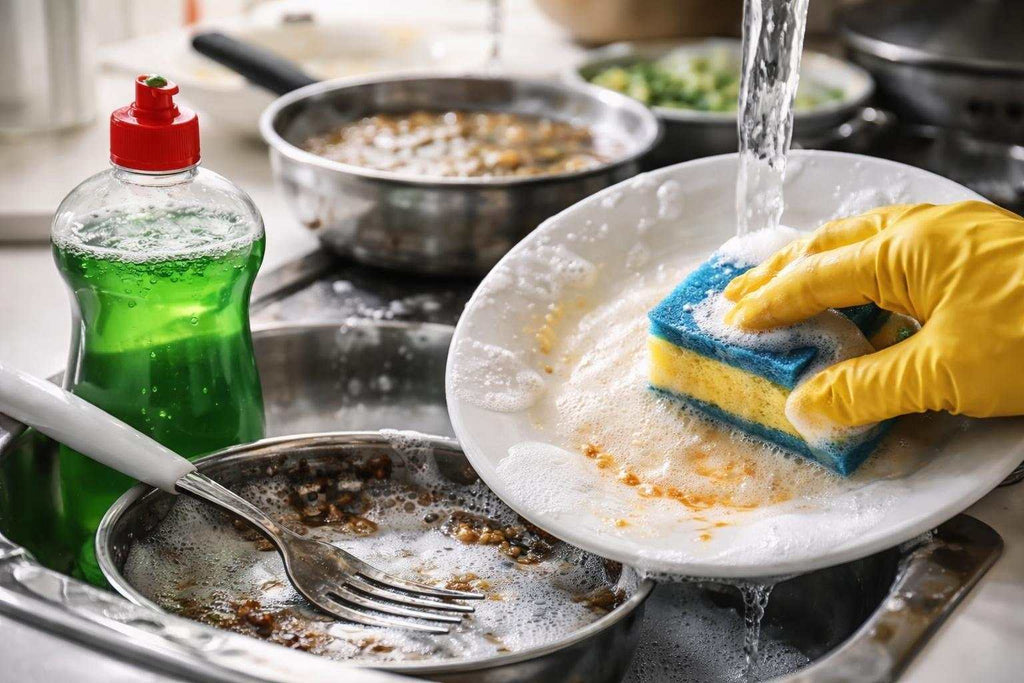
Every kitchen in New Zealand relies on one fundamental cleaning product to maintain hygiene and tackle daily mess: soap for dishes. Whether you're washing a single coffee mug or scrubbing a potjie pot after a traditional South African meal, dishwashing liquid plays an indispensable role in keeping our kitchens clean and sanitary. For South Africans who've relocated to New Zealand, familiar cleaning products evoke memories of home whilst providing the reliable performance they've trusted for years.
Understanding What Soap for Dishes Actually Is
Soap for dishes, commonly known as dishwashing liquid or dish soap, is a specially formulated cleaning agent designed to remove grease, food particles, and bacteria from plates, cutlery, cookware, and kitchen utensils. Unlike ordinary hand soap or laundry detergent, this product contains specific surfactants that break down oils and fats whilst remaining gentle enough for frequent hand contact.
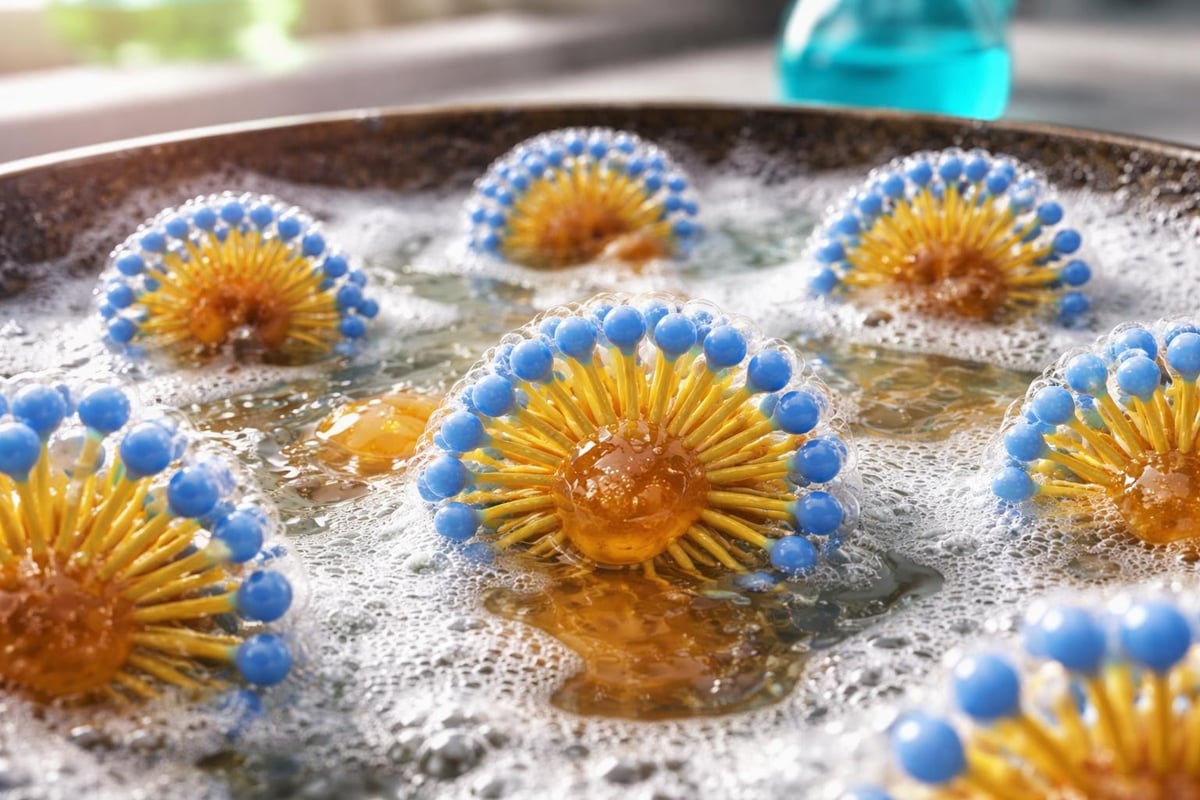
The chemistry behind effective dish soap involves amphiphilic molecules, which possess both water-loving (hydrophilic) and oil-loving (hydrophobic) properties. When you add soap for dishes to water and create suds, these molecules surround grease particles, lifting them away from the surface of your crockery and allowing them to be rinsed away cleanly.
Key Components of Quality Dishwashing Liquid
Modern dish soaps contain several essential ingredients that work together to deliver superior cleaning performance:
- Surfactants: Primary cleaning agents that reduce water's surface tension
- Builders: Substances that soften water and enhance surfactant effectiveness
- pH adjusters: Maintain optimal cleaning conditions whilst protecting skin
- Fragrance: Provides pleasant scent during washing
- Preservatives: Extend product shelf life and prevent bacterial growth
- Colourants: Visual appeal and brand identification
How Soap for Dishes Removes Grease and Food Residue
The cleaning power of soap for dishes lies in its ability to emulsify fats and oils that water alone cannot remove. When you wash dishes after preparing a traditional boerewors braai or cleaning up after enjoying South African biscuits and chocolate treats, the dishwashing liquid works through a multi-step process.
First, the surfactant molecules orient themselves at the interface between water and grease. The hydrophobic tails penetrate the oily residue whilst the hydrophilic heads remain in the water. As you scrub with a sponge or dishcloth, mechanical action helps these molecules completely surround the grease particles, forming tiny spherical structures called micelles.
These micelles suspend the grease in the water rather than allowing it to redeposit on your clean dishes. The process explains why warm water enhances cleaning effectiveness, as heat further loosens stubborn food particles and reduces grease viscosity, making it easier for surfactants to work.
The Science of Cutting Through Kitchen Grime
Different types of food residue require varying approaches. Protein-based residues from meat, eggs, and dairy products respond well to enzymatic action, which some premium dishwashing liquids incorporate. Starchy residues from pap or rice need thorough soaking to rehydrate before scrubbing.
For South African families maintaining kitchen traditions in New Zealand, soap for dishes must handle everything from melktert tins to cast-iron potjie pots. The right product makes cleaning these cultural cookware items significantly easier whilst preserving their quality for future use.
Why Quality Dish Soap Matters for Everyday Kitchen Cleaning
Investing in effective soap for dishes extends beyond simple cleanliness. It impacts hygiene, efficiency, time management, and even environmental responsibility. Poor-quality products require larger quantities, more scrubbing effort, and repeated washing cycles, ultimately costing more in water, energy, and personal time.
| Benefit Category | Impact of Quality Dish Soap | Result of Inferior Products |
|---|---|---|
| Hygiene | Removes 99.9% of bacteria | Incomplete sanitisation |
| Efficiency | Fewer rewashes needed | Multiple cleaning attempts |
| Skin Health | Gentle pH-balanced formula | Potential dermatitis and dryness |
| Economic Value | Concentrated formulas last longer | Excessive product usage |
| Environmental | Biodegradable options available | Persistent chemical residues |
The health implications of soap for dishes shouldn't be overlooked either. Research shows that daily dishwashing with synthetic detergents can affect skin condition, making it essential to choose products with skin-protecting ingredients or wear gloves during extended washing sessions.
Cultural Connections Through Familiar Brands
For South Africans living in New Zealand, recognising trusted brands like Sunlight Dishwashing Liquid on shop shelves creates an immediate connection to home. Sunlight has been a staple in South African households for generations, known for its distinctive yellow colour, lemon fragrance, and powerful grease-cutting abilities.
Many South African expats specifically seek out these familiar cleaning products because they know exactly how they perform, how much to use, and what results to expect. This familiarity extends to cooking traditional dishes: when you've just prepared a vetkoek feast or cleaned up after making homemade biltong, using the same soap for dishes you grew up with makes the task feel more like home.
Dish Soap vs Dishwashing Liquid vs Dishwasher Detergent
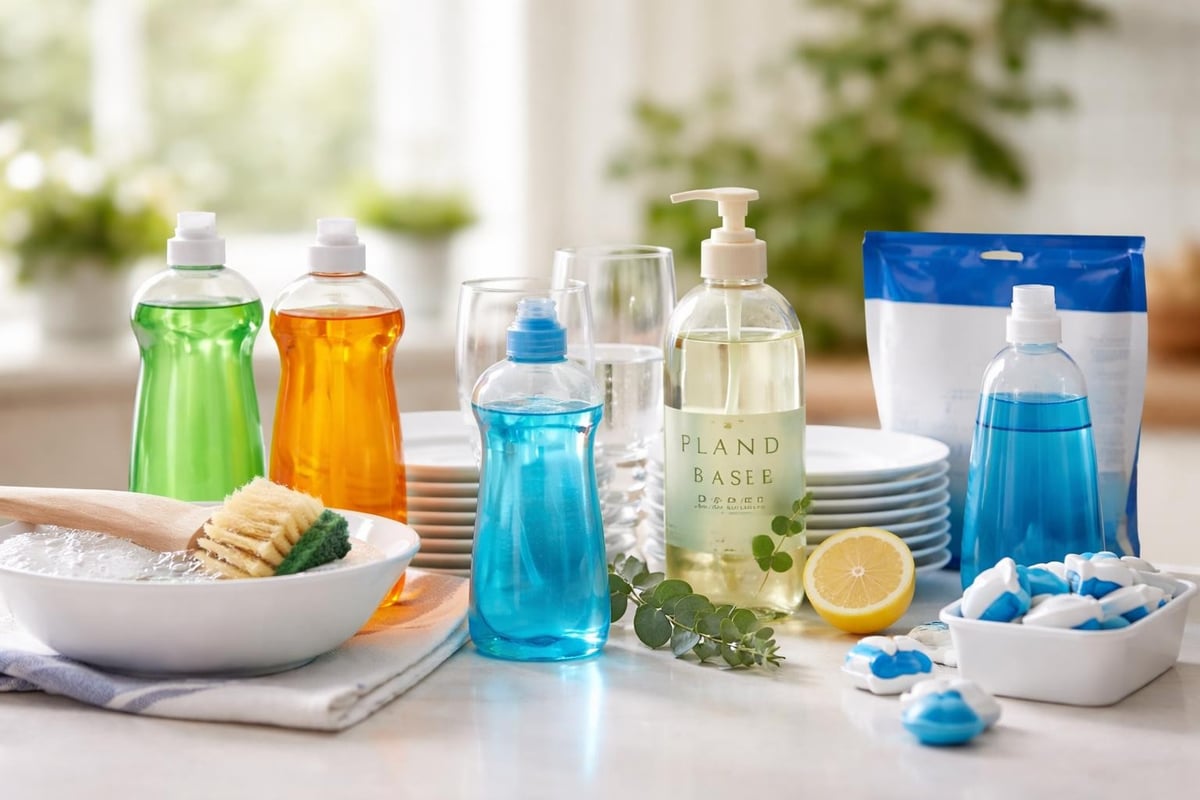
Understanding the distinctions between various dishwashing products prevents costly mistakes and ensures optimal cleaning results. Whilst "dish soap" and "dishwashing liquid" are essentially synonymous terms referring to the same hand-washing product, dishwasher detergent represents an entirely different formulation.
Hand-washing products (dish soap/dishwashing liquid):
- Generate substantial foam and suds
- Designed for direct skin contact with safety testing
- Work effectively in cooler water temperatures
- Require manual agitation for optimal results
- Rinse away easily without leaving residue
Dishwasher detergents:
- Formulated to produce minimal foam in machine environments
- Contain enzymes that activate at higher temperatures
- Designed for mechanical spray action rather than hand scrubbing
- Include rinse aids to prevent water spotting
- Available as powder, gel, or tablet formats
Using regular soap for dishes in a dishwasher creates excessive suds that can overflow the machine, potentially causing mechanical damage and certainly creating a substantial mess. Conversely, dishwasher detergent used for hand-washing won't produce adequate suds and may not effectively clean without the high-temperature water and spray action of a machine.
When to Choose Hand-Washing Over Machine Washing
Certain items demand the gentle touch that only hand-washing with proper soap for dishes can provide. Delicate glassware, wooden utensils, cast-iron cookware, sharp knives, and non-stick pans all benefit from manual washing. For South African families, this includes treasured items like potjie pots that require specific care to maintain their seasoning and longevity.
Additionally, understanding which surfaces should not be cleaned with dish soap prevents accidental damage to household items beyond the kitchen. Natural stone, certain wood finishes, and delicate fabrics can all suffer damage from inappropriate use of dishwashing liquid.
Environmental and Health Considerations
The environmental impact of soap for dishes has gained increased attention as consumers become more conscious of their ecological footprint. The environmental footprint of dishwashing practices encompasses water usage, energy consumption, chemical composition, and packaging waste.
Modern eco-friendly options offer several advantages:
- Plant-based surfactants derived from renewable resources
- Phosphate-free formulations that protect waterways
- Concentrated formulas reducing packaging and transport emissions
- Biodegradable ingredients that break down naturally
- Recyclable or reduced-plastic packaging solutions
However, not all products marketed as "natural" or "eco-friendly" deliver on their promises. Understanding whether dish soap is truly toxic requires examining ingredient lists for potentially harmful substances like triclosan, phosphates, synthetic fragrances, and certain preservatives.
Natural Alternatives and Conventional Options
For those interested in reducing chemical exposure, natural alternatives to dish soap include baking soda paste, castile soap dilutions, and vinegar solutions. These options work particularly well for lightly soiled dishes but may struggle with heavy grease from traditional South African cooking.
Balancing environmental concerns with practical cleaning needs often means choosing non-toxic and eco-friendly dish soap brands that combine plant-based ingredients with effective grease-cutting performance. This approach ensures your dishes are thoroughly clean without compromising your household's health or the environment.
Finding Familiar Products in New Zealand
South Africans living in New Zealand often experience a strong connection to the products they used back home. This extends beyond food items to include household essentials like soap for dishes. The distinctive yellow bottle of Sunlight Dishwashing Liquid represents more than just a cleaning product; it's a small piece of home that makes daily routines feel familiar in a new country.
Something From Home operates as a South African shop and warehouse in New Zealand, stocking more than 2,500 South African products including familiar cleaning brands alongside traditional groceries and snacks. This availability means you don't need to compromise on the products you know and trust simply because you've relocated halfway around the world.
| Product Category | Why It Matters | Availability |
|---|---|---|
| Cleaning Supplies | Familiar performance and scent | South African brands stocked |
| Food Items | Authentic taste of home | Extensive grocery range |
| Household Goods | Trusted quality standards | Regular new stock arrivals |
| Snacks & Treats | Comfort and nostalgia | Popular brands available |
Many South Africans discover that whilst New Zealand supermarkets stock excellent local products, there's something reassuring about using the same soap for dishes they've relied on for decades. It's one less adjustment to make whilst settling into a new country, and the familiar lemon scent during evening dish-washing can evoke powerful memories of home.

Practical Tips for Effective Dishwashing
Maximising the effectiveness of your soap for dishes involves more than simply squirting it onto a sponge. Professional techniques can reduce water consumption, improve cleaning results, and extend the life of your dishware.
Optimal dishwashing process:
- Scrape excess food into compost or rubbish before washing
- Fill sink with hot water and add appropriate amount of dish soap
- Wash items in order: glassware first, then dishes, cutlery, and cookware last
- Use the right tool: soft sponges for delicate items, scrub brushes for pots
- Rinse thoroughly with clean hot water to remove all soap residue
- Air-dry in a dish rack or dry with clean tea towel immediately
For heavily soiled items like pots used for South African curry and rice or pans after making sticky toffee pudding, allow them to soak in hot soapy water for 15-30 minutes before scrubbing. This pre-treatment significantly reduces the elbow grease required and prevents damage to cookware surfaces from excessive scrubbing.
Water Temperature and Soap Quantity
The temperature of your washing water dramatically affects cleaning efficiency. Hot water (around 45-50°C) activates the surfactants in soap for dishes more effectively, melts grease faster, and kills more bacteria than lukewarm or cold water. However, water that's too hot can damage delicate items and increase the risk of burns.
Regarding quantity, less is often more with modern concentrated formulas. Most dishwashing tasks require only 1-2 teaspoons of quality dish soap in a standard sink of water. Using excessive amounts doesn't improve cleaning performance; it simply creates more suds, wastes product, and requires additional rinsing.
Storage and Safety Considerations
Proper storage of soap for dishes maintains product effectiveness and ensures household safety. Keep dishwashing liquid in its original container with the cap tightly sealed, away from direct sunlight and extreme temperatures. Store it under the sink or in a cleaning cupboard, always out of reach of children and pets.
Never transfer dish soap into unmarked containers or food bottles, as this creates serious poisoning risks. If accidental ingestion occurs, seek immediate medical attention and have the product label available to identify specific ingredients.
Shelf Life and Product Quality
Most dishwashing liquids maintain effectiveness for 12-18 months when stored properly. Signs of degradation include separation of ingredients, changes in colour or consistency, or weakened cleaning performance. Expired products won't harm dishes but may require larger quantities to achieve satisfactory results.
For households that use soap for dishes infrequently, purchasing smaller bottles prevents waste from expired product. Conversely, families who wash dishes multiple times daily benefit from larger economy sizes, especially when buying trusted brands from a South African food store that stocks authentic products.
The Role of Dishwashing in Kitchen Hygiene
Beyond simply making dishes look clean, effective use of soap for dishes plays a critical role in preventing foodborne illness. Bacteria such as Salmonella, E. coli, and Campylobacter can survive on improperly cleaned dishes, cutting boards, and utensils, potentially contaminating future meals.
Research demonstrates that proper hand-washing with quality dish soap removes the majority of harmful pathogens when combined with adequate scrubbing time and thorough rinsing. The mechanical action of scrubbing is just as important as the chemical action of the soap itself.
High-risk items requiring thorough washing:
- Cutting boards used for raw meat
- Utensils that touched uncooked eggs
- Containers that held dairy products
- Knives and graters with trapped food particles
- Bottle teats and children's feeding equipment
For South African families preparing traditional dishes that often involve raw meat handling, such as making boerewors or preparing biltong, maintaining rigorous dishwashing standards with effective soap for dishes becomes particularly important for household health.
Making Informed Product Choices
Selecting the right soap for dishes for your household involves balancing multiple factors: cleaning effectiveness, skin sensitivity, environmental values, fragrance preferences, and budget considerations. South Africans accustomed to specific brands often find that maintaining this consistency in New Zealand provides both practical benefits and emotional comfort.
Reading product labels reveals important information about concentration levels, ingredient origins, and performance claims. Look for products that clearly state their surfactant type, whether they're phosphate-free, and if they've been dermatologically tested for skin safety.
Price comparison should consider concentration rather than bottle size alone. A more expensive concentrated formula that requires less product per wash often proves more economical than a cheaper diluted version requiring larger quantities.
Building a Complete Kitchen Cleaning Kit
Whilst soap for dishes forms the foundation of kitchen cleaning, complementary products enhance overall results:
- Dish brushes and sponges: Different textures for various surfaces
- Microfibre cloths: Superior absorption and lint-free drying
- Rubber gloves: Skin protection during extended washing sessions
- Drain cleaner: Prevent grease buildup in pipes
- Surface cleaner: For benchtops and splashbacks
South African households in New Zealand can source many of these items locally whilst obtaining their preferred dish soap and specialty cleaning products through Something From Home, ensuring they maintain the cleaning standards they're accustomed to.
Selecting effective soap for dishes remains fundamental to maintaining kitchen hygiene, preserving cookware quality, and creating a pleasant cleaning experience. For South African families in New Zealand, accessing familiar brands like Sunlight Dishwashing Liquid through Something From Home bridges the gap between their heritage and their new home, ensuring that even routine tasks like washing dishes carry the comfort of familiarity. Visit Something From Home to discover their extensive range of South African household products, cleaning supplies, and groceries that help make New Zealand feel more like home.