Black South African Food: Traditional Dishes & Culture
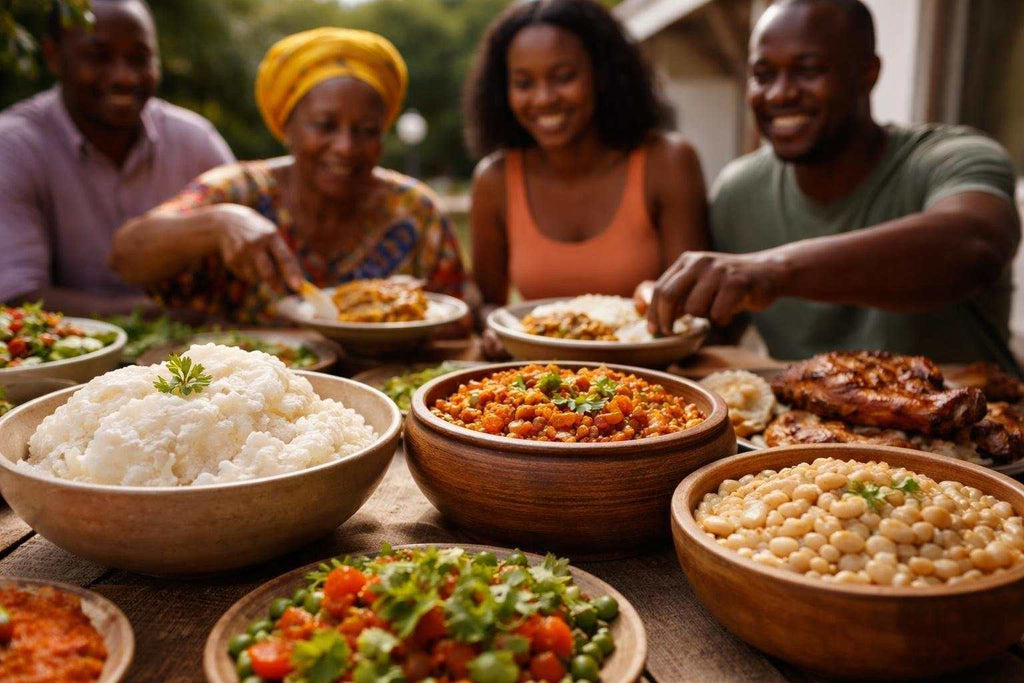
Black South African food represents a vibrant tapestry of indigenous ingredients, time-honoured cooking methods, and recipes passed down through generations. These traditional dishes form the backbone of South African culinary identity, reflecting the country's diverse cultural heritage and the resourcefulness of communities who have cultivated these flavours for centuries. For South Africans living abroad, particularly in New Zealand, reconnecting with these authentic tastes offers comfort and a powerful link to home. Understanding black South African food means appreciating not just the ingredients and preparation methods, but the stories, traditions, and communal bonds these meals create.
The Foundation of Traditional Black South African Cuisine
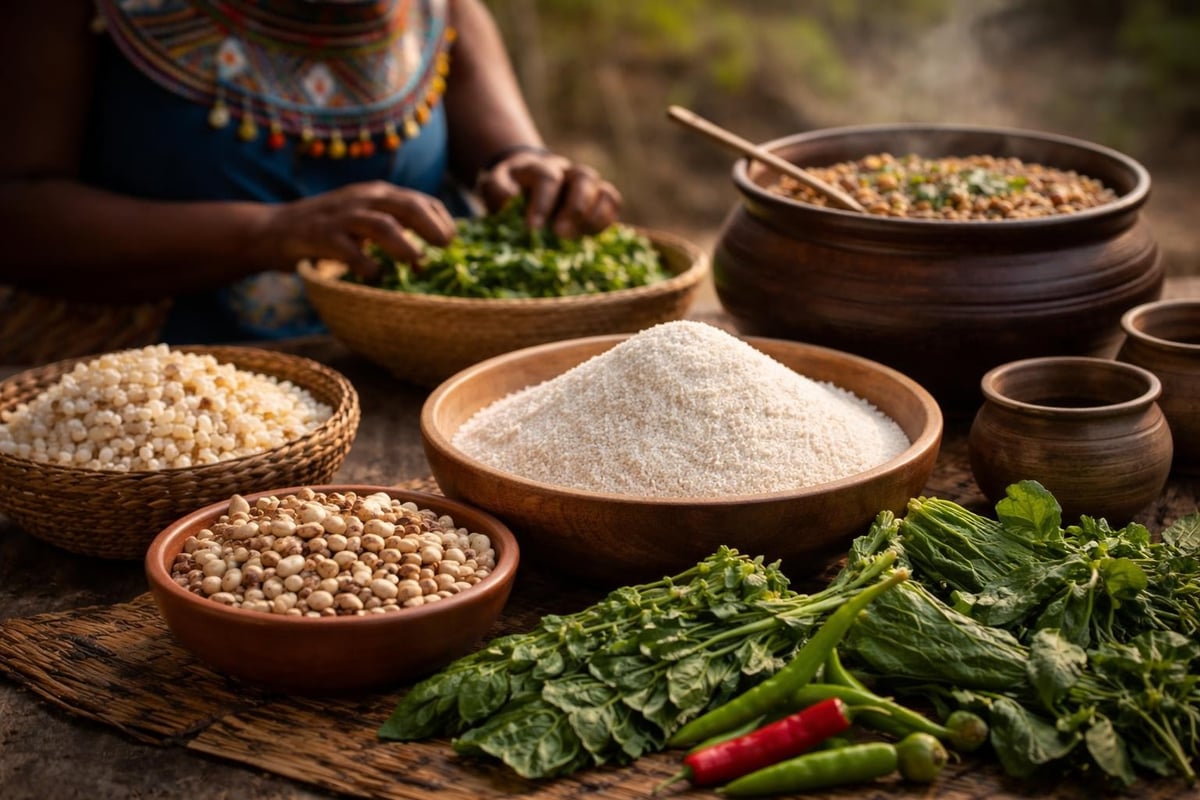
Black South African food is built upon staple ingredients that have sustained communities for generations. Maize meal forms the cornerstone of countless dishes, transformed into pap (a porridge-like staple) that accompanies nearly every traditional meal. This simple yet versatile ingredient demonstrates the ingenuity of South African cooking, where basic components create deeply satisfying and nutritious dishes.
Key staple ingredients include:
- Maize meal (mielie meal) in various textures
- Samp (dried corn kernels)
- Beans and legumes, particularly sugar beans
- Indigenous leafy vegetables like morogo
- Root vegetables including sweet potatoes
The preparation of these staples often involves communal cooking, particularly for celebratory occasions. Large three-legged cast iron pots, known as potjies, serve as gathering points where families prepare meals together. This communal aspect transforms cooking from a simple task into a social ritual that reinforces family bonds and cultural identity.
Pap and Its Many Forms
Pap stands as perhaps the most iconic element of black South African food. This maize meal porridge appears in multiple consistencies, each suited to different dishes and occasions. Stiff pap (pap) serves as the base for main meals, while soft pap (slap pap) accompanies breakfast or acts as a comfort food.
The texture and preparation method vary by region and preference. Some families prefer their pap smooth and creamy, while others favour a grainier texture. Pap is typically served with various accompaniments, from rich tomato-based gravies to traditional braai meats that have been slow-cooked over open flames.
| Pap Type | Consistency | Common Serving |
|---|---|---|
| Stywe pap | Stiff, firm | Main meals with gravy |
| Slap pap | Soft, porridge | Breakfast with milk |
| Krummelpap | Crumbly | Side dish |
| Pap tert | Dessert form | Sweet treat |
Iconic Traditional Dishes in Black South African Food
Traditional black South African food encompasses numerous dishes that have become cultural touchstones. These recipes represent centuries of culinary evolution, blending indigenous ingredients with techniques refined over generations. Each dish tells a story of survival, celebration, and community.
Umngqusho: A Presidential Favourite
Umngqusho, a hearty mixture of samp and sugar beans, holds special significance in black South African food culture. This dish gained international recognition as Nelson Mandela's favourite meal, elevating its status from humble staple to symbol of cultural pride. The preparation involves soaking dried corn kernels and beans overnight, then simmering them together until tender.
The beauty of umngqusho lies in its simplicity and nutritional completeness. The combination of maize and beans provides complementary proteins, creating a balanced meal that sustained agricultural communities through demanding physical labour. Modern interpretations might add butter, salt, and sometimes curry powder, but traditional versions remain deliberately simple.
Chakalaka: The Versatile Relish
Chakalaka represents the vibrant, spicy side of black South African food. This vegetable relish combines tomatoes, onions, peppers, carrots, and beans with aromatic spices, creating a dish that adds depth and heat to any meal. Originally developed in Johannesburg's townships, chakalaka has become a national staple found at nearly every gathering.
Essential chakalaka components:
- Base of tomatoes and onions
- Bell peppers for sweetness
- Curry powder and spices
- Baked beans (optional but common)
- Chilli for heat
The recipe varies significantly between families, with each cook adding their signature touch. Some versions lean heavily on curry flavours, while others emphasise the fresh vegetable taste. For South Africans in New Zealand, authentic South African groceries make recreating these traditional flavours possible, even thousands of kilometres from home.
Indigenous Vegetables and Traditional Greens
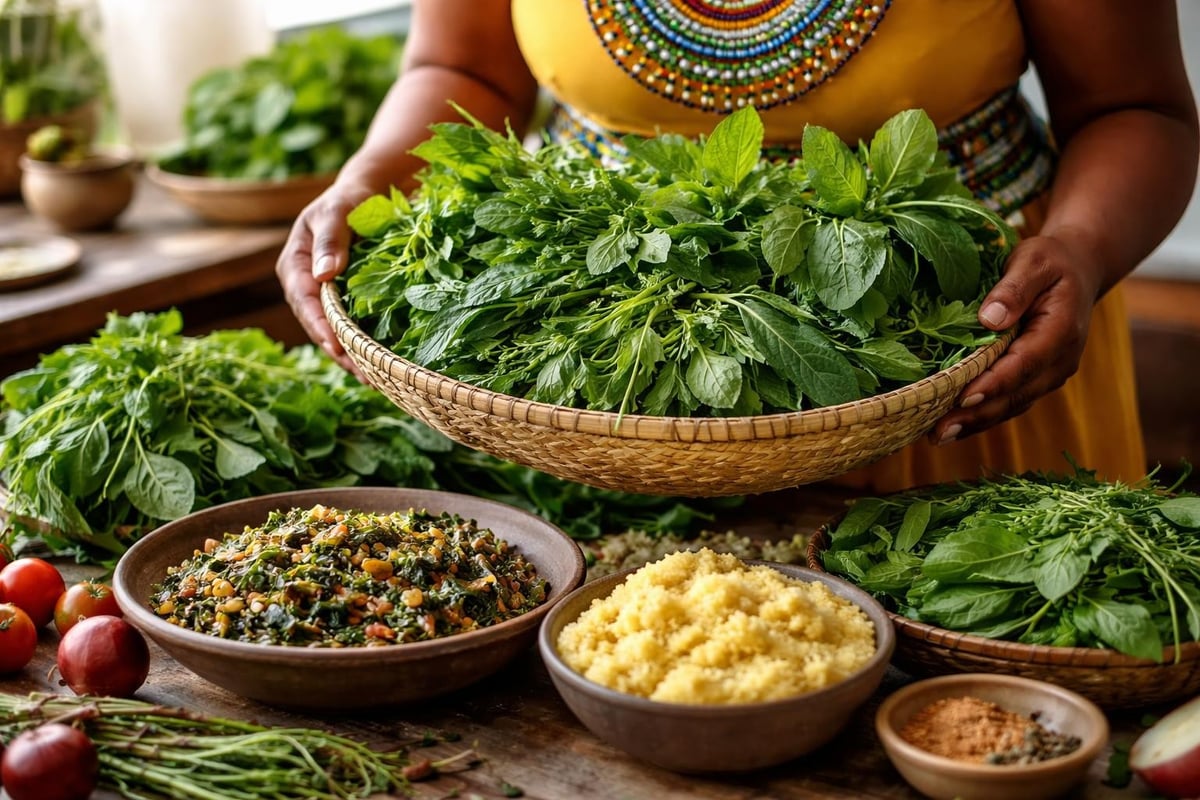
Black South African food places significant emphasis on indigenous leafy greens, collectively known as morogo in Sotho or imifino in Zulu and Xhosa. These wild and cultivated greens provided essential nutrients long before modern agriculture introduced commercial vegetables. Traditional South African food traditions continue to celebrate these indigenous plants for their nutritional value and cultural significance.
Popular Indigenous Greens
Amaranth leaves, known locally as thepe, offer a spinach-like texture with a slightly earthy flavour. These greens are typically sautéed with onions and sometimes combined with peanut butter to create a rich, creamy sauce. Blackjack (bidens pilosa) grows wild across South Africa and transforms from roadside weed to delicious vegetable when properly prepared.
Cowpeas leaves provide another traditional green vegetable option. The entire plant offers edible components, with both leaves and beans featuring in traditional recipes. This dual-purpose plant exemplifies the resourcefulness embedded in black South African food culture, where communities maximised every available food source.
Meat Preparation and Braai Culture
While vegetables and starches form the foundation, meat preparation techniques distinguish black South African food as truly exceptional. The braai tradition, deeply embedded in South African culture, represents more than simply grilling meat. It embodies social connection, patience, and respect for the cooking process.
Traditional meat dishes often involve tougher cuts transformed through slow cooking methods. Oxtail, tripe, and chicken feet become delicacies when prepared with skill and time. These dishes reflect historical realities where communities utilised every part of the animal, developing cooking techniques that extracted maximum flavour and tenderness from challenging ingredients.
Walkie Talkies and Offal Dishes
Chicken feet and heads, affectionately termed "walkie talkies," represent an important component of black South African food. These protein sources provided affordable nutrition and developed into beloved dishes through proper preparation. Slow-cooked in rich tomato-based gravies, these offal dishes demonstrate how necessity bred culinary innovation.
Popular meat preparations include:
- Slow-cooked oxtail in tomato gravy
- Grilled chicken pieces with spicy seasoning
- Braised tripe with potatoes
- Boerewors cooked over open flames
- Beef stew with dumplings
Fermented Foods and Traditional Beverages
Black South African food culture includes various fermented foods and beverages that served both nutritional and social functions. Amasi, fermented milk similar to yoghurt, provides probiotics and calcium while offering a tangy counterpoint to rich, heavy meals. Traditionally stored in calabashes, amasi remains a breakfast staple, often enjoyed with soft pap.
Umqombothi, traditional sorghum beer, holds ceremonial significance in many communities. This home-brewed beverage features prominently at celebrations, ancestral ceremonies, and social gatherings. Its preparation involves specific rituals, and sharing umqombothi reinforces community bonds and cultural continuity.
| Fermented Product | Base Ingredient | Cultural Use |
|---|---|---|
| Amasi | Cow's milk | Daily consumption |
| Umqombothi | Sorghum/maize | Ceremonies |
| Mageu | Fermented porridge | Refreshment |
Bread and Baking Traditions
Bread holds special significance in black South African food, with various traditional forms complementing main meals. Steamed bread, known as dombolo or ujeqe, represents African bread-making at its finest. These soft, fluffy dumplings cook above stews, absorbing flavours while providing substantial carbohydrates.
Vetkoek, while shared across South African cultures, features prominently in traditional meals. These deep-fried bread dough balls can serve as savoury accompaniment filled with mince or curry, or as sweet treats dusted with sugar or filled with jam. The versatility of vetkoek makes it suitable for any meal or occasion.
Dumplings and Comfort Foods
Dumplings prepared in various styles add texture and substance to stews and soups. Some recipes call for dense, heavy dumplings that sink into the gravy, while others produce lighter versions that float atop the pot. Each family guards their dumpling recipe carefully, passing techniques through generations.
Preservation Methods and Food Security
Black South African food traditions include sophisticated preservation techniques developed before refrigeration. Drying, smoking, and fermenting ensured food security during lean seasons and enabled communities to maintain nutritional standards year-round. These methods remain relevant today, both for practical purposes and cultural preservation.
Sun-dried vegetables, particularly indigenous greens, concentrated nutrients while extending shelf life. Dried beans and legumes stored for months without spoiling, providing reliable protein sources. Meat preservation through drying created products similar to biltong, though prepared with different techniques and seasonings.
Regional Variations in Traditional Cuisine
Black South African food varies significantly across regions, reflecting local ingredients, climate conditions, and cultural influences. Coastal communities incorporate more seafood into traditional dishes, while inland areas focus heavily on terrestrial proteins and grains. Understanding these regional differences enriches appreciation for South Africa's culinary diversity.
The Eastern Cape produces distinctive dishes influenced by Xhosa traditions, including umngqusho variations and specific indigenous vegetable preparations. KwaZulu-Natal's cuisine reflects Zulu culinary practices, with unique spicing and preparation methods. Gauteng's urban centres blend various regional styles, creating fusion dishes that maintain traditional roots while embracing modern ingredients.
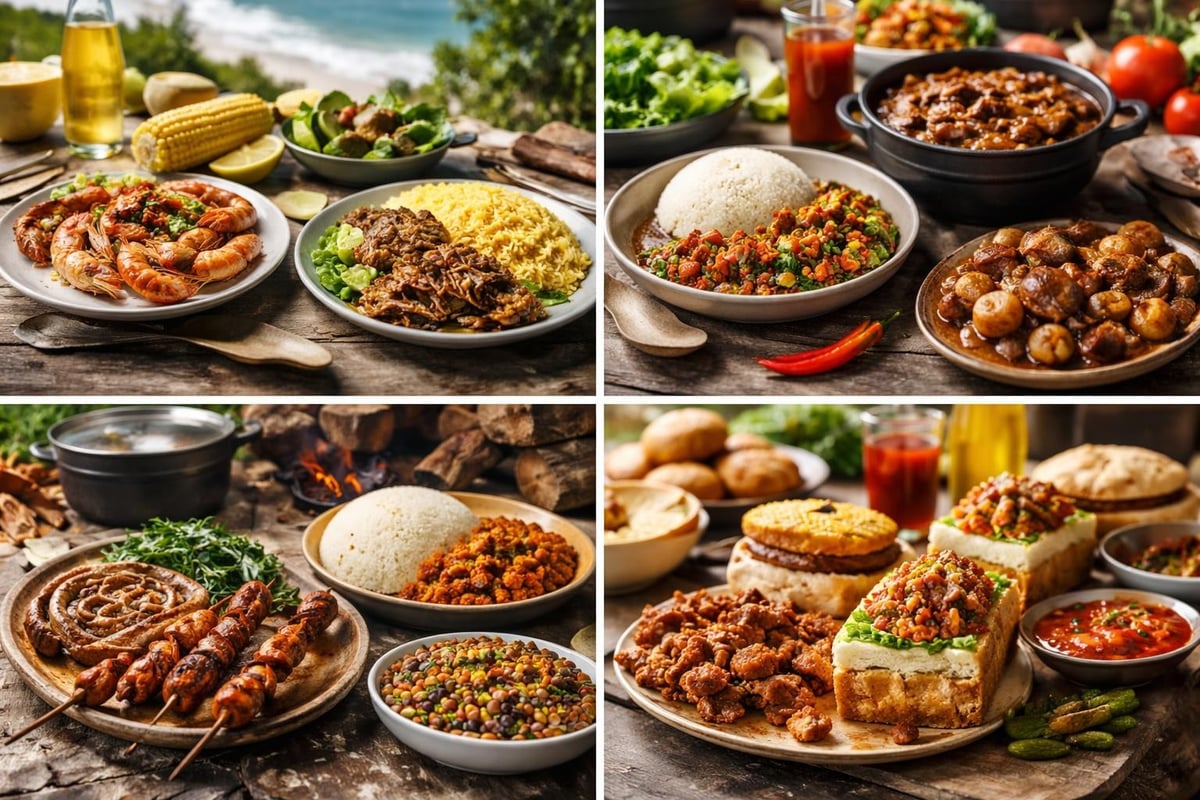
Accessing Authentic Ingredients in New Zealand
For South Africans living in New Zealand, sourcing authentic ingredients presents challenges but remains achievable. Specialised shops recognise the strong demand for genuine products that enable expatriates to recreate beloved dishes. The emotional connection to black South African food drives this market, as taste provides powerful links to memories and cultural identity.
Many traditional ingredients require specific brands or preparation methods to achieve authentic results. Maize meal texture varies significantly between products, affecting the final dish's consistency and taste. Spice blends must match the complex flavour profiles South Africans expect, making authentic South African products essential rather than optional.
Something From Home operates as a South African food store in New Zealand, maintaining stock of more than 2,500 South African products. This extensive range includes essential cooking ingredients, enabling expatriates to maintain culinary traditions despite geographical distance. The availability of genuine products transforms cooking from approximation to authentic recreation.
Celebrating Heritage Through Food
Black South African food serves purposes beyond simple sustenance. These dishes connect generations, preserve cultural knowledge, and celebrate identity. Preparing traditional meals becomes an act of resistance against cultural erosion, ensuring younger generations understand their heritage through taste and technique.
Family gatherings centred around traditional meals reinforce values of community, sharing, and respect. The process of cooking together teaches patience, skill, and cultural history simultaneously. Grandmothers passing recipes to grandchildren ensure continuity, adapting methods for modern kitchens while maintaining essential character.
Food as Cultural Education
Children growing up with traditional black South African food develop sensory memories that anchor their cultural identity. The smell of pap cooking, the taste of properly prepared chakalaka, the texture of steamed dumplings create reference points that last lifetimes. These experiences prove particularly valuable for South African children raised overseas, providing tangible connections to their heritage.
Modern Adaptations While Honouring Tradition
Contemporary cooks adapt traditional black South African food for modern lifestyles without losing essential character. Pressure cookers reduce cooking times for dishes traditionally simmered for hours. Pre-made spice blends simplify preparations while maintaining authentic flavour profiles. These adaptations make traditional cooking accessible to busy families while preserving cultural continuity.
Modern cooking adaptations include:
- Using slow cookers for overnight preparations
- Batch cooking and freezing traditional dishes
- Incorporating modern vegetables while maintaining base recipes
- Adjusting portion sizes for smaller families
- Simplified techniques for novice cooks
Health-conscious adaptations reduce fat content and increase vegetable proportions without compromising taste. Whole grain versions of traditional breads boost nutritional value. These modifications demonstrate how black South African food evolves while maintaining core identity, ensuring relevance for future generations.
The Social Significance of Shared Meals
Black South African food culture emphasises communal eating, where meals bring people together in ways that transcend simple nutrition. The practice of eating from shared plates reinforces equality and connection. Large gatherings feature multiple dishes arranged for communal access, encouraging conversation and relationship building.
This social dimension proves particularly significant for expatriate communities in countries like New Zealand. Gathering around familiar foods helps maintain cultural connections and builds supportive networks far from home. These occasions allow children to meet others from similar backgrounds, strengthening identity and belonging.
Teaching Traditional Cooking Skills
Preserving black South African food traditions requires actively teaching cooking skills to younger generations. Many families establish regular cooking sessions where elders demonstrate techniques while sharing stories about each dish's origins and significance. This knowledge transfer ensures traditions survive beyond individual practitioners.
Written recipes capture basic instructions but cannot convey subtle techniques learned through observation and practice. The exact moment to add ingredients, how the consistency should look, when flavours have properly developed require hands-on experience. Patient teaching preserves these intangible aspects of culinary heritage.
Recipe Documentation and Sharing
Communities increasingly document traditional recipes in cookbooks and online platforms, making this knowledge accessible to broader audiences. These resources help people discover and appreciate the depth and diversity within black South African food traditions. Video demonstrations prove particularly valuable, capturing techniques that text alone cannot adequately describe.
Social media enables recipe sharing across continents, connecting South African expatriates worldwide. Home cooks post their preparations, receive feedback, and exchange tips for sourcing ingredients locally. This digital community strengthens cultural bonds and ensures traditional knowledge reaches younger, tech-savvy generations.
Nutritional Wisdom in Traditional Diets
Black South African food embodies nutritional wisdom developed over centuries. The combination of maize and beans provides complete protein profiles. Indigenous vegetables deliver micronutrients often lacking in modern diets. Fermented foods support digestive health through beneficial bacteria. These dietary patterns promoted health and wellbeing long before modern nutritional science validated traditional practices.
Contemporary health challenges encourage renewed appreciation for traditional diets. The high fibre content, moderate protein levels, and abundance of vegetables in classic black South African food align with current nutritional recommendations. Returning to these traditional eating patterns offers potential solutions to modern health issues while preserving cultural heritage.
Festive and Ceremonial Foods
Special occasions demand specific dishes within black South African food culture. Wedding celebrations feature abundant meat preparations, demonstrating hospitality and celebration. Coming-of-age ceremonies include traditional dishes that symbolise transition and cultural initiation. Understanding these ceremonial foods provides insight into cultural values and social structures.
Christmas and New Year celebrations showcase black South African food at its most abundant. Families prepare multiple dishes representing different traditions, creating feasts that last for days. These celebrations blend pre-colonial traditions with Christian influences, producing unique culinary expressions found nowhere else.
Ceremonial dishes often include:
- Whole roasted goat or sheep
- Multiple starches including rice, pap, and dumplings
- Various meat preparations and gravies
- Traditional beverages like umqombothi
- Special desserts and sweet treats
Sourcing Ingredients and Maintaining Authenticity
Maintaining authenticity in black South African food preparation overseas requires commitment and resourcefulness. While some ingredients can be substituted, others prove essential for achieving genuine flavours. Understanding which components allow flexibility and which demand authenticity separates adequate attempts from true recreations.
Maize meal for pap must have specific characteristics that alternative grains cannot replicate. Certain spice blends contain unique combinations unavailable in generic curry powders. These critical ingredients justify the effort South Africans make to source authentic products, whether through specialised shops or imports from home.
New Zealand's South African expatriate community supports businesses that import genuine products. These shops understand that familiar snacks and groceries provide more than sustenance; they offer emotional comfort and cultural connection. The willingness to pay premium prices for authentic ingredients demonstrates how deeply food connects to identity and belonging.
The Evolution of Township Cuisine
Black South African food includes distinctive township cuisine that emerged in urban centres during apartheid. Resource constraints and cultural mixing in these densely populated areas produced innovative dishes that remain popular today. These urban food traditions demonstrate creativity under challenging circumstances, transforming limited ingredients into flavourful meals.
Kota (sometimes called bunny chow in variations) exemplifies township innovation, though the hollowed bread filled with curry originated in Durban's Indian community. The adaptation and widespread adoption of such dishes shows how different South African communities influenced each other's cuisine despite forced segregation. This cross-cultural exchange enriched the nation's overall food culture.
Township cuisine emphasised affordability, accessibility, and bold flavours. Street food vendors developed quick preparation methods for workers needing substantial meals during short breaks. These practical considerations shaped a food culture that valued efficiency without sacrificing taste or satisfaction.
Black South African food represents a living heritage that connects generations through shared flavours, techniques, and traditions. These dishes embody resilience, creativity, and cultural pride while providing comfort and identity for South Africans worldwide. Whether you're maintaining family traditions or discovering these flavours for the first time, authentic ingredients make all the difference in recreating these meaningful dishes. Something From Home brings the tastes of South Africa to New Zealand, offering over 2,500 products that help you prepare traditional meals with genuine ingredients, keeping your connection to home strong and delicious.