
Serviettes: A Cultural Staple in South African Dining

When South Africans gather around a table, whether for a Sunday roast, a backyard braai, or a festive meal, the table setting reflects a deep-rooted culture of hospitality and community. Among the essential elements that complete any South African dining experience are serviettes, those humble yet indispensable pieces of fabric or paper that serve both practical and cultural purposes. For South Africans living in New Zealand, maintaining these dining traditions becomes a meaningful connection to home, and understanding the role of serviettes in our food culture reveals much about our values and heritage.
The Historical Significance of Serviettes in Dining Culture
Serviettes have evolved considerably throughout history, transforming from luxury items reserved for aristocracy to everyday dining essentials found in homes worldwide. The evolution of serviettes demonstrates how these table linens have adapted across different cultures and eras, reflecting changing social norms and dining practices.
In South African culture, serviettes represent more than simple functionality. They embody the nation's commitment to proper hospitality and respect for guests. Whether hosting a formal dinner party or a casual potjiekos gathering, providing clean, quality serviettes signals that care has been taken to ensure guests feel welcomed and comfortable.
Traditional South African Table Settings
South African table settings blend European colonial influences with indigenous African hospitality traditions. This unique fusion creates dining experiences that prioritise both formality and warmth.
Key elements of traditional South African table settings include:
- Crisp white or patterned serviettes folded neatly beside each plate
- Multiple courses requiring fresh serviettes between dishes
- Informal braai settings with paper serviettes readily available
- Special occasion meals featuring embroidered or monogrammed cloth serviettes
The choice between cloth and paper serviettes often reflects the occasion's formality. Family Sunday lunches typically warrant cloth serviettes, whilst braais and outdoor gatherings make practical use of disposable options.

Serviettes in South African Braai Culture
No discussion of South African food culture would be complete without examining the braai, that quintessential gathering where friends and family bond over open flames and perfectly grilled meat. Serviettes play a crucial role in braai etiquette, serving multiple purposes throughout the event.
During a braai, serviettes become essential tools for managing the delicious messiness that accompanies eating boerewors, sosaties, and sticky marinade-covered chicken. Experienced braai-goers know to keep a stack of serviettes within arm's reach, as the combination of sauces, fats, and outdoor eating creates frequent need for wiping hands and mouths.
| Braai Item | Serviette Usage | Typical Quantity Per Person |
|---|---|---|
| Boerewors rolls | High (sauce drips) | 3-4 serviettes |
| Sosaties | Medium (marinade) | 2-3 serviettes |
| Steak | Low to medium | 1-2 serviettes |
| Salads | Low | 1 serviette |
| Desserts | Medium | 1-2 serviettes |
For South Africans now living in New Zealand, recreating authentic braai experiences means sourcing proper ingredients and maintaining familiar customs. When shopping for African grocery essentials, including quality serviettes alongside your boerewors and Mrs Ball's Chutney ensures the complete experience.
Choosing the Right Serviettes for Different Occasions
The environmental debate between cloth and paper serviettes has gained prominence in recent years. Comparing cloth versus paper serviettes reveals important considerations about sustainability, cost-effectiveness, and practicality that influence modern dining choices.
Cloth serviettes advantages:
- Elegant presentation for formal occasions
- Long-term cost savings through reusability
- Reduced environmental impact when properly maintained
- Traditional aesthetic that honours South African dining heritage
Paper serviettes benefits:
- Convenience for large gatherings and braais
- Hygiene through single-use disposal
- Variety of patterns and designs available
- Practical for messy foods and outdoor dining
Many South African households maintain both options, selecting based on the specific occasion and guest list. A formal dinner party celebrating a special milestone warrants fine linen serviettes, whilst a casual Saturday braai calls for quality paper alternatives.
Serviette Etiquette and South African Hospitality
South African hospitality extends beyond serving delicious food to encompass every detail of the dining experience. Proper serviette etiquette forms part of this broader culture of making guests feel valued and comfortable.
Traditional South African table manners dictate that serviettes should be placed on laps immediately upon sitting, used discreetly to dab the mouth between bites, and folded loosely beside the plate when temporarily leaving the table. These conventions, passed down through generations, reflect the European influences that shaped South African dining culture whilst adapting to local contexts and customs.
The Art of Serviette Folding
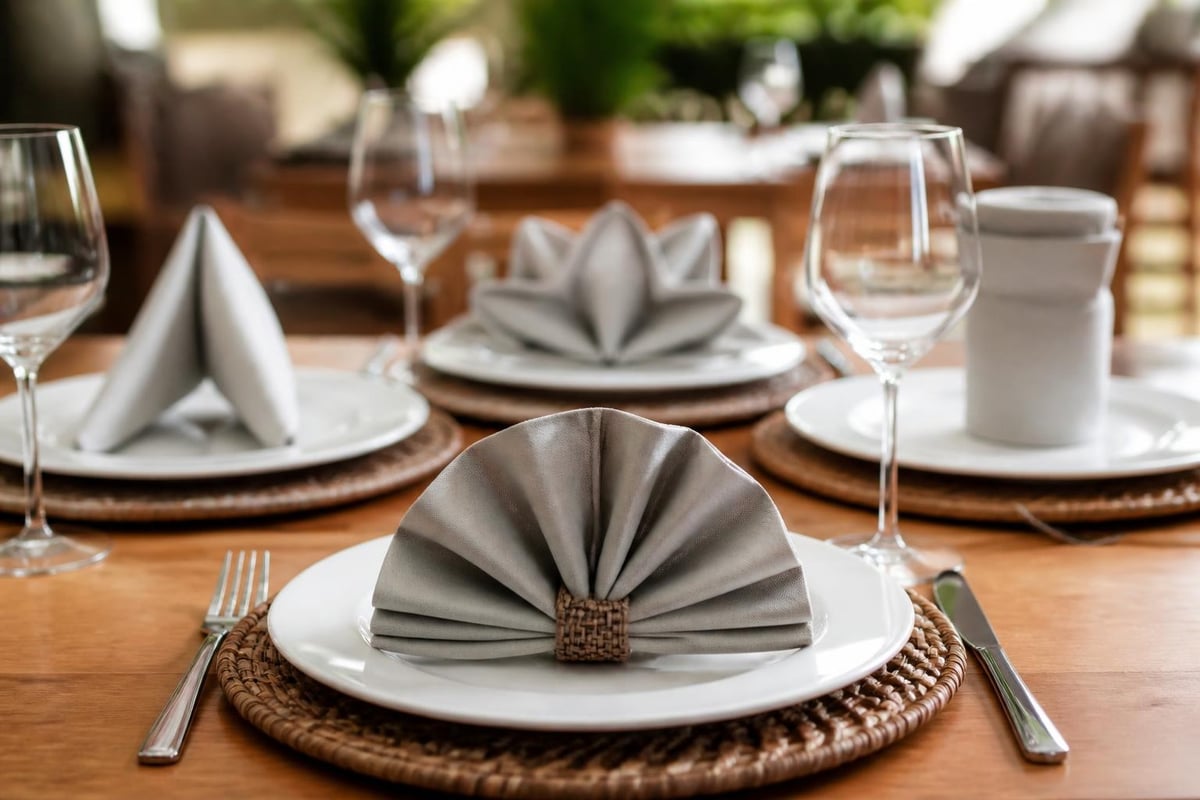
The history and art of napkin folding showcases how serviettes can become decorative elements that elevate table presentations. South African hosts often incorporate creative folding techniques for special occasions, transforming simple squares of fabric into elegant shapes that impress guests and demonstrate attention to detail.
Popular serviette folds for South African occasions:
- The Fan - Perfect for formal dinners and showcases beautiful patterns
- The Bishop's Hat - Traditional choice for religious holidays and celebrations
- The Pocket Fold - Practical option that holds cutlery for buffet-style braais
- The Rose - Romantic selection for weddings and anniversaries
- The Simple Rectangle - Classic, understated elegance for everyday dining
Learning these techniques becomes part of preserving cultural traditions when living abroad. Many South African families in New Zealand teach younger generations these skills, ensuring that hospitality customs continue across continents.
Serviettes and South African Food Traditions
Certain South African dishes practically demand serviette readiness. The nation's cuisine features many wonderfully messy, hands-on foods that make generous serviette provision essential for enjoyable dining experiences.
Consider the beloved bunny chow, that hollowed-out bread loaf filled with curry that originated in Durban. Eating bunny chow properly requires hands, creates delicious mess, and necessitates multiple serviettes throughout the meal. Similarly, gatsby sandwiches, koeksisters dripping with syrup, and melktert with its creamy filling all benefit from strategic serviette placement.
When South Africans gather for traditional meals, whether in Auckland, Wellington, or Christchurch, having authentic ingredients makes the experience genuine. Shopping for African food online in New Zealand means accessing familiar flavours and products that complete the cultural dining experience, serviettes included.
Practical Considerations for Modern Households
Modern sustainability concerns have prompted many households to reconsider their serviette choices. Life cycle analysis of microfiber serviettes provides insights into environmental impacts that help families make informed decisions aligned with their values.
Sustainability factors to consider:
- Water and energy usage for laundering cloth serviettes
- Paper production impacts and recycling possibilities
- Durability and longevity of different materials
- Local availability and transportation emissions
- Cultural traditions versus environmental priorities
Many South African families in New Zealand balance these concerns by maintaining cloth serviettes for regular family meals whilst keeping paper options for larger gatherings. This approach honours both environmental responsibility and cultural traditions without compromising either value.
Decorative Elements: Napkin Rings and Table Accessories
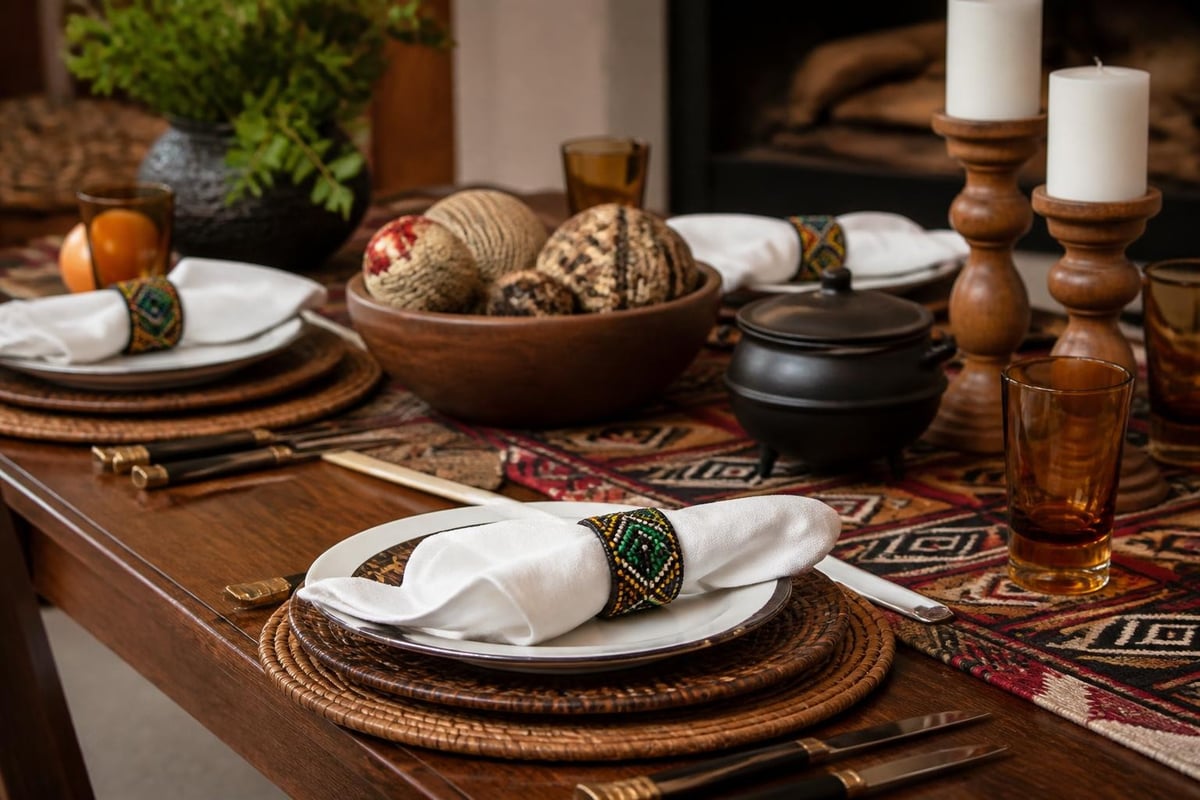
Napkin rings have evolved from practical holders to decorative accessories that personalise table settings and add visual interest. South African homes often feature napkin rings that reflect the nation's artistic heritage, from beaded Zulu designs to modern metalwork incorporating protea motifs.
These decorative touches transform everyday meals into special occasions, reinforcing the South African belief that taking time to dine together strengthens family bonds and creates lasting memories. When setting a table for Sunday lunch, the addition of beautiful napkin rings signals that this meal matters, that family time deserves proper acknowledgement.
| Napkin Ring Style | Typical Occasion | Cultural Significance |
|---|---|---|
| Beaded designs | Casual family meals | Indigenous craftsmanship |
| Metal protea shapes | Formal dinners | National symbol pride |
| Wooden carved rings | Outdoor braais | Natural materials |
| Silver engraved | Special celebrations | Heirloom quality |
| Leather wrapped | Masculine gatherings | Rugged elegance |
For South Africans maintaining cultural connections whilst living in New Zealand, these small touches recreate the warmth and character of home. Finding suppliers who understand these needs becomes important, which explains why many turn to specialised South African food stores that appreciate the complete dining experience.
Sourcing Quality Serviettes in New Zealand
Living far from South Africa doesn't mean abandoning cherished dining traditions. New Zealand offers various options for sourcing quality serviettes, from local homeware stores to specialised importers who understand expatriate needs.
However, finding products that match South African standards and expectations sometimes proves challenging. The weight, texture, and absorbency of serviettes vary significantly between brands and countries. South Africans accustomed to specific quality levels often search extensively for comparable options in their new home country.
Building Your Serviette Collection
Establishing a proper serviette collection requires thoughtful planning and gradual acquisition. Quality cloth serviettes represent an investment that pays dividends through years of reliable service and beautiful table presentations.
Essential serviette collection components:
- Everyday white linen - Versatile, classic, suitable for most occasions (12-16 pieces)
- Festive patterns - Holiday-themed or celebratory designs (8-12 pieces)
- Formal damask - Elegant option for special dinners (8-12 pieces)
- Casual cotton - Relaxed family meals and brunches (12-16 pieces)
- Paper serviettes stock - Various sizes and patterns for entertaining (multiple packs)
Many South African families supplement their collections when visiting home or through friends and relatives who bring requested items. This practice highlights how even simple household goods carry emotional significance when they connect to cultural identity and cherished memories.
Maintaining Cultural Connections Through Dining Traditions
For South Africans living in New Zealand, maintaining dining traditions serves important psychological and social functions. These familiar rituals provide comfort, strengthen family bonds, and help children understand their heritage whilst growing up in a different country.
Setting a proper table with quality serviettes might seem like a small gesture, yet it communicates values about hospitality, respect, and the importance of shared meals. When children learn to fold serviettes, place them correctly, and use them appropriately, they're absorbing lessons about mindfulness, consideration for others, and taking pride in presentation.
Cultural benefits of maintaining dining traditions:
- Reinforces family identity and heritage
- Creates consistency and familiarity in a new environment
- Teaches children about their cultural background
- Provides opportunities for storytelling and memory sharing
- Strengthens connections with extended family abroad
These traditions become especially meaningful during holidays and celebrations when distance from South Africa feels most acute. Setting a Christmas table with familiar serviettes, serving traditional foods, and following customary practices creates continuity across continents and generations.
The Role of Specialised Retailers
Finding authentic South African products in New Zealand requires knowing where to look. Whilst mainstream retailers stock basic household items, specialised importers understand the specific needs and preferences of the South African community.
Something From Home operates as a comprehensive South African food store in New Zealand, stocking more than 2,500 South African products that help expatriates maintain cultural connections through food and dining traditions. Beyond groceries and snacks, understanding the complete South African dining experience means appreciating every element that makes meals feel authentic and familiar.
When planning your next braai or family gathering, sourcing authentic ingredients ensures the experience captures the spirit of home. Whether you need boerewors, biltong, Mrs Ball's Chutney, or any other South African staple, having reliable access to quality products makes preserving traditions practical and enjoyable.
Creating Authentic Experiences Abroad
The expatriate experience involves constant negotiation between embracing a new culture and maintaining connections to heritage. Food provides one of the most accessible and enjoyable ways to honour both aspects of this dual identity.
Setting a table with proper serviettes whilst serving authentic South African dishes creates multisensory experiences that transport diners home, if only temporarily. The familiar textures, the remembered rituals, the tastes and smells that trigger childhood memories combine to create powerful moments of connection and belonging.
Steps for authentic South African dining experiences:
- Source quality ingredients from trusted suppliers
- Prepare traditional dishes using family recipes
- Set the table properly with appropriate serviettes
- Incorporate decorative elements that reflect heritage
- Share stories and memories whilst dining together
- Teach younger generations about traditions and their significance
These practices ensure that South African culture remains vibrant and meaningful within New Zealand's multicultural society, allowing families to contribute their unique heritage whilst embracing their new home.
The Future of Dining Traditions
As South African communities in New Zealand grow and evolve, dining traditions adapt whilst retaining core elements that define cultural identity. Younger generations blend influences from both countries, creating hybrid customs that honour heritage whilst reflecting contemporary values and environmental consciousness.
Serviettes will undoubtedly remain essential components of South African dining, though their specific forms and materials may continue evolving. The underlying values they represent, hospitality, respect, attention to detail, and the importance of shared meals, transcend any particular product or practice.
For families committed to passing cultural knowledge to future generations, even simple choices about table settings become opportunities for teaching and connection. Explaining why we use serviettes, how to fold them properly, and what they represent within South African hospitality creates dialogue about values, history, and identity that enriches family relationships and strengthens cultural understanding.
Serviettes may seem like minor details in the grand scheme of dining, yet they represent deeper values about hospitality, tradition, and cultural identity that matter profoundly to South Africans living abroad. Whether you're planning a casual braai or an elegant dinner party, having access to authentic South African products helps recreate the complete experience that makes gatherings feel like home. Explore the extensive range at Something From Home, where you'll find everything needed to maintain your cherished dining traditions in New Zealand.