NZ Biltong: The Ultimate Guide to South African Snacks
NZ Biltong: Quick Answer
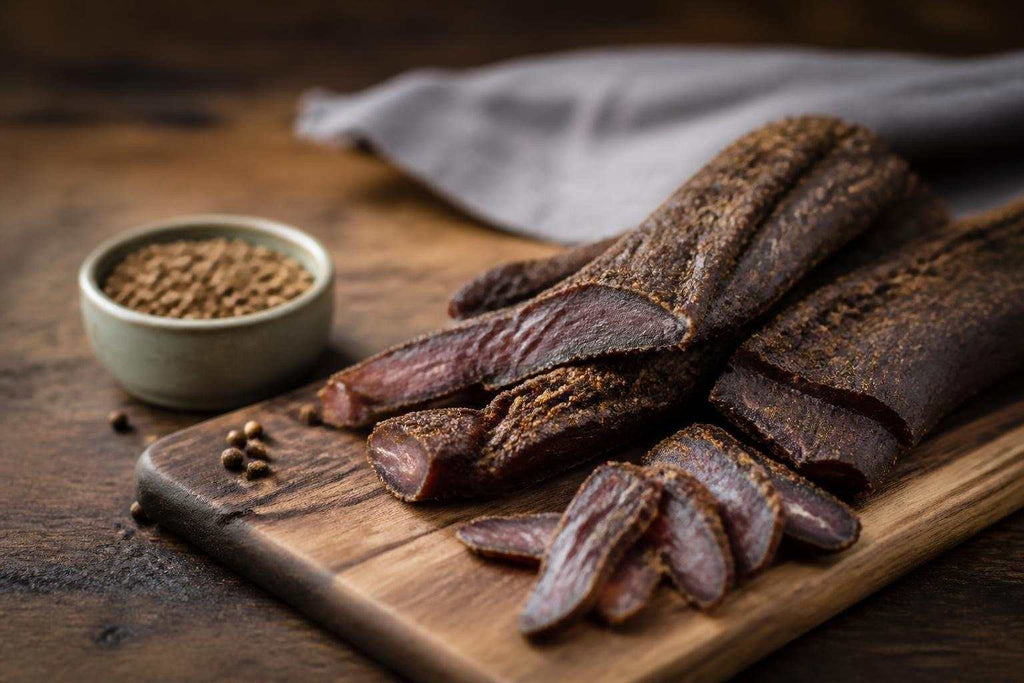
Biltong is South African-style air-cured, seasoned meat with a firm, savoury texture. It differs from typical jerky in its curing method, cut and texture, and it is sold in slices, bites and sticks.
Shop now: Biltong Bites - Original (Ready to eat) - 300g or browse related products.
Frequently asked questions
Where can I buy biltong in New Zealand?
Something From Home sells ready-to-eat biltong online and carries a wider biltong collection for delivery around New Zealand.
Does biltong need cooking?
Ready-to-eat biltong does not need cooking. Follow the storage instructions on the product pack after opening.
For South Africans living in New Zealand, few foods evoke memories of home quite like biltong. This air-dried meat snack has become increasingly popular across New Zealand, with local producers and importers making it easier than ever to enjoy authentic flavours. Whether you're a long-time enthusiast or new to this protein-packed treat, understanding nz biltong reveals fascinating insights into food culture, traditional preservation methods, and the growing demand for quality South African products in New Zealand.
The Heritage Behind Traditional Biltong
Biltong originated in South Africa as a practical preservation method developed by Dutch settlers in the 17th century. The word itself combines two Dutch terms: "bil" (rump) and "tong" (strip or tongue), referring to the cuts of meat traditionally used.
The preservation technique emerged from necessity. Without refrigeration, settlers needed reliable methods to store meat during long journeys inland. They combined indigenous preservation knowledge with European techniques, creating something entirely unique.
Core Ingredients and Spice Profiles
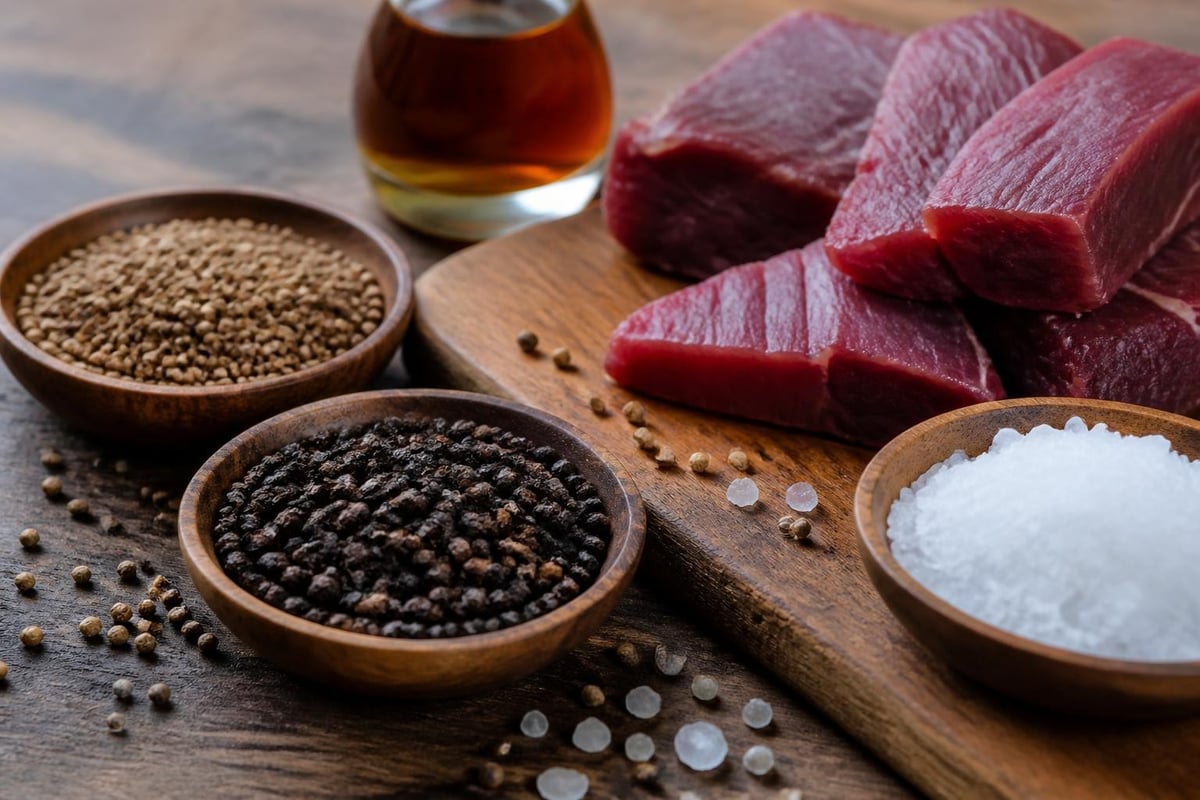
Traditional biltong relies on a specific combination of ingredients that create its distinctive flavour:
- Premium beef cuts (typically silverside or topside)
- Rock salt or sea salt for preservation and flavour
- Black pepper (coarsely ground)
- Coriander seeds (toasted and crushed)
- Vinegar (usually brown or apple cider vinegar)
- Optional additions like chilli, garlic, or paprika
The coriander-dominant spice blend distinguishes biltong from other dried meats like jerky. This aromatic seed provides earthy, citrus notes that complement the rich beef flavour without overwhelming it.
Production Methods and Food Safety Standards
Creating quality nz biltong requires careful attention to process and environment. New Zealand's Ministry for Primary Industries provides specific guidelines for safe biltong production, ensuring products meet strict food safety standards.
The Traditional Drying Process
- Selection and preparation of premium beef cuts, trimming excess fat
- Marinating in vinegar to tenderise and acidify the meat
- Coating with salt and spice mixture
- Hanging in controlled airflow environments
- Drying for 3-14 days depending on thickness and desired texture
- Quality checking and packaging
Temperature control remains critical throughout production. Most commercial operations maintain temperatures between 15-25°C with humidity levels around 50-60%. These conditions prevent bacterial growth while allowing gradual moisture loss.
| Drying Stage | Duration | Moisture Content | Texture |
|---|---|---|---|
| Fresh | Day 0 | 70-75% | Soft, raw |
| Initial | Days 1-3 | 55-65% | Firm exterior, soft centre |
| Medium | Days 4-7 | 40-50% | Chewy throughout |
| Well-dried | Days 8-14 | 30-40% | Hard, shelf-stable |
Local NZ Biltong Producers
New Zealand hosts several established biltong manufacturers who've adapted traditional South African recipes to local preferences. These producers combine authentic techniques with New Zealand's exceptional beef quality.
Canterbury Biltong produces varieties using grass-fed New Zealand beef. Their original biltong emphasises traditional flavours with minimal additives, appealing to purists seeking authentic taste profiles.
BiteMeat offers innovative flavour variations including BBQ biltong and Mighty Chilli biltong. These modern interpretations introduce biltong to new audiences while maintaining traditional production methods.
Comparing Local Options
Different producers cater to varying preferences regarding texture, flavour intensity, and slice thickness. Boerewors NZ provides options for both sliced biltong and whole pieces, allowing customers to choose based on convenience and intended use.
The NZ Biltong Company focuses on traditional recipes with their original variety alongside contemporary options like barbeque flavoured biltong. This combination appeals to both South African expats seeking familiar tastes and New Zealand customers exploring new snack options.
Why South Africans Seek Authentic Products
The South African diaspora in New Zealand exceeds 60,000 people, creating substantial demand for familiar food products. Biltong represents more than just a snack; it embodies cultural identity and connection to heritage.
Many South Africans associate specific food memories with biltong:
- Weekend braais with family
- Road trip snacks during school holidays
- Traditional rugby match accompaniments
- Homemade batches prepared by parents or grandparents
Finding authentic nz biltong helps maintain these cultural connections. When commercial options don't satisfy, many turn to African grocery specialists who import traditional South African varieties.

Nutritional Profile and Health Considerations
Biltong offers impressive nutritional benefits compared to many conventional snack foods. The air-drying process concentrates protein while reducing overall moisture content.
Typical nutritional values per 100g:
- Protein: 50-60g
- Fat: 10-15g
- Carbohydrates: 0-2g
- Sodium: 1500-2500mg
- Energy: 1200-1400kJ
The high protein density makes biltong popular among athletes, fitness enthusiasts, and anyone following low-carbohydrate eating patterns. Unlike many processed snacks, quality biltong contains minimal additives or preservatives beyond salt and spices.
Sodium Considerations
The preservation process requires significant salt content. Those monitoring sodium intake should consume biltong moderately and account for its contribution to daily limits. Some producers offer lower-sodium variations, though these may require refrigeration for extended shelf life.
How to Store and Enjoy Biltong
Proper storage extends shelf life and maintains optimal texture. Well-dried biltong stores for months when kept in breathable containers away from moisture and direct sunlight.
Storage recommendations:
- Use paper bags or breathable fabric pouches
- Avoid plastic bags which trap moisture
- Store in cool, dry locations
- Refrigerate softer, less-dried varieties
- Freeze for long-term storage (up to 12 months)
Consumption preferences vary widely. Some enjoy thick-cut pieces chewed slowly to savour flavours, while others prefer thin slices that provide immediate satisfaction. Many South Africans tear biltong into small pieces rather than biting directly from larger chunks.
Shopping for South African Biltong in New Zealand
Finding authentic South African biltong varieties requires knowing where to look. While local producers offer excellent quality, many expatriates specifically seek imported South African brands that match childhood memories.
Specialised retailers like Something From Home stock extensive ranges of South African groceries including various biltong brands, spice mixes, and related products. This accessibility means South Africans throughout New Zealand can access familiar flavours without international shipping delays.
Online Shopping Advantages
Buying African food online provides several benefits for those outside major centres:
- Access to wider product ranges than local supermarkets stock
- Convenient delivery throughout New Zealand
- Ability to purchase traditional brands unavailable elsewhere
- Opportunity to discover new South African products
Something From Home operates as a dedicated South African food store in New Zealand, maintaining over 2,500 South African products including multiple biltong varieties, droëwors, and traditional spice blends.
Making Biltong at Home
Many enthusiasts prepare nz biltong in home kitchens, controlling every aspect from spice ratios to drying time. This approach allows complete customisation while often reducing costs compared to commercial products.
Essential Equipment
Creating biltong at home requires minimal specialised equipment:
- Drying box or cabinet with airflow (commercial or DIY)
- Stainless steel hooks for hanging meat strips
- Small fan for air circulation
- Optional dehumidifier for humidity control
- Sharp knife for cutting uniform strips
Many enthusiasts construct simple drying boxes from cardboard or wood, installing a light bulb for gentle heat and a computer fan for airflow. More serious practitioners invest in purpose-built biltong boxes with precise temperature and humidity controls.
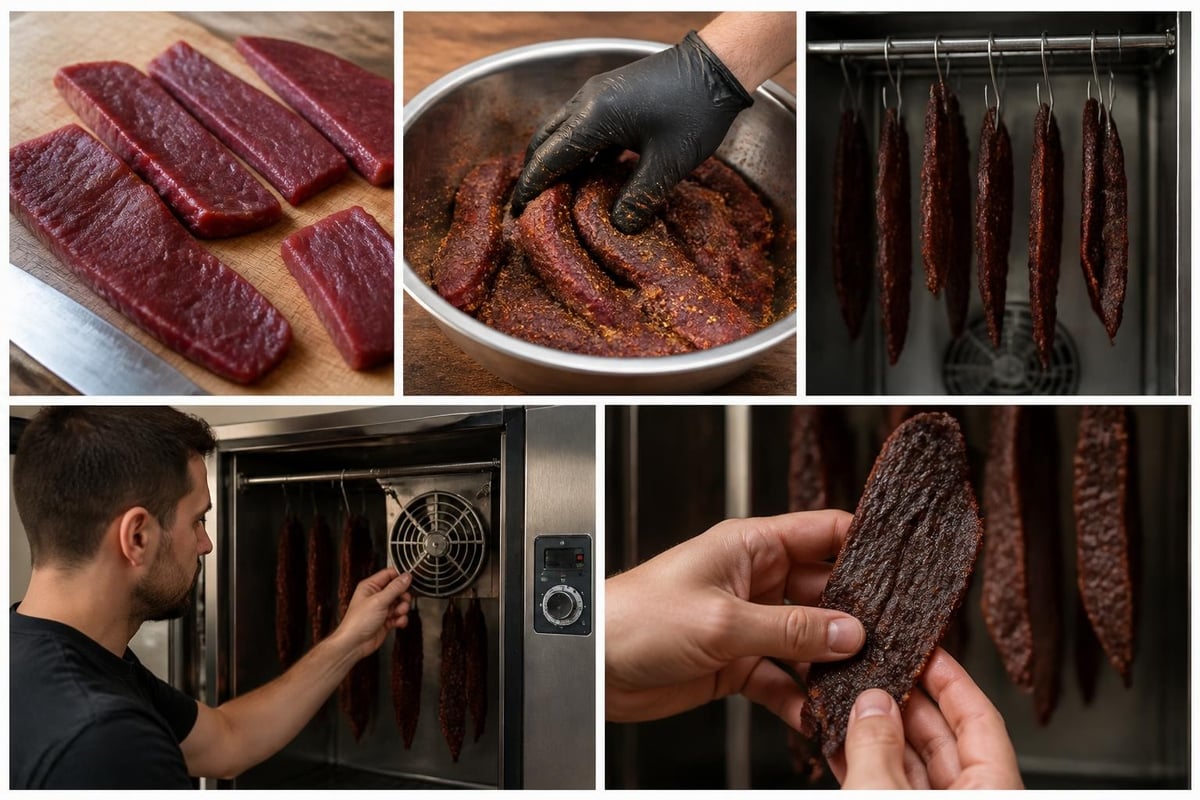
Recipe for Traditional Biltong
Ingredients for 2kg beef:
- 2kg beef silverside or topside
- 200ml brown vinegar
- 3 tablespoons coarse salt
- 2 tablespoons coriander seeds (toasted and crushed)
- 1 tablespoon black pepper (coarsely ground)
- 1 teaspoon brown sugar (optional)
Method:
Cut beef with the grain into strips 2-3cm thick. Dip each strip briefly in vinegar, allowing excess to drain. Combine dry ingredients and press mixture thoroughly into all surfaces of each meat strip. Layer strips in a non-reactive container and refrigerate 4-6 hours. Remove, pat off excess spice, and hang in drying box for 5-10 days depending on desired texture.
Biltong Variations and Modern Innovations
While traditional beef biltong remains most popular, contemporary producers experiment with different proteins and flavour profiles. These innovations expand biltong's appeal beyond traditional markets.
| Variation | Protein Source | Flavour Profile | Target Audience |
|---|---|---|---|
| Game biltong | Venison, kudu, springbok | Rich, lean, intense | Traditional purists |
| Chicken biltong | Chicken breast | Mild, lower fat | Health-conscious consumers |
| Fish biltong | Tuna, salmon | Unique, omega-3 rich | Adventurous eaters |
| Vegan biltong | Mushrooms, soy | Savoury, umami | Plant-based dieters |
Flavour innovations include peri-peri, garlic and herb, honey mustard, and teriyaki variations. These contemporary interpretations introduce biltong to consumers unfamiliar with traditional South African flavours.
The Cultural Experience of Biltong
Beyond nutrition and taste, nz biltong represents cultural exchange between South Africa and New Zealand. Both nations share strong agricultural traditions, outdoor lifestyles, and appreciation for quality meat products.
The growing popularity of biltong among non-South African New Zealanders demonstrates successful cultural food integration. Many Kiwis appreciate biltong's alignment with preferences for high-protein, minimally processed, locally-sourced foods.
Cultural parallels:
- Both cultures value outdoor social gatherings centred around food
- Strong rugby traditions create shared cultural touchpoints
- Appreciation for preserving and celebrating food heritage
- Growing interest in artisanal food production methods
This cultural resonance helps explain why nz biltong has evolved beyond niche immigrant product to mainstream snack option available in health food stores, gyms, and specialty retailers nationwide.
Understanding Quality Indicators
Discerning quality in nz biltong requires understanding several key characteristics. Superior products balance flavour, texture, and freshness without excessive additives or artificial preservatives.
Quality markers include:
- Visible muscle grain running lengthwise through slices
- Minimal white fat marbling (trimmed before processing)
- Rich, deep colour from proper curing and drying
- Pleasant spice aroma without musty or off odours
- Firm but yielding texture that tears rather than crumbles
- Clean ingredient lists without unnecessary additives
The best biltong exhibits complexity beyond simple saltiness. Quality spice blends create layers of flavour including warmth from coriander, sharpness from pepper, subtle sweetness from properly aged beef, and aromatic depth from traditional curing methods.
Economic and Market Considerations
The nz biltong market has expanded significantly over the past decade. Increased awareness, growing South African population, and mainstream adoption contribute to steady market growth projected to continue through 2026 and beyond.
Pricing varies considerably based on production method, protein source, and distribution channels. Artisanal small-batch producers command premium prices while larger commercial operations achieve economies of scale allowing more competitive pricing.
Average price ranges (2026):
- Small batch artisanal: $120-180 per kg
- Commercial premium brands: $80-120 per kg
- Imported South African brands: $90-150 per kg
- Home production costs: $40-60 per kg
These prices reflect biltong's position as premium snack food rather than everyday commodity product. The substantial protein concentration and extended shelf life justify higher costs compared to conventional snacks.
Biltong in New Zealand Food Culture
As nz biltong becomes more established, it appears in unexpected applications beyond traditional snacking. Creative chefs incorporate biltong into salads, pizzas, pasta dishes, and even gourmet burgers.
Some restaurants feature biltong on charcuterie boards alongside local cheeses, cured meats, and artisan breads. This presentation introduces biltong to diners who might not otherwise encounter it, expanding awareness and appreciation.
The craft beer movement has also embraced biltong as an ideal pairing. The protein-rich, savoury qualities complement hoppy IPAs, rich stouts, and complex ales, creating sophisticated tasting experiences.
Community and Connection
For South Africans in New Zealand, finding quality biltong extends beyond mere product acquisition. It represents maintaining connection to homeland, sharing culture with children born abroad, and building community with fellow expatriates.
Many South African families maintain traditions of making biltong together, passing down techniques and recipes across generations. These activities preserve cultural knowledge while creating new memories in adopted homelands.
Online communities dedicated to South African food in New Zealand facilitate recipe sharing, product recommendations, and cultural exchange. These forums help newcomers navigate shopping for South African products and connect with established communities.
Understanding nz biltong reveals the rich intersection of tradition, innovation, and cultural exchange within New Zealand's diverse food landscape. Whether seeking authentic South African varieties or exploring locally-produced options, quality biltong offers unique flavours and nutritional benefits that resonate across cultures. For the most comprehensive selection of traditional South African biltong, droëwors, and authentic spice blends, Something From Home provides New Zealand's South African community with familiar tastes and genuine products that make any distance from home feel a little smaller.