
Jaffle Iron: The Ultimate Guide to This Iconic Toastie Maker
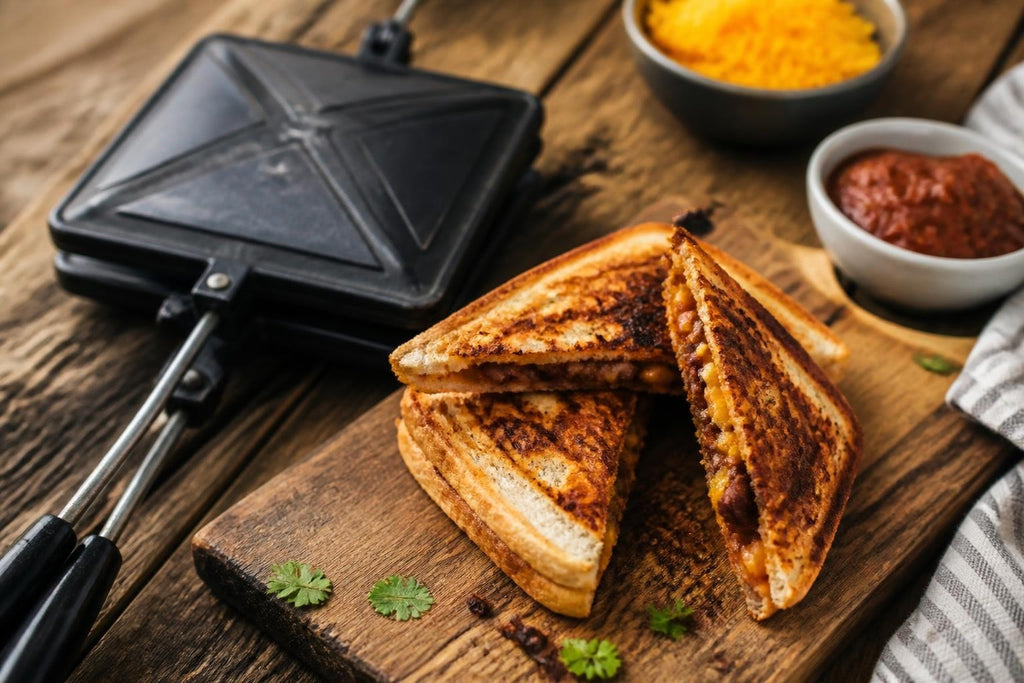
The jaffle iron represents far more than a simple sandwich press. For generations, this cast-iron cooking tool has produced perfectly sealed, crispy toasted sandwiches filled with everything from cheese and tomato to leftover curry and cold meats. South Africans living in New Zealand often feel a pang of nostalgia when they remember making jaffles over an open fire during camping trips or Sunday braais. This humble cooking device bridges cultures, memories, and continents, creating connections through the universal language of comfort food. Whether you're rediscovering childhood flavours or introducing your family to this uniquely satisfying way of preparing sandwiches, understanding the jaffle iron opens up a world of quick, delicious meal possibilities.
The Rich History Behind the Jaffle Iron
The jaffle iron's cultural significance extends across multiple continents, though its origins remain somewhat disputed. Australia claims strong ownership of the jaffle tradition, with Dr Ernest Smithers patenting a design in 1949 that became synonymous with outdoor cooking and casual dining.
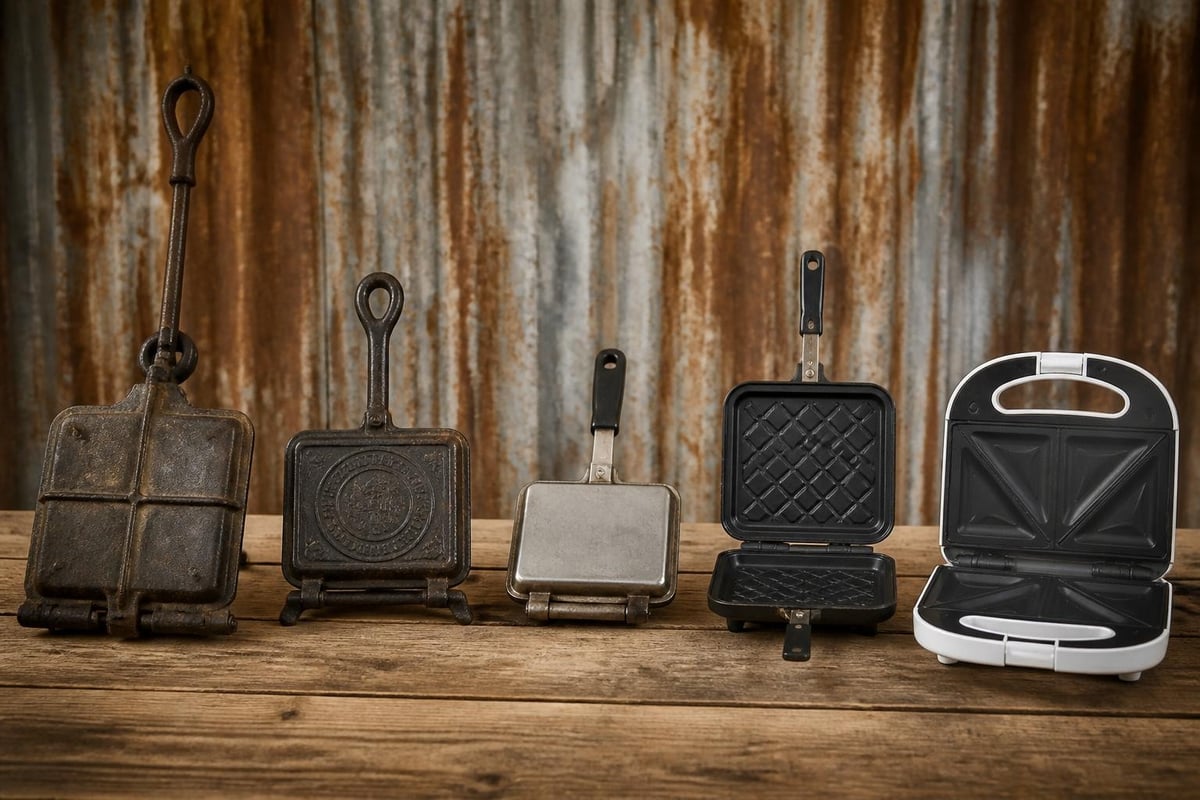
The Australian jaffle craze of the mid-20th century saw these devices become standard household equipment. Meanwhile, South African families developed their own traditions around the braai version, using long-handled irons over open flames to create golden, sealed sandwiches filled with local favourites.
Regional Variations and Names
Different countries have adopted unique names for this versatile cooking tool:
- Jaffle iron – predominantly used in South Africa, Australia, and New Zealand
- Pie iron – common terminology in North America
- Pudgy pie maker – American camping communities
- Toastie maker – British and European markets
- Broodjiesjasser – Afrikaans term still used in South African households
The Wikipedia overview of pie irons provides comprehensive detail on these international variants, demonstrating how similar cooking principles emerged independently across different cultures.
How the Jaffle Iron Works
Understanding the mechanics helps achieve consistently perfect results. The device consists of two hinged metal plates, each with a shallow depression that creates a sealed pocket when closed. This design serves multiple purposes:
Heat Distribution: Cast iron conducts heat evenly across the entire surface, ensuring uniform toasting without hot spots that cause burning.
Pressure Sealing: When clamped shut, the raised edges crimp the bread together, creating an airtight seal that prevents filling leakage during cooking.
Moisture Control: The sealed design traps steam inside, softening the bread's interior whilst the exterior achieves that signature golden crunch.
Traditional models feature long handles for cooking over open flames, making them perfect companions for braai gatherings where South Africans gather around fire to share food and stories.
Choosing the Right Jaffle Iron for Your Kitchen
Modern consumers face numerous options when selecting their jaffle iron. Consider these factors before purchasing:
| Feature | Cast Iron | Aluminium | Electric |
|---|---|---|---|
| Heat retention | Excellent | Good | Variable |
| Weight | Heavy | Light | Medium |
| Durability | Lifetime | 5-10 years | 3-7 years |
| Maintenance | High | Low | Medium |
| Price range | $40-$120 | $25-$60 | $50-$150 |
| Best for | Fire/stovetop | Camping | Daily indoor use |
Traditional cast-iron models offer unmatched durability and heat distribution. These heirloom pieces can last generations when properly maintained, developing improved non-stick properties over time through seasoning.
Electric versions provide convenience for everyday kitchen use, though they lack the authentic campfire experience many South Africans cherish. When considering sandwich press options, evaluate your primary use case.
Material Considerations
Cast Iron Benefits:
- Superior heat retention and distribution
- Natural non-stick surface when seasoned
- Works on any heat source
- Virtually indestructible
Aluminium Advantages:
- Lightweight for camping trips
- Quick heating
- Lower initial cost
- Easier handling for children
South African families moving to New Zealand often seek cast-iron versions that replicate their childhood experiences. The weight and feel of traditional materials connect them to memories of weekend braais and family gatherings.
Essential Preparation and Seasoning Techniques
Proper preparation determines whether your jaffle iron performs brilliantly or disappoints. New cast-iron models require seasoning before first use, whilst older pieces may need restoration.
Initial Seasoning Process
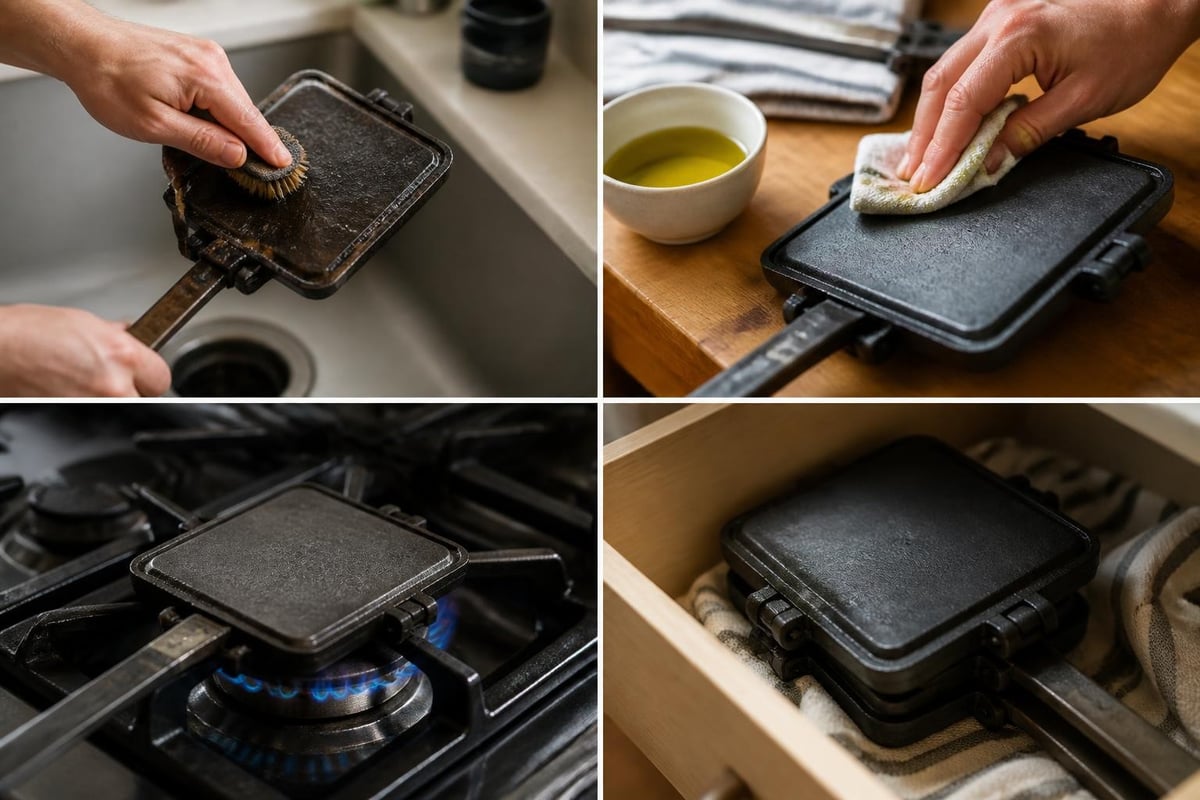
- Clean thoroughly: Wash with hot water and mild detergent to remove manufacturing residue
- Dry completely: Heat gently to evaporate all moisture
- Apply oil: Coat all surfaces with vegetable oil or lard
- Bake: Place in 180°C oven for one hour
- Cool slowly: Allow gradual temperature reduction
- Repeat: Apply 2-3 additional seasoning layers
The Lodge Cast Iron seasoning guide offers detailed instructions for restoring vintage pieces or maintaining modern equipment.
Ongoing Maintenance Requirements
- Clean immediately after use whilst still warm
- Avoid harsh detergents that strip seasoning
- Dry thoroughly before storage
- Apply light oil coating after each use
- Store in dry environments to prevent rust
Many South Africans in New Zealand discover their treasured jaffle irons rusting in the garage, requiring restoration. Following proper care protocols ensures these cooking tools remain functional for decades.
Classic Jaffle Recipes and Filling Combinations
The beauty of jaffle making lies in its versatility. Traditional South African fillings differ significantly from Australian or American preferences, reflecting regional ingredients and cultural tastes.
Traditional South African Favourites
Cheese and Tomato: The quintessential combination features mature cheddar and fresh tomato slices, creating a molten, tangy filling that defines childhood memories for many South Africans.
Curried Mince: Leftover mince curry transforms into exceptional jaffle filling. The sealed edges contain the saucy mixture whilst the heat intensifies the spice flavours.
Chakalaka and Cheese: This uniquely South African pairing combines spicy vegetable relish with cheese, creating a flavour explosion that connects expatriates to home.
Apricot Jam and Cheese: Sweet and savoury unite in this controversial yet beloved combination. The jam caramelises slightly whilst the cheese provides creamy contrast.
For South Africans living in New Zealand who crave authentic ingredients, South African groceries enable recreation of traditional recipes. Chakalaka, Mrs Ball's Chutney, and proper biltong allow genuine taste experiences that electric sandwich presses filled with generic ingredients simply cannot replicate.
Modern Creative Variations
The extensive pie iron recipe collection demonstrates contemporary innovation:
- Breakfast jaffles: Scrambled eggs, bacon, and cheese
- Pizza pockets: Tomato sauce, mozzarella, and pepperoni
- Dessert jaffles: Chocolate, banana, and marshmallow
- Braai leftovers: Boerewors, onions, and tomato relish
Experimentation reveals endless possibilities. The sealed cooking method works brilliantly with wet fillings that would leak from traditional sandwiches.
Mastering Cooking Techniques
Achieving perfect jaffles requires understanding heat management and timing. Different cooking methods demand adjusted approaches:
Open Fire Cooking
Position the jaffle iron 10-15 centimetres above hot coals rather than direct flames. Flames create uneven heating and carbon deposits on the iron's exterior.
Timing indicators:
- First side: 2-3 minutes until golden brown
- Second side: 1.5-2 minutes for even colouring
- Check frequently to prevent burning
Rotate the iron occasionally for uniform heat distribution. The cast iron retains heat excellently, requiring removal from fire before the bread appears fully cooked.
Stovetop Method
Gas hobs provide better control than electric elements:
- Preheat iron over medium heat for 3-4 minutes
- Butter bread externally for golden crust
- Add fillings sparingly to prevent overflow
- Close and place over heat
- Flip every 45-60 seconds
Temperature guide:
| Heat Level | Result | Issues |
|---|---|---|
| High | Fast cooking | Burns exterior, raw interior |
| Medium | Golden, even | Optimal for most fillings |
| Low | Pale colour | Soggy texture, long cooking |
Butter the exterior bread surfaces rather than the iron itself. This technique creates superior crust texture whilst preventing sticking.
The Jaffle Iron in South African Food Culture
For South Africans, the jaffle iron represents more than cooking equipment. It embodies specific cultural memories and social traditions that define childhood experiences.
Braai Culture Connection
The jaffle iron naturally integrates into South Africa's braai culture, where families gather around fire for extended social occasions. Whilst meat cooks over the main grill, children operate jaffle irons at the fire's edge, learning fire management and cooking independence.
This tradition strengthens family bonds through shared outdoor experiences. Parents teach children bread buttering techniques, appropriate filling quantities, and patience whilst waiting for that perfect golden colour.
Camping and Outdoor Traditions
South African camping trips inevitably feature jaffle irons. These devices require minimal equipment beyond fire and ingredients, making them perfect for remote locations. The sealed design prevents ash contamination, crucial when cooking over bush fires.
Many South Africans moving to New Zealand pack their jaffle irons alongside other irreplaceable items. These cooking tools represent tangible connections to formative experiences and cultural identity.
Finding Authentic South African Products in New Zealand
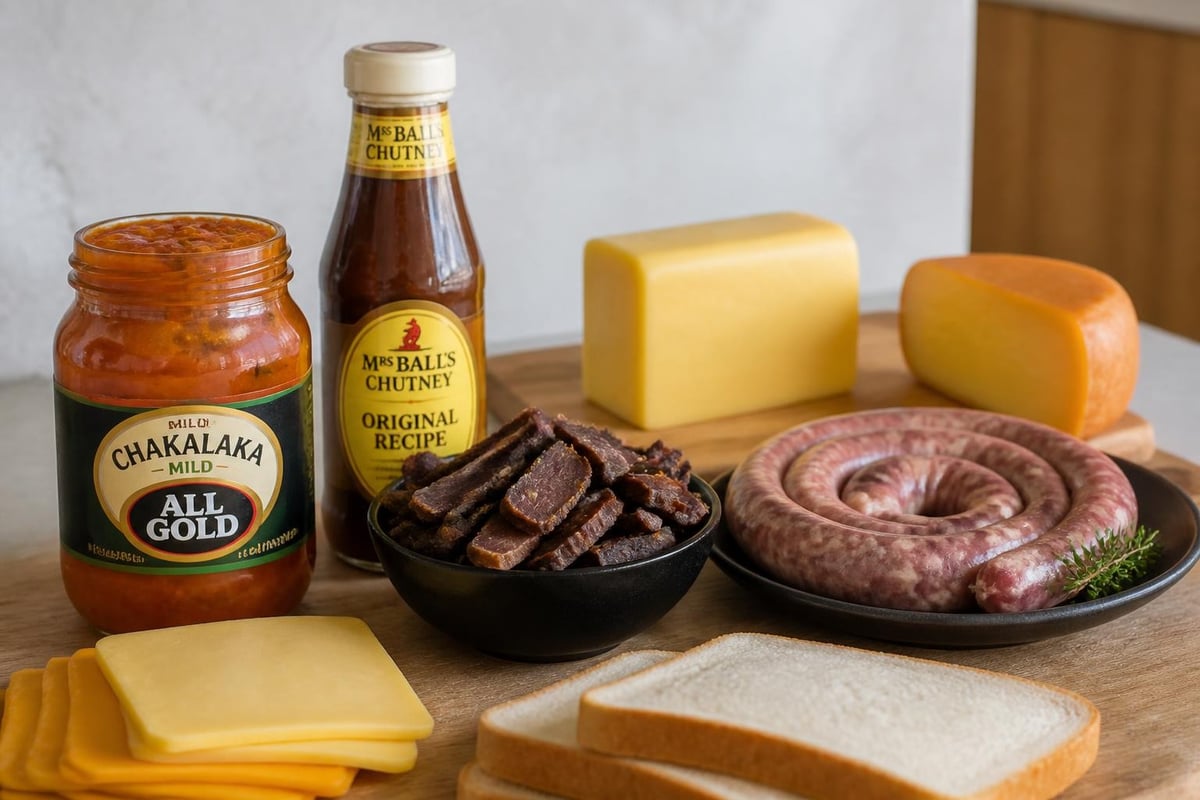
South Africans living in New Zealand face challenges sourcing familiar ingredients that make traditional jaffles taste like home. Generic supermarket options lack the specific flavour profiles that define authentic South African cooking.
Something From Home addresses this gap by stocking over 2,500 South African products. Their warehouse supplies everything from chakalaka and Mrs Ball's Chutney to biltong and boerewors, enabling authentic jaffle creation that transports you back to weekend braais in the Cape.
The psychological comfort of familiar flavours cannot be overstated. When preparing jaffles using genuine South African ingredients, the taste triggers powerful memories and emotional connections to home, family, and cultural identity.
Building Your Jaffle Ingredient Pantry
Essential South African staples:
- Mrs Ball's Chutney: Sweet, tangy, essential condiment
- Chakalaka: Spicy vegetable relish
- Biltong: Air-dried cured meat
- Boerewors: Traditional South African sausage
- Mature cheddar: Proper sharp cheese
Convenience items:
- Tinned pilchards: Classic budget-friendly filling
- Condensed milk: For sweet jaffles
- Peanut butter: Pairs unexpectedly well with banana
- Marmite: Divisive but beloved by fans
Having these ingredients readily available encourages spontaneous jaffle making. The cooking process takes mere minutes once ingredients are assembled, making this perfect for quick lunches or unexpected guests.
Troubleshooting Common Jaffle Problems
Even experienced cooks encounter occasional difficulties. Understanding solutions prevents frustration and food waste.
Sticking Issues
Cause: Insufficient seasoning or inadequate butter application
Solution: Apply butter generously to bread exteriors. If sticking persists, re-season the iron following proper protocols. Never use cooking spray on cast iron, as it creates sticky residue that damages seasoning layers.
Filling Leakage
Cause: Overfilling or insufficient edge sealing
Solution: Reduce filling quantity by approximately 25%. Press edges firmly when closing the iron. Leave 1-centimetre margin around bread edges free from filling to ensure proper sealing.
Uneven Browning
Cause: Inconsistent heat or insufficient preheating
Solution: Preheat iron thoroughly before cooking. Rotate position over heat source regularly. For stovetop cooking, use medium rather than high heat.
Soggy Interior
Cause: Excessive moisture in fillings or inadequate cooking time
Solution: Drain watery ingredients before use. Pat tomatoes dry with paper towels. Cook slightly longer at lower temperature, allowing moisture evaporation without burning exteriors.
Expanding Beyond Traditional Uses
Creative cooks discover surprising applications for their jaffle irons beyond standard sandwiches.
Breakfast Applications
Hash brown pockets: Grated potato, cheese, and bacon sealed and cooked until crispy. The iron shapes perfect portion sizes whilst creating crispy edges impossible to achieve otherwise.
French toast jaffles: Egg-soaked bread filled with cream cheese and berries creates elevated breakfast options suitable for special occasions.
Dessert Innovations
The sealed cooking method works brilliantly for sweet applications:
- S'mores jaffles: Chocolate and marshmallow between graham crackers
- Apple pie pockets: Cinnamon apples with pastry-style results
- Tennis biscuit crumble: Crushed biscuits with condensed milk
These dessert variations particularly appeal to children, encouraging cooking participation and skill development.
Entertaining Applications
Jaffle irons excel at social gatherings where guests create custom combinations. Set up filling stations with varied options, allowing creative experimentation. This interactive cooking element generates conversation and engagement whilst producing individualised meals.
The ABC Radio exploration of jaffle iron culture highlights how this simple device creates shared experiences that strengthen social bonds.
Teaching Children Cooking Skills
The jaffle iron provides excellent opportunities for introducing children to cooking fundamentals. The quick process maintains attention spans whilst delivering immediate gratification through edible results.
Age-appropriate tasks:
- 5-7 years: Selecting and placing fillings
- 8-10 years: Bread preparation and butter application
- 11+ years: Supervised fire or stovetop operation
Supervise closely when heat sources are involved, but allow appropriate independence that builds confidence. Children develop spatial awareness, timing skills, and heat management understanding through jaffle making.
Many South African parents remember learning these skills at family braais. Recreating these teaching moments in New Zealand connects children to cultural heritage whilst developing practical abilities.
Seasonal Considerations for New Zealand Living
New Zealand's climate offers year-round jaffle opportunities, though seasonal variations affect outdoor cooking frequency.
Summer: Beach trips and camping adventures provide ideal settings for traditional fire-cooked jaffles. Pack cast-iron models alongside other camping equipment for authentic outdoor experiences.
Autumn: Cooler evenings encourage outdoor fire gatherings. Heartier fillings like leftover roast vegetables and cheese suit the transitional weather.
Winter: Indoor stovetop cooking predominates. Comfort food fillings featuring soup-friendly combinations warm families during cold months.
Spring: Renewed outdoor activity restarts fire-based cooking. Lighter fillings featuring fresh produce suit warmer temperatures.
South Africans adjusting to New Zealand seasons often find familiar cooking methods provide comfort during climate adaptation. The jaffle iron works identically regardless of hemisphere, offering consistency amidst change.
The jaffle iron transcends its humble appearance to become a vessel for cultural memory, family connection, and culinary creativity. Whether cooking over a beach bonfire or on your kitchen stovetop, this versatile device delivers consistent satisfaction through perfectly sealed, golden sandwiches. For South Africans in New Zealand seeking authentic ingredients to fill those jaffles with familiar flavours, Something From Home stocks the chakalaka, biltong, Mrs Ball's Chutney, and other essentials that transform simple toasted sandwiches into powerful connections with home.