Braai: South African BBQ Culture & Traditions
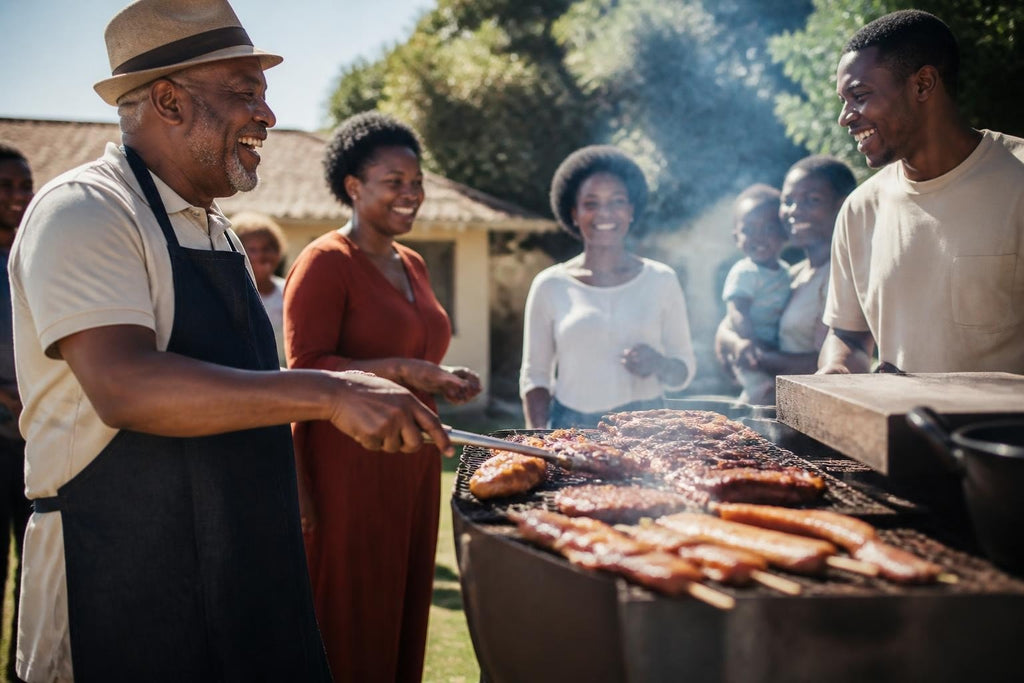
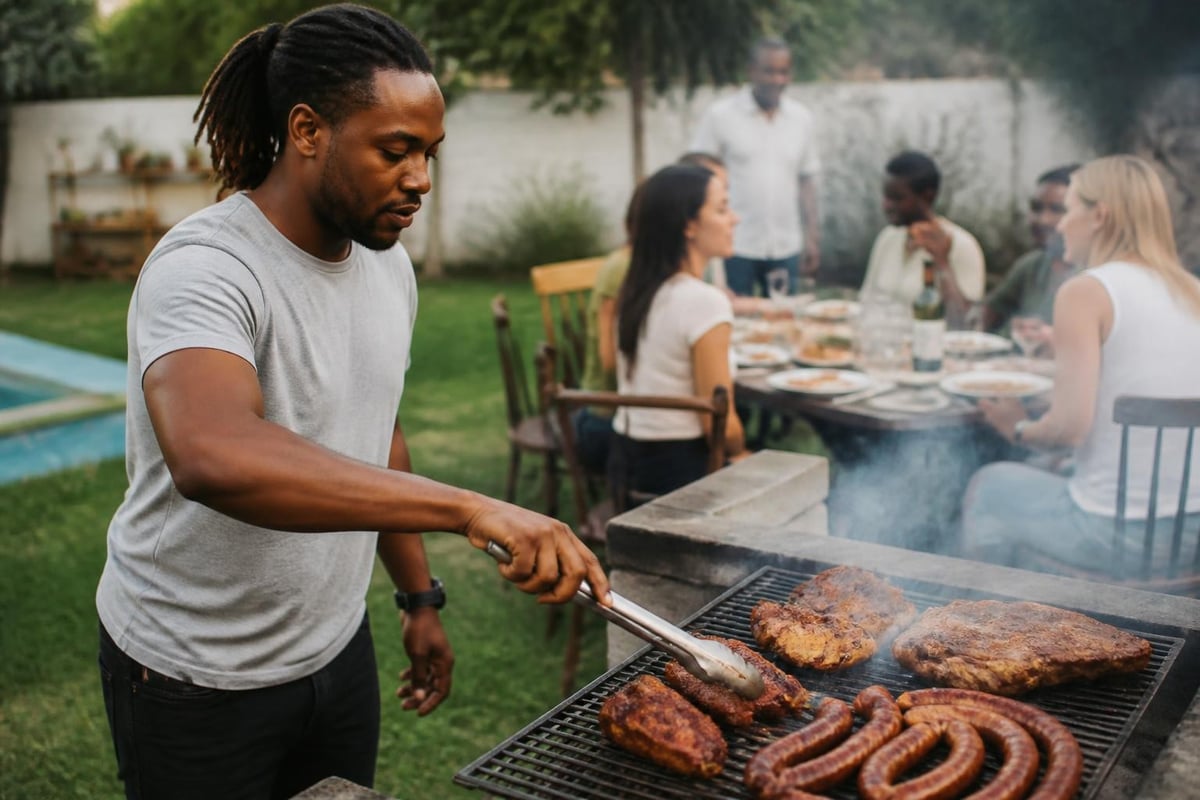
The braai is far more than just a barbecue. It represents a cornerstone of South African culture, a social institution that brings together families, friends, and communities around the warmth of an open flame. This outdoor cooking tradition has evolved over centuries, blending indigenous practices with colonial influences to create something uniquely South African. For expats living in New Zealand, recreating an authentic braai experience connects them to home, preserving traditions and sharing their culture with new friends and neighbours.
Understanding the Braai Tradition
The word "braai" comes from the Afrikaans verb "braaivleis," meaning to roast meat. Unlike conventional barbecuing, a braai is as much about the social experience as it is about the food. The preparation, cooking, and sharing of meals over open coals creates an atmosphere that defines South African hospitality.
Heritage Day, celebrated every 24 September, has been unofficially renamed National Braai Day, highlighting how deeply this tradition is embedded in the national identity. The braai plays a central cultural role in South African life, transcending racial, cultural, and economic boundaries.
The Cultural Significance
Research shows that the braai functions as more than a cooking method. Academic analysis reveals how the braai is gendered and represented in public discourse, often positioning it as a space where identity, tradition, and social dynamics intersect.
Key cultural elements include:
- The braai master: Traditionally, one person controls the fire and cooking
- Communal gathering: Friends and family contribute side dishes and beverages
- Patience and skill: Rushing a braai is considered poor form
- Storytelling and connection: Hours spent around the fire strengthen bonds
For South Africans in New Zealand, maintaining this tradition helps preserve cultural identity while introducing Kiwi friends to a unique culinary experience.
Essential Braai Equipment and Setup
A proper braai requires specific equipment and setup. While modern gas versions exist, purists insist on wood or charcoal fires that impart distinctive smoky flavours.
Core Equipment
| Item | Purpose | Notes |
|---|---|---|
| Braai stand/grid | Cooking surface | Adjustable height preferred |
| Charcoal/wood | Heat source | Hardwood lump charcoal or specific woods |
| Fire starters | Ignition | Avoid paraffin-soaked options that affect taste |
| Long-handled tongs | Turning meat | Essential for safety and control |
| Basting brush | Applying marinades | Natural bristles work best |
| Chimney starter | Even coal lighting | Faster, more consistent heat |
The choice between wood and charcoal impacts flavour significantly. Traditional South African hardwoods like sekelbos, kameeldoring, or mopane create intense heat and unique taste profiles. In New Zealand, finding these woods proves challenging, so quality lump charcoal becomes the practical alternative.
Fire Management Techniques
Creating the perfect braai fire requires patience and technique:
- Start early: Allow 45-60 minutes for coals to reach optimal temperature
- Create heat zones: Arrange coals for high, medium, and low heat areas
- Wait for white ash: Grey-white coals indicate readiness
- Control with distance: Raise or lower the grid rather than adjusting coals constantly
- Add coals strategically: Maintain consistent temperature throughout cooking
Safety remains paramount when cooking over open flames. Government fire safety guidance recommends maintaining clear space around the braai, keeping water or extinguishers nearby, and never leaving fires unattended.
Traditional Braai Foods and Preparation
The foods cooked on a braai distinguish it from other outdoor cooking methods. While any meat can technically be braaied, certain items are considered essential.
Quintessential Braai Proteins
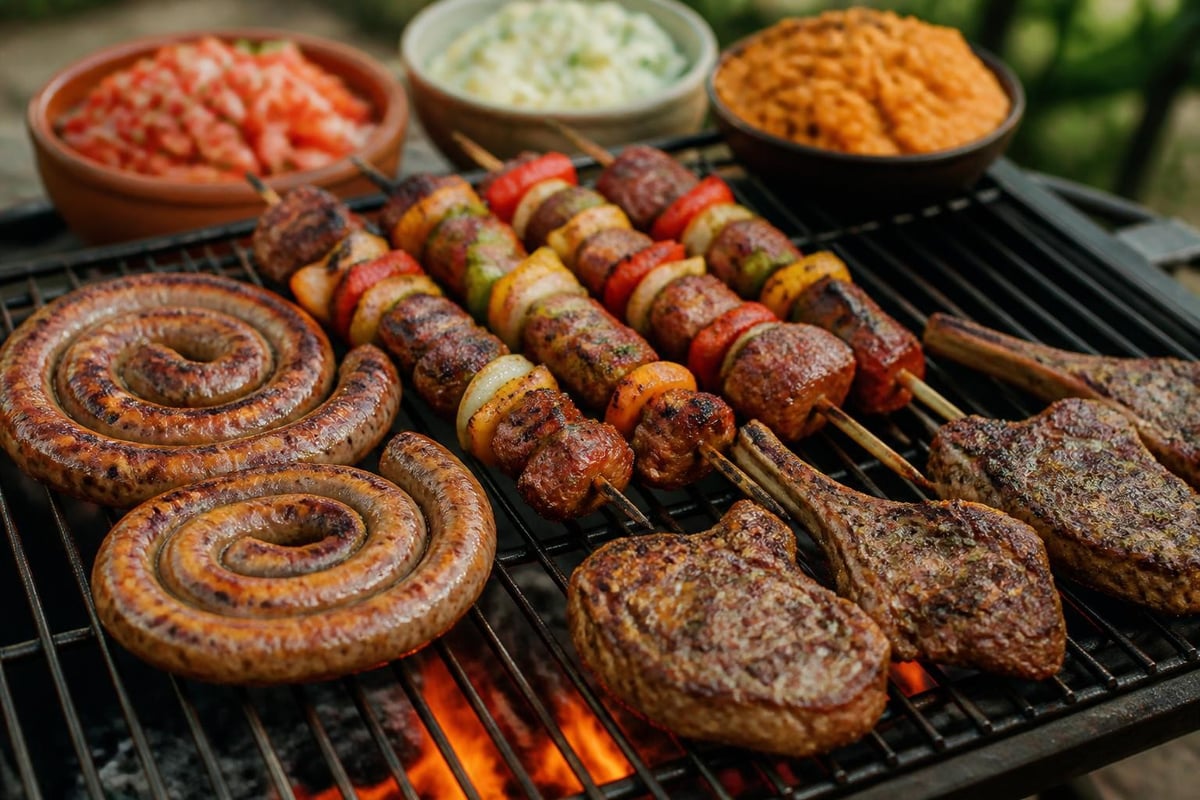
Boerewors stands as the undisputed king of braai meats. This traditional South African sausage, made from beef and pork with distinctive spicing including coriander, requires careful handling. Cook it whole in a coil, never pricked, allowing the natural casings to crisp while keeping the interior juicy.
Sosaties bring Malaysian-influenced flavours to the braai. These skewers typically feature lamb or chicken marinated in a curry-spiced mixture with dried apricots, creating sweet and savoury complexity. The marinade caramelizes over the coals, developing rich, sticky layers.
Steak cuts range from sirloin and ribeye to more economical options. Understanding meat classification and quality standards helps select appropriate cuts for different cooking methods. Thicker cuts suit braai cooking, as they develop charred exteriors while remaining tender inside.
Other popular proteins include:
- Lamb chops: Quick-cooking, flavourful cuts
- Chicken pieces: Drumsticks and thighs work best
- Pork ribs: Slow-cooked over lower heat
- Fish: Whole fish or firm fillets in braai baskets
Sides and Accompaniments
No braai is complete without supporting dishes. The braaibroodjie (grilled sandwich) is a braai staple, typically filled with cheese, tomato, onion, and sometimes chutney, then pressed between the grid and a weighted pan.
| Side Dish | Description | Serving Style |
|---|---|---|
| Pap | Maize porridge | Firm slabs or soft and creamy |
| Chakalaka | Spicy vegetable relish | Hot or cold accompaniment |
| Potato salad | Creamy mayonnaise-based | Chilled side dish |
| Green salad | Fresh vegetables | Light balance to rich meats |
| Garlic bread | Butter and herb bread | Wrapped in foil, warmed on grid |
Marinades and Seasonings
Simple seasoning allows quality meat to shine. Coarse salt and black pepper often suffice, though many braai masters develop signature marinades.
Popular South African marinades include:
- Mrs Ball's Chutney-based: Sweet, tangy, fruity notes
- Peri-peri: Portuguese-influenced hot sauce
- Braai spice blends: Commercial mixes with paprika, coriander, garlic
- Monkey gland sauce: Despite the name, a tangy tomato-based sauce
For South Africans in New Zealand seeking authentic ingredients, Something From Home stocks braai essentials including traditional spices, marinades, and seasonings that recreate the genuine taste of home.
Health and Safety Considerations
While braai culture celebrates open-flame cooking, responsible practices ensure everyone's safety and well-being.
Fire Safety Protocols
Wildfire prevention guidance emphasizes checking weather conditions, maintaining defensible space, and ensuring complete extinguishment. These principles apply whether braaing in the South African veld or a New Zealand backyard.
Best practices include:
- Position braais away from structures, trees, and dry vegetation
- Keep children and pets at safe distances
- Never use accelerants like petrol or methylated spirits
- Monitor weather conditions, especially wind
- Have appropriate extinguishing equipment ready
- Ensure coals are completely cold before disposal
Public health guidance on burn prevention reminds us that most braai-related injuries are preventable through vigilance and proper technique.
Nutritional Considerations
Red and processed meats carry health implications when consumed frequently. International health authorities note connections between high consumption and certain health risks, suggesting moderation and balance.
Strategies for healthier braais:
- Include fish, chicken, and plant-based options
- Load plates with vegetables and salads
- Trim excess fat before cooking
- Avoid charring meat excessively
- Balance red meat consumption with other protein sources throughout the week
The Braai in New Zealand's South African Community
New Zealand's South African expat community maintains strong connections to home through cultural traditions, with the braai serving as a centrepiece for gatherings and celebrations.
Adapting Traditions Abroad
Kiwi backyards provide excellent braai venues, though finding authentic ingredients once posed challenges. The establishment of specialized suppliers has transformed the expat experience, making it easier to recreate traditional flavours.
Climate differences between South Africa and New Zealand affect braai timing and frequency. New Zealand's cooler, wetter weather means careful planning around conditions, though dedicated braai enthusiasts cook year-round regardless of temperature.
Sourcing Authentic Ingredients
Access to traditional braai foods has improved significantly. South African grocery specialists now stock comprehensive ranges including boerewors, biltong, traditional spices, and condiments.
Something From Home maintains more than 2,500 South African products in their New Zealand warehouse, ensuring expats can access everything needed for an authentic braai experience. From Mrs Ball's Chutney to specific braai spice blends, the range covers both everyday items and specialty ingredients.
Sharing Culture Through Food
Many South Africans in New Zealand introduce local friends to braai culture, creating cross-cultural experiences that enrich both communities. These gatherings showcase South African hospitality while building understanding and appreciation.
Common reactions from Kiwis experiencing their first braai:
- Surprise at the time investment and ritual
- Appreciation for boerewors quality and flavour
- Interest in the diverse marinades and spice profiles
- Recognition of similarities and differences to traditional Kiwi barbecues
Regional Variations and Modern Innovations
While core braai principles remain consistent, regional and contemporary variations add diversity to the tradition.
Regional Styles Across South Africa
Different provinces and communities bring unique approaches:
Western Cape: Mediterranean influences with wine country sophistication. Seafood braais featuring snoek and crayfish appear frequently in coastal areas.
KwaZulu-Natal: Indian-influenced spicing, with peri-peri and curry flavours prominent. Durban's bunny chow sometimes appears alongside traditional sides.
Gauteng: Urban braai culture with fusion approaches. Experimental marinades and international influences shape metropolitan styles.
Eastern Cape: Traditional methods prevail. Whole-animal cooking for large gatherings remains common, particularly in rural communities.
Contemporary Adaptations
Modern braai culture embraces innovation while respecting tradition:
- Plant-based options: Vegetarian boerewors and marinated vegetable skewers
- Smoking techniques: Incorporating low-and-slow American BBQ methods
- Exotic proteins: Game meats like kudu, springbok, and ostrich
- Asian fusion: Korean and Thai-inspired marinades
- Artisanal approach: House-made boerewors and specialty sausages
Comprehensive braai resources provide detailed guidance on techniques, cuts, and recipes that honour tradition while encouraging experimentation.
Tips for Hosting Your First Braai
For those new to braai culture or South Africans wanting to share the tradition in New Zealand, successful hosting requires planning and preparation.
Planning and Preparation
Start preparations 24-48 hours before the event:
- Confirm guest count: Plan 300-400g meat per person
- Prepare marinades: Allow overnight for maximum flavour penetration
- Organize sides: Coordinate with guests on who brings what
- Check equipment: Test braai, gather utensils, prepare fire materials
- Shop for ingredients: Source quality meat and authentic South African products
Create a cooking timeline working backwards from serving time. Larger, slower-cooking items start first, with quick-cooking proteins added later.
Creating the Right Atmosphere
A braai succeeds when guests feel comfortable and connected:
- Set up seating around the fire for conversation
- Prepare drinks station with South African beverages
- Create playlist featuring South African music
- Provide warm layers for cooler New Zealand evenings
- Keep snacks available during the long cooking process
Biltong serves as the perfect pre-braai snack, satisfying hunger while building anticipation. The salty, savoury meat complements cold beverages and encourages socializing.
Common Mistakes to Avoid
Even experienced cooks make errors. Watch for these pitfalls:
- Starting the fire too late
- Cooking over flames rather than coals
- Turning meat too frequently
- Overcrowding the grid
- Serving before everything is properly cooked
- Forgetting vegetarian options
- Running out of drinks
The Social Dynamics of Braai Culture
Understanding the unwritten rules and social expectations enriches the braai experience and helps newcomers navigate the tradition respectfully.
The Braai Master Role
Typically, one person assumes responsibility for the fire and primary cooking. This role carries both prestige and pressure. The braai master controls timing, heat management, and doneness decisions.
Etiquette dictates that guests don't interfere with the braai master's methods, though friendly advice and banter are welcome. This dynamic creates a social hierarchy around the fire that's simultaneously serious and playful.
Guest Contributions and Expectations
While the host provides primary proteins and equipment, guests traditionally contribute:
- Side dishes and salads
- Beverages (wine, beer, soft drinks)
- Desserts
- Additional snacks like biltong or traditional South African treats
Clear communication about who brings what prevents duplication and ensures variety.
Duration and Pacing
A braai isn't a quick meal. From fire lighting to final serving, expect 3-4 hours minimum. This extended timeline is feature, not flaw, encouraging relaxation and extended conversation.
The pace reflects South African social values: prioritizing connection over efficiency, quality over speed, and experience over convenience.
The braai represents South African culture at its finest: welcoming, flavourful, and deeply connected to heritage. Whether you're a South African expat longing for home or a Kiwi curious about this rich tradition, understanding braai culture opens doors to meaningful experiences and delicious food. For those seeking authentic ingredients to create their own braai memories in New Zealand, Something From Home provides everything needed to bring this beloved tradition to life, from traditional spices and boerewors to specialty condiments and sides that make every braai special.