
Sausage Casings Natural: A Complete Guide for 2026
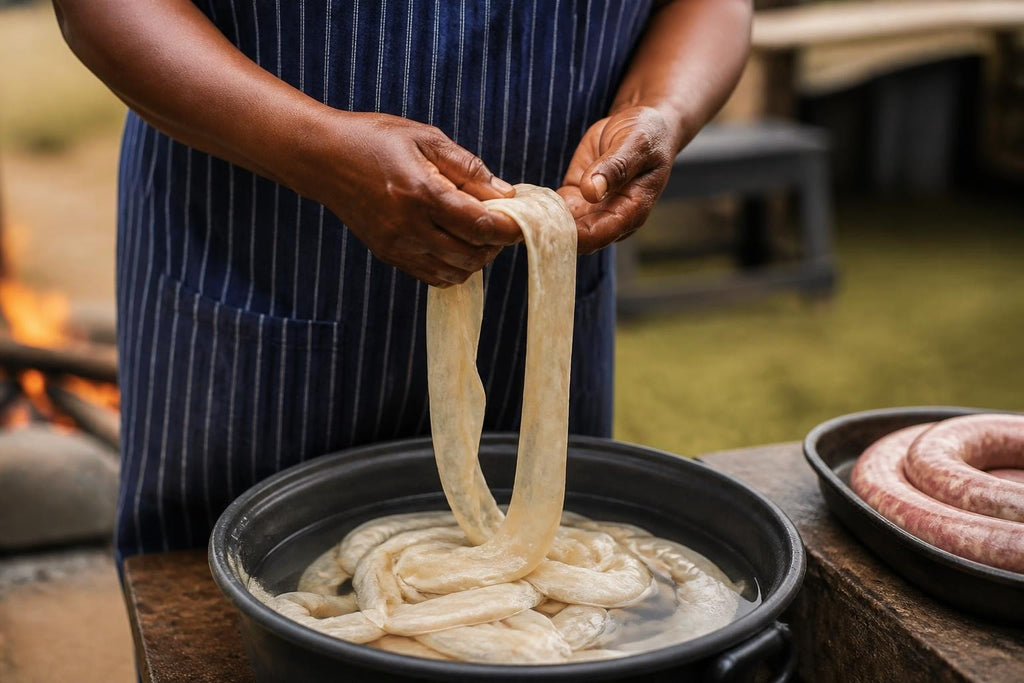
Making authentic sausages has been a cornerstone of food cultures worldwide for centuries, and natural casings remain the gold standard for traditional sausage-making. Whether you're crafting South African boerewors for a weekend braai or experimenting with homemade sausages in your New Zealand kitchen, understanding sausage casings natural is essential for achieving that perfect snap, flavour, and authentic texture. For South Africans living in New Zealand, the connection to traditional food preparation methods runs deep, particularly when it comes to preserving the authentic taste and texture of beloved foods from home.
Understanding Natural Sausage Casings
Sausage casings natural are derived from the intestinal linings of animals, primarily sheep, pigs, and cattle. These casings have been used for thousands of years because they offer unique properties that synthetic alternatives simply cannot replicate. The natural collagen structure provides breathability, allowing smoke and flavours to penetrate while maintaining the perfect moisture balance during cooking and curing.
The production of natural sausage casings involves meticulous cleaning, grading, and salt-curing processes that transform raw intestinal tissue into food-safe, ready-to-use casings. Different segments of the intestine produce casings with varying diameters and characteristics, each suited to specific types of sausages.
Types of Natural Casings
Sheep casings are the most tender and delicate option, measuring 20-26mm in diameter. They're perfect for:
- Breakfast sausages and chipolatas
- Traditional European-style sausages
- Smaller-diameter specialty products
- Snack sticks and slim jims
Hog casings range from 32-42mm and represent the most versatile category. These are ideal for boerewors, bratwurst, Italian sausages, and most fresh sausage applications that South Africans know and love.
Beef casings come in various sizes, from beef rounds (38-43mm) to middles and bungs for larger products. These thicker, more robust casings suit salamis, summer sausages, and ring bologna.
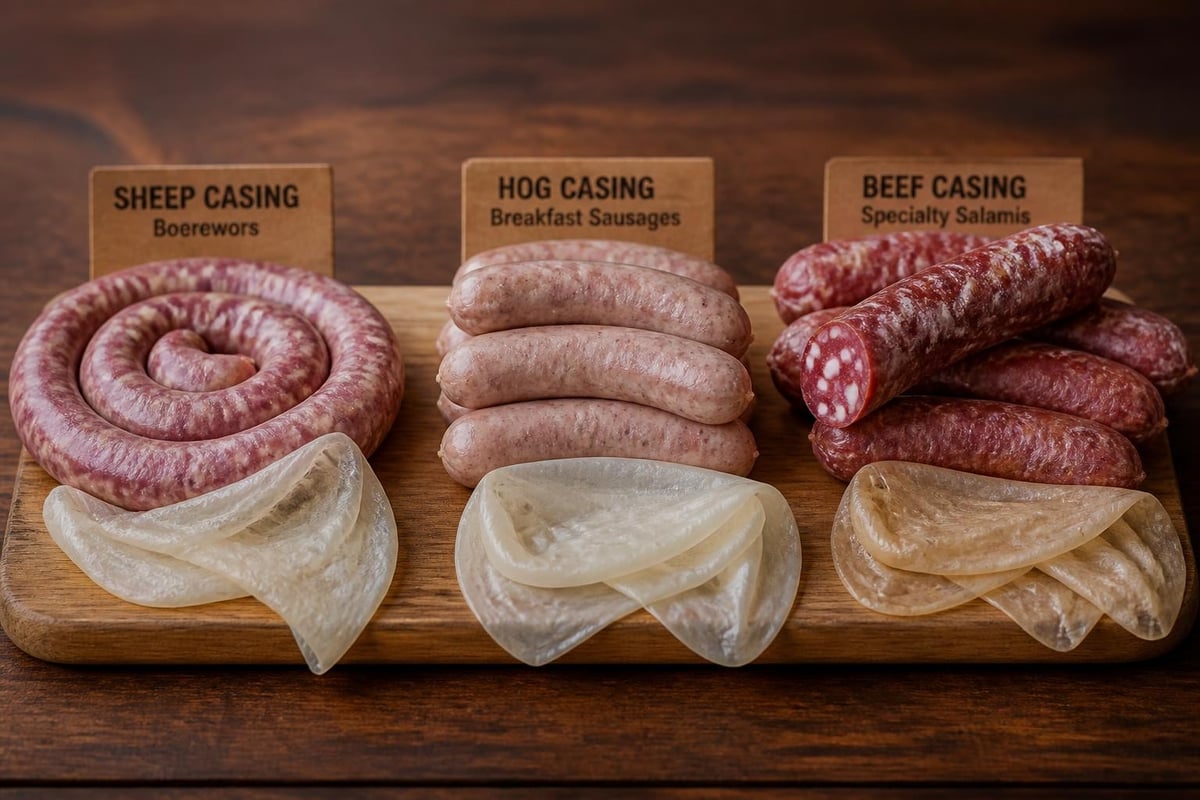
| Casing Type | Diameter Range | Best Applications | Texture |
|---|---|---|---|
| Sheep | 20-26mm | Breakfast links, chipolatas | Tender, delicate |
| Hog | 32-42mm | Boerewors, bratwurst, Italian | Medium, versatile |
| Beef Rounds | 38-43mm | Fresh sausages, ring bologna | Firm, robust |
| Beef Middles | 45-60mm | Summer sausage, salami | Very firm |
The Role of Natural Casings in South African Food Culture
For South African expats in New Zealand, authentic boerewors is more than just a sausage. It's a cultural touchstone that connects families to their heritage. The distinctive spiral shape and perfect snap of properly cased boerewors depend entirely on using quality sausage casings natural that can handle the coarse grind and traditional spice blend.
Traditional South African butchers have perfected the art of sausage-making over generations. The ratio of meat to fat, the coarseness of the grind, and the spice combination all matter, but without the right natural casing, the final product falls short of authentic.
When South Africans gather for a braai in New Zealand, whether in Auckland, Wellington, or Christchurch, the quality of the boerewors often determines the success of the entire event. This is why many turn to Something From Home, a South African food store in New Zealand that understands the importance of authentic ingredients and stocks more than 2,500 South African products.
Why Natural Beats Synthetic
While collagen and cellulose casings have their place in commercial production, sausage casings natural offer irreplaceable benefits:
- Superior flavour transfer during smoking and cooking
- Authentic texture with the characteristic "snap" when bitten
- Natural appearance that appeals to traditional consumers
- Edible casing that becomes part of the eating experience
- Better moisture regulation during cooking and storage
The INSCA guide to natural casings provides comprehensive technical information on how these properties make natural casings the preferred choice for artisan and traditional sausage-makers worldwide.
Preparing and Using Natural Casings
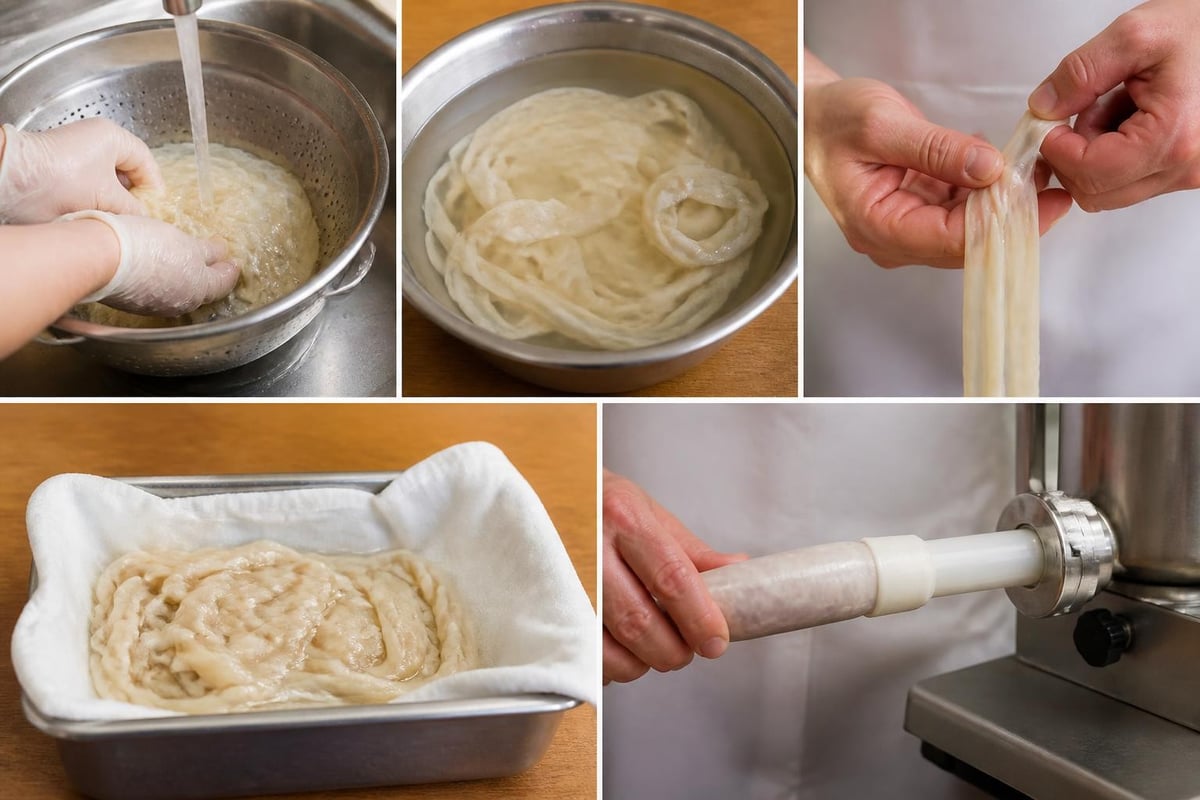
Working with sausage casings natural requires patience and proper technique. Casings are typically preserved in salt and need thorough rinsing and soaking before use. Most casings benefit from soaking in lukewarm water for 30 minutes to two hours, which rehydrates the collagen and makes them pliable for stuffing.
Step-by-Step Preparation Process
- Rinse the casings under cool running water to remove excess salt
- Soak in lukewarm water (not hot, which can damage the casing)
- Test a small section by running water through to check for tears or weak spots
- Keep casings moist during stuffing by storing in water
- Work carefully to avoid air pockets during the stuffing process
The FSIS training handout on further processing offers detailed guidance on food safety considerations and best practices when working with natural casings, including HACCP principles for home and commercial processors.
Quality Factors and Selection
Not all sausage casings natural are created equal. Quality varies based on the source animal's diet, age, and health, as well as the processing methods used. Research on toughness variations among natural casings reveals that biochemical composition, histological structure, and microbiological factors all influence final casing performance.
What to Look For
When sourcing natural casings, whether for home use or commercial production, consider these quality indicators:
- Consistent diameter throughout the length
- Clean appearance without discolouration or odours
- Proper salt content for preservation
- Flexibility when rehydrated
- Absence of holes or weak spots
- Reputable supplier with proper handling and storage
For South Africans in New Zealand who want to make authentic boerewors at home, finding quality casings can be challenging. While braai supplies are readily available through specialty stores, natural casings often require sourcing from butcher suppliers or specialty food importers.
Storage and Shelf Life
Properly salted and stored sausage casings natural can last for years when kept in cool, dry conditions. The salt acts as a preservative, drawing moisture out and preventing bacterial growth. However, once opened and rinsed, casings should be used within a few days or re-salted and refrigerated.
Storage best practices include:
- Keeping unopened casings in their original salt at room temperature
- Refrigerating opened containers at 2-4°C
- Re-salting unused portions after rinsing
- Avoiding freezing, which can damage the collagen structure
- Checking regularly for signs of spoilage or off-odours
Safety Considerations
Food safety is paramount when working with natural casings. The EU report on safety of sheep intestine and natural casings provides comprehensive background on regulatory considerations, including historical BSE/TSE assessments and policy frameworks that ensure consumer protection.
Modern processing facilities follow strict protocols for cleaning, sanitising, and testing natural casings. These include:
- Multiple washing stages with approved sanitisers
- Quality control testing for pathogenic bacteria
- Traceability systems linking casings to source animals
- Temperature control throughout processing and storage
- Documentation of cleaning and processing procedures
| Safety Step | Purpose | Standard Practice |
|---|---|---|
| Initial cleaning | Remove organic matter | Multiple water rinses |
| Sanitisation | Eliminate pathogens | Approved chemical wash |
| Inspection | Identify defects | Visual and manual check |
| Salting | Preservation | Heavy salt coating |
| Testing | Verify safety | Microbial analysis |
Making Boerewors with Natural Casings
The art of boerewors-making is a point of pride for many South African families. Traditional recipes call for a specific ratio of beef and pork (or lamb), along with the distinctive spice blend featuring coriander, cloves, nutmeg, and pepper. But technique matters as much as ingredients.
Using sausage casings natural for boerewors requires a coarser grind than many European sausages. The meat should have visible texture, and the fat content (typically 20-30%) ensures juiciness when grilled over the coals. The casing must be strong enough to hold the coarse mixture but tender enough to provide that satisfying snap.
Essential Boerewors Tips
Grinding: Use a coarse plate (8-10mm) to maintain texture
Mixing: Combine spices thoroughly but don't overwork the meat
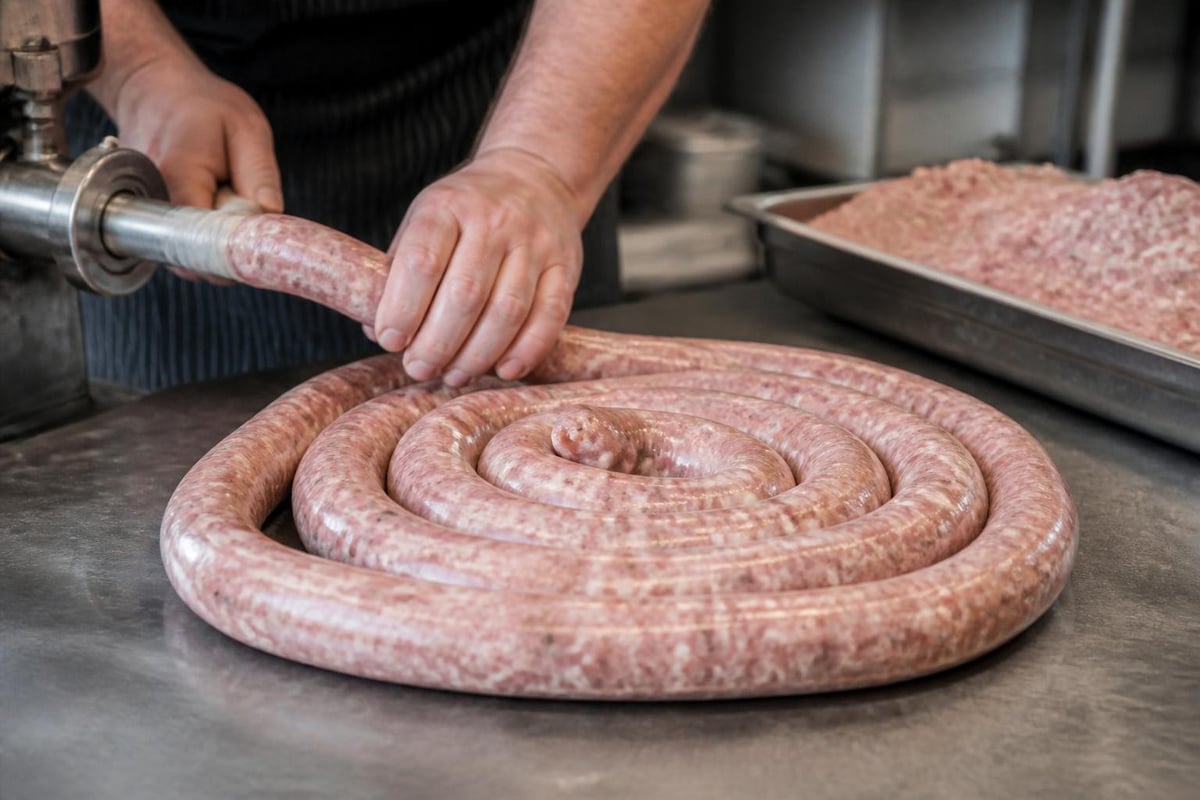
Stuffing: Fill casings firmly but not so tight they burst during cooking
Forming: Create the traditional spiral without twisting casings
Cooking: Grill gently over medium coals, turning frequently
Many South Africans in New Zealand miss the weekend braai culture and the distinctive smell of boerewors sizzling over the fire. While you can find South African groceries through specialised retailers, the experience of making your own boerewors connects you to tradition in a way that store-bought versions cannot match.
Regional Variations in Natural Casings
Different countries and regions have developed preferences for specific types of sausage casings natural based on local livestock, culinary traditions, and processing capabilities. European countries favour sheep casings for many traditional products, while American-style sausages often use hog casings exclusively.
In South Africa, the preference for hog casings in boerewors relates to the robust nature of the sausage and the grilling method. The casing needs to withstand direct heat without splitting while allowing rendered fat to baste the meat from within.
Sourcing Natural Casings in New Zealand
For home sausage-makers in New Zealand, sourcing quality natural casings can require some effort. Butcher supply companies typically sell to commercial operations, though some will supply home users who purchase in reasonable quantities. Online specialty food suppliers occasionally stock prepared casings for home use.
South Africans looking for authentic ingredients to recreate traditional recipes often find that South African groceries available through specialty importers provide the closest connection to home flavours. While natural casings themselves may need to be sourced locally, having access to authentic spice blends and other traditional ingredients makes all the difference.
Environmental and Sustainability Aspects
Natural casings represent a sustainable use of animal by-products that would otherwise be wasted. The intestinal linings from animals processed for meat are cleaned, processed, and transformed into valuable food packaging that is completely biodegradable and edible.
This sustainability angle appeals to environmentally conscious consumers who want to minimise waste and avoid plastic-based alternatives. Natural casings fit perfectly within nose-to-tail cooking philosophies that respect the whole animal and reduce food system waste.
Sustainability benefits include:
- Utilising by-products from existing meat production
- Completely biodegradable and compostable
- No plastic waste or synthetic materials
- Supporting traditional processing skills and knowledge
- Local and regional processing opportunities
Professional versus Home Use
Commercial sausage manufacturers purchase sausage casings natural in bulk quantities, often by the hank or bundle, with specific size and quality grades. These operations have the storage facilities, equipment, and volume to justify working with fresh or minimally preserved casings.
Home users typically purchase smaller quantities, often pre-tubed on plastic cylinders for easy loading onto stuffing equipment. These retail-ready formats cost more per metre but offer convenience and appropriate quantities for occasional use.
The learning curve for home sausage-making can be steep, but the rewards include complete control over ingredients, authentic flavour, and the satisfaction of preserving traditional food crafts. For South Africans in New Zealand, this skill connects them to their heritage and allows them to share authentic tastes with the next generation growing up far from home.
Understanding sausage casings natural opens up a world of traditional food preparation that connects us to culinary heritage across cultures. Whether you're making authentic South African boerewors, experimenting with European-style sausages, or simply exploring traditional food crafts, quality natural casings make all the difference in achieving authentic flavour and texture. If you're looking for South African spices, ingredients, or other authentic products to complement your sausage-making adventures, explore the extensive range at Something From Home, where more than 2,500 South African products help Kiwi-based South Africans stay connected to the flavours of home.