Cinnamon Rolls NZ: Your Complete Baking Guide
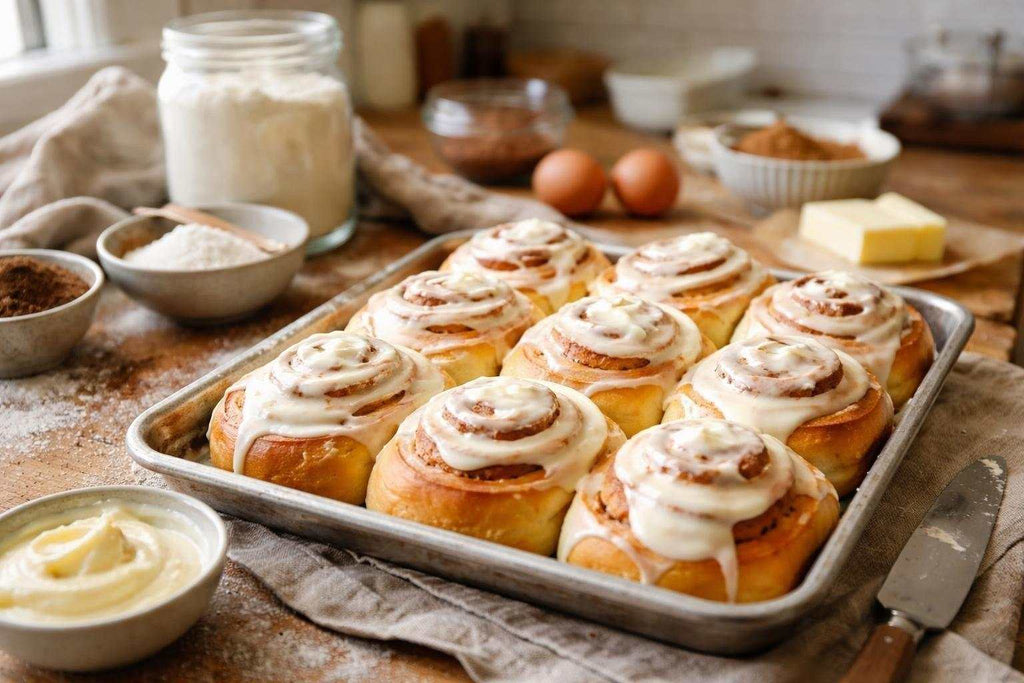
The aroma of freshly baked cinnamon rolls wafting through your kitchen represents one of the most comforting experiences in home baking. For South Africans living in New Zealand, these sweet, spiral pastries offer a delightful connection to familiar flavours whilst embracing the excellent baking ingredients available locally. Whether you're searching for authentic recipes, exploring variations on this classic treat, or seeking the perfect ingredients to recreate your favourite version, understanding the landscape of cinnamon rolls NZ has to offer will transform your baking endeavours. This comprehensive guide explores everything from traditional techniques to modern adaptations, ensuring your next batch turns out perfectly every time.
Understanding the Cinnamon Roll Tradition in New Zealand
New Zealand's baking culture has embraced cinnamon rolls with remarkable enthusiasm, creating a unique fusion of international influences and local preferences. The Kiwi approach to these beloved pastries often emphasises fresh, quality ingredients and straightforward techniques that produce consistently excellent results.
Local bakeries across Auckland, Wellington, and Christchurch have developed their own signature versions, ranging from traditional American-style rolls with cream cheese frosting to Scandinavian-inspired variations featuring cardamom. The diversity reflects New Zealand's multicultural culinary landscape, where different immigrant communities have contributed their own interpretations.
Key Characteristics of NZ-Style Cinnamon Rolls
The typical cinnamon rolls NZ bakers create share several distinctive features:
- Generous filling ratios with substantial amounts of cinnamon-sugar mixture
- Softer, fluffier dough compared to some international variations
- Cream cheese icing as the predominant topping choice
- Moderate sweetness levels appealing to local palates
- Fresh dairy products utilising New Zealand's exceptional butter and milk
Essential Ingredients for Perfect Cinnamon Rolls
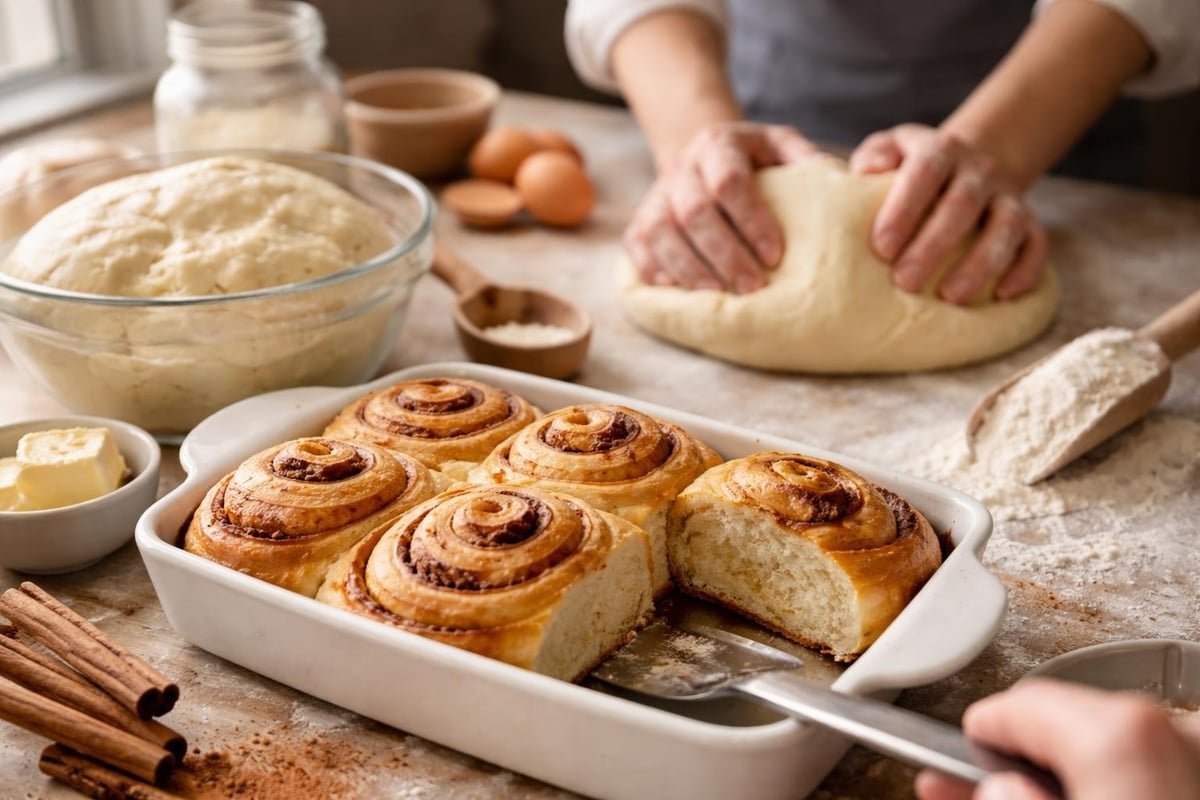
Creating exceptional cinnamon rolls NZ residents will love requires sourcing quality ingredients and understanding their roles in the final product. Each component contributes specific characteristics to texture, flavour, and appearance.
Flour Selection and Quality
The foundation of any great cinnamon roll begins with appropriate flour selection. High-grade flour with moderate protein content (around 10-12%) produces the ideal balance between structure and tenderness. New Zealand mills produce excellent bread flour and all-purpose varieties that work beautifully for this application.
Bread flour creates slightly chewier rolls with better structure for holding generous fillings, whilst all-purpose flour yields softer, more tender results. Many experienced bakers use a combination of both to achieve their preferred texture profile.
Sweeteners and Spices
Beyond standard white sugar, consider experimenting with different sweetener combinations:
| Sweetener Type | Flavour Profile | Best Application |
|---|---|---|
| Brown Sugar | Rich, molasses notes | Filling mixture |
| White Sugar | Clean sweetness | Dough base |
| Honey | Floral complexity | Glaze component |
| Golden Syrup | Caramel undertones | Sticky topping |
Quality ground cinnamon makes an enormous difference in final flavour. Ceylon cinnamon offers a more delicate, slightly sweet profile, whilst Cassia cinnamon provides the bold, spicy flavour most associate with classic cinnamon rolls.
Dairy Components
New Zealand's exceptional dairy industry provides perfect ingredients for enriched dough. Full-cream milk creates tender crumb structure, whilst butter contributes flavour and flakiness. For those seeking authentic South African flavours in their baking, exploring Something From Home reveals familiar ingredients that can enhance your creations.
Mastering the Dough Preparation Process
The difference between mediocre and magnificent cinnamon rolls often lies in dough handling techniques. Understanding fermentation, gluten development, and proper proofing creates consistently excellent results.
Yeast Activation and Fermentation
Active dry yeast or instant yeast both work effectively for cinnamon rolls NZ bakers prefer. Instant yeast offers convenience by mixing directly into flour, whilst active dry yeast requires blooming in warm liquid first. The ideal temperature for yeast activation ranges between 38-43°C, warm to the touch but not hot.
First fermentation should continue until the dough doubles in volume, typically 60-90 minutes depending on room temperature. During New Zealand's cooler months, placing dough in a slightly warm oven (turned off) with a bowl of hot water creates ideal proofing conditions.
Kneading Techniques
Proper gluten development through kneading creates the elastic structure necessary for soft, pull-apart layers. Hand kneading for 8-10 minutes or stand mixer kneading for 5-6 minutes produces adequately developed dough. The windowpane test confirms readiness: stretch a small piece of dough until it forms a thin, translucent membrane without tearing.
Signs of Properly Kneaded Dough:
- Smooth, elastic texture
- Springs back when poked
- No longer sticky to touch
- Passes windowpane test
- Shows visible gluten strands
Shaping and Filling Techniques
Transforming prepared dough into beautiful spiral rolls requires careful attention to rolling, filling distribution, and cutting methods. These steps significantly impact final appearance and eating experience.
Rolling the Dough
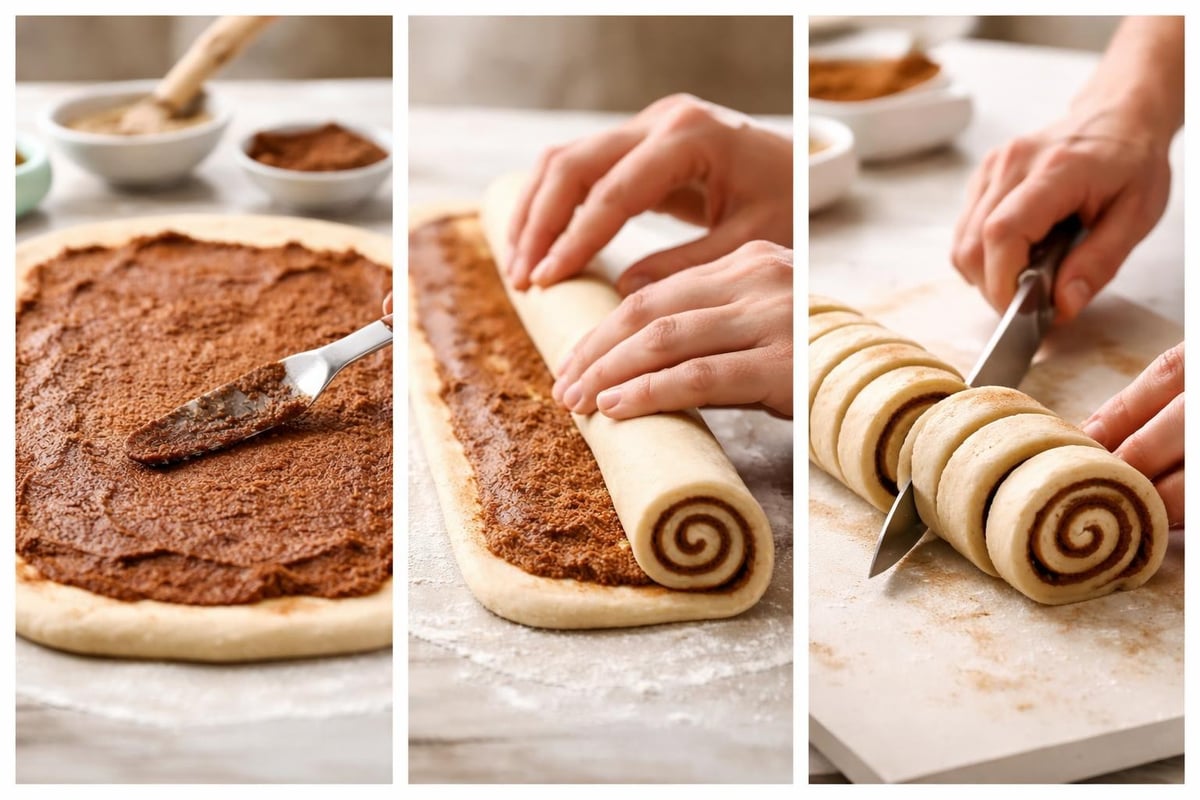
After the first proof, punch down dough gently to release excess gas, then roll into a rectangle approximately 40cm x 30cm. Consistent thickness throughout ensures even baking and uniform portions. A lightly floured surface prevents sticking, but excessive flour toughens the final product.
The New World guide to fluffy cinnamon rolls emphasises the importance of even dough thickness for consistent baking results.
Filling Distribution
Spread softened butter across the dough surface, leaving a 1cm border along one long edge. This butter layer helps the cinnamon-sugar mixture adhere and creates steam during baking for lighter texture. Sprinkle filling generously and evenly, using approximately 150-200g of brown sugar mixed with 2-3 tablespoons of ground cinnamon.
Cutting Methods
Sharp tools produce clean cuts without compressing delicate dough. Unflavoured dental floss or a very sharp knife work best. For dental floss method, slide floss under the log, cross ends over the top, and pull tight in one swift motion. This technique creates perfectly round spirals without squashing.
Baking Methods and Temperature Control
Proper baking transforms raw dough into golden, fragrant cinnamon rolls with ideal texture throughout. Understanding oven behaviour and timing ensures consistent success.
Oven Temperature Guidelines
Most cinnamon rolls NZ recipes recommend baking at 175-190°C. Lower temperatures (175°C) produce softer, lighter rolls, whilst higher temperatures (190°C) create more caramelisation and slightly firmer texture. Fan-forced ovens typically require 10-15°C reduction compared to conventional settings.
| Oven Type | Temperature | Bake Time | Result |
|---|---|---|---|
| Conventional | 180°C | 22-25 minutes | Even, gentle bake |
| Fan-forced | 165°C | 18-22 minutes | Faster, more browning |
| Fan-bake | 170°C | 20-23 minutes | Balanced results |
Visual Doneness Indicators
Beyond timing, visual cues indicate perfect doneness:
- Golden-brown surface colour across all rolls
- Slightly darker edges without burning
- Set appearance with no raw dough visible between rolls
- Internal temperature reaching 88-93°C
The Meadow Fresh cinnamon rolls recipe provides detailed visual guidance for determining optimal baking completion.
Frosting and Topping Variations
Whilst traditional cream cheese frosting remains the most popular choice, numerous topping variations suit different preferences and occasions. Each option creates distinct flavour profiles and visual appeal.
Classic Cream Cheese Frosting
This beloved topping combines cream cheese, butter, icing sugar, and vanilla extract for tangy-sweet perfection. The ideal ratio balances richness with spreadability: 250g cream cheese, 100g softened butter, 300g icing sugar, and 2 teaspoons vanilla extract creates enough frosting for 12-15 rolls.
Apply frosting whilst rolls remain slightly warm for partial melting that creates attractive glaze, or wait until completely cooled for thick, pipe-able consistency.
Alternative Topping Ideas
Sweet Options:
- Caramel glaze with sea salt flakes
- Dark chocolate ganache for decadent variation
- Maple cream cheese with chopped pecans
- Vanilla bean icing with lemon zest
- Brown butter frosting with cinnamon
For those interested in exploring unique flavour combinations, the Chef's Complements recipe for cinnamon rolls with caramel glaze offers sophisticated sweetness.
Creative Variations and Flavour Combinations
Traditional cinnamon rolls provide an excellent foundation for countless variations that incorporate different spices, fillings, and mix-ins. Experimentation reveals new favourite combinations whilst maintaining the essential characteristics that make these pastries irresistible.
Fruit-Enhanced Versions
Fresh or dried fruit additions create moisture and flavour complexity. The Chelsea Sugar apple cinnamon rolls demonstrate how diced apples integrate beautifully with traditional cinnamon filling. Other successful fruit additions include:
- Diced pears with cardamom
- Dried cranberries and orange zest
- Fresh blueberries (added after rolling)
- Raisins soaked in rum or brandy
- Sliced bananas with dark chocolate chips
Spice Blend Innovations
Beyond standard cinnamon, other warm spices create interesting flavour profiles. South Africans might recognise familiar spice combinations that recall traditional baking from home. Cardamom, nutmeg, ginger, and mixed spice all complement the sweet dough base beautifully.
Dietary Adaptations
Modern cinnamon rolls NZ bakers create accommodate various dietary requirements without sacrificing quality. Vegan versions using plant-based milk and butter substitutes produce surprisingly excellent results, as demonstrated in this vegan cinnamon scrolls recipe.
Gluten-free adaptations require specialised flour blends with added xanthan gum for structure. Whilst texture differs slightly from wheat-based versions, careful technique produces satisfying results.
Time-Saving Techniques and Make-Ahead Methods
Busy schedules shouldn't prevent enjoying fresh cinnamon rolls. Several time-management strategies allow for flexible preparation whilst maintaining quality standards.
Overnight Refrigerator Method
After shaping rolls and placing them in the baking pan, cover tightly and refrigerate for 8-24 hours. The slow, cold fermentation develops enhanced flavour complexity whilst fitting preparation around your schedule. Remove from refrigerator 45-60 minutes before baking, allowing rolls to come to room temperature and complete final proof.
Quick No-Knead Options
For faster results, the Queen Fine Foods no-knead 1-hour cinnamon rolls eliminate traditional kneading time whilst still producing acceptable texture. This method suits occasions when fresh rolls are needed quickly without extensive advance planning.
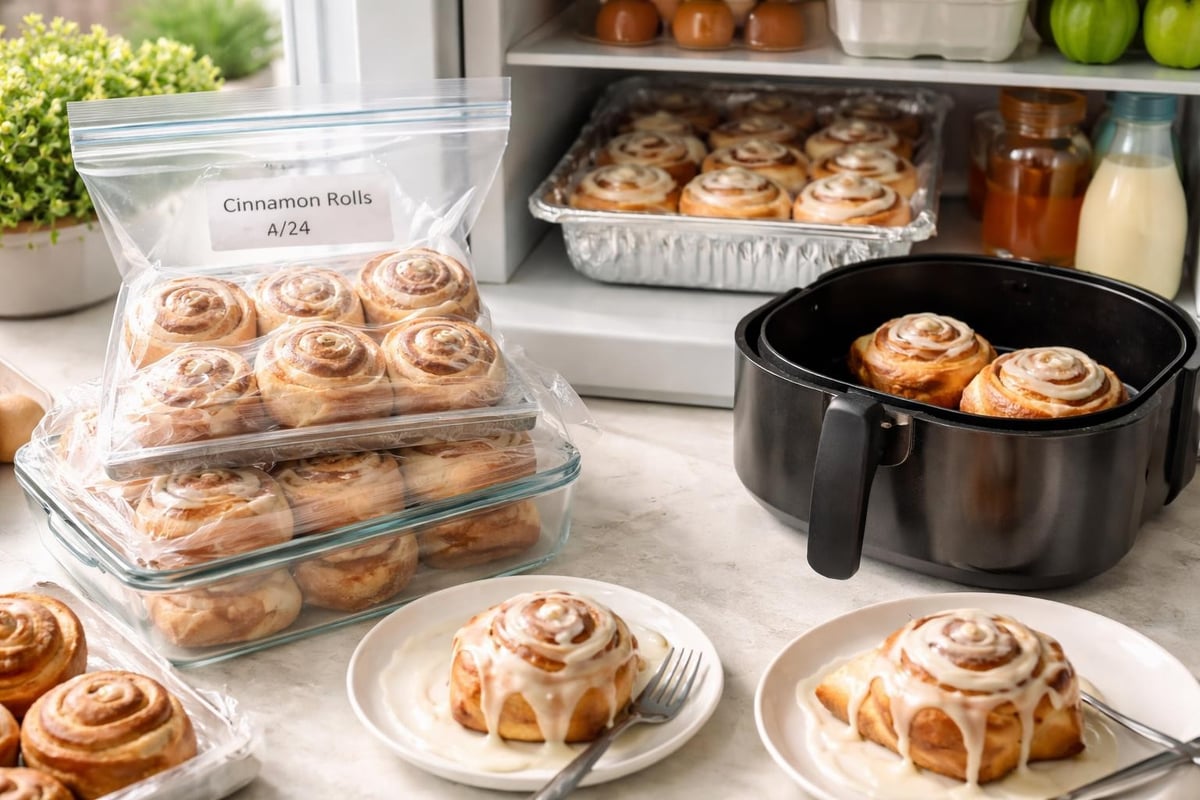
Freezing Strategies
Unbaked shaped rolls freeze exceptionally well for up to three months. Freeze individually on a baking sheet until solid, then transfer to freezer bags. Bake directly from frozen, adding 5-10 minutes to standard baking time.
Alternatively, bake rolls completely, cool thoroughly, and freeze without frosting. Thaw at room temperature and warm slightly before applying fresh frosting for nearly indistinguishable results from freshly baked versions.
Common Troubleshooting Solutions
Even experienced bakers occasionally encounter challenges when preparing cinnamon rolls NZ kitchens. Understanding common issues and their solutions prevents disappointment and builds confidence.
Dense, Heavy Texture Problems
Several factors contribute to disappointing density:
Possible Causes and Solutions:
- Over-kneading: Creates excessive gluten development; knead only until windowpane test passes
- Insufficient proofing: Allows inadequate gas production; proof until doubled in volume
- Too much flour: Makes dough dry and tight; measure flour by weight when possible
- Old yeast: Produces weak fermentation; verify yeast freshness through blooming test
- Oven too hot: Sets structure before adequate rise; reduce temperature by 10°C
Filling Leakage Issues
Cinnamon-sugar mixture escaping during baking creates messy pans and dry spots. Prevent this through proper sealing technique: when rolling the dough log, pinch the seam firmly closed and place seam-side down in the pan. Leave the butter-free border mentioned earlier to create a seal area.
Uneven Baking Results
Rolls in pan centres often remain pale whilst edge pieces over-brown. Rotating the pan 180 degrees halfway through baking promotes even colour development. Additionally, placing a baking sheet on the rack below prevents bottom burning whilst protecting from direct heat.
Equipment and Tools for Success
Whilst cinnamon rolls NZ bakers create don't require specialised equipment, certain tools significantly improve consistency and ease the preparation process. Investing in quality basics pays dividends through repeated use.
Essential Tools
- Stand mixer with dough hook: Ensures consistent kneading and reduces physical effort
- Rolling pin: Creates even dough thickness for uniform baking
- Sharp bench scraper: Assists with dough portioning and cutting
- Digital thermometer: Verifies proper baking temperature and yeast activation
- Square or rectangular baking pan: Provides structure for even rising and baking
Helpful Accessories
Quality mixing bowls, measuring cups (or better yet, a digital scale for precision), and pastry brushes for applying butter enhance the baking experience. A dough whisk efficiently combines initial ingredients before kneading begins.
For visual learners, this video tutorial from New World demonstrates proper tool usage throughout the preparation process.
Ingredient Sourcing in New Zealand
Finding quality ingredients matters tremendously for final results. New Zealand's supermarkets stock excellent basics, whilst speciality shops provide premium options for enhanced flavour.
Local Supermarket Options
Major chains including New World, Countdown, and Pak'nSave carry comprehensive baking sections with everything required for standard cinnamon rolls NZ recipes. Look for:
- Champion or Edmonds high-grade flour
- Anchor or Mainland butter
- Chelsea or Edmonds sugar varieties
- Ground cinnamon in various quality grades
- Active dry or instant yeast
Speciality Ingredients
For South Africans seeking familiar flavours to enhance their baking, exploring authentic products adds nostalgic touches. While cinnamon rolls themselves aren't traditional South African fare, incorporating familiar ingredients creates comforting connections to home.
Serving Suggestions and Occasions
Fresh cinnamon rolls suit numerous occasions beyond typical breakfast service. Understanding optimal serving methods and complementary pairings enhances enjoyment.
Temperature Considerations
Slightly warm cinnamon rolls offer the most appealing texture and aroma. Microwave individual portions for 15-20 seconds or warm the entire pan in a 120°C oven for 10 minutes. Avoid overheating, which can make frosting too runny or create tough texture.
Beverage Pairings
Coffee and cinnamon rolls create a classic combination, but other beverages complement equally well:
- Strong black tea or chai for spice harmony
- Hot chocolate for indulgent breakfast treats
- Fresh orange juice for contrasting acidity
- Cappuccino or flat white for café-style presentation
Event Applications
Beyond casual home enjoyment, cinnamon rolls excel at:
- Weekend brunch gatherings
- Holiday morning traditions
- Afternoon tea service
- Bake sale contributions
- Welcome gifts for new neighbours
The budget-friendly recipe from Cheaper Ways NZ demonstrates how economical ingredients still produce impressive results for large gatherings.
Storage and Freshness Maintenance
Proper storage extends enjoyment of homemade cinnamon rolls whilst preserving their appealing texture and flavour. Different storage methods suit various timeframes and intended uses.
Short-Term Storage
Room temperature storage in an airtight container maintains freshness for 2-3 days. Unfrosted rolls last slightly longer than frosted versions. Place a piece of bread in the container to help maintain moisture levels and prevent drying.
Refrigeration Guidelines
Refrigerated cinnamon rolls remain safe for consumption up to one week, though texture gradually becomes firmer. Warm before serving to restore soft, appealing consistency. Cover tightly with plastic wrap or store in sealed containers to prevent absorption of refrigerator odours.
Long-Term Freezing
As mentioned in time-saving techniques, freezing preserves cinnamon rolls for extended periods. Individually wrapped portions allow for single-serving convenience whilst maintaining quality. Label packages with preparation date and frosting status for easy identification.
Nutritional Considerations and Modifications
Whilst cinnamon rolls represent indulgent treats rather than everyday health food, understanding their nutritional profile and potential modifications supports informed consumption decisions.
Typical Nutritional Profile
A standard cinnamon roll with cream cheese frosting contains approximately:
- 350-450 calories
- 15-20g fat
- 50-60g carbohydrates
- 5-7g protein
- 25-35g sugar
These values vary significantly based on size, frosting amount, and specific ingredients used.
Healthier Adaptations
Several modifications reduce calorie and sugar content whilst maintaining satisfying flavour:
- Reduce frosting quantity by half
- Use honey or maple syrup instead of refined sugar in filling
- Incorporate whole wheat flour for 25-30% of total flour
- Replace some butter with Greek yoghurt in dough
- Reduce roll size for portion control
The NEFF recipe for dark cinnamon rolls with chocolate offers an indulgent variation that satisfies cravings with smaller portions.
Cultural Significance and Community Connections
For expatriate communities throughout New Zealand, food traditions provide powerful connections to heritage and identity. Whilst cinnamon rolls may not originate from South Africa, the act of home baking creates comfort and community regardless of the specific recipe.
Many South African expats in New Zealand find solace in recreating familiar flavours and sharing them with local friends, creating cultural bridges through food. The baking process itself-measuring, kneading, waiting for dough to rise-offers meditative qualities that connect us to generations of home bakers.
Building New Traditions
Living far from one's birthplace often means adapting traditions whilst creating new ones. Perhaps cinnamon rolls become your family's Sunday breakfast tradition in Auckland, just as koeksisters were in Johannesburg. These adaptations don't diminish connection to heritage; they demonstrate resilience and creativity in maintaining comfort through food.
For those times when you're craving specific South African treats that can't be easily replicated, remember that authentic products remain accessible. Whether you're after familiar baking ingredients or ready-made favourites, maintaining connections to home flavours enriches the expat experience.
Mastering cinnamon rolls NZ style combines quality ingredients, proper technique, and patient attention to detail at each preparation stage. Whether you're following traditional American-inspired recipes or experimenting with unique variations, the fundamental principles of good baking remain constant: quality ingredients, proper fermentation, and careful temperature control create consistently excellent results. For South Africans living in New Zealand who want to complement their home baking with authentic treats and familiar ingredients from back home, Something From Home offers the largest selection of South African products, delivering the foods and flavours you miss most anywhere in New Zealand and Australia.
-
Posted in
Baking Tips, Cinnamon Rolls NZ, Home Baking, New Zealand Baking, Pastry Recipes