
Cape Malay Bobotie Guide: Authentic Flavours For 2026
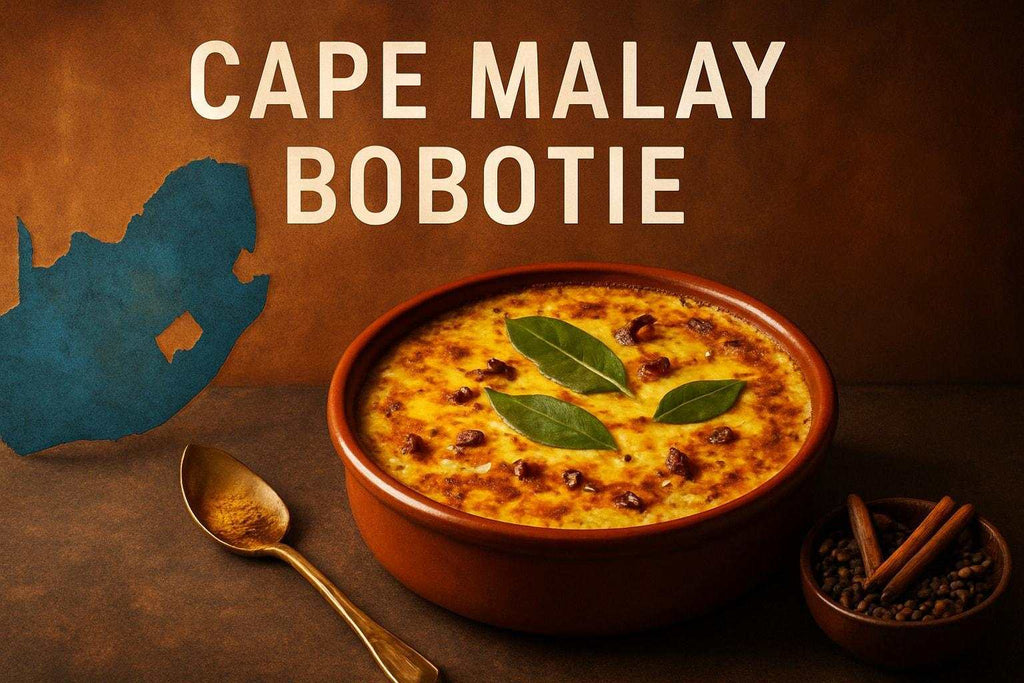
Discover the heart and soul of South African cuisine with the legendary cape malay bobotie. This dish weaves together centuries of tradition, offering a symphony of spices, fruit, and a signature golden custard.
In this guide, you will learn about the authentic preparation, rich history, and essential ingredients that make cape malay bobotie unique. We will also explore modern adaptations and expert tips to help you master this beloved classic in 2026.
Ready to experience South Africa’s most cherished comfort food? Follow along for foolproof steps, creative serving ideas, and everything you need to bring authentic flavours to your table.
The Origins and Cultural Significance of Cape Malay Bobotie
Cape Malay Bobotie is a dish born from a remarkable blend of cultures that shaped Cape Town’s culinary landscape. The origins of this dish are deeply intertwined with the arrival of enslaved people and political exiles from Southeast Asia, particularly from Indonesia, Malaysia, and India, brought to the Cape by Dutch colonists in the 17th and 18th centuries. These communities introduced vibrant spices, new cooking techniques, and their own food traditions, which merged with European and local South African influences to create what is now known as Cape Malay cuisine.
As the spice trade flourished, the Cape became a melting pot of flavours and traditions. The enslaved cooks adapted recipes from their homelands, incorporating local ingredients and European methods. Over time, Cape Malay Bobotie emerged as a reinterpretation of European baked meat pies, enriched with spices like curry powder, turmeric, and cloves. The use of dried fruit and a creamy egg custard topping became defining features. This unique evolution is explored in detail in Bobotie's historical significance, which highlights the complex journey of the dish from colonial kitchens to modern tables.
Today, Cape Malay Bobotie holds a special place in South African heritage. It is often featured at family gatherings, religious holidays, and community celebrations, especially within Cape Malay households. The dish is a centrepiece during Eid festivities and is a comforting staple at Sunday lunches. Its popularity has spread across the country, making it a fixture at braais and potluck dinners, enjoyed by people of all backgrounds.
The status of Cape Malay Bobotie as South Africa’s national dish is widely recognised. However, debates about its authenticity and ownership persist. Some view it as a distinctly Cape Malay creation, while others see it as a shared symbol between Cape Malay and Afrikaner communities. This “battle over Bobotie” reflects the broader conversation about cultural identity and culinary heritage in South Africa.
Above all, Cape Malay Bobotie stands as a powerful symbol of unity and multiculturalism. Its layers of spice, sweetness, and savoury notes mirror the diverse influences that have shaped South African society. Preparing and sharing this dish continues to bring people together, celebrating both individual heritage and a collective national story.
Essential Ingredients for Authentic Flavour
Recreating the unmistakable taste of cape malay bobotie begins with carefully selected ingredients. Each component, from the protein base to the aromatic spices and sweet accents, plays a vital role in achieving the dish’s signature balance of savoury, sweet, and tangy notes. Whether you are making cape malay bobotie for a traditional family gathering or a modern dinner party, attention to authentic flavours is key.
Core Components of Traditional Bobotie
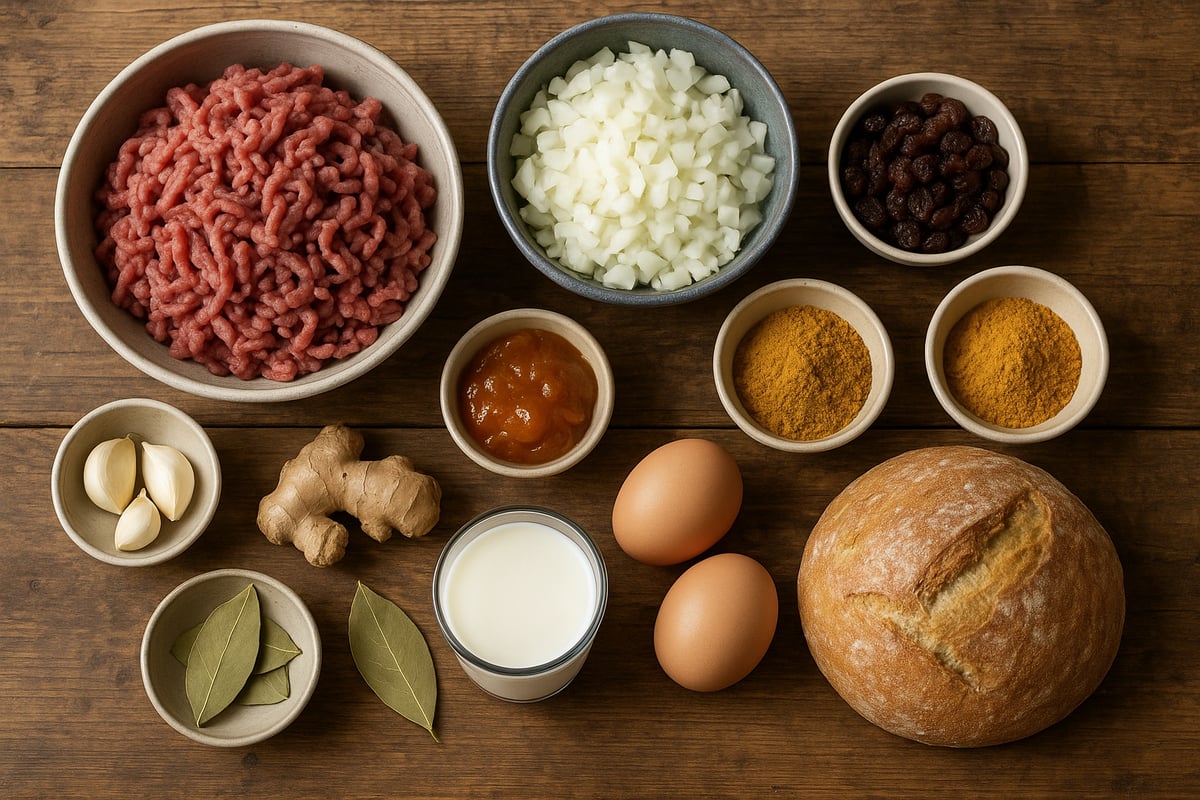
At the heart of every cape malay bobotie is the protein. Traditionally, cooks use beef, lamb, or even a blend, with a maximum fat content of 20 percent for juicy, flavourful mince. The aromatics—onions, garlic, and ginger paste—form the base, bringing depth and warmth.
Spices are non-negotiable. Curry powder, turmeric, ground ginger, and cloves are essential, each contributing complexity and the dish’s hallmark golden hue. Bay leaves are added for a subtle fragrance as the bobotie bakes.
Sweet and tangy notes define the unique profile of cape malay bobotie. Apricot or mango chutney, raisins or sultanas, and a touch of brown sugar offer balance, while lemon juice or vinegar provides brightness. For moisture and structure, soaked bread (or gluten-free alternatives) is blended into the mixture.
The crowning touch is the egg custard topping. The classic ratio is two eggs to 250ml milk or cream, creating a silky golden layer that sets the dish apart.
Here is a summary of typical ingredient ratios for cape malay bobotie:
| Ingredient | Common Ratio |
|---|---|
| Mince (beef/lamb) | 1kg |
| Onion | 500g |
| Eggs | 2 |
| Milk/Cream | 250ml |
| Chutney | 150g |
| Raisins/Sultanas | 80g |
| Bread | 2–3 slices, soaked |
Optional additions like Worcestershire sauce or vinegar add umami, while some modern recipes skip bread for a gluten-free approach. Each element is chosen to highlight the multicultural roots of cape malay bobotie and ensure an authentic result.
Ingredient Sourcing and Modern Adaptations
Finding authentic ingredients for cape malay bobotie in New Zealand or Australia is easier than ever. Specialty South African grocers and online retailers stock traditional curry powders, chutneys, and even braai equipment. For those new to South African cuisine, Where to find South African ingredients provides a comprehensive guide to sourcing genuine products locally.
Modern dietary needs have inspired creative adaptations. For a plant-based cape malay bobotie, use vegan mince and swap dairy milk for a non-dairy alternative in the custard. Gluten-free versions simply omit bread or use a suitable substitute. Homemade chutneys and curry powders offer control over flavour and heat, while quality store-bought options save time without compromising authenticity.
Here are some common swaps:
- Plant-based mince instead of beef or lamb
- Gluten-free bread or oats for binding
- Almond or oat milk for the custard layer
- Homemade apricot chutney for a fresher taste
No matter your preferences, there is a way to enjoy cape malay bobotie that fits your lifestyle. Sourcing the right ingredients and embracing thoughtful substitutions allows every cook to celebrate this classic dish’s heritage and evolving tradition.
Step-by-Step Guide: Making Cape Malay Bobotie
Embarking on the journey to prepare cape malay bobotie at home is both rewarding and approachable. This step-by-step guide ensures you capture the essence of this beloved South African classic, blending authentic flavours with practical kitchen advice. Whether you are a first-timer or refining your technique, you will find clear instructions for every stage of the process.
Preparing the Flavour Base
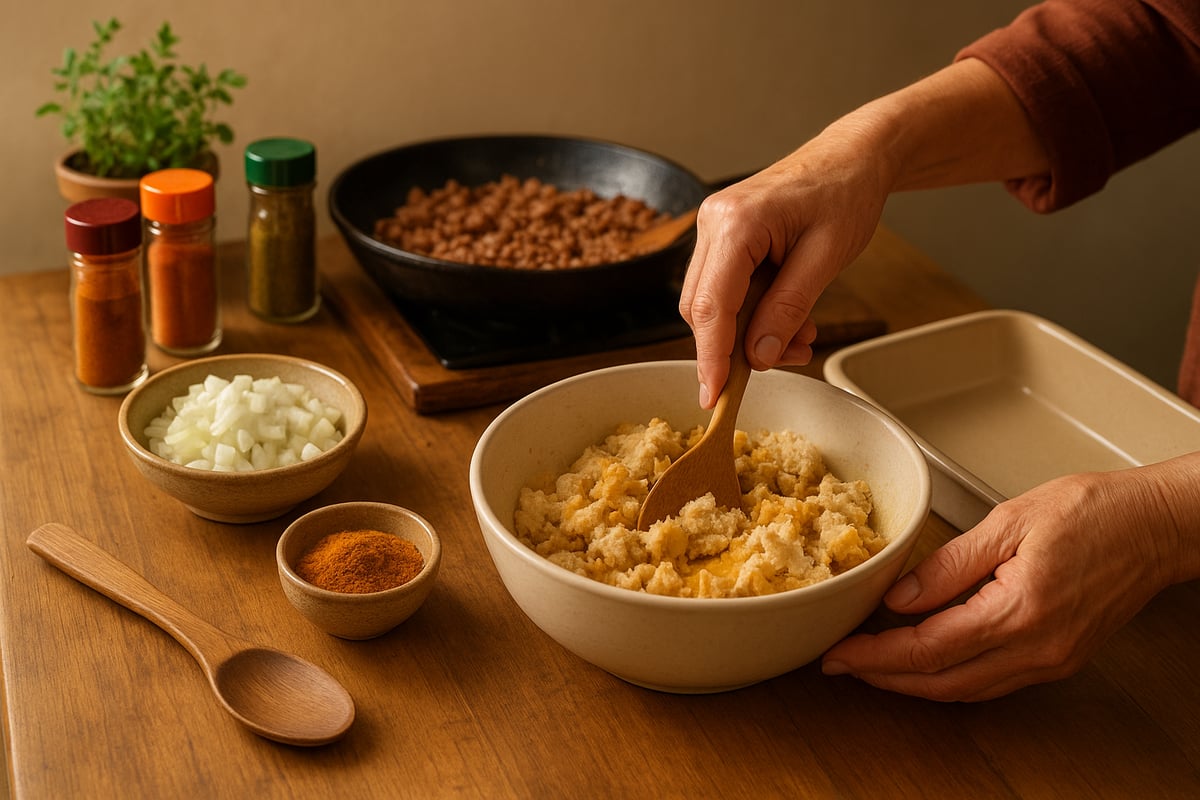
The foundation of cape malay bobotie lies in its aromatic base and careful layering of sweet and savoury notes. Begin by finely chopping your onions and preparing a smooth garlic and ginger paste. Soak your raisins or sultanas in warm water to plump them, infusing the dish with gentle sweetness.
Next, brown your chosen mince (beef, lamb, or a blend) in batches over medium heat. This method helps develop depth of flavour and prevents steaming. Drain off excess fat for a lighter texture. In the same pan, sauté onions, garlic, and ginger in a splash of butter or reserved fat until softened but not browned.
Sprinkle in your curry powder, turmeric, and a pinch of ground cloves, stirring until fragrant. Add the soaked raisins and sultanas, letting the spices bloom around the fruit. Stir in tomato paste and a generous spoonful of chutney, cooking until the tomato paste loses its raw edge. These steps create the signature complex taste of cape malay bobotie.
For a deeper understanding of how these spices and methods define Cape Malay cuisine, you may find Cape Malay cuisine's cultural fusion an insightful resource.
Combining and Baking
With your flavour base ready, it is time to bring all the elements together for cape malay bobotie. Tear day-old bread into pieces and soak it in milk or a plant-based alternative, then squeeze out excess liquid and break the bread into small bits. This step ensures the dish remains moist and binds the mixture.
Mix in the soaked bread, a splash of lemon juice for brightness, and a dash of Worcestershire sauce or vinegar for umami. Return the browned mince to the pan, stirring thoroughly so everything is well combined. Let the mixture cook gently for several minutes, allowing the flavours to meld.
Transfer the mixture into a ceramic or ovenproof dish, spreading it evenly without pressing down too firmly. In a separate bowl, whisk together eggs and milk (or cream) to create the classic custard topping. Pour this gently over the meat base, ensuring an even layer. Decorate the top with bay leaves, pressing them lightly into the custard for a traditional finish.
Baking and Serving
Preheat your oven to 180°C (356°F). Place the prepared cape malay bobotie dish on the middle rack. For even cooking and to prevent the custard from overbrowning, consider placing the baking dish in a larger pan filled with hot water to create a bain-marie.
Bake for 35 to 40 minutes. The custard should set to a gentle wobble, turning golden with slightly bubbling edges. Check by inserting a knife into the centre; if it comes out clean, the bobotie is ready. Remove from the oven and let it rest for 10 to 15 minutes. This step helps the layers settle and makes serving easier.
Serve cape malay bobotie warm, either as a centrepiece for family meals or as part of a festive spread. Its inviting aroma and vibrant colour make it instantly recognisable and deeply comforting.
Troubleshooting and Tips for Success
Achieving the perfect cape malay bobotie is a matter of small details. Here are some expert tips:
- Do not compact the mince too tightly in the dish, as this allows the custard to seep in beautifully.
- Always drain excess oil after browning the meat to keep the dish light.
- Use a bain-marie for gentle, even baking and to prevent the custard from burning at the edges.
- Prepare the bobotie mixture a day ahead and chill overnight before baking. This traditional approach lets the flavours deepen and integrate.
- Some cooks recommend chilling the assembled dish before baking for extra flavour development.
If your custard separates, check that your oven temperature is accurate and avoid overbaking. For a lighter version, substitute lean meats or add more vegetables to the mince. Adjust sweetness and spice to personal preference, remembering that cape malay bobotie is both adaptable and forgiving.
With these steps, you can master cape malay bobotie and enjoy its authentic taste at home, every time.
Modern Twists and Variations for 2026
Cape malay bobotie continues to evolve, reflecting both tradition and innovation as we approach 2026. Modern cooks are embracing new approaches to this classic dish, making it more versatile and inclusive than ever. Whether you are catering for dietary needs or seeking creative presentations, the possibilities for cape malay bobotie are nearly endless.

Evolving Dietary Preferences
Adapting cape malay bobotie for modern diets is a growing trend. Many home cooks now opt for plant-based or vegetarian versions, using vegan mince or lentils as a protein base. Non-dairy milk alternatives, such as oat or almond milk, can be used to create a creamy custard topping without compromising the signature golden finish.
For gluten-free and low-carb options, simply swap soaked bread for gluten-free alternatives or omit it entirely. Some recipes bulk up the mixture with grated vegetables like carrot or zucchini, creating a lighter yet satisfying texture. Lean meats such as chicken or turkey are also popular, especially for those seeking to reduce saturated fat while retaining the essence of cape malay bobotie.
Sweetness and fruitiness can be tailored to taste. Raisins can be omitted or replaced with dried apricots, apples, or plums for a different dimension. Spice levels are easily customised, from mild to fiery, by adjusting curry blends or adding fresh herbs and chilli. For those sourcing ingredients in New Zealand, Exploring South African specialties in NZ is a valuable resource for finding authentic spices, chutneys, and pantry staples.
These adaptations ensure cape malay bobotie remains accessible and enjoyable for a wide range of dietary preferences, without losing its rich South African character.
Presentation and Global Fusion
Modern presentation brings a fresh look to cape malay bobotie. Mini Bobotie bites, served in individual ramekins or as finger food, are perfect for parties and gatherings. Stuffed peppers or pastry parcels offer a colourful and contemporary twist, making the dish a visual centrepiece as well as a flavourful one.
Global fusion ideas are also gaining traction. Imagine cape malay bobotie arancini, with the spiced mince encased in rice and fried to perfection, or Bobotie-stuffed vegetables paired with international sides. The dish even finds its way onto the braai, where smoky flavours add a new layer of complexity. For inspiration, authentic and modern recipes can be found in the Cape Malay Cooking Heritage Edition, which showcases both traditional and contemporary takes on Bobotie.
Embracing these modern twists allows cape malay bobotie to shine at any occasion, whether as a show-stopping main, a creative appetiser, or a fusion dish that bridges cultures. The adaptability of this beloved classic ensures its place at the heart of South African cuisine, both now and for years to come.
Serving Suggestions, Pairings, and Storage
Cape malay bobotie is a dish that truly shines when paired thoughtfully and presented with care. The right accompaniments and storage techniques can enhance the experience, ensuring every bite is memorable. Let us explore the best ways to serve, enjoy, and keep your cape malay bobotie at its finest.
Classic and Contemporary Side Dishes
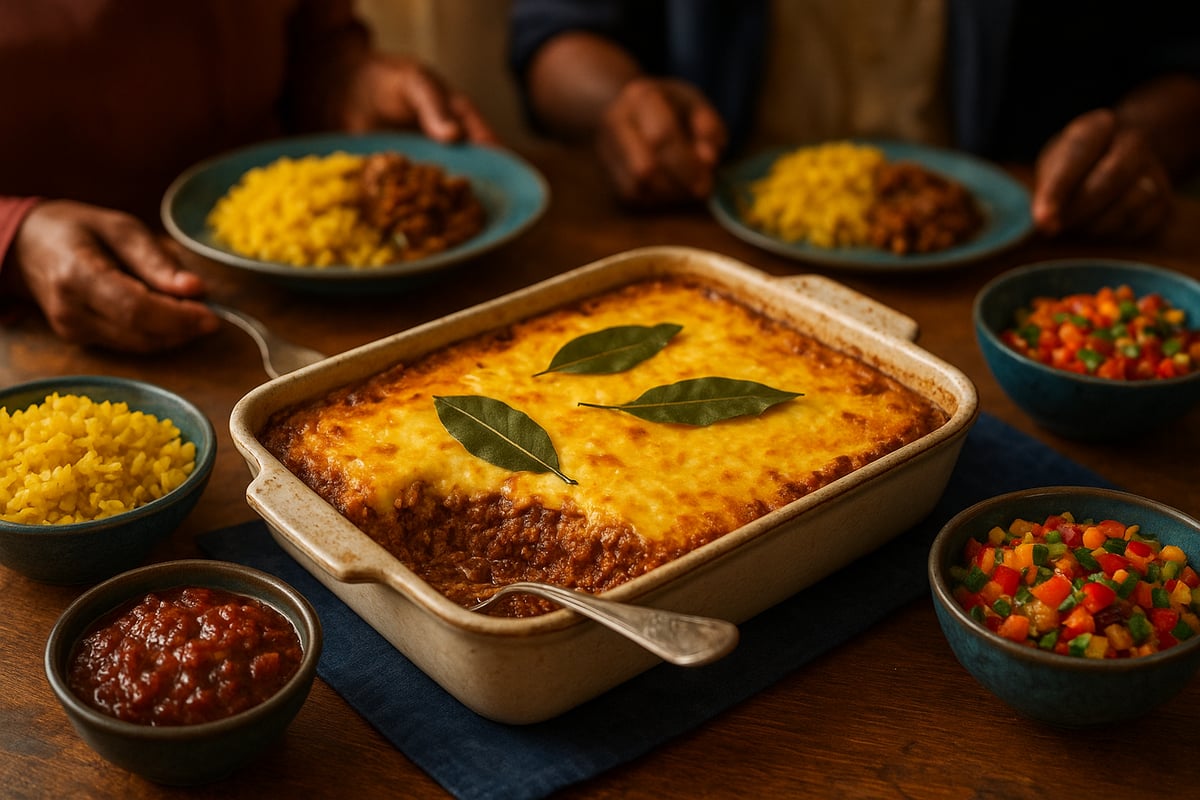
The most traditional companion for cape malay bobotie is geelrys, or yellow rice. This fragrant rice, seasoned with turmeric, cardamom, and a touch of sweetness, perfectly balances the savoury and fruity notes of the bobotie. Other classic sides include mashed potatoes, creamed spinach, and braised vegetables.
For those wanting to explore more South African flavours, consider serving bobotie alongside authentic South African curry and rice. This pairing highlights the shared spice blends and offers a true taste of the region.
Modern twists might include a Greek salad for freshness, baked baby potatoes for added comfort, or even a minted yoghurt to cool the palate. Chutneys, especially mango or apricot, add a tangy counterpoint, while spicy pickles and sambals bring extra vibrancy.
Beverage pairings are equally important. South African wines, particularly Chenin Blanc or Pinotage, complement the dish beautifully. Rooibos tea offers a non-alcoholic alternative with deep local roots, and local craft beers provide a modern touch.
Presentation Tips for Entertaining
Presentation elevates cape malay bobotie from everyday fare to a centrepiece worthy of any celebration. Garnish the golden custard top with toasted almonds, fresh coriander, or lemon slices for visual appeal.
For dinner parties, consider serving individual portions in ramekins. This approach adds elegance and allows for easy plating. Buffet-style gatherings benefit from bobotie presented in a large, shallow dish, encouraging guests to help themselves.
Mini bobotie bites make excellent appetisers. Simply shape the filling into small balls, bake with custard in mini muffin trays, and garnish. These are perfect for cocktail parties or as part of a tasting platter.
When presenting cape malay bobotie, use colourful serving dishes and South African-inspired linens. This not only enhances the dining experience but also honours the rich cultural heritage of the dish.
Storage, Reheating, and Leftover Ideas
Proper storage ensures cape malay bobotie remains delicious for days. Cool leftovers promptly, then store in airtight containers in the fridge for up to one week. For longer storage, portion the bobotie and freeze for up to three months. Defrost overnight in the fridge for best results.
Reheating is simple. Use an oven set to 160°C, covering the dish with foil to retain moisture, or microwave on medium-high, loosely covered, for even heating. Always check that the custard is heated through but not overcooked.
Leftovers can be transformed into new meals. Try forming cold bobotie into balls, coating with breadcrumbs, and pan-frying for savoury bites. Alternatively, mix leftover bobotie with rice to create arancini-style snacks, or serve alongside a crisp salad for a quick lunch.
For a South African-inspired platter, pair leftover cape malay bobotie with biltong or other local delicacies, drawing inspiration from guides like the homemade biltong recipe guide.
Expert Tips and FAQs
Is bread required in cape malay bobotie? While traditional recipes include soaked bread for moisture and binding, gluten-free versions often omit it or use suitable substitutes.
Why is cape malay bobotie significant in South African culture? The dish symbolises unity and multicultural heritage, celebrated at family gatherings, holidays, and community events.
Common issues and solutions:
- If the custard separates, ensure gentle mixing and avoid overbaking.
- A dry texture often results from using lean mince or overbaking. Retain some fat and monitor baking time.
- To adjust sweetness, modify the amount of chutney or dried fruit to taste.
Cape malay bobotie is highly adaptable for meal prep and entertaining. Make it ahead, as the flavours deepen overnight. Serve with pride, knowing you are sharing a dish that brings people together across generations.
Article written using RankPill.
Find spices for bobotie and South African cooking
Browse the curry and masala collection for powders, pastes and blends, or explore the wider South African spices range. Follow your recipe and the product directions when choosing a blend.