Boer Sausage Guide: Flavour, Cooking Tips & Traditions 2026
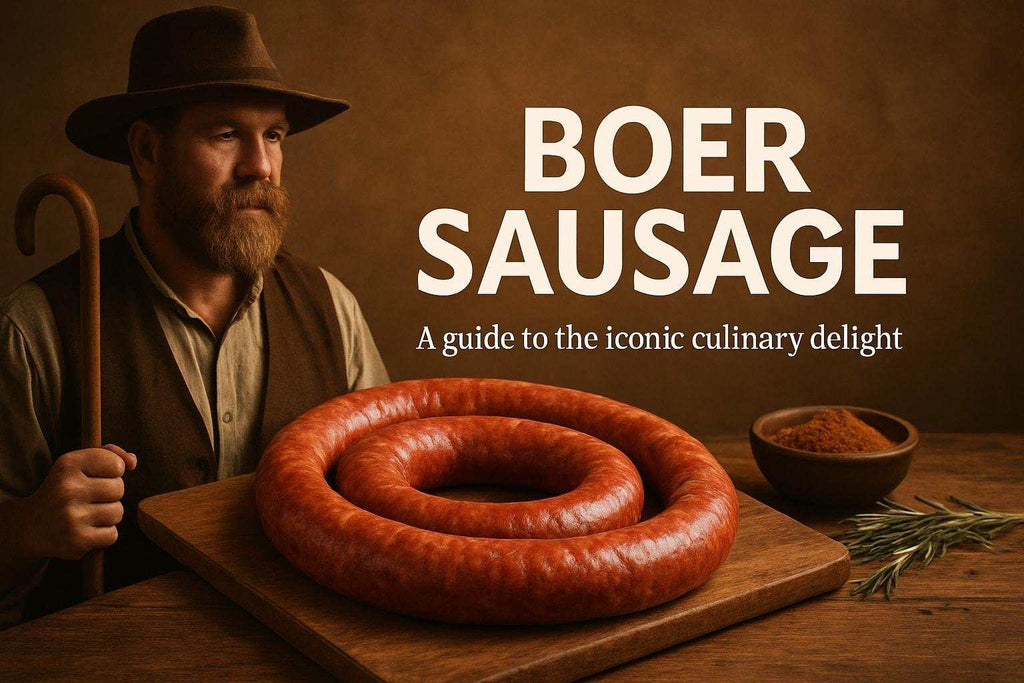
Step into the world of sizzling spices and hearty aromas with boer sausage, a food that unites cultures and celebrates tradition. Whether you are a seasoned braai enthusiast, a Kiwi curious about new flavours, or a South African longing for a taste of home, this guide is for you.
Here, you will discover the origins, authentic ingredients, and expert cooking tips behind this beloved delicacy. We will also explore its cultural roots and modern twists, ensuring you can enjoy every bite. Get ready to unlock the secrets of boer sausage and bring people together in 2026.
The Origins and Evolution of Boer Sausage
Discovering the story behind boer sausage unlocks a world of heritage, flavour, and community spirit. This journey stretches from the early days of rural South Africa to the vibrant Kiwi BBQs of today, revealing how one sausage became a global icon.

Historical Roots and Cultural Significance
Boer sausage traces its roots to the 17th-century Dutch settlers who arrived in South Africa. They brought sausage-making traditions that merged with local ingredients and knowledge, giving rise to what we now know as boerewors, meaning "farmer's sausage" in Afrikaans. This name reflects not only the agricultural origins but also the communal way of life on the South African veld.
In rural communities, boer sausage quickly became a staple, valued for its ability to preserve meat and feed large groups during gatherings. Families handed down recipes and preparation methods, ensuring each generation maintained a connection to their heritage. The traditional process involves carefully mincing quality meat, blending it with spices like coriander and clove, and stuffing the mixture into natural casings.
The boer sausage soon took centre stage at the braai, South Africa's beloved form of BBQ. Whether at festivals, sporting events, or family reunions, the sausage symbolised unity and celebration. As South Africans migrated to new shores, particularly New Zealand and Australia, they carried their boer sausage traditions with them. These communities introduced Kiwis to the distinctive taste and social rituals of the braai.
With globalisation, recipes have adapted and become more accessible, but the heart of the tradition remains. For a deeper dive into the preservation of authentic methods, see the Traditional Boerewors sausage - Slow Food Foundation.
Boer Sausage in Modern Times
Today, boer sausage continues to evolve. In New Zealand and Australia, butchers and home cooks often substitute local meats or adjust spice blends to suit regional palates. Despite these adaptations, the core principles—high meat content, balanced spices, and coiled presentation—remain constant.
Demand for boer sausage spikes around South African public holidays and community events, reflecting its strong cultural pull among expats. Specialty butchers and online suppliers, such as The Meat Box NZ, make it easier than ever for both South African and Kiwi families to enjoy authentic boer sausage at home. Customer reviews highlight the appreciation for genuine flavour and texture, especially when compared to generic sausages.
Modern food trends have also influenced boer sausage recipes. Options now include gluten-free and MSG-free varieties to cater to diverse dietary needs. Boerewors has become a star at Kiwi BBQs and food festivals, often served alongside classic New Zealand sides.
| Traditional Technique | Contemporary Technique |
|---|---|
| Hand-minced meat | Machine-minced meat |
| Natural hog casings | Synthetic or alternative |
| Open-fire braai | Gas BBQ, oven, or air fryer |
| Family spice blend | Commercial spice packets |
This blend of tradition and innovation ensures boer sausage remains relevant and beloved in modern times.
Protected Status and Authenticity
The South African government protects the name "boerewors" by setting strict standards. Authentic boer sausage must contain at least 90% meat, a specific blend of spices, and be encased in natural casings. These criteria safeguard the quality and heritage of the sausage.
For those seeking a genuine experience, sourcing authentic boer sausage is essential. Whether you buy from a trusted butcher or make it at home, following traditional methods ensures you enjoy the true taste and spirit of this historic delicacy.
Anatomy of Authentic Boer Sausage: Ingredients & Flavour Profile
A truly great boer sausage is defined by its carefully chosen ingredients and a balanced, layered flavour profile. Understanding what goes into this iconic sausage reveals why it is so beloved across generations and continents.
Core Ingredients and Their Roles
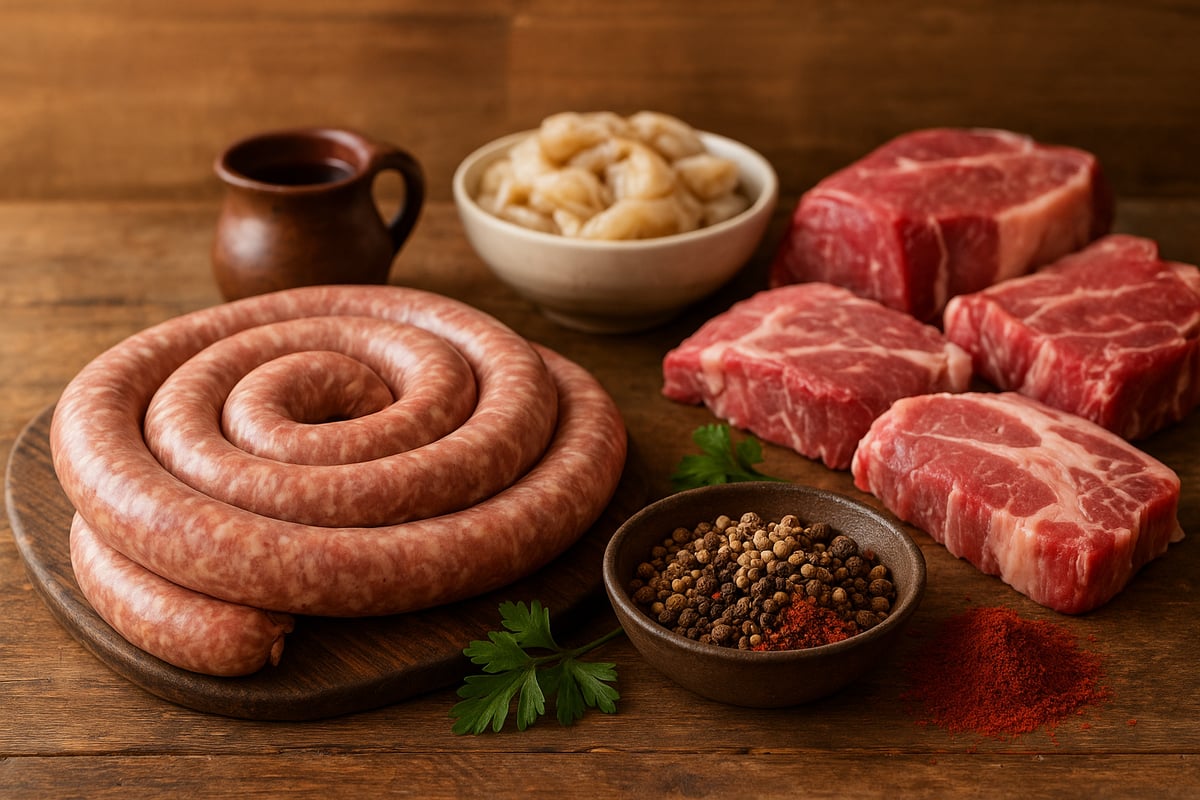
Every authentic boer sausage starts with a foundation of high-quality meats. The classic blend relies on beef as the main component, often making up at least 70 percent of the mix. Pork is sometimes added to introduce richness and depth, while a specific ratio of fat (around 30 percent) is crucial for succulence and mouthfeel.
The spice blend is the heart of boer sausage flavour. Traditional recipes call for freshly ground coriander, clove, nutmeg, black pepper, and allspice. These spices are responsible for the signature aroma and complex taste. For moisture and tang, a splash of vinegar or red wine is added, helping to balance the richness of the meat.
Natural hog casings give boer sausage its iconic snap and authentic texture. Unlike many commercial sausages, true boer sausage contains no fillers or breadcrumbs. This ensures a pure, meaty bite every time. When comparing homemade to store-bought versions, always check the ingredient list for quality indicators and absence of unnecessary additives.
For those making their own, sourcing the right spices for boerewors is essential to achieve that unmistakable traditional profile. Many New Zealand butchers highlight their use of imported or locally blended spices to match the original South African taste.
The Science Behind the Flavour
The magic of boer sausage lies in the science of flavour development. Roasting and grinding spices just before mixing unlocks their essential oils, creating a bold aroma that defines the sausage. Balancing savoury, sweet, and tangy notes is key—coriander offers citrusy brightness, while nutmeg and clove bring warmth and subtle sweetness.
A well-calibrated fat-to-meat ratio, ideally around 30 percent fat, ensures that boer sausage remains juicy without becoming greasy. Marinating the sausage mixture for several hours before stuffing allows flavours to meld and the meat to absorb the tang of vinegar or wine.
Resting the stuffed coils before cooking helps maintain texture and prevents splitting. Adjusting spice levels for personal preference is common, but the classic blend should always remain dominant. Protein and fat content per 100g typically sits around 17.4g protein and 11.3g fat, making boer sausage a satisfying and robust option.
Common pitfalls include dryness from over-lean meat, blandness from insufficient spice, or overpowering notes if the spice balance is off. Using a meat thermometer and avoiding overcooking are practical steps to preserve flavour and moisture.
Regional Variations and Modern Twists
Boer sausage has evolved well beyond its South African roots, especially in New Zealand kitchens. Local butchers may swap out pork for lamb or venison, adapting to regional tastes while maintaining the essence of the sausage. Some producers infuse the mix with chilli, cheese, or native herbs, adding a contemporary flair that appeals to adventurous palates.
Health-conscious variations are increasingly popular, featuring leaner cuts, gluten-free recipes, and reduced sodium content. The rise of vegan and alternative protein versions reflects a broader trend in 2026, allowing more people to enjoy the spirit of boer sausage regardless of dietary preference.
Notable brands across New Zealand offer both classic and innovative takes. Customer reviews often highlight preferences for traditional spice-heavy profiles or praise unique additions like smoked paprika or caramelised onion. Comparing the classic recipe at a South African butcher to a modern Kiwi twist at a local shop reveals a vibrant, evolving food culture.
Whether you prefer the time-honoured original or a bold new interpretation, the anatomy of boer sausage ensures there is a version to suit every taste and occasion.
Step-by-Step: How to Cook Boer Sausage Perfectly
Cooking boer sausage is more than just a meal preparation it is a celebration of tradition, flavour, and technique. Achieving the perfect boer sausage at home requires the right approach from selection to serving. Whether you are a braai enthusiast or new to South African cuisine, these expert tips will guide you to delicious, juicy results every time.
Preparing for the Braai (BBQ)
The journey to perfect boer sausage starts with selecting premium quality sausage. Look for fresh, plump coils with a firm texture and a natural casing. If frozen, thaw your boer sausage slowly in the fridge overnight, never in the microwave, to preserve its juiciness.
Before firing up the grill, avoid piercing the sausage casing as this helps retain moisture and flavour. Preheat your BBQ or grill to a medium heat. Even heat distribution is key for boer sausage, ensuring it cooks evenly without burning.
Essential tools include sturdy tongs, a reliable meat thermometer, and a grill basket or braai grid to keep the sausage in shape. Always wash your hands and utensils after handling raw boer sausage to prevent cross-contamination.
Customers often share tips like brushing the grill with oil to prevent sticking, or resting the sausage at room temperature for 20 minutes before cooking for better results.
- Select fresh, high-quality boer sausage
- Thaw in the fridge, never microwave
- Use tongs, not forks, to turn sausage
- Keep grill medium-hot for even cooking
Following these steps ensures your boer sausage is prepped and ready for the grill.
Traditional Braai Method: Over the Coals
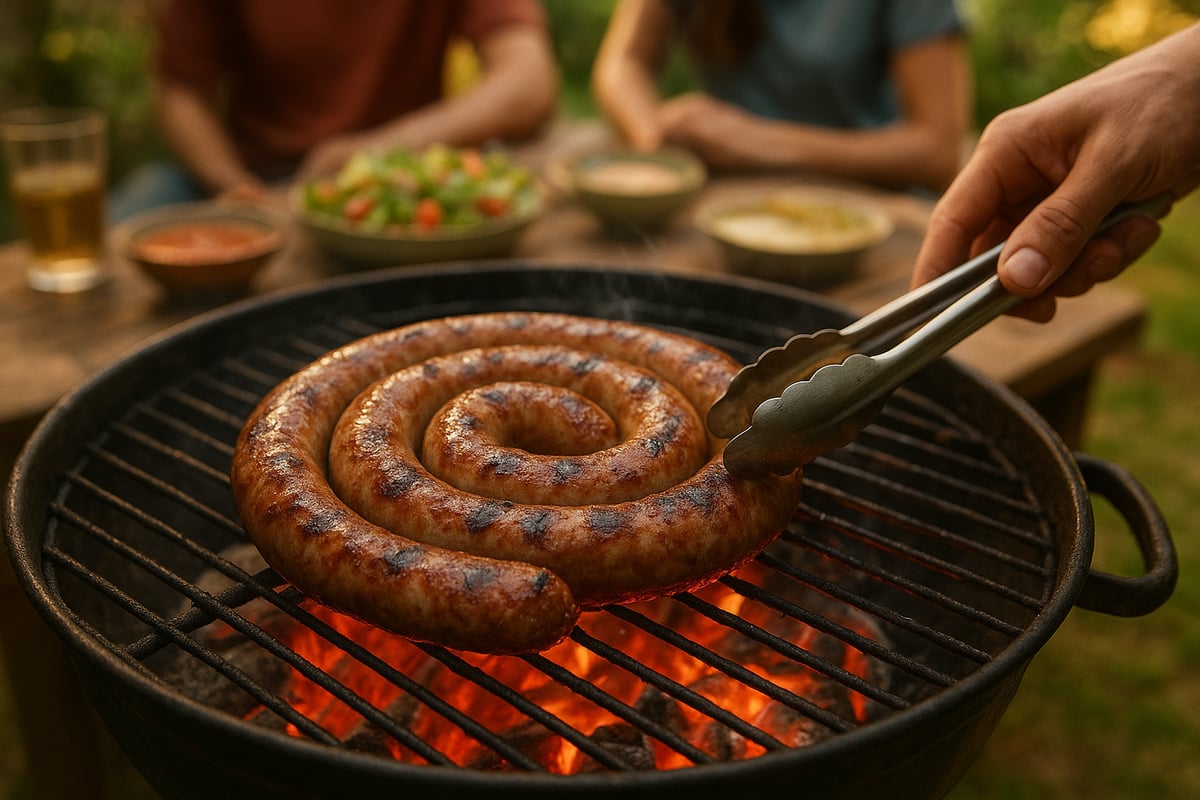
Cooking boer sausage over hot coals is an authentic method that brings out its smoky, robust flavour. Start by arranging charcoal into an even layer and letting it burn until covered with white ash. This creates a steady, moderate heat ideal for boer sausage.
Place the boer sausage coil directly onto the grill, keeping it in a spiral shape. Let it cook undisturbed for 5 to 7 minutes before turning gently with tongs. Turn only once to avoid breaking the casing.
Your goal is a golden-brown exterior with a juicy, slightly pink centre. Use a meat thermometer to check that the internal temperature reaches 70°C (160°F). Rest the sausage for a few minutes after cooking to allow juices to redistribute.
| Step | Action | Time | Note |
|---|---|---|---|
| 1 | Arrange charcoal for medium heat | 10 min | Even layer, white ash |
| 2 | Place boer sausage coil on grill | - | Keep in spiral |
| 3 | Cook, turn once | 10-15 min | Do not overhandle |
| 4 | Check temperature | - | Aim for 70°C/160°F |
| 5 | Rest before slicing | 2-3 min | Retain juiciness |
Braai masters recommend adding a few wood chips to the coals for extra smokiness. Remember, patience is key let the boer sausage cook gently for perfect flavour.
Alternative Cooking Methods
If outdoor grilling is not an option, there are several excellent ways to cook boer sausage indoors. For pan-frying, use a heavy skillet over medium heat. Add a splash of oil and cook the boer sausage coil for about 12 minutes, turning once for even browning.
Oven roasting is another fuss-free method. Preheat your oven to 180°C. Place the boer sausage in a baking tray and roast for 25 to 30 minutes, turning halfway through. For a quick, crispy finish, the air fryer works well. Set it to 180°C and cook the boer sausage for 10 to 12 minutes, checking for doneness.
Gas BBQs offer convenience, but charcoal imparts a deeper, smokier flavour to boer sausage. Adjust your technique depending on your appliance. Use grill baskets or racks to keep the sausage intact, especially for party platters or smaller servings.
Customer reviews highlight the ease of cooking boer sausage in air fryers and ovens, noting minimal mess and consistent results. Always avoid high heat, which can dry out the sausage or split the casing.
- Pan-fry for a crispy exterior
- Oven roast for hands-off cooking
- Air fry for quick, even results
- Use grill baskets for neat presentation
Experiment with different methods to suit your kitchen and preferences, always aiming for juicy, flavourful boer sausage.
Troubleshooting and Pro Tips
Even experienced cooks can face challenges with boer sausage. Overcooking, burst casings, or uneven seasoning are common pitfalls. To avoid dryness, never pierce the sausage and monitor the heat carefully.
If boer sausage becomes dry, slice and simmer it gently in a bit of water or wine to restore moisture. For burst casings, serve as is or chop into bite-sized pieces for skewers or wraps. Adjust cooking times for altitude or humidity if grilling outdoors in New Zealand.
Using a meat thermometer takes the guesswork out of doneness. Try making boer sausage burgers, meatballs, or skewers for variety. Store leftovers in an airtight container and reheat gently in a covered pan to retain flavour.
Customer hacks include adding a splash of water to the pan during cooking or resting the boer sausage after grilling for a juicier bite.
- Avoid high heat to prevent splitting
- Use a thermometer for perfect results
- Repurpose leftovers creatively
With these troubleshooting tips and expert advice, you will master boer sausage every time, creating memorable meals for friends and family.
Serving, Pairing & Enjoying Boer Sausage
Sharing boer sausage is more than a meal, it’s a celebration of bold flavour and togetherness. Whether you are hosting a lively Kiwi BBQ or reminiscing about home, how you serve and enjoy boer sausage can elevate the entire experience. Let’s explore classic traditions, inventive pairings, and practical nutrition tips to ensure every bite is memorable.

Classic and Contemporary Serving Suggestions
Boer sausage is a centrepiece at any gathering, served in both traditional and creative ways. The classic combination includes pap (maize porridge), a tangy tomato relish, and spicy chakalaka, offering a true taste of South African heritage. Many New Zealanders have embraced boer sausage with local sides like creamy potato salad, crunchy coleslaw, and soft fresh bread rolls.
For a modern twist, consider serving boer sausage as gourmet hot dogs topped with caramelised onions and mustard, or sliced into wraps with fresh greens and chutney. On larger occasions, present the sausage in whole coils for dramatic effect, or cut into bite-sized pieces for easy sharing. Presentation matters, so arrange boer sausage with colourful sides on wooden boards or platters for visual appeal.
Regional variations are common, with Kiwis adding local cheeses or seasonal vegetables to their boer sausage feasts. At many family BBQs, customers rave about pairing boer sausage with grilled corn, roasted kumara, or even a spicy aioli. For those sourcing authentic accompaniments and ingredients, the South African Groceries Collection is a fantastic resource for everything from boerewors to chutneys and spices.
Perfect Pairings: Drinks & Sides
Pairing the right drink and sides can enhance the bold, savoury notes of boer sausage. Robust South African red wines, such as Pinotage or Shiraz, complement the sausage’s spice and richness. Local craft beers, particularly those with malty or hoppy profiles, are also popular choices at Kiwi BBQs.
Non-alcoholic options like sparkling water, ginger beer, or rooibos iced tea ensure everyone can join the celebration. When it comes to sides, balance the hearty flavour of boer sausage with fresh salads, grilled vegetables, or tangy pickles. South African chutneys and relishes add a sweet and spicy dimension, making every plate unique.
Community events often feature feedback from both Kiwis and South Africans, highlighting the joy of discovering new pairings and celebrating cultural fusion through food.
Nutrition Facts and Dietary Considerations
Boer sausage is as nourishing as it is flavourful. A typical 100g serving delivers approximately 17.4g of protein, 11.3g of fat, and just 1.3g of carbohydrates, making it a protein-rich choice that fits many diets. Most boer sausage recipes are gluten-free, but always check for added breadcrumbs or fillers if you have sensitivities.
| Nutrient | Per 100g |
|---|---|
| Protein | 17.4g |
| Fat | 11.3g |
| Carbohydrates | 1.3g |
| Sodium | Varies |
For a healthier BBQ, choose leaner cuts or reduced sodium options. There are also plant-based and gluten-free versions of boer sausage available for those with dietary restrictions. Portion control is key, with a recommended serving size of about 150g per person. Compared to many other sausages, boer sausage offers a balanced nutritional profile, especially when paired with wholesome sides and mindful eating.
Boer Sausage Traditions: From South Africa to New Zealand
Boer sausage is not just a food, it is a bridge across generations and continents. The traditions surrounding this iconic sausage reveal deep cultural roots and a living connection between South Africa and New Zealand. Whether you are gathering around a backyard braai or making your own at home, these customs bring people together in celebration and comfort.
The Braai: A Cultural Institution
The braai is at the heart of South African life, and boer sausage is its star attraction. This tradition dates back centuries, when communities would gather to share food, stories, and laughter around open fires. The ritual of preparing and grilling boer sausage, often coiled in a spiral, symbolises unity and togetherness.
Key elements of the braai include:
- Appointing a braai master, who is responsible for the grill
- Serving boer sausage as the first bite, often in a fresh roll with tomato relish
- Sharing anecdotes and music while the fire burns
On Braai Day, also known as National Heritage Day, families and friends celebrate their heritage by grilling boer sausage and other local favourites. The "boerewors roll" is a street food staple at festivals, markets, and sporting events, bringing a taste of home to every bite. Many South African expats in New Zealand recreate these moments, keeping the tradition alive across oceans.
For a deeper dive into the history and cultural impact of boer sausage, see this overview on Boerewors - Wikipedia.
Boer Sausage in Kiwi Celebrations
In New Zealand, boer sausage has found a new home at BBQs, community events, and food festivals. Its robust flavour and rich heritage appeal to both South Africans and Kiwis, making it a favourite at summer gatherings. Specialty butchers and South African shops across the country now offer authentic boer sausage, meeting growing demand.
At local events, you will often find boer sausage sizzling on the grill, served with potato salad, coleslaw, or wrapped in soft bread. Testimonials from both Kiwis and South Africans highlight how this dish brings people together, creating new traditions while honouring old ones.
Food festivals and cultural fairs frequently showcase boer sausage, introducing more New Zealanders to its unique taste and the story behind it. These occasions are a perfect opportunity to experience the warmth and camaraderie that the sausage inspires.
Keeping Traditions Alive: Making Your Own Boer Sausage
For many families, making boer sausage from scratch is a cherished ritual. The process begins with mincing high-quality meat, blending signature spices, and carefully stuffing the mixture into natural casings. Sourcing authentic spices and casings in New Zealand is now easier than ever, thanks to specialty grocers and online suppliers.
Key tips for homemade success:
- Use a trusted family recipe or attend a local workshop
- Maintain the traditional fat-to-meat ratio for juiciness
- Experiment with spice levels to suit your taste
Passing down boer sausage recipes is a way to preserve heritage and share knowledge across generations. Many families record their own variations, creating a living cookbook of memories. Community groups, recipe books, and online forums offer support and inspiration for first-timers eager to carry on this delicious tradition.
Frequently Asked Questions About Boer Sausage
Boer sausage is a beloved staple at gatherings, yet many questions still arise as more Kiwis and South Africans enjoy it together. Here, we address the most common queries, from authenticity to serving tips, so you can savour every bite with confidence.
What Makes Boer Sausage Unique?
Boer sausage stands out due to its signature blend of beef, spices, and natural casings. Unlike many sausages, authentic boer sausage uses no fillers or breadcrumbs, resulting in a dense, juicy texture. The spice mix—dominated by coriander, clove, and nutmeg—delivers a distinctive savoury-sweet profile. For a deeper dive into authenticity and tradition, see this Boerewors Sausage: History, Recipe & Cultural Guide - Alibaba Spice.
Comparison Table: Boer Sausage vs. Standard Sausage
| Feature | Boer Sausage | Standard Sausage |
|---|---|---|
| Main Meat | Beef (with pork) | Pork, beef, or mixed |
| Fillers | None | Often present |
| Spices | Coriander, clove | Varies |
| Casing | Natural hog | Natural or synthetic |
Cooking, Storage, and Dietary Options
Boer sausage can be enjoyed by many, with gluten-free and even vegan options available from specialty butchers. To store, refrigerate raw sausage and use within three days, or freeze for up to three months. When reheating leftovers, use gentle heat to avoid drying out the boer sausage.
Common cooking tips:
- Do not pierce the casing to retain juiciness.
- For halal or vegetarian alternatives, check labels or specialty suppliers.
- To prevent bursting, cook over medium heat and turn only once.
Buying, Serving, and Community Insights
You can find authentic boer sausage at South African shops, Kiwi butchers, and online retailers throughout New Zealand. For large events, allow about 150g per person.
Serving suggestions:
- Try boer sausage as a classic coil, in a roll, or sliced on platters.
- Pair with pap, tomato relish, or local salads.
From community forums and reviews, the average price per pack is $12–$18, and shelf life is typically seven days chilled or three months frozen. At gatherings, make use of customer hacks like serving with chutneys or grilling alongside seasonal vegetables for a Kiwi twist.
After exploring the rich history, unique flavours, and time honoured traditions of Boer sausage, you might be inspired to bring these authentic tastes home to your own table. Whether you are reliving childhood memories or discovering something new, having access to genuine South African products makes all the difference. If you are ready to experience the real thing and find the perfect boerewors for your next braai or family gathering, I invite you to View product range. You will find the foods and flavours you miss most, now available to ship across New Zealand and Australia.
-
Posted in
Boer Sausage, Braai, Cooking Tips, Cultural Traditions, South African Cuisine