Can You Bring Biltong Into New Zealand From South Africa?
Short answer: do not assume South African biltong will be allowed through the New Zealand border. You must declare all food when you arrive in New Zealand, and MPI's current personal-food guidance says cured meat is permitted up to 1 kg only when it comes from a country that is free of foot-and-mouth disease (FMD) and does not require refrigeration. South Africa is currently operating active FMD control and vaccination programmes, so South African biltong is not something travellers should simply pack and expect to clear biosecurity.
Updated: 22 September 2026. Biosecurity rules can change quickly when animal-disease situations change. Always check the official MPI food guidance close to the date you travel.
Do I have to declare biltong when arriving in New Zealand?
Yes. Absolutely. New Zealand's Ministry for Primary Industries says all food must be declared, even very small amounts and cooking ingredients. Meat is specifically listed as a biosecurity risk good.
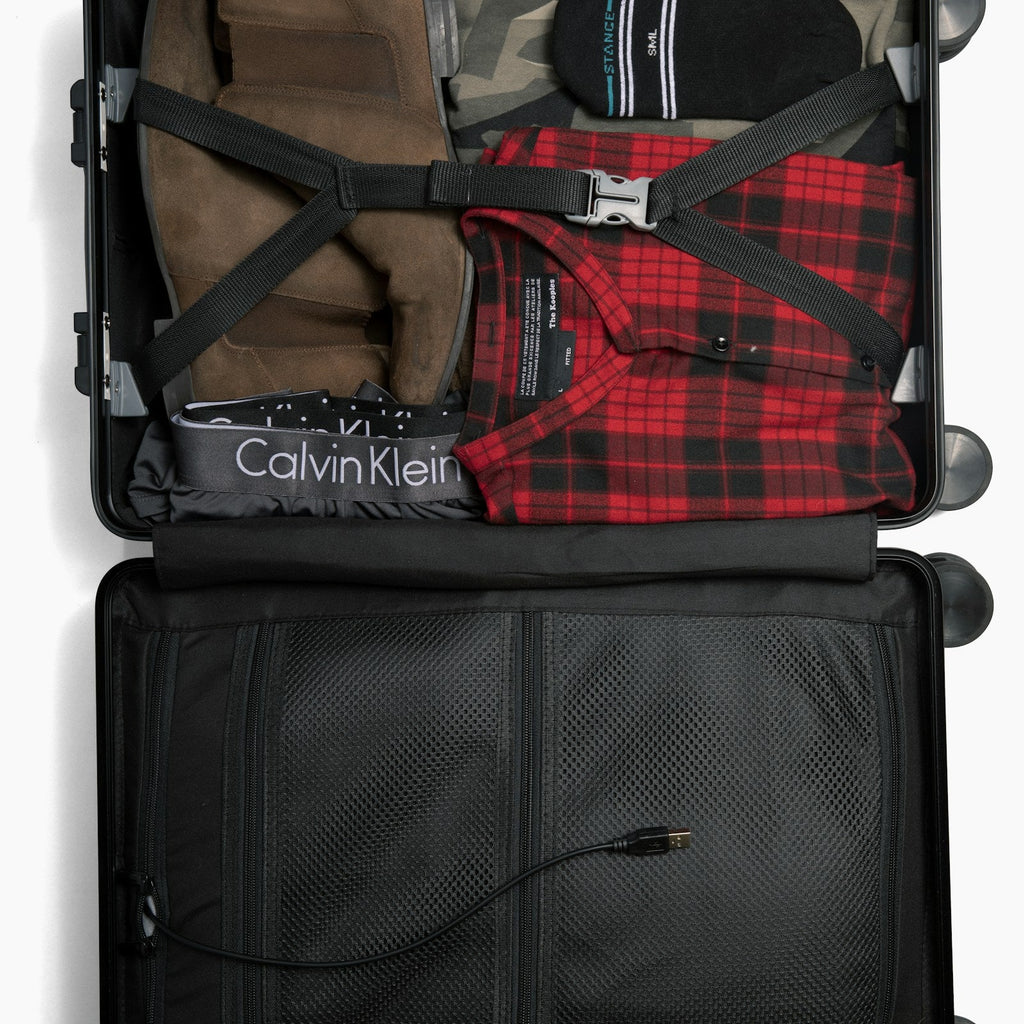
You declare it through your New Zealand Traveller Declaration. It does not matter whether the biltong is in checked baggage, cabin baggage or a jacket pocket: if you are carrying food, declare it.
If a declared item is not permitted, a biosecurity officer may require it to be surrendered, treated, confiscated or destroyed. Declaring it does not guarantee entry—but it does mean you have complied with the declaration requirement.
What does MPI currently say about cured meat?
MPI's current traveller guidance for meat products such as beef, sheep, goat, venison and certain other meats sets conditions around manufacture, packaging, origin and disease status. Products need to be clean, commercially manufactured and packaged, in unopened original packaging, with the country of manufacture clearly stated.
For cured meat that does not require refrigeration, MPI's published allowance is up to 1 kg from a country that is free of foot-and-mouth disease. That origin condition is the key issue for travellers carrying biltong from South Africa.
South Africa has been running a major FMD vaccination and control campaign in 2026. The South African Department of Agriculture reported outbreaks across all nine provinces earlier in the year and has continued importing and administering millions of vaccine doses as part of its national response. That means this is not a situation where a traveller should assume an ordinary packet of South African biltong fits MPI's straightforward cured-meat allowance.
So is South African biltong banned from New Zealand?
The safest answer is: do not treat it as automatically permitted.
Border clearance depends on the current import health standard, the product, its origin, packaging and the animal-disease situation at the time you travel. MPI itself notes that import health standards can change without notice—for example, when there is a disease outbreak overseas.
If you are carrying biltong, declare it and let the quarantine officer assess it. If you have not yet travelled and do not want to risk losing a favourite packet at the border, the lowest-hassle option is to leave it behind and buy biltong after you arrive in New Zealand.
Does vacuum-sealing biltong make it okay?
No. Vacuum-sealing by itself does not make a meat product admissible.
Packaging is only one part of MPI's conditions. Origin, commercial manufacture, labelling, disease status and the relevant import health standard still matter. A vacuum-packed bag of biltong from South Africa does not bypass those rules.
The same applies to a professionally sealed packet from a supermarket or butcher: commercial packaging can help satisfy a packaging condition, but it does not override the country-of-origin or animal-health requirements.
What about homemade biltong?
Homemade biltong is an even poorer candidate for border clearance because MPI's published conditions for this meat category require commercial manufacture and packaging, unopened original packaging, and clear country-of-manufacture information.
If you have homemade dried meat in your luggage, declare it. Do not try to hide it or assume that drying the meat removes the biosecurity risk.
Can I bring droëwors into New Zealand?
Droëwors is also a dried meat product, so the same caution applies. It is food, it contains meat and it must be declared. Do not assume that because it is dry, shelf-stable or vacuum-packed it will automatically be allowed through.
If you are interested in the food itself rather than the border rules, our guide to droëwors explains the South African dried-sausage tradition in more detail.
Does it matter whether the biltong is in carry-on or checked luggage?
No. The declaration requirement applies to risk goods you have with you, including items in your bags, luggage or clothing. Moving the packet from one suitcase to another does not change its biosecurity status.
If you suddenly remember a food item after landing, MPI provides biosecurity disposal bins before the border-clearance process. If you are unsure, declare it or dispose of it—do not gamble on walking through without mentioning it.
What happens if I forget to declare it?
New Zealand takes border biosecurity seriously. MPI says a false declaration can result in an NZ$400 infringement fee, even when the failure to declare was accidental or you simply forgot.
Deliberate smuggling can carry much more serious penalties. The simplest rule for South Africans arriving in New Zealand is therefore the best one: when in doubt, declare it.
Why does foot-and-mouth disease matter for biltong?
Foot-and-mouth disease is a highly contagious viral disease affecting cloven-hoofed animals such as cattle, sheep, goats and pigs. New Zealand's biosecurity system is designed to stop pests and animal diseases entering the country, which is why meat products are assessed according to both the way they were processed and the animal-health status of their origin.
In April 2026, South Africa's government reported 1,317 FMD cases across all nine provinces and a nationwide vaccination strategy. By May, millions more vaccine doses were being imported as part of the control campaign. This current disease context is exactly why travellers should use the latest MPI guidance rather than rely on what a friend was allowed to bring in several years ago.
Can I buy proper biltong once I arrive in New Zealand?
Yes. There is no need to arrive biltong-less for long.
Something From Home stocks ready-to-eat biltong and droëwors already in New Zealand when available. The easiest way to see what is in stock right now is our Ready to Eat Biltong collection. Because that collection is inventory-driven, it is a better place to check live availability than an old product recommendation in a blog post.
You can also read our existing guide on ordering South African-style biltong online in New Zealand.
What South African foods should travellers be especially careful with?
Meat is the obvious category, but MPI requires all food to be declared—not only meat. That includes snacks, spices, dried foods, dairy products, honey, fruit, vegetables, seeds and many other items.
Different products have different entry conditions, so do not assume that because one South African grocery item is allowed, another will be too. MPI's official item-checking guidance is the right place to check each product before you pack.
Quick checklist before flying from South Africa to New Zealand
- Check MPI's current rules close to departure. Animal-health conditions can change.
- Declare every food item. Do not rely on memory or what happened on a previous trip.
- Do not assume vacuum packing makes meat acceptable.
- Keep original commercial packaging and labels for any food you are carrying where applicable.
- If unsure, declare or dispose of the item in an airport biosecurity bin.
- Do not hide food. The penalty for an incorrect declaration can be NZ$400 even when accidental.
The practical answer
If the question is, "Can I put a packet of South African biltong in my suitcase and confidently expect to take it home in New Zealand?" the answer in September 2026 is no—you should not assume that.
MPI's cured-meat allowance is linked to FMD-free origin, while South Africa is currently in an active FMD control and vaccination period. If you carry biltong, declare it and let the biosecurity officer make the clearance decision. If you would rather avoid the uncertainty altogether, leave the meat behind and pick up ready-to-eat biltong after you arrive.