Jaffles Maker: The Ultimate Guide for South Africans
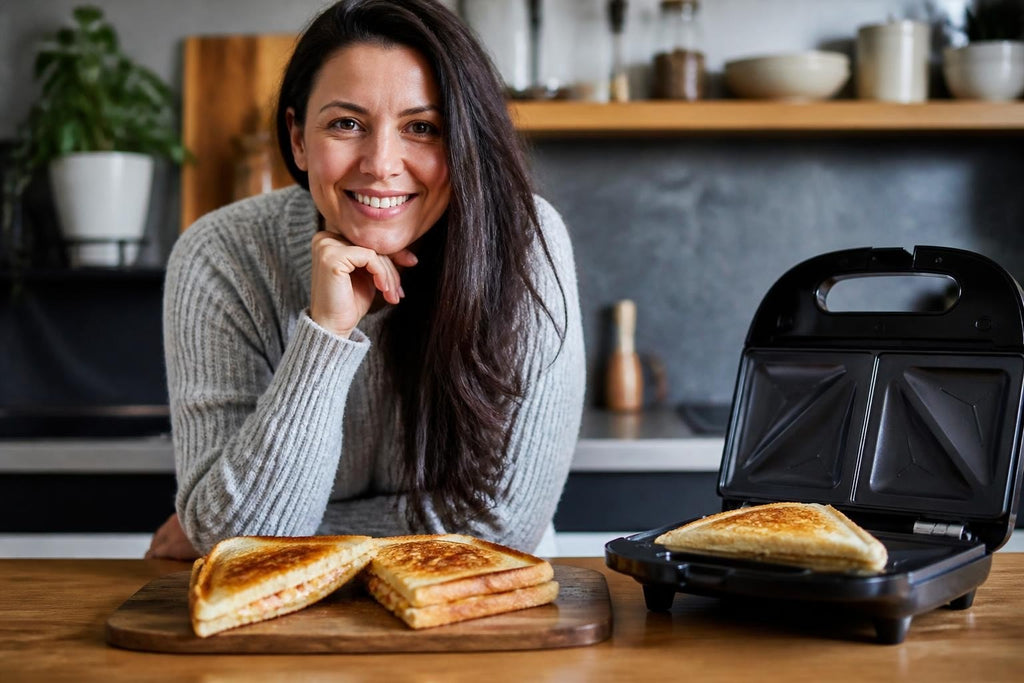
Few kitchen appliances evoke the same sense of nostalgia and comfort as a jaffles maker for South Africans living abroad. This humble device, known by various names including sandwich press, pie iron, and snack maker, holds a special place in South African households and braai culture. For expats in New Zealand searching for a taste of home, the jaffles maker represents more than just a cooking tool-it's a gateway to childhood memories, family gatherings, and the simple pleasure of perfectly sealed toasted sandwiches. Whether you're rediscovering this classic appliance or introducing it to your Kiwi friends, understanding its versatility and cultural significance makes it an essential addition to any kitchen.
The History and Cultural Significance of the Jaffles Maker
The jaffles maker has a rich heritage that spans continents and generations. Originally developed as a pie iron, these devices have been sealing sandwiches over campfires and on stovetops since the early 20th century. The term "jaffle" itself became synonymous with the sealed toasted sandwich, particularly in Australia and South Africa, where the appliance became a household staple.
In South Africa, the jaffles maker transcended its simple function to become part of the cultural fabric. From township kitchens to suburban homes, families gathered around these devices to create quick meals, after-school snacks, and camping treats. The appliance's popularity peaked during the 1970s and 1980s when brands like Breville revolutionised the market with electric models.
From Campfire to Countertop
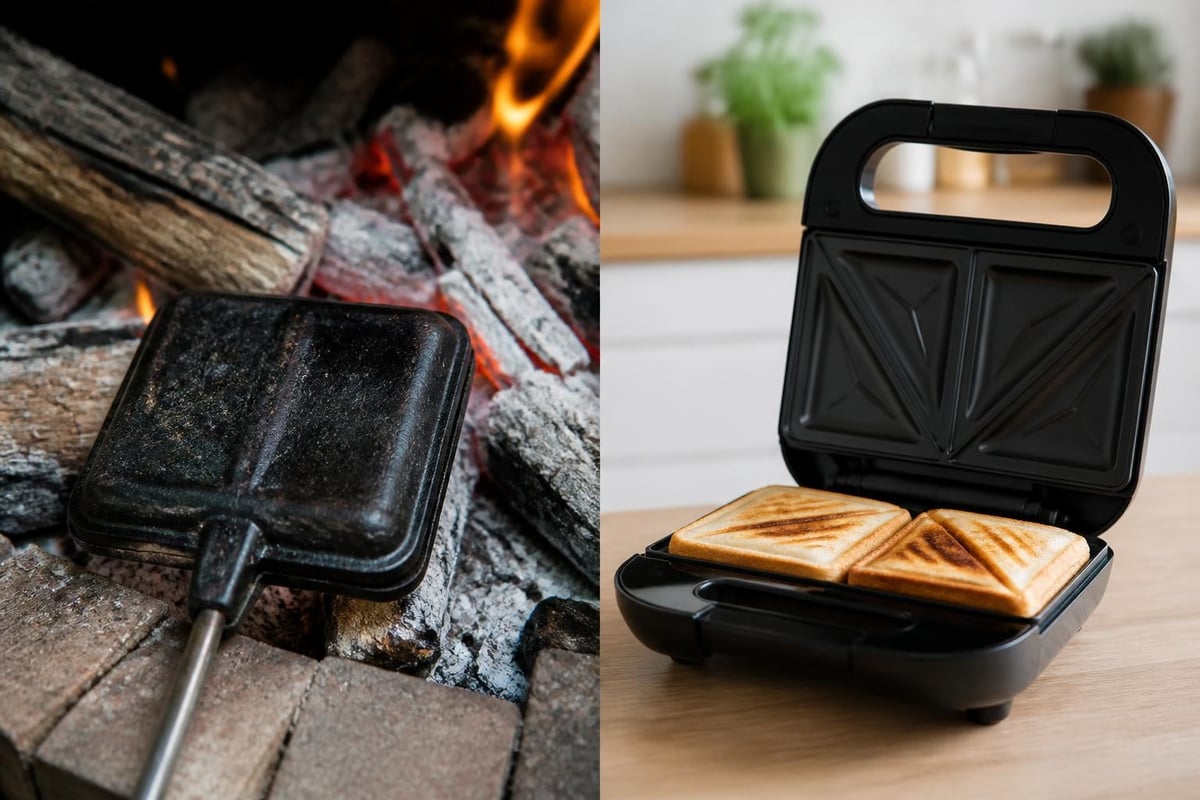
The evolution of the jaffles maker mirrors broader changes in food preparation technology. Traditional cast-iron versions required open flames or stovetops, making them perfect companions for outdoor adventures and braais. These sturdy implements could withstand intense heat and lasted for generations when properly maintained.
Electric jaffles makers brought convenience to kitchen benchtops. Breville's iconic Snack 'n' Sandwich toaster transformed the device from a camping essential to an everyday appliance. The introduction of non-stick surfaces, automatic temperature control, and indicator lights made creating perfect jaffles accessible to everyone.
Types of Jaffles Makers Available in 2026
Understanding the different varieties helps you choose the right jaffles maker for your needs. Each type offers distinct advantages depending on your cooking style, space constraints, and frequency of use.
| Type | Best For | Key Features | Price Range |
|---|---|---|---|
| Cast-Iron Campfire | Outdoor cooking, braais | Durable, no electricity needed, authentic flavour | $25-$60 NZD |
| Electric Sandwich Press | Daily home use | Convenient, consistent results, easy to clean | $40-$150 NZD |
| Multi-Plate Sandwich Maker | Versatile cooking | Interchangeable plates, waffle/grill options | $80-$200 NZD |
| Commercial Jaffle Iron | High-volume preparation | Professional-grade, rapid heating, durable | $300-$800 NZD |
Choosing the Right Model
When selecting a jaffles maker, consider your specific requirements. Electric models offer convenience for busy weekday mornings, whilst cast-iron versions provide authenticity for weekend braais. Modern sandwich makers often include additional features such as adjustable temperature controls, deep-fill pockets for generous portions, and indicator lights for perfect timing.
Space-conscious Kiwi kitchens benefit from compact designs that store vertically. Look for models with cord storage and cool-touch handles for safety. Non-stick coating quality varies significantly between brands-higher-grade coatings ensure easier cleaning and longer appliance lifespan.
Classic South African Jaffle Fillings and Recipes
The beauty of a jaffles maker lies in its versatility. South African creativity has produced countless filling combinations that range from simple to sophisticated. These recipes connect expats to home whilst introducing New Zealand friends to delicious new flavour profiles.
Traditional Favourites
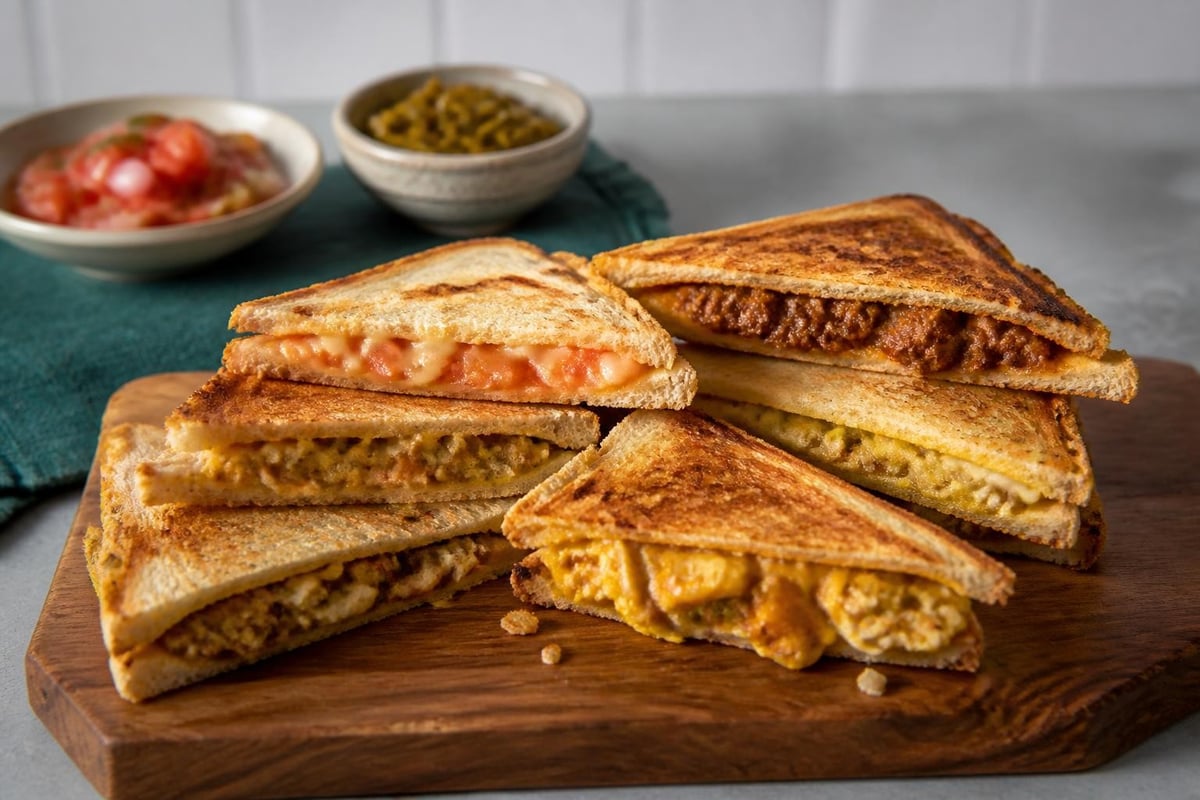
Cheese and Tomato: The quintessential jaffle filling combines mature cheddar with fresh tomato slices. Season with salt, pepper, and a hint of Worcester sauce for authentic flavour. The cheese melts perfectly whilst the tomato provides moisture and acidity.
Curried Mince: Leftover bobotie or South African curry transforms into outstanding jaffle fillings. The sealed edges prevent spillage whilst the heat intensifies the aromatic spices.
Baked Beans and Cheese: A childhood favourite throughout South Africa, this combination delivers protein and comfort. Add a dash of South African tomato sauce before sealing for extra flavour.
Innovative Modern Combinations
Contemporary South African cooks have elevated jaffle-making to an art form. Creative recipes incorporate global influences whilst maintaining traditional techniques:
- Bunny Chow Jaffle: Miniature versions of the iconic Durban street food using curry filling with fresh coriander
- Boerewors and Chakalaka: Sliced cooked boerewors with spicy chakalaka relish
- Peri-Peri Chicken: Shredded chicken breast with peri-peri sauce and mozzarella
- Braai Leftover Special: Combine yesterday's braai meat with caramelised onions and cheese
Using Your Jaffles Maker: Techniques and Tips
Mastering the jaffles maker requires understanding both equipment and technique. Proper preparation ensures perfectly sealed, golden-brown results every time whilst avoiding common pitfalls that lead to soggy or burnt jaffles.
Preparation Essentials
Start with the right bread. White sandwich bread works best for traditional jaffles, providing the ideal thickness and moisture content for sealing. Avoid artisan breads with irregular textures that prevent proper closure. Fresh bread seals more effectively than day-old, though slightly stale bread absorbs less moisture from wet fillings.
Butter distribution matters significantly. Spread softened butter evenly to the edges on the outside surfaces. This creates the golden crust and prevents sticking. Some cooks prefer margarine for its higher smoke point, whilst others insist butter provides superior flavour.
Step-by-Step Cooking Process
- Preheat your jaffles maker until the indicator light signals readiness (electric models) or a water droplet sizzles on contact (cast-iron)
- Assemble fillings on one bread slice, keeping ingredients away from edges to prevent leakage
- Top with second slice and place buttered-side-down in the maker
- Close firmly to seal edges completely
- Cook for 3-5 minutes until golden brown, checking periodically
- Remove carefully using silicone tongs to avoid burns
- Rest for 60 seconds before cutting to allow filling to settle
Temperature control prevents burning whilst ensuring thorough cooking. Cast-iron jaffles makers over campfires require more attention and periodic repositioning. Electric models offer consistency but watch for hot spots that cook unevenly.
Maintenance and Care for Longevity
Proper maintenance extends your jaffles maker's lifespan whilst ensuring food safety and optimal performance. Cleaning and care procedures vary by model type but follow general principles applicable across all varieties.
Daily Cleaning Routine
Never immerse electric jaffles makers in water. Instead, unplug and allow complete cooling before wiping plates with damp cloths. Stubborn residue responds well to paste made from bicarbonate of soda and water applied gently with soft cloths.
Cast-iron models require different care. Season after each use by wiping with thin oil layers to prevent rust. Store in dry locations and never use harsh detergents that strip protective seasoning. General appliance maintenance guidance emphasises regular inspection of electrical cords and hinges.
Long-Term Storage
- Store vertically to save space and prevent dust accumulation on cooking surfaces
- Wrap cords around designated storage areas to prevent damage
- Check seals periodically for wear or degradation
- Test temperature accuracy annually using simple bread-browning tests
- Replace worn plates when non-stick coating deteriorates significantly
The Jaffles Maker in Contemporary South African Culture
Despite technological advances in kitchen appliances, the jaffles maker maintains its relevance in modern South African households. Its enduring appeal stems from nostalgia, practicality, and the simple pleasure of comfort food done well.
For South Africans in New Zealand, the jaffles maker serves as a tangible connection to home. The familiar sound of sizzling butter, the satisfying seal of edges, and the aroma of melting cheese trigger powerful memories of childhood, family gatherings, and simpler times. These sensory experiences cannot be replicated by modern panini presses or toastie makers, despite their similar functions.
Social Media and Jaffle Revival
Contemporary food culture has rediscovered the jaffles maker through social media platforms. Instagram and TikTok feature creative filling combinations, technique tutorials, and nostalgic content celebrating this classic appliance. Australian food programmes have documented the jaffle's cultural significance, sparking renewed interest amongst younger generations.
This revival extends beyond nostalgia. Health-conscious cooks appreciate the minimal oil requirements compared to deep-frying. Busy parents value quick meal preparation that children enjoy. Students recognise the affordability and simplicity for limited budgets and basic cooking facilities.

Shopping for Jaffles Makers in New Zealand
New Zealand retailers stock various jaffles maker models catering to different preferences and budgets. When shopping for kitchen appliances, consider warranty coverage, replacement part availability, and local service centres for repairs.
Where to Find Quality Models
Major appliance retailers throughout Auckland, Wellington, and Christchurch carry popular brands. Online shopping provides broader selection and competitive pricing, though inspect items personally when possible to assess build quality. Trade Me and Facebook Marketplace offer second-hand options, particularly vintage cast-iron models that outlast modern equivalents.
Key Features to Evaluate:
- Plate size and depth for generous fillings
- Power consumption and heating speed
- Warranty length and coverage terms
- Replacement plate availability
- Customer service reputation
- Safety certifications for New Zealand standards
Complementing Your Jaffles with South African Ingredients
The perfect jaffle requires quality ingredients that deliver authentic South African flavours. Whilst New Zealand supermarkets stock basics, specialised products elevate ordinary jaffles to extraordinary experiences.
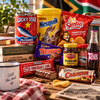
For South Africans missing familiar tastes, accessing authentic ingredients makes significant differences. Something From Home offers comprehensive selections of South African products unavailable in mainstream New Zealand stores. Their warehouse stocks everything from Mrs Ball's Chutney to Nando's Peri-Peri sauce, enabling authentic recreations of beloved recipes.
Essential Ingredients for Authentic Jaffles
Condiments and Spreads: All Gold Tomato Sauce, Mrs Ball's Chutney, and Nando's marinades add distinctive South African character to fillings. These products feature flavour profiles impossible to replicate with local alternatives.
Spices and Seasonings: Robertsons Spices, particularly their braai and curry blends, season fillings with authentic taste memories. Maize meal combined with creative fillings produces unique texture combinations.
Snacks for Sides: Pair jaffles with Simba chips, Ouma Rusks for dunking in tea, or biltong for complete South African snack experiences. These accompaniments transform simple lunches into nostalgic feasts.
Building Your South African Pantry
Establishing well-stocked pantries ensures spontaneous jaffle-making whenever cravings strike. Shopping for African food online provides convenience for busy schedules whilst guaranteeing product authenticity and quality.
Stock rotation prevents waste whilst maintaining freshness. Purchase frequently-used items like chutney and spices in bulk for cost savings. Experiment with new products to discover unexpected jaffle filling combinations that blend South African and New Zealand ingredients creatively.
Health Considerations and Nutritional Balance
Whilst jaffles provide comfort and convenience, mindful ingredient selection supports healthier eating patterns. Modern interpretations adapt traditional recipes to accommodate dietary restrictions and nutritional goals without sacrificing flavour.
Healthier Preparation Methods
Choose wholegrain or seed bread varieties to increase fibre content. Reduce butter quantities or substitute with olive oil spray for lower saturated fat. Load jaffles with vegetables including mushrooms, spinach, peppers, and onions to boost nutrient density.
Protein-rich fillings sustain energy longer than simple carbohydrate combinations. Incorporate lean meats, eggs, beans, or tofu alongside cheese for balanced macronutrients. Control portion sizes by using your jaffles maker's capacity as a natural limiter rather than preparing multiple rounds.
Dietary Adaptations:
- Gluten-free: Use certified gluten-free bread and verify all fillings
- Dairy-free: Substitute plant-based cheese alternatives and dairy-free spreads
- Low-carb: Replace bread with egg-based wraps or large vegetable leaves
- Vegetarian: Emphasise beans, lentils, vegetables, and plant proteins
- Vegan: Combine dairy-free cheese, vegetable fillings, and vegan spreads
Troubleshooting Common Jaffles Maker Problems
Even experienced cooks encounter occasional difficulties with their jaffles makers. Understanding common issues and solutions prevents frustration whilst improving results consistently.
Sticking and Burning Issues
Problem: Jaffles stick to plates despite non-stick coating Solutions: Ensure adequate butter on bread exterior; verify plates are properly heated before assembly; check coating for damage requiring replacement; reduce temperature slightly for thicker fillings
Problem: Edges burn whilst centres remain cold Solutions: Lower temperature settings; preheat more thoroughly; redistribute filling away from edges; verify even heating element function
Sealing and Structural Problems
Inadequate sealing allows filling to leak during cooking. This results from overfilling, uneven bread placement, or insufficient pressure during closure. Use less filling than expected-compression during cooking increases volume. Position bread carefully ensuring complete plate coverage.
Poor structural integrity causes jaffles to fall apart when removed. Allow adequate resting time before cutting. Support jaffles with spatulas during transfer to plates. Consider bread quality-fresh bread with proper moisture content holds together better than dried or frozen varieties.
Advanced Jaffles Maker Techniques
Once basic skills are mastered, experimental techniques expand your jaffles maker's potential beyond traditional sandwiches. These advanced applications demonstrate the appliance's versatility and encourage culinary creativity.
Sweet Jaffles and Desserts
Transform your jaffles maker into dessert preparation tool. Nutella and banana combinations create indulgent treats. Apple, cinnamon, and custard fillings mimic apple pie flavours. Cream cheese and berry jam produce cheesecake-inspired jaffles.
Gourmet Dessert Ideas:
- Peppermint Crisp Tart filling (inspired by the classic South African dessert)
- Chocolate and marshmallow s'mores versions
- Lemon curd and meringue combinations
- Caramel and pecan fillings
International Fusion Creations
Blend South African ingredients with New Zealand produce for fusion jaffles. Combine locally-sourced lamb with chakalaka. Mix fresh New Zealand salmon with peri-peri cream cheese. Incorporate indigenous ingredients like kumara alongside traditional South African spices.
These experimental combinations honour both cultures whilst creating unique flavour profiles impossible to achieve elsewhere. Document successful experiments to refine recipes and share discoveries with fellow expats seeking culinary adventures.
The Jaffles Maker as Community Connection
For South Africans in New Zealand, food serves as primary connection point to heritage and community. The jaffles maker facilitates these connections through shared meals, recipe exchanges, and nostalgic conversations around familiar foods.
Building Community Through Food
Organise jaffle-making gatherings where participants bring favourite fillings to share. These events create opportunities for newcomers to meet established expat communities. Recipe demonstrations educate Kiwi friends about South African food culture whilst fostering cross-cultural understanding and appreciation.
South African stores become community hubs where shoppers exchange tips, recipes, and recommendations. Something From Home's extensive range of products enables authentic recreations that spark conversations and memories. Their warehouse stocks more than 2,500 South African products, ensuring access to even obscure regional specialities.
Social media groups dedicated to South African expats frequently feature jaffle content. Members share innovative recipes, troubleshooting advice, and sourcing recommendations for authentic ingredients. These digital communities supplement physical gatherings, providing support and connection regardless of geographical distance across New Zealand.
Sustainability and the Jaffles Maker
Environmental consciousness influences modern appliance choices. The jaffles maker's sustainability credentials depend on model type, usage patterns, and ingredient sourcing decisions.
Energy Efficiency Considerations
Electric jaffles makers consume relatively modest power, typically between 700-1200 watts. Cooking times of 3-5 minutes per batch result in minimal energy expenditure compared to conventional ovens. Batch cooking multiple jaffles maximises efficiency whilst reducing per-serve power consumption.
Cast-iron models used over existing cooking heat sources add no additional energy requirements. Their exceptional durability means single purchases last lifetimes, dramatically reducing manufacturing and disposal impacts compared to electric alternatives requiring eventual replacement.
Reducing Food Waste
Jaffles makers excel at transforming leftovers into appealing new meals. Yesterday's roast becomes tomorrow's filling. Vegetable scraps combine with cheese for nutritious snacks. This versatility reduces household food waste whilst stretching grocery budgets further.
Waste-Reducing Strategies:
- Freeze leftover fillings in portion sizes for quick future use
- Combine small cheese quantities too little for other applications
- Use stale bread that's unsuitable for fresh sandwiches
- Transform single-serve ingredient remainders into complete jaffles
- Create vegetable-heavy fillings from produce approaching use-by dates
The jaffles maker represents far more than simple kitchen equipment for South Africans in New Zealand-it embodies connection, tradition, and comfort in equal measure. Whether you're introducing this versatile appliance to your home or rediscovering childhood favourites, the techniques and recipes outlined ensure consistently delicious results. When you're ready to stock your pantry with authentic South African ingredients that transform good jaffles into great ones, Something From Home provides everything you need, from familiar condiments to specialty products, delivered throughout New Zealand.