
Switch Energy: South African Food Culture in New Zealand
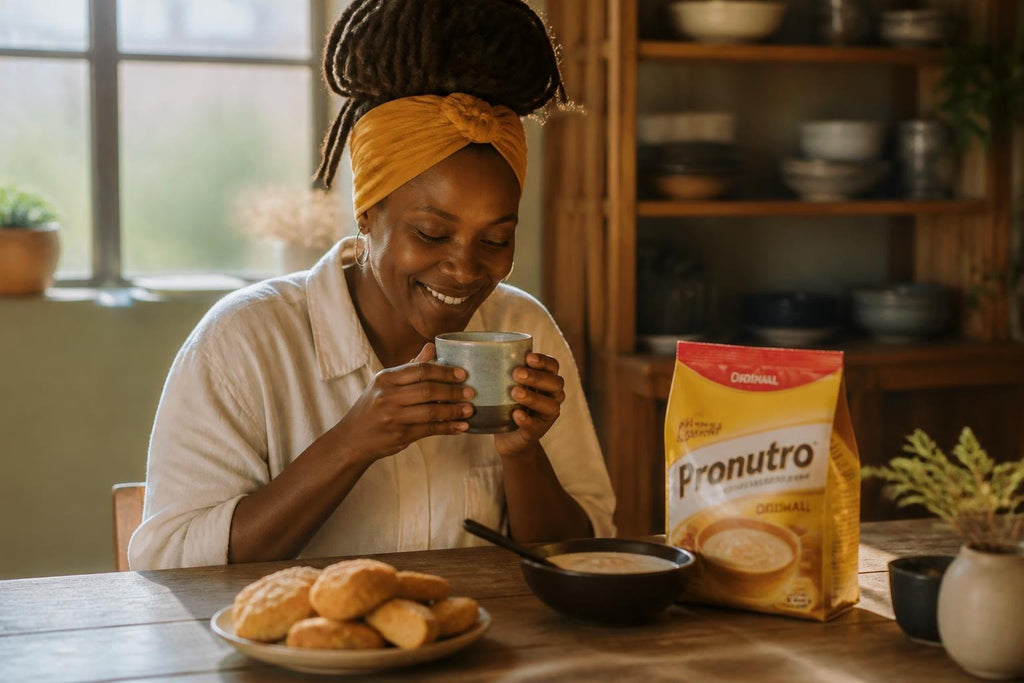
The term "switch energy" captures a powerful concept that resonates deeply with South Africans living abroad. It describes the instant shift in mood, mindset, and emotional state that occurs when reconnecting with something familiar from home. For the South African community in New Zealand, this energy switch often happens through food-the tastes, smells, and textures that transport them back to braais in the Lowveld, Sunday lunches in Cape Town, or childhood snacks from the tuck shop. Understanding this phenomenon helps explain why South African grocery shopping in New Zealand isn't just about sustenance; it's about maintaining cultural identity and emotional wellbeing.
The Psychology Behind Switch Energy
Switch energy operates on multiple psychological levels, combining sensory memory, cultural identity, and emotional comfort. When a South African expatriate encounters a familiar product like Fattis & Monis macaroni, their brain doesn't simply register pasta. Instead, it triggers a cascade of memories, emotions, and associations that fundamentally alter their emotional state within moments.
Sensory Memory and Cultural Connection
The human brain stores memories in complex networks that link sensory experiences with emotions and contexts. Food represents one of the most powerful triggers for these networks because it engages multiple senses simultaneously.
Key sensory triggers include:
- Taste profiles specific to South African cuisine
- Aromas that evoke childhood homes and family gatherings
- Textures associated with traditional preparation methods
- Visual cues from familiar packaging and branding
Research demonstrates that olfactory memories remain particularly strong because the olfactory bulb connects directly to the limbic system, which governs emotions and memory formation. When South Africans encounter the distinctive smell of Chilli Kingdom's Jou Ma Se Chilli Pickle, they experience an immediate switch energy that transcends simple preference for spicy food.
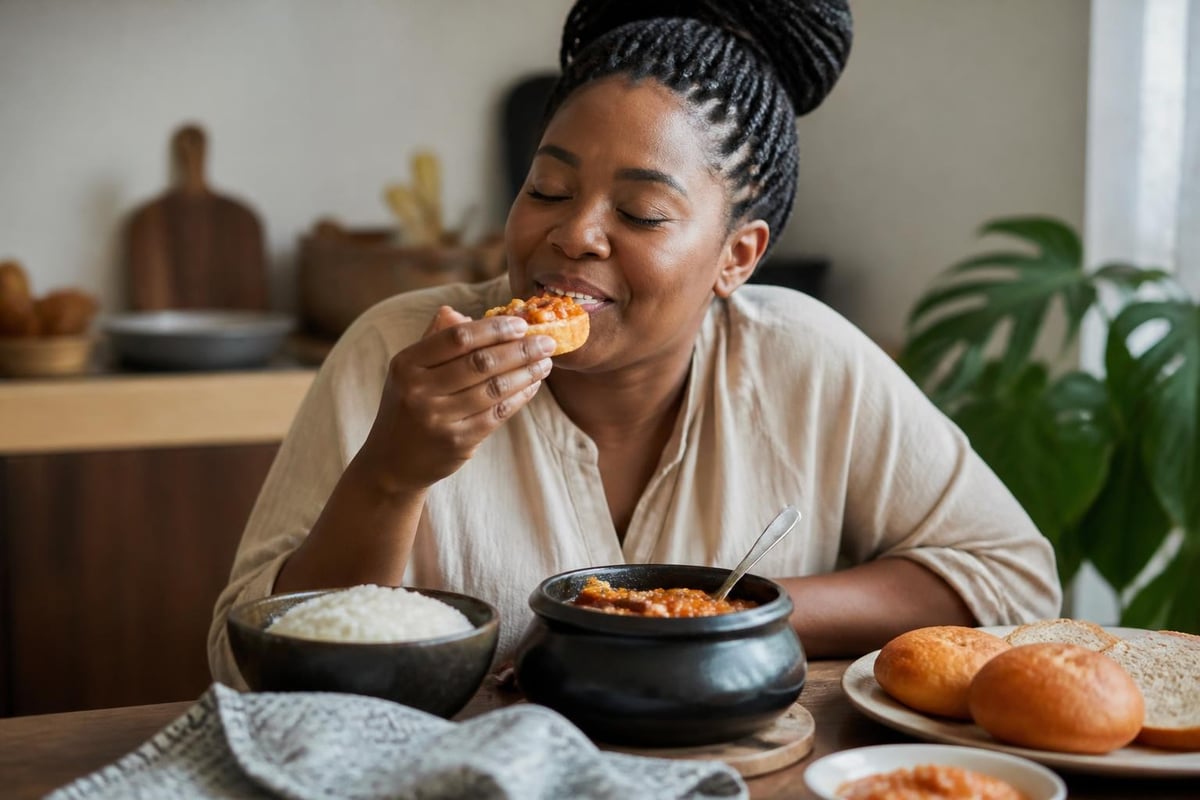
Switch Energy in the Expatriate Experience
Living in New Zealand offers South Africans tremendous opportunities, stunning landscapes, and welcoming communities. However, the expatriate journey inevitably involves periods of homesickness, cultural adjustment, and identity negotiation. Switch energy through food provides a practical tool for managing these emotional challenges.
Daily Rituals and Comfort
Small daily rituals gain outsized importance when living abroad. The simple act of preparing morning coffee with a familiar product transforms an ordinary routine into a grounding ritual. Many South Africans report that switching to products like cappuccino mixes they remember from home creates a tangible energy shift that prepares them emotionally for the day ahead.
| Ritual Type | Traditional Product | Energy Switch Benefit |
|---|---|---|
| Morning Coffee | Cappuccino mixes | Grounding and familiarity |
| Cooking Dinner | South African spices | Creative connection to heritage |
| Weekend Braai | Traditional boerewors | Community and celebration |
| Children's Snacks | Familiar treats | Parenting continuity |
The warehouse selection at Something From Home recognises these needs by stocking more than 2,500 South African products, enabling expatriates to maintain their cultural practices and experience regular switch energy moments.
Seasonal and Celebratory Moments
Switch energy becomes particularly crucial during holidays and special occasions. Christmas in New Zealand falls during summer, which already disrupts South African seasonal associations. Accessing traditional foods and ingredients helps families maintain their cultural celebrations despite hemispheric differences.
South African families in New Zealand often describe the relief and joy-the switch energy-that comes from successfully recreating traditional dishes for Heritage Day, birthday parties, or simply Sunday lunch. These culinary connections provide children with tangible links to their cultural heritage, even when raised primarily in New Zealand.
The Commercial Response to Switch Energy
The South African food industry in New Zealand has evolved significantly to meet expatriate needs. Understanding switch energy has transformed simple grocery retail into a service that supports emotional wellbeing and cultural preservation.
Product Selection Strategy
Successful South African food stores recognise that product selection extends beyond popular items. Switch energy requires depth and variety, offering both mainstream brands and regional specialties that trigger specific memories for different customers.
Essential product categories include:
- Braai essentials and marinades
- Traditional spices and cooking ingredients
- Childhood snacks and sweets
- Personal care products with familiar scents
- Beverages and instant drink mixes
Personal care items like bath products might seem peripheral to food retail, but they contribute significantly to switch energy. The scent of a familiar soap or bubble bath can transform an evening routine, creating a multi-sensory home environment.
Accessibility and Online Shopping
Geographic distance presents challenges for South Africans throughout New Zealand. A family in Queenstown faces different access issues than one in Auckland. Online shopping capabilities have become essential for delivering switch energy to customers regardless of location.
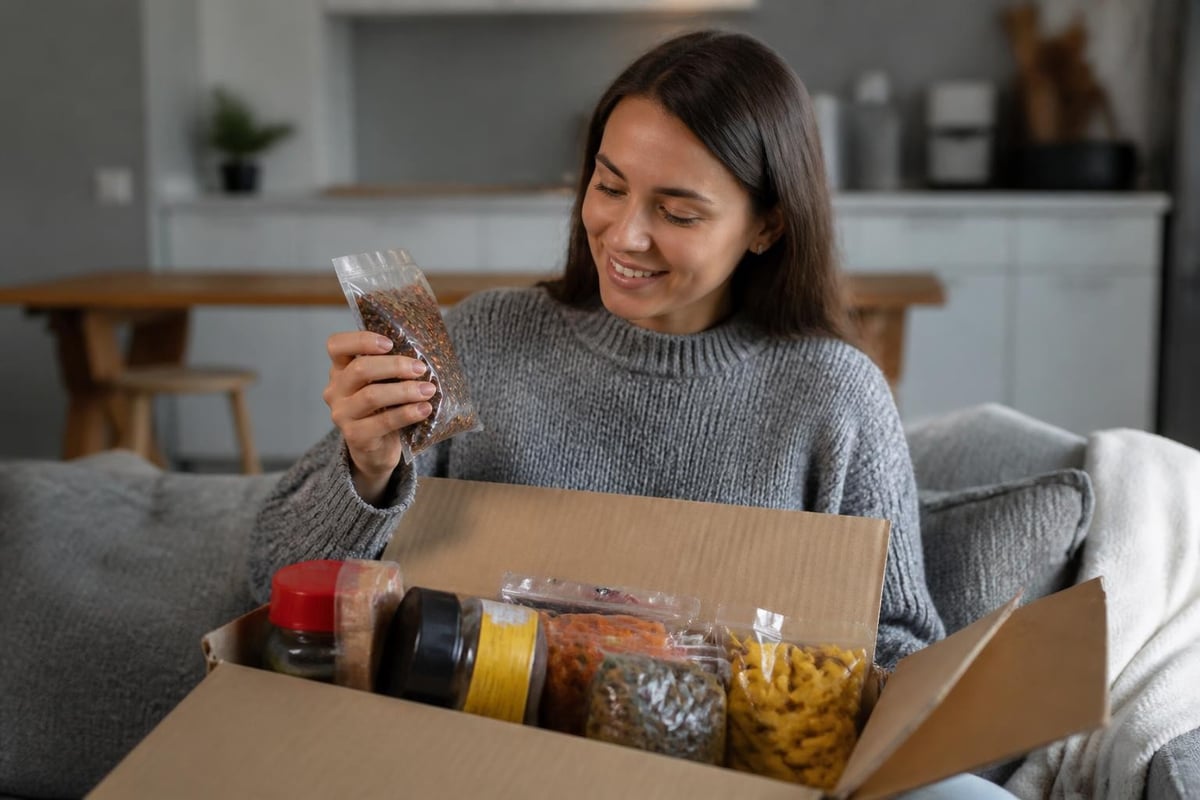
Modern South African food stores operating in New Zealand provide comprehensive online platforms where customers can browse extensive inventories, place orders, and receive delivery throughout the country. This accessibility ensures that switch energy experiences aren't limited to major urban centres.
Food as Cultural Anchor
Switch energy through food operates on both individual and community levels. While personal memories and preferences drive individual purchases, collective food experiences strengthen community bonds among South African expatriates.
Shared Food Experiences
South African social gatherings in New Zealand frequently centre around traditional food. Braais, potjiekos competitions, and bring-and-share lunches create opportunities for collective switch energy where participants simultaneously reconnect with their heritage.
These shared experiences serve multiple functions:
- Community Building: Food provides common ground for diverse South Africans from different provinces, backgrounds, and generations
- Cultural Transmission: Children learn about their heritage through active participation in traditional food preparation and consumption
- Identity Maintenance: Regular engagement with cultural food practices reinforces expatriate identity without conflicting with New Zealand integration
- Support Networks: Food-centred gatherings create spaces for sharing experiences, advice, and mutual support
The Something From Home approach recognises these community dimensions by stocking products that facilitate group gatherings and celebrations, not just individual consumption.
Intergenerational Food Memory
Switch energy becomes particularly complex across generations. First-generation immigrants experience direct nostalgia for foods from their South African childhood and adult life. Their New Zealand-born children develop different but equally valid connections to these same foods.
| Generation | Relationship to Food | Switch Energy Type |
|---|---|---|
| First Generation | Direct nostalgia and memory | Intense, memory-based |
| 1.5 Generation (arrived young) | Mixed memories and learned appreciation | Moderate, identity-based |
| Second Generation (NZ-born) | Cultural connection without direct experience | Developing, heritage-based |
For children born in New Zealand, South African foods represent cultural heritage rather than personal memory. Yet they still experience switch energy-a sense of belonging, connection to extended family, and participation in their parents' cultural identity.
Managing Switch Energy Effectively
Understanding switch energy helps South African expatriates use food strategically to support their wellbeing. Rather than viewing traditional food purchases as indulgence or unnecessary expense, recognising them as emotional health investments changes the calculation.
Strategic Pantry Planning
Maintaining a well-stocked pantry of key South African products creates ongoing opportunities for switch energy rather than relying on occasional special orders. This approach provides flexibility to incorporate familiar flavours into daily cooking without extensive planning.
Core pantry items typically include:
- Spice blends and seasonings specific to South African cuisine
- Non-perishable snacks for quick comfort moments
- Baking ingredients for traditional treats
- Condiments and sauces that transform ordinary meals
- Instant drinks and beverage mixes
The extensive inventory available through South African food stores in New Zealand enables comprehensive pantry development. With more than 2,500 products available, customers can build personalised selections that address their specific switch energy triggers.
Balancing Integration and Heritage
Living successfully in New Zealand requires cultural integration while maintaining connection to South African heritage. Food provides an elegant solution to this balance-South Africans can fully participate in New Zealand culinary culture while reserving space for traditional foods.
Many South African families adopt hybrid approaches. Weekday meals might feature New Zealand ingredients and recipes, while weekend braais or special occasions emphasise South African traditions. This balance allows children to develop broad cultural competencies while maintaining strong heritage connections.

The Economic Dimension of Switch Energy
Consumer behaviour around switch energy reveals interesting economic patterns. South Africans in New Zealand often prioritise traditional food purchases despite premium pricing, demonstrating the high value placed on these emotional and cultural benefits.
Value Perception
Traditional economic analysis might suggest that premium-priced imported products would see limited demand when local substitutes exist. However, switch energy creates unique value propositions that transcend simple price comparisons.
A packet of familiar spices might cost significantly more than generic alternatives, but the emotional return-the switch energy it provides-justifies the investment for most South African consumers. This willingness to pay reflects the genuine wellbeing benefits these products deliver.
Household Budget Allocation
South African households in New Zealand typically allocate specific portions of their food budgets to traditional products. This conscious prioritisation recognises switch energy as a legitimate household need, similar to nutrition or entertainment.
| Budget Category | Typical Allocation | Primary Benefit |
|---|---|---|
| Daily Staples | 60-70% | Nutrition and sustenance |
| South African Products | 15-25% | Cultural connection and switch energy |
| Dining Out | 10-15% | Social experience |
These allocation patterns demonstrate sophisticated understanding of how food contributes to overall quality of life beyond simple nutritional requirements.
Building Community Through Shared Switch Energy
The collective dimension of switch energy strengthens South African communities throughout New Zealand. Shared food experiences create bonds that support newcomers, celebrate achievements, and provide mutual assistance during challenges.
Community Events and Gatherings
South African associations, informal groups, and social networks throughout New Zealand regularly organise food-centred events. These gatherings provide concentrated switch energy experiences while building social capital within the expatriate community.
Heritage Day celebrations, braai competitions, and potluck dinners serve as anchor events that bring diverse South Africans together. The shared experience of familiar foods creates immediate common ground, even among people meeting for the first time.
Supporting New Arrivals
Experienced South African expatriates often guide newcomers toward resources for maintaining cultural food connections. Recommendations about where to buy South African products represent practical assistance that significantly eases the transition process.
This knowledge transfer helps new arrivals quickly establish their own switch energy routines rather than spending months discovering resources independently. The resulting support network strengthens overall community cohesion and resilience.
Future Trends in Switch Energy and South African Food
The South African expatriate food market in New Zealand continues evolving in response to changing demographics, technology, and consumer preferences. Understanding these trends helps both retailers and consumers anticipate future developments.
Product Innovation
South African food manufacturers increasingly recognise international markets, including New Zealand. This awareness drives product development that balances traditional authenticity with practical considerations like shelf stability and shipping logistics.
New product categories emerge regularly, expanding the range of switch energy triggers available to customers. Recent years have seen growth in ready-made meal components, premium snack options, and personal care products alongside traditional grocery staples.
Digital Community Building
Online platforms extend beyond e-commerce to create virtual communities where South Africans share recipes, cooking tips, and product recommendations. These digital spaces amplify switch energy by connecting isolated individuals to broader networks.
Social media groups dedicated to South African expatriates in New Zealand frequently discuss food, share cooking successes, and coordinate group orders. This digital layer enhances the practical and emotional benefits of traditional food access.
Sustainability Considerations
Contemporary consumers increasingly weigh environmental impacts alongside personal preferences. South African expatriates balance their desire for traditional products against concerns about shipping emissions and packaging waste.
Forward-thinking retailers respond by optimising logistics, offering bulk purchasing options, and providing transparency about sustainability practices. These adaptations help customers make informed choices that align with both their cultural needs and environmental values.
Practical Implementation of Switch Energy Awareness
Understanding switch energy transforms from abstract concept to practical tool when South Africans actively incorporate this awareness into their daily lives and decision-making processes.
Recognising Personal Triggers
Individual switch energy triggers vary considerably based on personal history, regional background, and family traditions. Effective use requires identifying which specific products, flavours, or food experiences generate the strongest positive responses.
Some people find maximum switch energy in traditional breakfast foods, while others prioritise braai supplies or specific snacks. This personalisation ensures efficient resource allocation toward products that deliver genuine emotional benefits.
Creating Food Rituals
Deliberate incorporation of traditional foods into regular routines amplifies their switch energy impact. Rather than reserving South African products for special occasions, integrating them into weekly or daily practices provides consistent emotional support.
Effective ritual examples include:
- Saturday morning coffee with a favourite cappuccino mix
- Wednesday night dinners featuring traditional spices
- Monthly braais with authentic boerewors and sides
- Regular baking sessions using familiar ingredients
- Children's lunchboxes including South African treats
These structured approaches ensure regular switch energy experiences that support ongoing wellbeing rather than relying on sporadic intense moments.
Switch energy represents far more than simple food preference-it's a powerful tool for emotional wellbeing, cultural preservation, and community building among South African expatriates in New Zealand. By understanding and actively engaging with switch energy through strategic food choices, South Africans can maintain strong connections to their heritage while building successful lives in their new home. Whether you're seeking daily comfort through familiar products or planning special celebrations that honour your cultural traditions, Something From Home provides access to the authentic South African products that create those meaningful switch energy moments throughout your New Zealand journey.