
Speckled Egg: Nature, Science, and Cultural Significance
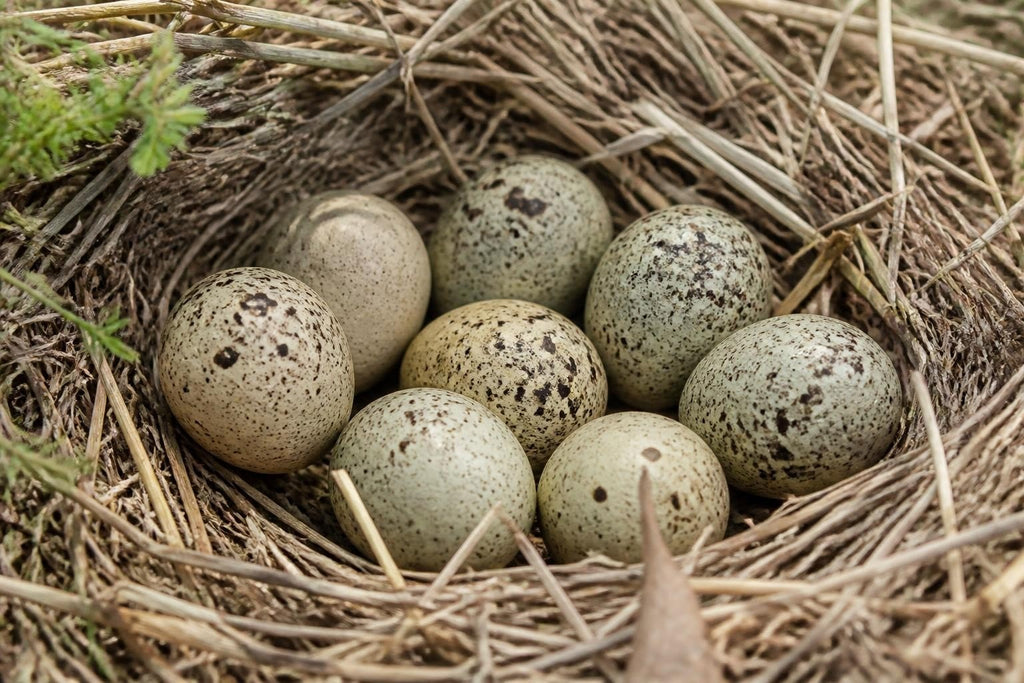
The speckled egg represents one of nature's most intriguing designs, combining evolutionary adaptation with remarkable biological complexity. From the beaches where seabirds nest to the backyard coops that produce breakfast staples, these mottled patterns tell stories of survival, genetics, and cultural significance. For South Africans living in New Zealand, the familiar sight of speckled eggs connects to memories of home, farm-fresh produce, and traditional recipes passed down through generations. Understanding what creates these distinctive patterns reveals fascinating insights into biology, breeding, and the broader role eggs play in both nature and culinary traditions.
The Science Behind Speckled Eggs
Eggshell speckling occurs through precise biological mechanisms during egg formation within a bird's reproductive system. The patterns emerge from pigment deposition, primarily protoporphyrin IX, which creates brown spots and speckles on the shell surface during the final stages of calcification.
Research into how eggs are pigmented reveals that these markings serve multiple ecological functions. The distribution and intensity of speckling depend on the timing and concentration of pigment secretion as the egg rotates through the uterus. When pigment deposition is irregular or interrupted, distinct speckle patterns form rather than uniform colouration.
Genetic and Molecular Mechanisms
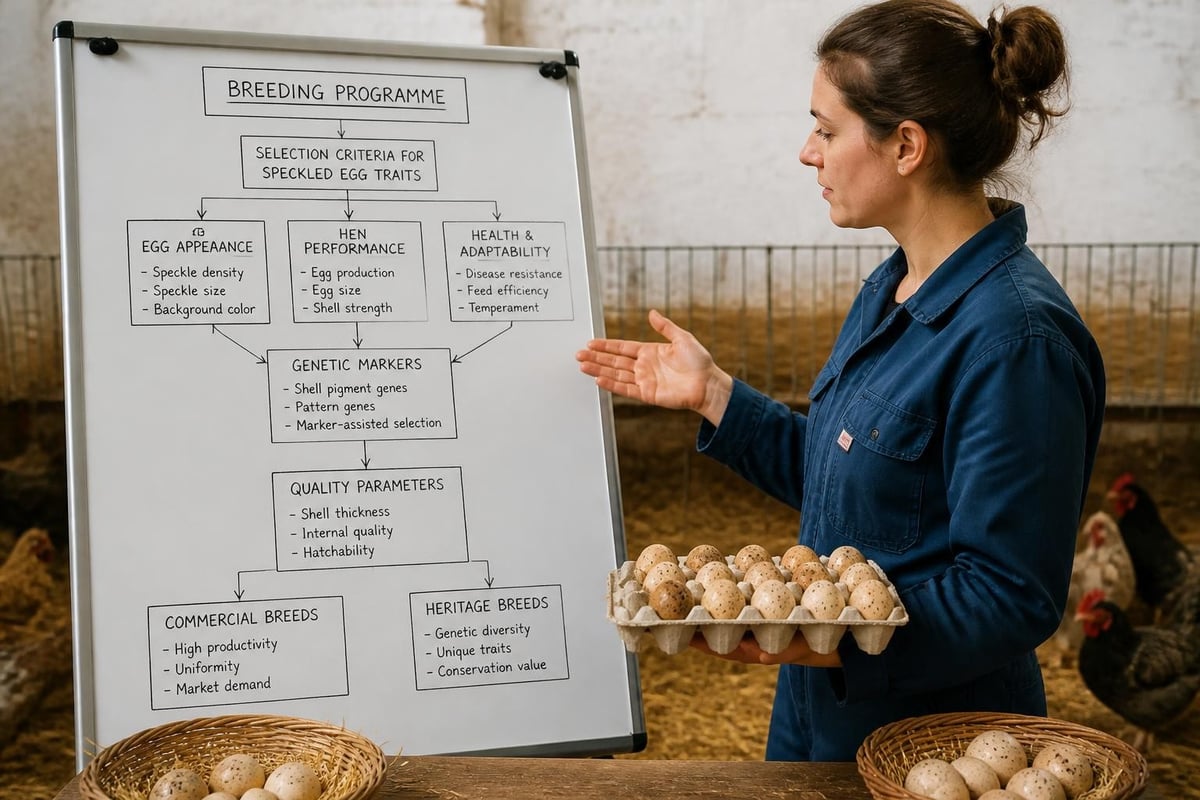
The genetic foundations of speckled eggs have become clearer through advanced genomic research. A comprehensive genome-wide association study identified specific candidate genes and biological pathways associated with eggshell speckling in laying hens, revealing hereditary components that breeders can target for selection.
At the cellular level, single-cell transcriptomics research has examined uterine cell expression patterns linked to speckled egg production. This molecular investigation demonstrates how individual cells in the shell gland contribute to pigment distribution, affecting both aesthetic appearance and shell quality.
Key factors influencing speckle formation include:
- Age of the laying bird (older hens often produce more heavily speckled eggs)
- Genetic predisposition and breed characteristics
- Nutritional status and mineral availability
- Stress levels and environmental conditions
- Timing of pigment secretion during shell formation

Further DNA methylome and transcriptome analyses have revealed epigenetic factors that regulate speckled eggshell formation, particularly in aged hens. These findings suggest that both genetic inheritance and environmental influences shape the final pattern each speckled egg displays.
Evolutionary Advantages of Egg Speckling
Natural selection has favoured speckled eggs across numerous bird species, particularly ground-nesting varieties that face significant predation pressure. The adaptive value of these patterns extends beyond simple camouflage to encompass thermal regulation and brood parasite defence.
Camouflage and Habitat Matching
Research on egg camouflage across different habitats demonstrates how speckle patterning matches various nesting backgrounds. Birds that nest in multiple locations benefit from speckling that works across diverse substrates-from pebbled beaches to leaf-littered forest floors.
| Nesting Environment | Speckle Characteristics | Survival Advantage |
|---|---|---|
| Rocky coastlines | Dense, dark speckles on pale background | Matches granite and limestone |
| Sandy beaches | Sparse, brown speckles | Blends with shells and debris |
| Grasslands | Medium density, varied sizes | Mimics shadows and plant matter |
| Forest floor | Large, irregular blotches | Resembles dappled light patterns |
Seabirds provide exceptional examples of adaptive speckling. Educational resources from the U.S. Fish & Wildlife Service illustrate how speckled seabird eggs achieve remarkable concealment on beaches and cliff ledges, reducing predation by gulls, corvids, and mammals.
The speckled egg pattern functions particularly well because predators typically search using mental templates of what eggs should look like. Disrupting that expected appearance through irregular speckling creates visual confusion that protects vulnerable clutches.
Thermoregulation and Shell Quality
Beyond camouflage, speckling influences how eggs interact with their thermal environment. Darker pigments absorb more solar radiation, while speckled patterns create variable heat absorption across the shell surface. This heterogeneous heating may benefit embryos in certain climates by moderating temperature extremes.
Shell strength represents another consideration. Some research suggests correlations between pigmentation patterns and calcium deposition, though the relationship between speckle density and structural integrity remains complex and breed-dependent.
Speckled Eggs in Agricultural Production
Modern poultry farming encounters speckled eggs as both a quality characteristic and a breeding consideration. Consumer preferences, market standards, and production efficiency all intersect with the natural occurrence of these patterns.
Commercial considerations for speckled eggs:
- Grading standards - Some markets prefer uniformly coloured eggs, while others value speckling as a sign of heritage breeds
- Breed selection - Certain chicken varieties consistently produce speckled eggs (Maran, Welsummer, Barnevelder)
- Quality indicators - Excessive speckling may signal nutritional deficiencies or stress in commercial flocks
- Consumer perception - Free-range and organic markets often view speckling positively as evidence of natural production
South African farming traditions embrace diverse egg appearances, recognising that backyard chickens and heritage breeds naturally produce varied speckle patterns. This acceptance of natural variation contrasts with highly standardised commercial production systems.
Cultural Significance in South African Food Traditions
Eggs hold profound importance in South African culinary culture, appearing in traditional dishes, baking, and everyday meals. The speckled egg, whether from farmyard chickens or wild guineafowl, carries associations with rural life, sustainability, and connection to the land.
Traditional Recipes and Preparation
South African cooking relies heavily on eggs across numerous beloved recipes. From breakfast staples to elaborate baked goods, eggs provide structure, richness, and protein that define comfort foods many expats crave when living abroad.
Traditional preparations include:
- Koeksisters - Sweet, syrup-soaked plaited doughnuts requiring eggs for dough structure
- Melktert - Milk tart with egg-based custard filling, a national dessert treasure
- Bobotie - Spiced mince dish topped with savoury egg custard
- Souskluitjies - Cinnamon dumplings in sweet sauce, bound with eggs
- Rusks - Dried twice-baked biscuits perfect with Cremora coffee
While the speckled appearance doesn't affect cooking properties, farm-fresh eggs with natural speckling often feature in memories of South African childhoods, market visits, and family gatherings.
The Role of Eggs in South African Breakfast Culture
Breakfast in South Africa showcases eggs prominently, prepared in countless ways that reflect the nation's multicultural heritage. Whether fried alongside boerewors, scrambled with tomato and onion, or poached for a proper English-style breakfast, eggs anchor the morning meal.
Many South Africans living in New Zealand seek ingredients that recreate authentic breakfast experiences. While fresh eggs are readily available locally, the accompanying flavours require imported products. Spur Sauce Smokey Peri-Peri transforms simple scrambled eggs into a taste of home, while Crown National Six Gun Grill Spice seasons egg dishes with familiar braai-inspired flavours.
Speckled Eggs in Art, Design, and Symbolism
The aesthetic appeal of speckled eggs extends beyond biology into human culture, inspiring artistic expression, decorative traditions, and symbolic meanings across societies.
Visual Appeal and Pattern Recognition
Human brains find speckled patterns inherently interesting due to their combination of regularity and randomness. This visual characteristic makes speckled eggs popular subjects in:
- Nature photography and wildlife documentation
- Easter egg decoration and seasonal crafts
- Interior design elements and colour palettes
- Scientific illustration and educational materials
- Logo design for organic and farm-fresh brands
The natural variation in each speckled egg creates uniqueness that manufactured products cannot replicate, lending authenticity and charm to visual presentations.
Symbolism and Cultural Meanings
Across cultures, eggs symbolise fertility, renewal, and potential. The speckled egg adds layers of meaning through its connection to wild birds, natural processes, and untamed beauty.
In South African contexts, eggs from indigenous birds like guineafowl carry particular significance. These heavily speckled eggs represent connection to the land, traditional hunting and gathering, and the rich biodiversity of the African landscape.
| Symbolic Aspect | Cultural Interpretation |
|---|---|
| Fertility | Life potential, family growth, abundance |
| Protection | Camouflage as divine design, hidden blessings |
| Natural beauty | Appreciation for imperfection, organic authenticity |
| Heritage | Connection to traditional farming, rural values |

Identifying Speckled Eggs by Species
Different bird species produce distinctive speckle patterns that aid identification in both wild and domestic contexts. Recognition skills prove valuable for birdwatchers, farmers, and anyone interested in avian biology.
Wild Bird Eggs
South African birdlife includes numerous species that lay characteristically speckled eggs:
Ground-nesting species:
- Plovers - Small eggs with dense, dark speckles for beach and grassland camouflage
- Sandpipers - Pear-shaped eggs with intricate speckling matching riverbank environments
- Coursers - Cream-coloured eggs with brown speckles, laid in minimal scrapes
Waterbirds:
- Ducks - Variable speckling, often blue-green base with brown marks
- Grebes - Pale eggs that develop staining resembling speckling from nest vegetation
- Terns - Highly variable patterns matching colony nesting sites
Gamebirds:
- Guineafowl - Heavily speckled, thick-shelled eggs with remarkable camouflage
- Francolins - Dense speckling on tan background, laid in concealed ground nests
Domestic Chicken Breeds
Certain heritage chicken breeds reliably produce speckled eggs, valued by small-scale farmers and backyard enthusiasts:
- Maran - Dark brown eggs with reddish speckles, highly prized
- Welsummer - Terracotta-coloured with dark brown speckles
- Barnevelder - Brown eggs with purple-brown speckling
- Penedesenca - Rich brown with heavy dark speckles
- Cream Legbar - Blue eggs occasionally showing light speckling
These breeds appeal to those seeking egg diversity and maintaining heritage genetics in their flocks.
Maintaining Connections to Home Through Food
For South Africans residing in New Zealand, food serves as a powerful link to identity, memory, and community. While some ingredients adapt easily to the New Zealand environment, many signature flavours require importing authentic products.
The experience of cracking open farm-fresh eggs to prepare traditional recipes becomes richer when accompanied by genuine South African ingredients. Creating bobotie requires not just eggs but also authentic curry powder like Pakco Curry Paste to achieve the correct flavour profile.
Essential South African pantry items for traditional egg dishes:
- Mrs Ball's Chutney for serving alongside egg curries
- Aromat seasoning for flavouring scrambled eggs
- Traditional spice blends for egg-based bakes
- Robertson's Peri-Peri for adding heat to omelettes
Something From Home operates as a South African food store in New Zealand, providing access to more than 2,500 authentic products that transform everyday cooking into nostalgic culinary experiences. When preparing weekend breakfasts or special occasion meals, having access to genuine South African flavours makes all the difference.
The Future of Speckled Egg Research
Scientific investigation into speckled eggs continues advancing through genomics, computer vision, and ecological studies. Understanding these patterns contributes to conservation biology, agricultural improvement, and fundamental evolutionary knowledge.
Emerging research directions include:
- Machine learning classification of egg patterns for species identification
- CRISPR potential for manipulating pigmentation pathways in commercial breeds
- Climate change impacts on egg camouflage effectiveness as habitats shift
- Microbiome studies examining whether speckle patterns influence bacterial colonisation
- Consumer preference research guiding breeding programmes and marketing strategies
These investigations will deepen our appreciation for the complexity hidden within each speckled egg while potentially offering practical applications for conservation and agriculture.
Collecting and Appreciating Speckled Eggs Ethically
Interest in egg collecting has historical precedents but requires careful ethical consideration in the modern context. Current best practices prioritise conservation, legal compliance, and educational value over acquisition.
Legal and Ethical Framework
Most countries, including New Zealand and South Africa, strictly regulate or prohibit collection of wild bird eggs. These protections recognise the vulnerability of bird populations to disturbance and the importance of each egg to species survival.
Ethical alternatives to traditional egg collecting:
- Photography - Document eggs in situ without disturbance
- Replica collections - Purchase scientifically accurate models for study
- Museum visits - Access historical collections assembled legally for research
- Citizen science - Participate in nest monitoring programmes that contribute data
- Domestic breeds - Keep heritage chickens that produce naturally diverse speckle patterns
For those fascinated by speckled eggs, appreciation can occur without possession. Observing nesting birds, studying published research, and supporting conservation efforts honour these natural wonders while protecting wild populations.
Speckled Eggs in Contemporary Cuisine
Modern culinary trends increasingly value visual presentation, provenance, and natural aesthetics. The speckled egg fits perfectly within these movements, offering both beauty and narrative to food experiences.
Contemporary applications:
- Farm-to-table restaurants highlighting heritage breed eggs with visible speckling
- Food photography emphasising natural variation and organic authenticity
- Menu descriptions that tell the story of egg sources and breed characteristics
- Brunch culture celebrating visually distinctive presentations
- Specialty egg sales targeting consumers who value traditional farming methods
While the speckled appearance doesn't alter taste or nutritional value, it signals production methods and breed diversity that appeal to conscious consumers. This market appreciation supports small-scale farmers maintaining heritage breeds and traditional practices.
Practical Considerations for Backyard Chicken Keepers
Those keeping chickens in New Zealand may notice speckled eggs appearing in nest boxes, particularly when raising heritage breeds or as hens age. Understanding what these patterns indicate helps optimize flock health and production.
Monitoring speckle patterns for flock management:
- Sudden appearance of heavy speckling may indicate stress or nutritional deficiency
- Gradual increase with hen age is normal and doesn't affect egg quality
- Breed-specific patterns should remain consistent; changes warrant investigation
- Excessive speckling combined with thin shells suggests calcium supplementation needs
- Environmental stressors (predators, weather extremes) can temporarily increase speckling
Providing quality feed, secure housing, and low-stress environments produces healthy eggs regardless of surface appearance. The speckled egg from a well-cared-for hen offers the same nutritional benefits as any other fresh egg.
For expatriate South Africans keeping backyard flocks in New Zealand, the familiar routine of collecting eggs connects to memories while providing fresh food. Pairing home-produced eggs with imported South African ingredients creates meals that bridge two homes. Morning Rooibos tea with toast and farm-fresh eggs becomes even more meaningful when the spreads include Ina Lessing Fig Smooth Jam or other authentic favourites.
The speckled egg represents a remarkable intersection of biology, culture, and practical utility, with patterns that serve evolutionary functions while capturing human imagination. From the genetic mechanisms that create each unique speckle pattern to the cultural significance eggs hold in South African food traditions, these natural wonders deserve appreciation and understanding. For South Africans living in New Zealand who seek authentic ingredients to complement fresh local produce, Something From Home provides access to traditional flavours that transform everyday meals into connections with heritage and home.