South African Cuisine Near Me: Your Complete Guide
Searching for "south african cuisine near me" reflects a craving that goes beyond simple hunger. It's about reconnecting with the flavours of home, the aromas of childhood, and the comfort of familiar tastes. For South Africans living abroad, particularly in New Zealand, finding authentic South African food represents a powerful link to heritage and identity. Whether you're seeking traditional dishes like bobotie and boerewors or nostalgic snacks like Ouma rusks and Mrs Ball's chutney, understanding where to find genuine South African cuisine has become increasingly important for expats and food enthusiasts alike.
Understanding the Rich Tapestry of South African Cuisine
South African cuisine represents one of the world's most diverse culinary traditions, shaped by indigenous African cultures, Dutch colonisation, Cape Malay influences, British heritage, and Indian immigration. This multicultural fusion creates a food landscape unlike any other.
The heritage and cultural influences behind South African cuisine extend back centuries, beginning with indigenous peoples who introduced the country to staples like samp, beans, and wild game. The arrival of European settlers brought techniques like meat curing and baking, resulting in beloved products such as biltong and rusks.
Traditional Dishes That Define South African Food Culture
The following dishes form the backbone of authentic South African cuisine:
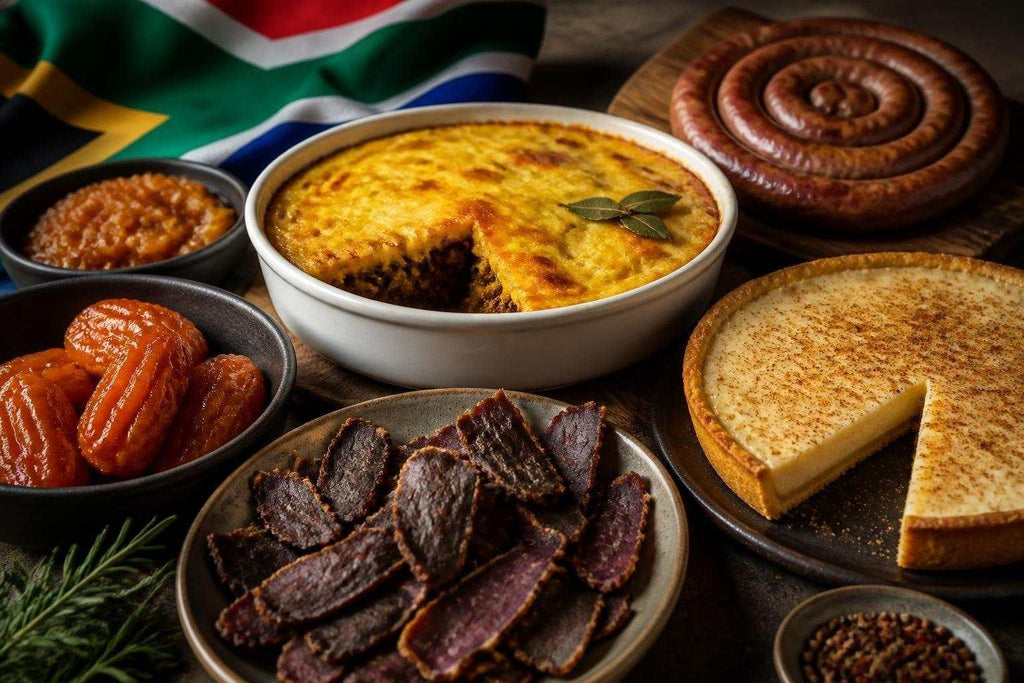
- Bobotie: A Cape Malay-influenced curried mince bake topped with savoury egg custard
- Boerewors: Spiced farmer's sausage essential for any braai (barbecue)
- Bunny Chow: Durban's iconic hollowed-out bread loaf filled with curry
- Potjiekos: Slow-cooked stew prepared in a three-legged cast-iron pot
- Melktert: Creamy milk tart with cinnamon-dusted custard filling
- Koeksisters: Plaited doughnuts soaked in cold syrup

Understanding South African cuisine's diverse influences helps explain why finding these specific flavours matters so much to those who grew up with them. The taste of properly spiced boerewors or perfectly textured biltong cannot be replicated by generic alternatives.
Why South Africans in New Zealand Search for Home Flavours
The South African diaspora in New Zealand numbers in the tens of thousands, with families relocating for lifestyle, career opportunities, and education. While embracing Kiwi culture, many South Africans maintain strong connections to their culinary roots.
The Emotional Connection to Food
Food serves as a powerful memory trigger. The smell of Mrs Ball's chutney or the taste of Milo recalls specific moments, family gatherings, and the comfort of home. This emotional resonance explains why "south african cuisine near me" remains a frequently searched term.
Research shows that immigrant communities actively seek familiar foods as a way to:
- Maintain cultural identity and heritage
- Share traditions with children born abroad
- Create comfort during homesickness
- Celebrate special occasions authentically
- Connect with other South African expats
| Need | Solution | Example |
|---|---|---|
| Nostalgic snacks | Import genuine brands | Beacon chocolate, Ghost Pops |
| Traditional cooking | Source authentic ingredients | Spices, Mrs Ball's chutney |
| Special occasions | Recreate heritage meals | Malva pudding ingredients |
| Daily comfort | Stock familiar staples | Ouma rusks, All Gold tomato sauce |
The Challenge of Finding Authentic Products
New Zealand supermarkets stock excellent international sections, but genuine South African products remain rare. Generic substitutes fail to capture the exact flavour profiles that make South African food distinctive.
When South Africans search for "south african cuisine near me," they're seeking more than food. They're looking for suppliers who understand the difference between South African boerewors and regular sausage, who stock the right brands, and who appreciate the cultural significance of these products.
Where to Find Authentic South African Cuisine in New Zealand
While physical South African restaurants remain limited in New Zealand compared to the prevalence found in the United States, Kiwis can access authentic South African food through specialised retailers and online suppliers.
Physical South African Shops and Food Stores
Dedicated South African shops provide the most authentic selection of products. These specialists understand exactly what South African customers need and maintain inventory specifically for the expat community.
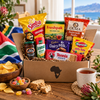
Something From Home operates as a comprehensive South African food store in New Zealand, maintaining a warehouse stocked with more than 2,500 authentic South African products. From everyday groceries to specialty items, the range covers everything needed to recreate traditional South African meals.
Shopping for South African Food Online
The digital age has transformed access to South African cuisine. Instead of searching "south african cuisine near me" and finding limited local options, South Africans in New Zealand can now shop for African food online and have products delivered nationwide.
Online shopping offers several advantages:
- Extensive range: Access to thousands of products not available in supermarkets
- Convenience: Browse and order from home
- Nationwide delivery: No geographical limitations
- Product authenticity: Genuine imported South African brands
- Regular restocking: Consistent availability of popular items
The ability to purchase African groceries online has revolutionised how South Africans maintain their culinary traditions abroad. Customers can order everything from baking essentials to ready-made meals, ensuring they never run out of the flavours that matter most.
Essential South African Products to Stock at Home
Building a South African pantry ensures you're always ready to prepare traditional meals or satisfy sudden cravings for familiar snacks. The following categories represent the foundation of authentic South African cooking and eating.
Biltong and Droëwors
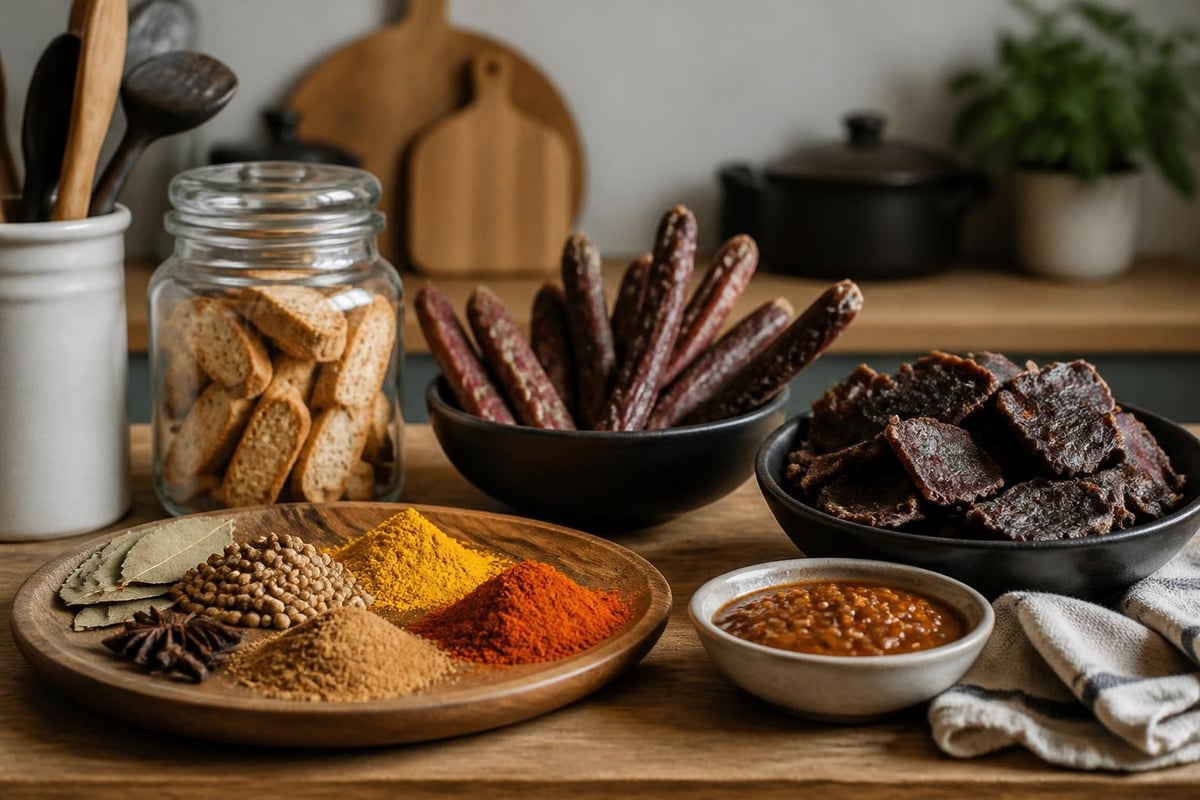
No South African pantry feels complete without biltong. This air-dried, spiced meat represents perhaps the most iconic South African snack. Whether made from beef, game, or ostrich, biltong delivers protein-rich satisfaction with distinctive flavour.
Droëwors, the dried version of boerewors, provides similar satisfaction in sausage form. Both products require specific spice blends and preparation methods that make authentic versions essential.
Rusks and Biscuits
Morning rusks accompany countless South African coffee breaks. Ouma rusks remain the gold standard, available in multiple flavours from traditional buttermilk to muesli and condensed milk varieties.
Biscuits like Tennis Biscuits hold special places in South African hearts. These simple coconut-flavoured biscuits become amazing dessert components when layered with caramel and chocolate.
Spices and Condiments
South African cooking relies on specific spice blends:
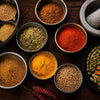
- Aromat seasoning for universal flavouring
- Rajah curry powder for traditional curries
- Peri-peri spices for marinades and sauces
- Braai spice for meat preparation
Condiments like Mrs Ball's chutney, All Gold tomato sauce, and various pickles add distinctive South African character to meals. These products cannot be adequately substituted with local alternatives.
| Category | Essential Products | Common Uses |
|---|---|---|
| Proteins | Biltong, droëwors, boerewors | Snacks, braais |
| Breakfast | Rusks, Jungle Oats, Bokomo cereals | Morning meals |
| Baking | Fynbos honey, condensed milk, Tennis Biscuits | Desserts, treats |
| Seasoning | Aromat, Mrs Ball's, curry powder | Cooking, flavouring |
| Beverages | Rooibos tea, Milo, Appletiser | Drinks, comfort |
Confectionery and Treats
South African chocolate brands like Beacon, Cadbury South Africa, and Nestlé South Africa produce unique products unavailable elsewhere. Peppermint Crisp, Bar One, and Lunch Bar represent tastes that simply cannot be replicated.
Traditional sweets like koeksisters, melktert, and malva pudding require specific ingredients. Stocking items like apricot jam, desiccated coconut, and the right type of vinegar ensures authentic results when recreating these beloved desserts.
Traditional South African Dishes to Prepare at Home
Recreating traditional South African cuisine at home becomes remarkably achievable when you stock the right ingredients. These recipes represent the heart of South African food culture.
Braai Culture and Boerewors
The braai represents South Africa's national pastime. More than simple barbecuing, braai culture encompasses social gathering, tradition, and specific techniques.
Authentic boerewors requires the correct spice blend and meat ratio. While making your own boerewors provides satisfaction, purchasing quality imported boerewors ensures authentic flavour without the effort.
Accompaniments matter equally. Pap (maize porridge) and braaibroodjies (grilled sandwiches with cheese, tomato, and chutney) complete the traditional braai experience.
Potjiekos and Slow-Cooked Stews
Potjiekos translates to "small pot food" and refers to dishes prepared in cast-iron pots over coals. This cooking method produces incredibly tender meat and deeply flavoured sauces.
Popular potjiekos variations include:
- Traditional lamb and vegetable potjie
- Beef shin and oxtail potjie
- Seafood potjie with Cape wines
- Vegetarian bean and vegetable potjie
The slow-cooking process requires patience but rewards with exceptional results. Understanding how to care for your potjie ensures this traditional cookware lasts generations.
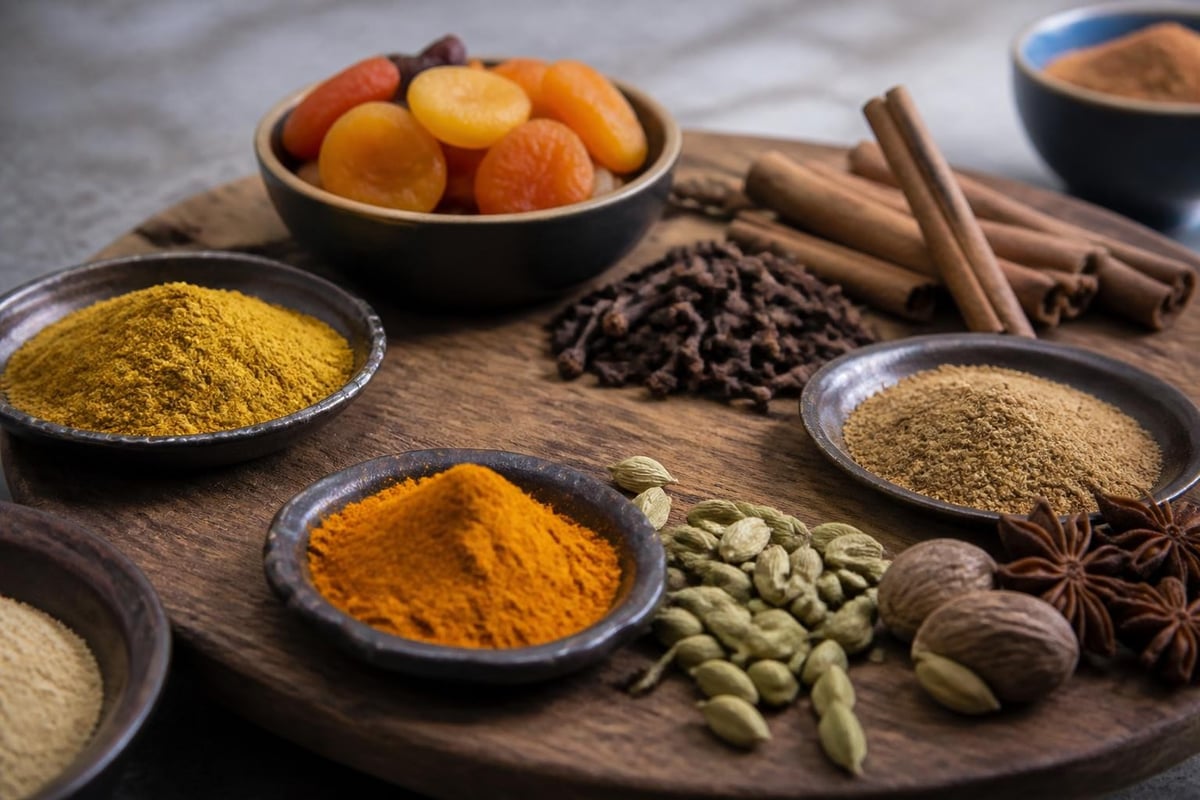
Cape Malay Curries and Bobotie
Cape Malay cuisine represents a distinctive fusion within South African food culture. These dishes blend Malay, Indian, and African influences into aromatic, mildly spiced meals.
Bobotie stands as the quintessential Cape Malay dish. Curried mince topped with savoury egg custard, bobotie requires specific spices and techniques for authentic flavour. The combination of fruit, nuts, and meat creates sweet-savoury complexity.
Traditional South African curry and rice differs from Indian curries through unique spice blends and the addition of fruit like apricots or raisins. Yellow rice with raisins provides the traditional accompaniment.
Baking Traditional South African Treats
South African baking traditions produce beloved desserts:
- Malva pudding: Spongy, sticky dessert served with custard
- Melktert: Creamy milk tart with cinnamon topping
- Koeksisters: Syrup-soaked braided doughnuts
- Peppermint Crisp tart: Layered dessert with caramel and peppermint chocolate
These desserts require specific ingredients. Peppermint Crisp Tart, for example, specifically needs Peppermint Crisp chocolate bars and Tennis Biscuits for authentic results.
The Role of Maize in South African Cuisine
Maize holds central importance in African cuisine, particularly within South African food culture. Known locally as mielies, maize appears in numerous traditional dishes.
Pap and Mielie Meal
Pap (maize porridge) serves as a staple starch across Southern Africa. Preparation varies from smooth, soft porridge to crumbly stywe pap (stiff porridge).
Pap accompanies:
- Braai meat and boerewors
- Tomato and onion gravy
- Chakalaka (spicy vegetable relish)
- Meat stews and curries
Mielie meal quality matters significantly. Authentic brands like Iwisa and Ace produce the correct texture and flavour for traditional pap.
Samp and Beans
Samp and beans represent traditional Xhosa cuisine. Stamped maize kernels cook slowly with sugar beans, creating a hearty, nutritious dish often served at celebrations.
This combination provides complete protein while delivering satisfying texture and subtle flavour. Preparation requires time but produces comfort food at its finest.
Fresh Mielies and Vetkoek
Fresh corn on the cob, boiled and buttered, represents summer in South Africa. Street vendors sell mielies at sporting events and markets nationwide.
Vetkoek, deep-fried dough balls, create another beloved comfort food. Served sweet with syrup or savoury with mince curry, vetkoek requires proper technique for the perfect fluffy interior and golden exterior.
Building Community Through South African Food
When searching "south african cuisine near me," many South Africans seek more than products. They're looking for community connections and shared cultural experiences.
Sharing Food Heritage with the Next Generation
South African parents in New Zealand face the challenge of passing food traditions to children who may never have lived in South Africa. Maintaining authentic cuisine becomes a way to teach heritage and identity.
Children who grow up eating biltong, enjoying rusks with tea, and celebrating with malva pudding develop tangible connections to their South African roots. These food memories create lasting cultural bonds.
Creating Authentic South African Gatherings
Nothing brings South African expats together quite like a proper braai or potjiekos gathering. These events recreate the social atmosphere of home while introducing Kiwi friends to South African hospitality.
Hosting authentic South African gatherings requires proper ingredients:
- Quality boerewors and sosaties for the braai
- Appropriate sides like potato salad and coleslaw
- South African beverages including Castle beer and Appletiser
- Traditional desserts like melktert or koeksisters
Access to genuine South African products transforms these gatherings from approximations into authentic cultural experiences.
The Growth of South African Cuisine Globally
While searching "south african cuisine near me" might yield limited results in New Zealand, South African food culture gains international recognition. Restaurants like Kudu in London showcase South African cuisine's sophistication and appeal to global audiences.
This growing awareness benefits South Africans abroad. As more people discover the diversity and flavour of South African food, demand increases for authentic products and ingredients.
Recognition in International Culinary Scenes
South African chefs increasingly gain recognition on world stages. The unique fusion of cultures, indigenous ingredients, and traditional techniques creates cuisine unlike any other.
Restaurants celebrating African diaspora cuisine in major cities demonstrate growing appreciation for African food cultures, including South African traditions.
Practical Tips for Finding South African Cuisine
Whether searching "south african cuisine near me" or planning online orders, these strategies ensure access to authentic South African products.
Research Specialist Suppliers
Generic international food stores rarely stock comprehensive South African ranges. Specialist suppliers focus specifically on South African products, ensuring authenticity and variety.
Key considerations when choosing suppliers:
- Product range and brand authenticity
- Shipping coverage and delivery times
- Freshness guarantees for perishable items
- Customer reviews and community recommendations
- Regular stock updates and new product additions
Something From Home exemplifies the specialist approach, maintaining extensive inventory specifically for the South African community in New Zealand.
Plan Bulk Orders Strategically
Shipping costs make bulk ordering economical. Planning larger orders quarterly or semi-annually reduces per-unit costs while ensuring consistent supply.
Focus bulk orders on:
- Non-perishable staples like rusks and canned goods
- Favourite snacks and treats
- Baking ingredients for traditional recipes
- Spices and condiments with long shelf lives
Fresh items like biltong can be ordered more frequently in smaller quantities.
Connect with South African Communities
South African community groups, both online and offline, share valuable information about where to find authentic products. These connections often reveal new suppliers or special import shipments.
Social media groups specific to South African expats in New Zealand regularly discuss food sources, share recipes, and organise group orders for bulk savings.
Explore Recipe Adaptations When Necessary
While authentic ingredients produce best results, understanding where substitutions work helps when specific items prove unavailable. However, certain products like Mrs Ball's chutney or Peppermint Crisp chocolate have no adequate substitutes.
The Future of South African Cuisine Access in New Zealand
As New Zealand's South African community grows, demand for authentic products continues increasing. This trend drives improvements in product availability and delivery options.
Expanding Product Ranges
Specialist South African retailers continuously expand their offerings. Customer feedback guides decisions about which new products to import, ensuring ranges evolve with community needs.
Recent additions often include:
- Newly released South African confectionery
- Regional specialties previously unavailable
- Health-focused traditional products
- Artisanal biltong and droëwors varieties
Improved Delivery Solutions
Logistics improvements make nationwide delivery increasingly efficient. Regional distribution centres and optimised shipping routes reduce delivery times while maintaining product quality.
Temperature-controlled shipping ensures products like chocolate arrive in perfect condition, even during New Zealand's warmer months.
Digital Shopping Enhancements
Online shopping platforms continue improving, with features like:
- Recipe suggestions linked to ingredient products
- Subscription services for regular staples
- Personalised recommendations based on purchase history
- Virtual shopping assistance for finding specific items
These enhancements make finding "south african cuisine near me" as simple as visiting a specialised online store.
Understanding Product Authenticity and Quality
When investing in imported South African products, authenticity matters. Genuine brands taste different from generic alternatives because they use specific recipes, spice blends, and production methods.
Recognising Authentic Brands
Established South African brands maintain consistent quality:
| Category | Trusted Brands | What to Look For |
|---|---|---|
| Spices | Robertsons, Rajah, Ina Paarman | Proper blend ratios, authentic packaging |
| Confectionery | Beacon, Cadbury SA, Nestlé SA | Correct formulations, not UK/NZ versions |
| Biltong | Various artisanal | Traditional spicing, proper drying |
| Condiments | Mrs Ball's, All Gold, Wellington's | Genuine South African manufacture |
Storage and Shelf Life
Imported products require proper storage to maintain quality. Understanding shelf life ensures you consume items at peak freshness.
Storage recommendations:
- Store rusks in airtight containers to maintain crispness
- Keep spices away from direct sunlight and moisture
- Refrigerate biltong and droëwors after opening
- Check expiry dates on perishable items upon delivery
Value for Money Considerations
While imported South African products cost more than local alternatives, the authenticity justifies the investment for most South African expats. The taste of genuine Mrs Ball's chutney or authentic boerewors cannot be replicated.
Consider the emotional value alongside financial cost. These products provide comfort, maintain cultural connections, and create authentic experiences worth the premium.
Finding authentic South African cuisine near you in New Zealand no longer requires endless searching or settling for inadequate substitutes. Understanding what makes South African food special and knowing where to source genuine products ensures you maintain delicious connections to your heritage. Whether you're craving biltong, planning a traditional braai, or baking beloved desserts, Something From Home provides comprehensive access to over 2,500 authentic South African products, delivering the tastes of home right across New Zealand.