
The Essential Guide to South African Sauces
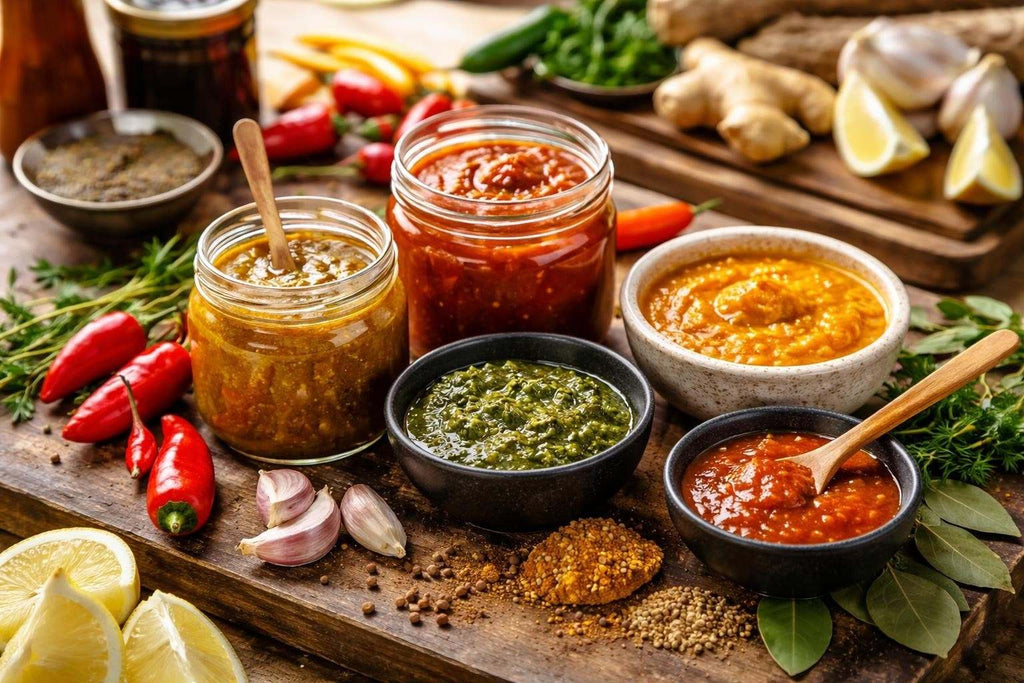
Sauce represents one of the most fundamental elements of any culinary tradition, serving as the bridge between ingredients and creating memorable dining experiences. In South African cuisine, sauces hold a particularly special place, reflecting the country's diverse cultural heritage and unique flavor profiles. For South Africans living abroad in places like New Zealand, these distinctive sauces connect them to home, transforming simple meals into nostalgic experiences. Understanding the role of sauce in South African food culture reveals why these products remain so sought-after among expat communities.
The Cultural Significance of Sauce in South African Cuisine
South African food culture has developed through centuries of cultural exchange, creating a unique sauce repertoire that distinguishes it from other global cuisines. The historical evolution of sauces shows how different communities contribute their techniques and ingredients to create regional specialties.
Traditional South African sauces draw inspiration from indigenous ingredients, Dutch colonial influences, Malaysian spice traditions, and British culinary practices. This fusion creates condiments that cannot be replicated elsewhere, making them essential items for South Africans maintaining their food heritage.
Key influences on South African sauce traditions:
- Indigenous ingredients like rooibos and buchu
- Cape Malay spice blends and techniques
- Dutch sweet-sour flavor combinations
- British savory sauce foundations
- Portuguese peri-peri traditions
The significance of these sauces extends beyond mere flavoring. They represent cultural identity, family traditions, and the comfort of familiar tastes in foreign environments.
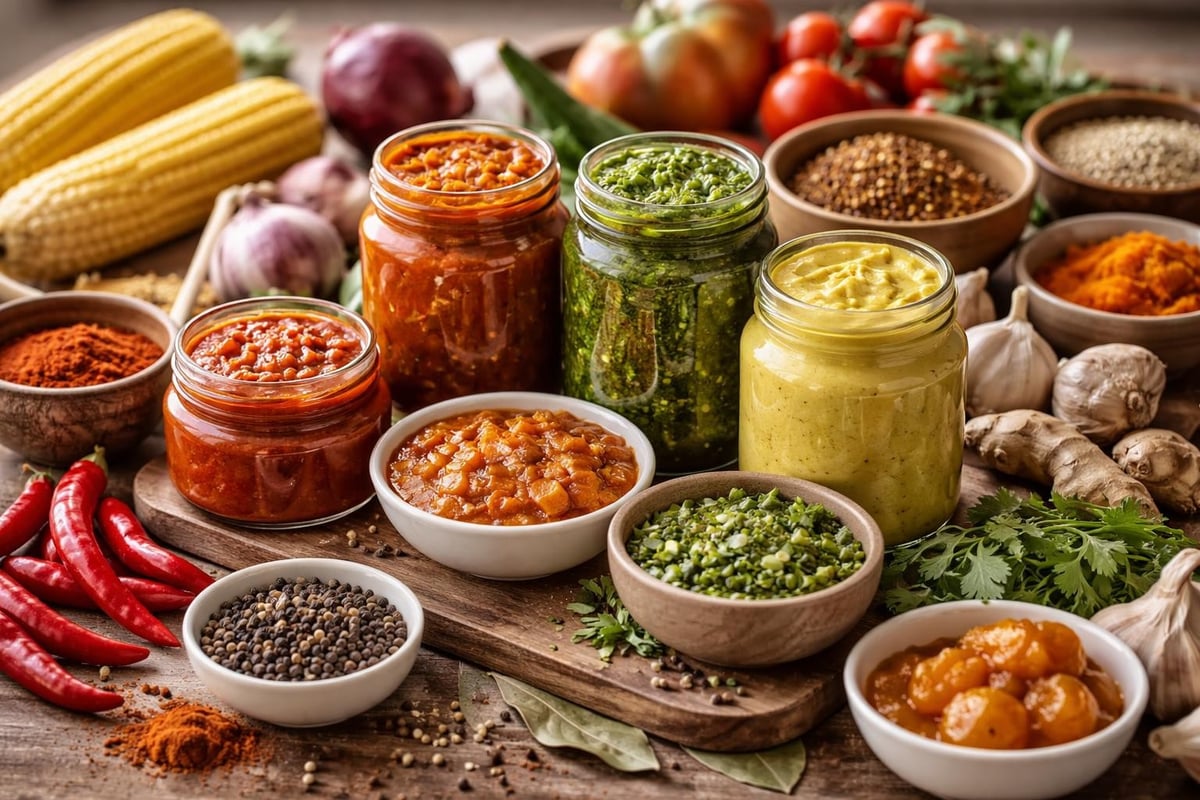
Popular South African Sauce Varieties
South African grocery stores, both locally and internationally, stock numerous sauce varieties that cater to different culinary needs. Each category serves specific purposes in traditional South African cooking.
Braai Sauces and Marinades
The braai culture defines South African social gatherings, and specialized sauces elevate this outdoor cooking tradition. Marinades and basting sauces designed for grilled meats incorporate distinctive flavor profiles that New Zealand-based South Africans actively seek out.
Ina Paarman's range of coat and cook sauces exemplifies this category perfectly. These ready-to-use products simplify meal preparation while maintaining authentic South African flavors. The Lemon Herb variety offers bright, fresh notes perfect for chicken and fish, while the peri-peri option delivers the spicy kick that characterizes much of South African cuisine.
| Sauce Type | Primary Use | Flavor Profile | Heat Level |
|---|---|---|---|
| Peri-Peri | Chicken, prawns | Spicy, tangy | High |
| Lemon Herb | Fish, chicken | Citrus, aromatic | Mild |
| Rosemary Olive | Lamb, vegetables | Savory, herbaceous | Mild |
| Chilli Garlic | Beef, pork | Bold, spicy | Medium-High |
Condiment Sauces for Everyday Meals
Beyond braai-specific products, South African households rely on various condiment sauces that accompany daily meals. Understanding different preparation methods helps appreciate why certain South African sauces achieve their distinctive characteristics.
Tomato-based sauces feature prominently, often with unique spice blends that differ from standard international varieties. These everyday sauces transform simple dishes like pap, samp, or boerewors into complete meals.
Essential everyday sauce categories include:
- Sweet chilli variations
- Monkey gland sauce
- Tomato and onion relishes
- Fruit-based chutneys
- Creamy mustard blends
The Chilli Garlic sauce represents a versatile option that South Africans use across numerous dishes, from eggs at breakfast to sandwiches at lunch and grilled meats at dinner.
Traditional South African Sauce-Making Techniques
South African sauce preparation often involves specific techniques that create depth and complexity. Understanding these methods helps appreciate why commercially prepared South African sauces maintain such loyal followings.
Reduction and Concentration Methods
Many traditional South African sauces achieve their intensity through careful reduction processes. This technique concentrates flavors while creating the thick, coating consistency that characterizes products like monkey gland sauce and various fruit-based accompaniments.
The reduction method requires patience and attention, gradually evaporating liquid content to intensify taste components. This process explains why authentic South African sauces often have richer, more complex profiles than their international counterparts.
- Begin with fresh, quality ingredients
- Combine liquids with aromatics and spices
- Simmer gently to develop flavors
- Reduce gradually until desired consistency
- Adjust seasoning and acidity balance
- Cool and store appropriately
Spice Blending and Infusion
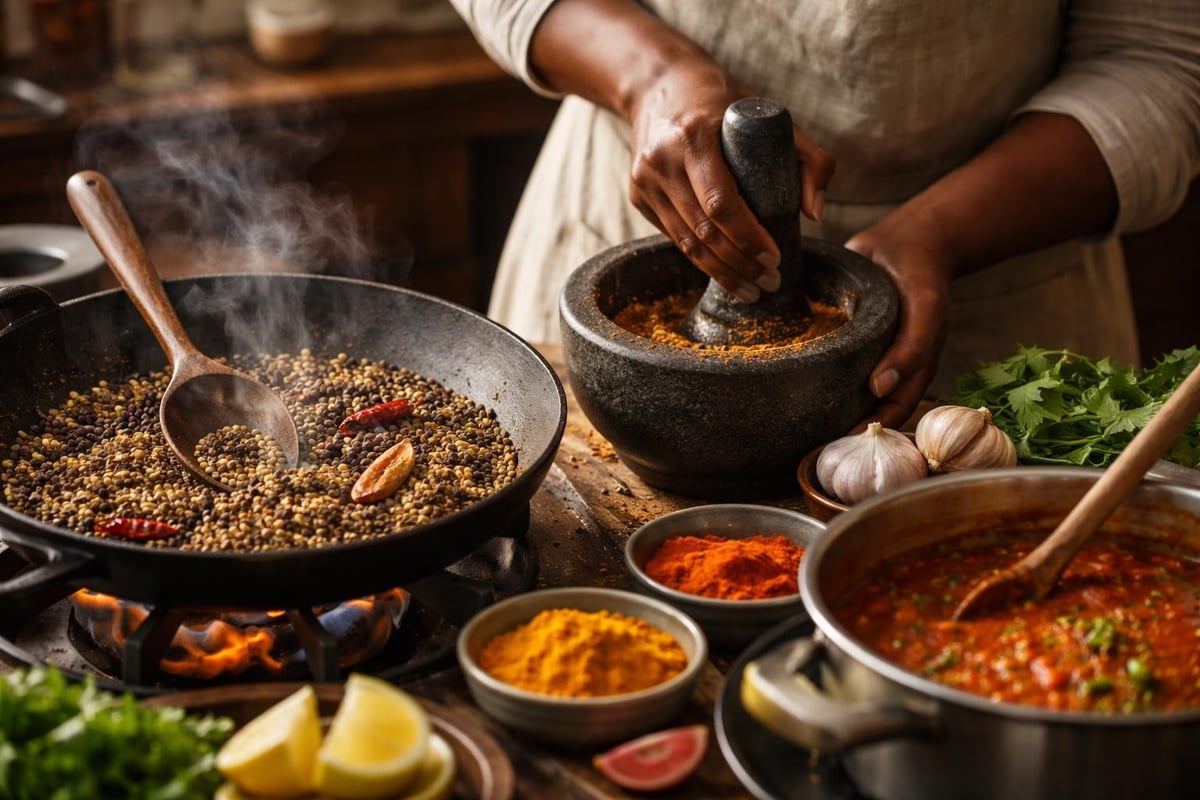
The comprehensive approach to homemade sauces emphasizes how spice selection and blending create distinctive flavor signatures. South African sauce makers often toast whole spices before grinding, releasing essential oils that create more aromatic final products.
This attention to spice preparation distinguishes South African sauces from mass-produced international alternatives. The layering of flavors through proper spice treatment creates depth that cannot be achieved through shortcuts.
The Role of Sauce in South African Expat Communities
For South Africans residing in New Zealand, access to familiar sauces provides more than convenience. These products maintain cultural connections and enable authentic meal preparation thousands of kilometers from home.
Why Familiar Sauces Matter to Expats
Research on sauces across different cultures demonstrates how these condiments carry significant emotional and cultural weight beyond their culinary function. For expatriates, recognizing a bottle of familiar sauce in a foreign supermarket creates moments of connection and comfort.
The nostalgia associated with specific sauce brands often relates to childhood memories, family gatherings, and traditional celebrations. When South Africans living in New Zealand prepare a braai using Ina Paarman's Rosemary Olive sauce, they recreate more than just a meal-they reproduce an entire cultural experience.
Emotional connections to familiar sauces include:
- Childhood food memories
- Family recipe associations
- Holiday and celebration traditions
- Regional identity markers
- Comfort food experiences
Shopping for South African Sauces in New Zealand
Access to authentic South African products has improved significantly for New Zealand's South African community. Something From Home operates as a dedicated South African food store in New Zealand, stocking more than 2,500 South African products including extensive sauce selections.
This specialized retail approach addresses the challenge many expats face when trying to maintain their food traditions abroad. Rather than searching multiple stores for individual items or settling for approximate substitutes, customers can access comprehensive South African grocery ranges through focused retailers.
| Shopping Option | Sauce Selection | Authenticity | Convenience |
|---|---|---|---|
| General supermarkets | Limited | Variable | High |
| Specialty importers | Moderate | High | Moderate |
| Online SA stores | Extensive | Guaranteed | Very High |
| International sections | Minimal | Low | Moderate |
Modern Applications of Traditional South African Sauces
Contemporary cooking embraces traditional South African sauces in innovative ways, expanding their application beyond conventional uses. This evolution demonstrates how classic products adapt to modern culinary trends while maintaining their authentic character.
Fusion Cuisine Possibilities
South African sauces increasingly feature in fusion cooking, where traditional flavors enhance international dishes. A peri-peri sauce might glaze Asian-style chicken wings, while traditional braai marinades transform Mediterranean vegetables.
Modern sauce preparation techniques can be applied to traditional South African recipes, creating contemporary versions that honor original flavors while meeting current culinary standards.
The versatility of products like Ina Paarman's pasta seasoning demonstrates how South African flavor profiles adapt across diverse cooking styles. While designed for Italian dishes, the seasoning incorporates distinctly South African taste preferences.
Quick Meal Solutions Using Ready-Made Sauces
Time-pressed home cooks increasingly value quality ready-made sauces that deliver authentic taste without extensive preparation. Understanding the science and preparation of sauces reveals why commercial products can successfully replicate traditional home-cooked versions when properly formulated.
Quick meal ideas using South African sauces:
- Monday Night Peri-Peri Chicken: Coat chicken pieces with peri-peri sauce, bake until done
- Wednesday Veggie Braai: Toss vegetables in rosemary olive sauce, grill or roast
- Friday Fish Feast: Marinate fish fillets in lemon herb sauce, pan-fry or bake
- Weekend Braai Prep: Use chilli garlic sauce as both marinade and serving condiment
- Sunday Roast Enhancement: Brush meats with coat and cook sauces during final cooking stages
These applications demonstrate how traditional South African sauces integrate seamlessly into busy modern lifestyles without compromising authenticity or flavor quality.
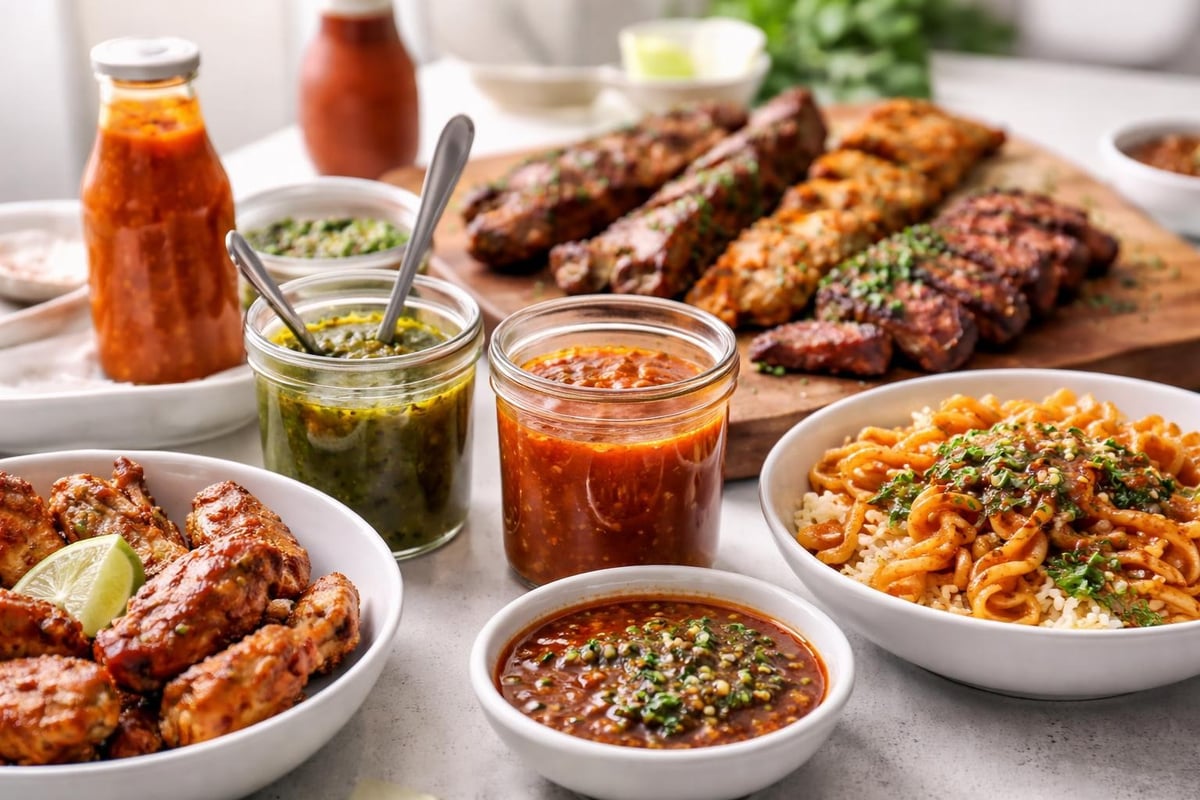
Selecting Quality South African Sauces
Discerning consumers recognize that not all sauces labeled "South African style" deliver authentic taste experiences. Why people love sauces relates directly to flavor intensity, ingredient quality, and authentic recipe formulation.
Reading Labels and Understanding Ingredients
Quality South African sauces typically feature recognizable ingredients without excessive additives or artificial components. Traditional formulations prioritize spices, herbs, and natural flavor enhancers over chemical substitutes.
When shopping for South African sauces through retailers like Something From Home, consumers benefit from curated selections that prioritize authentic products from trusted South African manufacturers.
Quality indicators in South African sauces:
- Prominent spice and herb listings
- Minimal artificial additives
- Recognizable brand names from South Africa
- Clear origin information
- Traditional recipe claims
- Natural preservation methods
Balancing Convenience with Authenticity
While homemade sauces represent the ultimate in authenticity, quality commercial products offer excellent alternatives for regular use. The best South African sauce brands have perfected recipes that capture traditional tastes while ensuring consistent quality and extended shelf life.
The comprehensive overview of sauces explains how commercial production methods can maintain flavor integrity when properly executed. South African manufacturers specializing in traditional products have mastered this balance.
Storing and Using South African Sauces Effectively
Proper storage and application techniques maximize the quality and longevity of South African sauces, ensuring optimal taste experiences and value for money.
Storage Guidelines for Different Sauce Types
Unopened commercial sauces generally remain stable in cool, dark pantries until their use-by dates. Once opened, most South African sauces require refrigeration, though specific requirements vary by formulation.
| Sauce Category | Unopened Storage | Opened Storage | Shelf Life (Opened) |
|---|---|---|---|
| Marinades | Pantry | Refrigerator | 3-6 months |
| Condiments | Pantry | Refrigerator | 2-4 months |
| Cooking sauces | Pantry | Refrigerator | 1-3 months |
| Spice pastes | Pantry | Refrigerator | 4-6 months |
Maximizing Flavor in Cooking Applications
Different cooking methods extract varying flavor profiles from sauces. Marinating overnight develops deeper penetration, while basting during cooking creates caramelized surface flavors. Understanding these applications ensures optimal results.
For braai preparations, applying sauce in stages-initial marinating, mid-cooking basting, and final glazing-creates layered flavor complexity. This technique honors traditional South African cooking methods while adapting to various protein types and cooking equipment.
The Economic and Cultural Value of South African Sauce Products
The South African sauce market represents significant economic activity both domestically and internationally. For expatriate communities, these products support cultural maintenance while creating business opportunities for specialized importers.
Supporting South African Food Producers
Purchasing authentic South African sauces from specialized retailers supports both South African manufacturers and the importers who make products accessible internationally. This economic connection maintains production viability for traditional products that might otherwise disappear.
South African food stores in New Zealand, stocking comprehensive sauce ranges, create sustainable import channels that benefit multiple stakeholders. Consumers access authentic products, manufacturers maintain international markets, and retailers build viable businesses around cultural food needs.
Building Community Through Shared Food Experiences
Shared appreciation for distinctive South African sauces creates community connections among expatriates. Braais centered around familiar flavors become cultural touchstones, helping preserve traditions while creating new memories in adopted countries.
The simple act of recommending a favorite sauce variety or sharing a recipe using a specific product strengthens community bonds. These interactions transform retail products into cultural artifacts that carry meaning beyond their immediate culinary function.
Exploring Beyond Traditional Sauce Categories
South African cuisine continues evolving, with contemporary sauce makers expanding beyond traditional categories while honoring foundational flavor principles. This innovation ensures ongoing relevance for new generations while maintaining cultural authenticity.
Contemporary South African Sauce Innovations
Modern South African sauce producers experiment with ingredient combinations that reflect current food trends while maintaining distinctive South African character. Healthier formulations, organic ingredients, and specialized dietary options expand category appeal without sacrificing authentic taste.
These innovations ensure South African sauces remain competitive in international markets, attracting both traditionalists seeking familiar flavors and adventurous eaters exploring new taste experiences. The balance between innovation and tradition defines successful contemporary South African sauce products.
Emerging trends in South African sauce development:
- Reduced sodium formulations
- Sugar-free alternatives
- Organic ingredient sourcing
- Vegan and vegetarian options
- International fusion varieties
- Artisanal small-batch productions
The continued evolution of South African sauce offerings demonstrates the category's vitality and adaptability, ensuring these products remain relevant across changing consumer preferences and dietary requirements.
South African sauces represent far more than simple condiments-they embody cultural heritage, culinary expertise, and emotional connections to home. For South Africans living in New Zealand, accessing authentic sauce varieties maintains vital links to their food traditions while enabling continued enjoyment of familiar flavors. Whether preparing a traditional braai, creating weeknight dinners, or exploring fusion cooking possibilities, quality South African sauces deliver distinctive taste experiences that cannot be replicated with substitutes. Something From Home understands these needs, offering New Zealand's South African community comprehensive access to authentic sauces and groceries that keep the flavors of home within reach.