Safari Treats: South African Snacks for Every Adventure
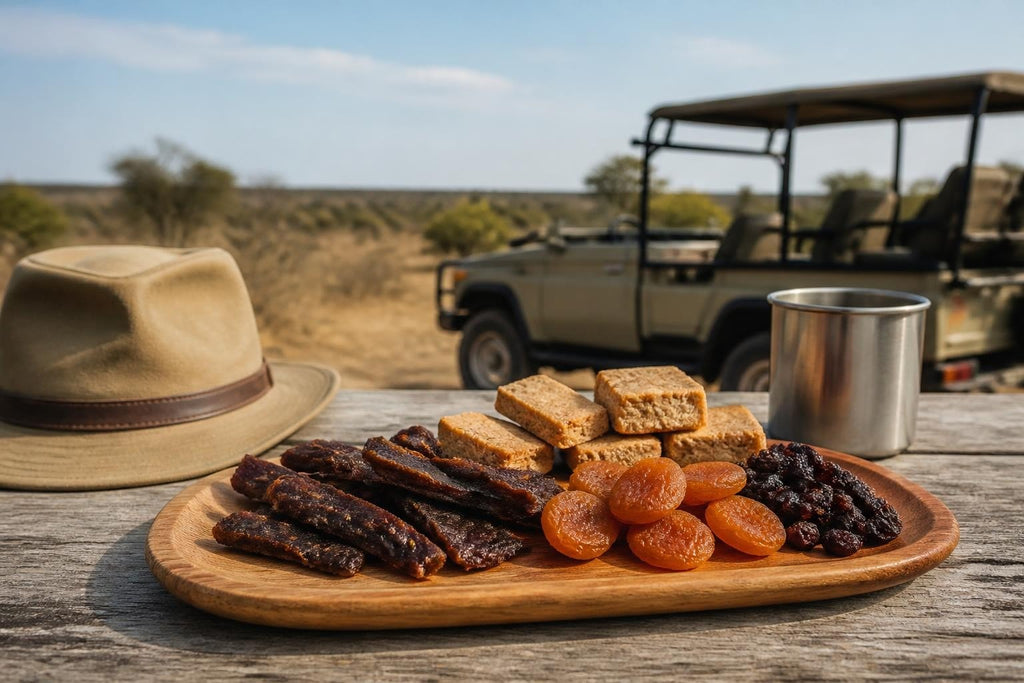
For South Africans living in New Zealand, the term "safari treats" evokes much more than simple snacks. These portable, flavourful foods represent a connection to home, memories of childhood road trips across the Karoo, and the resourceful food culture that defined generations of African travel. Whether you're planning a tramping expedition in the Southern Alps or simply seeking a taste of home during your morning tea break, safari treats offer the perfect combination of nutrition, nostalgia, and authentic South African flavour that expats crave.
The Heritage Behind Safari Treats
Safari treats emerged from practical necessity in Southern Africa, where long journeys across vast, arid landscapes demanded food that could withstand heat, required no refrigeration, and provided sustained energy. Early Dutch settlers and indigenous communities perfected preservation techniques that transformed fresh meat, grains, and fruits into shelf-stable provisions suitable for extended travel.
This culinary tradition centred on three key principles: preservation through drying or curing, high protein content for sustained energy, and compact packaging for easy transport. The result was a distinctive category of foods that became synonymous with South African identity.
Traditional Preservation Methods
The preservation techniques that created these iconic snacks were born from necessity in a pre-refrigeration era:
- Biltong curing: Air-drying meat with vinegar, salt, and spices
- Rusk baking: Double-baking bread to remove all moisture
- Fruit dehydration: Sun-drying seasonal fruits to extend shelf life
- Jerky preparation: Combining salt, smoke, and time to preserve protein
These methods not only extended food longevity but also concentrated flavours, creating the intense taste profiles that make safari treats so distinctive and beloved by South Africans worldwide.
Essential Safari Treats Every South African Knows
The pantheon of safari treats encompasses a diverse range of products, each serving a specific purpose during long journeys while delivering unmistakable South African character.
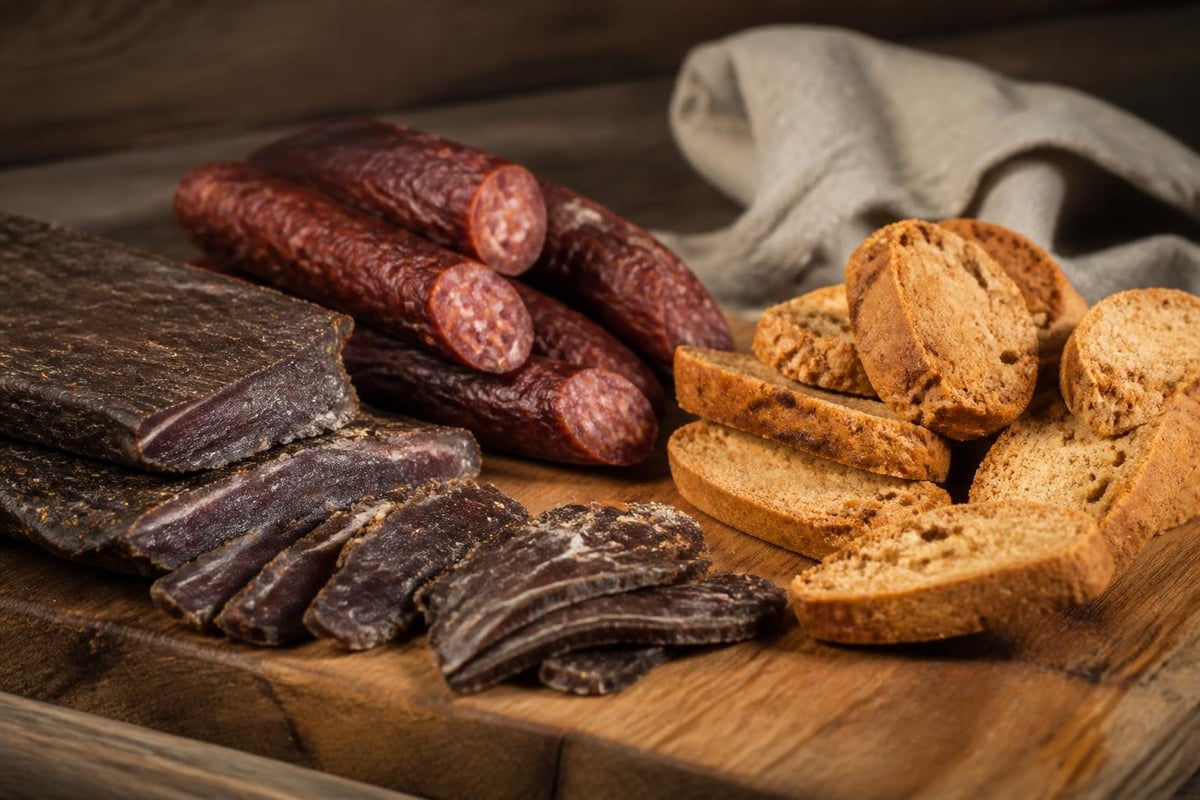
Biltong stands as the undisputed king of safari treats. This air-dried, cured meat provides exceptional protein density in a compact form. Unlike mass-produced jerky, authentic biltong features bold coriander notes, vinegar tang, and tender texture that melts in the mouth. South Africans living in New Zealand often describe biltong as the one food they miss most when travelling abroad.
Droëwors offers a different take on preserved meat. These thin, dried sausages combine beef and spices in a snackable format that requires no preparation. The distinctive snap and concentrated flavour make droëwors perfect for hiking, road trips, or any situation where convenience matters.
The Rusk Tradition
Ouma Rusks represent more than just a biscuit category. These twice-baked treats are a cultural institution, traditionally dunked in coffee or tea during morning rituals across South Africa. The double-baking process creates exceptional shelf life while developing a texture that softens perfectly when dipped.
| Rusk Variety | Flavour Profile | Best Paired With |
|---|---|---|
| Buttermilk | Subtle sweetness, tender crumb | Coffee, rooibos tea |
| Condensed Milk | Rich, caramelised notes | Black tea, hot chocolate |
| Muesli | Hearty, textured, nutty | Plain coffee, milk |
| All Bran | Savoury, wholesome | Soup, cheese |
The rusk ritual extends beyond nutrition. For expat South Africans, the simple act of dunking a rusk in morning coffee recreates a moment of home, making these humble biscuits one of the most sought-after items at any South African food store in New Zealand.
Modern Safari Treats for Contemporary Lifestyles
While traditional safari treats maintain their popularity, contemporary South African food manufacturers have adapted these concepts for modern tastes and dietary requirements. These innovations preserve the core principles of portability, shelf stability, and authentic flavour while addressing current nutritional preferences.
Protein bars infused with biltong spices offer a familiar taste in a convenient format. Dried fruit mixes featuring local varieties like dried mango and naartjie provide natural sweetness without added sugars. Nut and seed combinations roasted with South African spice blends deliver nutrition that aligns with contemporary wellness trends.
South African biscuit manufacturers have also evolved their offerings. Tennis Biscuits remain a beloved classic, sandwiching sweet vanilla cream between crisp coconut biscuits. Lemon Creams provide tangy refreshment in a portable format perfect for lunchboxes and hiking packs.
Savoury Snack Evolution
- Spiced nuts featuring peri-peri and boerewors seasonings
- Cheese crisps made with authentic South African recipes
- Biltong powder for adding protein to smoothies and cooking
- Dried sausage sticks in portion-controlled packaging
These modern interpretations maintain the spirit of traditional safari treats while meeting the needs of health-conscious consumers who still crave authentic South African flavour.
Safari Treats in New Zealand Contexts
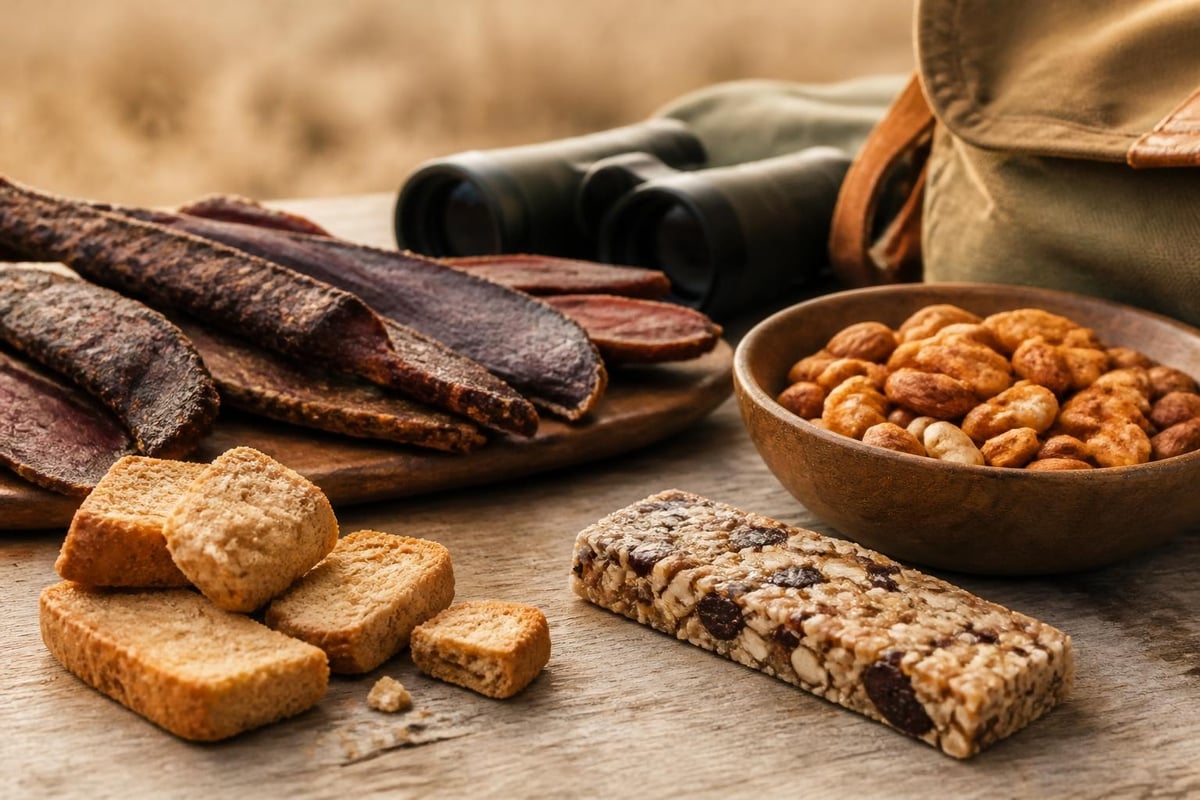
South Africans who have relocated to New Zealand discover that their beloved safari treats adapt remarkably well to Kiwi outdoor pursuits. The same foods that sustained journeys across the Karoo prove equally valuable during multi-day tramping adventures on the Milford Track or weekend camping trips in the Coromandel.
The demanding terrain of New Zealand's Great Walks requires high-energy, lightweight provisions. Biltong and droëwors provide exceptional protein-to-weight ratios without requiring refrigeration. Rusks offer carbohydrates and comfort during morning breaks at mountain huts. Dried fruit provides quick energy during challenging ascents.
Practical Applications for Kiwi Adventures
Tramping nutrition: Pack biltong for sustained protein, rusks for breakfast energy, and dried fruit for trail snacks. The combination delivers balanced nutrition without adding excessive pack weight.
School lunches: Tennis Biscuits and Lemon Creams provide familiar treats that help South African children maintain cultural connections while adapting to New Zealand schools.
Workplace snacking: Keeping rusks and dried fruit at the office recreates morning tea traditions from home, offering comfort during the workday.
Road trip provisions: Long drives across New Zealand's scenic routes mirror the road-tripping culture of South Africa, making safari treats the perfect travel companion.
Sourcing Authentic Safari Treats in New Zealand
Finding genuine South African safari treats in New Zealand once required waiting for care packages from family or loading up during visits home. The landscape has changed considerably, with dedicated South African shops now operating throughout New Zealand to serve the growing expat community.
Something From Home operates as a comprehensive South African shop in New Zealand, stocking more than 2,500 authentic products including all the classic safari treats that expats crave. The warehouse-based operation ensures consistent availability of favourites like Ouma Rusks, biltong, droëwors, and traditional biscuits.
| Shopping Method | Advantages | Considerations |
|---|---|---|
| Online ordering | Nationwide delivery, extensive range | Shipping costs, delivery times |
| In-store visits | Immediate purchase, browse full selection | Limited to specific locations |
| Bulk buying | Cost savings, stock favourite items | Storage space required |
| Subscription boxes | Regular deliveries, curated selections | Less flexibility in product choice |
The ability to buy South African food online has transformed the expat experience in New Zealand. Rather than rationing precious supplies or doing without, South Africans can now maintain their food traditions with regular deliveries of authentic products.
The Emotional Connection to Safari Treats
Beyond their practical utility, safari treats carry profound emotional significance for South Africans living abroad. These foods serve as edible memories, triggering recollections of family gatherings, childhood holidays, and the distinctive rhythms of South African life.
The scent of freshly opened biltong can transport someone back to a braai at their parents' home. The ritual of dunking a rusk in morning coffee recreates a moment of normalcy and connection. Sharing Tennis Biscuits with colleagues introduces Kiwi friends to South African culture through its most accessible ambassador: food.
Cultural Bridges Through Food
South African expats frequently report that sharing safari treats with New Zealand friends and colleagues opens conversations about their homeland. A packet of biltong becomes a talking point about South African cuisine, wildlife, and culture. Rusks prompt discussions about coffee rituals and breakfast traditions.
This cultural exchange benefits both communities. New Zealanders gain exposure to unfamiliar flavours and food preservation traditions, while South Africans find opportunities to celebrate their heritage and educate others about their homeland's rich culinary legacy.

Pairing Safari Treats with New Zealand Products
Creative South African expats have discovered innovative ways to combine their traditional safari treats with local New Zealand ingredients, creating fusion experiences that honour both cultures.
Rusk combinations: Dunking Ouma Rusks in New Zealand's excellent coffee roasts, or pairing them with local honey and butter for an enhanced breakfast experience.
Biltong boards: Creating charcuterie-style platters featuring biltong alongside New Zealand cheeses, crackers, and preserves for entertaining.
Trail mix innovations: Combining South African dried fruits and biltong with New Zealand nuts and seeds for custom hiking nutrition.
Dessert creativity: Using crushed Tennis Biscuits as a base for cheesecakes topped with New Zealand berries and cream.
These culinary innovations demonstrate how food traditions evolve when cultures intersect, creating new expressions that respect heritage while embracing adopted homeland ingredients.
Nutritional Benefits of Traditional Safari Treats
Modern nutritional science validates many aspects of traditional safari treats, revealing that these time-tested foods offer genuine health benefits beyond mere nostalgia.
Biltong provides exceptional protein density with minimal processing. Unlike many commercial meat snacks, traditional biltong contains no added sugars or artificial preservatives. The air-drying process concentrates protein while maintaining natural nutrients found in quality beef or game meat.
Rusks offer sustained energy through complex carbohydrates. The double-baking process creates a structure that releases energy gradually, avoiding the blood sugar spikes associated with highly processed snacks.
Dried fruits deliver concentrated vitamins, minerals, and fibre in a shelf-stable format. The natural sugars provide quick energy during physical activity without requiring added sweeteners.
Dietary Considerations
- High protein: Biltong and droëwors support muscle maintenance and satiety
- Low sugar: Many traditional safari treats avoid added sugars
- Minimal processing: Air-drying and baking preserve natural nutrients
- Portion control: Individual packaging supports mindful consumption
For South Africans managing dietary requirements while living in New Zealand, these traditional foods often align better with nutritional goals than mass-produced alternatives, offering clean ingredients and straightforward nutrition profiles.
Introducing Children to Safari Treats
South African parents raising children in New Zealand face the challenge of maintaining cultural connections while adapting to a new homeland. Safari treats provide an accessible, enjoyable way to introduce children to their South African heritage through everyday experiences.
Lunchbox inclusion: Packing familiar South African biscuits helps children maintain cultural identity during school transitions. Tennis Biscuits and Lemon Creams offer recognisable flavours that provide comfort in unfamiliar environments.
Family traditions: Establishing morning rusk rituals creates daily touchpoints with South African culture. Children who participate in traditional tea-and-rusk breaks develop lasting connections to their heritage.
Storytelling opportunities: Each safari treat carries stories about South African geography, history, and family memories. Sharing these narratives while enjoying the foods creates educational moments that build cultural understanding.
Age-Appropriate Introductions
| Age Group | Suitable Treats | Serving Suggestions |
|---|---|---|
| Toddlers | Softened rusks, mild dried fruit | Dunk in milk until soft |
| School-age | Tennis Biscuits, Lemon Creams | Lunchboxes, after-school snacks |
| Teenagers | Biltong, droëwors, spiced nuts | Sports nutrition, study fuel |
| Young adults | Full range of products | Camping, university, workplace |
By introducing safari treats at appropriate developmental stages, South African parents create positive associations that children carry into adulthood, ensuring cultural traditions continue across generations.
Storage and Shelf Life Considerations
One significant advantage of traditional safari treats lies in their exceptional shelf stability. The preservation methods that made these foods suitable for African journeys also make them ideal for modern pantry storage, offering convenience for busy households.
Biltong maintains quality for weeks when stored properly in a breathable container at room temperature. Avoid plastic bags that trap moisture. Paper bags or specialised biltong bags allow air circulation while protecting the product.
Rusks remain fresh for months in airtight containers. The low moisture content prevents mould growth and maintains the characteristic crunch that softens perfectly when dunked.
Dried fruits and droëwors benefit from cool, dry storage away from direct sunlight. These products can last months or even years when properly stored, making bulk purchasing economical for regular consumers.
Maximising Freshness
- Store in cool, dry locations away from heat sources
- Use airtight containers for rusks and biscuits
- Keep biltong in breathable containers or paper bags
- Refrigerate opened packages of droëwors for extended storage
- Monitor for any moisture development that could indicate spoilage
For South Africans in New Zealand who order products online, this shelf stability means bulk purchases remain practical even with shipping times. Stocking up on favourites from Something From Home ensures a constant supply of comfort foods without frequent reordering.
The Social Dimension of Safari Treats
Safari treats function as social currency within South African expat communities throughout New Zealand. Sharing these foods creates instant bonds between expatriates who recognise the significance of authentic products from home.
Community gatherings: South African social events in New Zealand almost inevitably feature spreads of traditional safari treats. Biltong, rusks, and familiar biscuits appear at braais, sports viewings, and cultural celebrations, reinforcing community identity.
Workplace sharing: South African professionals who keep safari treats at work often find themselves surrounded by curious colleagues eager to try unfamiliar foods. These moments create opportunities for cultural exchange and relationship building.
Care package traditions: Expats frequently assemble gift boxes featuring safari treats for South African friends celebrating milestones or facing challenges. The foods communicate understanding and connection across distances.
The social power of these simple snacks should not be underestimated. In a new country, familiar foods provide comfort and connection, helping build the social networks that make relocation successful.
Safari Treats and Sustainable Tourism Practices
While the term "safari treats" originally referred to portable provisions for African travel, contemporary discussions about ethical wildlife tourism have introduced new considerations around feeding animals and visitor interactions. Understanding these distinctions helps contextualise how traditional food culture differs from modern wildlife management practices.
According to WAZA's animal-visitor interaction guidelines, responsible tourism operators carefully control any food-based interactions with wildlife. These science-based protocols ensure visitor safety while protecting animal welfare. Similarly, the Jane Goodall Institute's 2024 Wildlife Tourism policy emphasises conservation-first approaches that prioritise animal wellbeing over visitor entertainment.
Traditional safari treats for human consumption represent a completely separate category from animal feeding practices in tourism contexts. The foods South Africans pack for their own nutrition during outdoor adventures should never be offered to wildlife, whether in Africa or New Zealand.
Responsible Outdoor Ethics
- Never feed wildlife human foods, including safari treats
- Follow Leave No Trace principles when enjoying snacks outdoors
- Dispose of packaging properly to prevent animal access
- Respect wildlife viewing distances in both countries
- Support conservation-focused tourism operations
Research documented in recent studies on animal-visitor interactions demonstrates the risks associated with inappropriate feeding practices, including disease transmission, behavioural changes, and safety concerns. South Africans enjoying their traditional treats in New Zealand's outdoors should maintain the same conservation ethics that protect both countries' unique ecosystems.
Safari treats represent far more than convenient snacks for South Africans living in New Zealand. These foods carry cultural heritage, childhood memories, and the distinctive flavours of home across oceans and continents. Whether you're seeking Ouma Rusks for your morning coffee ritual, biltong for your next tramping adventure, or Tennis Biscuits to share with Kiwi colleagues, authentic South African products help maintain your connection to home while building your life in New Zealand. Something From Home stocks more than 2,500 genuine South African products, ensuring you never have to compromise on the flavours and traditions that matter most.