
Fritos: The Iconic Corn Chip and Its Global Appeal
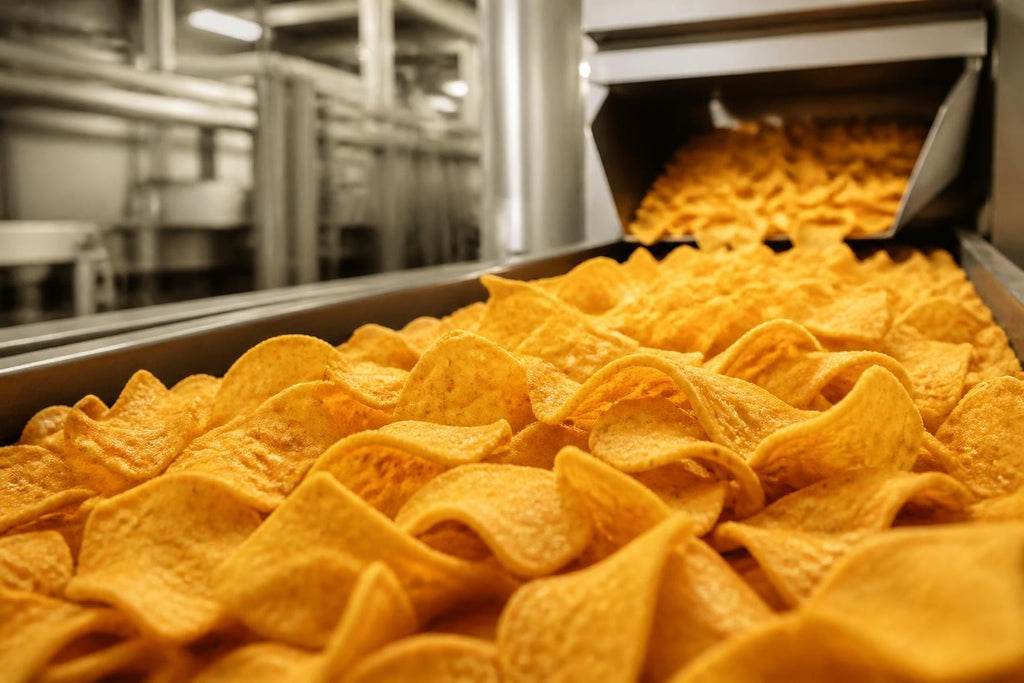
Fritos have become one of the most recognisable corn-based snacks worldwide since their introduction in the early 1930s. While these crunchy, salty chips originated in the United States, they've influenced snack food culture globally and represent a fascinating example of how simple ingredients can create enduring food products. For South Africans living in New Zealand who appreciate diverse international snacks alongside their beloved home-country favourites, understanding the evolution and appeal of products like Fritos offers insight into the global snack food industry and how different cultures approach comfort foods.
The Origins and Development of Fritos
Charles Elmer Doolin purchased a corn chip recipe and manufacturing equipment in San Antonio, Texas, in 1932, establishing what would become the Frito Company. The original production was modest, with Doolin making approximately ten pounds of Fritos daily in his mother's kitchen before scaling operations. This humble beginning transformed into a snack food empire that would eventually merge with H.W. Lay & Company in 1961 to form Frito-Lay, now a subsidiary of PepsiCo.
Manufacturing Process and Innovation
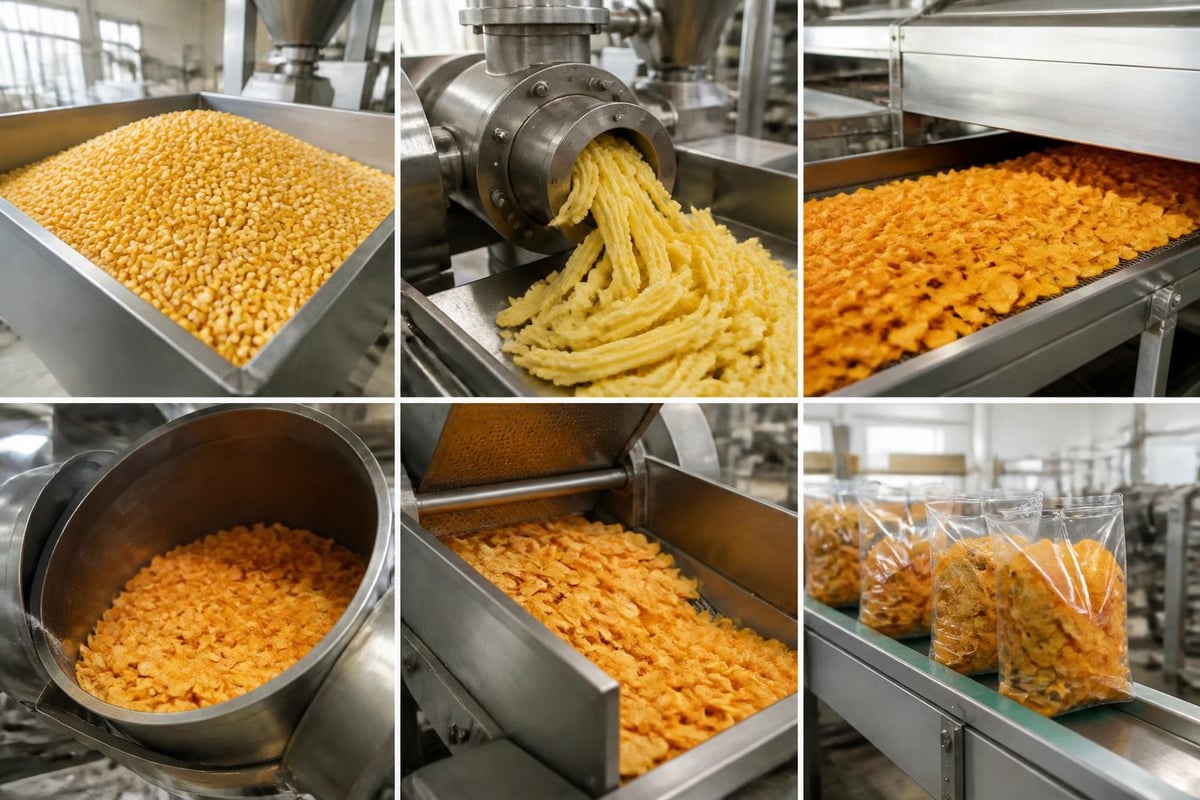
The production of Fritos involves a specific industrial corn-chip manufacturing process that differs significantly from traditional methods. Unlike nixtamalized masa products used in traditional Mexican cuisine, Fritos utilize a proprietary process that creates their distinctive texture and flavour profile.
The manufacturing steps include:
- Corn masa preparation using specific corn varieties
- Extrusion through specialized equipment to create the characteristic shape
- Frying at controlled temperatures to achieve optimal crispness
- Seasoning with salt immediately after frying
- Cooling and packaging to maintain freshness
Key manufacturing considerations impact the final product quality. Temperature control during frying, moisture content in the raw masa, and salt distribution all contribute to the consistent taste that consumers expect. Research on extruded and puffed corn products demonstrates how processing variables affect texture, flavour development, and consumer acceptance.
Nutritional Profile and Ingredient Simplicity
One distinguishing feature of original Fritos is their minimal ingredient list: corn, corn oil, and salt. This simplicity appeals to consumers seeking recognisable components in their snack foods.
| Nutrient | Per 28g Serving | Daily Value % |
|---|---|---|
| Calories | 160 | 8% |
| Total Fat | 10g | 13% |
| Sodium | 170mg | 7% |
| Carbohydrates | 15g | 5% |
| Protein | 2g | 4% |
According to USDA FoodData Central, Fritos provide energy primarily from fats and carbohydrates, typical of fried corn-based snacks. While not positioned as a health food, the straightforward ingredient list contrasts with many modern processed snacks containing numerous additives and preservatives.
Variety and Flavour Extensions
Beyond the original variety, the Fritos brand has expanded to include:
- Flavor Twists with honey BBQ and other seasonings
- Scoops designed specifically for dipping
- Reduced fat versions for health-conscious consumers
- Regional flavours tailored to specific markets
This product diversification reflects broader industry trends toward offering options that meet varying consumer preferences while maintaining brand identity through the core corn chip base.
Cultural Impact and Culinary Applications
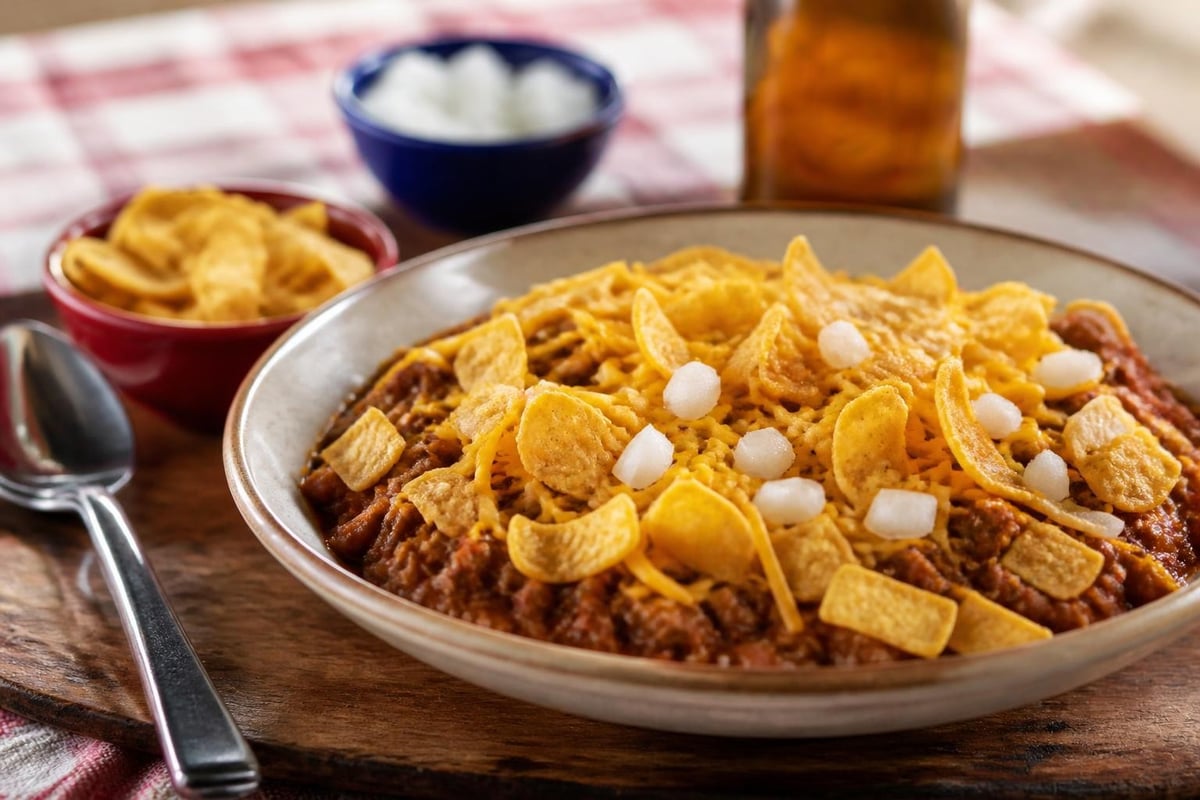
Fritos have transcended their role as a standalone snack to become integral ingredients in regional American cuisine. The most notable example is Frito pie, a beloved Texas dish combining Fritos with chilli, cheese, and various toppings. This creation demonstrates how commercial snack products can become embedded in local food traditions.
Common culinary uses for Fritos include:
- Topping for casseroles and baked dishes
- Crunchy element in salads
- Base for walking tacos (Fritos served in the bag with toppings)
- Coating for fried foods
- Ingredient in dessert bars and sweet treats
The versatility of Fritos in American cooking parallels how South African snacks serve multiple purposes beyond simple snacking. Just as many South African groceries at specialist stores feature products that can be eaten alone or incorporated into recipes, Fritos occupy a similar dual role in American pantries.
The South African Snacking Landscape
While Fritos themselves aren't a traditional South African snack, understanding their appeal helps contextualise the broader category of corn-based and savoury snacks that South Africans enjoy. The South African snack market features distinctive products with strong brand loyalty and cultural significance, much like Fritos hold in the American market.
Comparing Snack Food Cultures
South Africans living in New Zealand often seek familiar snack options that remind them of home. The desire for specific textures, flavours, and brands isn't unique to any single culture but represents a universal human connection to food memories and comfort.
| Aspect | American Corn Chips | South African Snacks |
|---|---|---|
| Flavour Profile | Salt-focused, corn-forward | Diverse, often bolder seasonings |
| Primary Grains | Corn-dominant | Mix of corn, wheat, potato |
| Brand Loyalty | Strong (regional preferences) | Extremely strong (nostalgia-driven) |
| Cultural Integration | Embedded in regional dishes | Central to social gatherings |
The emotional connection South Africans maintain with their traditional snacks mirrors how Americans feel about products like Fritos. This parallel explains why expatriates actively seek out South African shops that stock familiar items.
Finding International and South African Snacks in New Zealand
New Zealand's multicultural population has created demand for diverse food products beyond local offerings. South Africans represent a significant expatriate community with specific culinary preferences and strong attachments to brands from home.
For those seeking South African snacks, Something From Home operates as a dedicated South African food store in New Zealand, stocking more than 2,500 South African products. This extensive range ensures that South Africans living far from home can access the flavours and brands they grew up with, from savoury snacks to confectionery and pantry staples.
The Role of Specialty Food Retailers
Specialist importers serve several crucial functions:
- Sourcing authentic products directly from origin countries
- Maintaining consistent stock of popular items
- Introducing New Zealand customers to international flavours
- Supporting expatriate communities' connection to food heritage
- Providing reliable online ordering with nationwide delivery
The convenience of purchasing South African food online in New Zealand has transformed how expatriates access comfort foods. Rather than relying on occasional visitors or limited local stock, customers can browse comprehensive catalogues and receive deliveries directly to their homes throughout New Zealand.

Broader Trends in Corn-Based Snack Foods
The success of Fritos reflects larger patterns in snack food consumption and preference. Corn-based snacks occupy a significant market segment globally, competing with potato chips, extruded snacks, and other categories.
Consumer Preferences Driving Innovation
Modern snack consumers increasingly prioritize:
- Ingredient transparency with recognizable components
- Texture variety from extra-crunchy to lighter options
- Flavour innovation balancing familiar and novel seasonings
- Portion control through package sizing
- Dietary accommodations including gluten-free certification
Fritos align well with several of these trends, particularly ingredient simplicity and the natural gluten-free status of corn-based products. These attributes appeal to contemporary consumers reading labels more carefully and seeking products that fit various dietary requirements.
Manufacturing Efficiency and Scale
Large-scale snack production requires substantial capital investment in equipment, quality control systems, and distribution networks. The Frito-Lay manufacturing infrastructure demonstrates how successful snack brands achieve consistency across millions of units while maintaining quality standards.
Critical manufacturing metrics include:
- Production speed balanced with quality control
- Ingredient sourcing reliability and cost management
- Packaging that preserves freshness during distribution
- Supply chain optimization for regional and national distribution
- Sustainability initiatives addressing environmental concerns
These operational considerations separate market leaders from smaller producers, creating barriers to entry that protect established brands while occasionally allowing innovative newcomers to capture niche segments.
Brand Evolution in Global Markets
As Fritos expanded beyond American borders, the brand adapted to local preferences while maintaining core product identity. This balance between consistency and localization represents a common challenge for food products entering new markets.
International expansion considerations include:
- Flavour modifications to accommodate regional taste preferences
- Package sizing appropriate for local consumption patterns
- Pricing strategies reflecting local economic conditions
- Distribution partnerships with established regional networks
- Marketing messages that resonate with cultural contexts
South African food brands face similar challenges when entering new markets. Products beloved in South Africa may require adjustments for New Zealand consumers, though expatriate communities typically prefer authentic versions matching their memories of home. This preference drives the South African food store business model, which prioritizes authenticity over localization.
The Economics of Snack Food Loyalty
Consumer loyalty in snack foods demonstrates remarkable persistence, with many individuals maintaining preferences established during childhood. This loyalty creates stable revenue streams for established brands while presenting challenges for new market entrants.
Factors Influencing Brand Preference
Research consistently identifies several drivers of snack food loyalty:
- Taste consistency delivering expected flavour with each purchase
- Availability through widespread retail distribution
- Nostalgia connecting products to positive memories
- Value perception balancing cost with satisfaction
- Habit formation through repeated consumption occasions
For South Africans in New Zealand, these factors intensify because familiar snacks also represent cultural connection. The emotional value of a beloved South African snack often exceeds its literal taste or nutritional profile, making specialist retailers essential for serving this community.
Quality Standards and Food Safety
Commercial snack production operates under strict regulatory frameworks ensuring consumer safety and product consistency. Companies manufacturing products like Fritos implement comprehensive quality management systems covering raw material inspection through final packaging.
| Quality Control Point | Purpose | Testing Method |
|---|---|---|
| Incoming corn | Verify quality, moisture | Visual, laboratory analysis |
| Masa preparation | Ensure proper consistency | Texture, moisture testing |
| Frying temperature | Achieve optimal texture | Continuous monitoring |
| Salt application | Maintain flavour consistency | Weight, distribution checks |
| Packaging seal | Preserve freshness | Seal integrity testing |
These rigorous standards apply across the food industry, including imports to New Zealand. South African products sold through reputable retailers meet New Zealand food safety requirements, ensuring the familiar treats that South Africans enjoy maintain both authenticity and safety.
Market Competition and Category Dynamics
The corn chip category features intense competition among established brands and emerging alternatives. Fritos compete with tortilla chips, other corn chips, and broader snack categories for consumer attention and wallet share.
Competitive advantages established brands maintain include:
- Extensive distribution networks ensuring retail presence
- Marketing budgets supporting brand awareness
- Manufacturing scale enabling competitive pricing
- Product development capabilities for line extensions
- Consumer trust built through decades of consistency
New Zealand's snack market includes international brands alongside local producers, creating a diverse landscape where consumers access both familiar global products and unique regional offerings. This diversity benefits consumers while challenging retailers to optimize product assortments.
Sustainability and Future Directions
The snack food industry faces increasing pressure to address environmental impacts throughout production, packaging, and distribution. Major manufacturers including Frito-Lay have announced sustainability initiatives targeting:
- Renewable energy in manufacturing facilities
- Water conservation in production processes
- Recyclable or compostable packaging materials
- Sustainable agricultural practices for raw materials
- Reduced greenhouse gas emissions across operations
These commitments reflect consumer expectations and regulatory trends toward environmental responsibility. The changes affect product costs and manufacturing practices but align with long-term brand preservation as environmental awareness grows among consumers globally.
Adapting to Changing Consumer Values
Beyond environmental concerns, snack manufacturers must navigate evolving preferences regarding health, ingredients, and social responsibility. Product development increasingly incorporates:
- Clean label formulations with minimal processing
- Plant-forward positioning emphasizing grain origins
- Portion-controlled packaging supporting moderation
- Transparency initiatives sharing sourcing information
- Ethical supply chains ensuring fair labour practices
These trends influence how established products maintain relevance with younger consumers while serving loyal customers who value consistency. The balance determines long-term brand viability in competitive markets.
Understanding global snack foods like Fritos provides perspective on how simple products achieve enduring success through consistent quality, smart marketing, and cultural integration. For South Africans in New Zealand craving the distinctive tastes of home, Something From Home delivers access to more than 2,500 authentic South African products, ensuring that distance doesn't mean disconnection from beloved flavours and cherished food memories.