Rice Krispies: A Breakfast Classic in South African Homes

Few breakfast cereals have achieved the iconic status that rice krispies commands in households around the world. With their distinctive snap, crackle, and pop sounds that have delighted generations, these golden puffed rice grains represent more than just a morning meal. For South Africans living in New Zealand, rice krispies often evoke powerful memories of home, family breakfasts, and the comforting routines that defined childhood mornings in Cape Town, Johannesburg, Durban, and beyond. The cereal's journey from innovation to cultural staple mirrors the broader story of how global food brands become woven into local traditions and family rituals.
The Origin Story Behind the Iconic Cereal
Rice krispies emerged from the Kellogg's innovation laboratories in 1928, a period of rapid experimentation in breakfast cereal technology. The product resulted from a unique process of cooking rice grains under pressure and then rapidly expanding them through steam, creating the characteristic puffed texture. This manufacturing technique gave each grain its hollow structure, which produces the famous crackling sound when milk is added.
The marketing genius behind rice krispies extended beyond the product itself. The introduction of Snap, Crackle, and Pop as brand mascots in the 1930s created an emotional connection with consumers that transcended mere nutrition. These characters became part of breakfast storytelling and family conversation, particularly appealing to children who could hear the cereal "talk" in their bowl.
Global Expansion and Cultural Adoption
By the mid-20th century, rice krispies had achieved remarkable global distribution:
- Available in over 130 countries across six continents
- Manufactured in regional facilities to ensure freshness
- Adapted to local taste preferences while maintaining core identity
- Integrated into diverse culinary traditions beyond breakfast
The cereal's arrival in South Africa occurred during the post-war expansion of processed foods into international markets. South African families quickly embraced rice krispies as part of the broader adoption of convenient breakfast solutions that suited busy modern lifestyles. The product aligned perfectly with South African food culture's blend of British colonial influences and emerging global consumer trends.

Nutritional Profile and Health Considerations
Understanding the nutritional composition of rice krispies helps consumers make informed breakfast choices. The cereal provides a relatively simple nutritional profile built primarily around rice as the main ingredient.
| Nutritional Aspect | Content per Serving | Daily Value Percentage |
|---|---|---|
| Calories | 100-130 | 5-7% |
| Total Carbohydrates | 23-29g | 8-10% |
| Sugars | 3-4g | Variable |
| Protein | 2g | 4% |
| Iron | 8mg | 45% |
| Vitamins (B group) | Fortified | 25% |
The fortification of rice krispies with essential vitamins and minerals, particularly iron and B vitamins, made the cereal an important nutritional vehicle during the 20th century. For many families, this breakfast option provided crucial micronutrients that might otherwise be deficient in daily diets.
Rice Sourcing and Safety Considerations
Modern consumers increasingly question the origins and safety of rice-based products. The American Academy of Pediatrics has provided guidance on arsenic levels in rice products, particularly for infant consumption. While rice krispies are marketed for all ages, parents should be aware that rice naturally absorbs arsenic from soil and water during cultivation.
Manufacturing processes employed by major cereal producers include:
- Sourcing rice from tested and certified suppliers
- Regular testing for heavy metal contamination
- Washing and processing techniques that reduce arsenic levels
- Compliance with food safety standards in all operating markets
The sustainable rice production initiatives promoted by global agricultural organizations have influenced how major cereal manufacturers source their raw materials. These programmes emphasise environmental stewardship alongside food safety, addressing concerns from soil health to water management in rice paddies.
Rice Krispies in South African Food Culture
The integration of rice krispies into South African homes reflects broader patterns in the country's culinary evolution. While traditional South African breakfasts might feature koeksisters, vetkoek, or rusks, the convenience and child-friendly appeal of rice krispies made them a staple in many households.
South African parents discovered that rice krispies served multiple purposes beyond simple breakfast cereal. The product became a building block for creative recipes, particularly the beloved Rice Krispie treats that featured at birthday parties, school events, and family gatherings. These marshmallow-bound squares became as South African as they were American, adapted with local ingredients and serving traditions.
The Nostalgia Factor for Expats
South Africans living in New Zealand often seek familiar cereals for several compelling reasons:
- Taste memory connection to childhood breakfasts and family routines
- Comfort food significance during the adjustment to life abroad
- Maintaining food traditions for their own children
- Sensory nostalgia triggered by the distinctive snap, crackle, pop sounds
- Cultural continuity through familiar daily rituals
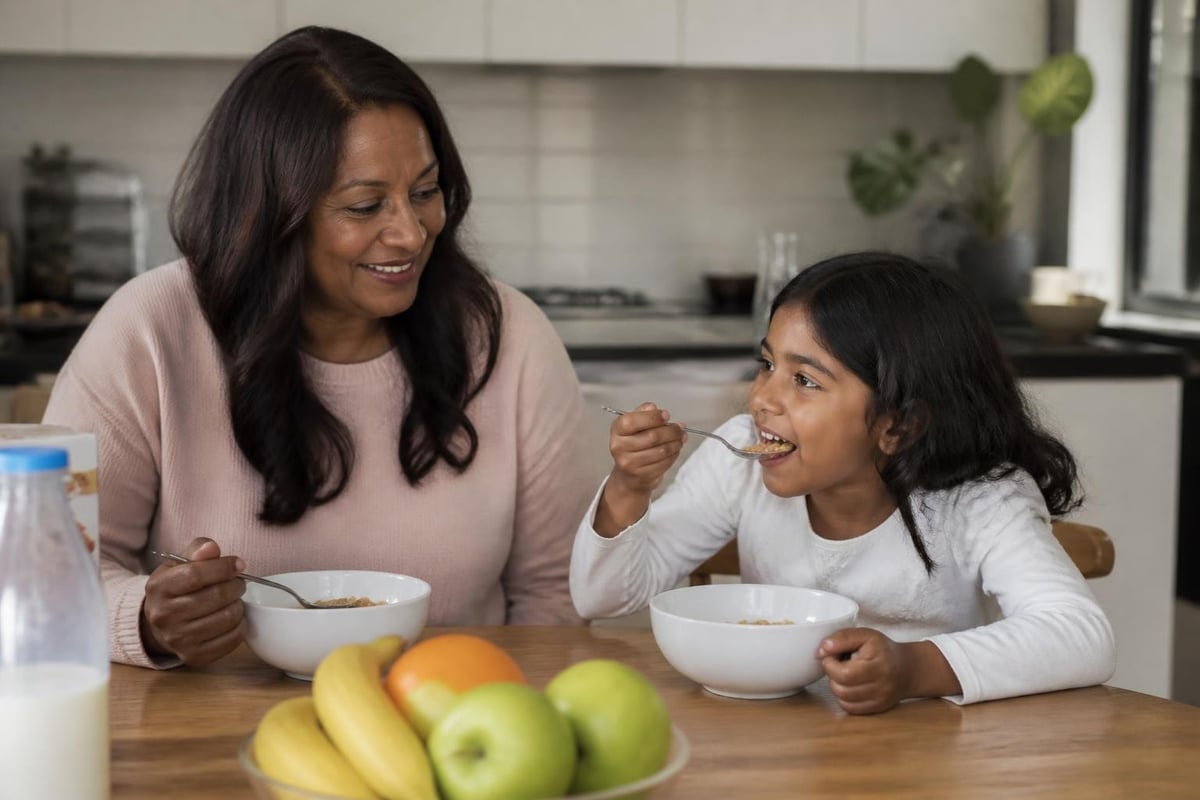
The expat experience intensifies appreciation for products that were once taken for granted. A simple box of rice krispies becomes a tangible link to home, a way to recreate morning routines that connect children to their South African heritage. Many New Zealand-based South Africans report that certain foods trigger powerful emotional responses, and breakfast cereals rank high among these comfort items.
Creative Uses Beyond the Breakfast Bowl
While rice krispies excel as a breakfast cereal, their versatility extends into numerous culinary applications that South African cooks have embraced enthusiastically. The neutral flavour and crispy texture make them an ideal ingredient for both sweet and savoury preparations.
Traditional Rice Krispie Treats
The classic recipe combining rice krispies, butter, and marshmallows has become a global phenomenon, but South African versions often incorporate unique local touches. Some cooks add a pinch of salt to enhance sweetness, while others incorporate peppermint crisp or other popular South African snack brands for distinctive flavour profiles.
Modern variations include:
- Chocolate-drizzled versions using South African chocolate brands
- Layered treats with caramel or condensed milk
- Individual portions for lunch boxes and school events
- Gluten-free options that maintain the classic texture
- Protein-enhanced versions with nut butters
Coating and Texture Applications
Creative South African home cooks discovered that rice krispies function excellently as a coating ingredient. Crushed rice krispies provide a light, crispy exterior for chicken strips, fish fillets, or vegetable fritters. This application aligns with the South African love for texture contrast in dishes, from crunchy toppings on bobotie to crispy elements in gatsby sandwiches.
The cereal also appears in dessert applications beyond simple treats. Crushed rice krispies add texture to tennis biscuit desserts, cheesecake bases, and ice cream toppings. This versatility makes rice krispies a pantry staple worth stocking alongside traditional South African ingredients.
Finding South African Products in New Zealand
The challenge facing South Africans in New Zealand involves sourcing familiar products in a market dominated by different brands and taste preferences. While local supermarkets stock rice krispies, they may not carry the specific varieties or accompanying products that South African consumers remember from home.
Specialised South African food stores address this gap by importing products that cater specifically to expat communities. These retailers understand that food represents more than nutrition-it embodies cultural identity, family traditions, and emotional wellbeing. A South African food store in New Zealand serves as more than a shop; it becomes a community hub where expats reconnect with their heritage.
The Online Shopping Advantage
Modern South African food distribution in New Zealand offers several benefits:
- Comprehensive product range exceeding what physical stores can stock
- Convenient home delivery across New Zealand's geographic spread
- Regular stock updates ensuring fresh inventory and new arrivals
- Authentic sourcing directly from South African suppliers
- Competitive pricing through efficient import and distribution networks
Online platforms enable South African families throughout New Zealand-from Auckland to Christchurch, Wellington to Dunedin-to access familiar products without geographical limitations. This accessibility preserves cultural food practices and allows children growing up in New Zealand to experience the tastes their parents knew in South Africa.

Rice Krispies and Modern Breakfast Trends
Contemporary breakfast consumption patterns reflect changing lifestyles, health awareness, and convenience requirements. Rice krispies adapts to these shifts while maintaining its core appeal. The cereal's quick preparation time suits rushed mornings, while its compatibility with various milk alternatives addresses dietary preferences and restrictions.
Adapting to Dietary Requirements
The simple rice-based formula of rice krispies accommodates multiple dietary considerations:
| Dietary Need | Rice Krispies Compatibility | Considerations |
|---|---|---|
| Gluten-free | Generally yes | Check specific product labelling |
| Dairy-free | Yes (with plant milk) | Use almond, oat, or coconut milk |
| Low-fat | Yes | Naturally low in fat content |
| Vegetarian | Yes | No animal-derived ingredients |
| Vegan | Usually yes | Verify vitamin D source |
This adaptability ensures rice krispies remains relevant as consumer preferences evolve. South African families in New Zealand appreciate products that work within diverse dietary frameworks, particularly when managing multiple family members' nutritional needs and preferences.
Breakfast Innovation and Convenience
The ready-to-eat nature of rice krispies positions it perfectly within modern breakfast consumption patterns. Unlike cooked porridge that requires preparation time, or elaborate breakfast dishes that suit weekend mornings, rice krispies delivers consistent results in under two minutes. This convenience factor proved particularly valuable during 2020-2021 when many families adjusted to work-from-home routines and compressed morning schedules.
South African households traditionally value substantial breakfasts, but contemporary realities often necessitate quicker options. Rice krispies bridges this gap, providing a breakfast solution that satisfies both nostalgia for familiar foods and practical requirements for efficient morning routines.
Building Community Through Shared Food Experiences
The South African community in New Zealand, estimated at over 60,000 people, maintains cultural connections through various channels, with food playing a central role. Shared meals, traditional recipes, and familiar products create bonds between expats navigating life far from their birthplace.
Community events celebrating South African heritage often feature food stalls offering traditional dishes alongside commercially produced snacks and groceries. Rice krispies treats appear at these gatherings, prepared using cherished family recipes and shared as symbols of home. These simple cereal-based confections carry emotional weight far exceeding their humble ingredients.
The Role of Specialty Food Retailers
Businesses dedicated to importing South African products serve crucial functions within expat communities. Beyond commercial transactions, these enterprises facilitate cultural preservation and identity maintenance. When South African parents purchase rice krispies alongside biltong, Mrs Ball's chutney, and Simba chips, they're assembling ingredients for a lifestyle, not just filling a shopping trolley.
Specialty South African retailers offer distinct advantages:
- Product expertise from staff who understand cultural context
- Comprehensive ranges spanning multiple product categories
- Authentic sourcing ensuring genuine South African products
- Community connection through shared cultural understanding
- Reliable availability of hard-to-find items
These businesses recognise that food shopping involves emotional dimensions alongside practical ones. The ability to purchase rice krispies in the context of other South African products creates a holistic shopping experience that honours cultural heritage while serving daily needs.
The Economics of Food Memory and Cultural Identity
Academic research into migration and food consumption reveals that familiar products command premium pricing among expat communities. South Africans in New Zealand often pay higher prices for imported goods, viewing this expense as worthwhile investment in cultural continuity and emotional wellbeing.
Rice krispies, as a globally distributed product, exists in an interesting economic position. The cereal is available through mainstream New Zealand retailers at standard pricing, yet many South Africans prefer purchasing through specialised importers that stock the specific South African packaging and formulation they remember. This preference demonstrates that product identity extends beyond ingredients to encompass packaging design, portion sizes, and contextual associations.
Value Propositions for Expat Consumers
| Purchase Factor | Mainstream Retailer | Specialist South African Importer |
|---|---|---|
| Product availability | Generally yes | Guaranteed yes |
| Cultural context | Limited | Comprehensive |
| Related products | Few | Extensive range |
| Community connection | None | Significant |
| Price point | Standard | Premium but justified |
The decision to purchase rice krispies and other grocery items from a dedicated South African supplier reflects values beyond simple price comparison. Consumers weigh convenience, cultural authenticity, product range, and community belonging alongside monetary cost.
Sustainable Consumption and Future Trends
Environmental consciousness increasingly influences food purchasing decisions globally. Rice krispies, like all packaged cereals, faces scrutiny regarding packaging waste, carbon footprint from transportation, and agricultural sustainability of rice cultivation.
South African consumers, whether in South Africa or New Zealand, demonstrate growing interest in sustainable food systems. The challenge involves balancing environmental values with cultural food needs and practical constraints. Imported products inherently carry higher environmental costs due to transportation distances, yet they fulfil important psychological and cultural functions for expat communities.
Progressive retailers address sustainability through:
- Efficient shipping consolidation reducing per-item carbon impact
- Recyclable packaging programmes and consumer education
- Supporting suppliers with strong environmental credentials
- Offering bulk purchasing options to reduce packaging waste
- Transparent communication about product sourcing and impacts
The future of products like rice krispies in expat markets likely involves enhanced sustainability measures alongside continued cultural relevance. Consumers increasingly expect businesses to demonstrate environmental responsibility while still delivering the familiar products that connect them to home and heritage.
Rice krispies represents far more than a simple breakfast cereal for South African families navigating life in New Zealand. This iconic product bridges continents and generations, delivering comfort, nostalgia, and practical nutrition in equal measure. Whether enjoyed in a morning bowl with cold milk or transformed into beloved treats for special occasions, rice krispies maintains its position as a cultural touchstone that connects expats to cherished memories. If you're seeking authentic South African products in New Zealand, including familiar breakfast cereals and the extensive range of groceries that make a house feel like home, Something From Home stocks around 2,200 South African products with convenient delivery throughout the country.