Potjie Pot: South African Cast Iron Cooking Tradition
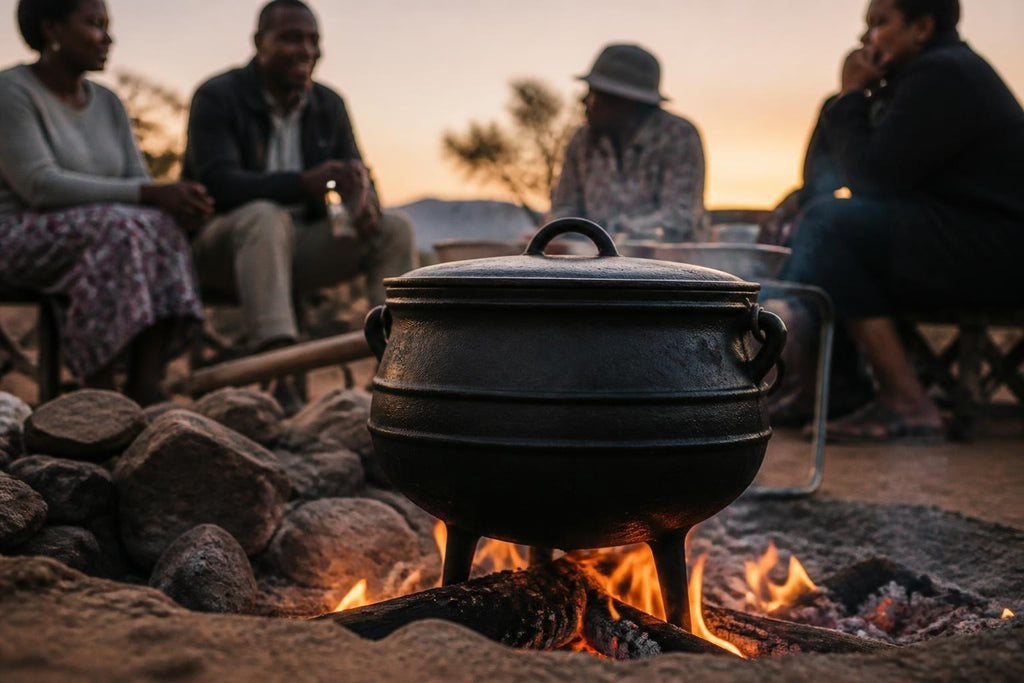
The potjie pot stands as one of South Africa's most cherished culinary traditions, representing far more than simple cookware. This three-legged cast iron pot has been the cornerstone of South African outdoor cooking for generations, bringing families and communities together around open flames to create rich, layered dishes that simmer for hours. For South Africans living in New Zealand, the potjie pot remains a powerful connection to home, embodying memories of weekend gatherings, family celebrations, and the distinctive flavours of traditional South African cuisine.
The Heritage and Design of the Potjie Pot
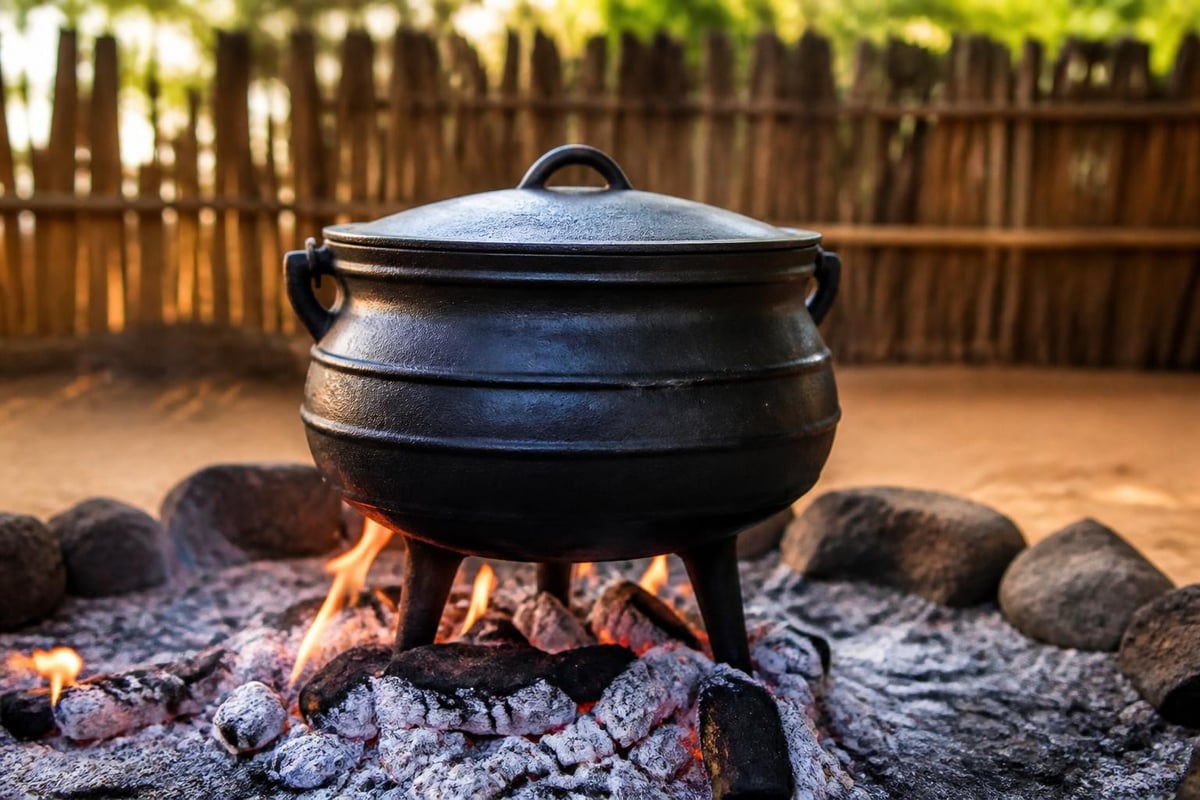
The potjie pot traces its origins to the Dutch settlers who arrived in South Africa during the 17th century, bringing their cast iron cooking vessels with them. The word "potjie" translates to "small pot" in Afrikaans, though these vessels come in various sizes ranging from diminutive one-litre pots to substantial twenty-litre cauldrons. The traditional design features three legs that elevate the pot above coals, a rounded belly for even heat distribution, and a tight-fitting lid that seals in moisture and flavour.
Key design features include:
- Three sturdy legs for stability over coals or open flames
- Thick cast iron construction for superior heat retention
- Curved bottom that promotes natural convection currents
- Heavy lid that creates a seal for pressure cooking effects
- Wire handle for safe transportation and hanging
The evolution of these pots reflects South Africa's diverse cultural influences. While the Dutch introduced the basic concept, the potjie pot's development incorporated elements from indigenous cooking methods, creating something uniquely South African. Modern variations now include flat-bottomed versions suitable for stovetops, though purists argue that authentic potjiekos requires the traditional three-legged design over open coals.
Choosing Your Potjie Pot: Sizes and Specifications
Selecting the appropriate potjie pot depends on your cooking needs and group size. Manufacturers produce these vessels in standardised sizes, numbered from size one-quarter through size twenty, with each number roughly corresponding to the pot's capacity in litres.
| Size Number | Capacity | Serves | Ideal Use |
|---|---|---|---|
| Size 1/4 | 0.75L | 1-2 | Side dishes, sauces |
| Size 2 | 4L | 4-6 | Small family meals |
| Size 3 | 8L | 8-10 | Standard gatherings |
| Size 6 | 15L | 15-20 | Large events |
The size three potjie pot represents the most popular choice for typical family cooking, providing sufficient capacity without overwhelming heat requirements. For South Africans in New Zealand hosting braais and gatherings, this versatile size handles everything from traditional oxtail potjie to vegetarian alternatives incorporating local New Zealand produce.
Material considerations matter significantly:
- Seasoned cast iron develops natural non-stick properties
- Pre-seasoned pots reduce initial preparation time
- Flat-bottom variations offer stovetop compatibility
- Traditional three-legged designs excel over outdoor fires
Traditional versus Modern Variations
Traditional round-bottomed potjie pots require outdoor cooking over coals or gas burners, whilst modern flat-bottomed designs provide versatility for indoor stovetop use. This adaptation proves particularly valuable for New Zealand's variable weather, allowing enthusiasts to continue their cooking traditions regardless of outdoor conditions.
The debate between traditional and modern designs often centres on authenticity versus practicality. Many South African expatriates maintain both types, using traditional pots for authentic outdoor experiences and flat-bottomed versions for convenient weeknight cooking.
Mastering the Art of Potjiekos Cooking
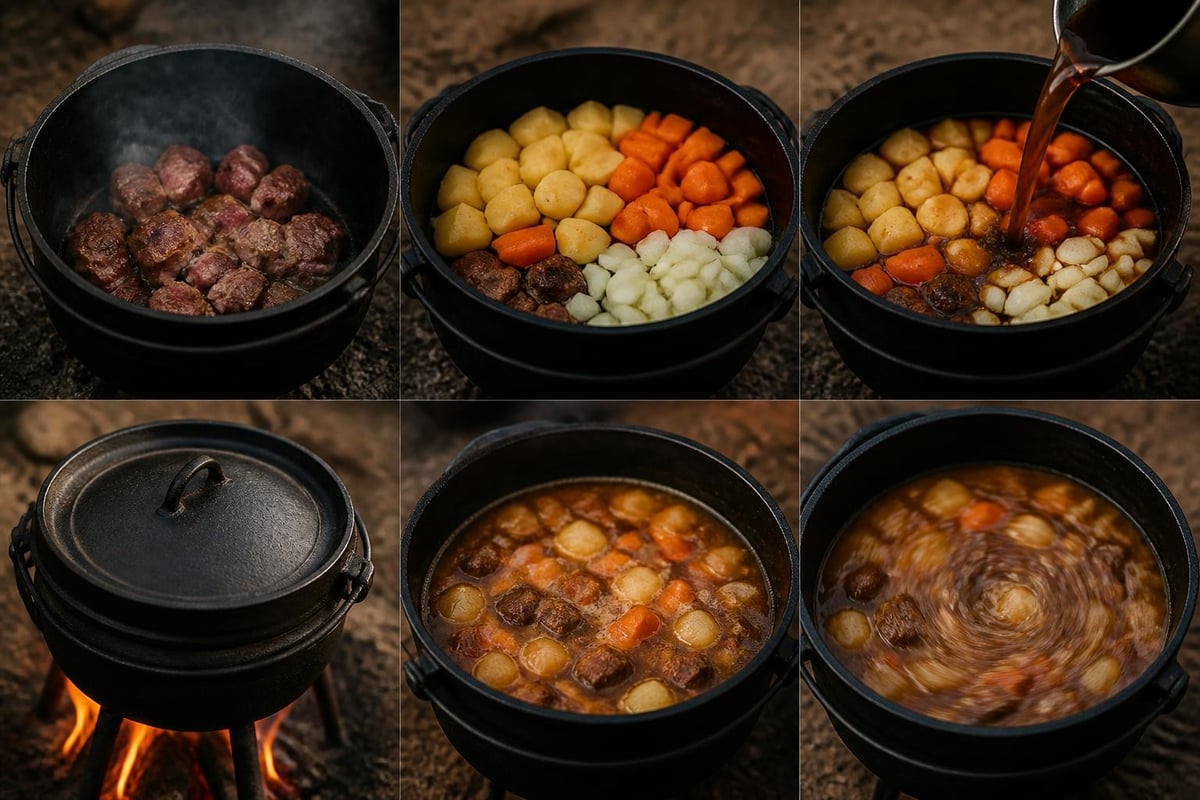
Cooking with a potjie pot differs fundamentally from conventional methods, requiring patience, restraint, and respect for traditional techniques. The cardinal rule of potjiekos cooking remains simple: never stir. This principle allows ingredients to layer naturally, with each addition creating distinct flavour profiles that meld together through slow cooking.
The cooking process begins with establishing proper heat through well-prepared coals. Unlike direct flame cooking, potjiekos relies on consistent, moderate heat that maintains gentle simmering rather than aggressive boiling. The three legs position the pot at the optimal distance from coals, whilst the heavy lid traps steam and returns condensation to the dish.
Essential cooking principles include:
- Brown meat thoroughly before adding other ingredients
- Layer vegetables according to cooking time requirements
- Add liquid sparingly to prevent stewing rather than braising
- Resist the temptation to lift the lid frequently
- Allow natural convection to distribute heat evenly
- Trust the process and avoid stirring
Temperature management separates successful potjiekos from disappointing results. Too much heat causes burning at the bottom whilst leaving upper layers undercooked. Insufficient heat extends cooking time unnecessarily and fails to develop proper flavour complexity. Experienced cooks judge temperature by observing steam escape around the lid, adjusting coal placement to maintain steady simmering.
Traditional Recipes and Modern Adaptations
Classic potjiekos recipes reflect South Africa's agricultural heritage and multicultural influences. Traditional preparations often feature robust ingredients that withstand extended cooking times whilst developing complex flavours. Oxtail potjie remains perhaps the most iconic dish, combining succulent meat with root vegetables, tomatoes, and aromatic spices that simmer for three to four hours.
Popular traditional potjiekos variations:
- Lamb and apricot potjie with sweet-savoury balance
- Chicken and vegetable potjie with white wine
- Seafood potjie featuring line fish and prawns
- Venison potjie using game meat
- Vegetarian bean and lentil combinations
Modern interpretations incorporate contemporary ingredients whilst respecting traditional methods. South Africans in New Zealand often adapt recipes using locally available produce, substituting New Zealand lamb for karoo mutton or incorporating Pacific seafood varieties. The extensive recipe collections available online demonstrate the potjie pot's versatility across cuisines and dietary preferences.
Cultural Significance in South African Heritage
The potjie pot transcends mere cooking equipment, serving as a cultural touchstone that embodies South African values of community, patience, and shared experience. Weekend potjiekos gatherings create social occasions where cooking becomes participatory entertainment rather than solitary kitchen work. Men traditionally assume cooking responsibilities during these events, contrasting with everyday meal preparation norms.
| Aspect | Traditional Role | Modern Practice |
|---|---|---|
| Cook | Male-dominated | Increasingly inclusive |
| Setting | Outdoor gatherings | Flexible locations |
| Occasion | Weekends, celebrations | Regular family meals |
| Participation | Communal experience | Varied approaches |
This cultural practice strengthens community bonds through shared anticipation and collective enjoyment. The slow cooking process encourages conversation, relationship building, and the passing of culinary knowledge between generations. For South African expatriates, maintaining potjiekos traditions provides tangible connection to cultural identity and heritage.
Essential Equipment and Accessories
Beyond the potjie pot itself, successful outdoor cooking requires complementary equipment and accessories. A proper coal stand elevates the cooking area to comfortable working height whilst protecting surfaces from heat damage. Long-handled utensils enable safe ingredient addition without risking burns from rising steam.
Recommended accessories include:
- Heat-resistant gloves for lid and pot handling
- Coal scoop for heat adjustment
- Drip tray to collect spills
- Wooden spoons for gentle ingredient placement
- Pot lifter for safe transportation
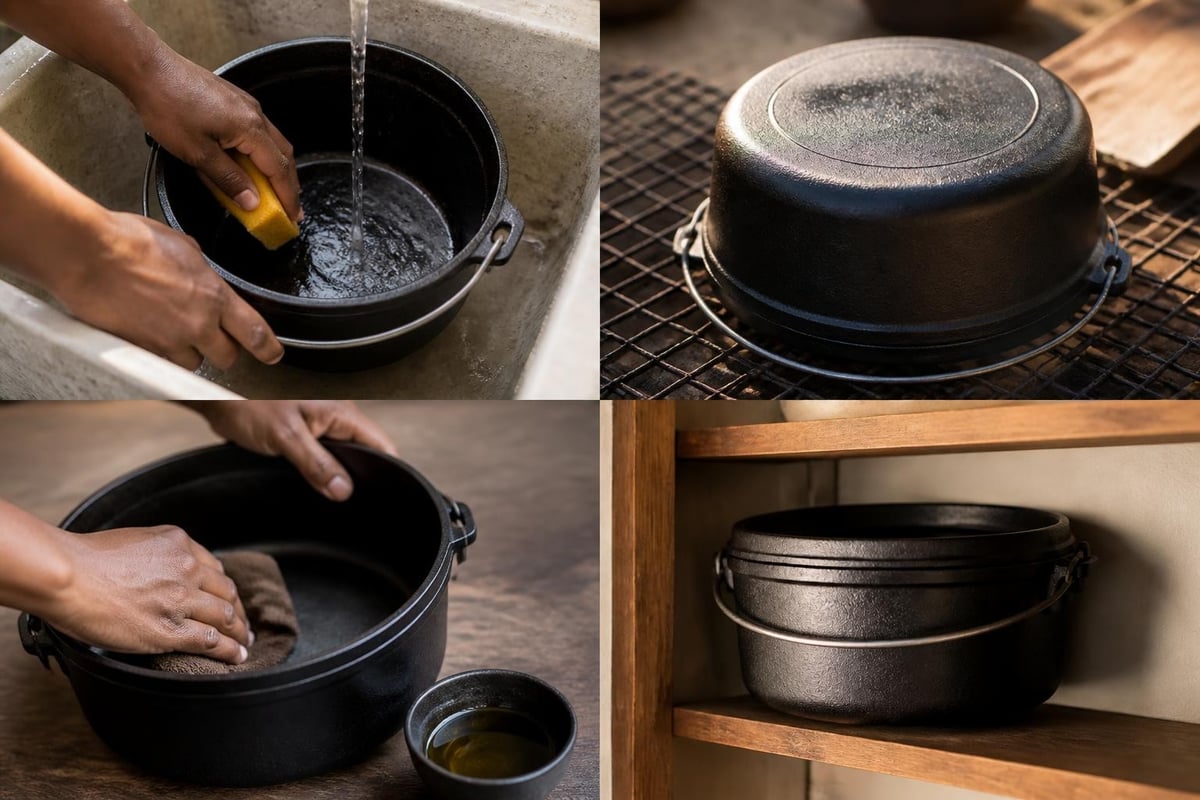
Maintaining your potjie pot ensures decades of reliable service. After each use, clean the pot thoroughly whilst still warm, using hot water and minimal soap. Dry completely and apply a light coating of cooking oil to prevent rust formation. Never store potjie pots with lids sealed tight, as trapped moisture encourages corrosion.
Braai Culture and the Potjie Tradition
The potjie pot occupies a distinctive position within broader South African braai culture, complementing rather than competing with traditional grilling. Whilst braais typically focus on meat cooked directly over flames, potjiekos provides substantial side dishes or complete one-pot meals. Many gatherings feature both cooking methods simultaneously, with the potjie pot simmering whilst steaks and boerewors grill nearby.
This integration reflects the social nature of South African outdoor cooking. The extended cooking time required for potjiekos encourages prolonged gatherings where food preparation becomes entertainment. Guests gather around the potjie pot, debating cooking techniques, sharing stories, and sampling progress without actually disturbing the layered contents. For those interested in authentic South African outdoor cooking equipment, the braai collection offers essential items for complete traditional experiences.
Adapting Potjiekos to New Zealand Living
South Africans residing in New Zealand face unique considerations when maintaining their potjiekos traditions. The climate differences between regions require adaptation, particularly regarding outdoor cooking during winter months. Covered patios, garage spaces, and portable gas burners enable year-round cooking regardless of weather conditions.
Practical adaptations for New Zealand include:
- Investing in both traditional and flat-bottom potjie pots
- Using portable gas burners for weather independence
- Incorporating New Zealand ingredients into traditional recipes
- Creating indoor-outdoor cooking transitions
- Hosting potjiekos gatherings during favourable seasons
Ingredient availability presents minimal challenges, as New Zealand's agricultural diversity provides excellent substitutes for traditional South African produce. Local lamb rivals karoo quality, whilst abundant seafood options enable creative coastal-inspired potjiekos variations. For authentic South African spices, condiments, and specialty ingredients, South African groceries remain readily accessible through dedicated importers.
Teaching the Next Generation
Preserving potjiekos traditions requires active knowledge transfer between generations. Parents and grandparents teaching children traditional cooking methods ensure cultural continuity whilst adapting practices to contemporary contexts. The potjie pot's forgiving nature makes it ideal for introducing young cooks to outdoor cooking fundamentals.
Educational opportunities include:
- Explaining ingredient layering principles
- Demonstrating proper heat management
- Sharing family recipes and variations
- Discussing cultural significance and heritage
- Encouraging creative experimentation
Children growing up in New Zealand with South African heritage benefit from these hands-on cultural experiences. The potjie pot serves as tangible connection to ancestral traditions, providing sensory memories that transcend geographical displacement. These cooking sessions create lasting family bonds whilst ensuring traditional knowledge survives generational transitions.
Sourcing Quality Potjie Pots in New Zealand
Acquiring authentic potjie pots in New Zealand requires identifying reliable suppliers who understand South African cooking requirements. Quality matters significantly, as inferior cast iron construction leads to uneven heating, premature rusting, and disappointing cooking results. Specialist retailers offer properly seasoned pots with appropriate specifications.
For comprehensive South African product access, Something From Home operates as a dedicated South African food store in New Zealand, stocking 2,200 authentic products that help expatriates maintain connections to home. Whilst specialising primarily in South African groceries, snacks, and food items, they understand the broader cultural context that makes traditional cooking equipment essential for authentic culinary experiences.
Health and Safety Considerations
Cast iron cookware offers distinct nutritional advantages, adding beneficial dietary iron to prepared foods. This traditional cooking method avoids non-stick chemical coatings whilst providing naturally non-reactive cooking surfaces when properly seasoned. The slow, gentle cooking preserves nutrients better than high-heat methods whilst developing complex flavours through extended ingredient interaction.
Safety protocols include:
- Ensuring stable pot placement before adding ingredients
- Using proper lifting techniques for heavy loaded pots
- Maintaining safe distances from open flames
- Supervising children around cooking areas
- Allowing adequate cooling before cleaning
The weight of cast iron potjie pots increases significantly when filled with ingredients, requiring careful handling to prevent accidents. Team lifting approaches work well for larger pots, whilst smaller sizes remain manageable individually with appropriate gloves and lifting tools.
The Social Experience of Potjiekos
Perhaps the potjie pot's greatest value lies not in the food produced but in the social experience created. Unlike rushed weeknight dinners or restaurant meals, potjiekos demands patience that transforms cooking into social occasion. The three to four hour cooking time creates structured opportunity for conversation, relationship building, and community strengthening.
These gatherings follow informal but recognisable patterns. Early arrivals assist with fire preparation and initial ingredient processing. As the potjie begins cooking, attention shifts toward social interaction whilst the cook periodically checks progress and adjusts heat. The culmination brings everyone together for communal dining, often supplemented by braai items, salads, and traditional South African sides.
For South African expatriates in New Zealand, these gatherings provide essential cultural connection. Sharing traditional foods and cooking methods with Kiwi friends introduces South African heritage whilst building cross-cultural understanding. The potjie pot becomes conversation starter, cultural ambassador, and relationship builder simultaneously.
The potjie pot represents far more than cookware, embodying South African culinary heritage, cultural values, and community traditions that transcend geographical boundaries. Whether you're maintaining family traditions or discovering potjiekos for the first time, this distinctive cooking method offers rewarding experiences that combine excellent food with meaningful social connection. For South Africans in New Zealand seeking authentic ingredients to complement their potjiekos cooking, Something From Home provides comprehensive access to familiar flavours, spices, and specialty items that make traditional recipes taste just like they should.