
Whispers of Home: South African Food Culture in NZ
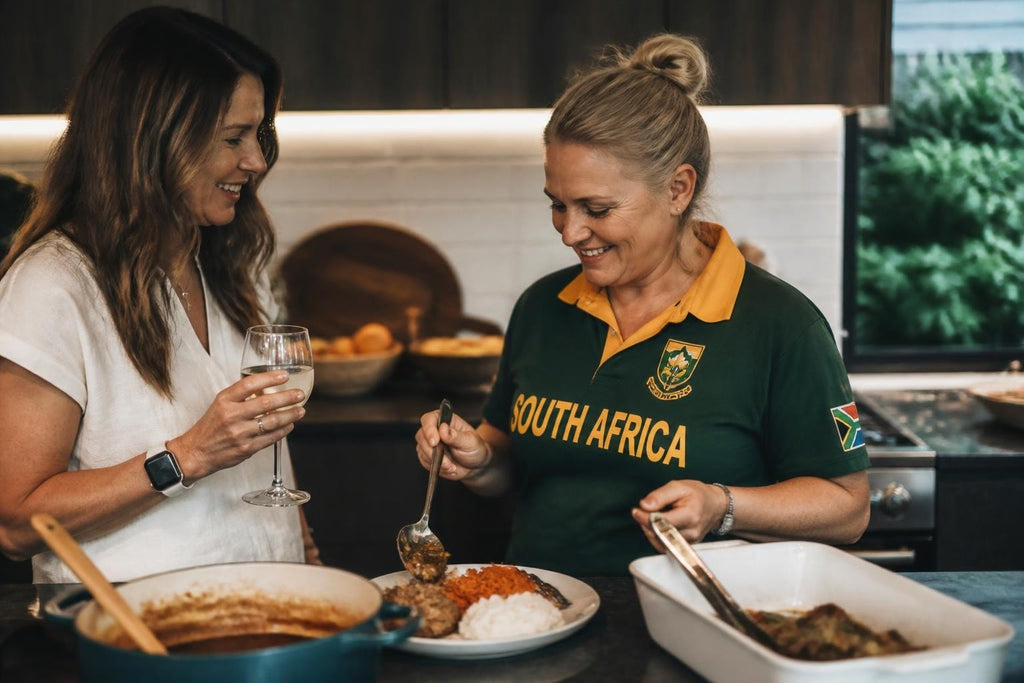
The soft whispers of nostalgia can be powerful forces in the lives of expatriates, particularly when it comes to food. For South Africans living in New Zealand, these whispers often manifest as cravings for specific flavours, textures, and brands that defined their childhood and cultural identity. Understanding this phenomenon reveals much about food culture, identity, and the remarkable ways communities maintain connections to their heritage across vast distances.
The Psychology Behind Food Nostalgia and Cultural Whispers
Food memories operate on multiple sensory levels, creating powerful emotional responses that linguistic research on whispering suggests can be as subtle as they are profound. When South Africans in New Zealand encounter familiar products, the experience triggers what researchers call "food nostalgia" – a complex psychological response connecting taste, smell, and memory.
These whispers of recognition occur instantly. The sight of a Biltong packet or a jar of Mrs Ball's Chutney can transport someone back to family braais, school lunches, or grandmother's kitchen. This isn't merely sentimentality; it's a fundamental aspect of cultural identity preservation.
Why Familiar Products Matter to Expats
- Identity reinforcement: Traditional foods maintain cultural connections across generations
- Comfort during transitions: Familiar tastes ease the stress of relocation
- Community building: Shared food experiences create bonds between expatriates
- Children's heritage: Parents use traditional foods to teach children about their background
- Celebration authenticity: Cultural holidays and festivals require specific ingredients
Research into cultural psychology demonstrates that food serves as an anchor point for identity, especially in diaspora communities. The whispers of home become louder during significant moments – birthdays, holidays, or times of homesickness.
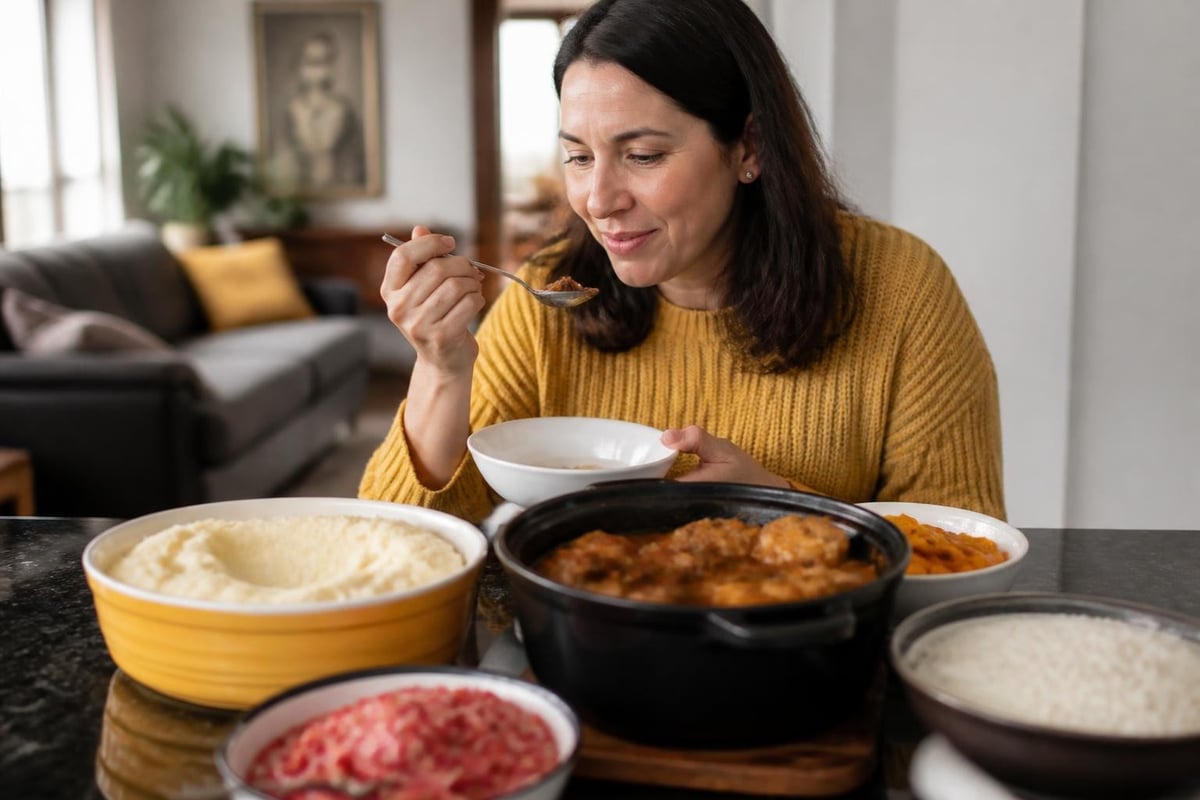
The South African Food Culture That Travels
South African cuisine represents a remarkable fusion of influences, from indigenous traditions to Dutch, British, Indian, and Malay contributions. This diversity creates a food culture rich in distinctive products that South Africans seek worldwide.
Essential South African Pantry Items
| Category | Products | Cultural Significance |
|---|---|---|
| Condiments | Mrs Ball's Chutney, Aromat, Bisto | Daily cooking essentials |
| Snacks | Biltong, Droëwors, Simba Chips | Social and recreational foods |
| Breakfast | Jungle Oats, Pronutro, Ouma Rusks | Morning traditions |
| Baking | Cremora, Tennis Biscuits, Bakers Biscuits | Tea time and desserts |
| Beverages | Rooibos, Five Roses, Oros | Comfort drinks |
The whispers of these products in conversation between South Africans in New Zealand reveal shared experiences. Mentioning Cremora tarts often sparks animated discussions about family recipes and childhood memories.
The Braai Culture Connection
No discussion of South African food culture would be complete without addressing the braai. More than simply grilling, the braai represents a social institution where communities gather, stories are shared, and traditions continue. For South Africans in New Zealand, maintaining this tradition requires specific products.
The braai collection includes everything from boerewors to braai spices, enabling authentic experiences despite the geographical distance. These gatherings allow whispers of heritage to become loud celebrations of culture.
Finding South African Products in New Zealand
The challenges South Africans face when seeking familiar products in New Zealand are significant. Mainstream supermarkets stock limited international items, and South African products rarely appear on standard shelves. This scarcity makes specialised retailers essential for maintaining cultural food connections.
The Evolution of South African Retail in NZ
- Early years: Limited imports, reliance on personal shipments
- Small-scale operations: Individual importers bringing select products
- Established retailers: Dedicated South African shops emerging
- Online expansion: E-commerce platforms broadening access
- Warehouse models: Large-scale operations offering comprehensive ranges
Something From Home operates as a South African food store in New Zealand, stocking more than 2,500 South African products. This extensive range addresses the whispers of longing that expats experience, providing access to both essential groceries and specialty items.

The Business of Nostalgia: How South African Shops Operate
Operating a South African food store in New Zealand involves complex logistics, from importation regulations to maintaining product freshness during long-distance shipping. Understanding these operations helps customers appreciate the effort behind making familiar products available.
Supply Chain Considerations
Importation challenges:
- Customs regulations for food products
- Shipping costs and timeframes
- Temperature-sensitive items requiring special handling
- Minimum order quantities from South African suppliers
- Currency exchange fluctuations affecting pricing
Inventory management:
- Balancing popular items with specialty products
- Managing expiry dates on perishable goods
- Responding to seasonal demand variations
- Introducing new products based on customer requests
- Maintaining stock levels of essential items
The whispers from customers about desired products shape inventory decisions. Retailers like Something From Home monitor these requests carefully, expanding their South African groceries collection based on community feedback.
Online Shopping for South African Food
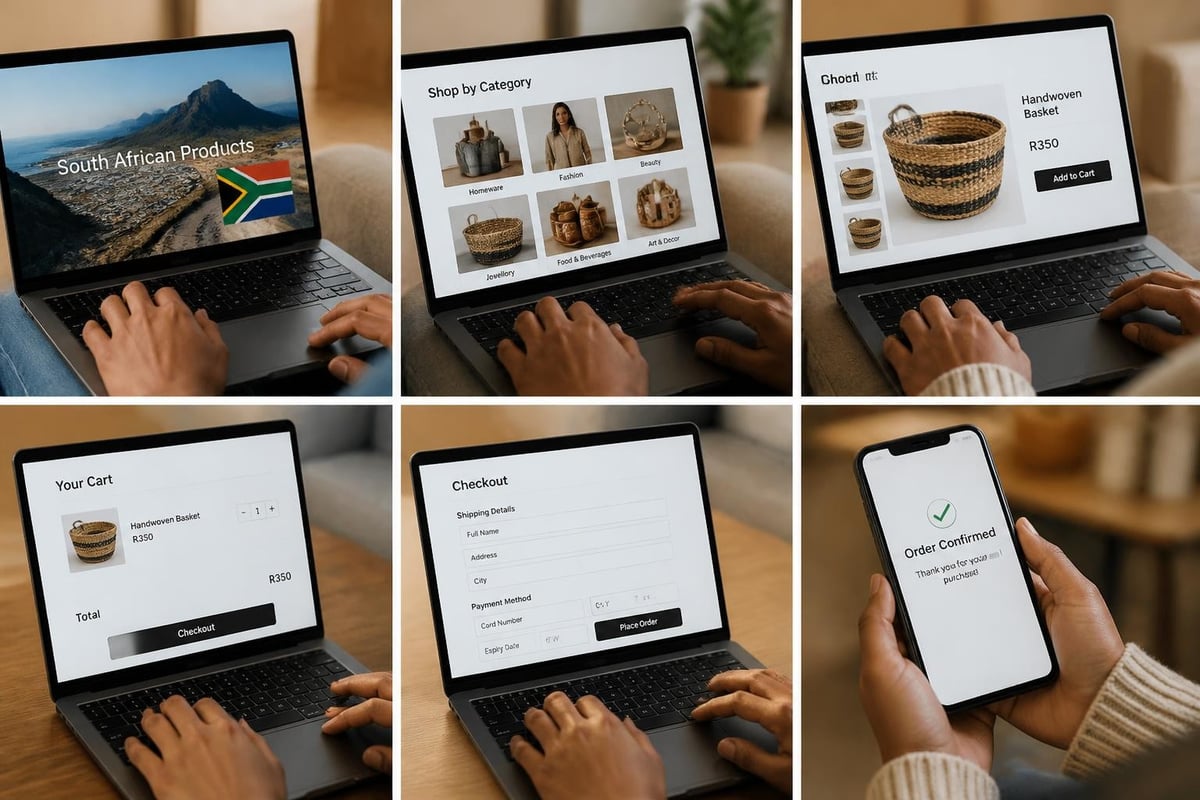
Digital platforms have revolutionised how South Africans in New Zealand access familiar products. Online shopping eliminates geographical barriers, allowing customers throughout New Zealand to purchase items previously available only in specific cities.
Advantages of Online South African Food Shopping
| Benefit | Description | Impact |
|---|---|---|
| Geographic reach | Access from anywhere in NZ | Rural customers included |
| Product variety | Extensive catalogues online | More choice than physical stores |
| Convenience | Shop anytime, delivered to door | Time savings |
| Product information | Detailed descriptions and images | Informed purchasing |
| Special offers | Online promotions and rewards | Cost savings |
The Something From Home rewards programme exemplifies how retailers enhance online shopping experiences for regular customers. These programmes recognise that whispers of satisfaction create loyal communities.
Navigation and Discovery
Modern e-commerce platforms enable sophisticated product discovery. Customers can browse by category, search for specific items, or explore new products. The sitemap structure helps customers navigate extensive catalogues efficiently.
For those uncertain about what they want, browsing just unpacked items reveals newly arrived products, keeping the shopping experience fresh and exciting.
Cultural Transmission Through Food
Beyond personal nostalgia, South African food products serve crucial roles in cultural transmission. Parents raising children in New Zealand use traditional foods to teach heritage and maintain family connections to South Africa.
Teaching Through Taste
Young South Africans growing up in New Zealand may never have lived in their parents' homeland, yet food provides tangible connections to that culture. Preparing traditional dishes, using authentic ingredients, and celebrating cultural occasions with appropriate foods all contribute to identity formation.
The whispers between generations – "This is what we ate growing up" or "Your grandmother made this every Sunday" – transform simple meals into cultural education. Products like Jungle Oats or Ouma Rusks become more than breakfast items; they become heritage vessels.
Community Events and Gatherings
South African communities in New Zealand regularly organise events celebrating their shared culture. These gatherings require authentic ingredients to recreate traditional experiences. From rugby match viewings with proper South African snacks to Heritage Day celebrations featuring traditional dishes, food anchors cultural practice.
The Emotional Economics of Expatriate Shopping
The purchasing decisions South Africans make regarding traditional foods reflect interesting economic-emotional calculations. These products often cost more than local alternatives due to importation expenses, yet customers willingly pay premiums.
Value Beyond Price
Factors influencing purchase decisions:
- Emotional satisfaction from familiar tastes
- Inability to substitute with local products
- Occasion-specific requirements (celebrations, traditions)
- Gift-giving for other South Africans
- Supporting businesses serving the community
The whispers of doubt – "Is it worth the extra cost?" – typically resolve in favour of purchasing when emotional value is considered. A jar of Mrs Ball's Chutney isn't merely a condiment; it's a taste of home, a connection to identity, and a comfort during adaptation.
Research on consumer behaviour in diaspora communities demonstrates that cultural products command premium pricing because they fulfil needs beyond basic nutrition. They address psychological requirements for belonging and identity maintenance.
Practical Tips for South African Food Shopping in NZ
Maximising value and satisfaction when purchasing South African products requires strategic approaches. Experienced expat shoppers develop systems ensuring they never run out of essentials while managing costs effectively.
Shopping Strategies
- Bulk purchasing: Buy non-perishables in larger quantities when sales occur
- Subscription services: Establish regular delivery schedules for frequently used items
- Seasonal planning: Stock up on specific products for holidays and events
- Product substitution awareness: Know when local alternatives suffice and when authentic products matter
- Community buying: Coordinate with other South Africans to share shipping costs
Understanding payment options helps customers plan purchases effectively. Flexible payment methods accommodate different financial situations while maintaining access to desired products.
Storage and Preservation
Once products arrive, proper storage extends shelf life and maintains quality. Many South African items travel long distances, making careful handling important.
Storage recommendations:
- Keep biltong and droëwors in cool, dry conditions
- Refrigerate opened condiments and preserves
- Store rusks in airtight containers to prevent softening
- Monitor expiry dates on imported products
- Freeze suitable items for long-term storage
Product Discovery and New Favourites
While South Africans typically seek familiar products, discovering items they didn't know existed creates exciting shopping moments. Specialised retailers stock products beyond mainstream brands, introducing customers to regional specialties and artisan producers.
The on-sale collection provides opportunities to try new products at reduced prices. These whispers of curiosity – "I wonder what that tastes like?" – expand culinary horizons while maintaining cultural connections.
Beyond Food: Cultural Products
South African shops often expand beyond groceries to include cultural items like cosmetics and toiletries, traditional crafts, and lifestyle products. These items contribute to comprehensive cultural maintenance, allowing South Africans to surround themselves with familiar brands and styles.
Customer Service and Community Support
Quality South African retailers understand they're providing more than products; they're supporting a community. Excellent customer service reflects this understanding, treating each interaction as an opportunity to strengthen connections.
Support Mechanisms
The FAQ section addresses common questions, while contact options ensure personalised assistance when needed. Tracking capabilities keep customers informed about delivery progress, reducing anxiety about delayed shipments.
These services acknowledge that whispers of concern – "Where's my order?" or "Do you stock this product?" – deserve prompt, helpful responses. Building trust through reliable service creates lasting customer relationships.
The Future of South African Food Access in New Zealand
As New Zealand's South African community continues evolving, so does the market for traditional products. Emerging trends suggest increasing sophistication in both supply and demand.
Anticipated Developments
| Trend | Description | Timeline |
|---|---|---|
| Artisan products | Small-batch, premium South African items | Currently emerging |
| Fresh produce | Improved cold chain enabling perishable imports | 2-3 years |
| Recipe kits | Pre-measured ingredients for traditional dishes | Near future |
| Virtual experiences | Cooking classes and cultural events online | Already beginning |
| Sustainable sourcing | Emphasis on ethical, environmental practices | Growing priority |
The whispers about what's possible continue expanding as logistics improve and consumer expectations evolve. Retailers adapting to these changes will better serve community needs while remaining commercially viable.
The whispers of home that South Africans in New Zealand experience reflect deep cultural connections that transcend mere preference, representing fundamental aspects of identity and belonging. Access to traditional foods, snacks, and groceries enables these connections to flourish despite geographical distance. Something From Home provides comprehensive access to over 2,500 South African products, supporting the community's cultural maintenance while delivering the familiar tastes that make New Zealand feel a little more like home.